
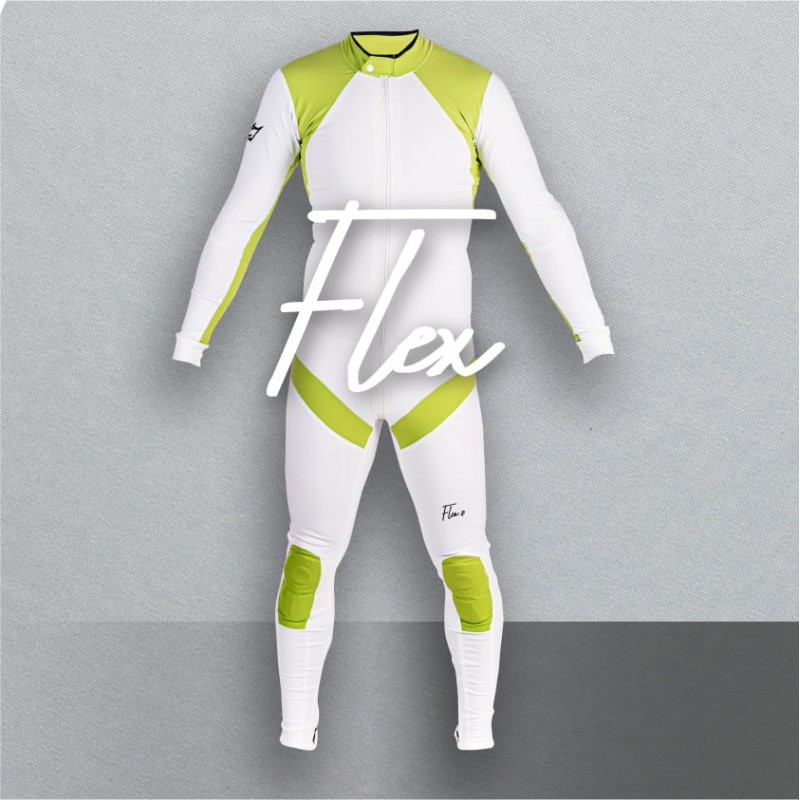
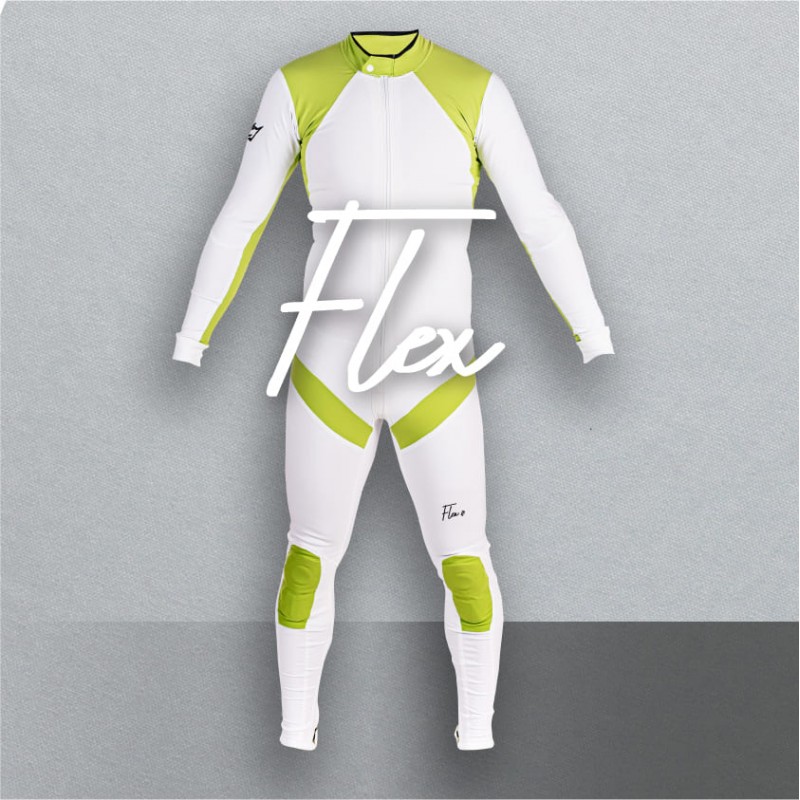
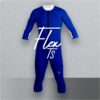
Tonfly Flex Skydiving Suit
€350.00
Product Description
The Tonfly Flex Skydiving Suit is a customizable performance garment designed for skydivers who need freedom of movement, durable construction, accurate sizing, and a clean aerodynamic profile. Rather than functioning as protective life-support equipment, the suit helps the wearer manage body position, comfort, fabric drag, and mobility during aircraft exits, freefall, training, and landing preparation.
Tonfly allows customers to configure its suits through selectable fabrics, colours, logos, options, setups, and detailed body measurements. The official configurator lists Cordura Flex among the available fabric options and provides different construction choices, including Comfort, Comfort Plus, and Low configurations. Because every setup can influence fit and airflow, buyers should choose their options according to body type, experience, discipline, climate, and instructor guidance.
Tonfly Flex Skydiving Suit: Custom-Fitted Performance, Mobility, and Airflow Control
Understanding the Tonfly Flex Skydiving Suit
Parachute Jump Australia, Skydive Byron Bay, and Cairns Skydiving
A jumper preparing for a parachute jump Australia experience, visiting Skydive Byron Bay, or participating in Cairns skydiving should consider temperature, humidity, wind, aircraft type, and landing-area conditions when selecting a suit.
Warmer locations may favour lighter construction and improved ventilation. However, cooler jump days may require suitable base layers beneath the suit. The final measurements should therefore account for the clothing normally worn underneath it.
Weight Limit Skydiving and Suit Fit
A weight limit skydiving policy normally concerns the aircraft, harness, instructor, and parachute system rather than the suit alone. Nevertheless, body weight and proportions affect garment sizing.
A correctly fitted suit should allow the wearer to bend, arch, reach all handles, and move the legs without excessive resistance. It should not pull tightly across the shoulders or create loose fabric that produces unpredictable drag.
Tonfly’s ordering process includes detailed measuring guidance because precise body measurements are essential when configuring a custom suit.
Flex Fabric and Mobility
Flexible fabric panels help support movement around the shoulders, arms, torso, hips, and knees. The official configurator identifies Cordura Flex options within several available suit configurations.
This flexibility can improve comfort when reaching for the freefly pud handle, checking the parachute rig, moving inside an aircraft, or adopting different freefall positions. However, the material does not replace proper physical technique or professional coaching.
Tracking Jump and Body-Flight Control
During a tracking jump, the pilot uses body shape, arm position, leg extension, and torso angle to create horizontal movement.
The suit can provide a consistent outer surface, but it cannot determine direction, separation, or safe deployment altitude. Fabric choice and fit may affect drag, so users should become familiar with a new suit during conservative jumps before entering large groups.
Skydiving Speed and Speed Sky Diving
At increased skydiving speed, fabric stability becomes especially important. Loose areas may flap, create noise, or produce uneven resistance. Therefore, competitors involved in speed sky diving generally require a close, stable fit that supports a streamlined body position.
The suit must still permit unrestricted access to the deployment and emergency handles. Aerodynamic efficiency should never be prioritized over equipment accessibility.
Skydiving Helmet and Skydive Helmets
A skydiving helmet forms part of the wider equipment setup but is not included with the suit. Buyers may compare different skydive helmets, a sky helmet skydiving design, sky diving helmet, or full face skydiving helmet.
Products such as the G35 helmet, Cookie G4 helmet, and other skydiving helmet full face models should integrate with the suit collar without creating uncomfortable pressure or restricting head movement.
The best skydiving helmet depends on fit, certification, visibility, discipline, and personal requirements rather than appearance alone.
Skydiving Glasses and Eye Protection
The question can you wear glasses while skydiving depends on helmet style and secure eye protection. Properly fitted skydiving glasses or skydiver goggles may be worn when approved by the instructor or operator.
The suit collar should remain below the helmet and should not push eyewear out of position.
Parachute Rig and Container Compatibility
The back, shoulders, waist, and leg areas must fit comfortably beneath a parachute rig, skydiving rig, or container skydive system.
Loose fabric should not cover handles, become trapped beneath hardware, or interfere with the chest strap and leg straps. Furthermore, the suit should remain smooth beneath the harness to reduce pressure points.
Understanding the parts of a parachute helps the user confirm that the garment does not obstruct the pilot chute, emergency handles, risers, chest strap, leg straps, or reserve-container components.
Skydiving Rigging and Equipment Inspection
Professional skydiving rigging concerns the parachute system rather than the suit. Still, a rigger or instructor can help determine whether pockets, cuffs, zippers, or added graphics create interference risks.
Routine checks for linewear remain separate from suit maintenance. However, rough hardware or exposed fasteners may damage both suspension lines and garment fabric during packing or handling.
Wingsuit Sport and Conventional Suit Use
The Tonfly Flex is a conventional fitted garment and should not be confused with equipment used for the wingsuit sport.
A vector wingsuit, gliding suit wingsuit, standard wingsuit, skydiving gliding suit, or products listed as wing suits for sale contain wing surfaces that produce different aerodynamic behaviour.
The price of wingsuit equipment, an indoor wingsuit session, tandem wingsuit search, or other specialized fly suits should not be used to judge the function of a conventional suit.
Canopy Flight and Landing Preparation
During canopy flight, the garment should allow unrestricted steering and full movement of the arms and legs. Searches for landing flight risers, Safire 3, Fluid Wings, the smallest canopy, or a skydiving downsizing chart relate to canopy selection and pilot training rather than suit performance.
The suit cannot improve the safety of an unsuitable canopy or compensate for inadequate landing skills.
Hook Blade Knife and Emergency Access
A hook blade knife, hook knife skydiving tool, or skydive hook knife may be carried in an approved accessible location.
Any external pocket or attachment point should be evaluated carefully. The tool should remain secure but reachable, and it must not create a snag hazard.
CRW Skydiving and Specialized Disciplines
During CRW skydiving, a trained jumper pilot operates near other inflated canopies. Suit pockets, cuffs, and loose material must therefore remain secure.
Likewise, the garment alone does not qualify someone for formation flying, freeflying, speed disciplines, camera work, or advanced canopy operations.
Base Jumping and Base Canopy Distinction
Base jumping, sometimes incorrectly called baseline jumping, involves specialized procedures and equipment. A base canopy and BASE-specific clothing requirements differ from conventional aircraft skydiving.
The suit should only be used within activities for which the wearer has received appropriate training.
Fire Parachute and CYPRES Fire Skydiving
The phrases fire parachute and CYPRES fire skydiving refer to unrelated safety-system discussions. The suit contains no automatic activation mechanism, cutter, reserve deployment device, or electronic altitude sensor.
It should never obstruct the control head, reserve handle, cutaway handle, or other safety components.
Gear Bag and Equipment Planning
A complete gear bag skydive setup may contain the suit, helmet, goggles, altimeters, gloves, logbook, and other accessories.
A responsible skydiving equipment list should distinguish clothing from life-support components. Each item should be inspected independently before use.
Travel, Tunnel Training, and Destination Searches
Locations and activities such as Skydive Belize, skydiving Blue Hole Belize, iFly Colorado Springs, or skydiving tube training may involve different temperature, fabric, and equipment requirements.
Tonfly notes that its suits can be customized through precise measurements and selectable design options. Its range also includes garments intended for both sky and wind-tunnel use, although the exact suitability of a specific configuration should be confirmed before ordering.
Unrelated Search Phrases
A nude parachute jump, skydiving nude, new skydive, #skydiving latest, or a general skydiving website does not describe the suit’s engineering or performance.
The correct purchase decision should be based on accurate measurements, intended discipline, fabric selection, climate, mobility requirements, colour configuration, professional advice, and compatibility with the wearer’s complete equipment setup.
Fabric Construction, Fit, Mobility, Comfort, and Maintenance
Performance-Oriented Construction
The suit is designed to provide a stable outer surface while allowing the wearer to move naturally through different body positions. Its construction balances flexibility, durability, and aerodynamic consistency.
A well-made garment should remain close enough to the body to reduce uncontrolled fabric movement without restricting the shoulders, hips, knees, or elbows. The pattern should also support smooth transitions between neutral, arched, seated, and head-oriented positions.
The final performance depends heavily on the selected configuration and the accuracy of the supplied measurements. Therefore, buyers should follow the manufacturer’s measuring process carefully rather than relying on standard clothing sizes.
Importance of Accurate Measurements
Custom sizing affects comfort, airflow, mobility, and access to safety equipment. Small measuring errors may create noticeable problems once the garment is worn under a harness.
Important measurements commonly include:
- Height
- Chest circumference
- Waist circumference
- Hip circumference
- Shoulder width
- Arm length
- Inseam
- Thigh circumference
- Calf circumference
- Torso length
Measurements should be taken while the wearer stands naturally. The tape should remain level and firm without being pulled excessively tight.
The clothing normally worn underneath should also be considered. A garment ordered for warm-weather use may require different allowances from one intended for colder conditions.
Close and Controlled Fit
A close fit can help reduce flapping and maintain more predictable airflow around the body. However, tightness alone does not guarantee good performance.
The wearer must still be able to:
- Raise both arms fully
- Bend the knees comfortably
- Reach every handle
- Arch without restriction
- Sit inside the aircraft
- Walk and land normally
- Rotate the shoulders freely
If the garment pulls strongly across the back or shoulders, it may restrict movement and create fatigue. Conversely, excessive fabric may produce unstable drag or unwanted vibration.
The ideal fit provides control without sacrificing mobility.
Flexible Fabric Zones
Flexible panels may be placed around high-movement areas to improve range of motion. These areas often include the shoulders, lower back, hips, knees, and elbows.
The flexible material allows the garment to follow the body during transitions. It may also reduce pulling around the torso when the wearer reaches for equipment.
These panels should remain smooth and structurally sound. Repeated stretching, abrasion, or improper washing may weaken them over time.
The wearer should inspect flexible areas for thinning, loose stitching, distortion, and small tears.
Durable High-Wear Areas
Certain parts of the suit experience more contact than others. The knees, seat, elbows, cuffs, and lower legs may encounter aircraft flooring, packing surfaces, grass, dirt, and landing areas.
Reinforced construction in these zones can improve service life. However, no fabric is resistant to every type of abrasion.
The wearer should avoid dragging the garment across concrete or rough surfaces. Sharp objects, exposed fasteners, and damaged aircraft interiors may also cut or snag the material.
Small damage should be repaired before it spreads into a larger tear.
Airflow Management
The garment influences how air moves around the wearer’s body. Fabric type, surface texture, panel shape, and overall fit all contribute to drag.
A smoother, closer configuration generally produces less resistance, while a looser configuration may increase drag. However, the actual effect also depends on body size, position, experience, and speed.
A new suit may feel different from an older or looser garment. Therefore, the wearer should become familiar with its response during controlled training before using it in demanding group situations.
Arm and Leg Mobility
The sleeves and legs should support a full range of movement without twisting around the limbs.
Restricted sleeves may make arm positioning difficult. Similarly, tight knees or hips may limit leg extension and reduce comfort during aircraft movement.
The garment should remain aligned when the wearer bends, reaches, or rotates. Seams should not create excessive pressure against the skin or beneath equipment straps.
Proper mobility becomes especially important during emergency-handle practice and landing preparation.
Collar Design and Neck Comfort
The collar should sit comfortably around the neck without rubbing or pressing upward.
An excessively high or stiff collar may interfere with head movement or create discomfort beneath protective equipment. A collar that is too loose may flap during freefall.
The wearer should confirm that the neckline remains smooth after all equipment has been fitted. It should not fold under shoulder straps or press against the jaw.
Any hook-and-loop material near the neck should remain covered so that it does not scratch the skin.
Wrist and Ankle Closures
Secure wrist and ankle closures help keep the garment in position during movement.
The cuffs should remain firm without restricting circulation. They should also prevent loose fabric from sliding over the hands or footwear.
Fasteners must stay closed during use. Worn elastic, damaged zippers, or weak hook-and-loop material may allow the cuffs to open unexpectedly.
Before each jump, all closures should be checked for security and freedom of movement.
- Air dry only: Direct heat from dryers can weaken elasticity and warp materials.
Zipper Construction
The main zipper experiences repeated opening, closing, bending, and pressure.
It should move smoothly without separating or catching surrounding fabric. The slider, teeth, stitching, and protective flap should all remain intact.
The wearer should avoid pulling the zipper aggressively when the garment is under tension. If resistance occurs, the fabric should be relaxed before another attempt is made.
A damaged zipper should be repaired professionally rather than temporarily secured with pins, wire, or tape.
Pocket Placement
Pockets may provide convenient storage, but they must not interfere with equipment or create snag hazards.
Pocket closures should remain secure during freefall and landing. Loose objects can be lost or may strike another person.
The user should avoid carrying hard, sharp, or heavy items unless the pocket has been designed for them. Contents should never obstruct movement or press uncomfortably beneath the harness.
Every pocket should be emptied and checked before washing.
Harness Compatibility
The garment must remain smooth beneath the harness. Folded fabric, thick seams, or bulky pocket contents may create uncomfortable pressure points.
Before use, the wearer should put on the complete system and confirm that:
- All handles remain visible
- Arm movement remains unrestricted
- Leg straps sit correctly
- The chest strap does not trap fabric
- The collar does not bunch beneath the container
- Pockets remain accessible only where appropriate
- No zipper or seam presses against hardware
A full practice check is especially important after receiving a new suit or changing equipment.
Temperature and Layering
The selected setup should match the expected climate. Thin construction may feel comfortable in warm conditions, while colder environments may require thermal layers.
Layering affects the fit. Thick clothing underneath may reduce mobility or tighten the suit across the shoulders and torso.
The wearer should test the complete combination before the jumping day. Movement, handle access, circulation, and comfort should all remain acceptable.
Overheating is also possible. Ventilation and hydration should be considered during warm-weather operations.
Use in Training Environments
The suit may be used during controlled body-flight training when its fit and construction suit the facility’s requirements.
Training environments can create significant fabric wear because the wearer may spend longer periods in airflow and make repeated contact with walls, nets, or padded surfaces skydiving tube.
The garment should be inspected after intensive sessions. Knees, elbows, cuffs, seat panels, and zipper areas deserve particular attention.
Facility rules should be followed regarding pockets, footwear, closures, and loose accessories.
Pre-Use Inspection
Before wearing the garment, the user should complete a brief visual and functional check.
The inspection should cover:
- Main zipper
- Wrist closures
- Ankle closures
- Seams
- Flexible panels
- Reinforced areas
- Pockets
- Collar
- Logos and attachments
- Areas that contact the harness
The wearer should also perform several movements while fully equipped. Any restriction or equipment interference should be corrected before boarding.
Cleaning Instructions
Cleaning should follow the official care label. Strong detergents, bleach, solvents, and fabric treatments may damage coatings, colours, flexible materials, or stitching.
A gentle wash is generally safer than aggressive cleaning. Zippers and closures should be secured before washing to reduce snagging.
Heavy contamination may require professional advice. Oil, fuel, adhesives, and industrial chemicals can affect both the garment and nearby safety equipment.
The suit should never be washed together with sharp metal objects or abrasive equipment.
Drying the Garment
Natural air drying is usually preferable. The suit should be hung in a shaded, well-ventilated location.
High heat may shrink, deform, or weaken certain materials. Therefore, heaters, open flames, hot radiators, and excessive tumble-dryer temperatures should be avoided unless the care instructions clearly permit them.
The garment should be completely dry before storage. Damp fabric may develop odour, mildew, staining, or material deterioration.
Storage Between Uses
The suit should be stored clean, dry, and away from direct sunlight.
It may be hung on a broad hanger or folded carefully without creating sharp creases. Heavy equipment should not be placed on top of it for long periods.
Storage areas should remain free from moisture, fuel, oil, cleaning chemicals, rodents, and insects.
Before the suit is returned to use after long-term storage, all seams, closures, and flexible panels should be inspected.
Repairing Damage
Small tears and loose stitching should be repaired before they grow.
Repairs should preserve the original fit and flexibility. Thick patches or poorly positioned seams may alter airflow or create pressure beneath the harness.
Zipper replacement, panel repair, and major resizing should be handled by the manufacturer or a technician experienced with specialist air-sports garments.
Household glue, staples, safety pins, and improvised stitching should not be used for operational repairs.
Long-Term Fit Changes
Body shape and weight may change over time. A garment that once fitted correctly may gradually become too tight or too loose.
The wearer should reassess the fit when movement becomes restricted, excess fabric develops, or handle access changes.
Minor alterations may be possible, but significant resizing may affect the original panel geometry. Professional evaluation should determine whether alteration or replacement offers the better solution.
Responsible Ownership
A performance suit should be treated as specialist equipment rather than ordinary clothing.
Its condition, fit, cleanliness, and compatibility can influence comfort and body-flight consistency. However, the garment cannot replace training, awareness, or sound judgment.
Reliable use comes from accurate sizing, careful inspection, appropriate configuration, regular maintenance, and gradual familiarization with its flight characteristics.
Real-World Performance, Practical Use, Troubleshooting, and Long-Term Value
Adapting to a New Suit
A new suit may feel different from an older garment, even when both appear to fit correctly. Fabric tension, panel placement, surface texture, and overall cut can change the amount of resistance created around the arms, legs, and torso.
The wearer should begin with controlled jumps or supervised training. This allows time to understand how the suit responds during neutral flight, turns, transitions, forward movement, and recovery.
Large formations, demanding routines, or high-speed disciplines should not be the first environment used to evaluate a new configuration.
Developing Consistent Body Control
The suit performs best when the wearer applies stable and deliberate body inputs. Abrupt movements may create more noticeable reactions because the fabric follows changes in body shape.
Consistency develops through repetition. The wearer should focus on symmetrical arm placement, controlled leg pressure, stable torso position, and smooth transitions.
Video review can be useful because small asymmetries may not be obvious during the jump. Coaching may also help distinguish between garment-related effects and technique-related errors.
Understanding Fall-Rate Changes
Fabric choice and fit can influence vertical speed. A tighter configuration generally produces less drag, while a looser configuration may create more resistance.
However, fall rate also depends on body size, muscle tension, position, experience, and movement. Therefore, the garment should not be treated as the only factor.
When the wearer falls faster or slower than expected, several points should be reviewed:
- Body position
- Arm and leg spread
- Fabric fit
- Layering beneath the suit
- Training technique
- Group size
- Airspeed
Adjustments should be made gradually rather than through uncontrolled movements.
Group Flying Considerations
During group jumps, predictable movement is essential. A well-fitted suit can support consistency, but the wearer must still maintain awareness of the formation, planned levels, approach path, and separation procedure.
A new garment should be tested before joining a large group. Even a small change in drag may affect approach speed or the amount of effort needed to remain level.
The wearer should communicate any equipment change to the organizer or coach when it may influence performance.
Transition Performance
Flexible construction can support transitions between different body positions. However, the garment cannot complete these movements for the wearer.
Smooth transitions require coordinated control of the shoulders, hips, legs, and torso. Excessive tension may cause overshooting, while insufficient input may result in a slow or incomplete movement.cypress fire skydiving
The suit should remain aligned during transitions. Twisting sleeves, rotating legs, or fabric bunching may indicate an unsuitable fit or incorrect layering.
Aircraft Comfort and Movement
Inside the aircraft, the garment should allow the wearer to sit, kneel, crawl, and move toward the exit without restriction.
The zipper, collar, pockets, and cuffs should not catch on seats, handles, floor fittings, or another person’s equipment.
The wearer should avoid placing sharp objects in the pockets or sitting directly on bulky contents. Hard objects may create discomfort beneath the harness or damage the fabric.
Before exit, all closures should be checked again.
Exit Performance
The suit should remain stable when exposed to airflow at the door. Loose cuffs, unsecured pockets, or partially opened zippers may flap or catch air unexpectedly.
The wearer should complete the planned exit without allowing the garment to distract from body position or group timing.
Any unusual fabric movement noticed at the door should be assessed before leaving the aircraft when sufficient time and space are available.
Handle Access
One of the most important fit tests is unrestricted access to every operational handle.
The wearer should rehearse each movement while fully equipped. Both hands should be able to reach the required areas without excessive shoulder strain, fabric tension, or obstruction.
The suit should not cover, trap, or press against any handle. Changes in layering, weight, or equipment configuration may alter access and should therefore be checked before use.
Landing Mobility
During the final part of the descent, the wearer must be able to raise the knees, extend the legs, run, slide, or perform another trained landing technique.
Tight fabric around the hips, thighs, or knees may limit movement. Excessively loose material may also catch on footwear or surrounding objects.
The wearer should test full leg movement on the ground before boarding.
Wind and Temperature Effects
Cold conditions may make some materials feel stiffer. Additional clothing beneath the suit can also reduce flexibility.
In hot conditions, overheating may become a concern. The wearer should consider hydration, ventilation, waiting time, and the amount of clothing worn underneath.
Wind can increase cooling during aircraft ascent and after landing. Therefore, the complete clothing system should suit the expected environment rather than only the freefall phase.
Be the first to review “Tonfly Flex Skydiving Suit”
Related products
Skydiving Suit

Skydiving Suit
Skydiving Suit

Skydiving Suit

Skydiving Suit
Reviews
There are no reviews yet.