


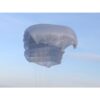
MarS Reserve WP canopy
€1,250.00
The MarS Reserve WP Canopy is a modern reserve parachute designed to provide dependable emergency support for skydivers who require confidence, stability, and predictable performance from their backup canopy system. Built with careful attention to reliability, handling characteristics, and practical integration with contemporary parachute equipment, the Reserve WP canopy represents an important component of a complete skydiving setup.
A reserve canopy serves one of the most critical functions in parachuting. While the main canopy provides the primary flight system, the reserve exists as a backup solution designed to provide controlled descent when the primary system cannot be used normally. Therefore, reserve selection requires careful consideration of size, compatibility, certification, deployment characteristics, and jumper experience.
The MarS Reserve WP Canopy is designed for trained skydivers who understand the importance of proper equipment preparation, regular inspection, and responsible operation. Its construction focuses on reliability, stability, and confidence during emergency situations where performance matters most.
MarS Reserve WP Canopy | Reliable Reserve Parachute System for Modern Skydiving Performance
MarS Reserve WP Canopy Features, Safety Benefits, and Buyer Guide
Why Choose the MarS Reserve WP Canopy?
The main reason skydivers choose a dedicated reserve canopy is reliability. A reserve parachute is not selected for everyday performance alone; it must provide predictable behavior during situations where confidence and control are essential.
The MarS Reserve WP Canopy is designed for jumpers who want a dependable backup system that supports controlled descent and stable handling. Its purpose is to provide reassurance during every jump by acting as a carefully engineered safety component within the complete parachute system.
For anyone researching a complete skydiving equipment list, a reserve canopy is one of the most important components alongside the main canopy, container, harness system, activation device, and other safety equipment.
How Does a Reserve Canopy Work?
A reserve canopy functions as an emergency flight system that allows the jumper to safely descend when the primary parachute cannot be used effectively. During a reserve deployment, the canopy inflates, creates lift, and allows the jumper to control the descent toward a suitable landing area.
Unlike recreational equipment that is used only occasionally, reserve equipment must remain ready for unexpected situations. Therefore, inspection, packing procedures, and compatibility are extremely important.
A reserve canopy works together with other components, including the parachute rig, container skydive system, deployment system, and harness assembly.
Understanding the parts of a parachute helps jumpers appreciate how each element contributes to overall safety.
Where and When Should a Reserve Canopy Be Used?
A reserve canopy is intended for emergency situations during skydiving activities. It is not a replacement for the main canopy during normal operations. Instead, it provides a backup option when the primary system cannot safely complete the jump.
Whether participating in recreational jumps, training, competitions, or international events such as parachute jump Australia, skydive Byron Bay, Cairns skydiving, skydive Belize, or skydiving Blue Hole Belize, proper reserve equipment remains essential.
Before jumping in any location, skydivers should ensure their equipment complies with local regulations and drop-zone requirements.
Understanding Canopy Selection
Choosing the correct reserve canopy requires consideration of multiple factors, including jumper experience, body weight, equipment configuration, and manufacturer recommendations.
Search terms such as weight limit skydiving, skydiving downsizing chart, smallest canopy, and base canopy are often used by jumpers researching canopy progression.
However, selecting a reserve should never be based only on size or performance preferences. Reserve selection should prioritize reliability, predictable handling, and suitability for the individual jumper.
Supporting Different Skydiving Activities
Modern skydiving includes many disciplines with different equipment requirements. A reliable reserve system supports jumpers involved in activities such as:
- Formation skydiving
- Tracking jumps
- Freefly
- Canopy training
- Competition activities
- Wingsuit flying
Advanced disciplines such as tracking jump, wingsuit sport, vector wingsuit, wingsuit, gliding suit wingsuit, skydiving gliding suit, fluid wings, fly suits, and tandem wingsuit require appropriate training and carefully selected equipment.
A dependable reserve system provides additional confidence regardless of the jumper’s preferred discipline.
Compatibility With Complete Skydiving Systems
A reserve canopy is only one part of a complete parachute setup. A complete system may include:
- Reserve canopy
- Main canopy
- Container system
- Harness
- Deployment components
- Automatic activation device
- Protective equipment
Other equipment terms such as skydiving rig, skydiving rigging, linewear, landing flight risers, and canopy flight relate to different aspects of parachute operation.
Understanding how these components interact helps jumpers make better equipment decisions.
Safety Equipment and Emergency Preparation
Responsible skydiving involves preparation and awareness. Emergency accessories and procedures are important parts of advanced training.
Equipment discussions often include items such as:
- Hook blade knife
- Hook knife skydiving
- Skydive hook knife
- Emergency handles
- Backup systems
These items are designed to support emergency procedures when used correctly and according to professional guidance.
Systems such as cypress fire skydiving equipment and other safety technologies also demonstrate how modern skydiving continues to develop through improved engineering.
Choosing Protective Equipment
A complete setup also includes protective equipment designed to improve comfort and safety.
Common searches include:
- Skydiving helmet
- Skydive helmets
- Sky helmet skydiving
- Skydiving helmet full face
- Full face skydiving helmet
- Skydiving glasses
- Skydiver goggles
Popular helmet comparisons may include models such as the g35 helmet and cookie g4 helmet, especially among experienced jumpers.
However, helmets and reserve canopies serve different purposes. Protective head equipment reduces impact risk, while reserve equipment provides emergency flight capability.
Performance During Emergency Situations
A reserve canopy must provide predictable behavior when deployed under stressful circumstances. Stability, inflation characteristics, and controllable flight are essential because the jumper may have limited time to evaluate conditions.
The ability to maintain control during reserve flight allows the jumper to focus on selecting an appropriate landing area and completing the landing procedure safely.
This is why reserve design prioritizes reliability and predictable handling rather than extreme performance characteristics.
Travel and Professional Skydiving Use
Many skydivers travel internationally for training, competitions, and recreational activities. Proper equipment organization becomes essential during transportation.
A suitable gear bag skydive setup helps protect equipment while making travel easier. Researching a trusted skydiving website can also help jumpers find information about locations, regulations, and equipment requirements.
Training environments such as ifly Colorado Springs and indoor facilities provide additional opportunities for skill development, although outdoor skydiving remains dependent on proper equipment preparation.
Additional Skydiving Terms and Equipment Research
Many related searches represent different areas of the sport, including:
- Base jumping
- Baseline jumping
- New skydive
- #skydiving latest
- Jumper pilot
- CRW skydiving
- Freefly pud handle
- Safire 3
- Price of wingsuit
- Wing suits for sale
- Skydiving tube
- Indoor wingsuit
- Skydiving nude
- Nude parachute jump
These terms describe different activities, equipment discussions, or search interests within the wider parachuting community.
Final Overview of the MarS Reserve WP Canopy
The MarS Reserve WP Canopy is designed to provide trained skydivers with a reliable emergency parachute solution focused on stability, predictable handling, and confidence. As a critical part of a complete parachute system, it supports safer decision-making and improved preparation during every jump.
When combined with proper training, regular inspections, correct packing procedures, and responsible equipment management, the MarS Reserve WP Canopy becomes a valuable component of a modern skydiving system designed for reliability when it matters most.
Advanced Engineering, Reliability, Handling Characteristics, and Real-World Performance
Designed for Dependable Emergency Performance
A reserve parachute system must be built around reliability, predictability, and confidence. Unlike equipment used only for performance enhancement, a reserve system exists to provide support during unexpected situations where controlled flight becomes essential.
Every element of the design process focuses on creating dependable behavior when the jumper needs it most. Materials, construction methods, and aerodynamic characteristics all contribute to producing a system that performs consistently under demanding conditions.
The goal of a reserve canopy is not extreme maneuverability but controlled, stable, and predictable performance that supports safe decision-making.
Importance of Stable Flight Characteristics
A stable flight profile is one of the most important qualities of an emergency parachute system. After deployment, the jumper must quickly understand the canopy’s behavior and prepare for the remaining stages of the descent.
Predictable handling allows the jumper to focus on altitude awareness, environmental conditions, and selecting an appropriate landing area. A canopy that responds smoothly and consistently provides greater confidence during situations that may already involve stress.
Controlled performance remains a priority because simplicity and reliability are essential during emergency procedures.
Engineering Focus on Reliability
Reliable equipment begins with careful engineering and quality manufacturing. Every component must work together effectively to support consistent operation throughout the life of the system.
Durable materials help maintain structural integrity, while precise construction techniques contribute to dependable performance. Regular inspections and proper maintenance further protect the equipment by identifying potential issues before they become serious concerns.
A well-maintained system provides confidence because the jumper knows the equipment has been properly prepared.
The Importance of Proper Configuration
Correct configuration plays a major role in equipment performance. Every component must be compatible and correctly installed according to professional recommendations.
Factors such as system size, user requirements, equipment condition, and operating environment should always be considered before use. Making decisions based only on appearance or personal preference can create unnecessary risks.
Careful configuration ensures that all parts function together as intended.
Performance During Challenging Situations
Emergency situations often occur unexpectedly, which means equipment must perform without hesitation. A dependable reserve system should provide a controlled response that allows the jumper to regain stability and continue making appropriate decisions.
The ability to remain calm and follow established procedures is essential. Equipment reliability supports this process by providing predictable performance during moments when confidence is extremely important.
Preparation and training work together with equipment reliability to create better outcomes.
Understanding Canopy Control
Effective canopy control involves understanding how the system responds to inputs and environmental conditions. Jumper awareness, training, and familiarity with equipment behavior all influence successful flight management.
Factors such as wind, landing area conditions, and altitude awareness require careful evaluation throughout descent. Developing these skills allows jumpers to make more informed decisions and maintain better control.
Regular training helps strengthen these abilities before they are needed in real situations.
Durability Through Proper Care
Long-term reliability depends heavily on responsible ownership. Equipment should be stored correctly, inspected regularly, and protected from unnecessary exposure to damaging conditions.
Moisture, excessive heat, improper storage, and careless handling can affect equipment condition over time. By following recommended care procedures, owners can preserve performance and extend service life.
Simple maintenance practices often provide significant benefits over many years of use.
Inspection and Professional Maintenance
Regular inspection is an essential part of responsible equipment ownership. Professional evaluations help identify wear, damage, or conditions that may not be immediately visible during casual checks.
Experienced technicians can assess equipment condition and provide recommendations based on usage history and manufacturer guidance.
Professional maintenance ensures that the system continues meeting expected performance standards throughout its operational life.
Supporting Jumper Confidence
Confidence is an important part of safe participation in any technical sport. When equipment is properly maintained and understood, jumpers can focus more effectively on training, awareness, and decision-making.
Confidence does not come from ignoring risks; it comes from preparation, knowledge, and responsible equipment management.
A reliable system allows jumpers to approach each activity with greater focus and professionalism.
Adaptability Across Different Environments
Skydiving environments can vary significantly depending on location, weather, altitude, and experience level. Equipment must support reliable operation across a wide range of conditions.
Experienced jumpers learn to evaluate environmental factors before every activity and adjust their approach accordingly. This adaptability helps maintain safety while improving overall performance.
Understanding how equipment behaves in different situations creates greater confidence and better preparation.
The Role of Training and Experience
Even the most advanced equipment requires proper training and experience. A jumper’s ability to respond correctly depends on knowledge, practice, and familiarity with emergency procedures.
Regular training reinforces important skills while improving reaction time and decision-making. Equipment should always be considered a support system rather than a replacement for education and preparation.
The combination of training and dependable equipment creates a stronger foundation for safe participation.
Long-Term Value and Ownership Benefits
A well-designed reserve system represents an important investment in reliability and confidence. When properly maintained and used according to professional guidance, it can provide dependable support throughout many years of service.
The greatest value comes from combining quality construction with responsible ownership, regular inspection, correct storage, and continued training.
By following these principles, jumpers can maintain confidence in their equipment while focusing on improving skills and enjoying the sport responsibly.
Complete Ownership Guide, Maintenance Procedures, Safety Preparation, and Long-Term Reliability
Creating a Strong Equipment Management Routine
Responsible ownership begins with developing consistent habits. Advanced equipment performs best when it is properly handled, carefully inspected, and maintained throughout its service life.
A good routine starts before every activity and continues after completion. Checking equipment condition, storing components correctly, and following recommended procedures all contribute to dependable performance.
These habits create confidence because the jumper knows that every part of the system has received proper attention.
Preparing Before Every Use
Preparation is one of the most important responsibilities of any equipment owner. Before use, a complete inspection should be performed to identify visible damage, unusual conditions, or possible concerns.
Checking the overall condition of the system allows small issues to be discovered early. This prevents minor problems from developing into larger concerns that could affect reliability.
A careful preparation routine also improves concentration because the jumper can focus on performance rather than equipment uncertainty.
Understanding Equipment Condition
Equipment condition can change over time due to regular use, transportation, environmental exposure, and storage conditions.
Regular observation helps owners recognize normal wear patterns and identify situations that require professional attention. Understanding the difference between normal use and potential problems is an important skill developed through experience.
Owners should always follow professional recommendations when evaluating equipment condition.
Importance of Regular Inspection
Routine inspection is essential for maintaining long-term reliability. Even equipment that appears visually clean should be examined carefully because some concerns may not be immediately obvious.
Professional inspections provide a deeper evaluation and help confirm that the system remains suitable for continued use. These inspections are especially important as equipment accumulates more activity over time.
Regular checks provide reassurance and support responsible ownership.
Proper Storage Practices
Correct storage protects equipment from unnecessary damage. After use, components should be kept in a clean, dry environment away from excessive moisture, extreme temperatures, and conditions that may affect materials.
Transportation should also be handled carefully. Using appropriate protective storage helps prevent accidental impacts, contamination, and unnecessary wear.
Good storage practices preserve equipment condition while extending its useful lifespan.
Protecting Equipment During Travel
Many jumpers travel frequently for training, events, and recreational activities. During transportation, equipment may experience movement, pressure, and changing environmental conditions.
Organizing equipment properly reduces the possibility of damage and makes preparation easier when arriving at a new location. Protective cases and careful handling methods provide additional security during travel.
A well-organized setup saves time and reduces stress before activities begin.
Developing Strong Safety Habits
Safety depends on more than equipment alone. Good habits, proper training, and careful decision-making remain essential parts of responsible participation.
Experienced jumpers develop routines that include preparation, inspection, communication, and awareness. These habits reduce unnecessary risks while improving confidence.
Consistent safety practices become more effective when they are repeated until they become natural.
Improving Knowledge Through Experience
Experience provides valuable knowledge that cannot be gained from equipment alone. Each activity creates opportunities to improve understanding, decision-making, and technical skills.
Learning from experienced professionals, reviewing performance, and continuing education all contribute to long-term development.
The more familiar a jumper becomes with their equipment and procedures, the better prepared they are to handle different situations.
Managing Equipment Longevity
Long-term performance depends on careful management throughout the equipment’s life. Regular inspections, proper storage, and responsible use all contribute to preserving reliability.
Avoiding unnecessary exposure to harsh conditions and following recommended care procedures help maintain equipment quality.
Small actions performed consistently often create significant improvements over many years.
Recognizing When Professional Assistance Is Needed
Responsible owners understand when expert evaluation is necessary. Some maintenance tasks require specialized knowledge and should only be performed by qualified professionals.
Seeking professional assistance when needed helps ensure that equipment remains reliable and correctly maintained.
Knowing when to ask for support is a sign of responsible ownership rather than a limitation.
Building Confidence Through Preparation
Confidence develops when preparation and knowledge work together. A jumper who understands their equipment and follows proper procedures can approach activities with greater focus and awareness.
This confidence allows more attention to be placed on improving skills and enjoying the experience.
Reliable preparation creates a stronger relationship between the jumper and the equipment system.
Continuous Improvement and Responsible Progression
Progress in skydiving requires continuous learning. As skills develop, jumpers gain a better understanding of equipment, conditions, and personal capabilities.
Maintaining a commitment to improvement helps create safer and more rewarding experiences. Training, reflection, and responsible equipment management all contribute to long-term progression.
The journey of improvement continues throughout a jumper’s involvement in the sport.
Long-Term Ownership Benefits
A carefully maintained reserve system can provide dependable support throughout many years of use. Proper inspections, responsible handling, and consistent care help preserve reliability while protecting the owner’s investment.
The greatest benefits come from combining quality equipment with strong preparation, professional guidance, and responsible habits.
Through careful ownership and continuous learning, jumpers can maintain confidence in their equipment and enjoy a safer, more controlled experience throughout their progression.
Advanced Performance Understanding, Professional Use, and Maximizing Long-Term Value
Developing Advanced Equipment Awareness
As experience increases, jumpers develop a deeper understanding of how every part of their equipment system contributes to overall performance. This knowledge allows them to make better decisions, recognize changes more quickly, and prepare more effectively before every activity.
Advanced awareness comes from combining practical experience, continued education, and careful observation. Over time, experienced users become more familiar with equipment behavior, environmental factors, and the importance of maintaining consistent procedures.
This understanding creates greater confidence and supports safer participation.
Improving Decision-Making Skills
Good decision-making is one of the most important abilities a jumper can develop. Every situation requires careful evaluation of conditions, personal readiness, and equipment status.
Experienced jumpers understand that patience and preparation often lead to better outcomes than rushing into uncertain situations. Taking time to evaluate circumstances demonstrates professionalism and respect for the sport.
Strong judgment develops gradually through training, experience, and thoughtful reflection after each activity.
Supporting Professional and Training Environments
Reliable equipment plays an important role in professional environments where consistency is required. Instructors, coaches, and experienced athletes depend on equipment that performs predictably during repeated use.
Training environments require additional attention because equipment may be used more frequently and under a wider variety of conditions. Proper preparation and maintenance ensure that equipment remains ready for these demanding situations.
A dependable system allows professionals to focus on teaching, improving skills, and supporting others.
The Importance of Continued Education
Skydiving is a constantly evolving activity. New techniques, equipment improvements, and training methods continue to develop, making continued education an essential part of progression.
Learning from qualified professionals helps jumpers improve their understanding while reducing unnecessary risks. Regular training also strengthens confidence and reinforces important safety habits.
A commitment to education ensures that skills continue developing alongside experience.
Adapting to Changing Conditions
Every jump environment can present different challenges. Weather changes, location differences, altitude variations, and personal circumstances can all influence preparation and performance.
Experienced jumpers develop the ability to evaluate conditions carefully and adjust their approach when necessary. This flexibility helps maintain control while supporting better decisions.
Adaptability becomes increasingly valuable as jumpers explore different environments and progress through the sport.
Maintaining Professional Standards
Responsible participation requires a commitment to high standards. This includes proper preparation, equipment care, respectful communication, and following established procedures.
Maintaining professional habits benefits not only the individual jumper but also everyone involved in the activity. Strong standards create a safer environment where participants can continue learning and improving.
Professionalism is demonstrated through consistent actions rather than occasional effort.
Reviewing Performance and Improving Skills
Progress improves when experiences are reviewed carefully. Evaluating previous activities helps identify strengths, weaknesses, and opportunities for further development.
Many experienced jumpers use personal notes, coaching feedback, and performance reviews to continue improving. This approach turns every experience into a valuable learning opportunity.
Continuous improvement ensures that skills remain sharp and adaptable.
Protecting Equipment Investment
Specialized equipment represents a significant investment, making responsible care extremely important. Proper storage, careful handling, and regular evaluation help protect equipment value over time.
Avoiding unnecessary damage and following recommended care procedures helps preserve reliability while reducing the need for premature replacement.
Responsible ownership ensures that equipment continues supporting performance for many years best skydiving helmet.
Building Trust Through Reliability fire parachute
Trust in equipment develops through consistent care and responsible use. When a jumper knows that their equipment has been properly maintained and prepared, they can focus more effectively on the activity itself.
This confidence does not come from ignoring risks; it comes from preparation, knowledge, and responsible management.
Reliable equipment becomes an important foundation for a positive and controlled experience skydiving speed.
The Future of Modern Skydiving Equipment speed sky diving
Technology continues to influence the development of parachuting equipment. Improvements in materials, design, and manufacturing processes continue creating systems that are lighter, more reliable, and easier to maintain.
However, technology works best when combined with experience and responsible practices. Equipment advancements should support good judgment rather than replace proper training.
The future of the sport depends on balancing innovation with knowledge and discipline.
Creating a Complete Ownership Experience
The value of advanced equipment extends beyond its technical design sky diving helmet. The true benefit comes from how effectively it supports the jumper’s goals, confidence, and progression can you wear glasses while skydiving.
A complete ownership experience includes proper preparation, regular maintenance, continuous learning, and responsible use. These elements work together to create dependable performance and long-term satisfaction.
When equipment is treated with care and respect, it becomes a trusted part of the jumper’s journey.
Final Thoughts
Long-term success in skydiving is built through preparation, experience, responsibility, and continuous improvement. Reliable equipment provides an important foundation, but the greatest results come when quality engineering is combined with proper training and disciplined habits.
By maintaining equipment carefully, developing strong skills, and making thoughtful decisions, jumpers can enjoy greater confidence and more rewarding experiences throughout their progression.
A commitment to responsible ownership ensures that equipment continues providing dependable support while allowing jumpers to focus on improving their abilities and enjoying the sport safely skydiving tube.
Be the first to review “MarS Reserve WP canopy”
Related products


Emergency parachute
Reserve Canopy
Reviews
There are no reviews yet.