
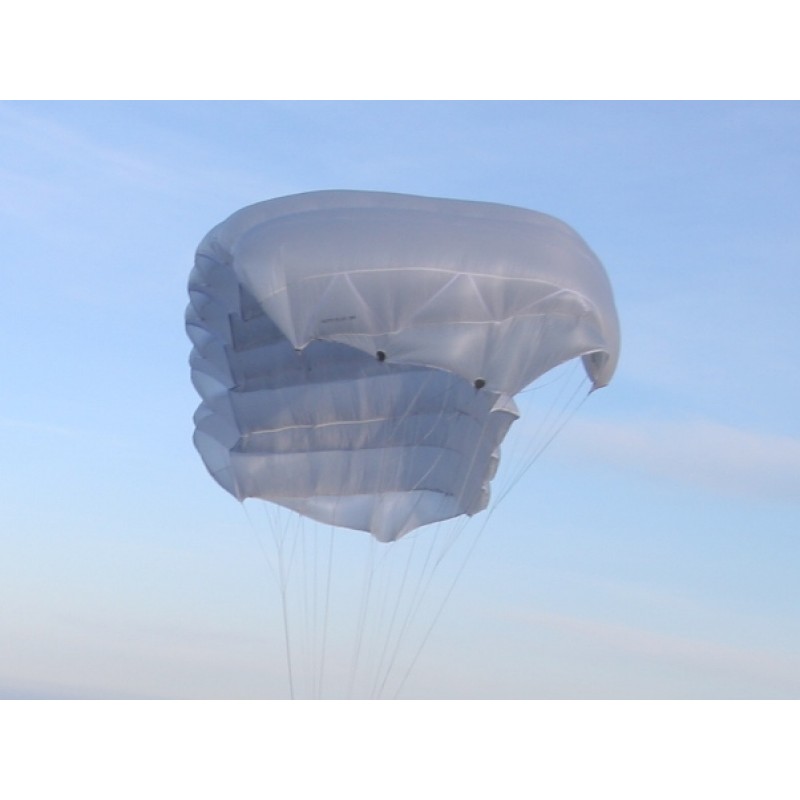
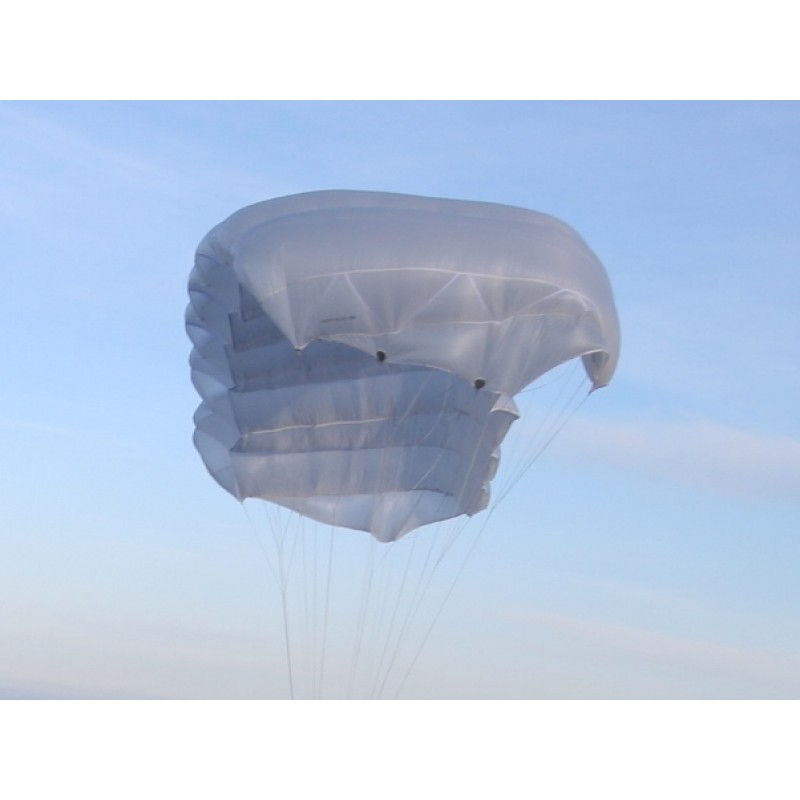
MarS WP 370 Tandem Reserve Canopy
€2,700.00
Technical Specifications: MarS WP 370 Tandem Reserve Canopy.
|
Specification |
Details |
|
Canopy Type |
7-Cell Ram-Air Rectangular Reserve |
|
Surface Area |
370 sq ft |
|
Maximum Exit Weight |
220 kg (485 lbs) |
|
Minimum Deployment Altitude |
600 meters AGL (recommended) |
|
Fabric Material |
High-tenacity zero-porosity nylon (ZP) |
|
Certification Standards |
EM 813, TSO C23d, EASA |
|
Opening Speed |
Rapid (<2 seconds) |
|
Glide Ratio |
2.5:1 (approximate, conditions dependent) |
|
Line Material |
Vectran / Dacron reinforced |
|
Brake Toggle Range |
Full-span brake settings with tactile feedback |
|
Pack Volume |
Compact, compatible with major tandem containers |
|
Color Availability |
Standard white reserve (custom options available) |
MarS WP 370 Tandem Highlighted Product Benefits
- ✅ Large 370 sq ft canopy area for superior load support.
- ✅ Zero-porosity nylon for rapid inflation and long life
- ✅ Stable glide and low sink rate for soft landings
- ✅ Certified to EM 813, TSO C23d, and EASA standards.
- ✅ Reinforced for terminal velocity emergency deployments
- ✅ Smooth, symmetrical openings with minimal oscillation
- ✅ Compatible with most tandem containers and AAD systems
MarS WP 370 Tandem Reserve Canopy | Reliable Emergency Parachute System for Professional Tandem Skydiving
MarS WP 370 Tandem Reserve Canopy Features, Safety Benefits, and Buyer Guide
Why Choose the MarS WP 370 Tandem Reserve Canopy?
The primary reason professionals choose a tandem reserve canopy is because passenger safety and predictable performance are the highest priorities during every jump. A reserve system must provide confidence in emergency situations while supporting controlled descent with two occupants.
The MarS WP 370 Tandem Reserve Canopy is designed specifically for tandem applications where additional load capacity, stable handling, and dependable deployment characteristics are required. Its purpose is not aggressive performance but controlled and reliable operation.
For professionals building a complete skydiving equipment list, a tandem reserve canopy is one of the most important components alongside the tandem container, harness system, main canopy, automatic activation device, and other safety equipment.
How Does a Tandem Reserve Canopy Work?
A reserve canopy functions as a backup parachute system that can be deployed when the primary canopy cannot safely complete the jump. Once deployed, the canopy inflates, creates lift, and allows the tandem pair to descend under controlled conditions.
The reserve works together with other components of the parachute system, including the parachute rig, container skydive system, deployment components, and harness assembly.
Understanding the parts of a parachute helps jumpers and operators understand how each component contributes to the complete system.
Where and When Should the MarS WP 370 Be Used?
The MarS WP 370 Tandem Reserve Canopy is designed for professional tandem skydiving environments, including commercial drop zones, training operations, and organized skydiving centers.
Whether operating at locations such as skydive Byron Bay, Cairns skydiving, skydive Belize, or skydiving Blue Hole Belize, reliable reserve equipment remains essential.
For international activities such as a parachute jump Australia, operators must ensure all equipment meets local aviation requirements, inspection standards, and operational regulations.
Understanding Tandem Reserve Selection
Selecting a tandem reserve canopy requires careful consideration of several factors, including:
- Maximum operating weight
- Compatibility with the tandem system
- Certification requirements
- Deployment characteristics
- Packing procedures
- Professional recommendations
Searches such as weight limit skydiving, skydiving downsizing chart, and smallest canopy often relate to canopy progression and selection.
However, tandem reserve selection should always focus on safety margins, stability, and suitability rather than simply choosing the smallest or fastest option.
Designed for Tandem Skydiving Operations
Tandem skydiving places unique demands on parachute equipment because the system must support both the instructor and passenger. Therefore, reliability and predictable flight behavior are extremely important.
A tandem reserve canopy must provide:
- Stable inflation
- Controlled descent
- Reliable deployment behavior
- Predictable handling
- Strong structural performance
These qualities allow instructors to maintain control and focus on safe landing procedures.
Supporting Different Skydiving Activities
Although designed specifically for tandem operations, reserve systems are part of a wider skydiving environment that includes many disciplines.
Related activities include:
- Tracking jump
- Formation skydiving
- Canopy training
- CRW skydiving
- Advanced aerial disciplines
Other areas such as wingsuit sport, vector wingsuit, wingsuit, gliding suit wingsuit, skydiving gliding suit, fluid wings, fly suits, and tandem wingsuit involve specialized equipment and additional training.
Each discipline requires appropriate preparation and equipment selection.
Complete Skydiving System Compatibility
A tandem parachute system consists of multiple connected components. A complete setup may include:
- Tandem reserve canopy
- Main canopy
- Tandem container
- Harness system
- Automatic activation device
- Altimeter
- Protective equipment
Other equipment terms such as skydiving rig, skydiving rigging, linewear, and landing flight risers refer to different aspects of parachute operation and maintenance.
Proper compatibility between all components is essential for safe operation.
Importance of Emergency Equipment
Professional skydivers often carry additional emergency equipment as part of their preparation.
Common emergency-related accessories include:
- Hook blade knife
- Hook knife skydiving
- Skydive hook knife
These tools are designed for specific emergency situations and should only be used by trained individuals who understand proper procedures.
Systems such as cypress fire skydiving equipment and other automatic safety technologies also contribute to modern parachuting safety.
Protective Equipment and Skydiving Accessories
A complete tandem setup also involves protective equipment designed for comfort and safety.
Common searches include:
- Skydiving helmet
- Skydive helmets
- Sky helmet skydiving
- Skydiving helmet full face
- Full face skydiving helmet
- Skydiving glasses
- Skydiver goggles
Professional helmet models such as the g35 helmet and cookie g4 helmet are often considered by experienced jumpers.
However, helmets and reserve canopies serve different roles within the overall system.
Performance During Emergency Deployment
A reserve canopy must perform reliably during unexpected situations. When deployed, the jumper needs a system that inflates correctly, provides stability, and allows controlled decision-making.
For tandem operations, this becomes even more important because two people are connected to the same parachute system.
Predictable flight characteristics help instructors manage descent, evaluate landing conditions, and complete the jump safely.
Professional Use and Travel Considerations
Tandem professionals frequently travel for events, seasonal work, and international operations. Proper equipment organization is therefore extremely important.
A suitable gear bag skydive setup helps protect equipment during transportation. Additionally, researching a reliable skydiving website can provide useful information about locations, regulations, and equipment requirements.
Indoor training facilities such as ifly Colorado Springs and indoor wingsuit programs can also support skill development, although they do not replace outdoor skydiving experience.
Related Skydiving Equipment Terms
Many related searches represent different parts of the sport, including:
- Base jumping
- Baseline jumping
- Base canopy
- New skydive
- #skydiving latest
- Jumper pilot
- Freefly pud handle
- Safire 3
- Price of wingsuit
- Wing suits for sale
- Skydiving tube
- Canopy flight
- Speed sky diving
- Skydiving speed
- Skydiving nude
- Nude parachute jump
These terms describe different activities, equipment discussions, or interests within the broader parachuting community.
Final Overview of the MarS WP 370 Tandem Reserve Canopy
The MarS WP 370 Tandem Reserve Canopy is designed to provide tandem professionals with a reliable emergency parachute solution focused on stability, durability, and predictable performance.
For instructors and operators, choosing the correct reserve system is a critical part of maintaining a safe and professional tandem operation. When combined with proper training, regular inspections, correct packing procedures, and responsible equipment management, the MarS WP 370 provides an important layer of confidence during every tandem jump.
Advanced Engineering, Reliability, Handling Characteristics, and Tandem Performance
Designed for Professional Tandem Requirements
Tandem parachuting requires equipment that delivers dependable performance under demanding conditions. Unlike many recreational applications where individual preferences may influence equipment choices, tandem operations place greater emphasis on stability, reliability, and predictable behavior.
A reserve system designed for two-person operations must provide confidence for both the professional and passenger. Therefore, every aspect of the design must support controlled performance, smooth operation, and consistent results throughout the equipment’s service life.
Professional operators depend on equipment that can perform reliably during repeated use while maintaining the qualities required for safe and comfortable descents.
Importance of Predictable Flight Characteristics
A reserve parachute must provide a controlled and understandable flight experience after deployment. In an emergency situation, the jumper needs equipment that responds smoothly and allows enough time to evaluate conditions and prepare for landing.
Predictable handling helps reduce workload during stressful moments. Instead of managing unexpected behavior, the operator can focus on maintaining awareness, selecting an appropriate landing area, and completing established procedures.
Consistency remains one of the most valuable characteristics of any emergency system.
Engineering Focus on Strength and Durability
A tandem system experiences greater loads compared with individual equipment because it supports two occupants. As a result, materials, construction methods, and inspection procedures must support increased operational demands.
Durable materials contribute to long-term reliability by maintaining structural integrity throughout repeated use. Careful manufacturing processes also help ensure that the system performs consistently during both training and professional operations.
Quality construction provides confidence because the equipment is designed around real-world requirements.
Efficient Deployment Performance
Deployment performance is one of the most important considerations for any emergency parachute system. A properly designed reserve should respond consistently while providing a stable transition from freefall to controlled descent.
The deployment sequence must work smoothly with the surrounding equipment system. Proper packing, correct installation, and professional inspection all contribute to reliable performance.
A well-prepared system provides greater confidence because each component has been checked and maintained correctly.
Supporting Instructor Confidence
For tandem professionals, confidence in equipment directly influences the overall experience. An instructor must manage passenger comfort, communication, awareness, and landing preparation while relying on equipment that performs predictably.
Reliable equipment reduces unnecessary concerns and allows the instructor to focus on providing a controlled and professional experience.
Confidence develops through proper training, experience, and consistent equipment care.
Importance of Correct Weight Management
Load management is an essential part of tandem operations. Equipment selection must consider the total operating weight, environmental conditions, and manufacturer recommendations.
Understanding weight considerations helps ensure that the system performs within its intended operating range. Making decisions based on proper calculations rather than assumptions supports safer and more predictable outcomes.
Professional operators carefully evaluate these factors before every activity.
Maintaining Performance Through Proper Care
Long-term performance depends heavily on regular maintenance and responsible ownership. Equipment should be inspected, stored, and handled according to recommended procedures.
Exposure to moisture, excessive heat, contamination, or improper storage conditions can affect materials over time. Regular checks help identify potential concerns before they influence reliability.
A consistent maintenance routine protects both performance and equipment lifespan.
The Role of Professional Inspection
Professional inspection provides an additional level of confidence by allowing qualified specialists to evaluate equipment condition. Some signs of wear or deterioration may not be obvious during normal visual checks.
Experienced technicians can identify areas requiring attention and confirm that equipment remains suitable for continued operation.
Regular professional evaluation is an important part of responsible equipment management.
Performance in Different Operating Environments
Tandem operations may take place in a wide range of environments. Weather conditions, altitude, temperature, wind, and landing areas can all influence operational decisions.
Experienced professionals evaluate these conditions carefully before each activity. Good preparation allows operators to adapt while maintaining control and confidence.
The ability to respond appropriately to changing conditions is developed through experience and training.
Building Passenger Confidence
A tandem experience is influenced not only by equipment performance but also by the confidence of the professional operating the system. Reliable equipment helps instructors maintain a calm and professional approach.
Passengers often rely on the confidence and preparation demonstrated by the instructor. Well-maintained equipment supports a positive experience by allowing the professional to focus on communication and guidance.
Trust is created through preparation, knowledge, and responsible practices.
Supporting Frequent Professional Use
Commercial operations often require equipment that can withstand frequent use. A dependable system must maintain performance across many activities while continuing to meet operational expectations.
Regular inspections, proper packing procedures, and careful handling become especially important in high-use environments.
Professional operators understand that equipment reliability depends on consistent attention rather than occasional maintenance.
Long-Term Ownership Advantages
A properly maintained tandem reserve system can provide years of dependable service. The value of such equipment extends beyond its initial purchase because reliability, confidence, and operational consistency continue throughout its lifespan.
Responsible ownership includes regular inspection, correct storage, professional servicing, and continued education.
When these practices are followed, the equipment remains a trusted part of a professional tandem operation, supporting reliable performance and confidence during every jump.
Complete Ownership Guide, Maintenance Practices, Safety Preparation, and Long-Term Reliability
Establishing a Professional Equipment Routine
Responsible ownership begins with developing consistent habits. Professional parachuting equipment requires regular attention, careful handling, and proper preparation to maintain dependable performance throughout its service life.
A strong routine should begin before each activity and continue after completion. Inspecting equipment, reviewing condition, and storing components correctly all contribute to improved reliability and confidence.
When these habits become part of normal preparation, equipment management becomes easier, more efficient, and more dependable.
Pre-Use Inspection Procedures
Before every use, a careful inspection should be completed to identify any visible concerns or changes in equipment condition.
Important areas should be reviewed for:
- Signs of wear
- Damage or unusual conditions
- Correct assembly
- Secure connections
- General cleanliness
A detailed inspection allows small issues to be identified before they develop into larger concerns. This approach supports safer operations and provides confidence before beginning any activity.
Understanding Equipment Condition
Equipment condition changes gradually over time due to repeated use, environmental exposure, transportation, and storage conditions.
Experienced owners learn to recognize normal wear patterns and understand when professional evaluation may be required. This knowledge develops through training, experience, and regular interaction with the equipment.
Being familiar with equipment condition helps owners make better decisions and maintain higher standards of safety.
Proper Storage Between Uses
Correct storage is essential for preserving equipment quality. After use, equipment should be kept in a clean, dry, and protected environment where unnecessary exposure is minimized.
Storage areas should reduce the risk of:
- Excessive moisture
- Extreme temperatures
- Contamination
- Physical damage
Proper storage helps maintain materials, protects important components, and ensures that equipment remains ready for future use.
Protecting Equipment During Transportation
Transportation creates additional challenges because equipment may be exposed to movement, pressure, and changing environments.
Using suitable protective storage solutions helps prevent accidental damage during travel. Equipment should be organized carefully so that important components remain protected and easily accessible.
Good transportation practices are especially important for professionals who regularly move between different locations.
Importance of Regular Maintenance
Regular maintenance helps preserve performance and reliability over the entire lifespan of the equipment.
Maintenance routines should include:
- Visual inspections
- Cleaning when required
- Condition monitoring
- Professional servicing when necessary
Following recommended maintenance procedures reduces the possibility of unexpected problems and helps maintain consistent operation.
Professional Servicing and Evaluation
Some aspects of equipment care require specialized knowledge and professional assessment. Qualified technicians can evaluate conditions that may not be obvious during normal inspections.
Professional servicing helps confirm that equipment remains suitable for continued operation and provides additional confidence for owners and operators.
Seeking expert assistance when necessary is an important part of responsible equipment management.
Developing Strong Safety Habits
Safety depends on more than equipment alone. Proper preparation, training, awareness, and responsible decision-making all contribute to successful operations.
Experienced professionals develop routines that include:
- Equipment checks
- Preparation planning
- Communication procedures
- Condition evaluation
Repeating these habits consistently creates a stronger safety culture and reduces unnecessary risks.
Preparing for Different Conditions
Every operating environment can present unique challenges. Weather, location, temperature, wind, and activity requirements may influence preparation decisions.
Professional operators evaluate these factors carefully before beginning operations. This allows them to adjust their approach and maintain better control throughout different situations.
Adaptability develops through experience and continued learning.
Building Confidence Through Familiarity
Confidence increases when owners understand their equipment and follow proper procedures. Familiarity with operation, maintenance requirements, and system behavior allows professionals to focus more effectively on their responsibilities.
This confidence is created through preparation rather than assumptions. Reliable performance comes from combining quality equipment with knowledge and responsible habits.
Training and Continued Development
Learning does not stop after initial training. Professional improvement requires continued education, practice, and evaluation.
Reviewing experiences, learning from qualified instructors, and staying informed about best practices help maintain strong skills and awareness.
Continued development allows professionals to improve performance while maintaining high safety standards.
Recognizing When Replacement May Be Necessary
All equipment has a service life, and responsible owners understand when replacement or professional evaluation may be required.
Factors such as age, usage frequency, environmental exposure, and manufacturer recommendations should be considered when making decisions.
Replacing equipment when necessary protects reliability and ensures continued confidence during operations.
Long-Term Ownership Benefits
A carefully maintained system can provide dependable service for many years. Proper inspections, responsible storage, regular maintenance, and continued education all contribute to long-term reliability.
The greatest value comes from combining quality construction with responsible ownership practices. When equipment receives the attention it requires, it remains a trusted part of professional operations.
Through preparation, care, and continuous improvement, owners can preserve performance, extend equipment lifespan, and maintain confidence throughout their continued involvement in the sport.
Advanced Professional Use, Performance Optimization, and Maximizing Long-Term Value
Developing Professional Confidence Through Experience
Experience plays a major role in achieving consistent performance within any technical sport. While reliable equipment provides essential support, true confidence develops through preparation, training, and repeated exposure to different situations.
Professionals improve by learning from every activity, evaluating decisions, and refining their procedures. Over time, experience allows operators to recognize challenges earlier and respond with greater confidence.
The combination of knowledge, skill, and dependable equipment creates a stronger foundation for long-term success.
Improving Operational Awareness
Strong awareness is one of the most valuable skills a professional can develop. It involves understanding the environment, recognizing changes, and maintaining focus throughout every stage of an activity.
Experienced operators continuously evaluate conditions and adjust their approach when necessary. This ability helps improve decision-making while reducing unnecessary risks.
Awareness is developed through training, observation, and consistent practice.
Supporting Professional Training Programs
Reliable equipment is especially important in training environments where consistency and confidence are required. Instructors depend on systems that allow them to focus on teaching techniques, communication, and safety procedures.
A dependable setup supports smoother learning experiences by reducing unnecessary distractions. Students benefit when instructors can demonstrate proper methods while using equipment they trust.
Professional training environments depend on preparation, organization, and reliable systems.
The Importance of Proper Decision-Making
Good decisions are created through preparation and experience. Before every activity, professionals evaluate conditions, equipment readiness, and personal circumstances.
Taking time to assess situations carefully often leads to better outcomes than rushing into uncertain conditions. Responsible decision-making demonstrates professionalism and contributes to a safer environment for everyone involved.
Strong judgment develops gradually through experience and continued learning.
Adapting to Changing Conditions
No two situations are exactly the same. Environmental factors, operational requirements, and individual circumstances can change from one activity to another.
Professionals develop the ability to adapt while maintaining consistent procedures. This flexibility allows them to remain prepared even when conditions become different from what was originally expected.
Adaptability is an important skill that continues improving throughout a professional journey.
Maintaining High Standards of Equipment Care
Long-term reliability depends on maintaining high standards of care. Equipment that receives regular attention is more likely to provide dependable performance throughout its service life.
Good practices include:
- Regular inspections
- Proper storage
- Careful transportation
- Following recommended procedures
- Seeking professional evaluation when required
These habits protect the equipment while supporting continued confidence.
Building a Culture of Responsibility
A strong safety culture is created through responsible actions repeated consistently. Professionals contribute by maintaining good habits, respecting procedures, and encouraging others to follow appropriate standards.
Responsibility extends beyond personal equipment use. It includes communication, preparation, teamwork, and respect for the wider community.
A positive culture benefits everyone involved.
Evaluating Performance Over Time
Continuous improvement requires reflection and evaluation. Professionals who review their experiences can identify areas where performance can be improved.
This may involve reviewing procedures, seeking feedback, practicing specific skills, or adjusting preparation methods.
Learning from previous experiences creates opportunities for long-term development.
Protecting Long-Term Equipment Investment
Specialized equipment represents a significant investment, making proper care essential. Responsible ownership helps protect this investment while ensuring reliable performance.
Avoiding unnecessary damage, maintaining proper storage conditions, and following recommended servicing schedules all contribute to extending equipment lifespan.
Good ownership practices provide value far beyond the initial purchase.
The Role of Technology in Modern Skydiving
Advancements in technology continue improving the reliability, efficiency, and usability of modern equipment systems.
New materials, improved designs, and advanced manufacturing methods allow equipment to become more practical while maintaining strong performance standards.
However, technology remains most effective when combined with experience, proper training, and responsible use.
Continuing Education and Skill Growth
Professional development never truly ends skydiving tube. Even experienced operators benefit from continued learning, updated information, and regular practice.
Training opportunities, professional discussions, and reviewing new techniques help maintain strong knowledge and awareness.
A commitment to improvement ensures that skills continue progressing alongside changes in equipment and industry practices.
Creating a Reliable Professional System
A complete professional approach involves more than selecting quality equipment. It requires preparation, knowledge, maintenance, and responsible decision-making working together.
When every part of the process is managed carefully, professionals can operate with greater confidence and consistency.
Reliable systems are created through attention to detail and commitment to maintaining high standards.
Final Thoughts
Long-term success depends on combining dependable equipment with responsible ownership, continued education, and professional discipline. Quality equipment provides an important foundation, but preparation and experience determine how effectively that equipment is used.
By maintaining strong routines, evaluating performance, and continuing to develop skills, professionals can maximize reliability and confidence throughout their journey.
A commitment to safety, knowledge, and improvement ensures that equipment remains a trusted part of every operation for many years.
Be the first to review “MarS WP 370 Tandem Reserve Canopy”
Related products

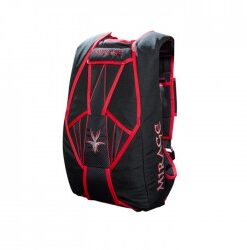
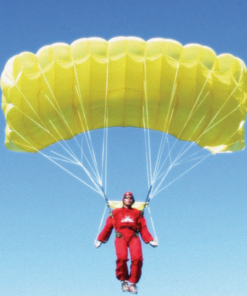
Reserve Canopy

Reserve Canopy

Emergency parachute
Reviews
There are no reviews yet.