
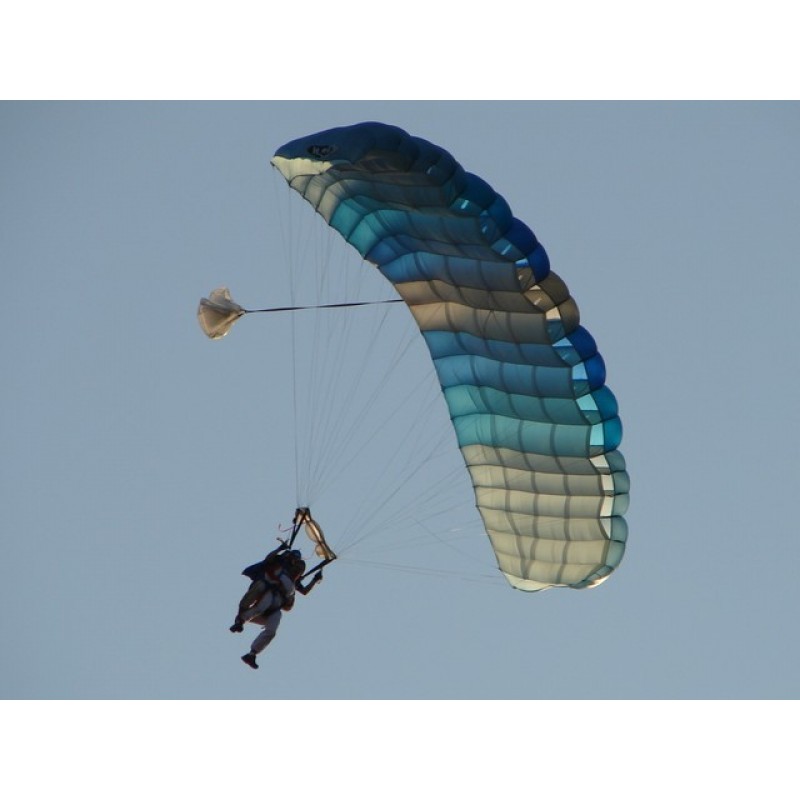
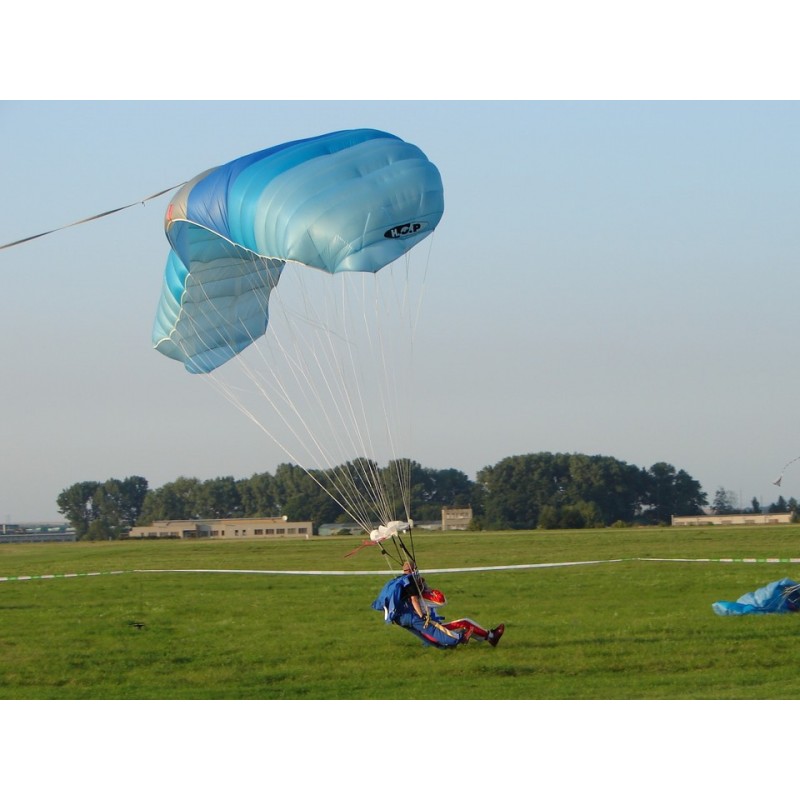

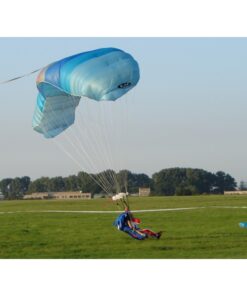
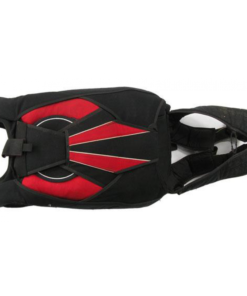
MarS Tandem Full Rig Package
€8,500.00
The MarS Tandem Full Rig Package represents a complete professional tandem skydiving solution designed for instructors, commercial operators, and experienced jumpers who require dependable performance, accurate control, and confidence during every descent. Built around modern parachute engineering principles, this full rig system combines a durable container, high-performance canopy compatibility, safety-focused components, and practical ergonomics to support smooth tandem operations.
Unlike basic recreational setups, a professional tandem rig is developed around repeated use, controlled deployment, passenger comfort, and predictable handling characteristics. Therefore, the MarS Tandem Full Rig Package is designed for those who need equipment that performs consistently in demanding environments, from training centers to commercial drop zones worldwide.
MarS Tandem Full Rig Package | Complete Professional Skydiving System for Tandem Operations
MarS Tandem Full Rig Package Features, Components, and Buyer Guide
Why Choose the MarS Tandem Full Rig Package?
The main reason professionals choose a complete tandem system is compatibility. Instead of selecting individual components separately, a full package provides a coordinated setup designed to work together efficiently.
For those researching activities such as parachute jump australia, skydive byron bay, and cairns skydiving, having dependable equipment is essential for maintaining confidence during every stage of the experience.
A complete setup helps ensure that harness systems, containers, canopies, and accessories function together properly.
Designed for Tandem Skydiving Applications
Tandem skydiving requires equipment designed specifically for carrying two people while maintaining stability, comfort, and controlled flight characteristics.
The system is developed for users who require:
- Reliable deployment performance
- Comfortable passenger positioning
- Smooth canopy handling
- Professional-grade durability
- Consistent operation
For instructors and operators, equipment reliability plays an important role in delivering a positive experience.
Understanding a Complete Skydiving System
A complete skydiving system includes multiple components that work together during freefall and canopy flight.
Important elements may include:
- Main container system
- Reserve system
- Harness configuration
- Deployment components
- Control systems
- Safety accessories
Understanding the parts of a parachute helps users appreciate how each component contributes to overall performance.
Importance of Proper Equipment Selection
Choosing suitable equipment is essential because skydiving involves dynamic forces, changing conditions, and precise control requirements.
Users often research:
- skydiving helmet
- skydive helmets
- sky helmet skydiving
- full face skydiving helmet
- skydiving helmet full face
because protective equipment plays an important role in comfort and safety.
A properly selected system supports better confidence during operation.
Supporting Different Skydiving Disciplines
Modern skydiving includes many disciplines, each requiring different skills and equipment considerations.
These include:
- tracking jump
- base jumping
- baseline jumping
- wingsuit sport
- wingsuit
- vector wingsuit
- indoor wingsuit
Each discipline requires understanding of movement, control, and equipment interaction.
Tandem Operations and Passenger Comfort
A tandem system must provide comfort for both the instructor and passenger.
Important considerations include:
- Secure attachment points
- Comfortable harness positioning
- Balanced weight distribution
- Smooth movement during flight
Understanding weight limit skydiving requirements is important because proper loading affects stability and performance.
Canopy Performance and Flight Control
Canopy flight is one of the most important stages of a skydive.
Users often study:
- canopy flight
- landing flight risers
- smallest canopy
- skydiving speed
- speed sky diving
because understanding canopy behavior helps improve control and decision-making.
Proper training and equipment knowledge are essential for effective performance.
Safety Equipment and Accessories
Additional accessories contribute to a complete skydiving setup.
Common equipment includes:
- hook blade knife
- hook knife skydiving
- skydive hook knife
- skydiving glasses
- skydiver goggles
- freefly pud handle
These accessories support preparedness and equipment management.
Supporting Professional Skydiving Locations
Skydiving equipment is used worldwide in different environments.
Popular locations and activities include:
- skydive belize
- skydive blue hole belize
- ifly colorado springs
- skydive byron bay
- cairns skydiving
Different environments require proper preparation and understanding of local conditions.
Understanding Skydiving Equipment Requirements
Many new and experienced jumpers research a complete skydiving equipment list before participating.
Equipment preparation may include:
- Helmet systems
- Protective accessories
- Main equipment components
- Backup systems
- Storage solutions
A complete setup improves organization and readiness.
Supporting Advanced Flight Activities
Experienced users may explore advanced activities involving:
- gliding suit wingsuit
- skydiving gliding suit
- fluid wings
- fly suits
- tandem wingsuit
These activities require advanced training and appropriate equipment knowledge.
Storage and Transportation Solutions
Proper equipment management includes safe transportation and storage.
Accessories such as:
- gear bag skydive
- container skydive
- skydiving rig
help users organize and protect their equipment.
Choosing Equipment for Long-Term Use
Before purchasing, users should consider:
- Experience level
- Intended application
- Training requirements
- Maintenance expectations
- Compatibility between components
A well-selected system provides greater confidence and long-term value.
Final Overview of the MarS Tandem Full Rig Package
The MarS Tandem Full Rig Package provides a complete solution for users seeking a dependable and professionally oriented skydiving system.
By combining essential components into one coordinated package, it supports smoother operation, better organization, and improved confidence.
For tandem professionals and experienced skydivers, a complete and reliable system is an important foundation for successful skydiving operations.
Advanced Engineering, Performance Characteristics, Proper Usage, and Real-World Experience
Designed for Reliable Tandem Performance
A professional skydiving system must provide a careful balance between strength, comfort, control, and reliability. The design approach focuses on creating equipment that performs consistently while supporting the demands of repeated use.
Because tandem operations involve two individuals, equipment quality and proper configuration are essential for maintaining confidence throughout the entire experience.
A well-designed system allows instructors and users to focus on smooth procedures, effective communication, and controlled flight.
Understanding System Integration
A complete system performs best when all components work together as intended.
Each part contributes to overall performance by supporting:
- Stability during movement
- Comfortable positioning
- Efficient operation
- Controlled handling
- Reliable deployment procedures
Integrated equipment reduces compatibility concerns and creates a more organized approach to preparation.
Importance of Controlled Performance
Controlled performance is essential in an environment where conditions can change quickly.
A dependable setup should support:
- Predictable handling
- Smooth transitions
- Stable movement
- Clear user response
- Consistent operation
These characteristics help users maintain confidence during different stages of the activity.
Engineering Focus on Strength and Durability
Equipment used in demanding environments requires careful construction and attention to detail.
Important engineering considerations include:
- Strong materials
- Reinforced connection areas
- Reliable construction methods
- Quality manufacturing standards
- Long-term durability
These features help equipment withstand repeated use while maintaining dependable performance.
Comfort and Ergonomic Considerations
Comfort plays an important role because users may spend extended periods wearing and operating the system.
A properly designed setup helps provide:
- Balanced positioning
- Reduced discomfort
- Better movement freedom
- Improved user confidence
Ergonomic design supports both professional operation and overall experience quality.
Preparation and Pre-Use Inspection
Proper preparation is one of the most important parts of responsible equipment management.
Before use, users should:
- Inspect equipment condition
- Confirm correct configuration
- Check important connection areas
- Review operating procedures
- Ensure all required components are available
A thorough preparation routine helps prevent avoidable issues.
Improving Performance Through Training
Equipment performance depends greatly on user knowledge and experience.
Training helps users:
- Understand equipment behavior
- Improve procedures
- Develop better judgment
- Respond appropriately to changing conditions
- Build confidence
The combination of quality equipment and proper training creates the strongest foundation for success.
Real-World Operating Conditions
Outdoor environments can present different challenges, including:
- Weather changes
- Wind variations
- Temperature differences
- Visibility conditions
- Surface considerations
A reliable system helps users manage these variables more effectively.
Maintenance and Long-Term Reliability
Regular maintenance supports continued performance and protects equipment value.
Important maintenance practices include:
- Inspecting components regularly
- Keeping equipment clean
- Monitoring condition changes
- Following service recommendations
- Storing equipment properly
Consistent care helps extend service life and maintain reliability.
Equipment Storage and Protection
Proper storage is essential for preserving equipment quality.
A suitable storage environment should protect equipment from:
- Excess moisture
- Direct exposure to damaging conditions
- Unnecessary pressure or stress
- Poor handling practices
Good storage habits contribute to long-term dependability.
Developing Professional Equipment Habits
Experienced users understand the importance of routine and discipline.
Strong equipment habits include:
- Completing inspections consistently
- Maintaining organization
- Preparing carefully
- Following established procedures
- Reviewing equipment condition regularly
These habits improve efficiency and confidence.
Supporting Different User Experience Levels
Different users have different goals and experience levels.
A well-designed system can support:
- Professional operators
- Training environments
- Experienced enthusiasts
- Developing users under supervision
Proper instruction and responsible use remain essential regardless of experience.
Building Confidence Through Reliability
Reliable equipment allows users to focus on performance rather than uncertainty.
Confidence is developed through:
- Familiarity
- Proper preparation
- Regular maintenance
- Experience
- Responsible operation
A dependable system becomes a valuable partner during every activity.
Long-Term Value and Ownership Benefits
A quality system represents a long-term investment.
With proper care and responsible management, users can benefit from:
- Extended service life
- Improved reliability
- Better performance consistency
- Greater confidence
The value of equipment increases when it is maintained correctly and used responsibly.
Ownership Guide, Care Procedures, Setup Preparation, and Long-Term Maintenance
Establishing a Responsible Care Routine
Proper ownership begins with developing a consistent care routine. Regular attention helps preserve equipment condition, maintain reliability, and support long-term performance.
A good routine allows users to become familiar with their equipment while identifying possible concerns before they become larger problems.
Consistent care is one of the most effective ways to protect a valuable investment.
Preparing Before Every Use
Preparation is an important part of responsible equipment management.
Before each use, users should:
- Inspect the overall condition
- Confirm proper setup
- Check important connection areas
- Ensure all components are present
- Review recommended procedures
A careful preparation process helps create a smoother and more organized experience.
Regular Inspection Practices
Routine inspections help maintain confidence and reliability.
Users should regularly observe:
- General equipment condition
- Signs of wear
- Component connections
- Material condition
- Any unusual changes
Early identification of concerns allows users to take appropriate action before performance is affected.
Cleaning and Equipment Care
Keeping equipment clean helps preserve its condition and appearance.
A proper cleaning approach should focus on:
- Removing dirt and debris
- Maintaining dry surfaces
- Protecting materials
- Preventing unnecessary buildup
- Preserving component quality
Simple cleaning practices can contribute significantly to long-term reliability.
Protecting Equipment From Environmental Factors
Environmental conditions can influence equipment over time.
Users should take precautions against:
- Excess moisture
- Extreme temperatures
- Direct exposure to damaging conditions
- Improper storage environments
Protection from environmental factors helps maintain equipment integrity.
Proper Storage Methods
Correct storage is essential for maintaining equipment quality.
When equipment is not being used, it should be stored in a secure and suitable location.
Good storage practices help:
- Prevent unnecessary damage
- Maintain organization
- Protect materials
- Improve readiness
- Extend service life
A suitable storage environment supports long-term performance.
Transportation and Handling Guidelines
Equipment transportation requires careful attention.
During movement, users should:
- Protect sensitive components
- Use appropriate storage solutions
- Avoid unnecessary impacts
- Keep equipment organized
- Handle items carefully
Proper transportation habits help prevent avoidable damage.
Developing Consistent User Habits
Strong habits contribute to better equipment management.
Responsible habits include:
- Performing regular checks
- Following established procedures
- Maintaining organization
- Reviewing condition regularly
- Addressing concerns promptly
Consistency improves confidence and reduces unexpected issues.
Monitoring Equipment Condition Over Time
Equipment condition can change gradually with repeated use.
Users should pay attention to:
- Changes in appearance
- Material condition
- Performance differences
- Signs of stress
- General reliability
Regular monitoring supports informed decisions and better maintenance.
Professional Servicing and Technical Support
Some maintenance procedures require specialized knowledge.
Professional assistance may be necessary for:
- Detailed inspections
- Technical evaluation
- Specialized servicing
- Complex maintenance requirements
Using qualified support when needed helps maintain equipment reliability.
Extending Equipment Service Life
Long-term performance depends on responsible ownership.
Service life can be improved through:
- Regular maintenance
- Proper storage
- Careful handling
- Routine inspections
- Following recommended practices
The effort invested in maintenance contributes to greater reliability.
Importance of Continued Learning
Learning does not stop after purchase. Users can continue improving their understanding through experience and proper education.
Greater knowledge helps users:
- Manage equipment more effectively
- Improve preparation routines
- Recognize changes earlier
- Make better decisions
Continued learning supports better ownership.
Creating a Reliable Long-Term Approach
Successful ownership requires a combination of quality equipment and responsible care.
A reliable approach includes:
- Regular inspections
- Proper maintenance
- Safe handling
- Organized storage
- Consistent preparation
These practices help users maintain dependable performance throughout the equipment’s service life.
Maximizing Performance, User Experience, and Long-Term Equipment Value
Building Confidence Through Experience
A reliable equipment system becomes increasingly valuable as users gain experience and develop a deeper understanding of how it operates. Over time, familiarity allows users to perform preparation tasks more efficiently and approach each activity with greater confidence.
Experience helps users recognize normal conditions, improve their routines, and make better decisions during operation.
The combination of knowledge, responsible use, and proper care creates a more dependable long-term experience.
Improving Efficiency Through Better Preparation
Effective preparation plays an important role in achieving consistent results. A structured approach helps reduce unnecessary delays and allows users to complete important tasks more smoothly.
Good preparation habits include:
- Organizing equipment before use
- Reviewing procedures carefully
- Checking all required components
- Maintaining a clean working area
- Planning activities in advance
A prepared approach improves convenience and reduces uncertainty.
Developing Strong Ownership Habits
Long-term equipment performance depends greatly on the habits developed by the owner.
Responsible ownership includes:
- Treating equipment carefully
- Maintaining proper organization
- Performing regular checks
- Following recommended practices
- Addressing concerns early
These habits help protect equipment quality and support dependable operation.
Creating an Efficient Working Environment
A well-organized environment improves workflow and overall user experience.
An effective setup allows users to:
- Access equipment easily
- Reduce preparation time
- Maintain better organization
- Improve focus during activities
- Manage accessories efficiently
A structured environment supports better performance and confidence.
Understanding Equipment Behavior Over Time
Equipment performance can change gradually depending on usage, maintenance, and surrounding conditions.
Regular observation helps users understand normal behavior and identify when additional attention may be required.
This awareness allows users to make informed decisions and maintain better reliability.
Supporting Different User Goals
Every user has different objectives based on experience, training, and intended application.
Some users may focus on professional operation, while others may prioritize learning, comfort, or personal improvement.
Understanding individual goals helps users create an approach that matches their needs.
Protecting Long-Term Equipment Value
Quality equipment represents a significant investment that should be protected through responsible management.
Users can preserve value by:
- Maintaining proper care routines
- Preventing unnecessary damage
- Following recommended procedures
- Protecting equipment during storage
- Monitoring overall condition
These actions contribute to longer service life and improved satisfaction.
Continuing Personal Development
Improvement continues throughout ownership. Users can develop stronger skills and better understanding through experience, education, and consistent practice.
Greater knowledge helps users:
- Improve efficiency
- Increase confidence
- Make better decisions
- Manage equipment more effectively
Continuous development creates a more rewarding experience.
The Importance of Preventative Attention
Preventative care helps reduce unexpected problems by identifying possible concerns before they become serious.
Regular observation and responsible maintenance support:
- Better reliability
- Improved readiness
- Reduced interruptions
- Longer equipment life
A proactive approach is often more effective than waiting for problems to occur.
Establishing a Reliable Long-Term Routine
Consistency creates better results over time. Users who follow similar preparation, operation, and maintenance routines develop stronger familiarity.
This familiarity improves confidence and reduces unnecessary complications.
A reliable routine becomes an important part of successful ownership.
Preparing for Future Performance
Good ownership involves considering future requirements. The care provided today influences how effectively equipment performs later.
Maintaining condition, protecting components, and following responsible practices help ensure continued reliability.
Future performance depends on the attention provided throughout ownership.
Responsible Equipment Management
The true value of quality equipment is achieved through responsible management.
Careful operation, regular maintenance, and thoughtful handling allow users to enjoy dependable performance over an extended period.
Equipment quality combined with responsible ownership creates the best overall experience.
Final Thoughts
A dependable equipment system provides long-term value when it is properly maintained and responsibly managed.
By developing good habits, improving knowledge, and protecting equipment carefully, users can maximize reliability and enjoy greater confidence throughout the entire ownership journey.
Frequently Asked Questions, Practical Guidance, and Final Ownership Considerations
What Is the Main Advantage of a Complete System?
The main advantage of a complete system is convenience and compatibility. Having essential components designed to work together helps simplify preparation and improves overall confidence.
A coordinated setup reduces uncertainty and allows users to focus more on proper operation and experience.
Who Can Benefit From This Type of Equipment?
This type of equipment is suitable for users who value reliability, organization, and professional-level preparation.
It can benefit:
- Experienced users
- Professional operators
- Training environments
- Advanced enthusiasts
- Organizations requiring dependable equipment
The greatest value comes from having a reliable system that supports consistent performance.
How Does Proper Maintenance Improve Reliability?
Regular maintenance helps preserve equipment condition and extend service life.
By completing inspections, maintaining cleanliness, and following recommended procedures, users can reduce unnecessary wear and identify possible concerns early.
A consistent maintenance routine supports dependable operation.
Why Is Proper Storage Important?
Proper storage protects equipment from conditions that may affect performance and durability.
A suitable storage environment helps reduce exposure to:
- Moisture
- Dust
- Temperature changes
- Accidental damage
Good storage habits help maintain equipment readiness and quality.
How Can Users Improve Their Overall Experience?
Users can improve their experience by developing strong preparation habits and increasing their understanding of the equipment.
Helpful practices include:
- Learning proper procedures
- Preparing carefully before use
- Maintaining organization
- Reviewing equipment condition regularly
- Continuing education and practice
A knowledgeable user can achieve better results and greater confidence.
What Should Be Considered Before Purchasing Equipment?
Before making a purchase, users should evaluate their personal requirements.
Important considerations include:
- Intended use
- Experience level
- Training requirements
- Maintenance expectations
- Long-term goals
Choosing equipment that matches specific needs helps create greater satisfaction.
How Does Experience Influence Performance?
Experience plays an important role in improving confidence and efficiency.
Over time, users become more familiar with:
- Equipment behavior
- Preparation procedures
- Maintenance routines
- Operating conditions
- Decision-making processes
Long-Term Performance, Maintenance Practices, and Professional Value
Maintaining Equipment Reliability Over Time
A professional tandem parachute system represents a significant investment, and its performance depends greatly on proper care, inspection, and maintenance. Even when equipment is built with advanced materials and durable construction, regular attention is required to maintain dependable performance throughout its service life.
Consistent inspection procedures help identify early signs of wear, material fatigue, or possible issues before they affect operation. Since equipment is exposed to different environmental conditions and repeated use, careful monitoring becomes an essential part of responsible ownership.
Proper storage conditions also contribute to long-term durability. Equipment should be protected from excessive moisture, direct heat, chemicals, and unnecessary pressure. When stored correctly, materials maintain their original strength, flexibility, and reliability.
Professional Inspection and Maintenance Approach
Effective maintenance begins with a structured inspection routine. Every component should be examined carefully before operation to confirm that it remains functional and suitable for continued use.
Regular servicing helps preserve performance by ensuring that small problems are addressed before they develop into larger concerns. Professional inspection also supports compliance with industry expectations and promotes a higher standard of operational safety.
For equipment used frequently, maintenance becomes even more important. High-use environments require detailed attention because repeated cycles can gradually influence material condition and mechanical performance.
Built for Consistent Professional Operations
Reliable performance is one of the most valuable qualities of professional equipment. A well-designed system should provide predictable results during repeated operations while maintaining comfort, control, and stability.
Professional users depend on consistency because every operation requires confidence in the equipment. A dependable system reduces uncertainty and allows users to focus on proper procedures, communication, and overall execution.
The ability to perform consistently under different conditions demonstrates the importance of quality engineering and thoughtful design. Equipment that maintains its characteristics over time provides greater confidence for both operators and users.
Supporting Skill Development and Experience
Quality equipment plays an important role in building confidence and improving user experience. When equipment responds predictably, users can focus on developing their skills and understanding proper techniques skydiving blue hole belize.
For professionals, reliable equipment supports smoother operations and improved workflow. For developing users, it provides a stable foundation for learning and gaining experience.
Confidence is created through a combination of training, preparation, and dependable equipment performance. When these elements work together, the overall experience becomes more controlled and enjoyable cypress fire skydiving.
Long-Term Value and Investment Advantages
Choosing durable professional equipment provides benefits beyond immediate performance. Strong construction, serviceability, and reliability can reduce long-term costs by minimizing unnecessary replacements and avoiding frequent operational interruptions.
For businesses, dependable equipment contributes to better efficiency and improved customer satisfaction. Consistent performance allows operations to continue smoothly while maintaining professional standards.
Additionally, properly maintained equipment often retains value because quality construction and responsible ownership are recognized within professional communities cookie g4 helmet best skydiving helmet price of wingsuit.
Responsible Ownership and Equipment Management
Owning professional equipment requires commitment, knowledge, and responsibility #skydiving latest. Proper records, scheduled inspections, correct handling, and adherence to recommended procedures all contribute to maintaining performance and safety.
Responsible management ensures that equipment continues functioning effectively while supporting a safer operating environment. It also reflects skydiving downsizing chart professionalism and respect for established standards skydiving helmet full face can you wear glasses while skydiving skydiving tube.
Ultimately, long-term performance depends on the relationship between advanced engineering and responsible use. With proper care and attention, professional equipment can provide reliable service, consistent operation, and lasting value for many years.
Be the first to review “MarS Tandem Full Rig Package”
Related products
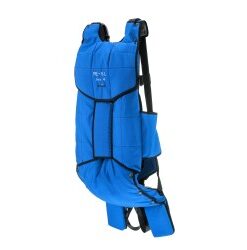

Reserve Canopy

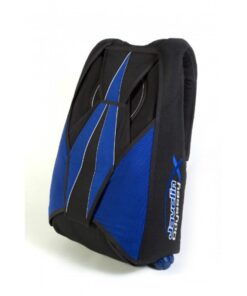
Full Rig Package
Emergency parachute
Reviews
There are no reviews yet.