
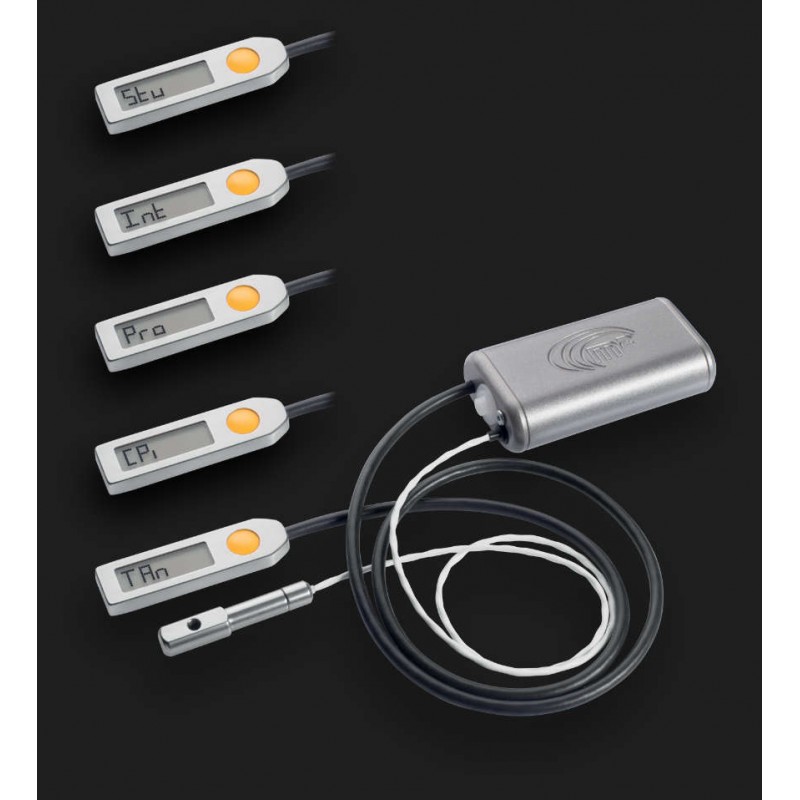

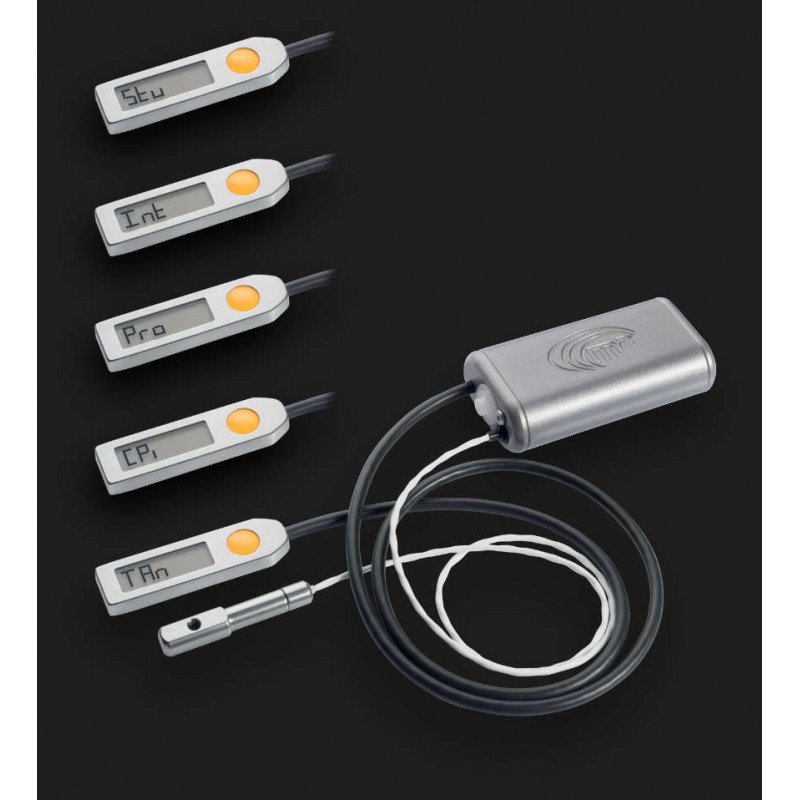


MarS m2 AAD Multimode

€740.00
The MarS m2 AAD Multimode is an advanced automatic activation device designed to provide an additional layer of safety for skydivers by monitoring altitude and descent speed throughout a jump. Developed for modern parachuting applications, this compact electronic system is engineered to activate the reserve parachute deployment sequence when predetermined emergency conditions are detected.
Unlike traditional mechanical safety solutions, an AAD continuously analyzes flight parameters using advanced sensors and processing technology. Therefore, it can assist jumpers by responding automatically if a critical situation occurs where the required deployment action has not been completed.
The MarS m2 Multimode is designed for recreational jumpers, professional athletes, instructors, and advanced disciplines where dependable equipment performance is essential. Its compact design allows integration into many modern parachute systems while maintaining lightweight characteristics and practical usability.
MarS m2 AAD Multimode | Advanced Automatic Activation Device for Modern Skydiving Safety Systems
MarS m2 AAD Multimode Features, Safety Benefits, and Buyer Guide
Why Choose the MarS m2 AAD Multimode?
The main reason skydivers choose an automatic activation device is to add an additional safety backup during every jump. Although proper training, awareness, and correct procedures remain the most important safety factors, an AAD provides an extra layer of protection by monitoring altitude and descent speed automatically.
The MarS m2 AAD Multimode is designed for jumpers who want dependable electronic assistance without adding unnecessary complexity to their equipment system. Its multimode capability allows it to support different skydiving disciplines and user preferences while maintaining reliable operation.
For anyone researching equipment related to skydiving helmet, skydive helmets, or a complete skydiving equipment list, an AAD is considered one of the essential components of a modern parachuting setup.
How Does an Automatic Activation Device Work?
An automatic activation device uses sensors and electronic processing to measure altitude changes and descent rates during a jump. When the system detects a specific emergency condition, it can initiate reserve deployment through the parachute system.
The device does not replace training, decision-making, or correct emergency procedures. Instead, it functions as a backup system designed to assist when a jumper is unable to complete the required action.
Because skydiving involves many variables, including freefall, canopy flight, aircraft exits, and different body positions, advanced electronic monitoring helps provide additional confidence.
Where and When Should the MarS m2 Be Used?
The MarS m2 AAD Multimode is intended for use in modern parachute systems by trained skydivers. It can be used during recreational jumps, training activities, competition preparation, and advanced disciplines where an additional safety system is required.
Popular locations such as skydive Byron Bay, Cairns skydiving, skydive Belize, and skydiving Blue Hole Belize represent environments where reliable equipment preparation is essential.
Before participating in activities such as a parachute jump Australia, jumpers should ensure that their equipment meets local regulations and drop-zone requirements.
Understanding Complete Skydiving Equipment
A parachute system contains multiple interconnected components. The MarS m2 is only one part of a complete setup that may include:
- Parachute rig
- Container skydive system
- Reserve parachute
- Main canopy
- Deployment system
- Automatic activation device
- Altimeter
- Protective equipment
Understanding the parts of a parachute helps jumpers appreciate how each component contributes to overall safety.
Related terms such as parachute rig, skydiving rig, skydiving rigging, linewear, landing flight risers, and canopy flight refer to different areas of parachute equipment and operation.
Supporting Different Skydiving Disciplines
Modern skydiving includes many disciplines that require specialized skills and equipment.
The MarS m2 can support jumpers involved in activities such as:
- Tracking jump
- Freefly
- Formation skydiving
- CRW skydiving
- Wingsuit flying
- Advanced canopy training
Disciplines such as wingsuit sport, vector wingsuit, wingsuit, gliding suit wingsuit, skydiving gliding suit, fluid wings, fly suits, and tandem wingsuit require appropriate training and specialized equipment.
Important Considerations for Skydiving Safety
Skydiving equipment selection should always be based on experience level, training, and manufacturer recommendations.
Items such as a hook blade knife, hook knife skydiving, skydive hook knife, and emergency accessories are commonly discussed as part of advanced equipment preparation.
Likewise, systems such as cypress fire skydiving equipment, reserve systems, and emergency procedures are designed to improve safety when correctly maintained and used.
Safety equipment should always be inspected regularly and handled according to professional guidance.
Choosing the Right Helmet and Accessories
Many jumpers also research equipment such as:
- Full face skydiving helmet
- Skydiving helmet full face
- Sky diving helmet
- Sky helmet skydiving
- Skydiving glasses
- Skydiver goggles
Popular helmet comparisons may include models such as the g35 helmet and cookie g4 helmet, especially among experienced jumpers looking for professional protection and comfort.
However, the AAD and helmet serve different purposes. The helmet protects the jumper’s head, while the AAD provides automated reserve activation support.
Skydiving Performance and Experience Factors
Different aspects of skydiving require different equipment considerations. Factors such as weight limit skydiving, skydiving speed, speed sky diving, canopy selection, and flying style all influence equipment choices.
Advanced jumpers may research topics such as skydiving downsizing chart, smallest canopy, base canopy, landing flight risers, and advanced canopy flight techniques.
These areas require experience because equipment decisions directly influence handling characteristics and performance.
Travel, Training, and Professional Use
Skydivers often travel internationally for training, events, and recreational jumps. Proper equipment organization becomes important when transporting gear.
A quality gear bag skydive setup helps protect equipment during travel, while reviewing a reliable skydiving website can help jumpers research drop zones, training programs, and equipment information.
Activities such as ifly Colorado Springs, indoor wingsuit, and other indoor training experiences provide additional opportunities for skill development without traditional outdoor conditions.
Understanding Additional Skydiving Terms
Many related searches represent different areas of the sport, including:
- Baseline jumping
- Base jumping
- New skydive
- #skydiving latest
- Jumper pilot
- Freefly pud handle
- Safire 3
- Price of wingsuit
- Wing suits for sale
- Skydiving nude
- Nude parachute jump
- Skydiving tube
These terms describe various activities, equipment discussions, or search interests within the broader parachuting community.
Final Overview of the MarS m2 AAD Multimode
The MarS m2 AAD Multimode provides skydivers with an advanced electronic safety system designed to monitor critical flight conditions and assist during emergency situations. Its compact construction, intelligent monitoring technology, and compatibility with modern parachute systems make it a valuable component for trained jumpers.
When combined with proper training, regular equipment inspections, responsible preparation, and professional guidance, the MarS m2 helps provide additional confidence during every jump. It represents an important advancement in modern skydiving safety technology and supports jumpers across a wide range of disciplines and experience levels.
Advanced Technology, Reliability, Performance, and Real-World Safety Benefits
Designed for Modern Skydiving Requirements
Modern parachuting requires equipment that can support both performance and safety without creating unnecessary complexity. An advanced electronic safety device must operate reliably, respond quickly, and remain dependable in demanding environments where altitude, speed, and time are critical factors.
The MarS m2 AAD Multimode is designed around these principles by combining compact construction, intelligent monitoring, and dependable electronic control. Its purpose is to provide additional support during emergency situations while allowing jumpers to focus on proper procedures, awareness, and safe decision-making.
A reliable safety system should work quietly in the background while remaining ready to respond when needed.
How Electronic Monitoring Improves Safety
During a jump, conditions can change quickly. A jumper may experience unexpected situations caused by disorientation, equipment issues, loss of awareness, or other circumstances that prevent normal reserve deployment procedures.
An automatic activation device continuously evaluates important flight information throughout the jump. By analyzing movement and altitude conditions, it can determine when an emergency activation sequence may be necessary.
This technology provides an additional safety layer that supports, but never replaces, proper training and responsible jumping practices.
Precision and Reliability of Electronic Systems
Electronic safety equipment must operate with exceptional reliability because it performs an important role during critical moments. Precision sensors, advanced processing systems, and carefully designed software contribute to dependable operation.
A high-quality device must recognize normal flight conditions while distinguishing them from emergency situations. This balance is essential because unnecessary activation can create problems, while delayed response could reduce effectiveness.
Continuous development in electronic technology has allowed modern safety systems to become smaller, lighter, and more accurate than earlier generations.
Importance of Regular Equipment Checks
Even advanced technology requires proper maintenance and inspection. Before every jumping activity, equipment should be checked carefully to confirm that all components are functioning correctly.
Battery condition, installation, configuration settings, and overall system status should be reviewed according to manufacturer recommendations. Regular inspections help identify potential concerns before they become serious problems.
Responsible equipment preparation remains one of the most important habits for every jumper.
Supporting Confidence During Every Jump
Confidence plays a major role in skydiving performance. Knowing that equipment has been properly maintained allows jumpers to focus more effectively on technique, communication, and decision-making.
A dependable safety system provides reassurance without encouraging overconfidence. The jumper remains responsible for proper planning, correct procedures, and awareness throughout the entire jump.
The combination of training and reliable equipment creates a stronger foundation for safer experiences.
Adaptability Across Different Jumping Activities
Skydiving includes many disciplines, each with different demands and challenges. Some activities involve high-speed movement, while others require careful control, teamwork, or advanced maneuvering.
A versatile safety system must function effectively across different jumping styles while maintaining consistent operation. This adaptability allows experienced jumpers to continue progressing without constantly changing their core safety equipment.
As skills develop, dependable equipment becomes increasingly valuable.
Protection Through Proper Preparation
Preparation begins before arriving at the aircraft. Equipment organization, weather evaluation, jump planning, and system checks all contribute to a successful experience.
A well-prepared jumper approaches every jump with greater awareness and confidence. This preparation includes understanding equipment limitations, following professional guidance, and ensuring that all systems are correctly configured.
Good preparation reduces unnecessary risks while improving overall performance.
The Role of Technology in Skydiving Evolution
Skydiving technology continues to advance as manufacturers develop lighter materials, improved electronics, and more efficient systems. These innovations have changed how modern jumpers approach safety and performance.
Electronic monitoring systems represent an important part of this evolution because they provide additional support during situations where human reaction may not be enough.
As technology improves, equipment continues becoming more practical, reliable, and accessible.
Long-Term Reliability and Maintenance
A dependable safety device should provide consistent operation throughout many years of use when properly maintained. Correct storage, regular inspections, and responsible handling all contribute to long-term reliability.
Environmental factors such as moisture, temperature changes, and transportation conditions can affect equipment over time. Therefore, careful attention to storage and maintenance helps preserve performance.
Small maintenance habits often provide significant long-term benefits.
Improving Jumper Awareness
Although automatic systems provide valuable support, awareness remains one of the most important skills in skydiving. Experienced jumpers continue developing altitude awareness, emergency decision-making, communication, and equipment knowledge.
A strong understanding of personal limits and equipment capabilities contributes to better judgment during every jump.
Technology works best when combined with education, experience, and responsible behavior.
Professional and Recreational Applications
Advanced safety equipment is valuable for many types of jumpers, including recreational participants, instructors, competition athletes, and professional aerial specialists.
Different levels of experience may require different approaches to equipment selection and training. However, the importance of dependable safety systems remains consistent across all levels of participation.
Reliable equipment allows jumpers to focus on improving skills while maintaining confidence in their overall setup.
Long-Term Value of a Quality Safety System
A professional safety device represents more than an additional piece of equipment. It represents an investment in confidence, preparation, and responsible participation in the sport.
When combined with proper training, regular inspections, and careful operation, advanced safety technology becomes an important part of a complete parachuting system.
The greatest value comes from the combination of dependable engineering, responsible ownership, and continuous commitment to safe jumping practices.
Complete Ownership Guide, Maintenance Practices, Safety Preparation, and Long-Term Performance
Building a Responsible Equipment Routine
Owning advanced parachuting equipment requires discipline, preparation, and attention to detail. While modern technology provides valuable support, reliable performance depends heavily on how equipment is handled, maintained, and prepared before every jump.
A responsible equipment routine begins before arriving at the drop zone. Checking system condition, reviewing settings, and confirming that all components are ready helps create confidence and reduces unnecessary distractions during the jumping process.
Consistent preparation becomes a habit that supports safer and more enjoyable experiences over time.
Importance of Pre-Jump Inspections
A complete inspection before every jump is one of the most important responsibilities of any skydiver. Even small issues can become significant if they are overlooked.
Before use, equipment should be checked carefully for visible damage, correct installation, secure connections, and proper operating condition. Any unusual signs should be addressed before continuing with the planned activity.
A careful inspection routine creates confidence and allows potential problems to be identified before they affect performance.
Understanding Equipment Responsibility
Advanced equipment requires responsible handling throughout its entire service life. Proper use, regular checks, and correct storage all contribute to maintaining reliability.
Skydivers should become familiar with the operation, limitations, and recommended maintenance procedures of every component they use. Understanding equipment behavior improves decision-making and helps prevent avoidable mistakes.
Knowledge and responsibility remain essential parts of safe participation in the sport.
Maintenance for Long-Term Reliability
Regular maintenance helps preserve equipment performance over many years. Electronic components, mechanical systems, and protective materials all benefit from proper care and attention.
Equipment should be kept clean, protected from unnecessary exposure, and inspected regularly according to manufacturer recommendations. Environmental conditions such as moisture, extreme temperatures, and transportation conditions should also be considered.
A consistent maintenance schedule reduces the possibility of unexpected issues and helps extend equipment lifespan.
Storage Practices Between Jumps
Correct storage plays an important role in protecting specialized equipment. After use, equipment should be stored in a dry, secure environment away from conditions that may cause unnecessary deterioration.
Protective storage prevents accidental damage while keeping equipment organized and ready for future activities. Care should also be taken during transportation to avoid impacts, pressure, or exposure to unsuitable environments.
Good storage habits contribute significantly to long-term dependability.
Preparing for Different Jump Conditions
Every jump presents unique circumstances. Weather conditions, altitude, temperature, experience level, and planned activity all influence preparation requirements.
Experienced jumpers evaluate conditions carefully before participating and adjust their approach when necessary. This preparation includes understanding personal limitations, reviewing procedures, and ensuring equipment is appropriate for the planned activity.
Thoughtful preparation improves confidence while supporting better decision-making.
Developing Emergency Awareness
Emergency awareness is one of the most important skills in parachuting. Although equipment technology provides valuable support, jumpers must continue developing strong judgment, altitude awareness, and proper response techniques.
Training and experience allow jumpers to recognize potential problems earlier and respond appropriately when challenges occur.
Regular education and practice strengthen these abilities throughout a jumper’s progression.
The Importance of Training and Experience
Equipment performance is only one part of successful skydiving. Proper training, coaching, and experience remain essential for developing the skills needed to handle different situations.
As jumpers gain experience, they improve their ability to evaluate conditions, communicate effectively, and make better decisions. This continuous development creates greater confidence and overall competence.
Advanced equipment should always be used alongside appropriate training.
Protecting Equipment During Travel
Many skydivers travel for events, training, and recreational activities. During transportation, equipment protection becomes especially important.
Using suitable storage methods reduces the risk of damage caused by impacts, moisture, temperature changes, or improper handling. Organizing equipment carefully also helps ensure that essential items are available when needed.
Good travel preparation prevents unnecessary problems and supports smoother experiences at different locations.
Building Confidence Through Familiarity
Confidence develops when jumpers understand both their skills and their equipment. Familiarity with procedures, settings, and equipment behavior allows better concentration during each activity.
Regular use combined with proper maintenance creates a stronger connection between the jumper and the equipment system. This confidence helps reduce distractions and allows greater focus on technique and performance.
Trust in equipment develops gradually through responsible ownership.
Continuous Improvement and Learning
Skydiving is a sport where learning continues throughout a jumper’s journey. Every jump provides opportunities to improve awareness, technique, and decision-making.
Reviewing experiences, receiving guidance from skilled instructors, and continuing education all contribute to long-term progression. A commitment to learning helps jumpers adapt to new challenges while maintaining safe practices.
Improvement comes through consistent effort and thoughtful reflection.
Responsible Equipment Replacement Decisions
Over time, equipment may require inspection, servicing, or replacement depending on usage, age, and manufacturer recommendations.
Responsible owners understand that maintaining reliable equipment sometimes requires upgrading or replacing components when necessary. Continuing to use equipment beyond its recommended service life may reduce confidence and reliability.
Making informed decisions protects both the investment and the jumper.
Long-Term Ownership Benefits
A well-maintained safety system can provide valuable support throughout many years of skydiving activities. Proper inspections, responsible handling, regular maintenance, and continuous learning all contribute to dependable performance.
The greatest benefit comes from combining advanced technology with good judgment and responsible habits. When equipment is properly cared for and used correctly, it becomes a trusted part of the jumper’s overall system.
Ultimately, long-term success in skydiving comes from preparation, experience, responsibility, and a commitment to maintaining the highest standards of safety and performance.
Advanced Usage, Professional Performance, Safety Development, and Maximizing Long-Term Value
Improving Performance Through Experience
Progress in skydiving is developed through continuous learning, practice, and experience. While advanced equipment provides valuable support, the jumper’s ability to make sound decisions, maintain awareness, and apply proper techniques remains the foundation of successful performance.
Every jump provides an opportunity to improve. Over time, jumpers become more comfortable with procedures, better at evaluating conditions, and more confident when managing different situations.
Experience transforms equipment from a simple tool into a trusted part of a complete system.
Developing Strong Pre-Jump Habits
Professional-level preparation begins long before leaving the aircraft. Establishing consistent routines helps reduce mistakes and improves overall confidence.
A strong preparation process includes reviewing conditions, organizing equipment, confirming readiness, and mentally preparing for the planned activity. These habits allow jumpers to approach each jump with greater focus and awareness.
Consistency before every jump creates better performance during every jump.
Understanding the Importance of Awareness
Awareness is one of the most valuable skills a skydiver can develop. It involves understanding position, altitude, surroundings, equipment condition, and changing circumstances throughout the entire jump.
Strong awareness allows jumpers to recognize situations earlier and respond more effectively. It also improves communication with other participants during group activities and advanced training.
As experience grows, awareness becomes more natural and allows smoother decision-making.
Supporting Professional Skydiving Activities
Advanced equipment plays an important role in professional environments where reliability and consistency are required. Instructors, coaches, photographers, competitors, and experienced athletes depend on equipment that performs predictably during repeated use.
Professional activities often involve longer days, multiple jumps, and demanding conditions. Therefore, equipment must be comfortable, reliable, and properly maintained to support consistent performance.
Dependable equipment allows professionals to focus on their objectives rather than unnecessary distractions.
Adapting to Different Skydiving Environments
No two jumping environments are exactly the same. Weather conditions, altitude, location, aircraft, and planned activities can all influence preparation and performance.
Experienced jumpers learn to adapt by evaluating each situation carefully before participation. This flexibility allows them to maintain confidence while responding appropriately to changing circumstances.
Adaptability is a valuable skill that develops through experience and exposure to different environments.
The Role of Equipment Knowledge
Understanding how equipment functions creates better judgment and confidence. A jumper who understands their system can identify unusual conditions, recognize potential concerns, and make informed decisions.
Equipment knowledge also improves communication with instructors, technicians, and other experienced jumpers. This shared understanding helps create a stronger safety culture within the sport.
Continuous learning ensures that skills and knowledge continue developing together.
Maintaining Peak Reliability
Reliable performance depends on consistent care throughout the equipment’s lifetime. Regular inspections, proper storage, and careful handling help preserve functionality and reduce unnecessary wear.
Owners who maintain organized equipment routines often experience fewer unexpected problems and greater confidence during use.
Preventative care is one of the simplest ways to protect both performance and long-term value.
Improving Skills Through Review and Reflection
Progress becomes easier when jumpers evaluate their experiences after each activity. Reviewing what went well and identifying areas for improvement creates opportunities for meaningful development.
Many experienced athletes use personal notes, coaching feedback, and video review to analyze performance. These methods help identify patterns and encourage continuous improvement.
Reflection turns every experience into a valuable learning opportunity.
Building Confidence Through Preparation
Confidence comes from knowing that skills, preparation, and equipment are working together. A well-prepared jumper can focus more effectively because unnecessary uncertainty has been reduced before the activity begins.
Preparation creates a calmer mindset, allowing better concentration and decision-making throughout the jump.
Confidence should always be built through knowledge and preparation rather than assumptions.
Responsible Participation in the Sport
Responsible participation requires respect for training, equipment, procedures, and fellow jumpers. Following established guidelines helps maintain a positive environment where everyone can continue improving safely.
Experienced participants often contribute by sharing knowledge skydiving tube, supporting newer jumpers, and encouraging good practices throughout the community.
A strong safety culture benefits everyone involved.
Future Development and Technology
Skydiving continues to evolve as technology, materials, and training methods improve. New developments provide opportunities for greater comfort, improved reliability, and enhanced performance.
However, technology remains most effective when combined with proper training and responsible use. Equipment advancements should support good decision-making rather than replace it.
The future of the sport depends on balancing innovation with experience.
Final Thoughts on Long-Term Ownership
A reliable safety system represents an important investment in confidence, preparation, and responsible participation. With proper maintenance, regular inspections, and continued learning, it can remain a trusted part of a jumper’s equipment system for many years.
The greatest benefits come from combining advanced engineering with responsible habits, strong training, and careful decision-making. When these elements work together, jumpers can focus on improving their abilities while enjoying the challenges and experiences that make skydiving unique.
Long-term success is built through preparation, knowledge, responsibility, and a continuous commitment to improvement.
Be the first to review “MarS m2 AAD Multimode”
Related products
Emergency parachute

AAD

Reserve Canopy


Reviews
There are no reviews yet.