


Freak 6 Wingsuit


€1,800.00
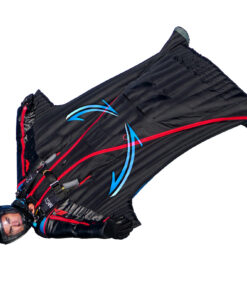
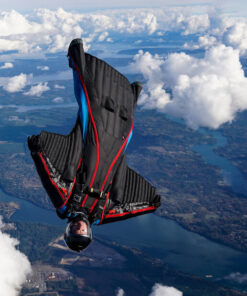
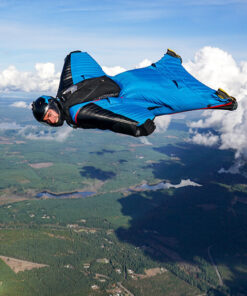
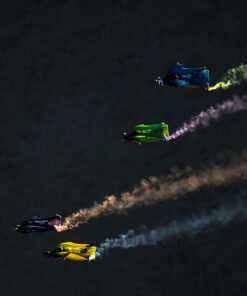
The Freak 6 Wingsuit is an advanced flight suit designed for experienced skydivers seeking improved control, stability, and performance during aerial activities. Built with modern aerodynamic principles, it provides a balanced flying experience that supports precision movement, efficient body control, and progressive skill development.
Designed for pilots who want to refine their abilities, the Freak 6 offers a combination of comfort, responsiveness, and reliable construction. Its optimized design helps experienced users improve flight awareness, maintain smoother movement, and enjoy a more engaging aerial experience.
Whether used for advanced training, performance progression, or exploring new levels of human flight, the Freak 6 Wingsuit delivers a professional platform focused on control, confidence, and long-term development.
Freak 6 Wingsuit – Advanced Flight Performance, Precision Control, and Next-Level Aerial Innovation
Freak 6 Wingsuit Overview, Advanced Design, Flight Performance, and Key Features
The Freak 6 Wingsuit represents the next evolution of modern wingsuit technology, created for experienced pilots who want improved control, efficient flight characteristics, and a refined aerial experience. Designed around advanced aerodynamic principles, this wingsuit combines performance, comfort, and precision to support pilots during demanding flight sessions.
Wingsuit flying requires more than simply wearing specialized equipment. It requires proper training, body awareness, experience, and an understanding of airflow and movement. Therefore, selecting the right wingsuit is an important decision for pilots who want to improve their abilities and explore advanced aerial performance.
The Freak 6 Wingsuit has been developed for users who want a balanced combination of stability, responsiveness, and flight efficiency. Its design allows experienced pilots to refine their technique while enjoying a controlled and engaging flying experience.
Advanced Wingsuit Engineering and Aerodynamic Design
A modern wingsuit functions as a complete aerodynamic system where every design element contributes to flight performance. The shape, structure, material selection, and pilot interaction all influence how the suit performs in the air.
The Freak 6 Wingsuit is designed around the principles of stability, efficient movement, and precise control. For pilots researching wingsuit, wingsuit sport, vector wingsuit, gliding suit wingsuit, skydiving gliding suit, fly suits, and fluid wings, understanding aerodynamic design is essential.
A well-designed wingsuit allows pilots to improve their awareness of body position, airflow, speed, and direction.
Flight Performance, Speed, and Control
Performance in wingsuit flying depends on multiple factors, including pilot skill, weather conditions, exit altitude, body position, and experience level.
The Freak 6 Wingsuit is designed to provide experienced pilots with a platform for developing better control and smoother flight characteristics.
Terms such as skydiving speed, speed sky diving, tracking jump, and canopy flight are commonly associated with aerial performance because they involve understanding movement, energy management, and transition between different stages of flight.
A skilled pilot can use proper technique to improve efficiency, stability, and overall flight awareness.
Why Choose the Freak 6 Wingsuit?
The main reason experienced pilots choose advanced wingsuits is the opportunity to continue improving their flying abilities while exploring new challenges.
The Freak 6 Wingsuit is intended for users who already understand fundamental skydiving principles and want equipment that supports progression and skill development.
For individuals researching wing suits for sale, price of wingsuit, new skydive, and advanced aerial equipment, understanding experience requirements and proper training is essential.
A wingsuit should always be selected according to pilot ability, goals, and experience level.
Complete Skydiving Equipment Knowledge
A wingsuit is only one component of a complete skydiving setup. Successful flights depend on reliable equipment, preparation, and knowledge of supporting systems.
Important equipment categories include the skydiving rig, parachute rig, container skydive, skydiving rigging, gear bag skydive, and a complete skydiving equipment list.
Understanding the parts of a parachute helps pilots appreciate how different systems work together, including deployment equipment, control systems, and landing components.
Related searches include linewear, base canopy, smallest canopy, safire 3, and landing flight risers.
Helmets and Protective Equipment
Protective equipment plays a critical role in skydiving preparation. A suitable helmet improves protection, comfort, and confidence during flight.
Pilots often research options such as skydiving helmet, skydive helmets, sky helmet skydiving, full face skydiving helmet, skydiving helmet full face, sky diving helmet, best skydiving helmet, cookie g4 helmet, and g35 helmet.
Other accessories such as skydiving glasses, skydiver goggles, and questions like can you wear glasses while skydiving are common considerations when preparing for jumps.
Global Skydiving Locations and Experiences
Skydiving communities exist around the world, with many locations offering unique experiences for enthusiasts.
Popular searches include parachute jump australia, skydive byron bay, cairns skydiving, skydive belize, skydiving blue hole belize, and ifly colorado springs.
These locations provide different environments for training, recreational experiences, and advanced progression.
Advanced Disciplines and Specialized Equipment
Modern aerial sports include many disciplines that require different levels of knowledge and preparation.
Related activities include base jumping, baseline jumping, crw skydiving, jumper pilot, indoor wingsuit, and tandem wingsuit.
Specialized equipment searches include hook blade knife, hook knife skydiving, skydive hook knife, freefly pud handle, and fire parachute.
These areas demonstrate the importance of proper education, preparation, and responsible participation.
Building Skills Through Experience
The Freak 6 Wingsuit is designed for pilots who want to continue developing their abilities through experience, training, and disciplined progression.
Topics such as weight limit skydiving, skydiving downsizing chart, cypress fire skydiving, nude parachute jump, and skydiving nude appear within the wider skydiving community, but responsible progression and safety awareness remain the foundation of every successful flight.
Overall, the Freak 6 Wingsuit represents a modern approach to human flight, combining aerodynamic development, pilot control, and advanced performance potential for experienced skydivers seeking the next stage of aerial exploration.
Design Construction, Flight Characteristics, and Pilot Experience
Aerodynamic Structure and Performance Design
The construction of an advanced wingsuit requires careful consideration of airflow, balance, and movement efficiency. Every section of the design contributes to how the pilot interacts with the surrounding air.
A well-developed structure allows smoother movement and improved control, helping pilots maintain a more predictable flight experience.
The relationship between the pilot’s body position and the suit’s response is an essential part of achieving better performance.
Comfort and Freedom of Movement
Comfort plays an important role during aerial activities because pilots need to maintain focus and control throughout the flight.
A properly designed suit allows natural movement while reducing unnecessary restriction. This enables pilots to make precise adjustments and maintain better awareness.
Improved comfort also helps reduce fatigue during longer training sessions and repeated use.
Stability During Flight
Flight stability is one of the most important characteristics of high-performance equipment.
A balanced design allows pilots to maintain control while responding to changing conditions in the air.
As pilots gain experience, they become better at understanding how small adjustments influence movement, direction, and overall performance.
Responsive Handling and Control
A responsive design allows pilots to communicate more effectively with their equipment through body movement.
Precise control is developed through practice, but equipment that reacts predictably helps users improve their technique.
This connection between pilot input and equipment response creates a more enjoyable and rewarding experience.
Efficient Movement Through Airflow
Understanding airflow is essential for successful flight. The way air moves around the suit affects stability, efficiency, and control.
A refined design helps pilots achieve smoother movement while maintaining better awareness of their position.
This allows users to focus on improving technique rather than compensating for unpredictable behavior.
Performance During Training Sessions
Training is a key part of becoming a more capable pilot.
A suitable wingsuit allows users to practice important skills, improve body control, and develop greater confidence over time.
Consistent training helps pilots understand their equipment and make gradual improvements safely.
Preparation and Equipment Familiarity
Before every flight, preparation is essential.
Pilots should become familiar with their equipment, understand its characteristics, and ensure everything is ready before use.
A careful preparation process improves confidence and contributes to a smoother experience.
Durability and Long-Term Reliability
Advanced equipment must be capable of handling repeated use while maintaining dependable performance.
Strong construction and quality materials contribute to long-term reliability.
With proper care, the suit can continue supporting pilots through many training sessions and flight experiences.
Adaptability for Different Pilot Styles
Every pilot develops a unique style based on experience, goals, and personal preferences.
Some focus on improving efficiency, while others concentrate on exploring different techniques and challenges.
A versatile design allows pilots to continue developing their skills as their experience increases.
Building Confidence Through Experience
Confidence develops through practice, understanding, and gradual progression.
As pilots become more familiar with their equipment, they gain better awareness of their abilities and limitations.
This experience allows them to make more informed decisions and enjoy the activity more responsibly.
Importance of Proper Progression
Advanced aerial activities require patience and discipline.
Progress should be developed through education, experience, and consistent practice rather than rushing into situations beyond current abilities.
A structured approach helps pilots improve while maintaining awareness of safety requirements.
Overall Flight Experience
The wingsuit provides a platform focused on control, comfort, and progression.
Its design supports pilots who want to improve their abilities while experiencing the unique challenge of human flight.
Through proper training, preparation, and responsible use, it can become an important part of a pilot’s long-term journey.
Real-World Applications, Training Benefits, and Pilot Development
Practical Applications in Aerial Activities
Advanced aerial equipment provides value through real-world use, where skill, preparation, and experience come together.
The suit is designed for pilots who want to improve their abilities, develop stronger control, and experience a more engaging form of flight.
Through proper training and responsible progression, users can continue building confidence and improving their overall performance.
Supporting Skill Development
Progress in aerial sports requires patience, dedication, and continuous learning.
Pilots can develop important abilities such as body awareness, movement control, timing, and decision-making.
Regular practice allows users to understand their strengths while identifying areas where additional improvement is needed.
Suitable for Experienced Progression
Advanced equipment should be matched with the pilot’s experience level and personal goals.
Individuals who have developed fundamental skills can use it as a tool for continued improvement and exploration.
A gradual approach allows pilots to build confidence while maintaining better control over their development.
Improving Flight Awareness
Awareness is one of the most important skills in aerial activities.
Pilots learn to understand their position, movement, surrounding conditions, and how different choices influence performance.
This awareness helps users make better decisions and create smoother experiences.
Training and Practice Advantages
Consistent practice is essential for developing stronger abilities.
Training sessions provide opportunities to improve technique, increase familiarity, and build confidence.
A structured approach allows pilots to focus on specific areas of improvement and measure their progress over time.
Outdoor Experience and Environmental Understanding
Outdoor environments introduce different challenges that require preparation and adaptability.
Conditions such as wind, visibility, altitude, and surroundings can influence each experience.
Understanding these factors allows pilots to approach activities with greater awareness and better preparation.
Building Better Control Skills
Control develops through experience and repetition.
Pilots learn how to make precise adjustments, maintain stability, and respond effectively to changing situations.
Over time, these skills become more natural and allow for smoother performance.
Developing Decision-Making Ability
Good judgment plays an important role in aerial activities.
Pilots must evaluate conditions, understand their abilities, and make responsible choices before participating.
Strong decision-making contributes to safer experiences and better long-term progression.
Creating an Effective Training Routine
A consistent routine helps pilots improve more efficiently.
Preparation, reviewing previous experiences, and focusing on specific goals all contribute to steady development.
A disciplined approach encourages continuous improvement and helps users achieve personal objectives.
Confidence Through Experience
Confidence grows through familiarity and successful practice.
As pilots gain more experience, they become more comfortable understanding their equipment and managing different situations.
This confidence allows them to continue learning while maintaining responsible habits.
Exploring Personal Goals
Every pilot has unique objectives and interests.
Some may focus on improving technique, while others may enjoy exploring new challenges and experiences.
Understanding personal goals helps create a more meaningful and enjoyable journey.
Long-Term Development and Enjoyment
Progress in aerial sports is an ongoing process.
With dedication, proper preparation, and consistent practice, pilots can continue improving their abilities and gaining new experiences.
The combination of learning, exploration, and responsible participation creates a rewarding long-term activity.
Ownership Experience, Maintenance, and Performance Optimization
Understanding Long-Term Equipment Ownership
Owning advanced flight equipment involves more than simply using it during activities. It requires understanding proper handling, preparation, storage, and regular care.
A positive ownership experience develops as users become familiar with their equipment and learn how to maintain it correctly.
Long-term satisfaction is created through responsible use, attention to detail, and continuous improvement.
Maximizing Performance Through Proper Technique
Equipment provides the foundation, but personal ability determines how effectively it can be used.
Developing proper techniques, maintaining awareness, and practicing consistently allow users to improve their skills over time.
The combination of reliable equipment and disciplined training creates a more rewarding experience.
Importance of Regular Inspection
Regular inspection is an essential part of responsible ownership.
Checking equipment condition before use helps identify potential concerns and ensures everything is prepared correctly.
A careful inspection routine improves confidence and supports reliable performance.
Proper Cleaning and Care Practices
Maintaining equipment properly helps preserve its condition and extend its useful lifespan.
Cleaning, drying, and storing materials correctly reduce unnecessary wear and protect important components.
Simple care habits can make a significant difference in long-term reliability.
Safe Storage and Equipment Protection
Proper storage helps protect equipment from environmental factors that may affect performance.
Keeping items in a suitable location reduces exposure to damage and ensures they remain ready for future use.
Good storage practices contribute to maintaining quality over time.
Monitoring Condition Over Time
Equipment condition can change depending on usage, environment, and maintenance habits.
Regular observation allows users to identify changes and address concerns before they become larger problems.
Understanding equipment behavior helps maintain confidence and reliability.
Developing a Preparation Routine
A consistent preparation routine improves readiness and creates a more organized experience.
Before each activity, users should review equipment condition, personal readiness, and surrounding conditions.
A careful approach helps create smoother and more enjoyable experiences.
Adapting to Personal Experience Levels
Every user develops skills at a different pace.
Some individuals focus on improving fundamental abilities, while others work toward more advanced objectives.
A flexible approach allows users to progress naturally while maintaining awareness and control.
Building Confidence Through Familiarity
Confidence develops through repeated experience and proper preparation.
As users become more familiar with their equipment, they gain better understanding and improved decision-making abilities.
This gradual process encourages responsible progression.
Responsible Use and Safety Awareness
Safety should always remain a priority when participating in aerial activities.
Proper training, careful preparation, and awareness of surroundings are essential components of responsible use.
Following safe practices helps protect individuals and contributes to a positive environment.
Continuous Learning and Improvement
Improvement requires patience, dedication, and a willingness to continue learning.
Users who review their experiences and refine their abilities can achieve better results over time.
Continuous development creates a more rewarding and enjoyable journey.
Long-Term Value and Reliability
Well-maintained equipment can provide lasting value through many years of use.
Responsible care, regular attention, and proper handling contribute to maintaining reliability.
Quality equipment becomes increasingly valuable as users gain experience and continue developing their skills.
Creating a Complete Ownership Experience
A complete experience comes from combining reliable equipment, responsible care, and personal growth.
When users maintain their equipment correctly and continue improving their abilities, they can enjoy greater confidence and satisfaction.
Through preparation, dedication, and responsible use, the equipment can remain a valuable part of their journey for many years.
Buying Guide, Final Evaluation, and Important User Considerations
Choosing Equipment That Matches Your Goals
Selecting the right wingsuit requires careful consideration of personal objectives, experience level, and intended activities.
Every pilot has different expectations, so choosing equipment that matches individual needs is an important step toward achieving a satisfying experience.
Some users may focus on improving their abilities, while others may prioritize comfort, control, and continued progression.
Understanding Experience Requirements
Before choosing advanced equipment, users should evaluate their current skills and preparation.
Experience, training background, and understanding of aerial techniques are important factors when selecting suitable equipment.
Choosing a platform that matches personal development helps create a more controlled and enjoyable progression.
Evaluating Quality and Construction
Quality construction plays an important role in long-term performance and reliability.
Well-designed equipment provides confidence because it is created to handle repeated use while maintaining dependable characteristics.
Durability, attention to detail, and proper manufacturing contribute to greater satisfaction over time.
Preparing Before First Use
A proper introduction is essential when using specialized equipment.
Users should take time to understand the design, become familiar with handling procedures, and ensure they are properly prepared before participating.
A gradual introduction allows individuals to build confidence and develop effective habits.
Important Questions Before Purchase
Before making a decision, users should consider several important questions:
Is the equipment suitable for my current experience level?
Will it support my personal goals?
Can I provide proper care and maintenance?
Am I prepared to continue learning and improving?
Does it fit my preferred style of activity?
Answering these questions helps create realistic expectations and supports better decision-making.
Developing Skills After Purchase
Purchasing equipment is only the beginning of the journey.
Continued education, practice, and experience are necessary to improve abilities and gain confidence.
Users who dedicate time to development often achieve better results and enjoy a more rewarding experience.
Maintenance as a Long-Term Responsibility
Proper maintenance helps preserve equipment condition and reliability.
Regular checks, careful handling, and appropriate storage contribute to extending the useful lifespan.
Responsible care ensures that equipment remains dependable throughout continued use.
Creating a Safe and Suitable Environment
The environment where activities take place is an important consideration.
Users should always choose appropriate conditions, follow recommended procedures, and maintain awareness of safety requirements.
A responsible approach helps protect everyone involved.
Long-Term Benefits of Quality Equipment
A carefully selected wingsuit can provide years of learning, development, and enjoyment.
The benefits of quality equipment become more valuable as users gain experience and continue improving their abilities.
A dependable platform supports long-term progression.
Overall Performance Evaluation
The Freak 6 Wingsuit represents a balance between advanced design, comfort, control, and performance potential.
Its value comes from supporting experienced pilots who want to continue developing their abilities while enjoying a refined flying experience.
With proper training, maintenance, and responsible use, it can become an important part of a pilot’s progression.
Final Conclusion
Choosing advanced aerial equipment requires careful consideration, preparation, and commitment to responsible progression.
The right equipment should support personal goals while providing confidence, comfort, and reliability.
Through proper training, consistent practice, and responsible ownership, pilots can enjoy a more rewarding and successful journey in aerial sports.
Frequently Asked Questions and Final User Guidance
What Should Be Considered Before Using Advanced Equipment?
Before using specialized aerial equipment, users should evaluate their experience level, training background, and personal goals.
Proper preparation is essential because advanced activities require understanding, discipline, and responsible decision-making.
Choosing equipment that matches personal ability helps create a more controlled and enjoyable experience.
Who Is This Equipment Designed For?
This type of equipment is intended for experienced users who have already developed fundamental skills and understand the importance of proper training.
It is not a replacement for learning or professional instruction. Instead, it is designed to support continued development for individuals who are ready to progress further.
How Can Users Improve Their Performance?
Improvement comes from consistent practice, proper technique, and continuous learning.
Users can develop better abilities by reviewing their experiences, focusing on specific goals, and gradually increasing their skills.
Patience and dedication are important parts of long-term improvement.
Why Is Proper Training Important?
Training provides the knowledge and experience needed to use advanced equipment responsibly.
It helps users understand techniques, recognize limitations, and make better decisions.
A structured learning process creates a stronger foundation for future progression.
How Should Equipment Be Maintained?
Regular care is essential for preserving condition and reliability.
Users should inspect equipment regularly, follow recommended care practices, and store it properly when not in use.
Good maintenance habits help extend the useful lifespan and support dependable performance.
How Does Experience Affect Performance?
Experience plays an important role in how effectively equipment can be used.
As users gain more knowledge and practice, they become better at understanding movement, control, and decision-making.
Greater experience allows users to achieve more consistent results.
What Makes a Good User Experience?
A positive experience comes from the combination of suitable equipment, proper preparation, skill development, and responsible use.
When users understand their equipment and continue improving their abilities, they can enjoy greater confidence and satisfaction.
How Important Is Personal Preparation?
Preparation is one of the most important parts of any activity involving specialized equipment.
Before each use, individuals should review their readiness, equipment condition, and surrounding conditions.
A careful approach improves confidence and reduces unnecessary risks.
Can Skills Continue Improving Over Time?
Yes. Skill development is an ongoing process that continues through experience and practice.
Even experienced users can continue refining techniques, improving awareness, and setting new personal goals.
Continuous learning helps maintain progress and enjoyment.
What Factors Influence Long-Term Satisfaction?
Long-term satisfaction depends on several factors, including proper selection, responsible care, regular practice, and realistic expectations.
When equipment is used appropriately and maintained correctly, it can provide years of valuable experiences.
Final Thoughts
Advanced aerial equipment represents an opportunity for users to continue learning, improving, and exploring new challenges.
Success depends on preparation, experience, discipline, and respect for responsible practices.
With the right approach, users can enjoy a rewarding journey built around skill development, confidence, and continuous improvement.
Be the first to review “Freak 6 Wingsuit”
Related products


Wingsuits

Wingsuits
Wingsuits

Wingsuits
Wingsuits
Wingsuits
Wingsuits

Wingsuits
Reviews
There are no reviews yet.