

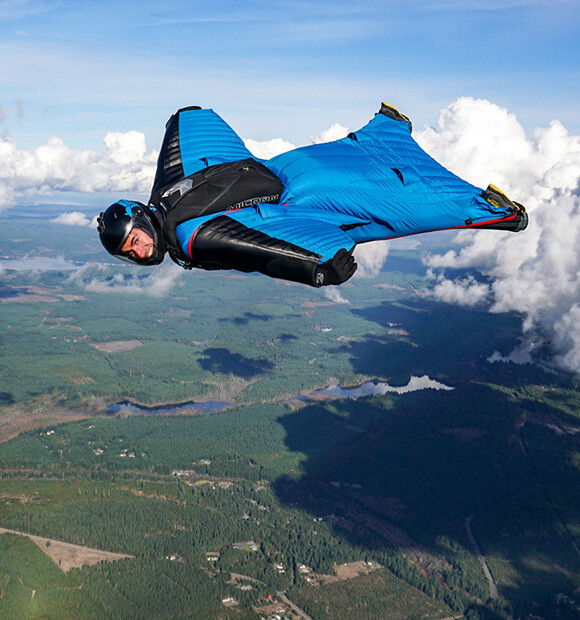
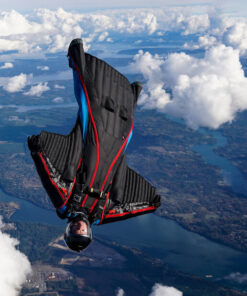
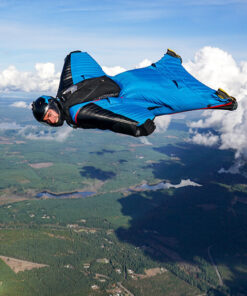
SPRINT SWIFT 5

€1,450.00
Sizing Guide for SPRINT SWIFT 5
Canopy Sizes
The SPRINT SWIFT 5 offers multiple canopy sizes to accommodate different jumper weights and performance preferences. Selecting the correct canopy size ensures optimal glide, stability, and control:
| Canopy Size | Recommended Jumper Weight | Glide Performance | Deployment Characteristics | Ideal Use |
|---|---|---|---|---|
| XS – 18 m² | 50–65 kg (110–143 lbs) | Fast, responsive | Quick deployment, high maneuverability | Beginners, low-altitude BASE jumps |
| S – 20 m² | 60–80 kg (132–176 lbs) | Balanced glide | Smooth deployment, moderate responsiveness | Intermediate jumpers, standard skydives |
| M – 22 m² | 75–95 kg (165–209 lbs) | Stable glide | Predictable canopy opening, enhanced control | Advanced skydivers, mid-altitude BASE jumps |
| L – 24 m² | 90–110 kg (198–243 lbs) | Stable and smooth | Slightly slower deployment for precision | High-weight jumpers, long glide scenarios |
| XL – 26 m² | 105–120 kg (231–265 lbs) | Maximum stability | Stable and forgiving | Tandem jumps, heavy-load scenarios |
Harness Sizes
The ergonomic harness is fully adjustable, but proper sizing ensures maximum comfort and control:
| Harness Size | Chest Circumference | Waist Circumference | Leg Strap Range | Notes |
|---|---|---|---|---|
| XS/S | 80–95 cm (31–37 in) | 70–85 cm (28–33 in) | 50–65 cm (20–26 in) | Smaller body types, youth jumpers |
| M | 95–110 cm (37–43 in) | 85–100 cm (33–39 in) | 60–75 cm (24–30 in) | Average adult sizes |
| L | 110–125 cm (43–49 in) | 100–115 cm (39–45 in) | 70–85 cm (28–33 in) | Larger adult sizes |
| XL | 125–140 cm (49–55 in) | 115–130 cm (45–51 in) | 80–95 cm (31–37 in) | Heavy or tall jumpers, tandem configuration |
Harness straps are adjustable in all directions, ensuring secure fit, comfort, and proper weight distribution for both BASE jumps and skydiving.
Weight Ranges
To match jumper weight with canopy and harness selection, follow these guidelines:
-
50–65 kg (110–143 lbs): Canopy XS, Harness XS/S
-
60–80 kg (132–176 lbs): Canopy S, Harness XS/M
-
75–95 kg (165–209 lbs): Canopy M, Harness M/L
-
90–110 kg (198–243 lbs): Canopy L, Harness L/XL
-
105–120 kg (231–265 lbs): Canopy XL, Harness XL
Squirrel SPRINT and SWIFT 5 Wingsuits – Training, Progression, Flight Performance, and Safety Guide
SPRINT and SWIFT 5 Wingsuit Overview
What Are the SPRINT and SWIFT 5?
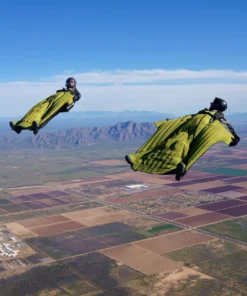
The Squirrel SPRINT and SWIFT 5 are separate wingsuit models designed for different stages of pilot progression. The SPRINT is an instructional suit developed for supervised first-flight courses and wingsuit training programs. It emphasizes stability, straightforward control, accessible deployment, and easy riser movement during canopy opening. Squirrel states that the SPRINT is intended for student programs rather than ordinary public retail.
The SWIFT 5 is a progression-oriented wingsuit for pilots who have moved beyond their initial training flights. A specialist rental provider recommends it for pilots with at least five wingsuit jumps, although a qualified coach must decide whether a jumper is ready. Its reported features include a seamless leading edge, redesigned air inlets, accessible bottom-of-container deployment, straightforward back-flying, and responsive transitions.
Neither suit is a parachute rig, parachute canopy, base canopy, container skydive system, or complete skydiving equipment list. A wingsuit must be used with an independently approved harness-container SPRINT SWIFT 5., main canopy, reserve parachute, automatic activation device where required, helmet, altimeter, and other equipment selected by qualified professionals.
Why the SPRINT Is Used for Initial Wingsuit Training
The SPRINT was designed around the needs of first-time wingsuit pilots. Its flexible arm panels support easier exits, accessible deployment-handle reach, and improved riser access after the canopy opens. The suit’s wing area is positioned close to the pilot’s center of gravity to promote pitch and roll stability.
This makes it relevant to a supervised tracking jump progression, although tracking experience alone does not qualify someone to fly a wingsuit. Before beginning wingsuit training, a jumper must meet the requirements set by the applicable national organization, drop zone, instructor, and equipment manufacturer.
A wingsuit sport participant must also understand that forward speed, glide, and freefall complexity increase significantly when fabric wings are introduced. The suit does not automatically prevent instability, poor navigation, collisions, deployment problems, or canopy emergencies.
Why Pilots Progress to the SWIFT 5
The SWIFT 5 offers more speed, glide, range, and maneuverability than an instructional first-flight suit. It is intended to support skills such as flocking, controlled back-flying, transitions, and performance development. Experienced coaches describe it as a meaningful increase in pressurization and performance compared with basic student suits.
However, this performance increase should not be rushed. A pilot’s readiness depends on more than jump numbers. Stable exits, controlled navigation, separation awareness, reliable deployment technique, emergency procedures, and consistent canopy skills must all be evaluated.
The phrase vector wingsuit may refer to using a wingsuit with a Vector harness-container, but compatibility must be confirmed by a qualified rigger. A wingsuit must not interfere with the freefly pud handle, reserve handle, cutaway handle, pilot chute, bridle, or any other component of the deployment system.
How Wingsuit Flight Works
A skydiving gliding suit creates fabric surfaces between the arms, torso, and legs. Air enters the suit through inlets and pressurizes its internal cells. When flown correctly, the inflated surfaces generate lift and allow the jumper to travel forward while descending.
Terms such as gliding suit wingsuit, fly suits, wing suits for sale, price of wingsuit, and indoor wingsuit may appear in product searches. Nevertheless, indoor tunnel training and outdoor jumping are not interchangeable. Tunnel practice can improve body awareness, but it does not replace aircraft exits, navigation, deployment, emergency procedures, or live canopy experience.
A tandem wingsuit is not an ordinary student progression method. Wingsuit flying should never be attempted during a standard tandem skydive unless conducted under a formally approved specialist program with appropriately rated professionals.
Speed, Glide, and Flight Characteristics
Skydiving speed varies according to body position, suit size, pilot mass, glide angle, and flight technique. The SWIFT 5 is designed to offer stronger speed and glide than the SPRINT, while the SPRINT prioritizes forgiving handling for students.
Search phrases such as speed sky diving, canopy flight, landing flight risers, and jumper pilot concern different phases of a skydive. Wingsuit flight ends before deployment, after which the jumper must manage the parachute opening, assess the canopy, control the risers or toggles, enter the landing pattern, and complete a safe landing.
The smallest possible parachute is not necessarily appropriate. Searches for the smallest canopy or a skydiving downsizing chart should never replace professional canopy coaching. Canopy size must be selected according to exit weight, experience, currency, landing ability, local policy, and instructor or safety-officer guidance.
Required Personal Equipment
A properly configured skydiving rig includes a harness-container, main canopy, reserve canopy, deployment systems, and other approved components. Understanding the parts of a parachute is essential before any advanced discipline is attempted.
Common personal equipment may include:
- An approved skydiving helmet
- A full face skydiving helmet or open-face model
- Proper skydiver goggles or skydiving glasses
- Audible and visual altimeters
- A suitable hook knife skydiving tool
- A secure gear bag skydive solution
- Discipline-appropriate clothing and footwear
Searches for a g35 helmet, cookie g4 helmet, sky helmet skydiving, sky diving helmet, skydive helmets, skydiving helmet full face, or the best skydiving helmet should be evaluated according to fit, visibility, audible-altimeter compatibility, snag resistance, and local requirements.
People who ask, can you wear glasses while skydiving, can generally use suitable over-glasses goggles or compatible prescription solutions, but the final setup should be tested with an instructor before jumping.
Emergency Cutting Tools and Deployment Access
A hook blade knife, skydive hook knife, or approved emergency line-cutting tool may help a trained jumper respond to certain line or entanglement situations. It is not a substitute for emergency-procedure training.
Wingsuit pilots must be able to reach the pilot chute, cutaway handle, and reserve handle without obstruction. They must also practise opening the arm wings, accessing the risers, and controlling the canopy after deployment.
Line condition matters as well. Linewear should be inspected by a qualified skydiving rigging professional. Frayed lines, damaged stitching, worn closing loops, contaminated fabric, or questionable hardware require professional evaluation.
Canopy Selection and Compatibility
Canopies such as the Safire 3 and products from Fluid Wings belong to the parachute phase of the jump rather than the wingsuit itself. A canopy used for wingsuiting should have opening characteristics appropriate to the pilot, container, deployment bag, wing loading, experience level, and manufacturer guidance.
CRW skydiving involves intentional canopy formations and is distinct from wingsuit flight. Likewise, base jumping, baseline jumping, and aircraft skydiving require different equipment, training, risk management, and emergency procedures. A skydiving wingsuit and parachute system should not automatically be treated as suitable BASE equipment.
Terms such as fire parachute and cypress fire skydiving are not product specifications for either suit. CYPRES is associated with automatic activation devices, but installation, servicing, life limits, and compatibility must be handled according to the manufacturer and qualified riggers.
Where Training May Occur
A parachute jump Australia search may lead to drop zones offering training in Australia, including locations associated with skydive Byron Bay or Cairns skydiving. Local operators determine experience, medical, age, and weight limit skydiving requirements.
Other location-based searches, including iFLY Colorado Springs, skydive Belize, and skydiving Blue Hole Belize, concern facilities or destinations rather than the suit itself. Jumpers should confirm current operations, ratings, aircraft, weather limitations, equipment policies, and instructor availability directly with the operator.
Clarifying Unrelated or Unsafe Search Phrases
Searches for nude parachute jump, skydiving nude, or similar activities do not establish that a jump is authorized or safe. Clothing can affect harness fit, protection, handle security, temperature exposure, and snag hazards. Any unusual jump plan requires explicit approval from the drop zone and safety personnel.
The hashtag phrase #skydiving latest, the terms new skydive, skydiving website, and skydiving tube are broad search expressions rather than technical specifications.
Why Professional Instruction Is Essential
Wingsuit flying carries significant risk and should be learned through a qualified first-flight course. The SPRINT is specifically designed around that training environment, while the SWIFT 5 supports subsequent progression.
Neither model guarantees safety, stability, correct navigation, successful deployment, or controlled landing. The jumper remains responsible for training, currency, equipment inspection, weather assessment, airspace awareness, emergency procedures, and compliance with drop-zone and national regulations.
The safest progression begins with strong conventional skydiving skills, followed by formal instruction, conservative equipment choices, supervised flights, and gradual development rather than premature movement into larger or faster suits.
Aerodynamic Design, Flight Performance, Equipment Care, and Long-Term Development
Understanding Aerodynamic Efficiency
Modern flight suits are designed to transform the movement of air into controlled forward motion. Every panel, seam, inlet, and internal surface is carefully positioned to influence lift, stability, responsiveness, and glide performance.
As air enters the suit, internal pressure increases and creates the rigid structure required for efficient flight. Consequently, body position becomes one of the most important elements of overall performance because even minor adjustments can influence speed, direction, and stability.
Although technology continues to advance, proper technique remains essential throughout every stage of progression.
Why Stability Matters During Flight
Stability plays an important role in creating a predictable and controlled flying experience. A stable platform allows pilots to concentrate on navigation, awareness, communication, and safe deployment procedures rather than constantly correcting their body position.
Several factors influence stability:
- Body posture
- Airspeed
- Flight angle
- Suit size
- Experience level
- Environmental conditions
Because these factors constantly interact with one another, regular practice frequently leads to more consistent performance.
Understanding Lift and Glide Characteristics
Lift is generated when air moves across the surface of the suit. At the same time, forward movement creates the momentum necessary for controlled flight.
Several factors influence overall glide performance:
- Body position
- Surface area
- Internal pressure
- Airspeed
- Exit technique
- Environmental conditions
As experience increases, pilots often learn how to maximize efficiency while maintaining smooth and controlled movements.
How Experience Influences Performance
Progression should always be approached gradually because advanced flight techniques require a strong foundation. While enthusiasm encourages improvement, patience often produces more dependable long-term results.
Several elements contribute to continued development:
- Repetition and practice
- Consistent training
- Careful preparation
- Situational awareness
- Thorough equipment inspections
These habits frequently improve confidence while reducing the likelihood of unnecessary errors.
Environmental Conditions and Their Influence
Environmental conditions should always be evaluated carefully before every jump. Wind speed, cloud cover, temperature, humidity, and visibility all influence the overall experience.
Several factors deserve particular attention:
- Wind direction
- Temperature changes
- Air density
- Visibility conditions
- Landing conditions
- Aircraft procedures
A thorough understanding of these factors often contributes to better decision-making throughout the entire jump.
Equipment Maintenance and Preservation
Proper maintenance helps preserve both safety and performance. Since exposure to moisture, sunlight, dust, and repeated use gradually affects equipment, routine inspections remain essential.
An effective maintenance routine often includes the following steps:
- Examine all visible surfaces carefully.
- Inspect stitching and seams thoroughly.
- Check zippers and attachment points.
- Remove dirt and contaminants.
- Store equipment in a clean and dry environment.
Although these procedures appear straightforward, they frequently contribute significantly to long-term reliability.
Transportation and Storage Considerations
Transportation procedures should always be performed carefully because excessive heat, moisture, and unnecessary pressure may damage important components.
Several recommendations are commonly followed:
- Protect equipment from direct sunlight.
- Avoid prolonged exposure to excessive heat.
- Keep storage areas dry and well ventilated.
- Inspect equipment regularly.
- Store equipment away from contaminants.
These practices often help preserve structural integrity while extending the service life of the equipment.
Building Effective Long-Term Habits
Long-term improvement rarely happens immediately. Instead, progress is usually achieved through preparation, consistency, discipline, and a commitment to continuous learning.
Several habits frequently support long-term development:
- Maintaining regular training schedules
- Studying environmental conditions
- Reviewing previous experiences
- Refining body positioning techniques
- Performing thorough inspections
Over time, these habits often strengthen confidence and improve overall performance.
Frequently Asked Questions
Why is stability important?
Stability allows pilots to maintain greater control while reducing unnecessary corrections during flight.
How does body positioning affect performance?
Body positioning influences lift, speed, efficiency, maneuverability, and glide performance.
Why should equipment inspections be performed regularly?
Routine inspections help identify developing concerns before they become more serious.
How can long-term reliability be improved?
Regular maintenance, proper storage procedures, and disciplined operating habits all contribute to preserving equipment.
Final Thoughts
Long-term success depends upon preparation, patience, and continuous development. Pilots who maintain effective habits often improve their skills steadily while preserving the condition and reliability of their equipment.
Flight Techniques, Equipment Management, and Performance Development
Developing Consistent Flight Habits
Consistency is one of the most important elements of long-term progression. Every flight presents new conditions, different challenges, and valuable opportunities to improve awareness, control, and confidence.
Rather than attempting to master every skill immediately, experienced pilots often focus on building a strong foundation through repetition and careful observation. Consequently, gradual progress frequently produces better long-term results than attempting to advance too quickly.
As experience grows, movement becomes more natural, reactions become faster, and confidence steadily improves.
Understanding the Importance of Body Position
Body position influences nearly every aspect of performance. Lift generation, forward movement, directional control, and overall stability are all affected by posture and balance throughout the flight.
Several factors contribute to effective positioning:
- Head alignment
- Shoulder placement
- Leg position
- Arm movement
- Hip control
- Weight distribution
Because all these factors work together simultaneously, even small adjustments may create noticeable differences in overall performance.
How Transitions Influence Efficiency
Transitions require precision, awareness, and careful timing. Smooth movements often preserve stability, whereas abrupt movements may create unnecessary instability.
Several elements contribute to more effective transitions:
- Controlled movements
- Consistent positioning
- Environmental awareness
- Proper preparation
- Continuous practice
With experience, pilots often learn how to maintain greater efficiency while making increasingly complex adjustments.
Environmental Awareness and Decision-Making
Environmental conditions constantly influence the overall experience. Wind strength, visibility, temperature, cloud conditions, and air density all affect flight characteristics.
Several factors should always be evaluated carefully:
- Wind speed and direction
- Temperature variations
- Visibility conditions
- Cloud formation
- Atmospheric pressure
- Landing conditions
Careful preparation frequently allows pilots to adapt more effectively to changing conditions.
Equipment Inspection and Maintenance
Regular inspections contribute significantly to both reliability and safety. Although modern materials are designed for demanding conditions, routine maintenance remains essential because repeated use gradually affects every component.
Several maintenance procedures are widely recommended:
- Inspect seams and stitching carefully.
- Examine zippers and attachment points.
- Remove dust and contaminants.
- Verify the condition of hardware and fasteners.
- Store equipment appropriately between uses.
These practices often help preserve structural integrity and long-term performance.
Transportation and Storage Recommendations
Transportation procedures should always be approached carefully because excessive heat, pressure, and moisture may influence the condition of important components.
Several precautions may help preserve long-term reliability:
- Protect equipment from direct sunlight.
- Keep storage areas dry and clean.
- Avoid unnecessary compression.
- Conduct regular inspections.
- Minimize prolonged exposure to contaminants.
These habits often reduce the possibility of avoidable wear.
Long-Term Development Strategies
Long-term progress depends upon patience, discipline, and continuous learning. Every experience contributes valuable knowledge that can be applied during future flights.
Several habits frequently support continued development:
- Maintaining consistent training routines
- Improving situational awareness
- Refining movement patterns
- Reviewing previous experiences
- Practising emergency procedures regularly
Over time, these habits often strengthen confidence and improve performance.
Frequently Asked Questions
Why is consistency so important?
Consistency allows pilots to build confidence while improving awareness, coordination, and overall control.
Why should environmental conditions be monitored continuously?
Environmental conditions influence performance, visibility, stability, and landing conditions.
How can long-term durability be improved?
Routine maintenance, proper storage procedures, and careful transportation practices frequently improve reliability.
Why is regular practice important?
Regular practice helps pilots refine their techniques while improving confidence and decision-making abilities.
Final Remarks
Successful progression is built upon preparation, discipline, patience, and continuous improvement. Pilots who remain committed to these principles often develop stronger skills while preserving the reliability and condition of their equipment.
Advanced Flight Control, Safety Considerations, and Long-Term Ownership
Building Confidence Through Experience
Confidence is developed gradually through knowledge, preparation, and repetition. Although modern equipment is designed to improve efficiency and responsiveness, experience remains one of the most valuable assets a pilot can possess.
Every flight presents opportunities to strengthen awareness, improve decision-making abilities, and refine movement patterns. Consequently, pilots who dedicate time to continuous learning often experience more consistent results over the long term.
A methodical approach frequently produces better outcomes than an aggressive progression strategy.
Understanding Flight Awareness
Maintaining awareness throughout the entire flight is essential because conditions can change rapidly. Pilots must remain attentive to altitude, surrounding traffic, environmental conditions, direction of travel, and deployment timing.
Several factors contribute to effective situational awareness:
- Altitude monitoring
- Flight-path observation
- Weather assessment
- Directional control
- Communication procedures
- Landing preparation
These elements work together to create a safer and more organized experience.
Why Precision Matters
Precision influences stability, efficiency, and control. Smooth, deliberate movements often produce better results than abrupt actions because controlled inputs allow the body to maintain balance throughout the flight.
Several areas benefit from greater precision:
- Exit procedures
- Body positioning
- Navigation
- Directional changes
- Deployment preparation
- Landing procedures
Over time, consistent practice frequently allows these movements to become increasingly natural and predictable.
The Importance of Proper Preparation
Preparation begins long before entering an aircraft. Careful planning often reduces unnecessary stress while increasing confidence and efficiency.
A complete preparation routine commonly includes the following:
- Reviewing weather conditions.
- Inspecting all equipment carefully.
- Confirming operational procedures.
- Verifying communication methods.
- Evaluating landing conditions.
These steps often contribute significantly to overall safety and reliability.
Understanding Equipment Longevity
Every component experiences wear over time. Therefore, regular maintenance and proper handling are essential to preserving long-term performance.
Several factors influence durability:
- Frequency of use
- Storage conditions
- Environmental exposure
- Cleaning practices
- Transportation methods
Attention to these details frequently helps maintain reliability while reducing the likelihood of avoidable damage.
Cleaning and Maintenance Procedures
Routine maintenance should always become part of an established post-flight routine. Although the process may appear simple, consistent care often produces substantial long-term benefits.
Recommended procedures include the following:
- Remove dust and dirt after each use.
- Inspect all seams carefully.
- Examine moving components thoroughly.
- Keep storage areas dry and well ventilated.
- Protect equipment from prolonged sunlight exposure.
These practices frequently help maintain both appearance and functionality.
Transportation and Storage Guidelines
Proper transportation methods are essential because repeated impacts and environmental exposure may gradually influence structural integrity.
Several recommendations are commonly followed:
- Use protective storage solutions whenever possible.
- Avoid excessive pressure during transportation.
- Keep equipment away from moisture.
- Protect surfaces from excessive heat.
- Perform routine inspections before and after use.
These habits often contribute to improved reliability and longer service life.
Continuing Education and Skill Development
Learning should remain an ongoing process because techniques, procedures, and equipment continue to evolve over time. Pilots who remain committed to improvement frequently adapt more effectively to changing conditions.
Several activities often support long-term development:
- Participating in advanced training programs
- Reviewing established procedures
- Studying environmental influences
- Practising emergency responses
- Refining control techniques
These activities frequently strengthen confidence and encourage consistent progress.
Frequently Asked Questions
Why is preparation considered so important?
Preparation helps reduce uncertainty while improving efficiency, awareness, and confidence.
How often should equipment be inspected?
Equipment should be inspected before use, after use, and whenever any unusual condition is detected.
Why is precision necessary during flight?
Precision contributes to improved stability, smoother control, and more predictable performance.
How can reliability be improved over time?
Reliability is frequently enhanced through regular maintenance, careful storage procedures, and disciplined operating habits.
Final Thoughts
Successful progression depends upon patience, preparation, discipline, and continuous learning. Pilots who remain committed to these principles often enjoy greater confidence, improved control, and a more rewarding experience throughout their journey.
Performance Optimization, Flight Planning, and Responsible Ownership
Creating a Foundation for Long-Term Success
Long-term success is built through preparation, discipline, and continuous improvement. While advanced equipment contributes significantly to overall performance, knowledge and experience remain the factors that most strongly influence results.
Every stage of development introduces new challenges. Therefore, patience becomes an essential part of the learning process. Pilots who focus on gradual improvement often develop stronger habits, better awareness, and greater confidence over time.
Because every flight environment is different, adaptability also becomes increasingly valuable as experience grows.
Understanding the Relationship Between Control and Efficiency
Control and efficiency are closely connected. Precise movements often produce smoother responses, while unnecessary corrections can reduce overall performance.
Several elements influence efficiency during flight:
- Body alignment
- Balance and coordination
- Environmental awareness
- Movement timing
- Directional control
- Deployment preparation
When these elements work together effectively, pilots frequently experience more predictable and consistent performance.
Why Flight Planning Matters
Careful planning helps establish realistic expectations while reducing avoidable risks. Decisions made before takeoff frequently influence the quality of the entire experience.
An effective preparation routine often includes the following steps:
- Reviewing weather conditions.
- Examining the intended route.
- Evaluating possible landing areas.
- Confirming operational procedures.
- Conducting complete equipment inspections.
Each of these steps contributes to a more organized and efficient operation.
Recognizing the Importance of Mental Preparation
Physical preparation is important; however, mental preparation is equally valuable. Concentration, awareness, and self-discipline frequently influence decision-making throughout every phase of a flight.
Several habits often support better mental preparation:
- Remaining calm under pressure
- Maintaining focus on procedures
- Avoiding unnecessary distractions
- Reviewing established routines
- Continuing educational development
Over time, these habits often strengthen confidence and improve performance.
Environmental Conditions and Their Influence
Environmental conditions can change rapidly, which makes careful observation essential. Wind direction, temperature, visibility, and atmospheric conditions all influence the overall experience.
Several factors deserve special attention:
- Changes in wind intensity
- Variations in air density
- Cloud formation
- Humidity levels
- Visibility conditions
- Surface conditions in landing areas
A thorough understanding of these factors often improves both safety and efficiency.
Preserving Equipment for Long-Term Reliability
Consistent maintenance remains one of the most effective ways to preserve performance. Although modern materials are designed for durability, all equipment gradually experiences wear.
Several maintenance practices are widely recommended:
- Conduct detailed visual inspections.
- Clean equipment after use.
- Remove moisture and contaminants.
- Protect exposed surfaces from direct sunlight.
- Store equipment in appropriate conditions.
These procedures frequently help preserve structural integrity and overall reliability.
Transportation and Storage Best Practices
Proper transportation methods help minimize unnecessary wear while protecting important components from damage.
The following practices are commonly recommended:
- Avoid excessive pressure during transportation.
- Keep storage environments clean and dry.
- Use protective coverings whenever possible.
- Inspect equipment regularly.
- Limit prolonged exposure to moisture and heat.
These habits often contribute significantly to longer service life.
Developing Strong Decision-Making Skills
Decision-making abilities improve through knowledge, experience, and repeated exposure to different conditions. Pilots who carefully evaluate their surroundings frequently adapt more effectively when circumstances change unexpectedly.
Several qualities often contribute to stronger decision-making:
- Patience
- Discipline
- Preparation
- Awareness
- Confidence
- Consistency
These characteristics frequently become increasingly valuable as experience accumulates.
Frequently Asked Questions
Why is continuous learning important?
Continuous learning allows pilots to refine their skills, improve awareness, and adapt to changing conditions more effectively.
How does preparation improve performance?
Preparation strengthens confidence while reducing uncertainty and improving efficiency.
Why should equipment maintenance be performed regularly?
Regular maintenance helps preserve durability, improve reliability, and identify developing concerns before they become significant problems.
How can experience improve overall performance?
Experience often strengthens awareness, improves precision, and supports better decision-making throughout every phase of operation.
Final Remarks
Long-term progress is rarely achieved through speed alone. Instead, success is usually built upon discipline, consistency, preparation, and continuous improvement. Pilots who remain committed to these principles frequently enjoy greater confidence, stronger skills, and a more rewarding experience over time skydiving tube.
Be the first to review “SPRINT SWIFT 5”
Related products
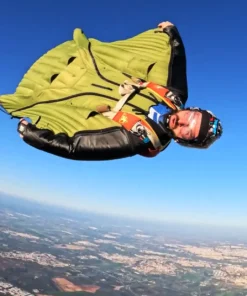
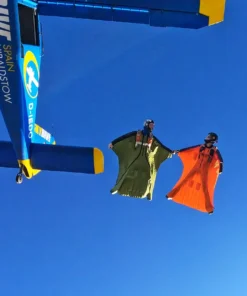
Wingsuits
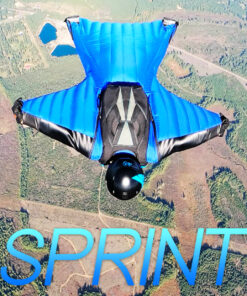
Wingsuits

Wingsuits


Wingsuits
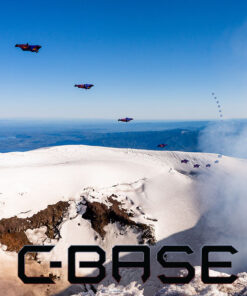

Wingsuits

Wingsuits
Wingsuits


Wingsuits
Reviews
There are no reviews yet.