



LOW-KI 2


€1,550.00
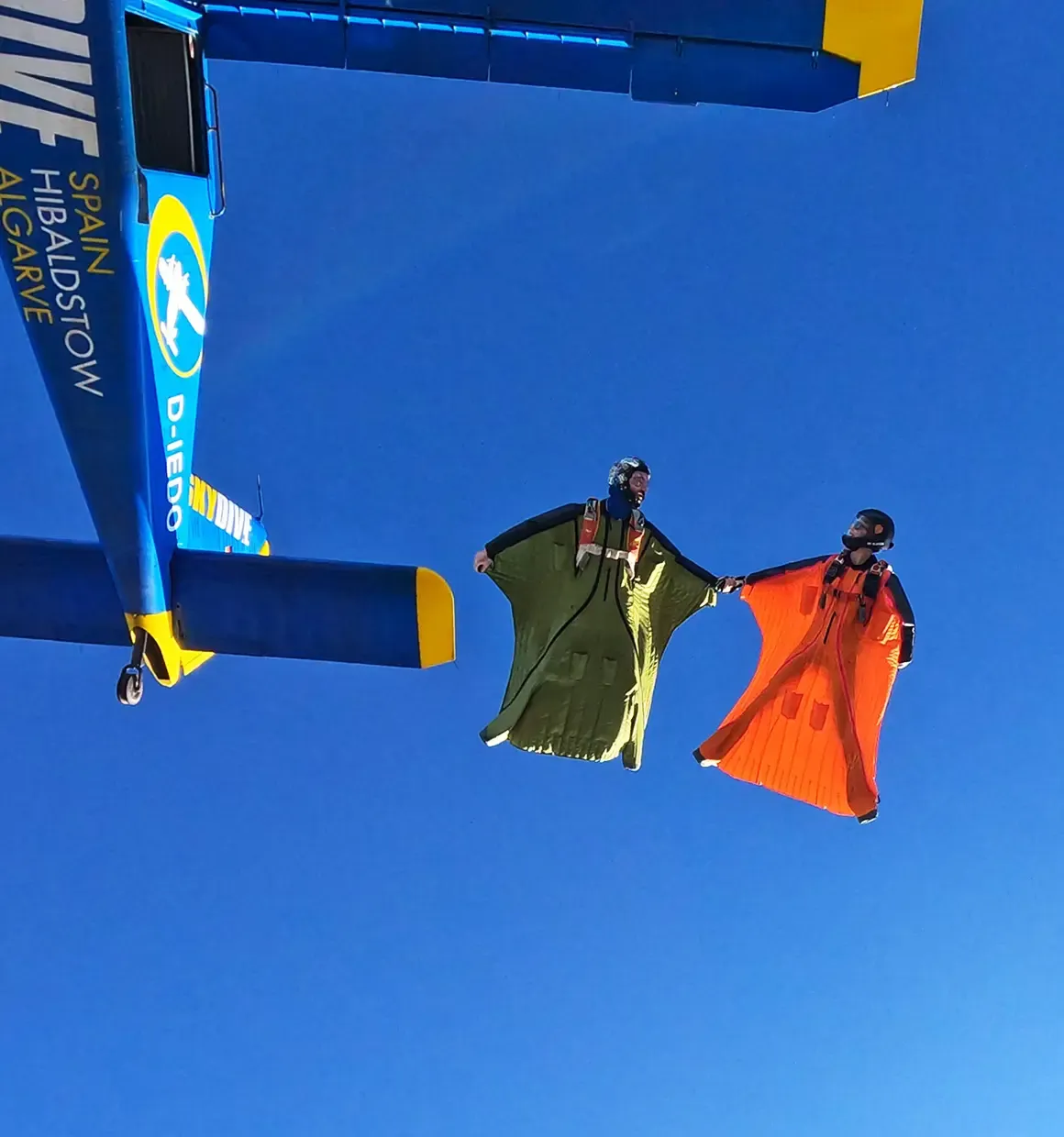
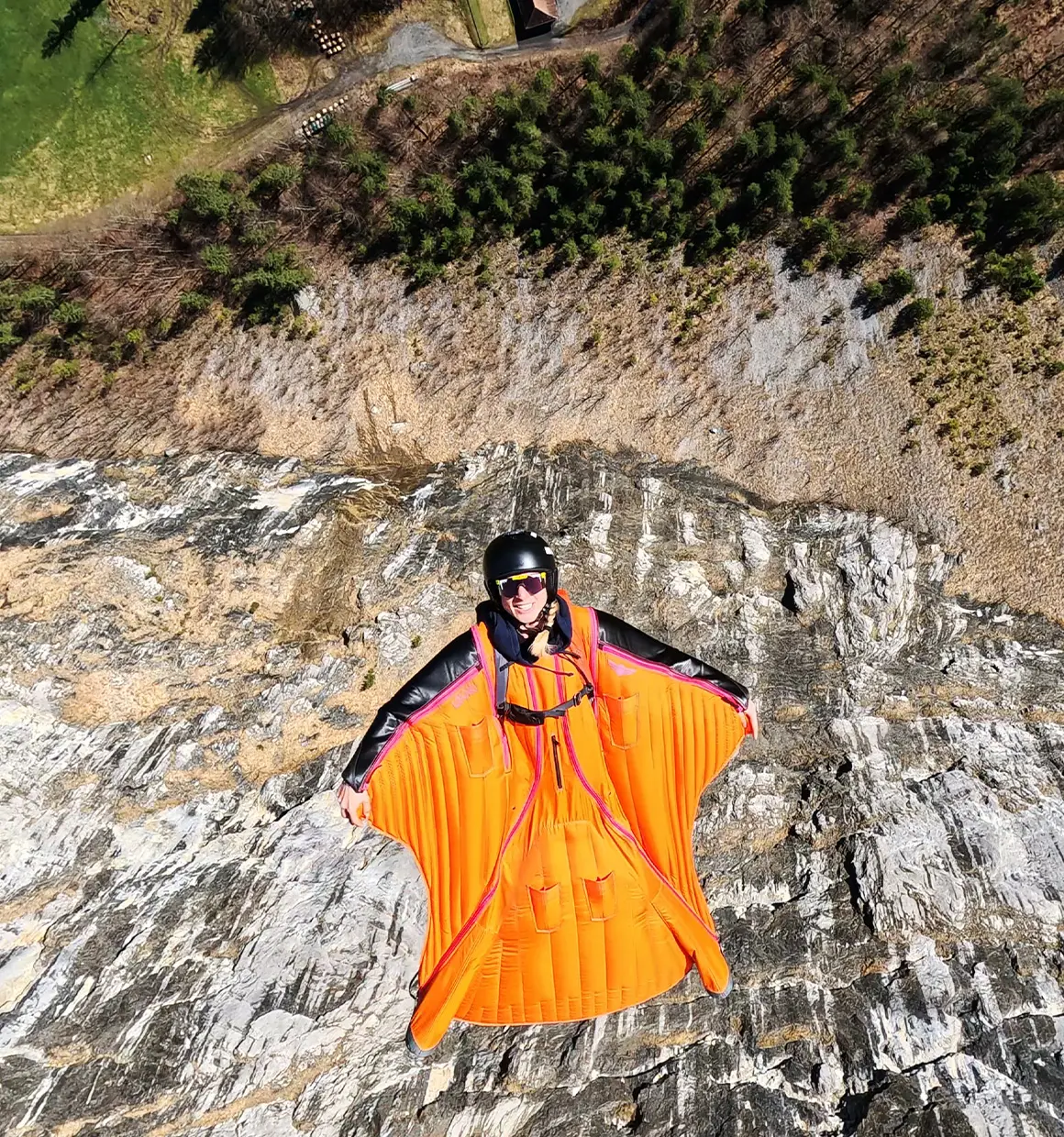
The LOW-KI 2 Wingsuit is an advanced aerial flight suit designed for experienced pilots seeking improved stability, control, and efficient performance. Built with modern aerodynamic principles, it provides a balanced flying experience that supports precision movement, confidence, and continued skill development.
Designed for pilots focused on progression, the LOW-KI 2 offers comfortable handling, responsive performance, and reliable construction. It is a professional platform for refining flight techniques and exploring advanced aerial experiences with greater awareness and control.
LOW-KI 2 Wingsuit – Advanced Flight Performance, Stability, and Precision Aerial Control
LOW-KI 2 Wingsuit Overview, Advanced Design, Flight Performance, and Key Features
The LOW-KI 2 represents a modern approach to wingsuit development, created for experienced skydivers and aerial athletes who want improved stability, efficient movement, and enhanced flight control. Designed with advanced aerodynamic principles, this wingsuit provides a balanced connection between pilot input and aerial performance.
Wingsuit flying requires a combination of knowledge, training, preparation, and the right equipment. Therefore, selecting a suitable wingsuit is an important decision for pilots who want to continue developing their abilities and improve their understanding of human flight.
The LOW-KI 2 is designed for users who value smooth handling, predictable performance, and a refined flying experience. Its purpose is to support experienced pilots as they develop greater confidence, awareness, and control during flight.
Advanced Wingsuit Engineering and Aerodynamic Performance
Modern wingsuits function as complete aerodynamic systems where every design element influences flight behavior. Materials, shape, structure, and pilot interaction all contribute to performance.
The LOW-KI 2 is built around principles of stability, efficiency, and controlled movement. For athletes researching wingsuit, wingsuit sport, vector wingsuit, gliding suit wingsuit, skydiving gliding suit, fly suits, and fluid wings, understanding aerodynamic design is essential.
A well-designed suit allows pilots to better understand airflow, body positioning, speed management, and directional control.
Flight Control, Speed, and Pilot Awareness
Performance during aerial flight depends on many factors, including experience, environmental conditions, altitude, technique, and preparation.
The LOW-KI 2 provides experienced pilots with a platform designed to support smoother movement and improved awareness.
Concepts such as skydiving speed, speed sky diving, tracking jump, and canopy flight are important within aerial sports because they involve understanding movement, transitions, and control.
With proper training and experience, pilots can improve efficiency and develop stronger flight awareness.
Why Choose the LOW-KI 2 Wingsuit?
The main reason experienced pilots choose advanced wingsuits is to continue improving their skills while exploring new levels of aerial performance.
The LOW-KI 2 is intended for users who already understand fundamental flying techniques and want equipment that supports continued progression.
For those researching wing suits for sale, price of wingsuit, new skydive, and professional aerial equipment, it is important to consider experience level and intended use before making a decision.
The right wingsuit should provide confidence, comfort, and reliable performance while supporting long-term skill development.
Complete Skydiving Equipment Understanding
A wingsuit is only one part of a complete skydiving system. Successful flights depend on preparation, equipment knowledge, and responsible practices.
Important equipment categories include the skydiving rig, parachute rig, container skydive, skydiving rigging, gear bag skydive, and a complete skydiving equipment list.
Understanding the parts of a parachute helps pilots recognize how different components work together, including deployment systems, control mechanisms, and landing equipment.
Additional equipment topics include linewear, base canopy, smallest canopy, safire 3, and landing flight risers.
Helmets and Safety Accessories
Protective equipment plays a major role in skydiving preparation. A suitable helmet provides protection, comfort, and confidence during flight activities.
Many pilots research options such as skydiving helmet, skydive helmets, sky helmet skydiving, full face skydiving helmet, skydiving helmet full face, sky diving helmet, best skydiving helmet, cookie g4 helmet, and g35 helmet.
Additional accessories, including skydiving glasses, skydiver goggles, and questions like can you wear glasses while skydiving, are common considerations for pilots preparing for jumps.
Worldwide Skydiving Experiences and Locations
Skydiving communities exist around the world, with many destinations offering different experiences for beginners and advanced athletes.
Popular searches include parachute jump australia, skydive byron bay, cairns skydiving, skydive belize, skydiving blue hole belize, and ifly colorado springs.
These locations provide different environments for training, experience building, and aerial exploration.
Advanced Disciplines and Specialized Equipment
Modern aerial sports include many disciplines that require different levels of knowledge and preparation.
Related activities include base jumping, baseline jumping, crw skydiving, jumper pilot, indoor wingsuit, and tandem wingsuit.
Specialized equipment topics include hook blade knife, hook knife skydiving, skydive hook knife, freefly pud handle, and fire parachute.
These areas highlight the importance of proper education, preparation, and responsible participation.
Building Skills Through Experience
The LOW-KI 2 is designed for pilots who want to continue developing their abilities through practice, knowledge, and disciplined progression.
Topics such as weight limit skydiving, skydiving downsizing chart, cypress fire skydiving, nude parachute jump, and skydiving nude are discussed within the wider skydiving community, but responsible progression remains the foundation of every successful flight.
Overall, the LOW-KI 2 represents a modern wingsuit platform focused on aerodynamic performance, pilot control, and advanced aerial development for experienced skydivers seeking a refined flight experience.
Design Construction, Flight Characteristics, and Pilot Experience
Advanced Construction and Design Philosophy
The development of a modern flight suit requires careful attention to structure, balance, movement, and overall usability. Every part of the design contributes to how effectively a pilot can interact with the equipment during aerial activities.
A carefully planned construction approach helps create a more predictable experience by allowing the pilot’s movements to translate naturally into controlled responses.
The design philosophy focuses on creating a connection between human movement and aerodynamic performance while maintaining comfort and reliability.
Aerodynamic Balance and Movement Efficiency
Efficient movement through the air depends on how well the equipment works with the pilot’s body position and technique.
A balanced structure helps reduce unnecessary adjustments and allows pilots to maintain smoother movements throughout the flight.
This improved efficiency can help experienced users focus more on refining their skills and understanding their personal flying style.
Comfort During Extended Use
Comfort is an important factor during any demanding activity. A suit that allows natural movement helps pilots maintain focus and reduces physical strain during longer sessions.
A comfortable fit allows users to concentrate on technique, positioning, and decision-making rather than being distracted by equipment limitations.
Furthermore, improved comfort can encourage more consistent training and better skill development.
Stability and Control Characteristics
Stability is one of the most important qualities in advanced aerial equipment.
A predictable response allows pilots to maintain better awareness and make controlled adjustments when needed.
As pilots gain experience, they become more capable of understanding how small movements influence their overall performance.
This relationship between pilot input and equipment response creates a smoother and more enjoyable experience.
Responsive Handling and Pilot Interaction
A well-designed system should respond naturally to the user’s actions.
Responsive handling allows pilots to make adjustments with greater confidence while maintaining better control.
Through regular practice, users can develop a stronger understanding of how their movements influence performance.
This interaction creates a more personalized flying experience.
Improving Flight Awareness
Awareness plays a major role in successful aerial activities.
Pilots must understand their position, movement, surrounding conditions, and personal abilities.
Equipment that supports better awareness allows users to make more informed decisions and approach each activity with greater confidence.
Improved awareness also contributes to better preparation and more effective training.
Performance During Practice Sessions
Training is essential for improving skills and building experience.
A suitable design allows pilots to practice important techniques while becoming more familiar with their equipment.
Regular sessions provide opportunities to evaluate performance, identify areas for improvement, and develop stronger abilities.
Consistent practice creates a foundation for long-term progression.
Preparation Before Every Activity
Proper preparation is a key part of responsible equipment use.
Before beginning any activity, users should inspect their equipment, review their readiness, and consider surrounding conditions.
A structured preparation routine helps reduce uncertainty and allows pilots to approach each experience with greater confidence.
Durability and Long-Term Reliability
Advanced equipment must be capable of handling repeated use while maintaining dependable characteristics.
Strong materials and careful construction contribute to long-term reliability.
With proper care and responsible handling, quality equipment can continue supporting users through many experiences.
Durability also provides confidence because users know their equipment is designed for continued use.
Adaptability for Different Pilot Goals
Every pilot develops individual goals and preferences over time.
Some users focus on improving efficiency, while others concentrate on developing specific techniques or exploring new challenges.
A versatile design allows pilots to adapt their approach as their experience and confidence increase.
This adaptability makes the equipment valuable throughout different stages of development.
Developing Confidence Through Experience
Confidence is developed through familiarity, practice, and gradual improvement.
As users become more comfortable with their equipment, they gain better understanding of their abilities and limitations.
This experience allows pilots to make better decisions and approach challenges with greater awareness.
The Importance of Proper Progression
Advanced activities require patience and discipline.
Progress should be developed through education, experience, and consistent improvement rather than rushing beyond personal ability.
A structured approach allows pilots to continue developing while maintaining responsible habits.
Overall Pilot Experience
The design focuses on providing a balanced combination of comfort, control, and performance support.
By combining thoughtful construction with user-focused features, the equipment helps experienced pilots continue improving their skills.
Through proper training, preparation, and responsible use, it can become a valuable part of a pilot’s long-term development journey.
Real-World Applications, Training Benefits, and Pilot Development
Practical Applications in Aerial Activities
Advanced flight equipment provides valuable support for individuals who want to improve their abilities and experience controlled aerial movement.
The true benefits become clear through regular practice, proper preparation, and responsible use.
By combining experience with reliable equipment, users can continue developing their skills and achieving greater confidence during their activities.
Supporting Skill Improvement
Skill development is a gradual process that requires patience, dedication, and consistent effort.
Users can improve by focusing on important areas such as body awareness, movement control, timing, and decision-making.
Regular practice allows individuals to understand their strengths and recognize areas where additional improvement is needed.
Creating a Structured Training Approach
A structured approach helps users make better progress over time.
Instead of focusing only on results, effective training emphasizes learning, evaluation, and gradual improvement.
By setting realistic goals and reviewing previous experiences, users can develop stronger abilities and greater confidence.
Improving Awareness and Understanding
Awareness is one of the most important elements of advanced activities.
Understanding personal ability, environmental conditions, and equipment behavior allows users to make better decisions.
Greater awareness creates a more controlled experience and helps individuals respond more effectively to changing situations.
Supporting Experienced Users
Experienced users often look for equipment that helps them continue improving.
Advanced systems can provide additional support by allowing individuals to refine techniques and explore new challenges.
This creates opportunities for continued development while maintaining a responsible approach.
Building Confidence Through Practice
Confidence is developed through experience and preparation.
As users become more familiar with their equipment and activities, they gain better understanding and improved control.
This confidence allows individuals to approach challenges with greater focus and a stronger sense of readiness.
Outdoor Activity Considerations
Outdoor environments can introduce different challenges that require adaptability.
Conditions may change, and users must be prepared to evaluate situations carefully.
Understanding the environment and making appropriate decisions contributes to a safer and more enjoyable experience.
Developing Better Decision-Making Skills
Good decision-making is essential in advanced activities.
Users must evaluate their abilities, understand conditions, and choose appropriate actions.
Through experience and learning, individuals can develop stronger judgment and improve their overall approach.
Creating Effective Practice Sessions
A productive practice session involves preparation, focus, and evaluation.
Users can improve by identifying specific goals before beginning and reviewing their progress afterward.
This organized method helps maximize learning and encourages continuous development.
Adapting to Personal Goals
Every individual has different objectives and reasons for participating.
Some may focus on improving technical abilities, while others may enjoy exploring new experiences and challenges.
Understanding personal goals allows users to create a more meaningful development path.
Responsible Participation and Awareness
Responsible participation is essential in any advanced activity.
Users should maintain awareness, follow appropriate procedures, and respect the importance of preparation.
A responsible approach protects individuals and contributes to a positive environment for everyone involved.
Long-Term Skill Development
Improvement does not happen instantly. It requires ongoing effort, learning, and experience.
Users who continue practicing and developing their abilities can achieve better results over time.
Long-term progress comes from consistency, patience, and dedication.
Creating a Rewarding Experience
The greatest value of advanced equipment comes from how it supports personal growth and achievement.
Through proper preparation, continuous learning, and responsible use, users can enjoy a more rewarding experience.
The combination of skill development and reliable equipment creates a lasting journey of improvement and exploration.
Ownership Experience, Maintenance, and Performance Optimization
Understanding Long-Term Equipment Ownership
Owning advanced equipment requires more than simply using it during activities. It involves learning how the system works, maintaining it correctly, and developing responsible habits over time.
A positive ownership experience is created when users understand their equipment and take the necessary steps to preserve its condition.
With proper care and attention, quality equipment can continue providing dependable support throughout many years of use.
Maximizing Performance Through Proper Technique
Equipment provides the foundation, but personal skill determines how effectively it can be used.
Developing proper techniques, maintaining awareness, and practicing consistently allow users to achieve better results.
A combination of reliable equipment and improved personal ability creates a more rewarding experience.
Importance of Regular Inspection
Regular inspection is an essential part of responsible ownership.
Before each use, users should check equipment condition and ensure that everything is functioning correctly.
This simple habit helps identify possible concerns early and improves confidence before participating in activities.
Proper Cleaning and Care Practices
Maintenance plays an important role in preserving equipment quality.
Cleaning, protecting materials, and following recommended care procedures help reduce unnecessary wear.
Small maintenance actions performed regularly can significantly improve reliability and extend the useful lifespan of equipment.
Safe Storage and Equipment Protection
Proper storage helps protect equipment from damage caused by environmental conditions.
Keeping equipment in a suitable location prevents unnecessary exposure and ensures it remains ready for future use.
Good storage practices are an important part of maintaining quality and performance.
Monitoring Equipment Condition Over Time
Equipment changes gradually depending on usage, handling, and storage conditions.
Regular observation allows users to identify changes and take appropriate action when necessary.
Understanding equipment condition helps maintain confidence and reduces unexpected problems.
Developing a Preparation Routine
A consistent preparation routine creates a more organized and controlled experience.
Before beginning an activity, users should review equipment condition, personal readiness, and surrounding factors.
A careful approach improves focus and allows users to participate with greater confidence.
Adapting Equipment Use to Personal Development
Every user develops skills at a different pace.
Some individuals focus on improving fundamental abilities, while others work toward more advanced goals.
Understanding personal progress allows users to make better decisions and use their equipment effectively.
Building Confidence Through Familiarity
Confidence grows through experience and repeated use.
As users become more familiar with their equipment, they develop better understanding and stronger decision-making abilities.
This familiarity creates a more comfortable relationship between the user and the equipment.
Responsible Use and Safety Awareness
Safety should always remain a priority.
Proper preparation, appropriate training, and awareness of surroundings are essential parts of responsible equipment use.
Following safe practices protects users and contributes to a positive experience.
Continuous Learning and Improvement
Improvement requires dedication and a willingness to continue learning.
Users who evaluate their experiences and develop their knowledge can achieve better results over time.
Continuous improvement allows individuals to get greater value from their equipment.
Protecting Long-Term Reliability
Responsible care helps maintain equipment reliability.
Regular maintenance, proper storage, and careful handling contribute to preserving performance.
Well-maintained equipment is more likely to remain dependable throughout extended use.
Creating a Complete Ownership Experience
A complete ownership experience combines reliable equipment, responsible care, and personal development.
When users maintain their equipment properly and continue improving their skills, they can enjoy greater confidence and satisfaction.
Through preparation, maintenance, and responsible use, the equipment can remain a valuable part of their journey for many years.
Buying Guide, Final Evaluation, and Important User Considerations
Choosing Equipment That Matches Your Objectives
Selecting advanced equipment requires careful consideration of personal goals, experience level, and intended use.
Every user has different expectations, so choosing equipment that fits individual requirements is essential for achieving a satisfying experience.
A thoughtful decision before purchase helps ensure better value, improved usability, and long-term satisfaction.
Understanding Personal Requirements
Before making a final decision, users should evaluate how they plan to use the equipment and what they hope to achieve.
Important considerations include experience, frequency of use, preferred activities, comfort, and willingness to maintain the equipment properly.
Understanding these factors helps users choose a solution that aligns with their needs.
Evaluating Quality and Reliability
Quality is one of the most important factors when selecting professional equipment.
A reliable system provides confidence because it is designed to deliver consistent performance during regular use.
Durable construction, careful design, and attention to detail contribute to a better overall ownership experience.
Considering Comfort and Practicality
Comfort should not be overlooked when choosing advanced equipment.
A design that feels natural and easy to use allows individuals to focus on their activity rather than dealing with unnecessary challenges.
Practical equipment encourages regular use and helps users develop greater confidence over time.
Preparing Before Initial Use
The first experience with new equipment is an important stage.
Users should take time to understand operation, review important procedures, and become familiar with the system before relying on it during activities.
A gradual introduction creates better understanding and improves confidence.
The Importance of Training and Experience
Advanced equipment works best when combined with proper knowledge and preparation.
While technology can provide valuable support, experience and training remain essential for achieving the best results.
Users should continue learning, improving their abilities, and developing stronger awareness.
Maintenance as a Long-Term Responsibility
Responsible ownership includes regular maintenance and proper care.
Users should develop habits that include inspection, cleaning, storage, and general condition checks.
These actions help preserve reliability and extend the useful lifespan of equipment.
Creating Realistic Expectations
Understanding the capabilities and limitations of equipment is important for long-term satisfaction.
No system can replace experience, preparation, or responsible decision-making.
Instead, quality equipment should support the user’s abilities and help create a stronger foundation for improvement.
Safety and Responsible Use
Safety should always remain a priority when using advanced equipment.
Users should follow recommended practices, understand their environment, and avoid situations beyond their current level of experience.
Responsible behavior helps create a safer and more enjoyable experience.
Long-Term Value and Investment
A carefully selected system can provide value for many years.
The benefits of quality equipment often increase as users gain experience and continue developing their skills.
A good investment is one that continues supporting personal goals and progression over time skydiving tube.
Overall Performance Evaluation
The LOW-KI 2 represents a combination of advanced design, practical functionality, and performance-focused engineering.
Its purpose is to support experienced users who want improved control, better understanding, and a more refined experience.
With proper preparation, maintenance, and responsible use tandem wingsuit, it can become a valuable part of an advanced equipment setup.
Final Conclusion #skydiving latest
Choosing advanced equipment requires careful planning, realistic expectations skydiving website, and commitment to responsible use.
The right solution should match the user’s experience, support personal goals, and provide dependable performance.
Through proper training, regular care, and continuous improvement, users can achieve a more confident and rewarding experience.
Frequently Asked Questions and Final User Guidance
What Should Be Considered Before Choosing Advanced Equipment?
Before selecting advanced equipment, users should evaluate their experience, goals, and level of preparation.
The most suitable choice depends on individual requirements, intended activities, and personal development objectives.
Taking time to understand these factors helps users make better decisions and achieve a more satisfying experience.
Who Is This Equipment Suitable For?
Advanced equipment is generally intended for users who already have a strong understanding of their activity and the necessary experience to use it responsibly.
It is designed to support continued development rather than replace proper training.
Users should always ensure that their abilities match the demands of the equipment.
How Can Users Improve Their Results?
Improvement comes from a combination of practice, knowledge, and consistent effort.
Users can achieve better results by developing proper techniques, reviewing their experiences, and focusing on gradual progress.
Continuous learning helps individuals become more confident and capable over time.
Why Is Proper Training Important?
Training provides the foundation required to use advanced equipment effectively.
It helps users understand procedures, recognize limitations, and develop better decision-making skills.
A structured learning process creates safer and more successful experiences.
How Should Equipment Be Maintained?
Regular maintenance is essential for preserving quality and reliability.
Users should inspect their equipment regularly, follow recommended care procedures, and store it correctly when not in use.
Proper maintenance helps prevent unnecessary issues and extends the useful lifespan.
How Does Experience Affect Performance?
Experience has a major influence on how effectively equipment can be used.
As users gain more familiarity, they develop better awareness, improved control, and stronger decision-making abilities.
Greater experience allows individuals to understand their equipment more effectively.
What Makes a Good User Experience?
A positive experience comes from the combination of suitable equipment, proper preparation, knowledge, and responsible use.
When users understand their equipment and continue developing their abilities, they can achieve greater satisfaction.
Confidence grows naturally through experience and consistent improvement.
How Important Is Preparation?
Preparation is one of the most important parts of any advanced activity.
Before each use, individuals should review equipment condition, personal readiness, and surrounding factors.
A careful approach improves confidence and helps create a smoother experience.
Can Skills Continue Improving Over Time?
Yes. Skill development is an ongoing process that continues through practice and experience.
Even experienced users can continue improving by refining techniques, learning new approaches, and evaluating their progress.
Continuous improvement helps maintain motivation and long-term success.
What Factors Influence Long-Term Satisfaction?
Long-term satisfaction depends on several factors, including proper selection, responsible care, realistic expectations, and continued development.
When equipment is chosen carefully and maintained correctly, it can provide lasting value.
A positive experience is created through the relationship between the user, the equipment, and the commitment to improvement.
How Can Users Get the Most Value?
Users can maximize value by understanding their equipment, maintaining it properly, and continuing to develop their abilities.
Regular learning and responsible use help ensure that equipment continues supporting personal goals.
A thoughtful approach creates better results and greater satisfaction.
What Is the Importance of Responsible Use?
Responsible use protects the user and supports a positive environment for everyone involved.
Be the first to review “LOW-KI 2”
Related products

Wingsuits

Wingsuits

Wingsuits
Wingsuits
Wingsuits


Wingsuits
Wingsuits

Wingsuits
Reviews
There are no reviews yet.