






Used Peregrine Falkyn skydive Rig

€5,000.00
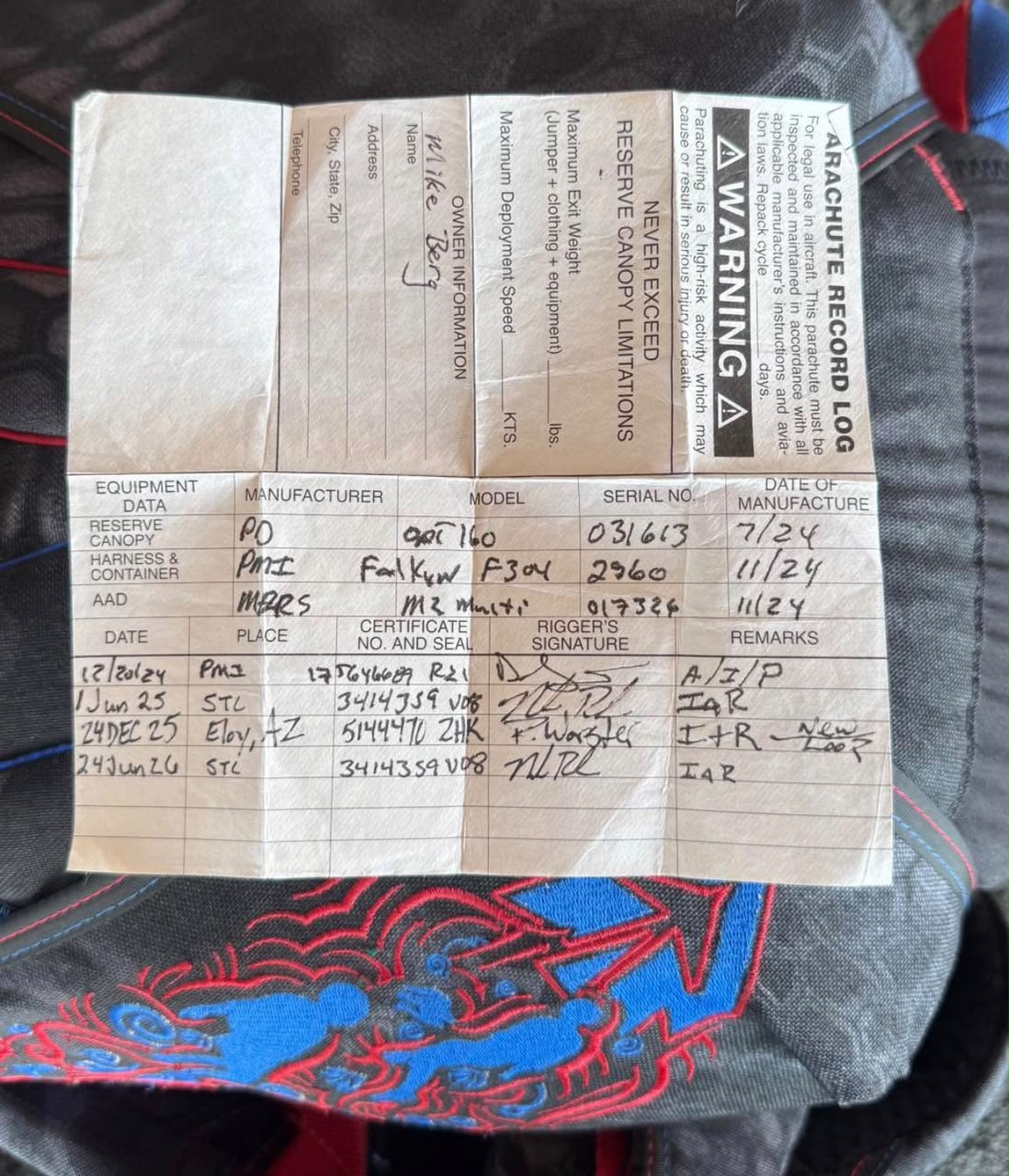
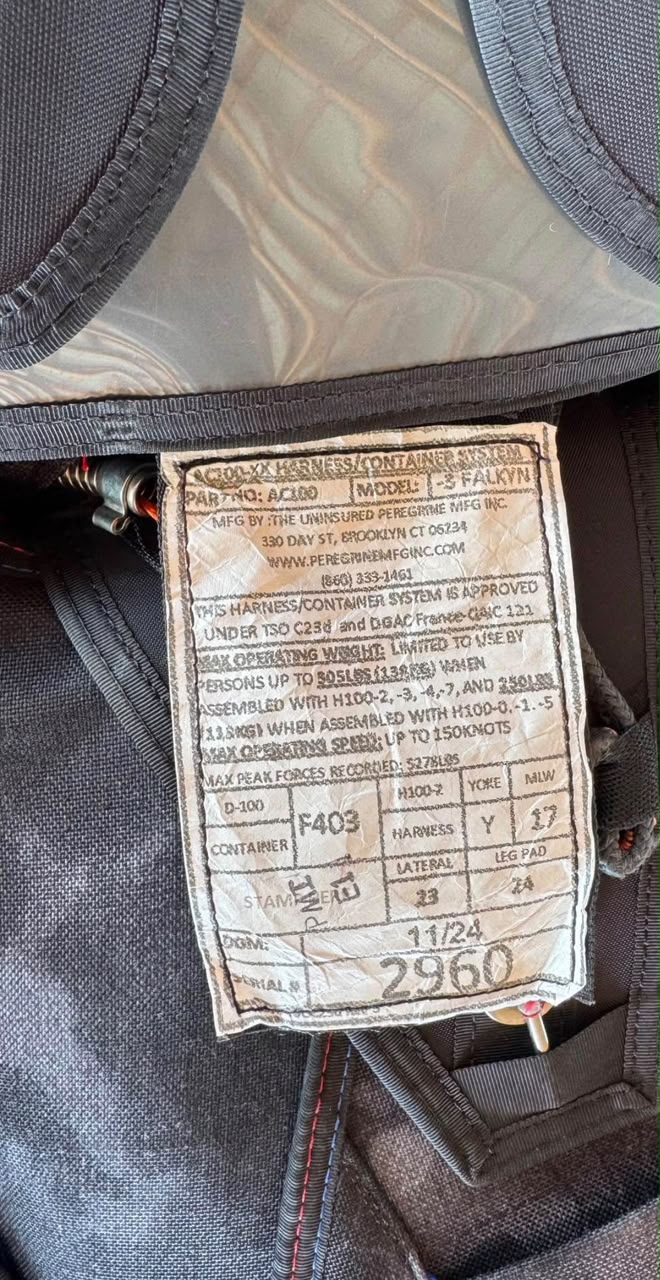
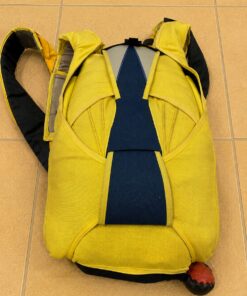
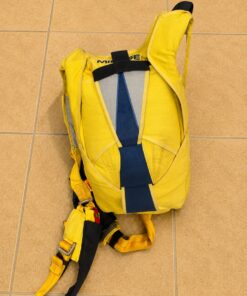
This Used Peregrine Falkyn Skydive Rig has a DOM of 11/2024 with approximately 271 jumps and has been professionally inspected and confirmed in good condition for continued use. The harness was fitted for a 17-inch torso, 30-inch leg-pad measurement, and 32-inch laterals.
Included are an OP160 reserve with no rides and a Mars M2 AAD, both new with the original container. The rig also features a MARD system, Collins lanyard, Falkyn Mini D-Ring closure, freefly handle with tuck tab, soft cutaway and reserve handles, integrated hook knife, contrast stitching, embroidery, and front-riser swoop loops.
The container is designed to accommodate compatible main canopies from approximately 170 down to 130, depending on actual pack volume. Main canopy is not included. A qualified rigger should confirm final harness fit, reserve status, AAD status, and main-canopy compatibility before use.
Used Peregrine Falkyn Skydive Rig – OP160 Reserve, M2 AAD, MARD and Mini D-Ring Closure
This Used Peregrine Falkyn Skydive Rig offers a comparatively recent harness/container system with a stated DOM of November 2024 and approximately 271 jumps on the rig.
Importantly, the main canopy is not included.
The system is supplied with an OP160 reserve and a Mars M2 AAD, both stated to have been new when the container was manufactured. The reserve is stated to have no rides, which is significant information for any prospective buyer assessing the history of the system.
The harness was originally fitted around a 17-inch torso measurement. Meanwhile, the leg pads were fitted around a 30-inch leg-pad measurement, and the laterals were fitted around a 32-inch waist measurement, based on the UPT-style measurement method supplied with the listing.
Because harness fit is safety-critical, these measurements should be treated as starting points rather than a guarantee of fit. A qualified rigger, instructor or equipment specialist should confirm suitability for the individual jumper before the system is jumped.
The container is stated to accept main canopies from approximately 170 down to 130, depending on canopy model, pack volume and manufacturer compatibility. Final canopy compatibility should always be confirmed by an appropriately qualified rigger rather than being decided from nominal square footage alone.
The system also includes an extensive list of desirable configuration details.
These include a MARD/Skyhook-style assisted reserve deployment arrangement as listed with this rig, a Collins lanyard, freefly deployment handle with tuck tab, soft cutaway and reserve handles, an integrated hook knife inside the leg-pad pocket, contrast stitching and embroidery, swoop loops on the front risers, and the optional Falkyn Mini D-Ring main-container closure system.
The rig is also stated to have been checked by a verified professional and considered good to go. Nevertheless, because parachute equipment is life-support equipment, the purchaser should still have the complete system inspected and assembled by an appropriately rated rigger before jumping it.
Main Canopy Not Included
The sale does not include a main canopy.
This point should be made very clear to buyers because the container, reserve and AAD form only part of a complete sport parachute system.
A suitable main must therefore be supplied separately.
The stated container range is approximately 170 down to 130, but compatibility depends on actual pack volume, canopy construction and the specific container configuration.
November 2024 Date of Manufacture
The stated container DOM is 11/2024.
That makes this a relatively recent used harness/container compared with many second-hand systems that have been in service for considerably longer periods.
271 Jumps on the Rig
Approximately 271 jumps are stated on this harness/container.
Jump numbers help provide context, although condition is more important than the numerical count alone.
Webbing, hardware, stitching, closing components, riser covers, deployment components and high-wear areas should always be inspected directly.
17-Inch Torso Fit
The harness is stated to have been fitted for approximately a 17-inch torso measurement.
Harness fit affects comfort as well as correct equipment positioning.
A buyer should therefore compare personal measurements carefully and obtain professional fit confirmation.
30-Inch Leg-Pad Measurement
The leg pads were reportedly fitted around a 30-inch measurement.
Comfortable leg-pad fit becomes especially important under canopy, during deployment and during extended aircraft rides.
32-Inch Lateral and Waist Measurement
The laterals were fitted around a 32-inch waist measurement, based on the measurement method given for this system.
Lateral sizing influences how closely the container sits against the jumper’s back.
OP160 Reserve Included
An OP160 reserve is included.
The reserve is stated to have been new with the container and to have zero reserve rides.
The Optimum series is a low-bulk seven-cell reserve design, making it a well-established choice in sport parachute systems.
Reserve suitability must still be evaluated using the jumper’s exit weight, experience, intended wing loading and professional recommendations.
No Reserve Rides
The reserve is stated to have no deployments or rides.
That is useful history for a potential purchaser.
However, reserve age, packing history, inspection status, condition and applicable maintenance requirements remain equally important.
Mars M2 AAD
A Mars M2 AAD is included with the system and is stated to have been new when the container was manufactured.
An AAD is an additional emergency device rather than a replacement for altitude awareness, emergency-procedure training or correct deployment decisions.
Its service status, installation and current manufacturer requirements should be verified before use.
Falkyn Mini D-Ring Closure System
The closing flaps are equipped with the optional Mini D-Ring closure configuration specified for this Falkyn.
Peregrine currently lists Mini D-Ring as one of its available main-container closure choices.
The system gives the container a distinctive closing arrangement while remaining part of the manufacturer’s Falkyn option set.
MARD System
The rig is stated to include a MARD arrangement.
A MARD is designed to assist reserve deployment during certain cutaway situations by using the departing main system to accelerate reserve extraction.
It should be understood as part of an integrated emergency system rather than as a substitute for correct emergency procedures.
Collins Lanyard
A Collins lanyard is also stated as part of this configuration.
Its presence forms part of the rig’s emergency-system architecture and should be inspected and assembled by a qualified rigger according to the applicable manufacturer instructions.
Freefly Handle With Tuck Tab
The rig includes a freefly-style deployment handle with tuck-tab retention.
Secure handle retention is particularly important in orientations and disciplines where airflow can reach the bottom-of-container deployment area from different directions.
Soft Cutaway Handle
A soft cutaway handle is included.
The handle should remain accessible, correctly seated and familiar to the jumper during emergency-procedure practice.
Soft Reserve Handle
A soft reserve handle is also listed with the rig.
Handle choice is partly personal preference, but accessibility and familiarity are essential.
Hook Knife in Leg-Pad Pocket
A hook knife is built into the leg-pad pocket.
A properly located emergency cutting tool can be a useful part of a jumper’s equipment setup.
Its accessibility should be checked while wearing the rig.
Contrast Stitching and Embroidery
Contrast stitching and embroidery give the harness/container a more customized visual appearance.
These details provide personality without changing the primary life-support purpose of the equipment.
Swoop Loops on Front Risers
The listed front risers include swoop loops.
Riser configuration should always be appropriate for the jumper’s experience and canopy-control training.
Main Canopy Compatibility
The container is stated to accommodate mains from approximately 170 through 130 sq ft.
That does not mean every 130, 150, 160 or 170 canopy will pack identically.
Fabric type, model, age and design can substantially affect pack volume.
Professional compatibility verification is therefore essential.
Professional Inspection Status
The equipment is stated to have been checked by a verified professional and considered ready for continued use.
Because this is used life-support equipment, the next owner should still arrange their own rigger inspection before assembly or jumping.
Why This Rig Can Be an Attractive Used-System Option
Several characteristics increase its appeal.
The container is comparatively recent.
The jump count is documented in the listing.
The reserve has no stated rides.
An AAD is included.
The emergency-system options are extensive.
The harness dimensions are clearly described.
Furthermore, the buyer has room to choose a suitable main canopy separately.
Why Fit Comes Before Appearance
A harness/container can have the right colour, options and canopy volume yet still be unsuitable if the harness does not fit properly.
Therefore, torso, lateral and leg-pad measurements should be treated as essential purchasing information.
How to Evaluate the Rig Before Purchase
A prospective buyer should have a qualified rigger evaluate:
Harness webbing
Stitching
Hardware
Container condition
Closing loops
Main risers
Reserve components
Reserve packing history
AAD status
Deployment system
Emergency handles
Harness fit
Canopy compatibility
Where This System Fits Best
This system is intended for experienced sport-skydiving use under appropriate training, supervision and equipment guidance.
Because the main is not supplied, the final configuration can be completed around an appropriate main canopy after professional consultation.
When to Choose a Used Complete-Except-Main System
This type of package can make sense when a jumper already knows what main canopy they want or already owns an appropriate main.
It can also be attractive when the reserve, AAD and container specifications align well with the jumper’s needs.
parachute jump australia
parachute jump australia searches often concern drop zones, training and recreational jumping in Australia. Regardless of location, personal equipment should meet local operational requirements and be inspected by appropriately qualified personnel.
skydive byron bay
skydive byron bay is primarily a location-oriented search rather than a description of this harness/container. Jumpers using personal gear at any drop zone should confirm local equipment and experience requirements.
weight limit skydiving
weight limit skydiving is an important safety consideration. Maximum exit weight, reserve limits, harness sizing, main-canopy loading and drop-zone policies should all be considered.
cairns skydiving
cairns skydiving relates to destination and drop-zone searches. The Falkyn system itself should be assessed according to fit, reserve suitability and canopy compatibility.
skydiving helmet
A skydiving helmet is separate personal protective equipment and is not included with this rig unless specifically stated otherwise.
skydive helmets
skydive helmets vary in design, certification features, camera compatibility and visibility. Helmet selection is separate from harness/container selection.
hook blade knife
A hook blade knife is intended as an emergency cutting tool. This rig is stated to include a hook knife integrated into a leg-pad pocket.
tracking jump
A tracking jump requires appropriate training, separation planning and equipment familiarity. A secure deployment handle is especially relevant during dynamic freefall disciplines.
parachute rig
A parachute rig normally combines a harness/container, main canopy, reserve canopy, deployment components and frequently an AAD. In this sale, the main canopy is not included.
linewear
linewear should be evaluated when purchasing a used main canopy. Because no main is included here, the eventual buyer should assess the line condition of whichever compatible main is installed.
base jumping
base jumping equipment and procedures differ substantially from conventional sport-skydiving systems. This Falkyn should not be represented as a BASE container.
sky helmet skydiving
A sky helmet skydiving search generally concerns head protection rather than harness/container equipment.
wingsuit sport
The wingsuit sport places specific demands on deployment technique, container configuration and pilot-chute selection. Suitability for a particular discipline should be confirmed professionally.
vector wingsuit
vector wingsuit searches often combine container and wingsuit topics. The Falkyn is a separate harness/container platform.
full face skydiving helmet
A full face skydiving helmet provides a different style of head and face protection from an open-face helmet and is not part of this rig package.
skydiving downsizing chart
A skydiving downsizing chart should never replace coaching and professional canopy guidance. Canopy selection must consider exit weight, experience, currency, training and landing consistency.
landing flight risers
landing flight risers and riser-control techniques require appropriate canopy coaching. This rig is stated to include front-riser swoop loops.
fire parachute
The phrase fire parachute does not describe the equipment offered here. The Falkyn is a sport-skydiving harness/container.
cypress fire skydiving
cypress fire skydiving may be an imprecise search phrase. This particular package is stated to include a Mars M2 AAD rather than a CYPRES unit.
skydiving rigging
skydiving rigging is central to safe equipment ownership. Used gear should be inspected, assembled and maintained by appropriately qualified riggers.
baseline jumping
baseline jumping may be used informally in searches around fixed-object parachuting, but this equipment is intended as a sport-skydiving harness/container rather than a BASE system.
sky diving helmet
A sky diving helmet is not included in the listed package.
hook knife skydiving
A hook knife skydiving tool can be carried for specific emergency situations. A hook knife is stated to be built into this rig’s leg-pad pocket.
landing flight risers
The repeated phrase landing flight risers relates to canopy-control technique rather than the container itself. Riser inputs should be trained under qualified canopy coaching.
skydiving glasses
skydiving glasses or goggles are separate eye-protection equipment and are not included unless specifically listed.
nude parachute jump
A nude parachute jump is unrelated to the technical specifications of this harness/container and would still require normal safety, equipment and drop-zone rules.
ifly colorado springs
ifly colorado springs relates to indoor skydiving. Indoor flight equipment does not replace training for real parachute deployment and canopy flight.
skydive hook knife
A skydive hook knife is already represented in this package by the stated leg-pad-pocket cutting tool.
skydiving helmet full face
A skydiving helmet full face configuration is separate from the rig and should be chosen based on fit, visibility and intended discipline.
skydiving blue hole belize
skydiving blue hole belize is a destination search rather than a rig specification. Travel jumps may involve additional equipment, documentation and drop-zone requirements.
smallest canopy
The smallest canopy suitable for any jumper cannot be determined from container capacity alone. The fact that a container can physically accept a smaller main does not establish that the canopy is appropriate for the jumper.
skydiving speed
skydiving speed varies with body position, equipment and discipline. Secure handle retention and appropriate gear configuration become particularly important in high-speed orientations.
wing suits for sale
wing suits for sale refers to separate flight garments rather than the harness/container supplied here.
skydiving nude
skydiving nude is unrelated to the equipment specification. Normal harness fit and safe equipment operation remain necessary regardless of clothing choices accepted by a particular drop zone.
parts of a parachute
The main parts of a parachute system include the harness/container, main canopy, reserve canopy, deployment components, risers and emergency components, with an AAD commonly installed in modern sport systems.
container skydive
A container skydive system must properly match its reserve and main pack volumes. This Falkyn is sold with its reserve and AAD but without a main canopy.
g35 helmet
The G35 helmet is separate personal equipment and is not included with this harness/container.
best skydiving helmet
The best skydiving helmet depends on fit, discipline and user preference. Helmet selection is independent of the harness dimensions provided for this rig.
skydive belize
skydive belize is a travel or location search and does not change the equipment’s sizing requirements.
freefly pud handle
A freefly pud handle is designed to remain secure during dynamic freefall. This rig is stated to use a freefly handle with tuck-tab retention.
gliding suit wingsuit
A gliding suit wingsuit is worn separately over the jumper’s body. Container compatibility and deployment access should be assessed when combining specialized flight suits with any personal rig.
jumper pilot
A jumper pilot search can refer to aircraft or parachuting roles. The Falkyn remains personal life-support equipment for the skydiver.
crw skydiving
crw skydiving involves canopy-relative work and specialized procedures. Equipment suitability should be discussed with experienced instructors and riggers.
gear bag skydive
A gear bag skydive accessory can protect a rig during transport but is not listed as part of this package.
skydiving equipment list
A typical skydiving equipment list may include a harness/container, main, reserve, AAD, helmet, altimeter, goggles or visor, jumpsuit and other discipline-specific equipment.
indoor wingsuit
indoor wingsuit training uses controlled wind-tunnel environments and is separate from actual parachute equipment use.
can you wear glasses while skydiving
For can you wear glasses while skydiving, many jumpers use suitable goggles or helmet configurations over corrective eyewear. This is independent of harness/container selection.
wingsuit
A wingsuit changes the jumper’s surface area and deployment environment. Specialized instruction and suitable gear configuration are required.
skydiving website
A reputable skydiving website can provide manufacturer manuals, service notices and drop-zone information, but used equipment should still be physically inspected.
cookie g4 helmet
The Cookie G4 helmet is separate from this package and is not listed as included.
base canopy
A base canopy is designed for a different parachuting environment. It should not be assumed compatible with this sport-skydiving container.
new skydive
A new skydive student or recently licensed jumper should obtain instructor and rigger guidance before purchasing personal equipment.
#skydiving latest
The phrase #skydiving latest may be used for current sport content and equipment discussions, but equipment decisions should rely on manufacturer documentation and professional inspection rather than social-media trends.
canopy flight
canopy flight skills are central to safe parachuting. Main-canopy choice should be matched to the jumper’s training, exit weight and demonstrated landing ability.
skydiver goggles
skydiver goggles are separate eye protection and are not listed with this rig.
speed sky diving
speed sky diving involves very high freefall speeds and specialized training. Equipment suitability should be confirmed for the intended discipline.
fly suits
fly suits cover a wide range of jumpsuits and specialized flight garments. They are separate from the harness/container.
skydiving rig
A skydiving rig should be evaluated as an integrated life-support system rather than as individual parts alone. Harness fit, reserve compatibility, AAD installation and main-canopy suitability all matter.
safire 3
The Safire 3 is a main-canopy model. A specific size should only be installed if its pack volume is compatible and it is appropriate for the jumper’s experience and loading.
skydiving gliding suit
A skydiving gliding suit is separate equipment that may influence deployment procedures and container setup.
fluid wings
Fluid Wings manufactures main canopies. Any specific canopy considered for this container should be assessed for both pack-volume compatibility and jumper suitability.
price of wingsuit
The price of wingsuit equipment is unrelated to the value of the Falkyn rig itself, although specialized disciplines can add to the overall cost of a complete skydiving equipment setup.
tandem wingsuit
A tandem wingsuit search does not describe the system being sold. This is a personal sport-skydiving harness/container package.
skydiving tube
A skydiving tube is generally a freefall prop or discipline-related item and is not included with this rig.
Why the OP160 Reserve Matters
The reserve is one of the most important components in the package.
Its stated zero-ride history is useful, although that fact alone does not determine airworthiness.
Reserve fabric, lines, links, deployment components, packing history and documentation should still be inspected.
The buyer should also ensure that the reserve size is suitable for their exit weight and skill level.
Why the AAD Adds Value
Including the AAD means the buyer does not necessarily need to source one separately.
Nevertheless, its manufacturing date, maintenance status, battery requirements, cutter installation and current manufacturer instructions should be confirmed before use.
Why the MARD and Collins Lanyard Matter
The emergency-system configuration adds functionality intended to assist reserve deployment following particular cutaway scenarios.
However, such components depend on correct routing, maintenance and packing.
Therefore, their presence is valuable only when the complete system is assembled according to the applicable technical instructions.
Why the Freefly Handle Matters
Dynamic body positions can expose deployment components to airflow from unusual directions.
A securely retained deployment handle therefore becomes particularly valuable for jumpers participating in freefly disciplines.
Why the Mini D-Ring Closure Matters
The optional closing arrangement is one of the more distinctive features of this Falkyn configuration.
It should be maintained exactly as required by the manufacturer.
The closing system should never be modified casually.
Why the Hook Knife Matters
The built-in leg-pad pocket gives the hook knife a known storage location.
During equipment checks, the jumper should confirm that it is secure yet reachable while wearing the harness.
How Good Is This Used Rig?
Based on the supplied information, several factors are attractive:
Recent 11/2024 DOM
271 stated jumps
OP160 reserve included
Zero stated reserve rides
M2 AAD included
MARD arrangement
Collins lanyard
Soft emergency handles
Freefly deployment handle
Optional Mini D-Ring closure
Integrated hook knife
Clearly stated harness measurements
Known main-container range
Professional inspection stated
However, no online description can establish the current airworthiness of used life-support equipment. Final approval belongs with a qualified rigger who can physically inspect the system.
Precision of Harness Fit
Unlike ordinary clothing, harness fit should not be estimated casually.
Torso length, laterals, leg-pad sizing and body proportions all interact.
Two people with similar height and weight can fit the same harness differently.
Therefore, the stated 17-inch torso, 30-inch leg-pad and 32-inch lateral measurements should be compared directly with the prospective owner’s measurements.
Important Main-Canopy Information
The absence of a main gives the buyer flexibility, but it also means the rig cannot simply be purchased and jumped as a complete system.
A compatible main must be selected and installed.
The stated 170-to-130 range should be regarded as a container-capacity guide rather than a canopy-progression recommendation.
A physically smaller canopy is not automatically an appropriate canopy.
Important Reserve Information
The OP160 should be considered in relation to:
Jumper exit weight
Reserve wing loading
Experience level
Currency
Emergency-landing ability
Manufacturer limitations
Local regulations
Rigger recommendations
Important AAD Information
Before use, verify:
Correct model
Manufacturing date
Service requirements
Installation
Cutter routing
Display operation
Current manufacturer instructions
Important Harness Information
Before purchase, verify:
Torso fit
Lateral fit
Leg-strap and pad fit
Chest-strap positioning
Main lift web condition
Hardware condition
Stitching
Articulation points
Handle access
Important Container Information
Inspect:
Reserve pin protection
Main pin protection
Riser covers
Closing flaps
BOC condition
Closing-loop condition
Grommets or Mini D-Ring components
Deployment bag
Pilot chute
Bridle
Freebag
Reserve pilot chute
Final Section 1 Assessment
The Used Peregrine Falkyn Skydive Rig described here presents an attractive relatively recent harness/container package for a suitably experienced and properly fitted jumper.
Its November 2024 DOM and stated 271 jumps provide useful history.
The system includes an OP160 reserve with no stated rides and an M2 AAD, while the main canopy is explicitly not included.
Harness sizing is documented around a 17-inch torso, 30-inch leg-pad measurement and 32-inch lateral/waist measurement.
The stated container range of approximately 170 through 130 gives the next owner flexibility in choosing a main, although pack-volume compatibility and jumper suitability must be verified independently.
Additional equipment includes the optional Mini D-Ring closure system, MARD arrangement, Collins lanyard, freefly handle with tuck tab, soft cutaway and reserve handles, integrated hook knife, contrast stitching, embroidery and front-riser swoop loops.
These features make the package substantially more than a basic used container.
Nevertheless, its most important qualities are fit, inspection status and component compatibility.
Because this is life-support equipment, the purchaser should have the complete system inspected by an appropriately rated rigger, confirm reserve and AAD status, verify main-canopy compatibility and ensure the harness genuinely fits before jumping it.
With those checks completed, the rig offers a modern used setup with a recent manufacture date, documented configuration, extensive emergency-system features and the flexibility to complete the system with an appropriately selected main canopy.
Section 2 – Real-World Fit, System Compatibility, Reserve and AAD Considerations, Inspection, Maintenance and Ownership
Overall Character of the Used System
This Used Peregrine Falkyn Skydive Rig is best understood as a comparatively recent harness/container package that already includes several important components but still requires a suitable main canopy before it becomes a complete personal sport-skydiving system.
The stated November 2024 manufacture date places it among relatively recent used rigs, while the reported 271 jumps provide useful context about its service history.
The package includes an OP160 reserve and an M2 AAD. Both were stated to have been new when the container was manufactured, and the reserve is stated to have no rides.
Those details can make the system attractive to a buyer who wants to avoid starting from an empty container while still retaining freedom to select an appropriate main canopy separately.
Why the Missing Main Canopy Matters
The fact that the main canopy is not included is one of the most important details in the sale.
A buyer should not interpret the package as a completely assembled, ready-to-jump parachute system.
The harness/container, reserve and AAD form a substantial part of the setup, but an appropriate main must still be selected, inspected, installed and packed.
Choosing a Main Carefully
The stated container range of approximately 170 down to 130 does not mean every canopy within that numerical range will fit identically.
Pack volume varies according to:
Canopy design
Fabric type
Age
Line type
Construction
Condition
Actual model
Why Pack Volume Matters
Two canopies with the same nominal square footage can pack differently.
One may fit comfortably.
Another may be too bulky or too loose for the same container.
For that reason, pack-volume compatibility should be confirmed by a qualified rigger.
Why Canopy Size Is Not a Skill Recommendation
A container being capable of accepting a smaller main does not mean the jumper should use that smaller canopy.
Canopy choice should be based on:
Exit weight
Experience
Currency
Training
Landing consistency
Instructor guidance
Canopy-coaching history
Harness Fit Comes First
The stated harness dimensions are valuable because they give a buyer a starting point for evaluating fit.
The rig was fitted around a 17-inch torso measurement.
The leg pads were fitted around a 30-inch measurement.
The laterals were fitted around a 32-inch waist measurement.
Why Measurements Alone Are Not Enough
Two jumpers can share similar height and weight yet have different torso proportions.
One person may have longer legs.
Another may have a longer upper body.
Shoulder width and hip shape can also differ.
Therefore, a measurement match does not automatically guarantee a good harness fit.
Torso Length and Harness Position
The main lift web should position the rig correctly on the body.
Why Torso Fit Matters
Poor torso fit can affect:
Handle position
Comfort
Container position
Chest-strap location
Leg-strap geometry
Movement in freefall
Lateral Fit
Laterals help determine how closely the container sits against the jumper’s back.
Why Lateral Length Matters
If laterals are poorly matched, the container may feel too loose or too restrictive.
This can affect comfort and movement.
Leg-Pad Fit
Leg pads are especially important because they support the jumper during deployment and under canopy.
Why Leg-Pad Comfort Matters
Poorly fitting leg pads can create:
Pressure points
Movement
Discomfort
Uneven loading
Trying the Rig On
Whenever possible, the buyer should physically try the rig on before purchase.
If that is not possible, measurements should be carefully compared with current personal measurements.
Why Professional Fit Confirmation Helps
A qualified rigger or experienced gear specialist can identify issues that may not be obvious from numbers alone.
Reserve Configuration
The OP160 reserve is a major part of the package.
It is stated to have no rides.
Why No Reserve Rides Is Useful Information
A reserve that has not been deployed in an emergency has a simpler operational history than one with multiple rides.
However, that does not automatically establish condition.
Reserve Condition Still Matters
A rigger should evaluate:
Fabric
Lines
Links
Slider
Deployment system
Freebag
Pilot chute
Packing data card
Reserve container
Reserve Packing History
Packing history should be reviewed carefully.
Why Documentation Matters
The packing data card can show:
Packing dates
Rigger information
Service history
Inspection records
Relevant component history
Reserve Suitability
The reserve must also suit the jumper.
Important Factors Include
Exit weight
Reserve wing loading
Experience
Landing skill
Manufacturer limitations
Local regulations
Why Reserve Size Should Not Be Chosen Casually
A reserve may be flown under stressful and unexpected conditions.
That means conservative sizing can be important.
AAD Included
The Mars M2 AAD is another valuable component.
Because it was stated to have been new with the container, its age should align closely with the 2024 system date.
Why AAD Status Should Be Verified
Before use, confirm:
Manufacture date
Current service requirements
Battery status
Cutter condition
Correct installation
Display operation
Manufacturer guidance
Why an AAD Is Not a Primary Deployment System
An AAD should be treated as an additional emergency layer.
It does not replace:
Altitude awareness
Training
Emergency procedures
Proper deployment decisions
MARD Configuration
The system is stated to include a MARD arrangement.
Why a MARD Can Be Valuable
During certain cutaway situations, a MARD can assist reserve deployment by using the departing main system to help extract the reserve.
Why Correct Rigging Is Essential
A MARD depends on correct assembly and routing.
Improper configuration can compromise function.
Collins Lanyard
The Collins lanyard forms part of the emergency-system configuration.
Why the System Should Be Treated as Integrated
Emergency components do not operate independently.
Cutaway system, reserve activation, RSL-related components and MARD configuration must all work together correctly.
Freefly Deployment Handle
The freefly handle with tuck-tab retention is particularly relevant for dynamic freefall disciplines.
Why Handle Retention Matters
Different freefall orientations can expose deployment components to airflow in unusual ways.
A secure handle reduces the chance of unintended movement.
Handle Accessibility
Security should never compromise access.
The handle should remain easy for the jumper to locate and extract.
Soft Cutaway Handle
The soft cutaway handle is designed for emergency activation.
Why Familiarity Matters
A jumper should regularly practice emergency procedures while wearing the actual rig.
Soft Reserve Handle
The reserve handle should also remain easy to locate and access.
Why Handle Position Changes With Fit
If the harness sits differently on the body, handle location may change.
That is another reason why correct fit matters.
Integrated Hook Knife
The hook knife is stored in the leg-pad pocket.
Why Placement Matters
Emergency equipment should be secure while remaining reachable.
Checking Access
The jumper should confirm access while wearing the rig and normal jumping clothing.
Front-Riser Swoop Loops
The risers are stated to include swoop loops.
Why Riser Setup Should Match Skill
Front-riser input is part of advanced canopy-control training.
The presence of loops should not be interpreted as a recommendation to use advanced landing techniques.
Training Comes First
Canopy-control techniques should be learned progressively with appropriate coaching.
Mini D-Ring Closure System
The main-container flaps use the optional Mini D-Ring closure arrangement.
Why This Is Not Just Cosmetic
The closure system is part of the container architecture.
It should be inspected and maintained according to manufacturer guidance.
Closing-System Inspection
A rigger should check:
Ring condition
Closing components
Loop condition
Flaps
Grommets where applicable
General wear
Why Closing-System Condition Matters
The main container must remain securely closed while still allowing normal deployment.
Riser Cover Security
Riser covers should remain secure during freefall.
Why Premature Exposure Is Undesirable
Loose covers can increase the chance of unintended component movement.
Main Pin Protection
The main closing pin should remain properly protected.
Why Pin Protection Matters
The system is designed to prevent accidental displacement while allowing normal deployment.
Reserve Pin Protection
The reserve pin area should also remain properly protected.
Why Reserve Protection Is Critical
The reserve system must remain secure until activation is required.
BOC Condition
The bottom-of-container deployment area deserves regular inspection.
What to Check
Look for:
Fabric wear
Stretching
Loose stitching
Damage
Retention quality
Why BOC Condition Matters
A worn deployment pocket can affect handle security.
Pilot Chute Inspection
The main pilot chute should be inspected when one is installed with the chosen main system.
Important Areas Include
Mesh
Fabric
Handle attachment
Kill-line system where applicable
Bridle
Stitching
Bridle Condition
The bridle should remain free from significant wear or damage.
Deployment Bag
The deployment bag should match the system.
Why Compatibility Matters
Improvised or mismatched components should not be used.
Reserve Freebag
The reserve freebag and pilot chute should be checked by a qualified rigger during reserve servicing.
Harness Webbing Inspection
Main lift webs and other structural webbing should be inspected closely.
Look For
Abrasion
Fraying
Cuts
Burns
Damaged stitching
Contamination
Why Webbing Condition Matters
Harness webbing is part of the primary load-bearing structure.
Hardware Inspection
Metal hardware should also be examined.
Look For
Corrosion
Sharp edges
Distortion
Excessive wear
Damage
Stitching Inspection
The rig is stated to feature contrast stitching and embroidery.
Decorative appearance should not distract from structural stitching inspection.
Why Structural Stitching Matters
Load-bearing seams must remain intact and undamaged.
Cosmetic Wear
Minor cosmetic wear can be expected on used equipment.
Why Condition Matters More Than Appearance
A light scuff may only affect appearance.
Structural damage is far more important.
271-Jump History
The stated 271 jumps should be interpreted as context rather than a standalone condition rating.
Why Jump Count Is Only Part of the Story
A lower-jump rig can still be damaged through poor storage or hard use.
A higher-jump rig can remain in excellent condition if properly maintained.
Storage History
Ask how the rig was stored.
Good Storage Conditions
Ideally, equipment should be kept:
Dry
Clean
Away from direct sunlight
Away from excessive heat
Away from chemicals
Why UV Exposure Matters
Prolonged sunlight can degrade textiles over time.
Why Moisture Matters
Persistent moisture can encourage deterioration.
Why Chemicals Matter
Solvents, fuels and some cleaning products can damage fabrics and webbing.
Transport Protection
A gear bag can protect the rig during transport.
Why Transport Damage Happens
Equipment can be affected by:
Sharp objects
Vehicle heat
Moisture
Heavy items
Dirty surfaces
Routine Pre-Jump Inspection
Before use, the jumper should check the system according to training and applicable manufacturer procedures.
Important Areas Include
Main pin area
Reserve pin area
Riser covers
Handle security
Leg straps
Chest strap
Three-ring assemblies
Pilot chute
AAD display
Three-Ring System
The three-ring release system deserves regular attention.
Why Clean Routing Matters
The system depends on correct assembly and freedom of movement.
Riser Inspection
Risers should be inspected for:
Wear
Damaged stitching
Hardening
Contamination
Deformation
Cable Maintenance
Cutaway cables and housings require appropriate maintenance.
Why Neglected Cables Can Be a Problem
Dirt and contamination can increase extraction force.
Professional Maintenance
Maintenance should follow the manufacturer’s guidance and the rigger’s recommendations.
Reserve Repacking
The reserve must be repacked according to the rules applicable in the country where the system is used.
Why Local Regulations Matter
Repack intervals and equipment requirements can differ between jurisdictions.
AAD Service Requirements
AAD manufacturers may specify service or inspection intervals.
Why Current Documentation Is Important
The buyer should use current manufacturer information rather than relying on older advice.
Used Gear Paperwork
Useful records can include:
Container serial number
Container DOM
Reserve serial number
Reserve DOM
AAD serial number
AAD DOM
Reserve packing card
Service documentation
Purchase history
Why Serial Numbers Matter
They allow components to be identified accurately.
Matching Components to Records
The physical equipment should correspond with the paperwork.
Why This Matters
Mismatched documentation can complicate future servicing and resale.
Main Canopy Selection
The eventual main should be selected after both pack-volume and jumper-suitability checks.
Why Main Selection Needs Two Decisions
A canopy can physically fit the container yet still be inappropriate for the jumper.
Conversely, a canopy may suit the jumper but not fit the container correctly.
Larger Main Options
A larger compatible main may offer different handling and pack volume than a smaller option.
Smaller Main Options
A smaller main may physically fit but should never be selected simply because the container can accommodate it.
Downsizing Decisions
Downsizing should be based on demonstrated skill rather than equipment capacity.
Why Currency Matters
A jumper returning after a break may need a more conservative canopy choice than their historical experience alone suggests.
Wing Loading
Wing loading is only one element of canopy selection.
Other Factors Include
Canopy design
Planform
Recovery arc
Pilot skill
Landing environment
Density altitude
Currency
Reserve Wing Loading
Reserve loading also deserves serious consideration.
Why Emergency Conditions Matter
A reserve may be deployed into unfamiliar terrain or during a high-stress situation.
Helmet and Accessory Compatibility
A helmet is not included, but the complete personal setup should be considered together.
Why Equipment Interaction Matters
Some accessories can influence:
Head movement
Handle access
Suit fit
Emergency procedures
Full-Face Helmet Considerations
A full-face helmet can provide protection but should not interfere with vision or communication.
Goggles and Corrective Eyewear
Jumpers who wear glasses should use suitable eye protection that remains secure.
Altimeter Placement
Altimeter choice and position should allow easy reading.
Why Visibility Matters
Altitude information must remain accessible during normal and emergency procedures.
Suit Compatibility
Different jumpsuits can change bulk around the harness.
Why This Matters
A thick suit can slightly alter how a harness feels compared with wearing light clothing.
Freefly Use
The freefly-oriented handle retention is a useful feature for appropriately trained jumpers.
Why Container Security Matters
Dynamic orientations expose equipment to higher and more varied airflow.
Wingsuit Use
Any planned wingsuit use should be discussed with instructors and riggers.
Why Wingsuit Compatibility Is More Complex
Deployment characteristics, pilot-chute selection, bridle length and canopy choice may all require attention.
Canopy Relative Work
Specialized canopy disciplines can create equipment-specific considerations.
Why Specialist Advice Is Appropriate
Some activities require specific riser, canopy and deployment configurations.
Newer Jumper Considerations
A newer licensed jumper may find a used system attractive financially.
However, equipment selection should be made conservatively.
Why Guidance Matters
An experienced instructor or rigger can help prevent buying equipment that does not match current skill.
Experienced Jumper Considerations
More experienced jumpers may appreciate the flexibility of selecting their own main.
Why the Container Range Can Be Useful
It allows some room for future canopy changes, provided both fit and skill requirements remain appropriate.
Inspection Before Purchase
A pre-purchase inspection is strongly recommended.
What a Rigger Can Evaluate
Harness condition
Container condition
Reserve condition
AAD installation
Emergency-system configuration
Riser condition
Handle setup
Component compatibility
Why Seller Inspection Is Not Enough
The stated professional inspection is useful information.
However, an independent inspection protects the buyer’s own interests.
Inspection Before First Jump
Even after purchase, the final assembled system should be checked before use.
Why Assembly Changes Matter
Installing a different main can change:
Pack volume
Closing tension
Pilot-chute setup
Riser configuration
Overall system behavior
Closing Loop Condition
Closing loops should be monitored for wear.
Why Worn Loops Matter
Closing loops are inexpensive but critical components.
Main Container Tension
The container should close within appropriate limits.
Why Excessive Tightness Is Undesirable
An overstuffed container can create unnecessary stress and complicate normal operation.
Why Excessive Looseness Is Also Undesirable
A canopy that packs too small can affect container security.
Main Canopy Pack Volume
Actual pack volume matters more than nominal square footage alone.
Why Low-Bulk Fabric Changes Fit
Low-bulk canopies may occupy less volume than traditional fabric of the same size.
Line Bulk
Line type and age can also influence packing volume.
Main Riser Compatibility
Risers should match the system and intended canopy.
Why Mismatched Risers Are a Problem
Incorrect components can affect release geometry and overall system integrity.
Emergency Procedure Practice
The jumper should rehearse emergency procedures while wearing the rig.
Why Real Handle Position Matters
Muscle memory improves when practice reflects the actual equipment.
Handle Visibility
Soft handles may look and feel different from metal handles.
Why Familiarity Is Important
A jumper should know exactly what each handle feels like.
Hook Knife Familiarity
The hook knife should also be easy to locate.
Why Practice Matters
Emergency tools are only useful if they can be reached quickly.
Cleaning
Cleaning should be conservative.
Why Harsh Washing Is Inappropriate
Parachute fabrics and webbing can be damaged by unsuitable chemicals or methods.
When Professional Cleaning Is Better
If the rig is heavily contaminated, consult the manufacturer or a qualified rigger.
Saltwater Exposure
Any known saltwater exposure should be disclosed and evaluated.
Why Salt Is Concerning
Salt can accelerate corrosion and affect materials.
Oil or Fuel Exposure
Chemical contamination can be more serious than ordinary dirt.
Why Chemical History Matters
Some substances can weaken textiles without obvious visible damage.
Heat Exposure
The rig should not be left in hot environments for extended periods.
Why Heat Can Damage Gear
Excessive heat can affect materials and AAD electronics.
AAD Storage
AAD-specific manufacturer guidance should be followed.
Reserve Storage
The reserve remains packed inside the system, but the entire rig still requires appropriate environmental storage.
Long-Term Ownership Costs
Ongoing ownership may include:
Reserve repacks
AAD servicing where required
Main-line replacement
Riser replacement
Closing loops
Pilot-chute maintenance
Rigger inspections
Gear-bag replacement
Why Used Gear Is Not Maintenance-Free
The purchase price is only part of total ownership cost.
Resale Considerations
Clear documentation can support future resale.
What Helps Preserve Value
Good records
Professional maintenance
Careful storage
Original configuration information
Known jump history
Cosmetic Customization
Contrast stitching and embroidery give the rig an individual appearance.
Why Customization Can Be Appealing
A distinctive rig is easier to identify and can feel more personal.
Why Condition Still Comes First
Visual appeal should never outweigh fit or structural integrity.
Who May Find This Rig Suitable
The system may appeal to a jumper who:
Fits the harness measurements reasonably closely
Wants a recent used container
Needs a reserve and AAD included
Plans to source a compatible main
Values modern emergency-system features
Who May Need a Different Rig
Another system may be better if:
The harness does not fit
The reserve is too small or too large for the jumper
The desired main does not fit
A different discipline requires another setup
The buyer wants a fully complete package
Why Fit Is More Important Than Price
A bargain is not useful if the harness sits incorrectly.
Why Reserve Suitability Is More Important Than Appearance
Reserve performance can become critical during an emergency.
Why Main Choice Is More Important Than Container Range
The correct main should match the jumper’s training and abilities.
Why Professional Inspection Is Essential
Parachute equipment is life-support equipment.
Its condition cannot be fully established through photographs or a written description alone.
Final Section 2 Assessment
This Used Peregrine Falkyn Skydive Rig presents a strong starting point for someone seeking a comparatively recent personal system with an included reserve and AAD.
Its stated November 2024 manufacture date and approximately 271 jumps provide useful context.
The OP160 reserve is stated to have no rides, while the M2 AAD is included as part of the package.
The harness dimensions are clearly described around a 17-inch torso, 30-inch leg pads and 32-inch laterals.
The emergency-system configuration adds further value through the listed MARD arrangement, Collins lanyard, soft emergency handles, freefly handle and integrated hook knife.
The Mini D-Ring closing system and front-riser loops add further configuration detail.
The most important limitation is also clear.
A main canopy is not included.
The buyer therefore needs to select a main that both fits the container and matches their experience.
The stated 170-to-130 range should never be treated as permission to downsize.
Pack volume and canopy suitability are separate decisions.
Before purchase, harness fit should be confirmed.
Before assembly, main compatibility should be verified.
Before use, reserve and AAD status should be checked.
The emergency components should be inspected and correctly routed.
The complete system should then be evaluated by an appropriately qualified rigger.
When those steps are completed, the Falkyn can offer a modern, well-equipped and flexible used platform with clear sizing information, a recent manufacture date and a configuration that can be completed around a carefully selected main canopy.
Be the first to review “Used Peregrine Falkyn skydive Rig”
Related products
used products

used products
used products

used products

used products


used products

used products

used products
Reviews
There are no reviews yet.