
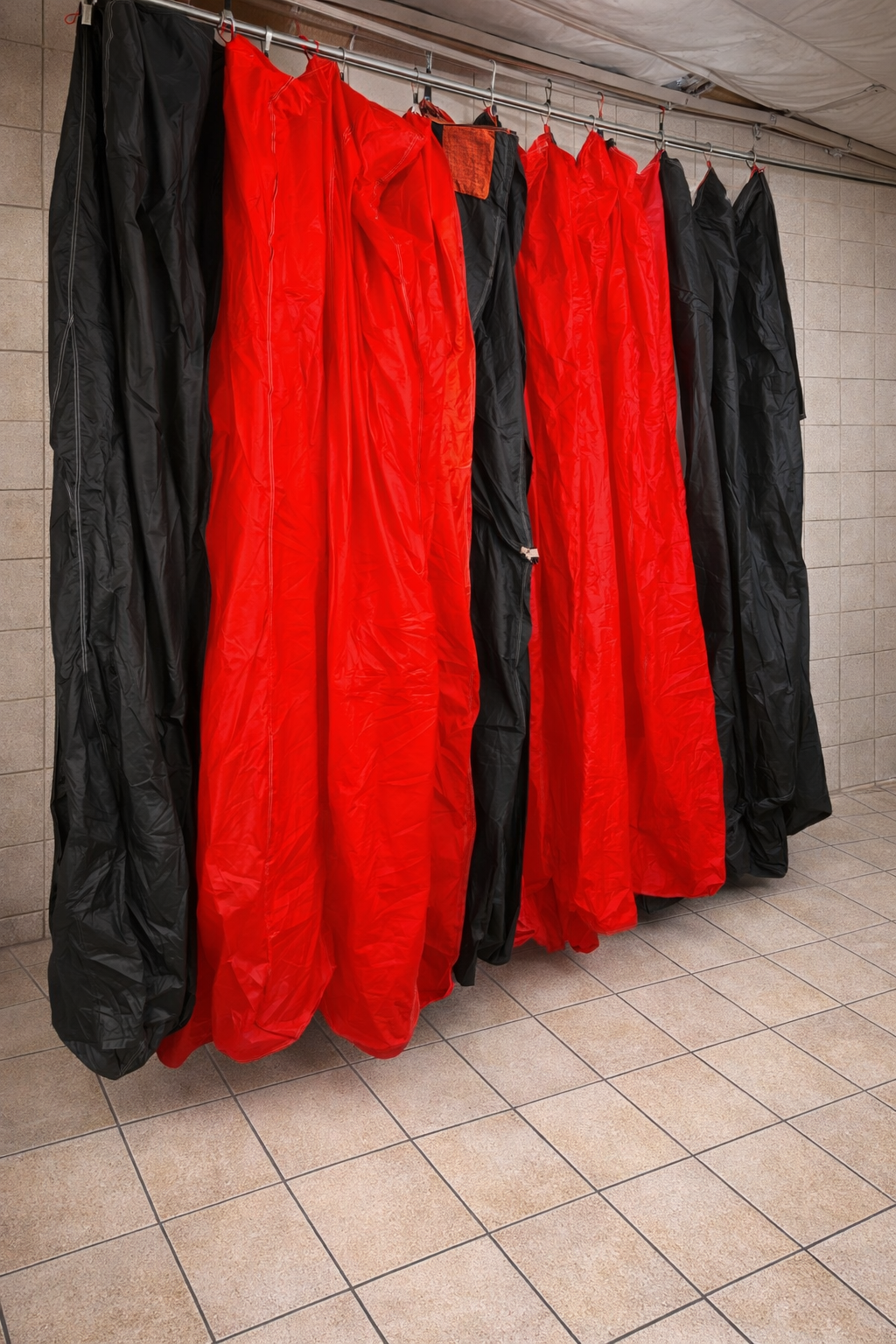
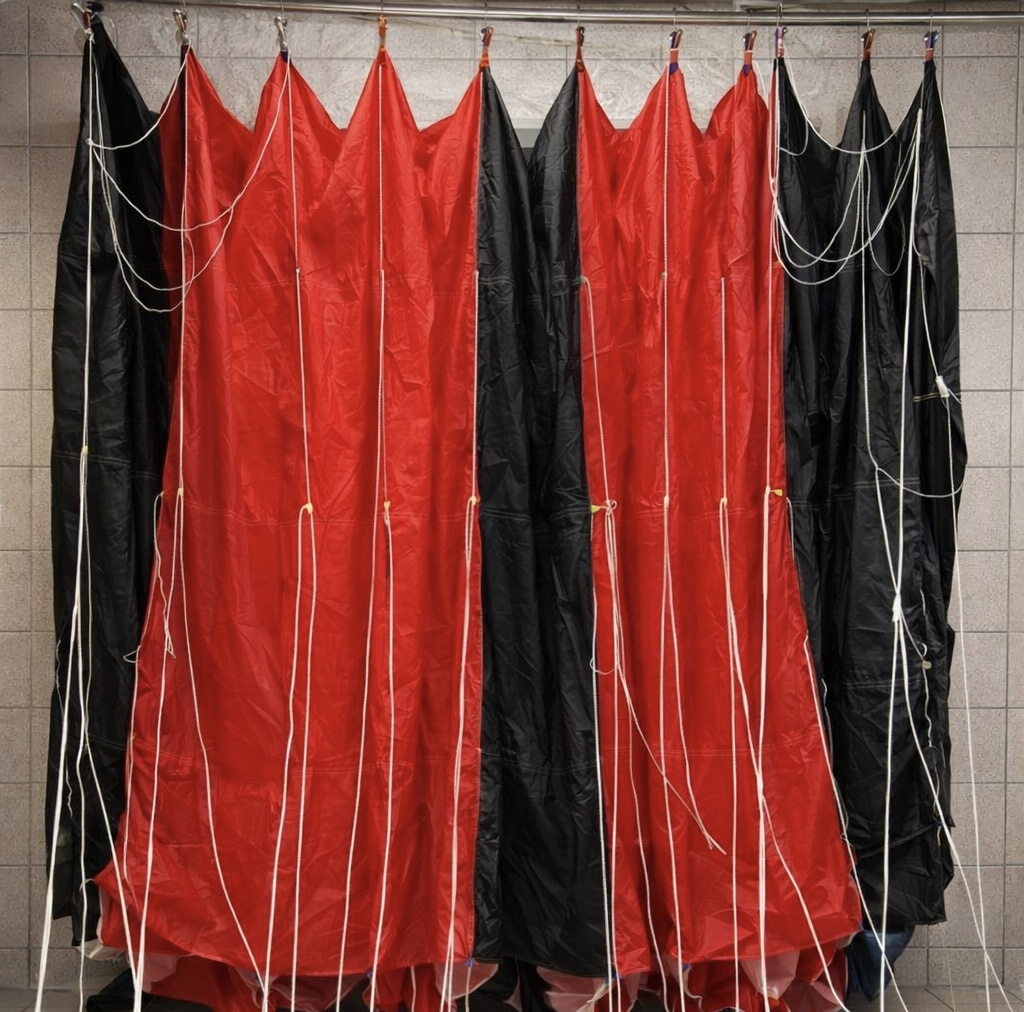
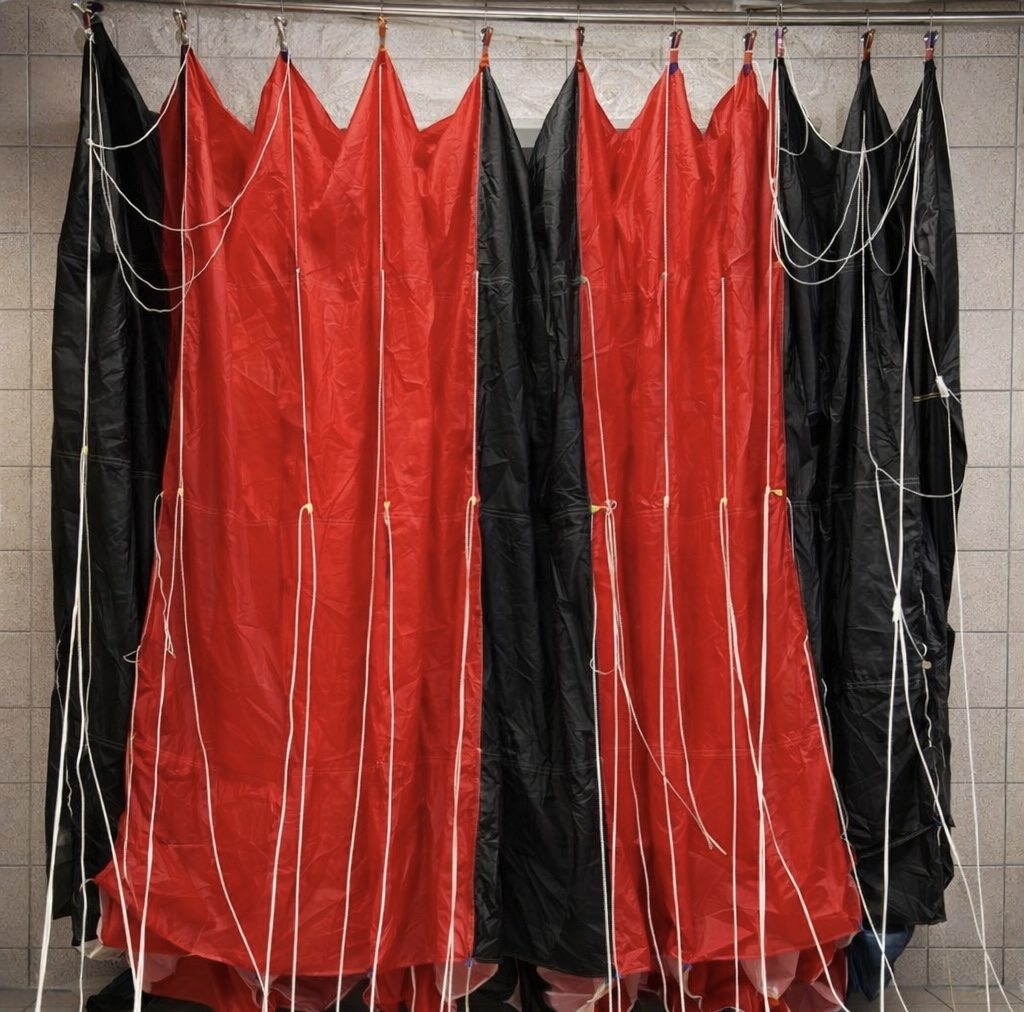


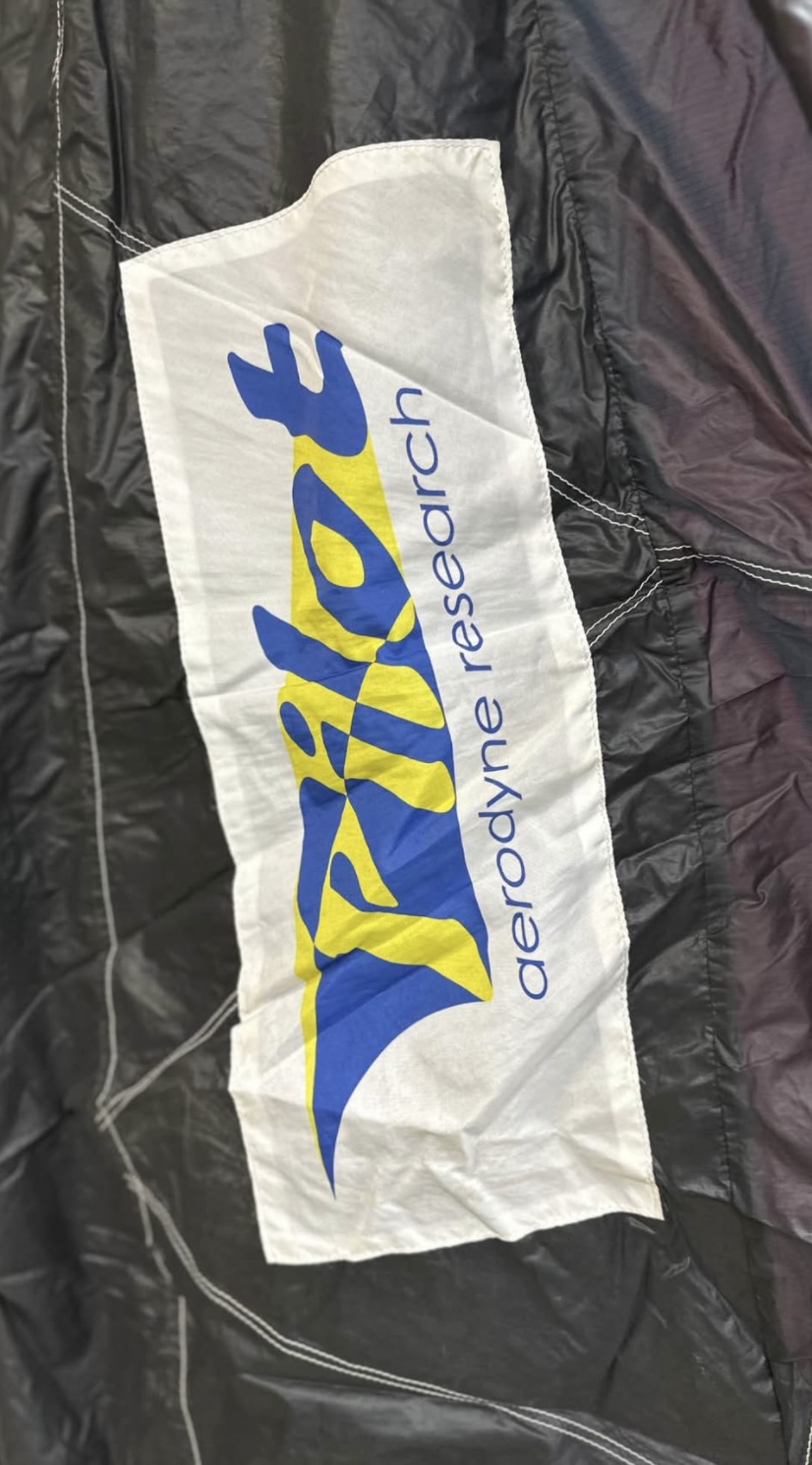

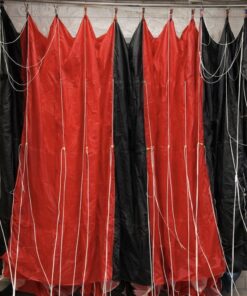
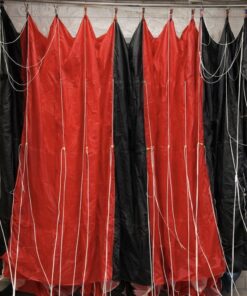
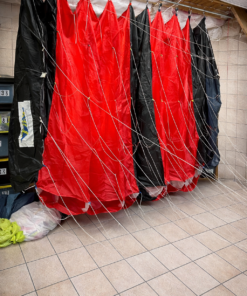


Used Aerodyne Pilot 168 ZP 9 Cell Canopy Dom 11|2014


€855.00
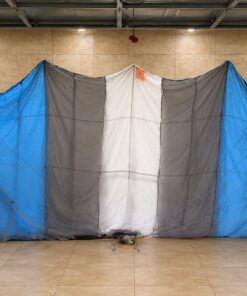
Used Aerodyne Pilot 168 ZP 9-Cell Canopy – DOM 11/2014
The Used Aerodyne Pilot 168 ZP 9-Cell Canopy (DOM 11/2014) is a versatile ram-air main canopy designed to deliver dependable openings, responsive handling, excellent glide performance, and predictable landing characteristics. Constructed from durable zero-porosity fabric, this nine-cell canopy was developed for sport skydivers seeking a balanced combination of stability, precision, efficiency, and reliability.
Its aerodynamic design promotes consistent inflation while providing smooth control throughout every phase of flight. The 168-square-foot size offers a practical balance between maneuverability and control, making it an attractive option for qualified jumpers who value dependable performance and comfortable handling characteristics.
Before use, the canopy should undergo a complete inspection by a qualified rigger to evaluate line condition, fabric integrity, trim, attachment points, slider condition, and overall airworthiness. Compatibility with the harness-container system should also be verified to ensure proper installation and operation.
Features
- Nine-cell ram-air design
- Durable zero-porosity construction
- Manufactured in November 2014
- Smooth and predictable flight characteristics
- Responsive control inputs
- Reliable glide performance
- Efficient flare capability
- Suitable for a wide range of sport-skydiving applications
- Professional inspection recommended before use
This used canopy combines proven engineering, dependable performance, and long-term durability, making it a practical addition to an appropriately configured skydiving system.
Used Aerodyne Pilot 168 ZP 9-Cell Canopy – DOM 11/2014, Flight Characteristics, Condition Checks, and Compatibility Guide
Used Aerodyne Pilot 168 ZP 9-Cell Canopy Overview
What Is the Used Aerodyne Pilot 168?
The Used Aerodyne Pilot 168 ZP is a nine-cell, zero-porosity ram-air main parachute with a nominal area of 168 square feet. Its date of manufacture is recorded as 11/2014, meaning November 2014. The Pilot family was developed as an all-around sport canopy intended to offer predictable openings, accessible handling, practical glide, and usable landing performance for appropriately trained skydivers.
Aerodyne describes the Pilot as a performance canopy known for reliable opening behavior and offers the model in conventional zero-porosity fabric as well as lower-pack-volume material options. This particular canopy is identified as standard ZP rather than ZPX or UltraLPV.
Because the canopy is used, its condition cannot be determined from its manufacturing date alone. Jump count, storage history, exposure to sand or salt, repairs, porosity, trim, linewear, slider condition, and packing history all influence its present suitability.
Understanding the Nine-Cell ZP Construction
A nine-cell canopy contains nine inflatable chambers extending from one side of the wing to the other. During deployment, air enters the leading-edge openings and pressurizes the structure, creating the ram-air wing used for controlled canopy flight.
Zero-porosity fabric limits airflow through the material and helps the wing maintain its designed shape. However, ZP fabric can become softer and easier to pack with age and use. Fabric condition must still be checked for burns, tears, damaged seams, worn reinforcement tapes, contamination, and previous repairs Used Aerodyne Pilot 168 ZP 9 Cell Canopy Dom 11|2014.
The Pilot 168 should not be confused with a base canopy, reserve parachute, tandem main, or student system. Base jumping and the misspelled phrase baseline jumping involve specialized equipment and deployment environments that differ substantially from ordinary aircraft skydiving.
Why the 168-Square-Foot Size Matters
The number 168 identifies the canopy’s nominal surface area rather than a recommended body weight. A general weight limit skydiving search cannot establish whether this size is appropriate for a particular jumper.
Suitability depends on total exit weight, wing loading, jump experience, currency, landing consistency, elevation, climate, drop-zone rules, and professional guidance. The smallest canopy a person can physically fit into a container is not necessarily the safest or most appropriate option.
Likewise, a skydiving downsizing chart should only serve as general educational information. Canopy downsizing requires formal instruction and documented landing proficiency. A qualified canopy coach or safety officer should evaluate the jumper before a smaller wing is selected.
Opening and Flight Characteristics
The Aerodyne Pilot is widely positioned as a general-purpose sport canopy. The original design is associated with predictable inflation, practical glide, responsive but manageable turns, and usable flare characteristics. Nevertheless, the behavior of this individual 2014 canopy depends on its current fabric, suspension lines, slider, brake settings, packing technique, deployment speed, and body position.
No parachute is completely immune to malfunction. USPA notes that main-canopy problems are often linked to packing errors, deployment technique, or inadequate inspection, which is why a reserve remains essential.
A tracking jump, freefly jump, or speed sky diving activity may increase horizontal or vertical speed before deployment. The jumper must slow to an appropriate deployment speed and maintain a stable body position. General skydiving speed should never be assumed safe for opening merely because the canopy has previously opened without difficulty.
Lines, Trim, and Inspection Requirements
Suspension-line condition strongly affects openings, steering response, flare timing, and canopy symmetry. USPA advises jumpers to examine lines for abrasion, broken fibers, heat damage, contamination, and other deterioration. Environmental conditions can cause heavily used lines to wear at very different rates, so jump count alone does not determine remaining life.
A qualified skydiving rigging professional should inspect:
- Suspension lines and cascades
- Brake lines and steering settings
- Connector links or soft links
- Slider fabric, grommets, and reinforcement
- Line attachment points
- Canopy seams and tapes
- Leading-edge fabric
- Stabilizers and tail
- Previous repairs
- Overall trim and symmetry
A hook blade knife, hook knife skydiving, or skydive hook knife may be carried as an emergency line-cutting tool. However, it cannot correct a worn line set or replace trained emergency procedures.
Container and Rig Compatibility
The Pilot 168 is only a main canopy. It must be installed in a compatible parachute rig with an appropriate deployment bag, pilot chute, bridle, risers, harness-container, reserve, and automatic activation device where required.
The phrase container skydive generally refers to the harness-and-container section. Packed-volume compatibility must be verified using the container manufacturer’s chart and professional judgment. Aerodyne’s own Icon sizing chart includes ZP canopy sizes, but actual fit can vary with fabric age, line type, and packing technique.
A freefly pud handle must remain secure and accessible, while the bottom-of-container pouch, bridle protection, closing loop, pin, and riser covers should be inspected before use.
A gear bag skydive product may protect the assembled system during transportation, but it is not part of the airworthy deployment sequence.
Use with Wingsuits and Specialty Disciplines
The Pilot is a conventional nine-cell main canopy rather than a dedicated seven-cell wingsuit canopy. A person involved in wingsuit sport should ask a qualified instructor and rigger whether the canopy’s opening characteristics, size, line type, pilot chute, bridle, and container are appropriate for the planned suit and experience level.
Search terms such as vector wingsuit, wingsuit, gliding suit wingsuit, skydiving gliding suit, fly suits, wing suits for sale, price of wingsuit, indoor wingsuit, and tandem wingsuit describe suits, training, or other equipment rather than this canopy.
Likewise, CRW skydiving involves intentional canopy formations and may require specialized lines, risers, protection, and canopy designs. This used main should not be represented as suitable for formation work without discipline-specific evaluation.
Comparing Other Main-Canopy Options
The Safire 3 is a separate nine-cell canopy made by another manufacturer, while Fluid Wings produces its own range of sport and performance parachutes. These names may appear during comparison shopping, but their specifications should not be applied to the Pilot 168.
Each canopy design has a distinct planform, trim, recovery arc, opening sequence, control range, and packing volume. Therefore, a jumper should base selection on demonstrated skill and professional advice rather than brand reputation alone.
Landing Controls and Riser Use
After inflation, the jumper must assess the canopy, clear any line twists where appropriate, release the brakes, enter a safe traffic pattern, and prepare for landing.
The landing flight risers may be used for trained canopy-control techniques, although the phrase landing flight risers does not describe a separate component included with the canopy. Riser input changes heading, descent rate, and airspeed, so it must be applied with sufficient altitude and training.
A 168-square-foot canopy can produce very different handling depending on wing loading. Consequently, the same Pilot 168 may feel forgiving to one qualified jumper and highly responsive to another.
Essential Helmet and Eye Protection
The canopy does not include a skydiving helmet or eye protection. Jumpers may compare skydive helmets, a full face skydiving helmet, sky helmet skydiving, sky diving helmet, skydiving helmet full face, G35 helmet, Cookie G4 helmet, or the best skydiving helmet for their discipline.
People asking can you wear glasses while skydiving may use suitable skydiving glasses, prescription-compatible goggles, or secure skydiver goggles. Any arrangement must preserve clear vision and remain stable during freefall, opening, and landing.
Geographic and Operator Search Terms
The canopy may appear in searches associated with a parachute jump Australia, Skydive Byron Bay, or Cairns skydiving, but each Australian operator sets its own experience, equipment, and canopy-use policies.
Likewise, Skydive Belize, skydiving Blue Hole Belize, and iFLY Colorado Springs identify destinations or training facilities rather than canopy specifications. A wind tunnel does not test parachute opening or landing performance.
Broad phrases such as new skydive, skydiving website, #skydiving latest, and skydiving tube are general search expressions rather than product features.
Clarifying Unrelated and Lifestyle Searches
A nude parachute jump or skydiving nude event does not change canopy compatibility. Such jumps require explicit drop-zone approval because harness contact, cold exposure, handle security, and abrasion protection must be considered.
The terms fire parachute and Cypress fire skydiving are not Pilot specifications. CYPRES refers to an automatic activation device brand, while the main canopy remains a separate component of the assembled system.
What Should Be Confirmed Before Purchase?
Before buying or jumping this used canopy, obtain and verify:
- Exact jump count, when known
- Current line-set type and number of jumps
- Reline history
- Repair and damage history
- Storage environment
- Water or salt exposure
- Owner and serial-number information
- Original warning label and data panel
- Current rigger inspection
- Compatibility with the intended container
- Appropriate wing loading for the jumper
USPA recommends careful visual inspection and a professional evaluation when buying a used main canopy because value depends on actual condition rather than manufacturer reputation or age alone.
Final Product Assessment
The Used Aerodyne Pilot 168 ZP 9-Cell Canopy DOM 11/2014 may provide a practical all-around main canopy for an appropriately experienced jumper when its history, condition, line trim, packed volume, and compatibility have been professionally confirmed.
However, the manufacturing date does not prove that it remains airworthy. It must be inspected by a qualified rigger before installation or use, and the final decision should account for the jumper’s exit weight, canopy experience, currency, landing ability, container configuration, and local regulations.
Flight Characteristics, Handling Performance, and Operational Reliability
Understanding the Importance of Aerodynamic Design
Modern ram-air canopies are designed to transform a controlled descent into a stable and predictable flight experience. Every panel, rib, seam, line attachment point, and reinforcement section contributes to the overall aerodynamic profile of the wing.
As air enters the canopy during deployment, internal pressure begins to build, creating the structure necessary for controlled movement through the air. Consequently, the interaction between wing shape, pilot input, environmental conditions, and loading determines the overall flight experience.
This balance between engineering and technique allows a properly maintained canopy to provide efficient performance while maintaining predictable handling characteristics.
Why Controlled Openings Matter
Deployment is one of the most important stages of every skydive. A smooth and controlled opening helps reduce unnecessary stress on both the equipment and the individual operating it.
Several factors influence opening performance:
- Packing technique
- Airspeed during deployment
- Body position
- Condition of the suspension lines
- Slider performance
- Environmental conditions
Because these variables constantly interact with one another, consistency remains extremely important throughout every jump.
Stability and Flight Efficiency
Stability contributes significantly to comfort, confidence, and precision. A stable wing allows pilots to make smoother adjustments while maintaining greater awareness of their surroundings.
Several elements influence overall efficiency:
- Wing loading
- Weather conditions
- Flight speed
- Body positioning
- Steering input
- Descent angle
These elements work together continuously, and small adjustments frequently produce noticeable differences in performance.
Understanding Steering Response
Steering response depends upon the relationship between the control system and the aerodynamic characteristics of the wing. Smooth control inputs often produce more predictable results than aggressive movements.
Several factors influence responsiveness:
- Control-line condition
- Weight distribution
- Atmospheric conditions
- Pilot experience
- Altitude awareness
As experience increases, pilots often become more efficient at making the precise adjustments required for consistent performance.
Environmental Conditions and Their Influence
Environmental conditions play an important role during every stage of operation. Wind speed, temperature, humidity, visibility, and atmospheric pressure all contribute to the overall experience.
Important considerations include:
- Wind direction
- Air density
- Visibility conditions
- Surface conditions
- Temperature changes
- Weather patterns
Pilots who continuously monitor these variables often improve both safety and efficiency.
Inspection and Maintenance Procedures
Regular inspections remain essential because all equipment experiences gradual wear over time. Although durable materials are designed to withstand repeated use, proper maintenance continues to play an important role in preserving reliability.
A thorough inspection routine commonly includes the following:
- Examining seams and stitching carefully.
- Inspecting line attachment points thoroughly.
- Evaluating the condition of all moving components.
- Removing dirt, moisture, and contaminants.
- Verifying the overall structural condition.
These procedures frequently help identify developing concerns before they become more significant problems.
Storage and Transportation Recommendations
Appropriate storage methods help preserve long-term reliability while protecting the equipment from environmental exposure.
Several recommendations are commonly followed:
- Keep equipment in dry environments.
- Protect surfaces from excessive sunlight.
- Avoid prolonged exposure to moisture.
- Reduce unnecessary pressure during transportation.
- Perform routine inspections regularly.
These practices frequently contribute to improved durability and performance.
Building Confidence Through Experience
Experience remains one of the most valuable elements of long-term development. Every jump presents an opportunity to strengthen awareness, improve judgment, and refine technical abilities.
Several qualities frequently contribute to continued progress:
- Patience
- Discipline
- Preparation
- Consistency
- Responsibility
- Adaptability
These characteristics often help create a safer and more rewarding experience.
Frequently Asked Questions
Why is wing loading important?
Wing loading influences responsiveness, descent characteristics, speed, and overall handling performance.
Why should inspections be performed regularly?
Routine inspections help maintain reliability while reducing the possibility of avoidable problems.
How do environmental conditions influence performance?
Weather conditions affect visibility, stability, efficiency, and landing characteristics.
Why is proper maintenance important?
Regular maintenance helps preserve structural integrity and supports long-term reliability.
Final Thoughts
Long-term performance depends upon discipline, preparation, continuous learning, and responsible ownership. Individuals who remain committed to these principles often benefit from improved confidence, greater consistency, and a deeper understanding of canopy flight dynamics.
Advanced Flight Management, Equipment Preservation, and Skill Development
Building Long-Term Confidence Through Experience
Confidence develops gradually as experience increases and familiarity with equipment grows. Although high-quality equipment contributes significantly to overall performance, practical knowledge remains equally important.
Every jump provides an opportunity to improve awareness, refine movement patterns, strengthen decision-making abilities, and develop a deeper understanding of flight characteristics. Consequently, individuals who progress patiently often build stronger foundations for long-term success.
Consistent preparation and disciplined practice frequently lead to more predictable outcomes and improved performance.
Understanding the Relationship Between Stability and Control
Stability and control are closely connected because each influences the other throughout every stage of flight. Stable flight conditions generally allow smoother adjustments, while precise control techniques frequently contribute to improved efficiency.
Several factors influence overall control:
- Weight distribution
- Steering input
- Environmental conditions
- Altitude awareness
- Equipment condition
- Experience level
Because these elements continuously interact, even small adjustments may produce significant differences in performance.
Why Precision Matters During Flight
Precision remains essential because accurate movements often create more predictable responses. Abrupt actions, by contrast, may increase instability and reduce efficiency.
Several habits frequently contribute to improved precision:
- Maintaining consistent body positioning
- Monitoring environmental conditions
- Following established procedures
- Performing careful inspections
- Applying smooth control inputs
Over time, these habits often become natural and significantly improve overall confidence.
Environmental Awareness and Risk Management
Environmental conditions can change quickly, making continuous observation essential throughout every operation.
Several important factors should always be monitored:
- Wind speed and direction
- Visibility conditions
- Atmospheric pressure
- Humidity levels
- Temperature variations
- Surface conditions within landing areas
Individuals who continuously evaluate these factors often make more effective decisions when unexpected circumstances arise.
Inspection and Maintenance Procedures
Routine maintenance helps preserve reliability while reducing the possibility of avoidable failures. Even durable materials gradually experience wear as a result of repeated use and environmental exposure.
A comprehensive maintenance routine commonly includes the following:
- Examining seams and reinforcement areas.
- Inspecting control systems carefully.
- Evaluating line attachment points.
- Removing dust and contaminants.
- Verifying overall functionality.
These procedures frequently contribute to improved durability and long-term performance.
Storage and Transportation Practices
Appropriate storage procedures help maintain structural integrity while protecting equipment from unnecessary wear.
Several recommendations are commonly followed:
- Keep equipment in clean environments.
- Avoid excessive exposure to moisture.
- Protect surfaces from prolonged sunlight exposure.
- Minimize unnecessary pressure during transportation.
- Perform regular inspections.
These practices often help preserve both functionality and appearance.
Strengthening Decision-Making Skills
Experience, preparation, and awareness all contribute to better decision-making. Individuals who carefully evaluate changing conditions frequently become more adaptable and confident over time.
Several characteristics commonly support effective decision-making:
- Patience
- Discipline
- Responsibility
- Consistency
- Commitment
- Situational awareness
Together, these qualities help create stronger habits and more dependable results.
The Importance of Continuous Learning
Learning remains an essential part of long-term development because equipment designs, operating procedures, and training methods continue to evolve.
Several activities frequently support continued improvement:
- Reviewing established techniques
- Studying environmental influences
- Expanding technical knowledge
- Practising emergency procedures
- Learning from previous experiences
These activities often contribute significantly to greater confidence and improved performance.
Frequently Asked Questions
Why is precision important?
Precision improves consistency, increases efficiency, and contributes to more predictable flight characteristics.
Why should equipment be inspected regularly?
Regular inspections help identify developing concerns before they become more significant problems.
How can long-term reliability be improved?
Reliability is frequently strengthened through careful maintenance, proper storage, and responsible operation.
Why is continuous education important?
Continuous education helps individuals adapt more effectively while strengthening both practical skills and technical knowledge.
Final Remarks
Long-term success depends upon preparation, discipline, patience, and continuous improvement. Individuals who remain committed to these principles frequently strengthen their skills while improving confidence, efficiency, and overall performance.
Operational Excellence, Advanced Control Techniques, and Long-Term Ownership
Establishing Effective Habits for Consistent Performance
Long-term success is rarely the result of a single achievement. Instead, it is often built through careful preparation, repeated practice, and a commitment to continuous improvement. Individuals who establish strong habits early frequently develop greater confidence and stronger technical abilities as time passes.
Every experience contributes valuable knowledge that can be applied to future situations. Consequently, a patient and disciplined approach often produces more reliable results than attempting to progress too quickly.
A structured routine can also help reduce uncertainty while strengthening overall performance.
Understanding the Relationship Between Efficiency and Precision
Efficiency and precision work together continuously. When movements become smoother and more deliberate, control frequently improves as well.
Several factors contribute to greater efficiency:
- Consistent control inputs
- Balanced positioning
- Thorough preparation
- Continuous environmental awareness
- Effective planning
As experience increases, individuals often become more capable of making smaller adjustments while achieving better results.
Why Environmental Awareness Is Essential
Environmental conditions influence every phase of operation. Therefore, continuous observation remains an important part of responsible preparation and execution.
Several factors should always be monitored carefully:
- Wind speed and direction
- Visibility levels
- Temperature fluctuations
- Atmospheric pressure
- Surface conditions
- Moisture levels
By evaluating these conditions consistently, individuals frequently improve both confidence and decision-making abilities.
Inspection Procedures and Preventive Maintenance
Preventive maintenance remains one of the most effective methods of preserving long-term reliability. Although modern materials are engineered for durability, routine inspections continue to be essential because repeated use gradually affects every component.
Recommended inspection procedures generally include the following:
- Examining seams and reinforcement areas carefully.
- Inspecting suspension systems thoroughly.
- Evaluating control components.
- Removing dirt, dust, and moisture.
- Confirming proper functionality.
These practices frequently help identify developing concerns before they become more difficult to address.
Transportation and Storage Recommendations
Transportation procedures should always be performed carefully because environmental exposure and repeated handling may influence long-term durability.
Several recommendations are widely followed:
- Store equipment in cool, dry environments.
- Protect components from excessive sunlight exposure.
- Avoid prolonged exposure to moisture.
- Reduce unnecessary pressure during transportation.
- Perform inspections regularly.
These habits often help preserve both structural integrity and overall performance.
Building Confidence Through Preparation
Preparation remains one of the most valuable tools available to any individual seeking long-term success. Careful planning frequently increases efficiency while reducing avoidable risks.
Several habits commonly contribute to stronger preparation:
- Reviewing established procedures
- Evaluating current conditions
- Maintaining equipment carefully
- Refining technical knowledge
- Strengthening decision-making abilities
These practices often help create greater confidence and consistency.
The Importance of Adaptability
Adaptability allows individuals to respond effectively when conditions change unexpectedly. Experience often strengthens the ability to recognize potential concerns while selecting the most appropriate response.
Several characteristics frequently support adaptability:
- Patience
- Awareness
- Responsibility
- Determination
- Commitment
- Discipline
Together, these qualities often contribute to long-term growth and continued improvement.
Frequently Asked Questions
Why is preparation so important?
Preparation improves awareness, strengthens confidence, and supports more effective decision-making.
Why should equipment be stored carefully?
Proper storage helps protect components from environmental damage while preserving long-term reliability.
How does experience improve performance?
Experience often strengthens technical knowledge while improving awareness and precision.
Why is adaptability valuable?
Adaptability helps individuals respond effectively when unexpected situations arise.
Final Thoughts
Long-term success depends upon discipline, preparation, consistency, and continuous learning. Individuals who remain committed to these principles often strengthen their abilities while preserving the reliability, durability, and performance of their equipment.
Advanced Flight Techniques, Performance Enhancement, and Responsible Ownership
Developing Greater Awareness Through Experience
Experience remains one of the most valuable factors influencing long-term development. Although modern equipment is designed to deliver dependable performance, knowledge and preparation continue to play equally important roles.
Every jump creates an opportunity to strengthen awareness, improve control, and refine essential skills. Consequently, individuals who maintain consistent routines frequently achieve more predictable and efficient results over time.
Steady progress often provides a stronger foundation than rapid advancement because confidence grows alongside experience.
Understanding the Importance of Flight Planning
Successful operations begin long before deployment. Careful planning allows individuals to evaluate conditions, prepare equipment properly, and establish clear objectives before entering the aircraft.
Several factors should always be considered:
- Wind conditions
- Visibility levels
- Temperature variations
- Landing areas
- Traffic patterns
- Emergency procedures
By reviewing these elements carefully, individuals often improve their ability to adapt to changing circumstances.
Why Smooth Control Inputs Matter
Controlled movements frequently produce more efficient and predictable results than abrupt actions. Small corrections often help preserve balance and stability while reducing unnecessary movement.
Several elements influence effective control:
- Timing
- Coordination
- Concentration
- Awareness
- Experience
- Preparation
These factors continuously influence overall performance, making discipline an essential part of long-term success.
The Role of Consistency in Long-Term Improvement
Consistency helps create dependable habits while strengthening confidence. Individuals who follow structured routines often become more comfortable responding to unfamiliar situations.
Several practices commonly support consistent development:
- Maintaining established procedures
- Conducting regular inspections
- Monitoring environmental conditions
- Reviewing previous experiences
- Practising emergency responses
Over time, these habits frequently contribute to improved decision-making and stronger technical abilities.
Protecting Equipment From Environmental Exposure
Environmental conditions can gradually influence the durability of equipment. Heat, moisture, dust, sunlight, and repeated handling may all contribute to wear.
Several protective measures are widely recommended:
- Keep equipment clean and dry.
- Inspect components regularly.
- Protect materials from prolonged sunlight exposure.
- Store equipment in suitable conditions.
- Avoid unnecessary impacts during transportation.
These procedures often help preserve both performance and reliability.
Long-Term Maintenance Strategies
Routine maintenance should remain a priority because even durable equipment requires regular attention. Consistent care often reduces the likelihood of avoidable problems while extending operational life.
Several maintenance recommendations include:
- Inspecting seams carefully
- Evaluating attachment points thoroughly
- Cleaning exposed surfaces regularly
- Monitoring component wear
- Maintaining proper storage conditions
These practices frequently contribute to improved durability and more dependable operation.
Building Strong Decision-Making Skills
Decision-making abilities improve through experience, preparation, and continuous learning. Individuals who carefully evaluate their surroundings often become more effective at responding to unexpected situations.
Several characteristics frequently contribute to stronger judgment parts of a parachute:
- Patience
- Discipline
- Awareness
- Commitment
- Responsibility
- Adaptability
Together, these qualities support long-term development and continued improvement.
Frequently Asked Questions
Why is consistency important?
Consistency strengthens confidence, improves awareness jumper pilot, and supports more effective decision-making.
How can equipment longevity be improved?
Long-term durability is often strengthened through regular inspections, proper storage procedures, and careful handling.
Why should environmental conditions be monitored continuously?
Environmental conditions influence performance, visibility, stability, and overall efficiency.
Why is preparation valuable skydiving equipment list?
Preparation reduces uncertainty while helping individuals develop more effective operating habits.
Final Remarks
Long-term progress is achieved through patience, discipline, preparation, and continuous improvement. Individuals who remain committed to these principles frequently gain confidence, strengthen their abilities, and preserve the reliability and performance of their equipment for many years.
Be the first to review “Used Aerodyne Pilot 168 ZP 9 Cell Canopy Dom 11|2014”
Related products

used products

used products

used products


used products
used products

used products

used products

used products
Reviews
There are no reviews yet.