
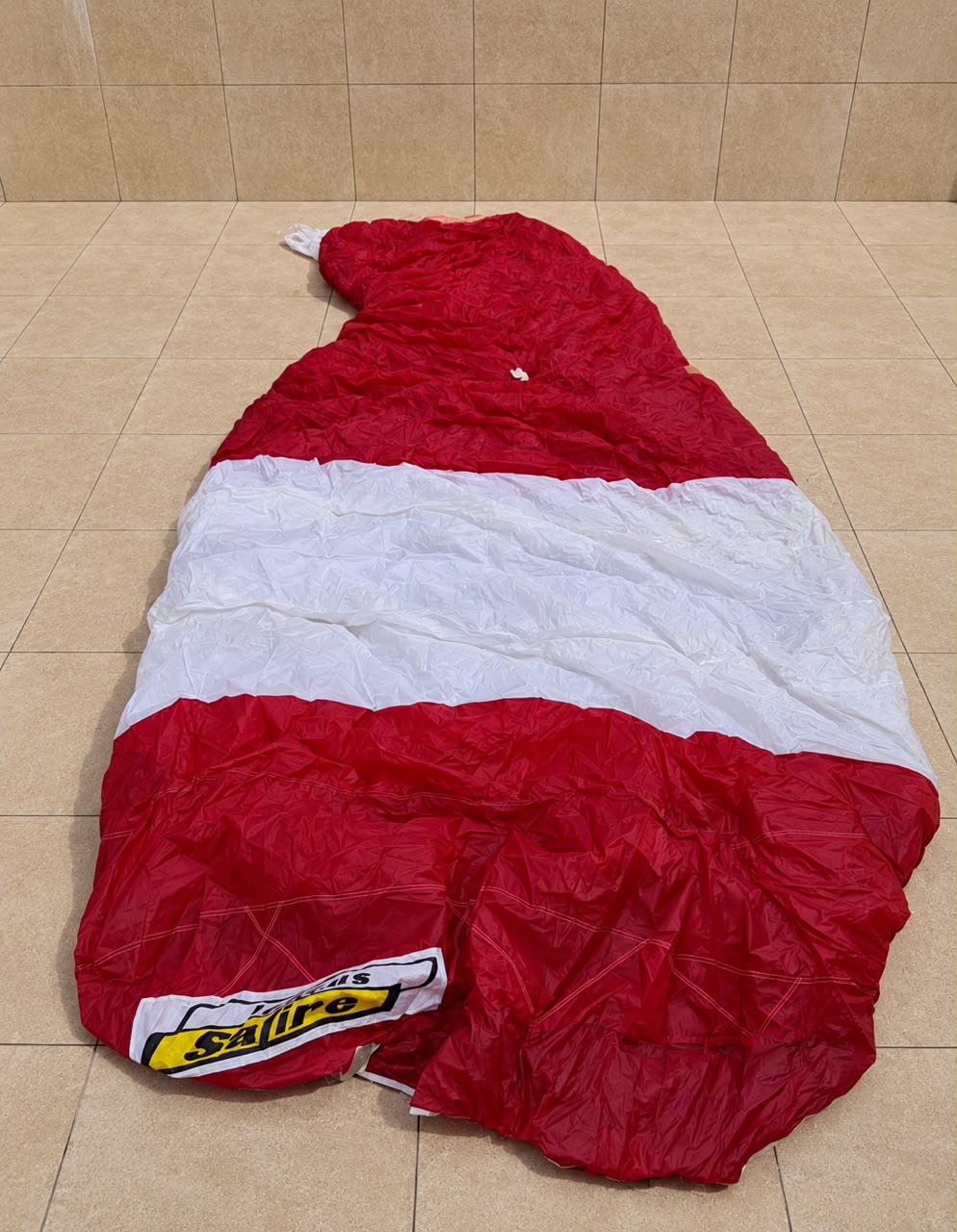
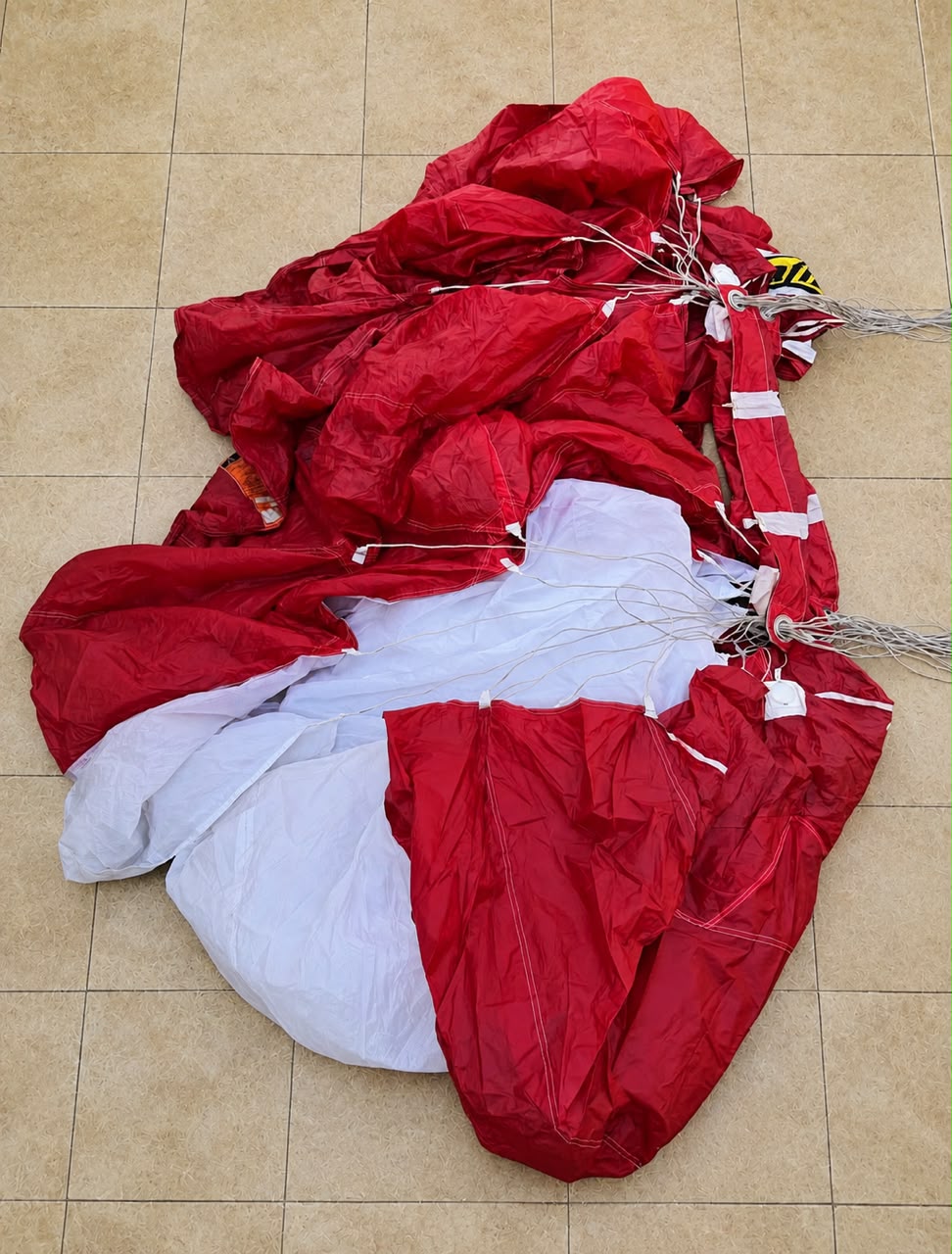
Used Icarus Safire 2 149

€1,400.00
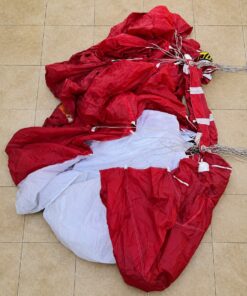
The used Icarus Safire 2 149 is a nine-cell ram-air main canopy designed to deliver smooth openings, responsive handling, efficient glide performance, and reliable landing characteristics. Its balanced design makes it suitable for skydivers who want predictable flight behavior combined with enough responsiveness to support continued progression and skill development.
Constructed with durable materials and designed for long-term performance, the Safire 2 has become well known for its comfortable opening sequence, stable flight characteristics, and effective flare capability. As with any used canopy, the overall condition depends on factors such as jump history, storage conditions, maintenance practices, line condition, fabric integrity, and previous repairs.
Before installation or use, the canopy should be thoroughly inspected by a qualified rigger to verify line trim, stitching quality, slider condition, hardware integrity, and compatibility with the complete harness-container system. Proper care and routine maintenance can help preserve reliability and support dependable performance over an extended service life.
Used Icarus Safire 2 149 Main Canopy – Nine-Cell Performance, Soft Openings, Flight Characteristics, and Inspection Guide
Used Icarus Safire 2 149 Overview, Flight Profile, Compatibility, and Safety
What Is the Used Icarus Safire 2 149?
The Used Icarus Safire 2 149 is a 149-square-foot, nine-cell ram-air main canopy designed as an approachable all-round sport parachute. Icarus describes the Safire 2 as a mid-range design that offers nine-cell performance without becoming excessively radical or demanding. Its intended characteristics include soft, consistent, on-heading openings, manageable handling, practical packing, and dependable landing performance.
The canopy forms one part of a complete parachute rig. It is not a reserve, skydiving helmet, automatic activation device, harness-container, or complete skydiving equipment list.
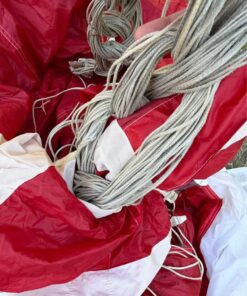
Because this example is used, its current condition cannot be established from the model name or size alone. A qualified rigger should evaluate its fabric, seams, lines, slider, attachment points, data panel, previous repairs, and compatibility before it is packed or jumped.
Understanding the 149-Square-Foot Size
The “149” designation refers to the nominal canopy area rather than a universal jumper-weight recommendation. A general weight limit skydiving search cannot determine whether this size is appropriate for a particular person.
Exit weight includes the jumper, clothing, helmet, harness-container, reserve, main canopy, accessories, and any other equipment carried during the jump. Wing loading, experience, currency, landing consistency, elevation, climate, and local rules should all be considered.
The smallest canopy that physically fits inside a container is not automatically the safest choice. Likewise, a skydiving downsizing chart should only support professional canopy coaching rather than replace it.
USPA recommends inspecting a used canopy, checking steering-line length, reading the owner’s manual, and dedicating several familiarization jumps to understanding a different canopy’s flight and landing behavior.
Nine-Cell Design and General Flight Character
The Safire 2 uses a nine-cell planform intended to provide an effective balance between glide, responsiveness, stability, and flare authority. Its handling is generally positioned between basic student equipment and more aggressive elliptical sport canopies.
After opening, the jumper should conduct a complete controllability check, review surrounding traffic, identify suitable landing areas, and establish a predictable pattern.
During canopy flight, handling will vary according to:
- Wing loading
- Line trim
- Fabric condition
- Air density
- Wind strength
- Control input
- Jumper technique
The landing flight risers may support trained canopy-control inputs, but the phrase landing flight risers does not identify a special accessory included with the Safire 2. Riser maneuvers should only be performed with adequate altitude, training, and awareness.
Opening Characteristics and Deployment Conditions
The Safire 2 is associated with soft, controlled, on-heading openings. However, no canopy can guarantee a perfect deployment every time. Packing technique, deployment speed, body position, pilot-chute condition, line trim, slider condition, and container fit all affect inflation.
A tracking jump, freefly jump, or speed sky diving activity may produce a higher horizontal or vertical speed before deployment. The jumper must slow appropriately, maintain separation, and deploy within the limitations of the complete system.
The broad term skydiving speed should never be treated as a single approved deployment speed for every canopy and container combination.
Suspension Lines, Trim, and Wear
NZ Aerosports documentation identifies Vectran 750 as the standard line type associated with the Safire 2, with lighter Vectran used on smaller sub-119 sizes.
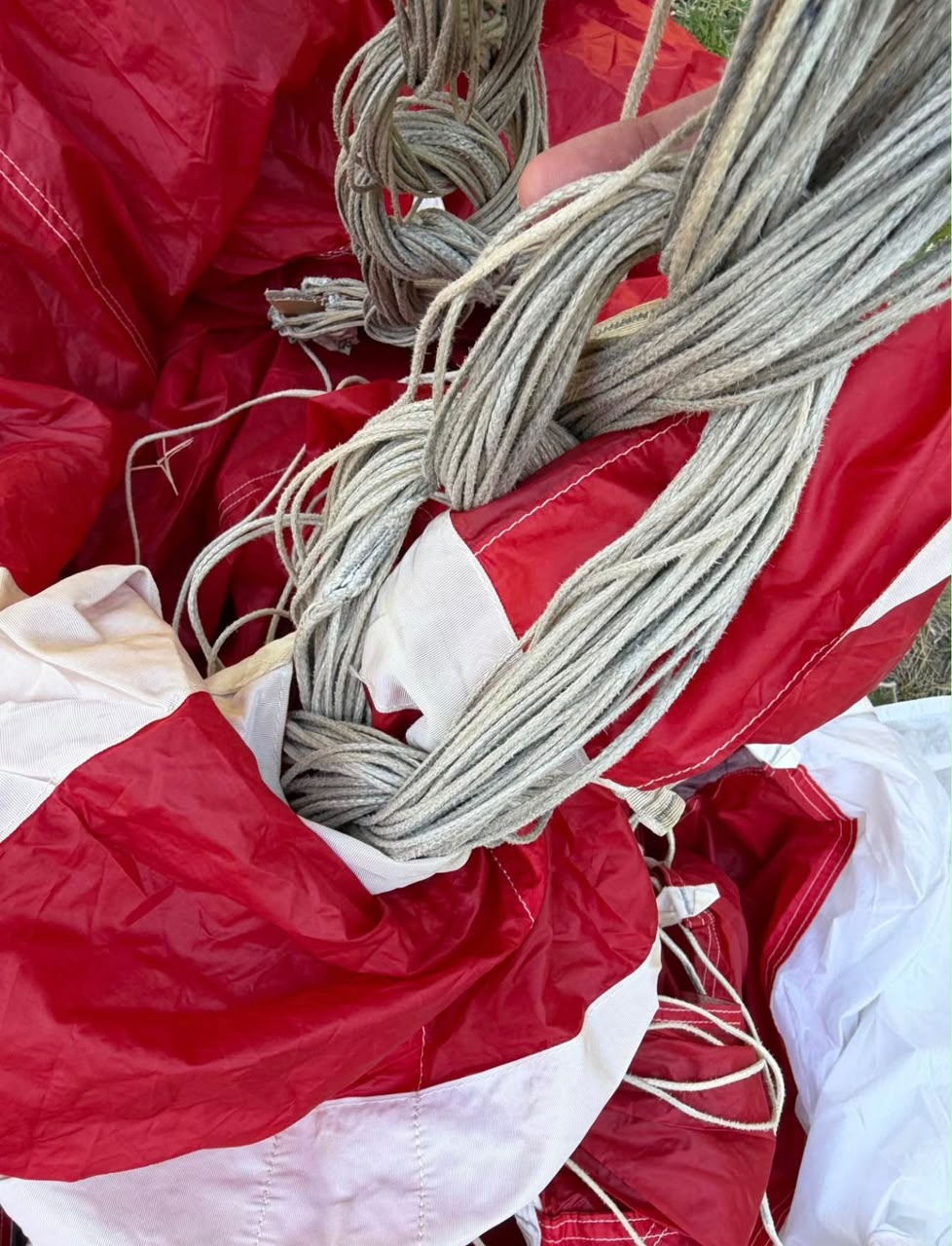
Vectran offers low stretch and stable trim, but it can show visible external wear as its fibers abrade. Any linewear should be evaluated carefully, particularly near connector links, cascades, brake lines, guide rings, and high-friction areas.
USPA notes that different line materials age differently and that visible wear can indicate meaningful strength loss.
A qualified skydiving rigging professional should inspect:
- Main suspension lines
- Steering lines and brake settings
- Cascades and attachment points
- Connector links or soft links
- Slider grommets and fabric
- Overall trim and symmetry
Replacement lines must match the correct canopy model and size. Lines designed for a Safire 3, Fluid Wings canopy, or another design are not automatically compatible with the Safire 2.
Fabric Condition and Used-Canopy Inspection
Used canopy condition depends on more than jump count. Sweat, ultraviolet light, sand, dirt, moisture, poor storage, hard openings, water landings, and previous repairs may all affect serviceability.
USPA identifies fading, impact holes, line burns, contamination, and degradation around the center cells as important inspection points when evaluating a used main canopy.
A professional inspection should include:
- Top and bottom skins
- Internal ribs
- Leading edge
- Tail and stabilizers
- Reinforcement tapes
- Pilot-chute attachment point
- Seams and stitching
- Slider and grommets
- Previous patches or repairs
- Data-panel information
Photographs alone cannot confirm airworthiness.
Harness, Container, and Deployment Compatibility
The Safire 2 149 must be installed in an appropriately sized container skydive system. Actual packed volume varies with fabric age, line bulk, packing method, and individual canopy condition. Container manufacturers warn that canopies of the same model and size may still pack differently.
The complete skydiving rig should include a compatible deployment bag, pilot chute, bridle, risers, closing loop, pin, reserve system, and harness-container.
A freefly pud handle relates to the main deployment-handle configuration. It should remain secure during dynamic flight while remaining accessible during deployment.
A gear bag skydive accessory can protect equipment during transport but is not part of the deployment sequence.
Wingsuit and Tracking Applications
The Safire 2 is not a purpose-built modern wingsuit canopy. A person involved in wingsuit sport should consult a qualified wingsuit instructor and rigger before using it in that discipline.
The terms wingsuit, vector wingsuit, gliding suit wingsuit, skydiving gliding suit, fly suits, wing suits for sale, price of wingsuit, indoor wingsuit, and tandem wingsuit describe suits, training, or unrelated products rather than the canopy.
Deployment equipment, bridle length, pilot-chute size, container configuration, experience, and opening history should all be considered.
Main Canopy Versus BASE Equipment
The Safire 2 is an aircraft-skydiving main canopy, not a base canopy.
Base jumping and the misspelled phrase baseline jumping use different deployment altitudes, containers, pilot chutes, packing methods, and emergency considerations. The Safire 2 should not automatically be treated as suitable for fixed-object parachuting.
Similarly, CRW skydiving may require discipline-specific canopies, risers, lines, protective equipment, and training. A standard sport setup should not be assumed suitable for intentional canopy contact.
Helmet, Eye Protection, and Emergency Accessories
This listing does not include a skydiving helmet, skydive helmets, sky helmet skydiving, sky diving helmet, full face skydiving helmet, skydiving helmet full face, G35 helmet, Cookie G4 helmet, or the best skydiving helmet.
People asking can you wear glasses while skydiving may use secure skydiving glasses, prescription-compatible goggles, or suitable skydiver goggles, provided they maintain clear vision throughout freefall, deployment, and landing.
A hook blade knife, hook knife skydiving, or skydive hook knife may be carried as an emergency cutting tool. It does not replace correct equipment maintenance or trained emergency procedures.
Automatic Activation Devices and Unrelated Terms
The terms fire parachute and Cypress fire skydiving are not Safire 2 specifications. CYPRES refers to automatic activation devices installed in compatible harness-container systems.
An automatic activation device supports reserve deployment under defined conditions. It does not operate the main canopy or guarantee a safe outcome.
Destination and Operator Searches
Searches for parachute jump Australia, Skydive Byron Bay, and Cairns skydiving refer to operators or locations rather than canopy features.
Likewise, Skydive Belize, skydiving Blue Hole Belize, and iFLY Colorado Springs identify destinations or training facilities. A wind tunnel does not test main-canopy opening or landing performance.
A nude parachute jump or skydiving nude event requires explicit drop-zone approval because clothing affects harness comfort, abrasion protection, temperature exposure, and handle security.
Broad Skydiving Searches
The phrases parts of a parachute, new skydive, skydiving website, #skydiving latest, skydiving tube, and jumper pilot are broad informational searches rather than verified Safire 2 features.
They should not be used to determine the canopy’s age, condition, line type, pack volume, or suitability.
Final Used-Condition Assessment
The Used Icarus Safire 2 149 may provide an accessible combination of nine-cell glide, soft openings, controllable handling, and effective flare performance for an appropriately trained jumper. Icarus describes the design as forgiving, easy to use, and suitable as an all-round mid-range canopy.
However, no used canopy should be represented as airworthy based solely on photographs, age, seller claims, or model reputation. Before installation, a qualified rigger should verify the serial number, date of manufacture, jump history, line condition, fabric integrity, slider, repairs, trim, and compatibility with the intended container.
Be the first to review “Used Icarus Safire 2 149”
Related products

used products


used products
used products

used products

used products

used products

used products
Reviews
There are no reviews yet.