
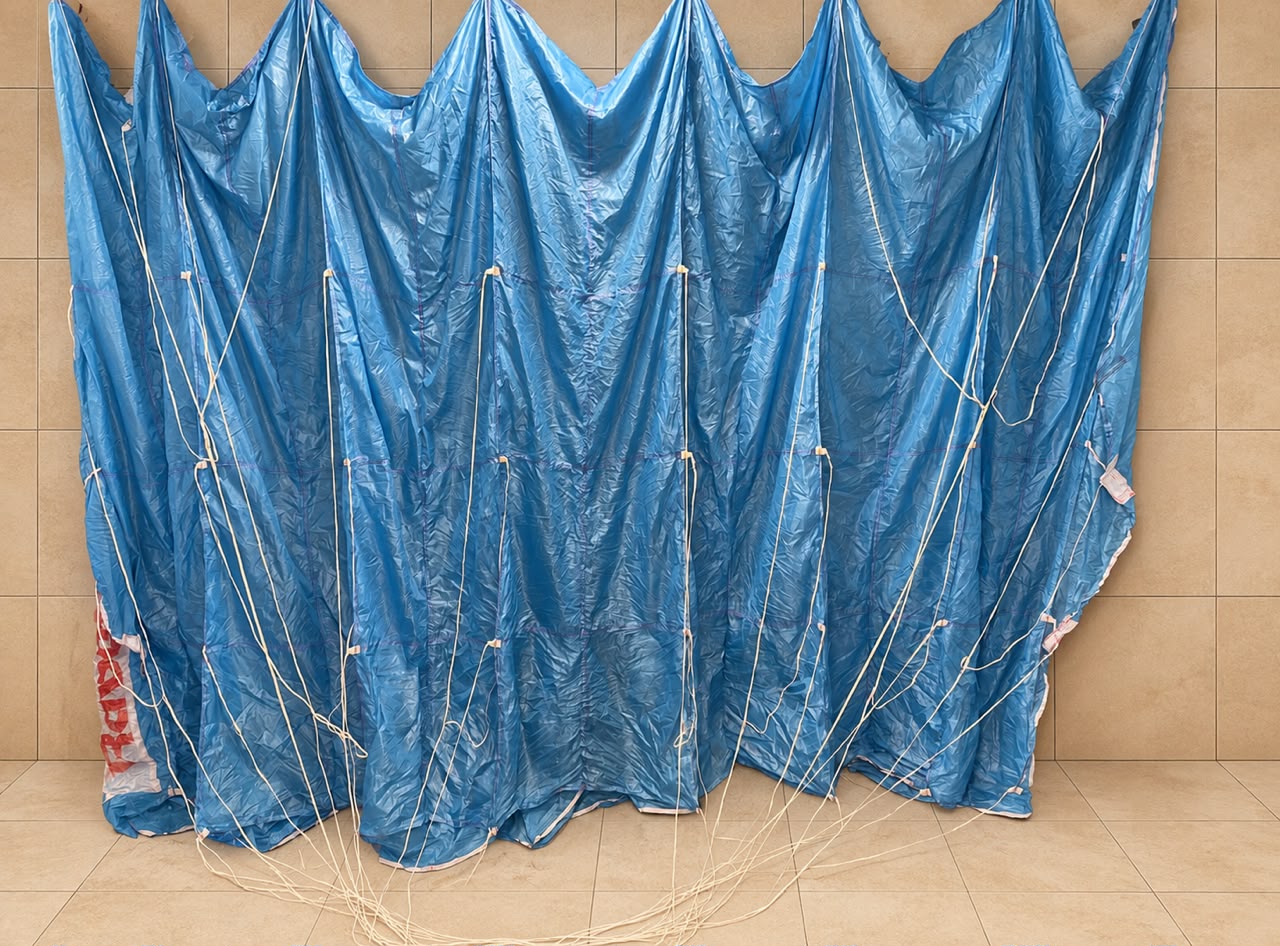

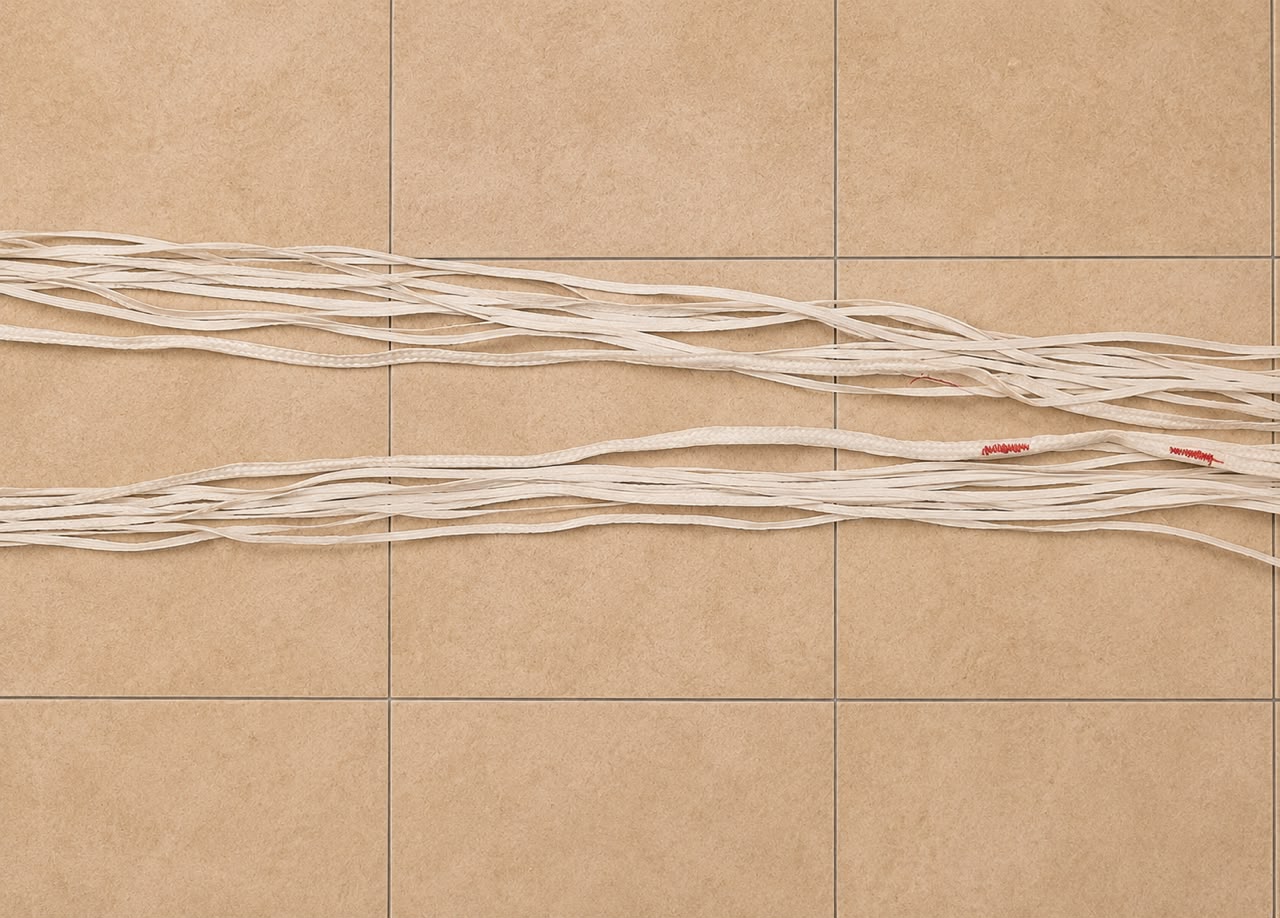


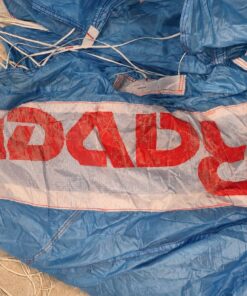

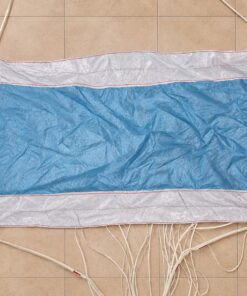
Used Micro Raven 150-m


€300.00
The Used Micro Raven 150-M is a reserve parachute canopy from Precision Aerodynamics’ established Micro Raven family. Unlike a main canopy selected primarily for everyday flight characteristics, a reserve must be evaluated first through airworthiness, documented history, compatibility, condition, and professional inspection. The Micro Raven 150-M remains identifiable in current regulatory documentation: ENAC’s reserve-canopy list updated March 10, 2026 includes the Micro Raven 150-M under both the DASH-M and MICRO RAVEN families from Precision Aerodynamics.
Because this is used life-saving equipment, age, serial number, manufacture date, deployment history, number of reserve rides, repairs, fabric condition, line condition, slider condition, connector-link condition, packing data card, service bulletins, and compatibility with the intended container should all be reviewed by an appropriately qualified rigger before installation or use. A used reserve should never be assessed purely from photographs or cosmetic appearance.
Used Micro Raven 150-M – Reserve Canopy Technical Overview and Used Gear Buying Guide
Used Micro Raven 150-M Design, Reserve Function, Rig Compatibility, Inspection, and Skydiving Context
Parachute Jump Australia
The phrase parachute jump australia relates to civilian skydiving operations where equipment requirements, reserve inspection, and local aviation rules should be confirmed before use.
Skydive Byron Bay
skydive byron bay represents a popular skydiving destination, although equipment acceptance and reserve requirements remain operator-specific.
Weight Limit Skydiving
The phrase weight limit skydiving is particularly important with reserve equipment. The jumper’s exit weight, equipment weight, manufacturer limitations, and intended wing loading must all be assessed together.
Cairns Skydiving
cairns skydiving reflects another recreational skydiving context where certified equipment and current packing requirements remain important.
Skydiving Helmet
A skydiving helmet is protective headgear and is entirely separate from the reserve canopy system.
Skydive Helmets
Modern skydive helmets range from open-face to fully enclosed designs and should be selected independently from canopy compatibility.
Hook Blade Knife
A hook blade knife is commonly carried as emergency skydiving equipment for situations involving entanglement.
Tracking Jump
A tracking jump involves horizontal separation during freefall and places different demands on deployment awareness and traffic management.
Parachute Rig
The parachute rig must be specifically compatible with the reserve canopy. Container volume, reserve deployment bag, pilot chute, risers, closing system, and manufacturer approval all matter.
Linewear
linewear deserves careful attention on any used canopy. Reserve suspension lines, cascades, stitching, connector areas, and attachment points should receive professional inspection.
Base Jumping
base jumping uses specialized equipment and operating practices. A conventional skydiving reserve canopy should not automatically be considered suitable for BASE applications.
Sky Helmet Skydiving
The phrase sky helmet skydiving concerns head protection rather than reserve-canopy engineering.
Wingsuit Sport
wingsuit sport introduces specific deployment considerations because body configuration and burble characteristics can influence main-canopy deployment procedures.
Vector Wingsuit
The phrase vector wingsuit may refer to wingsuit-related equipment searches and should not be confused with a reserve canopy model.
Full Face Skydiving Helmet
A full face skydiving helmet provides increased facial coverage while remaining separate from the harness-container and reserve system.
Skydiving Downsizing Chart
A skydiving downsizing chart can help explain canopy progression, but reserve sizing should not be selected through a generic main-canopy downsizing rule alone.
Landing Flight Risers
landing flight risers are part of the control and suspension system and require proper inspection and compatibility with the complete rig.
Fire Parachute
The term fire parachute is not an appropriate technical synonym for the Micro Raven.
Cypress Fire Skydiving
The phrase cypress fire skydiving may be confused with CYPRES automatic activation devices. A reserve canopy and an AAD perform very different functions.
Skydiving Rigging
skydiving rigging is central to evaluating a used reserve. Inspection, assembly, packing, compatibility, repairs, and paperwork should be handled by appropriately certificated personnel.
Baseline Jumping
The term baseline jumping is sometimes used incorrectly for BASE jumping and should not be treated as ordinary skydiving terminology.
Sky Diving Helmet
A sky diving helmet protects the head but does not influence whether a reserve canopy is compatible with a container.
Hook Knife Skydiving
A hook knife skydiving setup is commonly treated as emergency equipment and should remain easily accessible.
Skydive Hook Knife
A skydive hook knife is useful for emergency cutting tasks but has no direct connection to reserve canopy size.
Skydiving Helmet Full Face
The phrase skydiving helmet full face concerns enclosed protective headgear rather than parachute-system design.
Skydiving Blue Hole Belize
skydiving blue hole belize represents destination skydiving where equipment acceptance should be confirmed with the responsible operator.
Smallest Canopy
The phrase smallest canopy should never be interpreted as meaning that smaller is automatically better. Reserve selection depends on certified limits, jumper mass, experience, and system compatibility.
Skydiving Speed
skydiving speed changes according to body position, equipment, altitude, and type of jump. Reserve systems are designed around certified deployment conditions rather than casual speed assumptions.
Wing Suits for Sale
The phrase wing suits for sale concerns freefall garments rather than reserve canopy equipment.
Skydiving Nude
skydiving nude is unrelated to canopy engineering and should not influence equipment selection.
Parts of a Parachute
The parts of a parachute system include the canopy, suspension lines, slider, risers, deployment components, container, harness, pilot chute, main system, reserve system, and associated safety hardware.
Container Skydive
A container skydive setup must fit the intended reserve volume correctly. Packing a reserve into an inappropriate container can create serious compatibility problems.
G35 Helmet
The g35 helmet belongs to protective equipment categories and remains separate from reserve-system selection.
Best Skydiving Helmet
The best skydiving helmet depends on fit, certification, discipline, visibility, comfort, and communication requirements.
Skydive Belize
skydive belize relates to destination skydiving rather than reserve-canopy specifications.
Freefly PUD Handle
A freefly pud handle is a main-deployment handle configuration typically associated with freeflying systems.
Gliding Suit Wingsuit
A gliding suit wingsuit is intended to increase horizontal flight during freefall.
Jumper Pilot
The phrase jumper pilot can refer to aircraft pilots supporting parachute operations and should not be confused with canopy piloting.
CRW Skydiving
crw skydiving involves intentional canopy formations and demands specialized skill, training, and equipment knowledge.
Gear Bag Skydive
A gear bag skydive setup helps protect a complete rig, helmet, suit, and accessories during transportation.
Skydiving Equipment List
A typical skydiving equipment list may include harness-container system, main canopy, reserve canopy, AAD, helmet, altimeter, jumpsuit, goggles, emergency knife, and logbook.
Indoor Wingsuit
indoor wingsuit training occurs in specialized facilities and does not use a reserve canopy in the conventional outdoor skydiving sense.
Can You Wear Glasses While Skydiving
For can you wear glasses while skydiving, many jumpers use goggles or helmet systems designed to accommodate prescription eyewear.
Wingsuit
A wingsuit changes freefall body aerodynamics but does not replace the need for an appropriately configured parachute system.
Skydiving Website
A reputable skydiving website should provide clear technical information rather than treating reserve equipment as an ordinary fashion or convenience purchase.
Cookie G4 Helmet
The cookie g4 helmet is a full-face skydiving helmet and remains separate from reserve canopy selection.
Base Canopy
A base canopy is designed for BASE applications and should not be confused with a conventional skydiving reserve such as the Micro Raven family.
New Skydive
The phrase new skydive may refer to beginners entering the sport, who should rely on qualified instruction rather than self-selecting advanced equipment.
#Skydiving Latest
The phrase #skydiving latest relates to social and current-sport content rather than technical reserve certification.
Canopy Flight
canopy flight describes the piloting phase after deployment. Reserve flight characteristics should be understood before a jumper relies on a particular model.
Skydiver Goggles
skydiver goggles protect the eyes during freefall and canopy flight.
Speed Sky Diving
speed sky diving involves very high freefall speeds and should only be performed with equipment and procedures suited to the discipline.
Fly Suits
fly suits or jumpsuits influence freefall drag and control but are independent from reserve-canopy certification.
Skydiving Rig
A complete skydiving rig integrates the reserve with the harness-container, main canopy, risers, deployment components, and often an AAD.
Safire 3
The safire 3 is a main canopy and should not be confused with a reserve canopy.
Skydiving Gliding Suit
A skydiving gliding suit generally means a wingsuit, which serves a completely different purpose from the reserve.
Fluid Wings
fluid wings is associated with canopy products from another manufacturer and should not be treated as Micro Raven specification data.
Price of Wingsuit
The price of wingsuit equipment is unrelated to the condition or airworthiness assessment of a used reserve.
Tandem Wingsuit
The phrase tandem wingsuit is highly specialized and should not be interpreted as a standard equipment category for conventional recreational skydiving.
Skydiving Tube
A skydiving tube can be used as a visual freefall prop in specialized jumps and should only be handled by experienced participants under appropriate procedures.
Why the Micro Raven 150-M Remains Technically Relevant
The Micro Raven 150-M remains identifiable in current aviation documentation. ENAC’s reserve-canopy list updated March 10, 2026 includes the Micro Raven 150-M among accepted Precision Aerodynamics reserve models.
That does not mean every individual used example remains automatically airworthy. Age, storage history, contamination, fabric condition, repairs, deployment history, lines, stitching, hardware, and paperwork can all determine whether a particular canopy is suitable for continued service.
Used Condition and Professional Inspection
A Used Micro Raven 150-M should be inspected panel by panel by an appropriately qualified rigger. Particular attention should be paid to fabric porosity and strength where applicable, seams, reinforcement tapes, line attachment points, suspension lines, slider, connector links, steering system, deployment history, serial number, data panel, and packing records.
Rig and Container Compatibility
Reserve-container compatibility must be confirmed using the harness-container manufacturer’s approved sizing information. A reserve that physically appears to fit is not automatically an approved combination.
Why Documented History Matters
A packing data card and reliable service history provide important evidence about previous inspections, repacks, deployments, repairs, and ownership. Missing documentation should increase the level of scrutiny rather than be treated as a minor issue.
Overall Technical Perspective
The Used Micro Raven 150-M should be viewed first as life-saving reserve equipment and only second as a used parachute product. Precision Aerodynamics’ Micro Raven 150-M remains listed in current 2026 reserve-canopy documentation, but the airworthiness of an individual used example depends entirely on its actual condition, documentation, compatibility, and professional inspection.
For a serious evaluation, verify the data panel, serial number, manufacture date, reserve ride history, repair history, storage conditions, line condition, fabric condition, connector hardware, container compatibility, applicable service information, and current local regulatory requirements. When these areas are properly documented and an appropriately qualified rigger approves the specific canopy and rig combination, a used reserve can be evaluated on a sound technical basis rather than appearance or price alone.
Used Condition, Construction Quality, Inspection Priorities, Compatibility, and Long-Term Reliability
A previously owned reserve canopy should be evaluated very differently from ordinary recreational equipment. Its most important qualities are structural integrity, documented history, correct installation, compatible container sizing, and professional approval. Appearance alone is never enough. Fabric can look clean while still requiring testing, lines can appear intact while showing wear at attachment points, and a neatly packed system may still have incomplete documentation or an unsuitable container combination. For that reason, careful inspection and verified history should guide every decision involving continued service.
Overall Used Condition
The first step is to evaluate the canopy as a complete system rather than concentrating on one visible area.
The fabric, seams, reinforcement tapes, suspension lines, slider, steering lines, connector links, attachment points, and data panel all contribute to the overall condition.
Any signs of contamination, excessive wear, structural repair, or unexplained damage deserve closer examination.
Fabric Integrity
Reserve fabric should remain structurally sound and free from severe deterioration.
Age alone does not determine condition because storage environment, humidity, chemical exposure, sunlight, and previous use can all affect fabric differently.
However, older material should always receive appropriate professional assessment before continued service.
Surface Wear
Minor visual marks may not necessarily indicate serious damage.
Nevertheless, abrasions, discoloration, unusual softness, stiffness, or visible contamination can provide useful clues about storage history and previous handling.
These signs should not be ignored simply because the canopy appears complete.
Seam Condition
Seams distribute loads throughout the canopy during deployment and flight.
Stitching should remain secure and consistent.
Broken threads, loose stitching, pulled seams, or previous repairs deserve professional inspection.
Reinforcement Tapes
Reinforcement tapes help distribute structural loads across critical areas.
They should remain properly attached and free from significant damage.
Any deterioration around reinforced zones deserves particular attention because these areas often experience high loading.
Line Attachment Points
Suspension-line attachment points transfer load between the canopy and line system.
These areas should remain structurally sound.
Wear, stretching, damaged stitching, or fabric distortion around attachment points can indicate a need for further assessment.
Suspension Line Condition
Lines should be examined along their entire length.
Abrasion, broken fibers, glazing, uneven wear, contamination, or damage near cascades and connector areas can influence overall condition.
Line condition should never be judged from the lower sections alone.
Line Trim
Even when individual lines appear structurally intact, changes in line length can affect canopy behavior.
Trim condition should therefore be assessed professionally where appropriate.
Uneven or significantly changed trim may alter flight and flare characteristics.
Steering Lines
Steering lines experience repeated handling and movement.
They should remain free from substantial wear, damaged stitching, or contamination.
Brake-setting areas and connection points deserve particular attention.
Slider Condition
The slider plays an important role during deployment.
Its fabric, reinforcement, grommets, and stitching should remain intact.
Damaged or distorted components can influence deployment behavior and should be inspected before continued use.
Grommet Inspection
Grommets should remain smooth and securely installed.
Sharp edges, deformation, corrosion, or loose installation can damage suspension lines.
They should not be overlooked during a detailed inspection.
Connector Links
Connector links provide the connection between lines and risers.
Their condition, installation, compatibility, and security all matter.
Corrosion, deformation, damaged threads, or inappropriate components require professional attention.
Data Panel Verification
The data panel provides essential identification information.
Model designation, serial number, manufacturer information, and manufacture date should remain readable.
A missing or unreadable identification panel complicates condition assessment significantly.
Packing Data Card
The packing data card provides important historical information.
It can document inspections, reserve repacks, deployments, repairs, and previous rigging work.
A complete record can greatly improve confidence in the equipment’s history.
Reserve Deployment History
Previous reserve use should be disclosed and documented whenever possible.
A reserve deployment does not automatically mean the canopy is unsuitable for continued service.
However, post-deployment inspection is essential because opening loads and landing conditions can influence condition.
Repair History
Repairs should be evaluated according to location, severity, and quality.
A properly documented professional repair may remain acceptable, while unidentified or poorly executed work deserves greater scrutiny.
Any repair should be evaluated by appropriately qualified personnel.
Storage History
Storage can influence long-term material condition significantly.
A cool, dry, clean environment is generally preferable.
Prolonged exposure to moisture, heat, chemicals, fuel vapors, sunlight, or contamination can damage materials even when the canopy has not been jumped frequently.
Chemical Contamination
Chemical exposure is especially important with life-saving textile equipment.
Fuel, battery acid, cleaning solvents, oils, and other substances can weaken fibers.
Any suspected contamination should receive professional evaluation rather than being cleaned casually.
Moisture Exposure
Persistent moisture can encourage mildew and material deterioration.
Fabric that has been stored damp deserves careful inspection.
The absence of obvious odor does not necessarily prove that long-term exposure never occurred.
Ultraviolet Exposure
Extended sunlight exposure can degrade textile materials.
Although reserve canopies normally remain packed and protected, poor storage or extended unpacked exposure can still matter.
Visible fading may provide a clue, but professional inspection remains more important than appearance alone.
Age Assessment
Older equipment should be judged through actual condition, documentation, manufacturer guidance, and current regulatory requirements.
Calendar age is important, but it does not replace physical inspection.
Two canopies manufactured in the same year can have very different remaining condition because of storage and use history.
Rig Compatibility
A reserve canopy must be compatible with the intended harness-container system.
Approved volume, packing characteristics, riser configuration, deployment-bag design, and manufacturer guidance all matter.
Physical fit alone is not sufficient evidence of compatibility.
Container Volume
Container sizing affects pack volume and deployment-system geometry.
A reserve that is too large or too small for the container can create serious problems.
The correct size range should be confirmed from approved manufacturer documentation.
Harness Compatibility
The harness, risers, reserve system, and canopy must work together correctly.
Compatibility should be established by documentation and professional rigging knowledge rather than assumption.
Automatic Activation Device Integration
When a system includes an automatic activation device, its installation must remain compatible with the harness-container and reserve configuration.
The device does not replace correct rigging, inspection, or packing.
Reserve Pilot Chute Condition
The reserve pilot chute is part of the deployment system and should be inspected together with the canopy.
Spring condition, fabric, mesh, stitching, and attachment points all contribute to reliable deployment.
Deployment Bag Condition
The reserve deployment bag should remain structurally sound and correctly matched to the container system.
Fabric, locking-stow areas, stitching, and attachment components should all be checked.
Ripcord and Closing System
The closing system should operate correctly and remain free from damaged cables, bent pins, corrosion, or excessive wear.
These components should be evaluated as part of the complete reserve assembly.
Professional Inspection
A qualified rigger should perform the final condition assessment.
Online photographs, seller descriptions, and visual appearance can provide background information, but they cannot confirm airworthiness.
Professional inspection is essential for any used reserve.
Documentation Consistency
Model details on the canopy, packing data card, rig records, and seller information should agree.
Conflicting information deserves investigation.
Clear documentation reduces uncertainty and supports accurate future servicing.
Unknown History
A canopy with incomplete history requires additional caution.
Unknown deployments, undocumented repairs, unclear storage, or missing records increase uncertainty.
This does not automatically make the canopy unusable, but it raises the importance of detailed professional inspection.
Long-Term Care
If approved for continued service, long-term care should focus on clean handling, dry storage, correct packing intervals, and professional maintenance.
Unnecessary exposure to sunlight, chemicals, or moisture should be avoided.
Transportation Protection
The complete rig should remain protected from contamination, heavy impacts, and crushing during transportation.
A clean gear bag can help reduce unnecessary wear.
Equipment should never be stored with chemicals, fuel containers, or leaking batteries.
Repack Intervals
Reserve repack requirements vary according to jurisdiction and applicable regulations.
The correct interval should always be confirmed locally.
Packing should be performed by appropriately qualified personnel.
Service Bulletins
Manufacturer notices, technical updates, and service information should be reviewed where applicable.
Older equipment may have accumulated important technical guidance over its service life.
Ignoring such information can lead to incomplete condition assessment.
Resale Documentation
Good documentation adds substantial value to used safety equipment.
A clear data panel, complete packing card, documented repairs, and transparent reserve history provide future owners and riggers with useful information.
Long-Term Reliability
Long-term reliability depends on more than fabric strength.
Correct packing, compatible installation, undamaged deployment components, healthy lines, intact seams, secure hardware, and appropriate storage all contribute.
The complete system must work together.
Overall Condition Assessment
A used reserve canopy can remain technically valuable when its history is clear, materials remain structurally healthy, and the complete system is professionally approved. Cosmetic cleanliness is helpful, but it should never become the primary decision factor.
The most important considerations are fabric integrity, suspension-line condition, stitching, reinforcement areas, slider health, connector hardware, identification information, reserve deployment history, repair documentation, storage conditions, container compatibility, deployment-system condition, and current professional inspection.
When these factors are carefully verified and the canopy is approved by an appropriately qualified rigger, continued service can be evaluated on a sound technical basis. Without that verification, appearance, age, or seller claims alone are not sufficient to establish suitability.
Performance Characteristics, Flight Behavior, Deployment Reliability, and Practical Ownership
A reserve canopy should be understood primarily as emergency life-saving equipment rather than as a performance-oriented main canopy. Its value depends on dependable deployment, structural integrity, predictable inflation, controllable flight, and the ability to provide an appropriate landing outcome within its certified operating limitations. For a previously owned example, these characteristics cannot be separated from condition. Fabric integrity, suspension-line condition, trim, slider condition, repairs, storage history, and correct installation can all influence how the system behaves. Consequently, published design characteristics provide only part of the picture. The condition of the individual canopy and professional approval remain fundamental.
Understanding Reserve Performance
Reserve performance should not be evaluated using the same priorities applied to everyday main-canopy selection.
A main may be chosen partly for responsiveness, recovery characteristics, glide preference, or particular handling qualities. A reserve has a different purpose.
Reliable emergency operation takes priority.
Deployment Reliability
A reserve system must transition from packed condition to an inflated canopy through a carefully designed deployment sequence.
However, dependable deployment depends on more than the canopy itself.
The container, pilot chute, deployment bag, lines, slider, risers, closing system, and packing quality all contribute.
Importance of Correct Packing
Professional packing is fundamental to the reserve system.
The canopy must be inspected, organized, and packed according to the applicable procedures and equipment requirements.
Packing should therefore be performed only by appropriately qualified personnel.
Opening Characteristics
Opening behavior can be influenced by airspeed, body position, deployment conditions, canopy condition, line organization, slider function, and other variables.
Therefore, no used reserve should be assumed to provide identical deployment characteristics simply because another example of the same model performed in a particular way.
Slider Function
The slider helps manage the deployment sequence.
Its fabric, reinforcement, grommets, and general condition should remain appropriate for continued service.
Damage or deformation can affect the deployment system and requires professional evaluation.
Suspension-Line Organization
The suspension lines transfer load between the canopy and risers.
Correct organization is important during packing and deployment.
Twists, damage, excessive wear, or inappropriate components should receive professional attention.
Line Condition and Flight
Suspension-line condition can influence more than structural reliability.
Changes in line dimensions can affect canopy geometry.
Consequently, professional inspection should consider both physical condition and configuration.
Understanding Trim
Trim describes the relationship between suspension-line lengths and canopy geometry.
Changes over time can influence handling characteristics.
Significant trim concerns should therefore be evaluated by a qualified professional rather than estimated visually.
Inflation Symmetry
A properly functioning canopy should establish an appropriate inflated shape.
Fabric condition, line configuration, packing, deployment circumstances, and component integrity all contribute.
Abnormalities observed during previous use should be documented for professional assessment.
Canopy Shape
The canopy’s aerodynamic shape determines how it generates lift and responds to control inputs.
However, practical behavior also depends on loading and atmospheric conditions.
The same design can therefore feel different under different circumstances.
Wing Loading Considerations
Wing loading is a critical factor when evaluating reserve suitability.
The jumper’s complete exit weight must be considered rather than body weight alone.
A smaller reserve is not automatically a better choice simply because it occupies less container volume.
Why Jumper Weight Matters
Greater loading generally changes descent characteristics and handling demands.
Therefore, compatibility should consider the complete jumper-and-equipment system.
Manufacturer limitations and professional guidance should always take priority over assumptions based solely on canopy size.
Experience Level
Experience remains relevant even with emergency equipment.
A jumper should understand the expected handling characteristics of the reserve installed in the system.
Highly loaded configurations can create additional demands during an already stressful situation.
Control Response
Control inputs influence heading and descent characteristics.
Predictability is therefore valuable.
However, response can vary according to loading, atmospheric conditions, canopy condition, and other factors.
Steering System Condition
Steering lines and their attachment areas should remain structurally sound.
Wear around commonly handled sections deserves attention.
Damaged stitching or questionable material should receive professional inspection.
Brake Configuration
The braking system forms part of the reserve’s packed configuration.
Correct setting and inspection are essential.
These components should not be modified casually or configured according to assumptions from unrelated equipment.
Glide Characteristics
Glide describes the relationship between forward movement and vertical descent.
Actual glide varies with loading, control position, atmospheric conditions, canopy condition, and surrounding air movement.
Therefore, published or anecdotal impressions should not be treated as guarantees.
Heading Control
Predictable heading control can be important after an emergency deployment.
However, the jumper may be operating at an unfamiliar altitude or location.
Situational awareness remains essential once a functional reserve has been established.
Landing Considerations
Landing performance depends on canopy condition, loading, atmospheric conditions, surface characteristics, and jumper technique.
A reserve should never be selected under the assumption that emergency landings will always occur on an ideal surface.
Environmental Conditions
Wind, turbulence, temperature, elevation, and density altitude can influence canopy behavior.
Consequently, experience from one location may not perfectly represent behavior somewhere else.
Environmental awareness remains important.
High-Elevation Operations
Higher elevations can change air density and practical canopy performance.
A system that feels familiar at one location may behave somewhat differently under substantially different atmospheric conditions.
Local professional guidance can therefore be valuable.
Turbulence Awareness
Atmospheric turbulence can influence canopy stability and descent.
Jumpers should follow established training regarding unsuitable conditions and landing-area selection.
Equipment condition cannot compensate for poor environmental judgment.
Emergency Landing Environment
A reserve may be required when the ideal landing area is no longer available.
For this reason, predictable control and appropriate loading are particularly important.
Equipment choices should account for realistic emergency circumstances.
Used Fabric and Performance
Fabric condition can influence aerodynamic characteristics.
Contamination, damage, repairs, excessive wear, or deterioration may affect the canopy differently depending on severity and location.
Professional inspection is therefore essential.
Repair Quality
A professionally completed repair may be acceptable for continued service when it complies with appropriate requirements.
However, repair location and extent matter.
Undocumented or questionable repairs should receive additional scrutiny.
Previous Deployment History
A previous reserve deployment does not automatically end a canopy’s service life.
Nevertheless, deployment history should be documented.
The canopy should have received appropriate inspection afterward.
Hard Opening History
Any known unusually severe deployment deserves particular attention.
Structural areas, lines, attachment points, seams, slider components, and related equipment may require careful examination.
Incomplete history increases uncertainty.
Storage and Performance Preservation
Good storage helps preserve materials.
The canopy should remain protected from prolonged moisture, excessive heat, ultraviolet exposure, chemicals, oils, fuels, and other contaminants.
Proper storage is part of performance preservation.
Container Compatibility
The canopy must be appropriate for the intended harness-container system.
Pack volume, deployment-bag configuration, risers, reserve pilot chute, and closing system all contribute to correct integration.
Physical fit alone does not establish compatibility.
Avoiding Overly Tight Packing
Reserve compatibility should never be determined simply by whether the canopy can physically be compressed into a container.
Manufacturer-approved sizing information should guide selection.
Professional rigging judgment remains essential.
Documentation Before Installation
Before installation, identification information and available history should be reviewed.
The model, serial number, manufacture date, repairs, previous deployments, and packing records provide valuable context.
Missing information should increase scrutiny.
Inspection Before Each Repack
Reserve repacking provides an opportunity for systematic inspection.
Fabric, seams, lines, reinforcement areas, slider components, connector hardware, and deployment components can be examined.
Developing problems may therefore be identified before they become more serious.
Professional Rigger Assessment
Professional assessment remains the strongest foundation for deciding whether a previously owned reserve remains appropriate for continued service.
Photographs and seller descriptions can support an initial evaluation, but they cannot establish airworthiness.
Understanding Remaining Service Life
There is no meaningful way to determine remaining service life from appearance alone.
Age, storage environment, deployment history, material condition, repairs, contamination, manufacturer guidance, and regulatory requirements must all be considered.
Why History Adds Value
A documented canopy gives future inspectors substantially more information.
Clear records reduce uncertainty surrounding repairs, deployments, and previous maintenance.
Good documentation therefore contributes directly to responsible long-term ownership.
Practical Ownership Perspective
Owning previously used life-saving equipment requires a different mindset from purchasing ordinary sporting equipment. Price and appearance may influence the initial decision, but they should remain secondary to structural condition, compatibility, documentation, and professional approval.
A reserve should be treated as part of an integrated emergency system. The canopy, suspension lines, slider, risers, deployment bag, pilot chute, container, closing components, and associated hardware must work together correctly.
Overall Performance Assessment
A properly maintained reserve can provide predictable emergency functionality when its individual condition, loading, installation, and complete system integration remain appropriate. Nevertheless, performance should never be inferred solely from the model designation or from another jumper’s experience.
Fabric integrity, line condition, trim, slider health, steering components, structural stitching, deployment history, repair quality, storage conditions, wing loading, container compatibility, and professional packing all influence the complete picture.
For a previously owned example, the most responsible approach is therefore comprehensive professional inspection, documented compatibility, appropriate loading, correct installation, and continued maintenance throughout ownership. These factors provide the strongest foundation for dependable deployment behavior, controllable flight, practical landing characteristics, and long-term confidence in the complete reserve system.
Long-Term Care, Storage, Service History, Inspection, and Ownership Value
Long-term ownership of previously used life-saving equipment depends on disciplined care, accurate documentation, appropriate storage, and regular professional inspection. A canopy may appear clean and well preserved while still requiring detailed examination before continued service. Conversely, minor cosmetic signs of age do not automatically mean that the underlying structure has become unsuitable. The important question is whether the materials, stitching, suspension system, deployment components, and associated hardware remain within acceptable condition. Because this equipment serves an emergency function, preservation should focus on maintaining known history and preventing avoidable deterioration rather than simply keeping the canopy visually attractive.
Building a Long-Term Care Routine
A sensible care routine begins with consistency.
The equipment should be protected against contamination, unnecessary handling, excessive environmental exposure, and inappropriate storage conditions.
Regular professional inspection provides an opportunity to identify gradual changes before they become more significant.
Understanding Material Aging
Textile materials change gradually with time.
However, calendar age alone does not describe actual condition.
Storage environment, previous deployments, humidity, ultraviolet exposure, contamination, repairs, and handling history can significantly influence material condition.
Fabric Preservation
Fabric should remain clean, dry, and protected from damaging substances.
Unnecessary exposure to chemicals, oils, fuel, moisture, or prolonged sunlight should be avoided.
Questionable contamination deserves professional assessment.
Monitoring Fabric Condition
Changes in texture, appearance, flexibility, or structural integrity can provide useful information during inspection.
Nevertheless, visual assessment has limitations.
Professional evaluation remains important because deterioration may not always be obvious.
Protecting Structural Seams
Seams distribute loads throughout the canopy structure.
Loose stitching, broken threads, pulled seams, or unusual distortion should receive attention.
Previously repaired areas deserve particularly careful inspection.
Reinforcement Area Inspection
Reinforcement tapes and load-bearing areas contribute significantly to structural integrity.
These areas should remain securely attached and free from substantial deterioration.
Damage around attachment points requires careful evaluation.
Suspension-Line Preservation
Suspension lines should be protected against unnecessary abrasion, contamination, and inappropriate handling.
Their condition should be assessed along the complete length rather than only at easily visible sections.
Attachment points and connection areas deserve particular attention.
Steering-Line Condition
Steering components experience repeated movement and handling.
Wear can therefore develop differently from other parts of the suspension system.
Brake-related areas and attachment points should remain structurally sound.
Slider Preservation
The slider forms an important part of the deployment system.
Its fabric, reinforcement, stitching, and metal components should remain in appropriate condition.
Damage or deformation requires professional assessment.
Grommet Condition
Metal grommets should remain smooth and securely installed.
Sharp edges or deformation can damage nearby lines.
Corrosion or looseness should also receive attention.
Connector Hardware
Connection hardware should remain correctly installed and free from significant deterioration.
Corrosion, deformation, damaged threads, or incompatible components should not be ignored.
Qualified personnel should evaluate questionable hardware.
Maintaining Identification Information
The identification panel should remain readable whenever possible.
Model information, serial number, manufacture date, and manufacturer identification provide essential reference points.
These details support future inspections and record keeping.
Protecting the Packing Record
The packing record is an important part of the equipment’s history.
It should remain with the appropriate system and be protected against loss or damage.
Complete records can provide valuable information to future inspectors.
Recording Professional Inspections
Each professional inspection adds to the documented history.
Inspection dates, findings, repairs, and relevant maintenance can be recorded.
A consistent record makes long-term condition easier to understand.
Documenting Previous Deployments
Known emergency deployments should be recorded accurately.
Previous use does not automatically determine future suitability.
However, documented deployment history gives professionals important context during subsequent assessments.
Recording Repairs
Repairs should be documented whenever possible.
Information about the repair location, nature of the damage, and professional work completed can be valuable later.
Unknown repairs create additional uncertainty.
Managing Unknown History
Previously owned equipment sometimes arrives with incomplete documentation.
In such situations, assumptions should be avoided.
Missing information increases the importance of comprehensive professional inspection.
Storage Environment
Storage conditions can significantly influence long-term material preservation.
A clean, dry, temperature-stable indoor environment is generally preferable to locations exposed to extreme environmental variation.
Equipment should remain protected from unnecessary contamination.
Humidity Protection
Persistent humidity can encourage material deterioration.
Equipment should not remain in a damp environment unnecessarily.
If moisture exposure occurs, appropriate professional guidance should be followed before long-term storage.
Temperature Management
Extreme heat can accelerate material aging.
Storage near heaters, hot vehicles, machinery, or other high-temperature environments should therefore be avoided.
Moderate, stable conditions are generally preferable.
Ultraviolet Protection
Prolonged ultraviolet exposure can damage textile materials.
Equipment should not be left unnecessarily in direct sunlight.
Normal protected storage reduces this source of deterioration.
Chemical Protection
Chemicals can present serious risks to technical fabrics.
Fuel, solvents, battery fluids, oils, cleaning chemicals, and other aggressive substances should be kept away from the equipment.
Suspected contamination requires professional evaluation.
Transportation Care
Transportation should protect the complete system against crushing, contamination, moisture, and excessive movement.
A suitable protective bag can reduce unnecessary environmental exposure.
Heavy objects should not be placed carelessly on top of packed equipment.
Vehicle Storage
Vehicles can experience extreme temperature changes.
Therefore, prolonged storage inside a vehicle is generally less desirable than controlled indoor storage.
This becomes especially important during very hot weather.
Avoiding Unnecessary Handling
Repeated unpacking without a legitimate maintenance or inspection purpose can expose materials to unnecessary handling and contamination.
Reserve systems should be handled according to established professional procedures.
Curiosity alone is not a good reason for disassembly.
Scheduled Repacking
Applicable repacking requirements should always be followed.
Intervals can vary according to jurisdiction and regulatory framework.
Qualified personnel should complete required inspections and packing.
Inspection During Repacking
A scheduled repack provides more than an opportunity to repack the canopy.
It allows the structure, lines, seams, slider, hardware, and related components to be systematically examined.
This makes periodic professional servicing especially valuable.
Monitoring Changes Over Time
Condition should be considered as a progression rather than a single inspection result.
Documentation allows gradual changes to be identified.
Comparing current findings with previous records provides useful context.
Compatibility Over Time
A canopy that was compatible with one system should not automatically be assumed compatible with another.
Changing the harness-container can require a fresh compatibility assessment.
Manufacturer guidance should remain the primary reference.
Avoiding Improvised Modifications
Life-saving equipment should not be casually modified.
Unapproved changes can affect structural integrity, deployment behavior, or compatibility.
Repairs and alterations require appropriate technical authority.
Replacement Decisions
Eventually, continued service may no longer be appropriate.
Replacement decisions should consider condition, documented history, manufacturer guidance, professional assessment, and applicable requirements rather than price alone.
Ownership Value
Value in previously owned safety equipment comes largely from transparency.
Clear identification, documented inspections, known deployment history, properly recorded repairs, good storage history, and professional approval can make an older example considerably easier to evaluate.
Preparing for Future Resale
Owners who maintain accurate records make future assessment easier.
Documents should remain organized and transferred with the equipment when appropriate.
Relevant history should be disclosed accurately rather than omitted.
Professional Assessment Before Transfer
When equipment changes ownership, another professional assessment can provide useful confirmation of current condition.
This is particularly valuable when the new owner intends to install it in a different system.
Compatibility should be checked again.
Long-Term Reliability
Reliability is created through the interaction of many components.
Healthy fabric alone is insufficient if lines, stitching, hardware, deployment components, or installation are questionable.
The complete emergency system must remain functional as an integrated assembly.
Overall Long-Term Ownership Assessment
Previously owned reserve equipment can retain meaningful service value when structural condition, documentation, compatibility, and professional maintenance remain satisfactory. Age and appearance provide useful background information, but neither can independently establish continued suitability.
Fabric integrity, structural seams, reinforcement areas, suspension lines, steering components, slider condition, connector hardware, identification records, deployment history, repair documentation, environmental exposure, and container compatibility should all form part of the long-term assessment.
Careful storage, protection from heat and chemicals, accurate record keeping, appropriate transportation, scheduled professional inspection, and compliance with applicable repacking requirements provide the strongest foundation for preserving the system.
Ultimately, responsible ownership means maintaining both the physical equipment and the information surrounding it. When condition is professionally verified and the history remains transparent, future inspectors and owners can make better-informed decisions about continued service, compatibility, maintenance, and eventual replacement.
Be the first to review “Used Micro Raven 150-m”
Related products


used products

used products

used products


used products

used products

used products

used products
used products
Reviews
There are no reviews yet.