
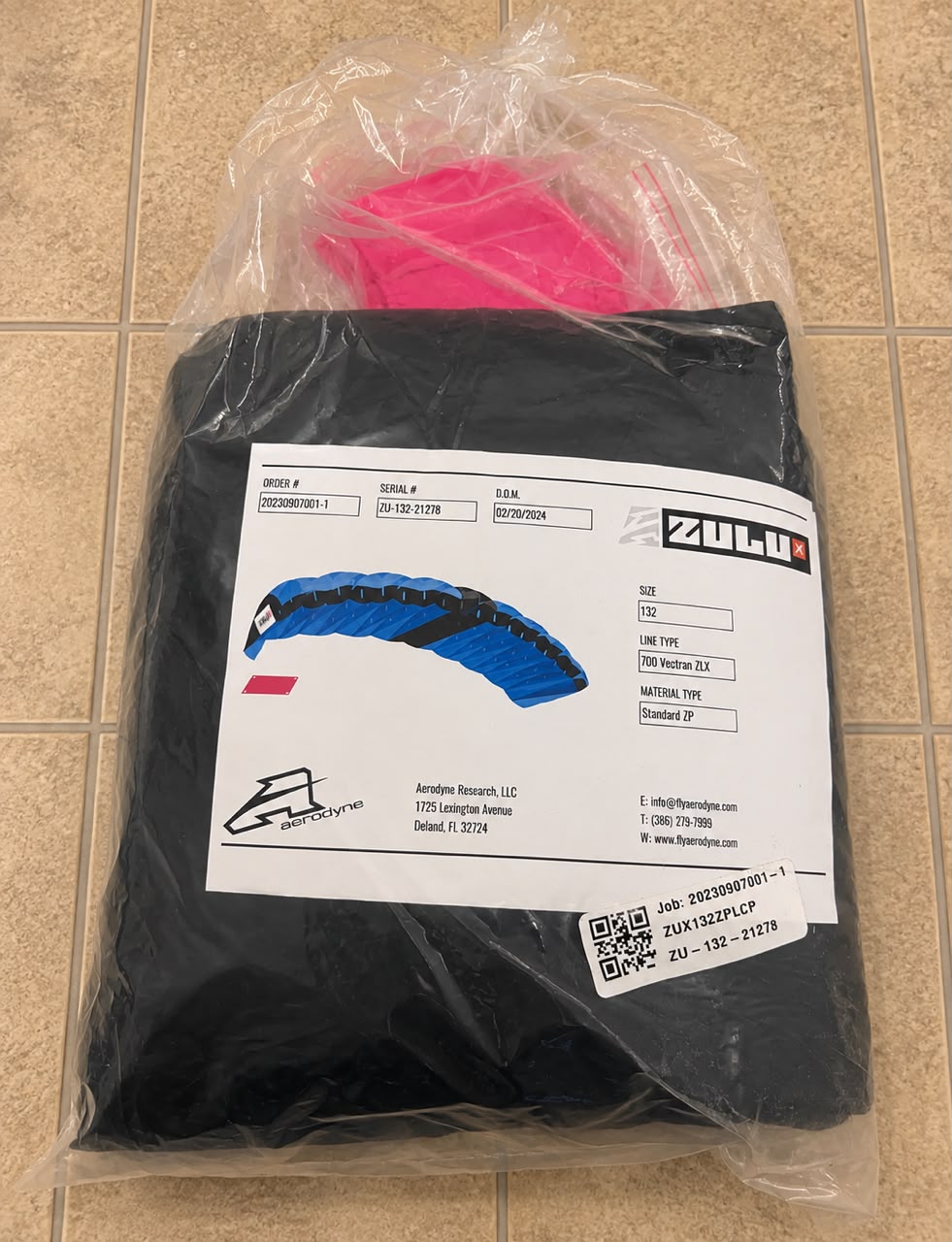

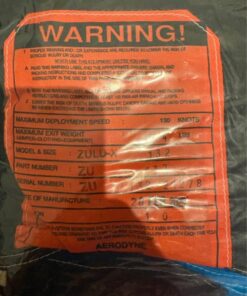
Used Aerodyne Pilot 132 Main Canopy


€2,000.00
The Used Aerodyne Pilot 132 Main Canopy is a 132-square-foot sport main parachute intended for experienced skydivers whose training, exit weight, canopy skills, and wing loading are appropriate for that size. Aerodyne positions the Pilot as a versatile design suitable across several disciplines, including relative work, vertical flying, and wingsuit deployments, while emphasizing its reputation for consistent and comfortable openings. The Pilot family is currently available in sizes ranging from 90 to 250 sq ft, with the 132 forming part of the smaller performance-oriented end of that range.
For a used Pilot 132, condition matters just as much as nominal size. Canopy fabric, seams, line attachment points, slider, stabilizers, steering lines, line trim, previous repairs, jump count, storage history, and current line-set condition should all be professionally assessed before the canopy is placed into service. Aerodyne publishes dedicated line-trim charts for the Pilot, including specific measurements for the 132 size, giving riggers a manufacturer reference for checking line geometry.
Used Aerodyne Pilot 132 Main Canopy – Technical Skydiving Canopy Overview
Pilot 132 Design, Canopy Flight, Line Condition, Compatibility, and Related Skydiving Terminology
Parachute Rig
A parachute rig normally combines the harness/container, main canopy, reserve canopy, deployment system, and associated safety equipment. The Pilot 132 is only the main canopy component and must be matched to a suitable container, reserve, and jumper.
Skydiving Rig
A skydiving rig containing a Pilot 132 should be evaluated as a complete system. Container size, deployment bag compatibility, risers, pilot chute, reserve configuration, and harness fit all matter.
Container Skydive
The phrase container skydive refers to the harness/container that houses the main and reserve systems. A Pilot 132 should only be installed in a container whose manufacturer-approved packing volume accommodates it correctly.
Parts of a Parachute
Important parts of a parachute include the canopy fabric, suspension lines, steering lines, slider, stabilizers, attachment tabs, risers, deployment bag, pilot chute, and bridle. Each element contributes to reliable deployment and canopy flight.
Linewear
linewear is especially important when evaluating a used canopy. Lines can shrink, stretch, fray, become fuzzy, or drift out of trim through repeated jumps. Aerodyne publishes a Pilot line-trim chart specifically covering the 132 size, allowing qualified riggers to compare actual measurements against manufacturer references.
Landing Flight Risers
landing flight risers connect the canopy lines to the harness system. Riser condition, steering components, hardware, and line attachment integrity should all be inspected with the canopy.
Canopy Flight
canopy flight is where the Pilot has developed much of its reputation. Aerodyne describes the design as versatile and suitable for canopy-piloting education because it combines predictable openings with useful performance and responsiveness.
Skydiving Downsizing Chart
A skydiving downsizing chart should never be used as the sole basis for moving to a 132 sq ft canopy. Wing loading, jump numbers, canopy course experience, landing consistency, local conditions, and instructor guidance all matter.
Smallest Canopy
The smallest canopy that physically fits a container is not automatically appropriate for the jumper. Physical compatibility and pilot suitability are separate questions.
Safire 3
A Safire 3 is a different sport main canopy and should not be assumed to share identical packing volume, flight characteristics, or sizing behavior with the Pilot 132.
Fluid Wings
fluid wings refers to another parachute manufacturer and canopy family. Comparisons should be made by specific model rather than brand name alone.
Tracking Jump
A tracking jump involves substantial horizontal movement during freefall. Deployment altitude, traffic awareness, separation, and gear security remain especially important before deploying any main canopy.
Wingsuit
A wingsuit changes body aerodynamics and deployment conditions. Aerodyne specifically mentions wingsuit deployments among the situations in which the Pilot is used.
Wingsuit Sport
The wingsuit sport introduces additional considerations around deployment position, horizontal separation, pilot-chute performance, and canopy selection.
Vector Wingsuit
The phrase vector wingsuit generally refers to another harness/container brand combined with wingsuit flying and is not a Pilot model designation.
Gliding Suit Wingsuit
A gliding suit wingsuit increases horizontal movement and can alter deployment airflow compared with conventional belly flying.
Skydiving Gliding Suit
The phrase skydiving gliding suit is another general term for wingsuit equipment.
Wing Suits for Sale
Searches for wing suits for sale concern separate freefall garments rather than the main canopy itself.
Price of Wingsuit
The price of wingsuit equipment has no direct relationship to the value or condition of a Pilot 132.
Tandem Wingsuit
A tandem wingsuit is not a standard application for a Pilot 132 and should not be interpreted as part of the canopy’s intended use.
Indoor Wingsuit
indoor wingsuit training takes place in specialized tunnel environments and does not involve a main parachute deployment.
Fly Suits
fly suits can refer to conventional jumpsuits or wingsuits. They are separate from the canopy system.
Base Jumping
base jumping uses very different equipment, deployment altitudes, and procedures from sport skydiving.
Base Canopy
A base canopy should not be treated as interchangeable with a Pilot 132. BASE-specific canopy architecture and deployment requirements differ substantially.
Baseline Jumping
The phrase baseline jumping is commonly a search variation or misuse of BASE-jumping terminology.
CRW Skydiving
crw skydiving means canopy relative work. Aerodyne provides separate technical information concerning CRW bridle routing for specific canopy applications, reinforcing that discipline-specific configuration should follow manufacturer guidance.
Skydiving Speed
skydiving speed varies according to body position and discipline. Deployment conditions should remain within the limits established for the complete parachute system.
Speed Sky Diving
speed sky diving involves substantially higher freefall speeds than conventional belly flight, so deployment procedures and equipment limits become especially important.
Weight Limit Skydiving
The phrase weight limit skydiving can refer to either drop-zone limits or equipment loading. For a Pilot 132, the more relevant concept is wing loading, which should be assessed with an instructor or canopy coach rather than inferred from canopy size alone.
Skydiving Equipment List
A typical skydiving equipment list includes the harness/container, main canopy, reserve canopy, AAD where applicable, altimeter, helmet, goggles, jumpsuit, and suitable footwear.
Gear Bag Skydive
A gear bag skydive setup protects the canopy and rig during transportation. Parachute fabric should be protected from moisture, chemicals, excessive UV exposure, and contamination.
Skydiving Helmet
A skydiving helmet is separate personal protective equipment and should not interfere with emergency handles, vision, or deployment procedures.
Skydive Helmets
Different skydive helmets include open-face and full-face designs selected according to fit and discipline.
Full Face Skydiving Helmet
A full face skydiving helmet provides facial and wind protection while preserving visibility.
Skydiving Helmet Full Face
The phrase skydiving helmet full face describes the same equipment category.
Sky Helmet Skydiving
sky helmet skydiving is general search terminology for protective headgear.
Sky Diving Helmet
The phrase sky diving helmet likewise refers to separate protective equipment.
G35 Helmet
A G35 helmet is a helmet-related product term and not part of the canopy itself.
Cookie G4 Helmet
The Cookie G4 helmet is another separate skydiving equipment item rather than a main-canopy component.
Best Skydiving Helmet
The best skydiving helmet depends on fit, discipline, visibility, comfort, and individual preference.
Skydiving Glasses
skydiving glasses or goggles should remain secure during freefall and preserve clear vision.
Skydiver Goggles
skydiver goggles are commonly paired with open-face helmets.
Can You Wear Glasses While Skydiving
For can you wear glasses while skydiving, prescription glasses can often be worn beneath suitable goggles or compatible full-face helmets.
Hook Blade Knife
A hook blade knife is emergency equipment rather than a canopy component.
Hook Knife Skydiving
A hook knife skydiving tool may be carried by trained jumpers for emergency line or webbing situations.
Skydive Hook Knife
The phrase skydive hook knife describes the same emergency-tool category.
Fire Parachute
The phrase fire parachute does not describe the Pilot canopy and is generally unrelated terminology.
Cypress Fire Skydiving
cypress fire skydiving appears to be search terminology involving the Cypres AAD. An automatic activation device is separate from the main canopy.
Parachute Jump Australia
parachute jump australia refers to destination skydiving rather than canopy specifications.
Skydive Byron Bay
skydive byron bay is another location-based skydiving term.
Cairns Skydiving
cairns skydiving likewise describes a destination rather than the Pilot’s design.
Skydive Belize
skydive belize concerns travel and drop-zone operations rather than canopy architecture.
Skydiving Blue Hole Belize
skydiving blue hole belize describes a destination experience, not a canopy specification.
iFly Colorado Springs
iFly Colorado Springs refers to indoor wind-tunnel training and does not require a sport main canopy.
New Skydive
A new skydive student should not independently select a 132 sq ft canopy without professional guidance.
#Skydiving Latest
The phrase #skydiving latest is social-media terminology rather than technical equipment guidance.
Skydiving Website
A reputable skydiving website can provide background information, but canopy-specific manuals and manufacturer technical documents should remain the primary references.
Skydiving Tube
A skydiving tube is a specialized freefall prop and has no structural relationship to the Pilot 132.
Nude Parachute Jump
A nude parachute jump is an activity-related search term and does not change canopy certification or compatibility requirements.
Skydiving Nude
Likewise, skydiving nude concerns clothing rather than canopy engineering.
Freefly Pud Handle
A freefly pud handle belongs to the deployment system rather than the canopy. Its security and compatibility should be inspected as part of the complete rig.
Jumper Pilot
The phrase jumper pilot can refer to either the skydiver or jump-aircraft pilot depending on context and does not define a canopy characteristic.
Used Pilot 132 Condition Assessment
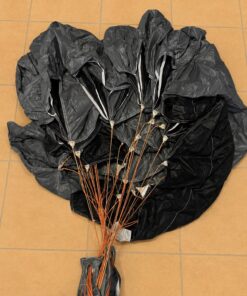
A used Pilot 132 should be professionally inspected for fabric porosity, seam integrity, line condition, line trim, slider condition, attachment points, steering lines, stabilizers, previous repairs, and contamination. Aerodyne currently lists line options for the Pilot including 725 lb Spectra, 700 lb Vectran ZLX, and 600 lb Dacron, while also offering ZPX and Ultra LPV construction options on current Pilot builds.
Overall Technical Perspective
The Used Aerodyne Pilot 132 Main Canopy is a 132 sq ft sport parachute within Aerodyne’s established Pilot family. Aerodyne characterizes the Pilot as a versatile canopy with comfortable, reliable openings and support for disciplines including relative work, vertical flight, and wingsuit use.
For a used example, actual suitability depends on much more than the label size. Jump history, fabric condition, line type, line trim, repair history, container compatibility, jumper exit weight, wing loading, and canopy experience should all be reviewed. A qualified rigger should inspect the canopy before service, while an appropriately experienced instructor or canopy coach should determine whether a 132 sq ft main is suitable for the individual jumper.
Flight Characteristics, Opening Behavior, Handling, Landing Performance, Used Condition, and Practical Suitability
A used sport main canopy should be evaluated through its complete flight and structural condition rather than through size alone. A 132-square-foot canopy can provide responsive performance, but the experience depends heavily on jumper exit weight, wing loading, line condition, fabric condition, canopy trim, weather, packing quality, and overall experience. Consequently, suitability should always be determined through professional inspection and instructor or canopy-coach guidance rather than assumptions based purely on nominal area.
Overall Flight Character
The canopy is designed to provide a balanced sport-flying experience with responsive controls and predictable handling.
Its relatively compact size means that control inputs can feel more immediate than they would on a substantially larger canopy.
However, responsiveness depends greatly on loading and pilot technique.
Opening Characteristics
A good main canopy should provide consistent and manageable openings when properly maintained and packed.
Opening behavior can be influenced by packing technique, slider condition, line trim, body position, deployment speed, and canopy wear.
A used canopy with poor line trim may behave very differently from one in correct specification.
Heading Performance
On-heading openings are desirable because they reduce unnecessary rotation immediately after deployment.
However, no canopy can guarantee perfectly straight openings on every jump.
Body position, packing symmetry, deployment conditions, and line condition all contribute to heading performance.
Slider Condition
The slider plays an important role during deployment.
Its fabric, grommets, stitching, and overall condition should be inspected carefully.
Damage or unusual wear can affect opening behavior and deserves professional evaluation.
Line Condition
Suspension lines are among the most important wear components.
They can shrink, stretch, become fuzzy, or move out of trim after repeated use.
Incorrect trim can alter opening characteristics, flare performance, turning response, and general flight behavior.
Fabric Condition
Canopy fabric should remain structurally sound and reasonably low in porosity for its age and construction.
Excessive wear, contamination, holes, weakened seams, or significant repairs can influence performance.
A professional inspection can help determine whether the fabric remains serviceable.
Steering Response
Control input should produce predictable changes in direction and descent.
A smaller canopy can react more quickly than a large student-style design.
Therefore, smooth and progressive control movements are generally more appropriate than abrupt inputs.
Toggle Pressure
Toggle pressure influences how physically demanding the canopy feels.
The exact sensation varies with loading, line configuration, airspeed, and canopy condition.
Changes in steering pressure can sometimes provide clues that trim or line condition should be evaluated.
Front-Riser Response
Riser inputs can alter canopy flight significantly.
Such techniques should only be used within the jumper’s training and experience level.
Advanced control methods should never be learned solely through written product information.
Rear-Riser Control
Rear-riser input can provide another method of influencing flight.
However, proficiency requires training and a strong understanding of altitude awareness and canopy behavior.
A used canopy’s risers and attachment hardware should also be inspected before service.
Turn Characteristics
The canopy’s turning characteristics are influenced by wing loading and control input.
At higher loading, turns generally become faster and more dynamic.
A jumper moving to a smaller canopy should therefore receive appropriate coaching before transition.
Glide Performance
Glide determines how efficiently the canopy travels horizontally relative to vertical descent.
Wind conditions can greatly influence apparent glide over the ground.
A strong headwind, tailwind, or crosswind can make the same canopy appear to behave very differently from one jump to another.
Pattern Planning
Landing-pattern planning remains essential regardless of canopy size.
The jumper should maintain clear traffic awareness and follow local landing procedures.
Approach planning should be based on current conditions rather than relying entirely on previous experience.
Final Approach
The final approach should be stable and predictable.
Late aggressive maneuvering substantially increases risk.
A conservative pattern gives the jumper more time to evaluate traffic, wind, and landing-area conditions.
Flare Performance
The flare converts forward speed and lift into reduced descent and landing control.
Good flare performance depends on canopy condition, correct line trim, adequate airspeed, and proper technique.
Changes in flare authority may indicate line wear or another maintenance issue.
Landing Characteristics
Landing behavior varies considerably with wing loading.
A lightly loaded canopy generally provides different approach speed and recovery characteristics from the same model loaded more heavily.
This is why square footage alone cannot determine how demanding the canopy will feel.
Wind Influence
Wind direction and strength strongly affect ground track.
A canopy may cover substantially more or less horizontal distance depending on headwind or tailwind conditions.
Wind awareness should therefore remain central to pattern planning.
Turbulence Considerations
Turbulence can produce sudden changes in canopy behavior.
Buildings, trees, terrain, and weather systems can disturb airflow.
Conservative decisions are appropriate when conditions become unstable.
Jumper Exit Weight
Exit weight includes the jumper and worn equipment.
It directly affects wing loading when combined with canopy area.
An instructor or canopy coach can help determine whether the resulting loading is appropriate for the jumper’s experience.
Wing Loading
Wing loading strongly influences speed, responsiveness, descent rate, and landing characteristics.
Two jumpers using the same canopy size may therefore have very different experiences.
A smaller canopy should never be selected solely because it physically fits a container.
Downsizing Considerations
Transitioning to a smaller canopy should be gradual and training-based.
Consistent landings, emergency skills, traffic awareness, and controlled approaches should be demonstrated before downsizing.
Professional guidance is essential.
Used Equipment Inspection
A previously owned canopy should be inspected for seam integrity, fabric condition, lines, slider, attachment points, stabilizers, steering components, and previous repairs.
Jump count is useful information, but condition is more important than count alone.
Previous Repairs
Repairs do not automatically make a canopy unsuitable.
Professional patches or line replacements can be normal maintenance.
However, undocumented repairs or extensive damage deserve closer scrutiny.
Packing History
Packing technique can influence wear over time.
Repeated exposure to abrasive surfaces, moisture, or poor storage conditions can accelerate deterioration.
The canopy should be kept clean and dry between jumps.
Storage Condition
Long-term storage should avoid moisture, chemicals, excessive heat, and direct sunlight.
Canopy materials can deteriorate even when not being jumped if storage conditions are poor.
A dry, temperature-stable environment is preferable.
Practical Suitability
The canopy may be appropriate for experienced jumpers whose weight, training, and skill level match its performance range.
However, suitability is personal rather than universal.
A qualified instructor or canopy coach should evaluate the jumper, while a rigger should evaluate the equipment.
Overall Performance Assessment
A used 132-square-foot sport canopy can provide responsive flight, useful glide, predictable openings, and effective flare when maintained correctly and operated by an appropriately experienced jumper.
Its actual performance depends on wing loading, line trim, fabric condition, weather, packing, and pilot technique. Therefore, professional inspection and personalized canopy guidance remain more important than specifications alone when determining whether the canopy is appropriate for continued service.
Used-Canopy Inspection, Line Condition, Fabric Health, Maintenance, Storage, Packing Considerations, and Long-Term Preservation
A previously owned main canopy should be assessed as specialized life-support equipment rather than ordinary sporting equipment. Its nominal size and external appearance provide only part of the information needed to determine condition. Jump history, fabric health, suspension lines, steering components, slider condition, previous repairs, contamination, storage environment, and compatibility with the remainder of the system all contribute to continued serviceability. Consequently, a qualified rigger should inspect a used canopy before it is placed into service, particularly when its maintenance history is incomplete.
Overall Condition Assessment
A comprehensive inspection should consider the complete canopy rather than focusing on one visible area.
Fabric panels, seams, suspension lines, attachment points, steering lines, slider components, stabilizers, and reinforcement areas should all be evaluated.
Minor cosmetic wear and structural deterioration should be distinguished carefully.
Fabric Condition
Canopy fabric experiences repeated mechanical loading during deployment and flight.
Over time, handling, packing, ultraviolet exposure, contamination, and ordinary use can influence its condition.
Fabric should be checked for tears, holes, unusual abrasion, damaged coatings, contamination, and previous repairs.
Fabric Porosity
Material porosity can change as a canopy accumulates use.
The significance of any change depends on fabric construction, age, storage history, and overall condition.
When performance or material condition becomes questionable, professional evaluation is preferable to assumptions based on jump numbers.
Suspension Lines
Suspension lines represent an important wear component.
They experience repeated loading and movement during deployment, flight, packing, and handling.
Their condition can influence opening behavior, canopy geometry, steering response, and landing characteristics.
Line Wear
Visible wear may include fuzziness, discoloration, damaged fibers, uneven surfaces, or deterioration around attachment areas.
However, visual appearance alone cannot establish correct trim.
Measurements and professional inspection may be necessary to determine actual condition.
Line Trim
A canopy’s suspension lines are designed around specific dimensional relationships.
Those relationships can change through use.
When lines move sufficiently away from their intended dimensions, the canopy may no longer retain the same flight characteristics it had when correctly trimmed.
Steering Lines
Steering components deserve separate inspection because they experience frequent movement.
Wear can develop around guide rings, attachment points, and other contact areas.
Unexpected changes in control feel should be investigated rather than ignored.
Line Attachment Points
The areas where suspension lines connect to the canopy should remain structurally sound.
Stitching, reinforcement material, and surrounding fabric should be inspected for deterioration.
Damage in these areas requires qualified evaluation.
Slider Condition
The slider is an important deployment component.
Its fabric, reinforcement areas, stitching, and hardware should remain serviceable.
Wear or deformation around hardware deserves particular attention because damaged surfaces can affect surrounding components.
Seam Integrity
Canopy panels depend on properly constructed seams.
Repeated loading can gradually expose areas of wear.
Broken structural stitching, unusual separation, or previous repairs should be evaluated professionally.
Stabilizer Condition
Stabilizers should remain free from significant tears, damaged stitching, and excessive abrasion.
Because they can experience repeated handling during packing, their condition should form part of routine inspection.
Previous Repairs
A used canopy may have received legitimate repairs during its service history.
Professionally completed repairs are not automatically a negative characteristic.
The location, extent, workmanship, and documentation of previous repairs provide more useful information than the simple fact that a repair exists.
Unknown Repairs
Undocumented work deserves additional attention.
Unusual stitching, unidentified patches, or unexplained component changes should be shown to a qualified rigger.
Previous successful jumps do not independently prove that an unknown repair remains acceptable.
Jump Numbers
Approximate jump count provides useful background information but should not determine condition by itself.
Two canopies with similar jump numbers can differ considerably because of packing surfaces, environmental exposure, storage, maintenance, and line replacement history.
Physical condition remains the more important consideration.
Maintenance History
Maintenance documentation can help establish when lines or other components were replaced and whether repairs were professionally completed.
Clear records make subsequent inspection easier.
An incomplete history increases the importance of a detailed physical assessment.
Packing Environment
The surface on which equipment is regularly packed can influence wear.
Clean packing environments generally reduce unnecessary exposure to abrasive debris.
Sand, dirt, moisture, and other contaminants can gradually affect materials.
Packing Considerations
Packing should follow appropriate training and manufacturer guidance.
Unnecessary pulling, dragging, or abrasive handling can contribute to premature wear.
The objective should be consistent handling while preserving fabric and components.
Moisture Exposure
A canopy that becomes damp should not simply be stored wet for extended periods.
Persistent moisture can create undesirable conditions for textile and metal components elsewhere in the complete system.
Appropriate drying and professional guidance should be used when significant exposure occurs.
Ultraviolet Exposure
Repeated exposure to direct sunlight can gradually affect synthetic materials.
Equipment should therefore not remain unnecessarily exposed to strong sunlight between jumps.
Storage away from direct ultraviolet exposure supports long-term preservation.
Chemical Contamination
Fuel, solvents, acids, cleaning chemicals, oils, and unidentified substances can potentially damage specialized materials.
Suspected chemical contamination should be taken seriously.
A professional assessment should be obtained rather than attempting aggressive cleaning.
Heat Exposure
Excessive heat should be avoided during storage and transportation.
Vehicle interiors can reach extreme temperatures when exposed to sunlight.
A dry and reasonably temperature-stable indoor environment generally provides better protection.
Long-Term Storage
A canopy that will remain unused for an extended period should be stored clean, dry, and protected from chemicals, sunlight, moisture, and extreme temperatures.
The surrounding storage area should also be free from sharp objects and contamination.
Transportation
A suitable equipment bag helps protect the canopy and complete system from abrasion and environmental exposure.
Heavy objects should not be allowed to crush equipment during transportation.
Careful handling reduces unnecessary material stress.
Inspection After Extended Storage
Equipment returning from prolonged storage should receive appropriate inspection before use.
Calendar time alone may not create damage, but storage conditions can influence material health.
Maintenance requirements may also have changed during the inactive period.
Compatibility Assessment
Continued serviceability does not automatically establish suitability for every jumper or container.
The canopy must also be compatible with the intended system and appropriate for the jumper’s experience, exit weight, and training.
These questions should be evaluated separately from physical condition.
Professional Rigger Evaluation
A qualified rigger provides the appropriate technical assessment when structural condition is uncertain.
Professional evaluation is particularly important for older equipment, incomplete maintenance histories, significant repairs, questionable line condition, or suspected contamination.
Long-Term Preservation
Good preservation is primarily preventive.
Protecting equipment from excessive sunlight, moisture, chemicals, abrasion, contamination, and extreme temperatures can reduce unnecessary deterioration.
Accurate maintenance records also make future condition assessments more reliable.
Overall Used-Canopy Assessment
The long-term value of a previously owned main canopy depends on its actual structural and material condition rather than appearance alone. Fabric health, suspension-line condition, trim, steering components, slider integrity, seams, previous repairs, storage history, and professional maintenance all contribute to the complete assessment.
A canopy with ordinary cosmetic wear may remain serviceable after professional inspection, while equipment that appears visually clean may still require maintenance because of line condition or undocumented history. For that reason, a qualified rigger should confirm airworthiness and compatibility before use, while an appropriately experienced instructor or canopy coach should determine whether the canopy size and resulting loading are suitable for the individual jumper.
Practical Ownership, Container Compatibility, Packing Volume, Transportation, Storage, Documentation, and Responsible Long-Term Use
Owning a previously used sport main canopy involves responsibilities that continue well beyond the initial equipment inspection. The canopy must remain compatible with the intended harness/container system, appropriate for the jumper, correctly maintained, and protected from environmental deterioration. Furthermore, its condition can change gradually through normal use even when no obvious damage occurs. A disciplined approach to inspection, documentation, transportation, storage, and professional maintenance therefore contributes substantially to preserving both serviceability and long-term value.
Overall Ownership Considerations
A used canopy should be treated as life-support equipment throughout its ownership.
Its history, current condition, maintenance requirements, compatibility, and intended application should remain understood rather than assumed.
Changes in any of these areas can justify another professional assessment.
Container Compatibility
A canopy must be compatible with the specific harness/container in which it will be installed.
Nominal surface area provides useful information, but it does not independently establish compatibility.
Construction materials and design can influence actual packed volume.
Packing Volume
Packing volume can vary between different canopy designs of identical labeled size.
Fabric type, age, construction, and material characteristics can influence how much space the packed canopy occupies.
For this reason, manufacturer compatibility information should remain the primary reference.
Deployment-Bag Compatibility
The deployment bag forms part of the complete deployment system.
It should be appropriate for the container and canopy configuration.
Components should not be selected simply because they appear physically capable of holding the canopy.
Riser Condition
Risers experience repeated loading during deployment and flight.
Webbing, stitching, hardware, steering components, and attachment areas should remain serviceable.
Questionable wear deserves professional inspection.
Slider Components
The slider should remain in appropriate condition throughout ownership.
Fabric deterioration, damaged stitching, or hardware problems can justify maintenance.
Any unusual wear should be evaluated before it develops further.
Steering Components
Steering lines and associated components experience frequent movement and handling.
Their condition should be monitored alongside the remainder of the suspension system.
Unexpected changes in control characteristics deserve investigation.
Canopy Fabric
Fabric condition should remain part of routine assessment.
Small cosmetic marks may have little practical importance, while tears, contamination, damaged seams, or deterioration around reinforcement areas can be more significant.
Structural Seams
Structural seams carry repeated loads throughout the canopy’s service life.
They should remain intact and free from unexplained separation or damaged stitching.
Repairs should be evaluated according to professional standards.
Attachment Areas
Suspension-line attachment areas deserve careful observation.
They connect major load-bearing elements and should remain free from structural deterioration.
Damage around these areas should receive qualified assessment.
Used-Equipment History
Previous ownership can influence present condition in ways that are not immediately visible.
Packing environment, storage practices, jump frequency, repairs, line replacement, and environmental exposure all contribute to the canopy’s history.
Documentation therefore adds meaningful value.
Jump History
An approximate jump count provides useful context but should not be treated as an expiration figure.
Material condition varies according to use and care.
Physical inspection remains more informative than jump numbers alone.
Line Replacement History
Knowing whether the suspension system has previously been replaced can help establish maintenance context.
The number of jumps on the current set can also be useful information.
However, actual condition and dimensional accuracy remain the deciding factors.
Repair Records
Documented repairs provide transparency.
Records can help establish what was damaged, how it was repaired, and whether qualified personnel completed the work.
Unknown structural repairs deserve additional investigation.
Identification Information
Manufacturer labels and identification information should remain preserved whenever possible.
These details can help professionals identify the exact model and applicable technical documentation.
They also support accurate maintenance records.
Storage Between Uses
Equipment should remain clean, dry, and protected from unnecessary environmental exposure.
Storage areas should be reasonably temperature stable and separated from damaging chemicals.
Direct sunlight should be minimized.
Moisture Protection
Persistent moisture can create undesirable storage conditions.
Equipment that becomes wet should receive appropriate care before being placed into extended storage.
It should not simply remain sealed inside a damp equipment bag.
Sunlight Exposure
Synthetic materials can deteriorate through prolonged ultraviolet exposure.
Equipment should therefore not remain unnecessarily exposed to strong sunlight between uses.
Shade and appropriate storage support material preservation.
Excessive Heat
Extreme heat should also be avoided.
Vehicles exposed to direct sunlight can reach very high internal temperatures.
Long-term storage in such environments is undesirable.
Chemical Exposure
Fuels, solvents, acids, batteries, cleaning chemicals, and unidentified substances should remain separated from parachuting equipment.
Suspected contamination deserves professional evaluation because aggressive cleaning may create additional damage.
Packing-Surface Cleanliness
A clean packing environment helps reduce exposure to abrasive particles.
Repeated contact with sand, grit, dirt, or contaminated surfaces can gradually increase material wear.
Keeping equipment clean therefore contributes to preservation.
Transportation
A suitable protective bag can reduce abrasion and accidental contamination during transportation.
The equipment should not be crushed beneath heavy luggage or exposed to sharp objects.
Careful transport can substantially reduce unnecessary wear.
Air Travel
When traveling by air, documentation and identification information should remain accessible.
Airline and airport requirements can vary between jurisdictions.
Travelers should therefore verify current requirements before departure.
Long Periods Without Use
Extended inactivity does not remove maintenance responsibilities.
Equipment returning from prolonged storage should be appropriately assessed before use, especially when storage conditions are uncertain.
Professional inspection provides additional confidence when history is incomplete.
Changes in Performance
Unexpected changes in opening behavior, steering response, flare characteristics, or general flight behavior should not automatically be attributed to technique.
Equipment condition, line geometry, and other mechanical factors may require evaluation.
Changes in Line Condition
Line deterioration can develop gradually.
Because changes may occur over many jumps, the jumper can sometimes adapt without immediately recognizing the difference.
Periodic professional inspection helps identify this progression.
Wing Loading Considerations
Suitability for an individual depends substantially on total exit weight relative to canopy area.
The same canopy can behave very differently under different loadings.
Therefore, another jumper’s experience should not be used as the sole basis for determining suitability.
Experience Considerations
A smaller canopy can demand greater precision and judgment than larger, more forgiving equipment.
Previous jump numbers alone do not necessarily establish readiness.
Consistent performance and professional coaching remain important when evaluating progression.
Changing Canopy Size
Moving to a different size should be treated as a training decision rather than simply an equipment purchase.
Experience, consistency, local conditions, and coaching should all contribute to that decision.
Physical container fit is only one consideration.
Professional Inspection
A qualified rigger should evaluate structural condition and serviceability.
Inspection becomes particularly important when maintenance history is incomplete, significant repairs exist, line condition is questionable, or the canopy has remained unused for an extended period.
Instructor and Coach Guidance
Equipment serviceability and jumper suitability are separate questions.
A rigger can evaluate the equipment, while an appropriately experienced instructor or canopy coach can help determine whether its size and performance characteristics are appropriate for the individual.
Documentation for Resale
Good records can also benefit future ownership.
Providing accurate information about approximate jump history, line replacement, professional repairs, storage, and maintenance gives another jumper a clearer understanding of the equipment.
Responsible Used-Equipment Representation
A used canopy should be described accurately.
Known repairs, uncertain jump numbers, replacement components, damage, and maintenance requirements should not be hidden.
Transparency is particularly important when selling life-support equipment.
Long-Term Value
Condition usually contributes more to practical value than cosmetic appearance alone.
A professionally maintained canopy with clear records may be more desirable than visually attractive equipment with an uncertain history.
Overall Practical Assessment
Responsible ownership combines correct compatibility, professional inspection, appropriate storage, environmental protection, maintenance documentation, and honest assessment of jumper suitability.
A used main canopy can remain valuable equipment when its structural condition and maintenance status are professionally confirmed. Nevertheless, serviceability should never be inferred solely from appearance, previous successful jumps, or the fact that the canopy physically fits a particular container. The complete configuration should be evaluated by a qualified rigger, while canopy size and loading should be reviewed with an appropriately experienced instructor or canopy coach before the equipment is placed into service.
Quality Assessment, Service Life, Used-Canopy Value, Documentation, Professional Inspection, and Long-Term Ownership
A previously owned sport main canopy should be evaluated through structural condition, maintenance history, line condition, compatibility, and professional inspection rather than appearance alone. Cosmetic wear can provide useful clues about previous use, but it cannot establish airworthiness. Fabric health, line trim, stitching, attachment points, slider condition, previous repairs, contamination, and storage history all contribute to the canopy’s remaining service life. Consequently, long-term ownership should focus on preservation, documentation, and timely professional assessment whenever the canopy’s condition becomes uncertain.
Overall Quality Assessment
Quality should be judged across the complete canopy system.
Fabric panels, seams, reinforcement areas, suspension lines, steering lines, slider components, and attachment points should all remain in serviceable condition.
No single feature can determine overall quality by itself.
Structural Condition
Structural integrity matters more than cosmetic appearance.
Small surface marks may reflect normal use, while damaged seams, torn reinforcement areas, compromised line attachments, or significant fabric deterioration deserve greater concern.
A qualified rigger should evaluate questionable structural areas.
Fabric Health
Canopy fabric experiences repeated loading during deployment, flight, packing, and handling.
Its condition can gradually change through use, ultraviolet exposure, moisture, contamination, and poor storage.
Visible damage should always be considered together with the canopy’s broader history.
Line Condition
Suspension lines are normal wear components.
They can shrink, stretch, fray, or drift out of trim over time.
Because line condition can affect opening behavior, steering response, and landing performance, professional inspection remains important.
Line Replacement History
Knowing when the current line set was installed can provide valuable context.
However, jump count alone does not establish whether replacement is needed.
Actual condition, material type, and dimensional accuracy matter more than an arbitrary number.
Steering-Line Condition
Steering lines deserve separate attention because they are handled frequently and move through guide points.
Wear in these areas can gradually influence control feel.
Unexpected changes should be evaluated rather than simply accepted as normal aging.
Slider Condition
The slider should remain structurally sound.
Fabric, stitching, grommets, and reinforcement areas should all be inspected.
Any rough or damaged hardware can contribute to wear elsewhere in the system.
Seam Integrity
Structural seams should remain intact and free from significant separation.
Minor loose thread ends do not always indicate a serious issue, but damaged load-bearing stitching should receive professional attention.
Repairs should meet appropriate technical standards.
Attachment Points
Line attachment areas should remain secure and undamaged.
These locations transfer significant loads during deployment and flight.
Visible deterioration around them should be treated seriously.
Previous Repairs
Professional repairs can form a normal part of a canopy’s service history.
Their presence does not automatically reduce serviceability.
The important considerations are workmanship, location, extent, documentation, and present condition.
Undocumented Repairs
Unknown repairs deserve greater scrutiny.
Unusual patches, nonstandard stitching, or unexplained component changes should be shown to a qualified rigger.
Previous successful jumps do not independently prove that an undocumented repair remains acceptable.
Jump Count
Approximate jump numbers provide useful background information.
However, two canopies with similar jump counts can differ substantially in condition because of packing environment, storage quality, line replacement, sunlight exposure, and maintenance practices.
Physical inspection therefore remains more important.
Age Considerations
Calendar age should be considered alongside condition.
An older canopy stored correctly and professionally maintained may remain in better condition than a younger canopy exposed to harsh environments.
Age alone should not determine serviceability.
Environmental History
Sunlight, heat, moisture, chemicals, sand, and dirt can influence long-term material condition.
A canopy repeatedly exposed to harsh environments may deteriorate faster than one used and stored carefully.
Environmental history is therefore valuable when available.
Ultraviolet Exposure
Ultraviolet radiation gradually affects synthetic textile materials.
Equipment should not be left unnecessarily in direct sunlight.
Visible fading can provide clues, but it does not fully establish material strength.
Moisture Exposure
Persistent moisture can create poor storage conditions.
A canopy that becomes wet should be appropriately dried before long-term storage.
Uncertain exposure history should be discussed during professional inspection.
Chemical Contamination
Chemical contamination deserves particular caution.
Fuels, solvents, acids, cleaning products, and unidentified substances can affect specialized materials.
Aggressive cleaning should not be attempted without professional guidance.
Packing Environment
The condition of packing surfaces can influence long-term wear.
Repeated exposure to grit, sand, and abrasive debris can gradually damage fabric and lines.
Clean packing practices contribute to preservation.
Storage Environment
Long-term storage should be dry, clean, temperature stable, and protected from direct sunlight.
The canopy should also remain away from chemicals and sharp objects.
Good storage can significantly reduce unnecessary deterioration.
Transportation
Transportation should protect the canopy from abrasion, crushing, moisture, and contamination.
A suitable equipment bag helps maintain condition.
Heavy objects should not be placed directly on top of parachuting equipment.
Documentation
Maintenance documentation adds significant value.
Records of professional inspections, repairs, line replacement, and service history give future owners and riggers clearer information about the canopy’s background.
Manufacturer Information
Original labels and identification markings should remain preserved where possible.
They help establish model identity and allow professionals to reference appropriate manufacturer documentation.
They also support accurate resale descriptions.
Professional Rigger Inspection
A qualified rigger should evaluate serviceability.
This is especially important when the canopy is older, has incomplete records, shows previous repairs, has questionable line condition, or has remained unused for an extended period.
Canopy Coach Guidance
Serviceability and jumper suitability are different questions.
A rigger evaluates the equipment, while an experienced instructor or canopy coach helps determine whether its size and performance characteristics are appropriate for the individual.
Both assessments matter.
Wing Loading Considerations
The same canopy can behave very differently at different exit weights.
Wing loading affects speed, responsiveness, descent rate, and landing characteristics.
Therefore, suitability cannot be determined from canopy size alone.
Skill Progression
Transitioning to a smaller or more responsive canopy should be based on demonstrated competence rather than ownership opportunity.
Consistent landings, traffic management, emergency handling, and coaching should all form part of the decision.
Resale Transparency
Used life-support equipment should be represented accurately.
Known repairs, estimated jump numbers, line replacement history, damage, maintenance status, and uncertainties should be disclosed honestly.
Transparency benefits both buyer and seller.
Used-Canopy Value
Practical value depends on more than age or cosmetic appearance.
A canopy with clear service records, healthy fabric, acceptable line condition, and professional inspection may offer better value than cleaner-looking equipment with an uncertain history.
Long-Term Service Life
Service life depends heavily on care.
Good storage, appropriate maintenance, professional inspection, careful packing, and environmental protection can help extend usable life.
Neglect can shorten it considerably.
Responsible Ownership
Responsible ownership requires periodic inspection, correct storage, honest documentation, and attention to changing flight characteristics.
A canopy should never remain in service simply because it has not yet experienced an obvious failure.
Recognizing End-of-Service Indicators
Significant fabric deterioration, repeated structural repairs, severe line wear, questionable attachment points, contamination, or major trim problems can indicate that continued service requires professional review.
Retirement decisions should be made with qualified technical input.
Overall Long-Term Assessment
A used sport main canopy should ultimately be judged through condition, compatibility, maintenance history, line health, structural integrity, and professional evaluation. Cosmetic appearance alone is not enough, and nominal size by itself does not establish suitability.
The strongest long-term ownership approach combines accurate records, proper environmental protection, careful transportation, appropriate maintenance, qualified rigger inspection, and instructor or canopy-coach guidance. When these elements are in place, the canopy can be evaluated on its actual condition and suitability rather than assumptions based only on age, appearance, or previous use.
Be the first to review “Used Aerodyne Pilot 132 Main Canopy”
Related products
used products

used products

used products

used products
used products
used products

used products

used products
Reviews
There are no reviews yet.