
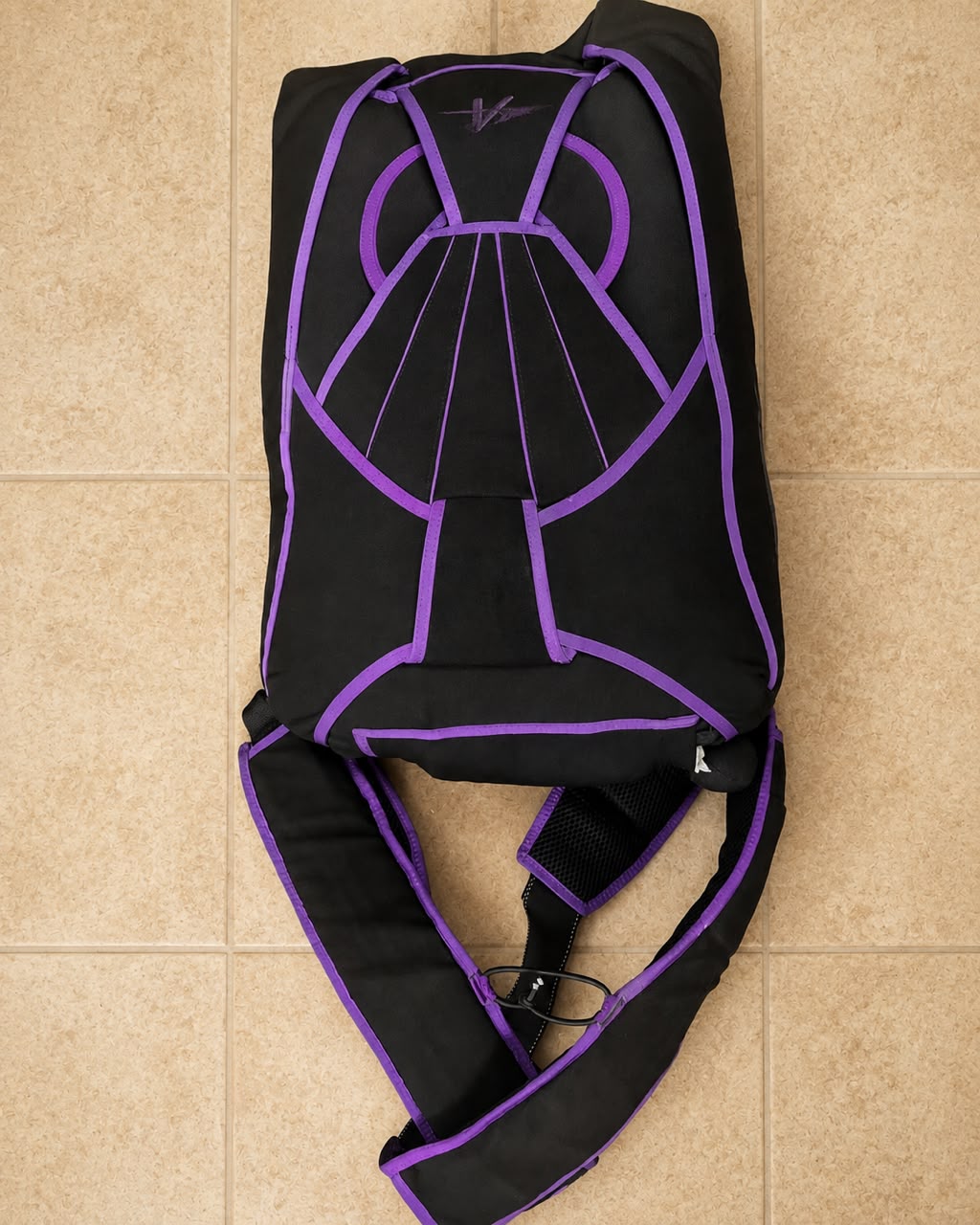



Parachutes Systems Vortex 2 V5 (170) + Reserve PDR160


€1,450.00
Parachutes Systems Vortex 2 V5 (170) Reserve PDR160 – Short Product Description
The Parachutes Systems Vortex 2 V5 (170) Reserve PDR160 is a professional reserve parachute system designed for reliable performance, controlled deployment, and long-term durability. Built with precision engineering and quality materials, it provides dependable backup support within a complete skydiving setup. The system is designed to deliver stable flight characteristics, efficient integration with modern parachute rigs, and confidence through proper inspection, maintenance, and professional servicing. Its advanced construction makes it a trusted choice for experienced skydivers seeking a reliable reserve solution.
Parachutes Systems Vortex 2 V5 (170) Reserve PDR160 – Advanced Reserve System Overview
Understanding the Parachutes Systems Vortex 2 V5 (170) Reserve PDR160
The Role of a Reserve Parachute System
A reserve parachute is designed as a backup system that can be used when the main parachute cannot safely continue a jump. Because it is intended for emergency situations, reserve equipment is built around strict performance expectations and regular inspection requirements.
The Vortex 2 V5 (170) Reserve PDR160 belongs to the category of equipment used within complete parachute assemblies. A complete setup includes several important elements, including the canopy, container, deployment system, harness components, and supporting accessories.
Understanding the different parts of a parachute helps explain why every component matters. The canopy provides lift, suspension lines transfer forces, the container protects the folded parachute, and deployment systems help ensure the reserve can be activated correctly when needed.
Engineering Approach and Construction Philosophy
Reserve parachutes require careful engineering because they must perform reliably after being stored for extended periods and only used when necessary. Materials, stitching quality, packing procedures, and inspection standards all contribute to long-term reliability.
The Vortex 2 V5 design philosophy focuses on creating a reserve system that provides controlled characteristics and confidence for experienced skydivers. The construction process involves attention to detail because even small inconsistencies can influence deployment behavior.
For this reason, professional rigging and scheduled inspections are essential parts of parachute ownership. Skydiving equipment is not only a collection of individual components; it is an integrated system where every element must function together.
Skydiving Equipment and System Integration
A reserve parachute does not operate independently. It forms part of a complete skydiving rig that includes multiple interconnected components.
A typical skydiving equipment list may include a main canopy, reserve canopy, container skydive system, automatic activation device, harness assembly, helmet, goggles, altimeter, and other safety equipment.
The reserve system must be correctly matched with the surrounding equipment. Compatibility between the reserve size, container design, and jumper requirements is essential because incorrect combinations may affect packing, deployment, and overall system performance.
Experienced jumpers often consider factors such as body weight, experience level, jump style, and intended use when selecting equipment configurations.
Understanding Canopy Performance and Flight Characteristics
After reserve deployment, canopy flight becomes the primary focus. The reserve must provide stable flight characteristics that allow the jumper to prepare for a safe landing.
Factors such as canopy size, loading, environmental conditions, and jumper input influence flight behavior. The relationship between the parachute and the jumper’s experience level is extremely important because different configurations require different levels of control and understanding.
Topics such as canopy flight, landing flight risers, tracking jump techniques, CRW skydiving, and advanced canopy practices demonstrate how diverse parachuting disciplines can be. However, reserve equipment remains focused on reliability and controlled recovery rather than specialized performance.
Skydiving Safety Equipment and Accessories
Modern skydiving involves a wide range of supporting equipment designed to improve awareness, protection, and emergency readiness.
A skydiving helmet, full face skydiving helmet, skydiving glasses, and skydiver goggles are commonly used to protect vision and reduce exposure during freefall. Helmet designs vary from open-face styles to advanced full-face systems.
Popular equipment examples include models such as the Cookie G4 helmet, G35 helmet, and other professional sky helmets used throughout the sport.
Additional tools such as a hook blade knife or hook knife skydiving tool may be carried by some jumpers for emergency situations involving lines or equipment entanglement. These tools require proper training because correct use is essential.
Skydiving Disciplines and Modern Progression
Skydiving includes many different disciplines, each requiring specific skills and equipment considerations. Traditional freefall, formation flying, canopy disciplines, wingsuit sport, and advanced flight styles all involve different techniques.
Wingsuit activities, including the use of gliding suit wingsuit systems, vector wingsuit designs, fluid wings, fly suits, and indoor wingsuit training, have expanded the possibilities of human flight experiences.
Although wingsuit flying and advanced disciplines attract significant interest, reserve parachute systems remain a fundamental safety component across many areas of the sport.
Choosing Equipment Based on Experience and Requirements
Selecting parachuting equipment requires careful consideration of experience, training, and intended use. Factors such as weight limit skydiving recommendations, canopy size, skill level, and local regulations influence equipment choices.
Different environments also create different experiences. Locations offering parachute jump Australia opportunities, skydive Byron Bay experiences, Cairns skydiving activities, skydive Belize adventures, and skydiving Blue Hole Belize experiences may involve different operational considerations because weather, altitude, and local procedures vary.
Regardless of location, safety procedures, proper training, and qualified equipment inspection remain essential.
Importance of Professional Maintenance and Inspection
A reserve parachute system must be maintained according to professional standards. Regular skydiving rigging inspections help ensure that equipment remains ready for use.
Line condition, fabric condition, container integrity, and packing procedures are all important parts of equipment care. Terms such as linewear and parachute rigging highlight the importance of monitoring equipment condition over time.
Because reserve systems may remain unused for long periods, professional inspection ensures that hidden issues are identified before they become serious concerns.
Final Overview
The Parachutes Systems Vortex 2 V5 (170) Reserve PDR160 represents the engineering principles behind modern reserve parachute development: reliability, controlled performance, careful construction, and integration with complete skydiving systems.
A reserve parachute is not simply another piece of equipment; it is a critical component designed to support safety during unexpected situations. Understanding its design, maintenance requirements, and role within the overall parachuting system allows experienced users to make informed decisions about their equipment and training.
Reserve Design Principles, Deployment Characteristics, and Performance Considerations
A reserve parachute system is built around one fundamental objective: providing dependable support when it is required most. Unlike equipment that is used continuously throughout a jump, a reserve system may remain packed for long periods before being activated. Therefore, its design must focus on reliability, predictable operation, durability, and proper maintenance throughout its service life.
Understanding Reserve Parachute Design
The design of a reserve parachute involves careful consideration of multiple engineering factors. The canopy shape, fabric selection, line configuration, reinforcement areas, and deployment system all contribute to how the parachute performs after activation.
A reserve canopy must provide controlled inflation and stable flight characteristics. During deployment, the system experiences significant forces, meaning that materials and construction techniques must be selected to handle these stresses effectively.
The design process considers not only how the parachute opens but also how it behaves afterward. A stable canopy provides the jumper with time and control to evaluate the situation, manage the descent, and prepare for landing.
Deployment Process and Reliability
Deployment reliability is one of the most important characteristics of any reserve system. When a reserve is needed, the process must occur in a predictable sequence.
The packed canopy, deployment bag, lines, and container system all work together during activation. Each component has a specific role in ensuring that the parachute leaves the container correctly and inflates as intended.
Because reserve deployment occurs under stressful circumstances, equipment condition and professional inspection are extremely important. A properly maintained system provides greater confidence because potential issues are identified before they become serious.
Fabric Technology and Structural Strength
Modern parachute systems rely on carefully selected materials designed to balance strength, weight, and durability. The fabric must maintain its characteristics while being folded, stored, packed, and deployed repeatedly.
Reinforced areas receive additional attention because they experience higher loads during deployment and flight. Stitching patterns, attachment points, and load distribution all contribute to structural integrity.
Over time, exposure to environmental factors such as sunlight, moisture, dirt, and repeated handling can influence material condition. Regular inspection helps identify changes that may affect performance.
The Importance of Proper Packing
Packing is a critical part of reserve parachute readiness. A correctly packed reserve follows established procedures designed to support reliable deployment.
Professional packing requires knowledge of the specific system, attention to detail, and careful inspection of all components. Small mistakes during packing can affect how the parachute deploys.
For this reason, reserve packing is normally performed by qualified professionals who understand the equipment requirements and inspection standards associated with parachute systems.
Flight Stability After Deployment
Once the reserve canopy is open, stability becomes a major consideration. The jumper must be able to manage the descent and respond appropriately to the surrounding environment.
Flight characteristics are influenced by several factors, including canopy size, wind conditions, jumper input, and loading. A predictable response allows the user to make controlled decisions during the remaining descent.
Reserve systems are designed with emergency recovery in mind rather than aggressive performance. The priority is controlled handling, stability, and creating a manageable situation after deployment.
The Relationship Between Equipment and User Experience
A parachute system is only one part of a complete skydiving setup. The jumper’s knowledge, training, and ability to respond correctly are equally important.
Proper training allows users to understand equipment behavior, recognize situations that require action, and make appropriate decisions during a jump.
Experience also influences equipment selection. Different jumpers may have different requirements based on skill level, body weight, discipline, and operational environment.
Environmental Factors and Reserve Performance
Weather and environmental conditions can influence parachute operations. Wind speed, wind direction, temperature, and landing area conditions all affect descent and landing considerations.
Experienced jumpers learn to evaluate these factors before each jump. Understanding environmental conditions helps reduce unnecessary risk and improves decision-making.
A reserve system provides an important safety function, but it works most effectively when combined with proper planning, awareness, and responsible judgment.
Maintenance and Inspection Standards
Regular inspection is essential because parachute equipment must remain reliable even when it is not used frequently. A reserve system can appear visually acceptable while still requiring professional evaluation.
Inspection involves checking fabric condition, stitching, lines, deployment components, and overall system integrity. Any signs of damage, contamination, or unusual wear should be addressed appropriately.
Professional maintenance ensures that the equipment continues to meet expected standards throughout its service life.
Building Confidence Through Preparation
Confidence in parachuting equipment comes from preparation rather than assumption. Knowing that equipment has been properly inspected, packed, and maintained allows the jumper to focus on safe procedures.
Preparation includes understanding equipment limitations, reviewing emergency procedures, and maintaining appropriate skills through training and practice.
A reliable reserve system contributes to confidence because it represents an additional layer of protection within the overall parachuting system.
Long-Term Equipment Value
The value of a reserve parachute system is measured by reliability, durability, and trust. While it may not be used during normal jumps, its importance becomes clear during unexpected situations.
The combination of engineering, professional maintenance, and responsible use allows reserve equipment to remain an essential part of modern parachuting.
The Parachutes Systems Vortex 2 V5 (170) Reserve PDR160 reflects the principles required in reserve equipment design: controlled operation, structural reliability, careful construction, and integration with a complete parachuting system. Its performance depends not only on the equipment itself but also on proper inspection, packing, training, and responsible operation.
Reserve System Integration, Equipment Compatibility, and Professional Use
A reserve parachute system functions as part of a complete parachuting setup rather than as an independent component. Its performance depends on how well it integrates with the other parts of the equipment system, including the container, harness assembly, deployment components, and the user’s training level. Understanding this relationship helps explain why proper selection, installation, inspection, and maintenance are essential aspects of parachute ownership.
Integration Within a Complete Parachute System
Modern parachuting equipment is designed as an interconnected system. Each component has a specific purpose, and the interaction between these components influences overall reliability.
The reserve canopy must be correctly matched with the surrounding equipment. The container must accommodate the reserve size and design, while the deployment system must function correctly with the selected configuration.
Compatibility is important because even high-quality individual components may not perform as expected if they are not properly integrated. Professional riggers evaluate equipment combinations carefully to ensure that all parts work together according to established standards.
The Role of the Container System
The container serves as the protective housing for both the main and reserve parachutes. It must securely hold the packed equipment while allowing appropriate deployment when required.
A well-designed container provides protection against environmental exposure and helps organize the various components of the parachute system. The relationship between the container and the reserve is especially important because the reserve must be accessible and deploy correctly during an emergency situation.
The container also contributes to overall comfort because it connects directly with the harness system worn by the jumper. Proper fitting helps distribute forces and improve stability during different phases of flight.
Harness and User Connection
The harness system creates the connection between the jumper and the parachute equipment. It must provide secure attachment while allowing necessary movement during normal operation.
Comfort and adjustment are important because equipment that fits correctly allows the user to maintain better control. Poor fitting equipment can create unnecessary discomfort and may affect movement during critical moments.
Professional adjustment ensures that the harness system is positioned correctly according to the individual user’s requirements. This process is an important part of preparing equipment for safe operation.
Importance of Professional Rigging
Parachute rigging requires specialized knowledge and experience. Professional riggers are trained to inspect, maintain, pack, and repair parachuting equipment according to established procedures.
A rigger understands how different materials, components, and systems interact. This knowledge is essential because parachute equipment operates under significant forces and requires careful attention to detail.
Routine inspections performed by qualified professionals help identify issues that may not be obvious during normal use. This preventive approach supports long-term reliability and equipment readiness.
Equipment Selection and Experience Level
Choosing parachuting equipment requires consideration of the user’s experience, training, and intended activities. Equipment that is suitable for one person may not be appropriate for another due to differences in skill, body size, or jumping style.
Experienced users typically evaluate multiple factors before selecting equipment. These may include personal comfort, operational requirements, training goals, and compatibility with existing systems.
Proper education allows users to make informed decisions rather than selecting equipment based only on appearance or general reputation.
Training and Emergency Preparation
A reserve system is designed to provide additional support during unexpected situations, but effective use depends on proper training.
Skydivers must understand emergency procedures, equipment operation, and decision-making processes. Training helps develop the ability to respond calmly and correctly when circumstances change.
Regular review of procedures helps maintain familiarity. Since reserve activation may occur rarely, continued training is important to ensure that reactions remain effective when required.
Maintenance During the Equipment Lifecycle
Parachute equipment experiences different conditions throughout its lifecycle. Transportation, storage, packing, and environmental exposure can all influence long-term condition.
Regular maintenance helps preserve reliability by identifying wear before it develops into a significant issue. Attention should be given to fabric condition, stitching, attachment points, and other critical areas.
Proper storage is also important. Equipment should be protected from excessive moisture, contamination, and unnecessary exposure to damaging conditions.
Understanding Wear and Service Conditions
Like all technical equipment, parachute systems experience gradual changes over time. Understanding normal wear patterns allows users and professionals to recognize when attention is required.
Factors such as frequency of use, storage environment, exposure conditions, and handling practices influence equipment condition.
Monitoring these factors allows maintenance decisions to be based on actual equipment condition rather than assumptions.
The Importance of Responsible Ownership
Owning parachuting equipment involves responsibility beyond simply using it. Proper inspection, maintenance, documentation, and training are all part of responsible ownership.
A well-maintained system provides greater confidence because the user knows that the equipment has received appropriate attention.
Responsible ownership also includes respecting operational limits and following professional recommendations. Equipment should always be used within the conditions and procedures for which it was designed.
Overall Equipment Perspective
The effectiveness of a reserve parachute system depends on the combination of engineering quality, professional maintenance, proper integration, and user preparation.
The Parachutes Systems Vortex 2 V5 (170) Reserve PDR160 represents one component within a larger parachuting system where every element contributes to reliability and performance.
By understanding how components interact, maintaining equipment correctly, and developing proper skills, users can better appreciate the technology and preparation involved in modern parachuting systems. The equipment provides an important foundation, but responsible operation and professional care remain essential parts of achieving a dependable parachuting experience.
Performance Characteristics, Reliability Factors, and Real-World Application
The performance of a reserve parachute system is determined by a combination of engineering, preparation, environmental awareness, and proper use. Unlike equipment that is constantly adjusted during normal operation, a reserve system must remain dependable while stored and ready for situations where reliability is essential. This requirement influences every aspect of its design, from material selection to inspection procedures and deployment behavior.
Understanding Reserve Performance
Reserve performance is focused on stability, predictability, and controlled operation. The objective is not simply to create a parachute that opens, but to provide a system that behaves in a manageable and consistent way after activation.
Several elements contribute to this performance. The canopy design influences flight characteristics, while the suspension system affects how forces are transferred during descent. The container and deployment components also play important roles because they help ensure the parachute can be released correctly.
A reliable reserve system must perform under conditions where the user may have limited time and increased pressure. Therefore, simplicity, consistency, and predictable behavior are highly valued characteristics.
Deployment Reliability and Timing
The deployment sequence is one of the most important aspects of reserve performance. A successful deployment requires multiple components to function together in the correct order.
The packed system must leave its storage area correctly, the canopy must unfold properly, and inflation must occur in a controlled manner. Each stage depends on correct packing, appropriate maintenance, and equipment condition.
Because reserve activation is often associated with unexpected circumstances, reliability cannot depend on luck or last-minute preparation. Instead, it is created through professional inspection, correct procedures, and regular attention throughout the equipment’s life.
Stability During Descent
Once deployed, the reserve must provide stable flight characteristics. Stability gives the user more time to evaluate the situation and prepare for landing.
A stable parachute allows predictable responses to control inputs and environmental changes. The user must still understand how the system behaves because wind, landing area conditions, and personal technique influence the descent.
Controlled flight characteristics are especially important during emergency situations because the user’s focus should be on managing the descent rather than dealing with unpredictable equipment behavior.
Influence of Environmental Conditions
Environmental conditions can affect parachute performance in several ways. Wind direction, wind strength, temperature, and landing area conditions all influence how the descent develops.
A strong understanding of environmental factors helps users make better decisions before and during a jump. Proper preparation includes evaluating conditions and recognizing when circumstances may not be suitable.
Even the most advanced equipment operates within physical limits. Awareness of these limits is an essential part of responsible parachuting.
Material Durability and Long-Term Reliability
Durability is a key consideration in reserve parachute design because the equipment must remain dependable over time. Materials are selected to provide strength while maintaining appropriate weight and flexibility.
Repeated packing cycles, storage conditions, and environmental exposure can gradually affect materials. Regular inspection helps identify changes that may influence performance.
Long-term reliability is achieved through a combination of quality construction and responsible maintenance. Equipment that receives proper care is more likely to maintain its intended characteristics throughout its service period.
The Importance of Inspection Procedures
Inspection is one of the most important practices in maintaining parachute reliability. Professional checks allow experienced technicians to examine areas that may not be obvious during normal use.
Inspection involves reviewing the condition of fabric, attachment points, lines, deployment components, and other critical areas. Any signs of damage or unusual wear can then be addressed appropriately.
This process provides confidence because equipment condition is evaluated through professional assessment rather than assumption.
Performance in Different Jumping Environments
Parachuting environments vary significantly around the world. Different locations can introduce unique conditions that influence the overall experience.
Factors such as altitude, climate, terrain, and local procedures may affect how equipment is used and managed. Experienced jumpers consider these factors when planning activities.
Regardless of location, the fundamental principles remain the same: proper preparation, suitable equipment, appropriate training, and responsible decision-making are essential.
Building Experience and Confidence
Confidence with parachuting equipment develops through education and experience. Understanding how the system works allows users to respond more effectively when situations change.
Training helps users become familiar with equipment operation, emergency procedures, and decision-making processes. Continued learning is valuable because skills require regular reinforcement.
A well-prepared user is better positioned to understand equipment behavior and respond appropriately when necessary.
Evaluating Equipment Quality
Evaluating a reserve system involves more than examining appearance or individual features. Quality is determined by how effectively the entire system performs together.
Important considerations include construction standards, reliability history, maintenance requirements, compatibility, and professional support.
A complete evaluation looks at both technical characteristics and practical usability. Equipment must not only be well designed but also properly maintained and correctly integrated into the overall system.
Long-Term Ownership Considerations
Long-term ownership requires commitment to proper care and responsible use. Parachuting equipment represents a significant investment in safety and performance, making maintenance an essential responsibility.
Owners should maintain accurate records, follow inspection schedules, and seek professional assistance when required. These practices support equipment reliability and help preserve its intended function.
Final Performance Perspective
The Parachutes Systems Vortex 2 V5 (170) Reserve PDR160 represents the principles required in modern reserve parachute engineering: dependable construction, controlled performance, careful integration, and professional maintenance.
Its effectiveness comes from the combination of design quality and responsible ownership. A reserve system is most valuable when every part of the process, from manufacturing to inspection to user preparation, works together.
Understanding these factors provides a clearer view of how advanced parachuting equipment supports reliability, confidence, and responsible participation in the sport.
Advanced Design Considerations, User Confidence, and Operational Reliability
A reserve parachute system represents a combination of engineering precision, careful manufacturing, and disciplined maintenance practices. Unlike many types of equipment that are evaluated mainly through frequent use, a reserve system is judged by its ability to remain dependable after periods of storage and perform correctly when required. This unique responsibility influences the design philosophy, inspection procedures, and operational approach surrounding reserve parachuting equipment.
Engineering Priorities Behind Reserve Systems
The development of a reserve parachute involves careful consideration of strength, stability, and reliability. Every element must contribute to a predictable outcome because the system may be required during a high-pressure situation.
Designers consider factors such as material durability, structural reinforcement, deployment sequence, and flight characteristics. These elements must work together rather than operate independently. A small weakness in one area can affect the performance of the entire system.
For this reason, reserve equipment is developed with a focus on consistency. The goal is not simply to create a lightweight or compact design, but to create a dependable system capable of performing under demanding conditions.
Structural Integrity and Load Management
During deployment, significant forces are transferred throughout the parachute system. The canopy, suspension components, and attachment areas must distribute these forces effectively.
Structural integrity depends on careful material selection and accurate manufacturing processes. Reinforced areas are designed to handle increased stress, while stitching patterns and connection points are carefully considered.
Over time, regular inspection helps ensure that these structural elements continue to function correctly. Identifying signs of wear early allows appropriate action to be taken before reliability is affected.
The Importance of Predictable Behavior
Predictability is one of the most important characteristics of emergency equipment. When a reserve system is activated, the user needs confidence that the equipment will respond in a controlled and understandable manner.
Predictable behavior allows the jumper to focus on decision-making rather than attempting to manage unexpected equipment responses. This is why stability and consistency are prioritized during development.
A system that performs similarly under repeated evaluations provides greater confidence than one with unpredictable characteristics.
Integration With Modern Parachuting Equipment
Modern parachuting relies on complete systems rather than individual components. The reserve must work correctly alongside the other parts of the equipment configuration.
Integration requires attention to compatibility, sizing, installation, and professional adjustment. The relationship between components influences comfort, operation, and overall reliability.
Professional knowledge is important because equipment combinations vary depending on individual requirements, experience, and intended use.
Operational Preparation and Readiness
A reserve system’s reliability depends heavily on preparation. Equipment that is correctly maintained and regularly inspected provides a stronger foundation for safe operation.
Preparation includes reviewing equipment condition, confirming that inspection requirements have been followed, and understanding the correct procedures associated with the system.
Readiness is not created at the moment equipment is needed. It is developed through consistent care and attention over the entire ownership period.
The Role of Experience in Equipment Use
Technical equipment and user ability are closely connected. Even advanced systems require proper knowledge and training to be used effectively.
Experience allows users to understand equipment characteristics, recognize normal operation, and respond appropriately when conditions change.
Training also develops awareness of limitations. Understanding what equipment can and cannot do is an important part of responsible participation.
Environmental Awareness and Decision-Making
The surrounding environment influences every parachuting activity. Weather conditions, landing areas, and operational circumstances must be considered before use.
Good decision-making involves evaluating conditions realistically and recognizing when adjustments may be necessary. Equipment performance is always connected to the environment in which it operates.
Experienced users understand that preparation and judgment are as important as technical equipment quality.
Maintenance as a Continuous Process
Maintenance should be viewed as an ongoing process rather than a single event. Regular attention helps preserve reliability and allows potential issues to be identified early.
Professional inspection procedures provide detailed evaluation of areas that may not be visible during everyday handling. These inspections support confidence because they are based on trained assessment.
Proper storage also contributes to long-term performance by reducing unnecessary exposure to damaging conditions.
Reliability Through Responsible Ownership
Owning specialized parachuting equipment involves responsibility. The owner must understand inspection requirements, storage practices, and the importance of professional servicing.
Responsible ownership ensures that equipment remains prepared and reduces the likelihood of problems caused by neglect.
This approach also protects the value of the equipment by maintaining its condition and preserving its intended performance characteristics.
Long-Term Performance Perspective
The effectiveness of a reserve parachute system is the result of many connected factors. Engineering quality provides the foundation, but maintenance, training, inspection, and responsible use determine how well that foundation is preserved.
The Parachutes Systems Vortex 2 V5 (170) Reserve PDR160 demonstrates the importance of thoughtful design and system integration within modern parachuting equipment. Its purpose is built around reliability, controlled operation, and confidence.
Understanding these principles allows users to appreciate the level of preparation involved in professional parachuting equipment. The technology behind a reserve system represents not only advanced manufacturing but also a commitment to safety, discipline, and responsible participation in the sport.
Maintenance Practices, Service Life, and Preserving Equipment Performance
The long-term performance of a reserve parachute system depends greatly on proper maintenance, professional inspection, and responsible handling. Unlike equipment that is used continuously and adjusted frequently, reserve systems are often stored for extended periods while remaining ready for emergency situations. Because of this unique role, maintaining reliability requires a structured approach that focuses on prevention, observation, and professional care.
The Importance of Preventive Maintenance
Preventive maintenance is one of the most effective ways to preserve equipment reliability. Instead of waiting for problems to appear, regular checks allow potential concerns to be identified before they affect performance.
A reserve system should be treated as a precision piece of safety equipment. Small changes in fabric condition, stitching, attachment points, or storage environment can become important over time.
Regular attention ensures that the equipment remains in suitable condition and that any necessary service can be completed before the system is required.
Inspection and Professional Evaluation
Professional inspection plays a central role in maintaining parachute equipment. Qualified technicians have the knowledge and experience required to examine areas that may not be obvious to the average user.
During inspection, different components are reviewed for signs of wear, contamination, damage, or changes in condition. The process is designed to confirm that the equipment continues to meet expected standards.
A visual check performed by the owner is valuable, but it does not replace professional evaluation. Specialized knowledge is required to assess the condition of technical parachuting systems correctly.
Protecting Materials During Storage
Storage conditions have a direct influence on equipment lifespan. Materials used in parachute construction must be protected from unnecessary exposure to conditions that may cause deterioration.
Humidity, heat, sunlight, chemicals, and contamination can affect materials over time. Therefore, equipment should be stored in an environment that reduces exposure to damaging influences.
Proper storage also involves preventing unnecessary compression, ensuring cleanliness, and following recommended procedures. These practices help preserve the physical condition of the system.
Understanding Wear and Aging
All technical equipment experiences gradual changes throughout its lifespan. Even when equipment is not frequently used, materials can naturally age due to time and environmental exposure Parachutes Systems Vortex 2 V5.
Understanding normal aging allows owners and professionals to make informed decisions about maintenance and replacement.
Signs of concern may include unusual material changes, damaged areas, contamination, or other conditions that affect structural integrity. Identifying these issues early helps maintain reliability.
Maintaining Equipment Documentation
Keeping accurate records is an important part of responsible ownership. Documentation provides information about inspection history, maintenance actions, and equipment condition over time.
These records allow owners and professionals to understand the history of the system and make better decisions regarding future service requirements.
Organized documentation also supports accountability because it provides a clear overview of how the equipment has been managed throughout its service life.
The Role of Proper Handling
Handling practices influence equipment condition. Careless transportation, improper storage, or unnecessary exposure to harsh conditions can reduce th Parachutes Systems Vortex 2 V5e lifespan of components.
Equipment should be handled carefully during preparation, transportation, and storage. Attention to small details helps prevent avoidable damage Parachutes Systems Vortex 2 V5.
Responsible handling is especially important because reserve equipment must remain dependable even when it is not frequently used.
Environmental Considerations
Environmental conditions can affect both storage and operation. Locations with high humidity, extreme temperatures, or exposure to contaminants may require additional attention Parachutes Systems Vortex 2 V5.
Owners should understand the environment where equipment is stored and used. Appropriate precautions help protect materials and preserve performance.
Environmental awareness is an important part of equipment management because external factors can influence reliability over time.
Maintaining User Knowledge and Skills
Equipment reliability is only one part of safe parachuting practices. User knowledge and preparation are equally important.
Continued education helps users remain familiar with equipment procedures and understand how different situations should be managed.
Regular training reinforces important skills and ensures that users remain prepared to interact correctly with their equipment when necessary.
Knowing When Professional Support Is Required
Some maintenance tasks require specialized knowledge and should only be performed by qualified professionals. Attempting complex repairs without proper training can create additional risks Parachutes Systems Vortex 2 V5.
Professional support ensures that technical procedures are completed correctly and that equipment remains within acceptable standards.
Knowing when to seek expert assistance is an important part of responsible ownership.
Preserving Long-Term Reliability
The lifespan of a reserve parachute system depends on many connected factors. Manufacturing quality provides the foundation, but maintenance habits, storage conditions, inspection practices, and responsible handling determine how well that foundation is preserved Parachutes Systems Vortex 2 V5.
A well-managed system provides greater confidence because its condition is understood and monitored Parachutes Systems Vortex 2 V5.
The Parachutes Systems Vortex 2 V5 (170) Reserve PDR160 represents equipment designed around reliability and controlled performance. Preserving these characteristics requires commitment from the owner through proper care, professional inspection, and responsible management Parachutes Systems Vortex 2 V5.
Final Thoughts on Equipment Care
Maintaining a reserve parachute system is a continuous responsibility rather than a single task. Reliability is created through consistent attention, careful storage, professional evaluation, and respect for technical requirements Parachutes Systems Vortex 2 V5.
When these practices are followed, the equipment remains better prepared to perform its intended role. Proper care not only protects the investment in the system but also supports the confidence and preparedness required in modern parachuting Parachutes Systems Vortex 2 V5.
Be the first to review “Parachutes Systems Vortex 2 V5 (170) + Reserve PDR160”
Related products
used products

used products

used products

used products

used products
used products

used products

used products
Reviews
There are no reviews yet.