
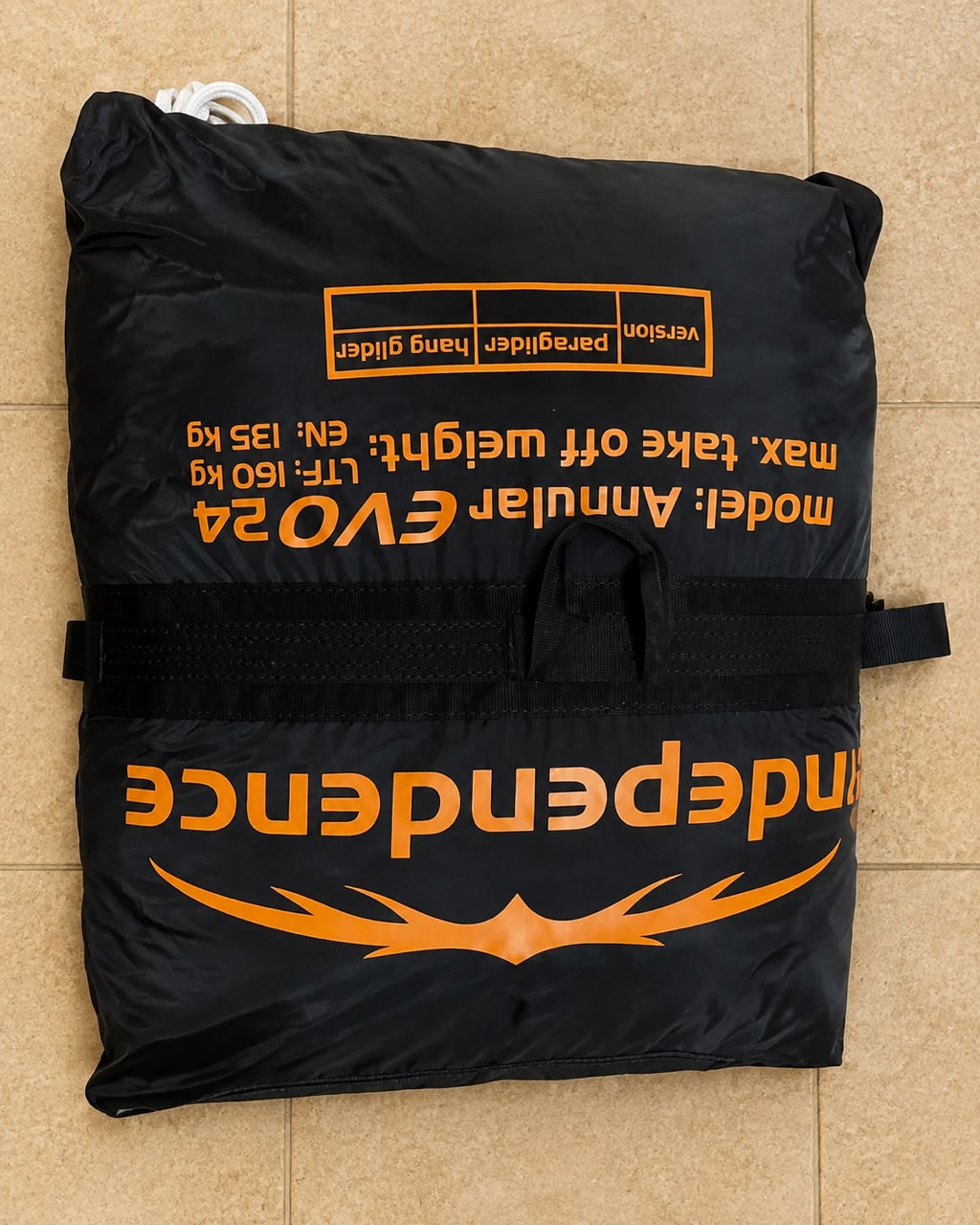

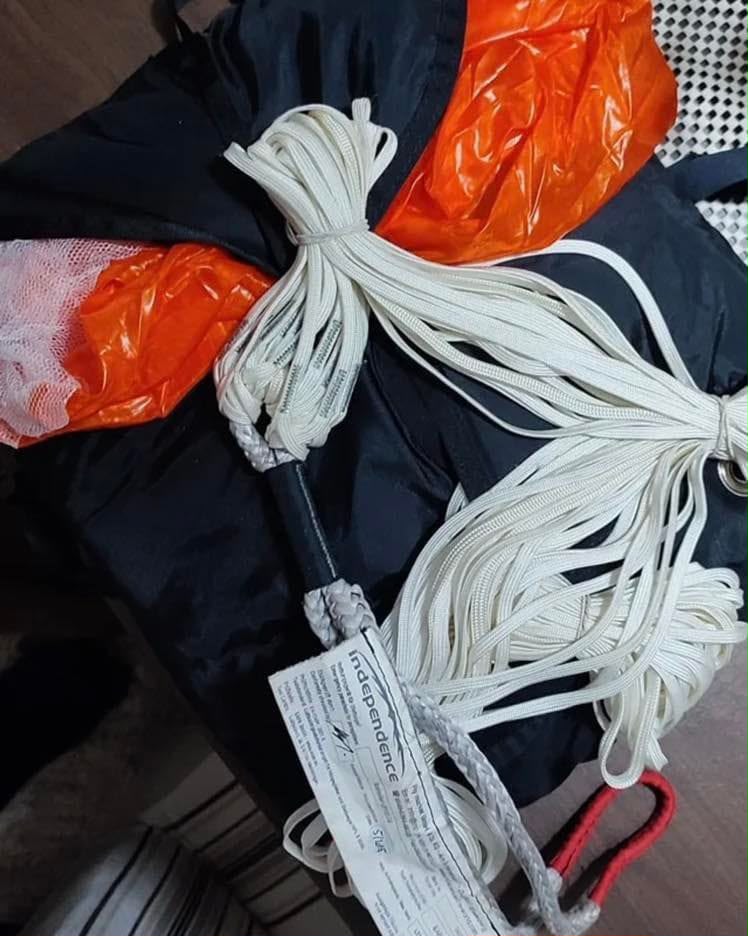
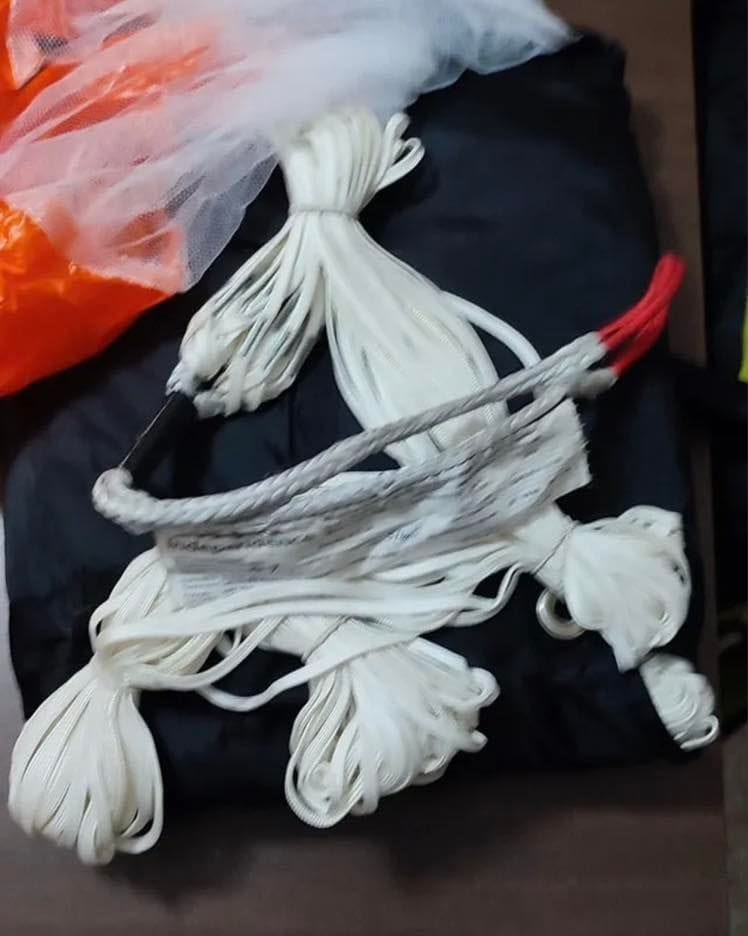
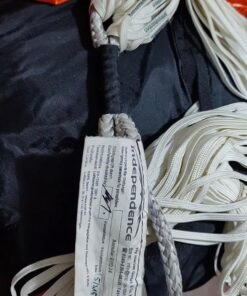


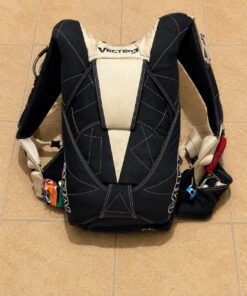
Rescue parachute Independence EVO 24(160kg)

€400.00
The Independence EVO 24 (160kg) Rescue Parachute is an advanced emergency reserve system developed for paragliding and related aerial activities where reliability, controlled descent, and dependable deployment characteristics are essential. Designed for pilots requiring a higher load capacity, this rescue parachute focuses on stability, reduced oscillation, efficient opening behavior, and lightweight construction.
A rescue parachute serves as a critical backup system designed to provide an alternative descent method during unexpected situations in flight. Unlike the main flying equipment that is used continuously, a rescue system may remain packed for long periods, which means its design must prioritize long-term reliability and consistent readiness.
The EVO series developed by Independence uses modern reserve parachute concepts that focus on fast opening characteristics, low sink rates, and stable flight behavior. The EVO Cross 160 model, for example, is listed with a maximum take-off weight of 160 kg, a canopy surface of approximately 41.12 m², and a low sink rate design according to certification requirements.
Independence EVO 24 (160kg) Rescue Parachute – Technical Product Guide
Understanding the Independence EVO 24 (160kg) Rescue Parachute System
Introduction to Rescue Parachute Technology
A rescue parachute is one of the most important components within a complete flying system. It is designed to provide additional support when normal flight conditions cannot continue safely. Because it is intended for emergency use, every aspect of its construction must focus on reliability, predictable deployment, and controlled descent.
The Independence EVO 24 (160kg) represents a category of reserve systems created for experienced pilots who understand the importance of proper equipment selection, professional inspection, and regular maintenance.
A rescue parachute is not simply a fabric canopy. It is a complete engineered system consisting of the canopy structure, suspension lines, deployment container, connection components, and integration points with the harness or flying system.
Design Philosophy and Engineering Approach.
The development of modern rescue parachutes involves balancing several important factors. The system must be lightweight enough for practical carrying, yet strong enough to handle the forces generated during deployment and descent.
The EVO design philosophy focuses on combining stability, efficient opening behavior, and controlled descent characteristics. Independence highlights features such as low oscillation tendency, lightweight materials, and optimized canopy structures within its EVO rescue systems Rescue parachute Independence EVO 24 160kg.
A well-designed rescue parachute must perform reliably even after remaining packed for extended periods. Therefore, material selection, manufacturing precision, and inspection procedures are essential parts of the overall design.
Understanding the 160kg Load Capacity
The 160kg designation refers to the maximum supported take-off weight category of the system. This measurement is important because rescue parachutes must be correctly matched to the total load they may need to support.
Weight considerations include more than the pilot alone. The complete flying configuration, including equipment and additional carried items, must be considered when selecting an appropriate rescue system.
Choosing the correct size is essential because an unsuitable load rating can influence descent characteristics and overall performance.
Canopy Construction and Stability
The canopy is the primary aerodynamic component of a rescue parachute. Its shape, surface area, and internal structure influence how it opens and flies after deployment.
Modern rescue systems often use advanced canopy designs to reduce unwanted movement after inflation. Stability is particularly important because excessive oscillation can make control more difficult during an emergency descent.
The EVO series incorporates design concepts intended to improve stability and reduce pendulum effects compared with traditional reserve designs.
Deployment Characteristics
Fast and reliable deployment is one of the most important requirements for any rescue parachute. The system must transition from a packed configuration into a fully functioning canopy within a controlled sequence.
The deployment process depends on several elements working together, including the container system, packing method, suspension lines, and canopy design.
Professional packing plays a major role in deployment reliability. A correctly packed system allows the parachute to open according to its intended design characteristics.
Role Within a Complete Flying System
The Independence EVO 24 (160kg) does not operate alone. It is installed as part of a complete flying configuration that includes a harness, connection system, and other safety equipment.
A typical equipment setup may include a parachute rig, helmet, flight instruments, protective equipment, and additional accessories depending on the discipline.
Modern aerial sports involve different activities, including paragliding, wingsuit sport, and other forms of human flight. Equipment requirements vary depending on the activity, experience level, and operating environment.
Safety Equipment and Related Components
Pilots often consider a complete safety approach rather than focusing only on the reserve parachute itself. Additional equipment may include a skydiving helmet, full face skydiving helmet, skydiving glasses, protective clothing, and emergency tools.
Accessories such as a hook blade knife or hook knife system may be carried by some pilots for specific emergency situations involving lines or equipment. These tools require proper knowledge and training because incorrect use can create additional hazards.
Helmet systems, including designs such as the Cookie G4 helmet or G35 helmet, are examples of protective equipment used within different aerial sports environments.
Applications Across Different Flying Activities
Although rescue parachutes are commonly associated with paragliding, the wider world of aerial sports includes many disciplines. These include tracking jump activities, wingsuit flying, freefall sports, and advanced canopy disciplines.
Terms such as wingsuit, vector wingsuit, gliding suit wingsuit, fluid wings, fly suits, and tandem wingsuit represent different approaches to human flight and aerial movement.
Each discipline requires specific training, equipment knowledge, and safety procedures. A reserve parachute remains an important safety component where applicable.
Environmental Considerations
The performance of any rescue parachute can be influenced by environmental factors. Wind conditions, altitude, terrain, and weather all affect the descent environment.
Flying locations around the world, including parachute jump Australia areas, skydive Byron Bay locations, Cairns skydiving regions, skydive Belize environments, and skydiving Blue Hole Belize experiences, may present different operational considerations.
Regardless of location, proper training, preparation, and understanding of local conditions remain essential.
Maintenance and Inspection Requirements
A rescue parachute requires regular professional attention to remain reliable. Inspection schedules, repacking procedures, and documentation are important parts of responsible ownership.
Independence manuals specify regular repacking and inspection intervals for EVO rescue systems, including recording maintenance procedures in appropriate documentation.
Maintenance involves checking fabric condition, lines, connection points, deployment components, and overall system integrity.
Final Overview
The Independence EVO 24 (160kg) Rescue Parachute represents modern reserve parachute engineering focused on stability, reliability, lightweight construction, and controlled descent characteristics.
Its effectiveness depends not only on its design but also on correct sizing, professional maintenance, proper installation, and user knowledge. A rescue parachute is a carefully engineered safety system where preparation and responsible equipment management are essential parts of performance.
Canopy Design, Flight Characteristics, and Technical Performance Factors
The performance of the Independence EVO 24 (160kg) Rescue Parachute is influenced by a combination of aerodynamic design, material selection, structural construction, and correct integration with the complete flying system. A rescue parachute must provide predictable behavior after deployment because it is designed for situations where stability and controlled descent are the highest priorities.
Unlike a primary wing that is actively controlled throughout normal flight, a rescue system has a different purpose. Its role is to provide a reliable alternative descent method when the pilot can no longer continue normal operation. Therefore, the design philosophy focuses on simplicity, stability, and dependable performance.
Canopy Structure and Aerodynamic Principles
The canopy is the central component of the rescue system. Its shape determines how air flows around the parachute after deployment and directly influences descent characteristics.
Modern rescue parachutes are designed with carefully calculated surface areas and structural layouts to achieve a balance between opening behavior, stability, and descent performance. The canopy must inflate efficiently while maintaining a controlled flight profile.
The materials used in the canopy construction are selected to provide strength while keeping the overall system practical to carry. Lightweight construction reduces the burden on the pilot while still allowing the parachute to perform its intended function.
Stability During Emergency Descent
One of the most important characteristics of a rescue parachute is stability after opening. A stable canopy reduces unnecessary movement and helps create a more predictable descent path.
Excessive oscillation can make a rescue situation more difficult to manage because the pilot may experience additional movement during descent. Therefore, modern designs often focus on reducing unwanted swinging and improving overall balance.
The relationship between canopy shape, suspension lines, and load distribution contributes to stability. Each element works together to influence how the system behaves after deployment.
Descent Control and Load Management
A rescue parachute must support the total weight it is designed for while maintaining controlled descent characteristics. The load rating is an important factor because the parachute must be appropriately matched to the pilot and complete equipment configuration.
The total load includes more than body weight alone. Clothing, instruments, harness systems, and additional equipment contribute to the overall weight being supported.
Selecting the correct size helps ensure that the parachute operates within its intended performance range. A system that is correctly matched to the load can provide more predictable behavior during descent.
Opening Sequence and Deployment Efficiency
The transition from a packed parachute to an inflated canopy involves several stages. The container releases the folded system, the lines extend, and the canopy begins to fill with air.
Each stage must occur smoothly. A well-designed deployment system reduces unnecessary delays while maintaining controlled inflation.
Packing quality plays a major role in this process. Even advanced equipment depends on correct preparation because the packing method influences how the parachute leaves the container and develops into its flying shape.
Materials and Durability
Durability is essential because rescue parachutes may spend long periods stored inside a container before being required. The materials must maintain their strength and characteristics despite time, packing cycles, and environmental exposure.
Fabric condition, stitching quality, line strength, and attachment points all contribute to long-term reliability.
Exposure to moisture, sunlight, chemicals, and improper storage conditions can gradually affect materials. Regular inspection helps identify changes and ensures that the equipment remains suitable for use.
Relationship Between Design and User Confidence
Confidence in emergency equipment comes from understanding how it is designed and maintained. A pilot who understands the system is better prepared to manage unexpected situations.
Knowledge of deployment procedures, equipment limitations, and inspection requirements contributes to responsible use.
Training is an important part of this process because technical equipment cannot replace proper preparation. The pilot’s ability to respond correctly is a major factor in overall safety.
Performance in Different Flying Conditions
Environmental conditions influence all forms of aerial activity. Wind, altitude, temperature, and terrain can affect the behavior of a deployed rescue parachute.
A pilot must consider these factors when evaluating flight conditions. Even a well-engineered system operates within physical limits determined by the surrounding environment.
Understanding these influences helps pilots make better decisions and maintain realistic expectations about equipment performance.
Integration With Harness Systems
The rescue parachute is designed to operate as part of a larger flying system. The connection between the parachute and harness must be correctly configured to allow proper deployment and load transfer.
Compatibility between components is essential because different harness designs and installation methods can influence how the system functions.
Professional installation and inspection help ensure that the rescue system is correctly integrated and ready when needed.
Maintenance Impact on Performance
Performance is not determined only during manufacturing. Maintenance practices have a direct influence on how well a rescue parachute performs throughout its service life.
Regular inspections allow professionals to evaluate the condition of important components. Repacking procedures also ensure that the system remains prepared for future use.
A neglected rescue system may not perform according to its original design characteristics. Therefore, maintenance is a fundamental part of preserving reliability.
Overall Technical Assessment
The Independence EVO 24 (160kg) Rescue Parachute demonstrates the engineering principles required for modern emergency parachute systems. Its design focuses on controlled deployment, stable descent, appropriate load support, and long-term dependability.
The effectiveness of the system depends on the combination of design quality, correct sizing, professional maintenance, and user preparation. A rescue parachute is not simply a piece of equipment stored for emergencies; it is a carefully engineered safety system that requires attention throughout its entire operational life.
Installation, Compatibility, Maintenance, and Responsible Equipment Management
The Independence EVO 24 (160kg) Rescue Parachute is designed to function as part of a complete aerial safety system where every component must work together correctly. A rescue parachute does not operate independently; its performance depends on proper installation, suitable integration, professional inspection, and responsible handling throughout its service life.
Understanding these factors is important because emergency equipment must remain dependable even when it is not used regularly. Proper preparation ensures that the system remains ready and capable of performing its intended role when required.
Correct Installation and System Integration
Installation is one of the most important stages in preparing a rescue parachute system. The connection between the reserve parachute and the flying equipment must be correctly configured to ensure proper operation.
A rescue system must be compatible with the harness or container where it is installed. The connection points, attachment methods, and available space must all be considered before the equipment is used.
Professional installation helps reduce the possibility of errors. Experienced technicians understand how different systems interact and can verify that the equipment has been configured correctly.
Understanding Compatibility Requirements
Not every rescue parachute is suitable for every flying setup. Compatibility depends on several factors, including available storage space, maximum supported load, connection configuration, and intended activity.
The correct matching of equipment helps maintain predictable behavior during deployment. An unsuitable combination may affect packing, opening sequence, or overall system performance.
For this reason, pilots should carefully follow manufacturer recommendations and seek professional advice when necessary. Equipment selection should always consider the complete system rather than focusing on a single component.
The Importance of Professional Packing
Packing is a critical part of maintaining readiness. A rescue parachute must be folded and stored correctly so that it can deploy as intended when required.
Professional packing requires attention to detail because the arrangement of the canopy, lines, and deployment components influences the opening process.
Incorrect packing methods can affect performance and may introduce unnecessary risks. Qualified personnel have the knowledge required to follow appropriate procedures and identify potential concerns during preparation.
Regular Inspection Procedures
Inspection is essential because parachute equipment can experience changes even when it is not frequently used. Materials may age, storage conditions may vary, and components may require attention over time.
Professional inspections typically involve checking the condition of fabric, stitching, lines, attachment points, and deployment-related components.
These inspections help identify problems before they affect reliability. A system that receives regular evaluation provides greater confidence because its condition is understood and documented.
Protecting the Equipment During Storage
Storage conditions have a major influence on equipment lifespan. Rescue parachutes should be protected from excessive moisture, heat, chemicals, and unnecessary exposure to damaging environments.
A suitable storage area helps preserve the characteristics of the materials and reduces the likelihood of deterioration.
Transportation should also be handled carefully. Equipment should be protected from sharp objects, contamination, and conditions that could compromise the integrity of the system.
Monitoring Wear and Material Condition
All technical equipment experiences gradual changes over time. Recognizing normal wear allows owners and professionals to determine when maintenance or replacement may be required.
Areas that experience stress should receive particular attention. Lines, connection points, and fabric sections should be monitored because their condition directly affects system reliability.
Regular assessment allows decisions to be based on actual equipment condition rather than assumptions.
User Knowledge and Training
A rescue parachute provides an important safety function, but effective use requires knowledge and preparation. Training allows pilots to understand how the system works and how to respond correctly during unexpected situations.
Understanding deployment procedures, equipment limitations, and emergency decision-making improves overall readiness.
Experience also helps users recognize the importance of regular checks and responsible equipment management.
The Role of Documentation
Keeping accurate records is an important part of professional equipment management. Documentation provides information about inspections, maintenance procedures, and service history.
These records help owners and technicians understand the condition of the system over time.
Proper documentation also supports responsible ownership by ensuring that important maintenance requirements are not overlooked.
Long-Term Reliability Management
Maintaining reliability requires consistent attention throughout the entire lifespan of the equipment. A high-quality rescue system still requires proper care to preserve its intended performance.
Long-term management includes regular inspections, correct storage, professional servicing, and careful handling.
These practices help ensure that the system remains prepared for future use and continues to meet expected performance standards.
Responsible Use in Different Flying Activities
Aerial sports involve different environments and levels of complexity. Whether equipment is used in recreational flying, advanced training, or specialized disciplines, responsible preparation remains essential.
Different activities may introduce different requirements. Weather conditions, flight locations, pilot experience, and equipment configuration all influence how the system should be managed.
Understanding these factors allows users to make informed decisions and maintain appropriate safety practices.
Final Thoughts on Equipment Management
The Independence EVO 24 (160kg) Rescue Parachute represents a carefully engineered safety system that depends on more than manufacturing quality alone. Proper installation, correct compatibility, professional packing, regular inspection, and responsible ownership all contribute to reliable performance.
A rescue parachute achieves its purpose when every part of the process works together. The equipment provides the foundation, but preparation, knowledge, and maintenance determine how effectively that foundation is preserved throughout its operational life.
Flight Characteristics, Safety Performance, and Real-World Operational Considerations
The Independence EVO 24 (160kg) Rescue Parachute is designed around the principle of providing controlled and predictable performance during emergency situations. A rescue system must operate differently from normal flight equipment because its primary purpose is to support a safe descent when standard flight conditions cannot continue. Therefore, every aspect of its design is focused on stability, reliability, and ease of use under demanding circumstances.
Understanding Emergency Flight Performance
A rescue parachute’s performance is determined by how effectively it transitions from a stored configuration into a stable flying system. This process involves multiple stages, including deployment, inflation, stabilization, and controlled descent.
The effectiveness of the system depends on the interaction between canopy design, suspension lines, materials, and correct preparation. Each element contributes to creating a predictable response after activation.
A reliable rescue system should provide the pilot with enough stability and control to assess the situation and prepare for landing. This makes controlled behavior one of the most important characteristics of emergency equipment.
Stability After Deployment
Stability is a major consideration in rescue parachute design. Once the canopy is open, unnecessary movement can make the descent more difficult to manage.
A stable system helps reduce excessive swinging and provides a more predictable descent path. This allows the pilot to focus on maintaining awareness of surroundings and preparing for the landing area.
The shape of the canopy, distribution of forces, and arrangement of suspension components all influence stability. These elements are carefully considered during the design process to create balanced performance.
Controlled Descent Characteristics
A rescue parachute must provide a controlled descent rather than simply reducing altitude quickly. The goal is to create a manageable situation where the pilot can maintain awareness and make appropriate decisions.
Descent performance depends on several factors, including total weight, environmental conditions, and the condition of the equipment.
The 160kg rating represents the maximum supported load category for the system. Correct matching between the equipment and the supported weight is essential because it influences how the parachute behaves during descent.
Influence of Pilot Preparation
Equipment performance and pilot preparation are closely connected. Even advanced systems require proper understanding and training.
A pilot who understands the operation of their equipment can respond more effectively during unexpected situations. Knowledge of procedures, limitations, and correct responses improves confidence and decision-making.
Training also helps develop awareness of environmental factors. Recognizing changing conditions before and during flight is an important part of responsible operation.
Environmental Factors Affecting Performance
Weather conditions can significantly influence aerial activities. Wind direction, wind speed, temperature, and terrain characteristics all affect flight behavior.
A rescue parachute operates within the same environment as the pilot, meaning external conditions must always be considered.
Understanding environmental effects allows pilots to make better decisions. Equipment should never be viewed as a replacement for proper planning and judgment.
Landing Considerations
After a rescue deployment, landing preparation becomes a critical part of the process. The pilot must evaluate the available landing area, environmental conditions, and surrounding obstacles.
A controlled descent provides additional time to prepare, but the final outcome still depends on decision-making and awareness.
Selecting appropriate flying areas and maintaining good situational awareness before flight can improve overall safety by reducing exposure to unnecessary hazards.
Performance During Different Activities
Aerial sports include many different disciplines, each with unique requirements and challenges. While rescue equipment serves a common safety purpose, the way it is used depends on the activity Rescue parachute Independence EVO 24 160kg.
Different environments may include recreational flights, training exercises, cross-country activities, or other specialized applications.
Regardless of the activity, the fundamental principles remain the same: proper equipment preparation, appropriate training, and responsible decision-making are essential Rescue parachute Independence EVO 24 160kg.
Importance of Equipment Awareness
Understanding the characteristics of a rescue system helps users make better decisions. Familiarity with deployment procedures, inspection requirements, and system limitations creates greater confidence.
Equipment awareness also allows users to recognize changes in condition. Unusual signs such as damage, contamination, or changes in appearance should receive appropriate attention.
A knowledgeable user is better prepared to maintain equipment properly and respond effectively when necessary.
Reliability Through Consistent Care
Long-term reliability is created through continuous attention. Even a well-designed rescue parachute requires regular inspection and proper storage to maintain performance.
Professional maintenance ensures that important components continue to meet expected standards.
Careful management also protects the investment in the equipment by preserving its condition and extending its usable lifespan.
Overall Operational Perspective
The Independence EVO 24 (160kg) Rescue Parachute demonstrates the importance of combining engineering, preparation, and responsible use. Its design focuses on providing stability and controlled performance when an alternative descent method is required.
However, the effectiveness of any rescue system depends on more than technical construction. Proper installation, correct compatibility, regular inspection, pilot training, and environmental awareness all contribute to successful operation.
A rescue parachute is a carefully engineered safety system that represents preparation and responsibility within aerial sports. When properly maintained and used according to recommended procedures, it provides an important additional layer of support for pilots who rely on dependable emergency equipment.
Long-Term Durability, Inspection Standards, and Responsible Equipment Care
The long-term reliability of the Independence EVO 24 (160kg) Rescue Parachute depends on consistent care, proper inspection, and responsible management throughout its service life. Unlike equipment that is constantly operated and adjusted, a rescue system may remain unused for long periods while still being expected to perform correctly when required. Because of this, preserving its condition is one of the most important responsibilities of the owner and user.
The Importance of Equipment Longevity
Durability in a rescue parachute system is achieved through a combination of quality construction, suitable materials, correct storage, and professional maintenance. Every component contributes to the overall reliability of the system.
The canopy, suspension components, connection points, and storage container must all maintain their intended characteristics over time. Even when equipment is not actively used, environmental exposure and aging processes can gradually influence material condition.
A structured maintenance approach helps ensure that the system remains prepared and reduces the possibility of unexpected problems.
Regular Inspection and Condition Monitoring
Inspection is an essential part of maintaining any emergency parachute system. Regular checks allow potential concerns to be identified before they affect performance.
Professional inspections focus on important areas such as fabric condition, stitching, suspension components, connection points, and overall system integrity Rescue parachute Independence EVO 24 160kgRescue parachute Independence EVO 24 160kg.
Condition monitoring is especially important because some changes may not be immediately visible. Small signs of wear, contamination, or deterioration can develop gradually, making professional assessment necessary.
The Effect of Storage Conditions
Storage plays a major role in preserving parachute equipment. A rescue system should be protected from conditions that may reduce the lifespan of materials Rescue parachute Independence EVO 24 160kg.
Excessive moisture can affect fabric and components , while prolonged exposure to heat or direct sunlight may contribute to material degradation Rescue parachute Independence EVO 24 160kg.
A clean, dry, and controlled storage environment helps maintain equipment condition. Proper storage practices also reduce unnecessary stress on the system while it is not being used Rescue parachute Independence EVO 24 160kg.
Protecting Materials and Components
The materials used in rescue parachutes are designed to provide strength while remaining lightweight and practical. However, all materials require appropriate care.
The fabric should be protected from contamination, sharp objects, and harsh chemicals. Suspension components should also be monitored because their condition directly influences the performance of the system Rescue parachute Independence EVO 24 160kg.
Connection areas require attention because they transfer forces between different parts of the equipment. Maintaining these areas helps preserve the structural reliability of the complete system Rescue parachute Independence EVO 24 160kg.
The Role of Professional Servicing
Professional servicing provides an additional level of confidence because trained specialists understand the technical requirements of parachute systems sky diving helmet skydiving equipment list.
Qualified personnel can perform detailed evaluations, identify concerns, and complete required procedures according to established guidelines.
Attempting complex maintenance without proper knowledge may create unintended problems. Professional support ensures that technical work is completed correctly and safely.
Maintaining Accurate Equipment Records
Documentation is an important part of responsible equipment management. Records provide valuable information about inspection history, maintenance actions, and service intervals skydiving gliding suit.
Keeping accurate information allows owners and technicians to understand how the equipment has been managed over time.
Proper records also help prevent missed maintenance requirements and support informed decisions about future servicing.
Understanding Equipment Limitations skydiving nude
Every technical system has specific operating limits. Understanding these limitations is essential for responsible use.
Factors such as supported load , environmental conditions, storage history, and service condition all influence performance.
Users should always operate equipment within the conditions for which it was designed. Recognizing limitations helps prevent situations where equipment may be used outside its intended purpose hook knife skydiving.
Training and Continued Awareness
Equipment reliability is closely connected to user knowledge. Understanding how a rescue system functions allows users to make better decisions before, during, and after flight landing flight risers.
Continued education helps Rescue parachute Independence EVO 24 160kg maintain awareness of procedures, equipment changes, and best practices base canopy.
Regular review of emergency procedures also helps ensure that users remain prepared rather than relying only on equipment capability.
Responsible Transportation and Handling
Transportation is another important part of equipment care. During movement, the rescue system should be protected from unnecessary impacts, contamination, and unsuitable conditions best skydiving helmet.
Careful handling during preparation and storage reduces the risk of accidental damage.
Good habits developed skydiving website during everyday handling contribute to maintaining the overall condition of the system.
Evaluating Service Life Rescue parachute Independence EVO 24 160kg Rescue parachute Independence EVO 24 160kg
The usable life of a rescue parachute depends on multiple factors rather than time alone. Frequency of use, environmental exposure, storage quality, and maintenance history all influence equipment condition.
Regular evaluation allows decisions to be based on actual condition rather than assumptions.
A system that receives proper care and professional attention has a better chance of maintaining reliable characteristics throughout its service period baseline jumping skydiving rig.
Final Perspective on Reliability and Care
The Independence EVO 24 (160kg) Rescue Parachute represents a carefully engineered safety system where reliability depends on both design and responsible ownership. Quality construction provides the foundation, but inspection, maintenance, storage, and proper handling preserve that foundation new skydive.
A rescue parachute should always be treated as a critical piece of technical equipment that requires attention throughout its entire lifecycle. Through professional servicing, careful management, and continued user education, the system can remain prepared to perform its intended role when needed Rescue parachute Independence EVO 24 160kg.
The combination of engineering quality and responsible care ensures that emergency equipment continues to provide confidence, reliability, and support within modern aerial activities can you wear glasses while skydiving.
Be the first to review “Rescue parachute Independence EVO 24(160kg)”
Related products

used products

used products
used products

used products

used products

used products


used products
Reviews
There are no reviews yet.