
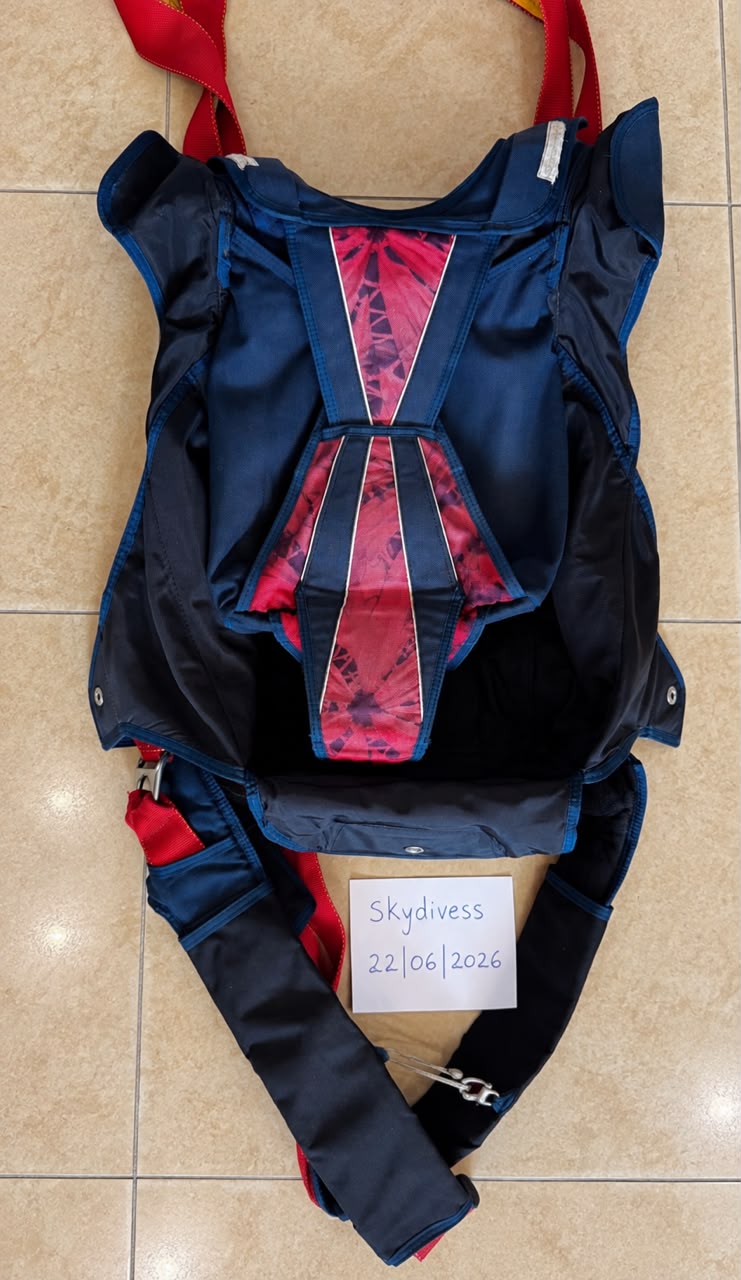
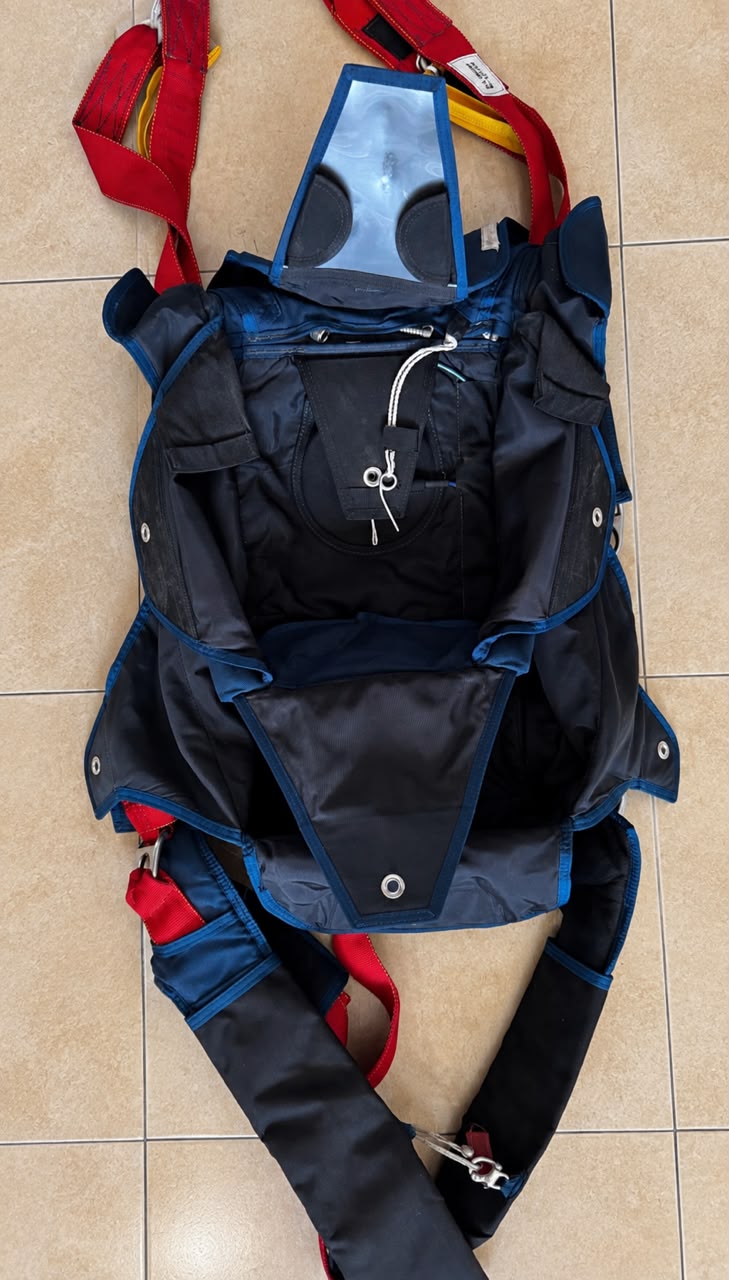
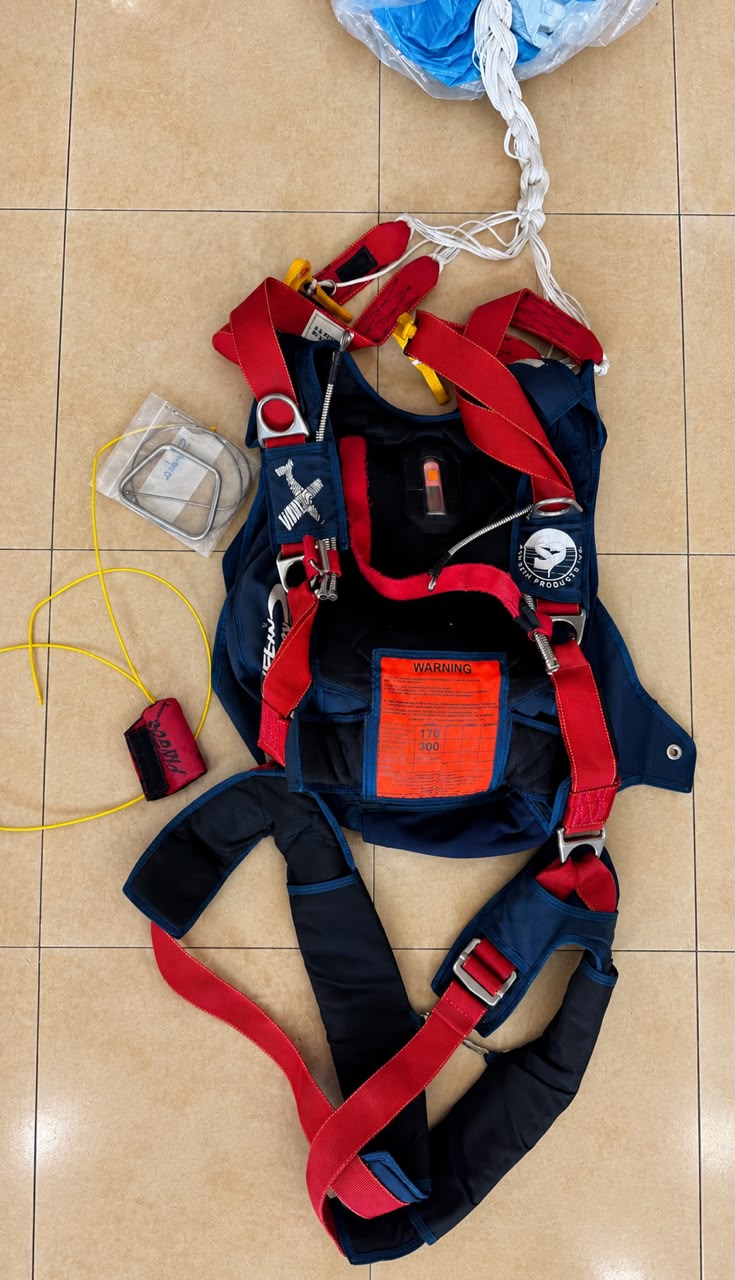
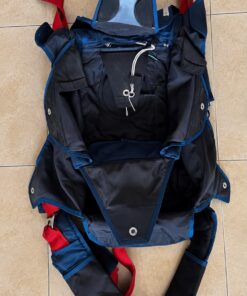
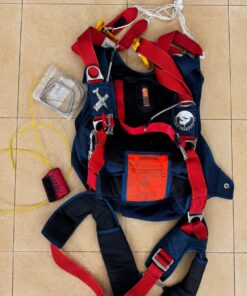
Used Harnais Javelin NJK C16


€900.00
Product Description – Used Javelin Odyssey NJK C16 Harness/Container
The Used Javelin Odyssey NJK C16 harness/container was manufactured in June 2007 and is currently reported to have approximately 2,150 jumps. It is described as being in good used condition, including the leg-strap/stirrup area, with normal signs of use expected from its age and service history. The stated approximate fit range is 1.70 m to 1.85 m in height and 65 kg to 80 kg in body weight.
This system should be considered a mature, heavily used piece of sport-skydiving equipment rather than a new or lightly used harness. Therefore, the actual condition of the webbing, stitching, hardware, flaps, riser covers, handles, housings, and container fabric is more important than age or jump count alone.
Important Fit Information
The stated height and weight range is only a general guide. Correct harness fit also depends on torso length, chest measurement, thigh circumference, hip position, and individual body proportions.
A prospective jumper should physically try the harness or have the exact harness measurements compared with their body measurements. The container should remain centered on the back, while the leg straps, chest strap, shoulders, and emergency handles should sit in appropriate positions.
Approximately 2,150 Jumps
The reported 2,150 jumps are important when evaluating wear.
Repeated aircraft boarding, packing, freefall, deployment, landing, transport, and storage can gradually affect structural materials. Therefore, high-wear areas such as the main lift web, leg straps, chest strap, lower corners, hardware interfaces, closing flaps, and riser covers should receive close attention.
A high jump count does not automatically make the system unusable, but it increases the importance of a complete professional inspection.
Professional Inspection Required
Before the system is returned to service, it should be examined by a qualified parachute rigger.
The inspection should cover:
- Main lift web
- Leg straps and leg pads
- Chest strap
- Structural stitching
- Metal hardware
- Three-ring release system
- Cutaway cables and housings
- Reserve handle and cable
- Closing flaps and grommets
- Riser covers
- Container fabric
- Previous repairs or modifications
- Overall harness fit and condition
Visual appearance or photographs alone cannot confirm airworthiness.
Main and Reserve Compatibility
The exact main and reserve canopy sizes should not be guessed from the container designation alone.
Compatibility should be confirmed using the manufacturer data label, container documentation, canopy packing volume, and professional rigger advice.
A canopy should not be installed simply because it can physically be packed into the container.
Reserve and AAD Status
If a reserve canopy or automatic activation device is installed, its exact model, serial number, manufacturing date, inspection status, and service history should be verified.
The reserve packing data card should also be reviewed before use.
Structural Condition
Webbing should remain flexible and free from deep abrasion, cuts, chemical contamination, or excessive thinning.
Metal hardware should not show cracks, sharp edges, severe corrosion, or deformation.
Structural stitching should remain intact, while grommets and closing flaps should remain secure and properly reinforced.
Final Buyer Note
This is a June 2007 harness/container with approximately 2,150 jumps, so its value and continued usability depend primarily on current structural condition, fit, maintenance history, and professional inspection.
Before purchase or use, confirm the serial number, data label, exact fit measurements, component inventory, canopy compatibility, reserve status, AAD status, repair history, and current rigger inspection.
When those points are properly verified, the system can be evaluated realistically and responsibly for continued sport-skydiving use.
Used Javelin Odyssey NJK C16 Harness – DOM 06/2007 – Approximately 2,150 Jumps
Used Javelin Odyssey NJK C16 Harness Overview, Fit, Condition, Engineering, and Skydiving Use
This used Javelin Odyssey NJK C16 harness/container offers an established sport-skydiving platform for an experienced jumper searching for a previously flown system rather than ordering a completely new container. The supplied information identifies the harness as manufactured in June 2007, with an intended user range of approximately 1.70 m to 1.85 m in height and 65 kg to 80 kg in body weight. Its current reported jump count is approximately 2,150 jumps, and its overall condition has been described as good, including the leg-strap/stirrup area.
The Javelin Odyssey is manufactured by Sun Path Products and is designed as a back-mounted main-and-reserve harness/container system. Sun Path describes the Odyssey as its sport-jumper platform and highlights durable harness construction, secure deployment architecture, and various Used Harnais Javelin NJK C16 fit and configuration options.
Because this example dates from 06/2007, condition is more important than age alone. Webbing condition, stitching, hardware, riser covers, closing loops, reserve components, cutaway cables, housings, leg straps, main lift web, lateral sections, and container fabric should all be evaluated by an appropriately qualified parachute rigger before the system is returned to service.
Parachute Jump Australia
For anyone researching parachute jump australia equipment, local regulations, drop-zone requirements, reserve inspection rules, and equipment approval standards should be checked before using an imported second-hand system.
Skydive Byron Bay
Jumpers researching skydive byron bay should confirm equipment requirements directly with the drop zone and ensure the system passes local inspection before use.
Weight Limit Skydiving
The stated weight limit skydiving information for this particular harness is approximately 65–80 kg based on the supplied listing. However, weight alone cannot determine correct harness fit.
Cairns Skydiving
For cairns skydiving, equipment suitability should be verified with the operator, particularly when using an older privately owned container.
Skydiving Helmet
A skydiving helmet is separate protective equipment and is not included unless specifically stated in the final inventory.
Skydive Helmets
Different skydive helmets may suit belly flying, freeflying, camera use, or other disciplines, but helmet choice does not determine harness compatibility.
Hook Blade Knife
A hook blade knife is commonly treated as emergency equipment. Whether a removable knife pocket is present on this exact 2007 harness should be physically verified.
Tracking Jump
During a tracking jump, container security, riser-cover condition, pilot-chute protection, and overall harness fit become especially important because of increased airflow and body movement.
Parachute Rig
A complete parachute rig normally involves more than the harness/container alone. Main canopy, reserve canopy, deployment bag, pilot chute, risers, handles, and often an AAD must all be confirmed separately.
Linewear
linewear concerns canopy suspension lines rather than the harness itself. Any installed canopy should therefore receive its own condition assessment.
Base Jumping
base jumping equipment requirements differ significantly from conventional aircraft skydiving. This harness/container should not automatically be represented as BASE equipment.
Sky Helmet Skydiving
A sky helmet skydiving setup should be selected independently according to the jumper’s discipline and preferences.
Wingsuit Sport
For wingsuit sport, equipment compatibility requires additional consideration. Main deployment configuration, pilot-chute setup, container characteristics, canopy selection, and jumper experience should be evaluated together.
Vector Wingsuit
A vector wingsuit search relates to another harness/container family and should not be confused with this Javelin system.
Full Face Skydiving Helmet
A full face skydiving helmet can provide facial coverage during sport jumping, although it remains separate from the harness/container offered here.
Skydiving Downsizing Chart
A skydiving downsizing chart should never replace professional canopy advice. Main-canopy size must be chosen according to experience, exit weight, training, manufacturer guidance, and drop-zone standards.
Landing Flight Risers
landing flight risers form part of the canopy-control system. The exact risers included with this used system, if any, should be listed and inspected individually.
Fire Parachute
The term fire parachute does not describe the intended sport-skydiving function of this harness.
Cypress Fire Skydiving
The phrase cypress fire skydiving should not be confused with Cypres AAD compatibility. Any installed automatic activation device must be identified by exact model and service status.
Skydiving Rigging
Professional skydiving rigging is essential with a used system of this age. A rigger should examine structural webbing, stitching, hardware, deployment components, reserve installation, and service history.
Baseline Jumping
baseline jumping searches are generally associated with fixed-object parachuting and should not be treated as equivalent to conventional sport-skydiving equipment.
Sky Diving Helmet
A sky diving helmet can complement a complete personal equipment setup but is not part of the harness unless explicitly included.
Hook Knife Skydiving
A hook knife skydiving accessory can be useful emergency equipment, but the exact mounting arrangement should be checked on the physical harness.
Skydiving Glasses
skydiving glasses or goggles are separate eye-protection equipment.
Nude Parachute Jump
A nude parachute jump does not alter the technical requirement for correct harness fit, secure leg straps, and proper professional supervision.
Ifly Colorado Springs
ifly colorado springs relates primarily to indoor body-flight training rather than use of a complete outdoor parachute system.
Skydive Hook Knife
A skydive hook knife should be positioned where it can be accessed appropriately without interfering with normal harness operation.
Skydiving Helmet Full Face
A skydiving helmet full face configuration should be chosen according to discipline, visibility requirements, comfort, and certification preferences.
Skydiving Blue Hole Belize
Anyone researching skydiving blue hole belize should check operator-specific equipment and experience requirements before traveling with personal gear.
Smallest Canopy
The smallest canopy that physically fits a container is not automatically the correct canopy to use. Suitability depends on both container compatibility and the jumper’s demonstrated canopy skills.
Skydiving Speed
At typical skydiving speed, secure flaps, handles, riser covers, pilot-chute protection, and proper harness fit are crucial equipment considerations.
Wing Suits for Sale
When comparing wing suits for sale, remember that wingsuit choice and parachute-system configuration should be evaluated separately.
Skydiving Nude
skydiving nude is unrelated to the technical specifications of this used harness/container.
Parts of a Parachute
Important parts of a parachute system include the harness, container, main canopy, reserve canopy, risers, deployment bag, pilot chute, handles, closing components, and potentially an AAD.
Container Skydive
For a container skydive system, exact canopy-volume compatibility matters. Sun Path states that container sizing is determined according to the main and reserve canopy models and sizes.
G35 Helmet
A g35 helmet is a separate equipment purchase and is not implied to be included with this harness.
Best Skydiving Helmet
The best skydiving helmet depends on discipline, fit, visibility, comfort, audible-altimeter requirements, and personal preference.
Skydive Belize
For skydive belize, verify local operator requirements before bringing privately owned equipment.
Freefly PUD Handle
A freefly pud handle is one deployment-handle style. Sun Path currently offers freefly-oriented handle configurations, but the exact handle fitted to this 2007 example must be physically confirmed.
Gliding Suit Wingsuit
A gliding suit wingsuit requires discipline-specific training and equipment compatibility; harness condition alone is not sufficient to establish suitability.
Jumper Pilot
A jumper pilot equipment setup should be evaluated by qualified skydiving professionals and matched to actual experience and intended discipline.
CRW Skydiving
CRW skydiving can impose specialized equipment requirements, especially regarding risers, canopy selection, and emergency procedures.
Gear Bag Skydive
A gear bag skydive setup helps protect a harness/container during travel and storage, particularly an older system where unnecessary abrasion should be minimized.
Skydiving Equipment List
A complete skydiving equipment list commonly includes the harness/container, main, reserve, AAD where applicable, altimeter, helmet, eye protection, jumpsuit, and emergency cutting tool.
Indoor Wingsuit
An indoor wingsuit environment is different from outdoor parachuting and generally does not require use of a conventional operational parachute rig.
Can You Wear Glasses While Skydiving
For anyone asking can you wear glasses while skydiving, suitable goggles or compatible helmet arrangements may allow prescription eyewear to be accommodated.
Wingsuit
A wingsuit adds discipline-specific considerations to container setup, deployment technique, canopy choice, and experience level.
Skydiving Website
A reputable skydiving website should clearly distinguish between harness/container condition, canopy compatibility, fit, service records, and included components rather than treating them as interchangeable specifications.
Cookie G4 Helmet
A cookie g4 helmet is separate personal protective equipment and does not determine harness fit.
Base Canopy
A base canopy should not automatically be installed or represented as compatible with a conventional sport harness/container without appropriate technical approval.
New Skydive
A new skydive equipment buyer should obtain professional advice before moving from rental or student equipment into an older personal harness.
#Skydiving Latest
For #skydiving latest equipment research, newer hardware and options can be compared with older rigs, but current condition remains the determining factor for second-hand equipment.
Canopy Flight
Good canopy flight depends on appropriate canopy selection, training, line condition, riser condition, correct packing, and disciplined control.
Skydiver Goggles
skydiver goggles provide eye protection and remain separate from the harness/container.
Speed Sky Diving
During speed sky diving, equipment security becomes particularly important. High-speed disciplines should only be pursued with suitable training and an appropriately configured system.
Fly Suits
fly suits include conventional jumpsuits and specialized aerodynamic clothing, all of which should work comfortably with the harness.
Skydiving Rig
A skydiving rig should be treated as a complete integrated system. This listing specifically identifies a used harness/container, so installed canopies and electronic equipment must be separately confirmed.
Safire 3
A Safire 3 is a main canopy model. Compatibility cannot be determined from the harness code alone; the exact canopy size and container data label must be checked.
Skydiving Gliding Suit
A skydiving gliding suit may change deployment considerations and should only be paired with equipment suitable for that discipline.
Fluid Wings
fluid wings refers to a canopy manufacturer whose products must be matched by exact model and size to the container and jumper.
Price of Wingsuit
The price of wingsuit equipment is unrelated to the value or airworthiness assessment of this used harness/container.
Tandem Wingsuit
A tandem wingsuit should not be assumed to describe an approved use case for this personal sport harness.
Skydiving Tube
A skydiving tube may be used as a visual freefall accessory in specialized jumps, but it has no effect on the fundamental fit requirements of the harness.
Fit Range and Harness Sizing
The supplied listing places this harness around 1.70–1.85 m and 65–80 kg. However, these figures should be treated as an approximate fit guide rather than a guarantee. Sun Path’s current measurement process considers height, weight, chest circumference, belly circumference, inseam, hip/leg-pad dimension, thigh measurement, and other body measurements.
Therefore, two jumpers with identical height and weight may still require different harness dimensions.
June 2007 Date of Manufacture
The stated 06/2007 DOM makes this a mature used system. Importantly, Sun Path notes that SkyHook became available on Odyssey systems in February 2007, but this does not prove this specific June 2007 harness has SkyHook installed. Its actual RSL/MARD configuration must be verified physically and through the data card.
Approximately 2,150 Jumps
The reported 2,150-jump history indicates substantial real-world use. Consequently, the condition of load-bearing webbing, leg straps, hardware, stitching, main lift web, laterals, riser covers, closing flaps, grommets, deployment components, and cable housings deserves careful inspection.
A high jump count does not automatically determine airworthiness; actual condition and documented maintenance matter substantially more.
Why Consider This Used Harness
The main reason to consider this system is that the Odyssey platform has a long-standing sport-skydiving design history and was engineered around back-mounted main and reserve containers, 3-Ring release architecture, step-in leg straps, and wrap-around harness construction.
For a jumper whose measurements match the harness and whose intended main and reserve are compatible with the container, a professionally inspected used system may offer a practical alternative to commissioning a new custom rig.
Important Information Before Use
Before purchasing or jumping this system, confirm the serial number, full data-label information, exact container size, harness measurements, reserve compatibility, main-canopy compatibility, reserve pack status, AAD compatibility and installation status, RSL or SkyHook configuration, cutaway and reserve handles, deployment bag, pilot chute, risers, repair history, and any manufacturer service bulletins.
Most importantly, this 2007 system should receive a complete hands-on inspection by a qualified parachute rigger. Its stated good condition and reported jump count are useful listing information, but they are not substitutes for an airworthiness inspection.
Harness Fit, Container Condition, Structural Inspection, Comfort, and Long-Term Serviceability
Overall Fit Considerations
Correct fit is one of the most important factors when evaluating a used harness/container system. Height and body weight provide a useful starting point, but they do not tell the entire story. Torso length, chest size, hip position, thigh circumference, and leg proportions can all affect how the harness sits on the body.
A system that fits correctly should feel secure without creating excessive pressure or restricting normal movement. Because this unit has already been used extensively, actual harness dimensions should be checked carefully rather than relying only on the original intended size range.
Main Lift Web Condition
The main lift web carries significant structural load and should therefore receive close inspection.
The webbing should be checked for abrasion, contamination, edge wear, discoloration, cuts, stiffness, or previous repair work.
Any unusual thinning or damaged stitching should be evaluated professionally before the system is considered suitable for use.
Leg Strap Condition
The leg straps are critical load-bearing components.
They should be examined for surface wear, fraying, edge damage, contamination, and changes in webbing flexibility.
Because the supplied information mentions wear around the stirrup area, this section deserves particular attention during inspection.
Leg Pad Comfort
Leg pads should provide even support around the thighs without creating sharp pressure points.
Compression, deformation, damaged foam, or worn covering material can reduce comfort over time.
A used system may still remain comfortable if the padding is intact and properly positioned.
Harness Symmetry
Both sides of the harness should sit evenly.
Uneven hardware placement, distorted webbing, or asymmetrical leg straps can affect fit and comfort.
A careful visual inspection can reveal whether one side has experienced more wear than the other.
Chest Strap Condition
The chest strap should remain flexible, clean, and structurally sound.
Its buckle and adjustment hardware should operate smoothly without slipping.
Any excessive wear around the friction adaptor or stitched attachment points should be evaluated before use.
Hardware Inspection
Metal hardware should be checked for corrosion, deformation, cracks, sharp edges, excessive wear, and contamination.
Buckles and rings should move as intended without binding.
Even small burrs can damage webbing over time, so damaged hardware should never be ignored.
Stitching Integrity
Structural stitching should remain consistent and intact.
Loose threads, broken stitches, pulled seams, or areas where stitching has begun separating from the webbing deserve attention.
Minor cosmetic thread wear is different from structural damage, so professional evaluation is important.
Container Fabric Condition
The container fabric should be checked for abrasion, punctures, tears, fading, contamination, and previous repair work.
Areas around closing flaps, corners, riser covers, and high-contact surfaces typically deserve closer inspection because they experience repeated handling.
Riser Cover Condition
Riser covers should remain secure and correctly shaped.
Repeated use can weaken stiffening materials or affect retention.
Loose or deformed covers may not provide the same level of protection and should be assessed before the system returns to service.
Closing Flap Inspection
Closing flaps should maintain their original structure without severe creasing, tearing, damaged binding tape, or weakened reinforcement.
The grommet areas should also be checked carefully because repeated closing cycles can create localized wear.
Grommet Condition
Grommets should remain firmly seated and free from sharp edges.
Loose, cracked, distorted, or corroded grommets can damage closing loops and surrounding fabric.
Any movement between the grommet and its fabric reinforcement should be evaluated professionally.
Closing Loop Area
The area around the closing loop should remain clean and structurally intact.
Because this component experiences repeated loading during packing, wear should be monitored closely.
A worn or incorrect loop should be replaced according to approved procedures.
Cutaway System Inspection
The cutaway system should operate smoothly and consistently.
Cables, housings, handle attachment, and release components should be inspected for contamination, bends, wear, or stiffness.
Maintenance and lubrication should follow manufacturer guidance rather than improvised methods.
Reserve Handle Condition
The reserve handle should remain secure and accessible.
Its attachment, cable condition, housing, and routing should all be checked carefully.
Any unexpected stiffness or unusual movement should be investigated before use.
Harness Adjustment
Adjustment hardware should move smoothly while holding its position under normal load.
If straps slip after adjustment, the friction hardware or webbing may require inspection.
The harness should not depend on excessive tightening to achieve a secure fit.
Shoulder Comfort
Shoulder placement should feel natural when the system is worn.
The harness should not pull excessively forward, sit too high, or create concentrated pressure across the neck or collarbone area.
Comfort is especially important during longer aircraft rides and repeated jumping days.
Hip and Lateral Position
The lateral sections should sit correctly around the torso and hips.
If they sit too loose, too tight, too high, or too low, overall harness stability can be affected.
Proper lateral fit helps keep the container centered on the back.
Container Position on the Back
The container should remain stable rather than shifting excessively.
Its position should allow comfortable body movement while keeping handles and deployment components accessible.
A poor fit can create unwanted movement during aircraft exit and freefall.
Handle Accessibility
Emergency handles should be reachable naturally from the normal harness position.
A user should not need to twist excessively or search for them.
Differences in arm length, torso length, and harness fit can significantly affect accessibility.
Fabric Wear From Repeated Use
A system with a substantial jump history may show cosmetic wear without necessarily being structurally compromised.
However, abrasion in high-load areas must be distinguished from simple surface fading.
This is one reason a hands-on inspection is more useful than photographs alone.
Previous Repairs
Any previous repairs should be documented where possible.
Professional repairs may be entirely serviceable, but their location, method, and current condition should be known.
Undocumented alterations deserve additional scrutiny.
Storage History
Storage conditions can influence long-term material condition.
Extended exposure to moisture, heat, chemical vapors, ultraviolet light, or poorly ventilated spaces can accelerate fabric and webbing deterioration.
A clean, dry storage history is preferable.
Moisture and Contamination
The harness and container should be inspected for mildew, unusual odor, chemical contamination, oil, or embedded dirt.
Contaminants can affect both fabric condition and hardware movement.
Any suspected chemical exposure should be treated seriously.
Professional Inspection Before Use
Because this is an older, heavily used system, professional inspection is essential before it is placed back into service.
A qualified rigger can evaluate load-bearing webbing, structural stitching, hardware, release components, reserve system condition, and overall airworthiness.
This inspection should be considered part of the purchase process rather than an optional extra.
Service History
A documented service history adds useful context.
Records of reserve repacks, repairs, modifications, component replacement, and previous inspections can help establish how the system has been maintained over time.
Missing records do not automatically make the system unusable, but they increase the importance of a detailed current inspection.
Long-Term Serviceability
An older harness/container can remain serviceable when structural materials are sound, hardware remains undamaged, repairs are appropriate, and all components continue to meet current requirements.
Age and jump count should therefore be considered alongside actual condition rather than used as the only decision criteria.
Overall Condition Assessment
A good used system should combine secure fit, intact webbing, reliable hardware, sound stitching, undamaged flaps, stable riser covers, accessible handles, and properly maintained release components.
When these areas are inspected carefully and verified by a qualified professional, the system can be evaluated realistically for continued responsible use rather than judged only by appearance or jump history.
Practical Fit Evaluation, Comfort, Inspection Priorities, Component Condition, and Everyday Ownership
Real-World Fit Evaluation
A used harness/container should be evaluated on the body rather than judged only from height and weight figures. Body proportions can vary substantially between jumpers of similar size, so torso length, hip position, thigh circumference, chest measurement, and overall build all influence fit.
A properly fitted system should remain stable while still allowing normal movement. It should not feel excessively loose, overly restrictive, or uneven across the shoulders and legs.
Shoulder Position
The shoulder section should sit naturally without pulling too tightly against the neck or creating excessive downward pressure.
Uneven shoulder placement can indicate poor fit, twisted webbing, or differences in adjustment.
Comfort during standing inspection should also be considered alongside comfort in a seated aircraft position.
Main Lift Web Alignment
The main lift web should sit evenly on both sides of the torso.
It should not twist, fold sharply, or show unusual deformation when the harness is worn.
Consistent alignment helps distribute load properly and makes other fit problems easier to identify.
Chest Strap Position
The chest strap should sit at an appropriate height and allow secure adjustment without excessive compression.
It should not ride unusually high toward the throat or sit so low that it affects harness stability.
The webbing and hardware should remain in good condition throughout the adjustment range.
Leg Strap Position
The leg straps should sit securely around the upper thighs.
They should provide firm support without creating sharp pressure points.
Because this used system has a significant service history, both the webbing and padding should be inspected carefully for compression, abrasion, and loss of flexibility.
Leg Pad Condition
Padding can gradually flatten over years of use.
Compressed foam does not automatically mean the harness is unusable, but it can reduce comfort and may indicate prolonged service.
Covering fabric, stitching, edges, and attachment points should also be inspected.
Harness Symmetry
Both sides of the harness should appear balanced.
One leg strap should not hang noticeably lower than the other, and shoulder sections should not sit at different heights without explanation.
Asymmetry may result from adjustment, wear, deformation, or previous repair work.
Container Stability
The container should remain centered on the back.
Excessive movement from side to side can indicate poor fit or incorrect adjustment.
A stable position is especially important because it helps keep deployment and emergency components where the jumper expects them to be.
Upper Container Position
The upper part of the container should not sit excessively high or low.
Position affects comfort, head movement, shoulder mobility, and access to upper components.
A poor position can also make the system feel heavier or less stable during movement.
Lower Container Position
The lower section should sit securely against the back without excessive separation.
Movement around the lower edge can affect comfort and overall harness stability.
Body shape and lateral adjustment both influence this area.
Lateral Section Fit
The lateral sections should support the container without digging into the body.
They should remain symmetrical and free from severe wear or distortion.
If one side appears stretched or damaged, professional inspection is appropriate.
Hardware Function
Buckles, rings, friction adaptors, and other metal hardware should operate smoothly.
They should not show significant corrosion, deformation, sharp edges, or cracks.
Hardware that damages webbing during adjustment should be removed from service until properly evaluated.
Webbing Flexibility
Load-bearing webbing should remain flexible enough to function normally.
Unusual stiffness can result from age, contamination, storage conditions, or chemical exposure.
Webbing should also be checked for fraying, cuts, glazing, and thinning.
Stitching Condition
Stitching should remain intact in structural areas.
Broken threads, pulled seams, or damaged reinforcement can compromise confidence in the system.
Professional evaluation is necessary when it is unclear whether wear is cosmetic or structural.
High-Wear Areas
Areas that experience repeated contact deserve extra attention.
These can include leg straps, lower container corners, shoulder areas, flap edges, hardware interfaces, and sections that rub against clothing or aircraft surfaces.
Surface wear should be distinguished from deeper fabric damage.
Flap Condition
Closing flaps should retain their shape and reinforcement.
Excessive creasing, tearing, damaged binding tape, or weakened edges should be investigated.
The surrounding fabric should also remain intact around the grommets.
Riser Cover Inspection
Riser covers should remain properly shaped and secure.
Repeated opening and closing can affect retention over time.
Deformed or weakened covers should be checked by a qualified professional.
Handle Position
Emergency handles should remain visible, secure, and reachable from the normal fitted position.
A jumper should be able to identify and reach them without excessive twisting.
Harness fit can directly affect handle accessibility.
Cable Housing Condition
Cable housings should remain secure and properly routed.
They should not show crushing, sharp bends, corrosion, or loose attachment.
Any unusual resistance in the associated system should be investigated.
Release Component Care
Release components should be kept clean and maintained according to approved procedures.
Dirt, contamination, or improper lubrication can affect smooth operation.
Improvised maintenance should be avoided.
Reserve Component Inspection
Reserve-related components should receive close professional attention.
The closing system, handle, cable, container fabric, grommets, and associated hardware should all be checked.
Current packing and inspection requirements must also be verified before use.
Main Deployment Component Condition
The main deployment system should be evaluated for wear, fabric damage, stitching condition, and compatibility with the installed canopy.
Pilot-chute condition, bridle condition, bag condition, and attachment points should all be confirmed separately if included.
Wear Versus Structural Damage
Used equipment often shows cosmetic signs of service.
Fading, light abrasion, and surface marks can be normal.
However, thinning webbing, broken stitching, damaged hardware, cuts, burns, severe abrasion, or deformation require more serious evaluation.
Importance of Documentation
Service records can help explain the system’s history.
Reserve repacks, repairs, hardware replacement, modifications, and previous inspections should be documented where possible.
A clear maintenance history makes condition assessment more reliable.
Storage Condition
A dry and temperature-stable storage history is preferable.
Humidity, prolonged heat, chemical exposure, or ultraviolet light can affect fabric, webbing, foam, and metal components.
Older equipment should therefore be evaluated with storage history in mind.
Transport Protection
A protective gear bag can help reduce unnecessary abrasion during transport.
Heavy objects should not be placed directly on top of the container.
The system should also remain dry and protected from contamination while traveling.
Periodic Cleaning
Exterior cleaning should remain gentle.
Dust and light dirt can usually be removed without aggressive chemicals.
Any cleaning product that might affect nylon, coatings, webbing, or hardware should be avoided unless specifically approved.
Monitoring Changes Over Time
Fit and condition should not be treated as permanent.
Webbing can wear, padding can compress, hardware can loosen, and fabric can deteriorate.
Periodic inspection helps detect gradual changes before they become significant.
When Professional Evaluation Is Necessary
Any uncertainty involving load-bearing webbing, structural stitching, hardware, emergency components, reserve installation, or major repairs should be referred to a qualified rigger.
Visual appearance alone cannot establish airworthiness.
Overall Practical Ownership
A well-maintained used harness/container can remain practical when fit, structural condition, hardware, emergency components, and service history are all satisfactory.
The best ownership approach is methodical: confirm fit, inspect high-wear areas, protect the system during transport and storage, maintain documentation, and obtain professional inspections whenever condition or compatibility is uncertain.
Preventive Maintenance, Structural Care, Storage, Inspection Intervals, and Long-Term Serviceability
Preventive Maintenance Approach
A used harness/container with a long service history benefits from a disciplined maintenance routine. Preventive care should focus on preserving structural materials, monitoring hardware, checking webbing condition, protecting emergency components, and identifying small changes before they become significant.
Regular inspection is especially important because fabric, webbing, padding, metal hardware, stitching, and closing components can age differently depending on use, storage, environment, and previous maintenance.
Main Lift Web Inspection
The main lift web should be examined carefully because it is a major load-bearing component.
Look for fraying, cuts, abrasion, thinning, contamination, stiffness, pulled threads, or unusual discoloration.
Both sides should be compared so that uneven wear can be identified.
Leg Strap Monitoring
Leg straps should remain flexible, secure, and free from excessive abrasion.
Areas near hardware and stitched junctions deserve particular attention because repeated adjustment and loading can accelerate wear.
Any significant damage should be evaluated professionally before further use.
Leg Pad Condition
Padding can compress gradually over time.
Flattened or uneven padding may reduce comfort, especially during longer wear periods.
Covering fabric, seams, attachment points, and internal foam condition should all be considered during inspection.
Chest Strap Care
The chest strap should remain structurally sound throughout its full adjustment range.
Webbing near friction hardware can experience repeated wear.
The buckle should hold securely while still allowing smooth adjustment when intentionally moved.
Hardware Surface Condition
Metal hardware should remain free from cracks, deformation, sharp edges, and significant corrosion.
Even minor burrs can gradually damage surrounding webbing.
Hardware should be examined carefully where fabric passes through or around metal surfaces.
Ring Condition
Load-bearing rings should remain round, smooth, and free from deep scratches or distortion.
They should not show signs of impact damage or unusual wear.
Any questionable hardware should be reviewed by a qualified professional.
Stitching Integrity
Structural stitching should remain intact and consistent.
Loose threads, broken rows, pulled seams, or separation between webbing layers should be treated seriously.
Cosmetic thread wear should be distinguished from damage affecting load-bearing areas.
Container Fabric Inspection
Container fabric should be checked for punctures, tears, abrasion, fading, contamination, and weakened edges.
High-contact areas deserve extra attention because they experience repeated handling and friction.
Changes in fabric texture can also indicate wear.
Flap Edge Condition
Closing flaps should retain their shape and reinforcement.
Binding tape around flap edges can gradually wear through repeated packing and handling.
Severe fraying or exposed reinforcement should be professionally assessed.
Grommet Inspection
Grommets should remain firmly seated, smooth, and correctly aligned.
Sharp edges, looseness, cracking, distortion, or corrosion can damage surrounding materials and closing components.
The fabric around each grommet should also remain structurally sound.
Closing Loop Area
The closing area experiences repeated mechanical loading.
Fabric, reinforcement, and associated components should be checked for wear.
Any replacement parts should meet approved specifications rather than being improvised.
Riser Cover Condition
Riser covers should retain proper shape and closure characteristics.
Repeated use can weaken stiffening materials or alter retention.
If covers appear distorted, unusually loose, or damaged, professional inspection is appropriate.
Release Cable Care
Release cables should remain clean, smooth, correctly routed, and free from kinks or contamination.
Any maintenance should follow approved guidance.
Improvised lubricants or aggressive cleaning products should be avoided.
Cable Housing Inspection
Housings should remain securely attached and free from crushing, corrosion, sharp bends, or damaged ends.
Routing should remain consistent with the original configuration.
Any unexpected stiffness should be investigated.
Emergency Handle Condition
Emergency handles should remain securely attached and accessible.
Handle pockets should retain appropriate tension without making removal unnecessarily difficult.
Wear around attachment points should be monitored carefully.
Reserve Area Inspection
Reserve-related areas deserve particularly careful attention.
Container fabric, closing flaps, grommets, handle systems, cable routing, and associated structural components should all be checked during professional servicing.
Current inspection and packing requirements should always be followed.
Main Deployment Components
If main deployment components are included, each item should be evaluated individually.
Fabric condition, stitching, bridle wear, pilot-chute mesh, bag integrity, and attachment points should all be checked.
Compatibility should also be confirmed with the installed canopy.
Harness Adjustment Hardware
Adjustment hardware should move smoothly when intentionally operated and remain secure afterward.
Slipping webbing or excessive friction can indicate worn material, contamination, or hardware problems.
Both sides should be compared for consistency.
Padding and Comfort Components
Shoulder and leg padding should remain evenly shaped where possible.
Compressed foam can affect comfort even when structural components remain serviceable.
Padding condition is therefore both a comfort and long-term ownership consideration.
Cleaning Strategy
Cleaning should remain conservative.
Light dirt and surface contamination can usually be removed with gentle methods.
Strong chemicals, bleach, harsh solvents, and aggressive scrubbing should be avoided because they can damage synthetic materials.
Moisture Management
The system should be thoroughly dried after exposure to rain, damp grass, humidity, or wet transport conditions.
Moisture trapped inside padding or fabric layers can remain unnoticed.
Drying should occur in a ventilated environment away from excessive heat.
Avoiding Direct Heat
Radiators, heaters, hot vehicles, and other high-temperature environments should be avoided.
Excessive heat can affect fabric coatings, foam, adhesives, and synthetic webbing.
Natural air drying is generally preferable.
Ultraviolet Exposure
Long periods in direct sunlight can contribute to fading and material degradation.
While normal outdoor use is unavoidable, unnecessary storage in direct sunlight should be minimized.
A protective bag helps reduce exposure during transport.
Chemical Contamination
Contact with fuels, oils, cleaning chemicals, battery acid, solvents, and similar substances should be avoided.
Chemical contamination may weaken structural fibers even when damage is not immediately visible.
Suspected exposure should be professionally evaluated.
Gear Bag Care
A gear bag should remain clean and dry.
Dirt, sharp objects, loose tools, or wet clothing should not be stored against the harness/container.
The bag itself should be dried before long-term equipment storage.
Transport Protection
During transport, the system should be protected from crushing, dragging, and heavy objects.
Handles, flaps, and exposed hardware should not be used as carrying points unless specifically designed for that purpose.
Careful transport reduces unnecessary abrasion.
Long-Term Storage
For extended storage, the system should remain clean, dry, protected from sunlight, and away from chemical vapors.
Heavy objects should not be placed on top of it.
The harness should not remain tightly compressed for unnecessary periods.
Periodic Storage Inspection
Equipment in storage should still be inspected periodically.
Check for moisture, mildew, corrosion, fabric discoloration, hardware changes, insect damage, and unexpected odor.
Early detection can prevent minor storage problems from becoming serious.
Monitoring High-Wear Areas
Repeated-use areas should receive extra attention over time.
These include leg straps, lower corners, flap edges, hardware interfaces, shoulder sections, and stitched junctions.
Wear patterns can reveal where future maintenance may be needed.
Service Documentation
A written record should be maintained whenever possible.
Professional inspections, repairs, reserve servicing, hardware replacement, modifications, and significant condition findings can all be documented.
A clear history makes future assessments more reliable.
Repair Quality
Previous repairs should be evaluated for workmanship and suitability.
Well-executed professional repairs may remain completely serviceable.
However, undocumented alterations, nonstandard stitching, or questionable material replacement should be inspected carefully.
Inspection After Heavy Use
After periods of intensive activity, additional inspection is sensible.
Repeated handling, packing, transport, and loading can accelerate wear in specific areas.
A short condition check can identify new issues early.
Inspection After Travel
Airline baggage handling, vehicle transport, and shipping can expose equipment to pressure, abrasion, and impact.
After travel, the exterior should be checked for damaged flaps, bent hardware, loose components, or contamination.
When to Suspend Use
Use should stop if serious webbing damage, broken structural stitching, deformed hardware, major fabric tears, damaged emergency components, or questionable reserve-system condition is discovered.
Continuing to use equipment with an unresolved structural concern can worsen the problem.
Professional Rigger Evaluation
A qualified rigger should evaluate any issue involving structural webbing, harness stitching, release systems, reserve components, hardware integrity, or major repairs.
Professional inspection is especially important for older equipment with a substantial service history.
Long-Term Serviceability
Long-term serviceability depends on actual condition rather than age alone.
Sound webbing, intact stitching, reliable hardware, appropriate repairs, good storage practices, and current professional inspection all contribute to continued usability.
A disciplined maintenance approach makes the system easier to evaluate, protects its remaining service life, and supports responsible long-term ownership.
Be the first to review “Used Harnais Javelin NJK C16”
Related products
used products


used products
used products

used products
used products
used products
used products

used products
Reviews
There are no reviews yet.