
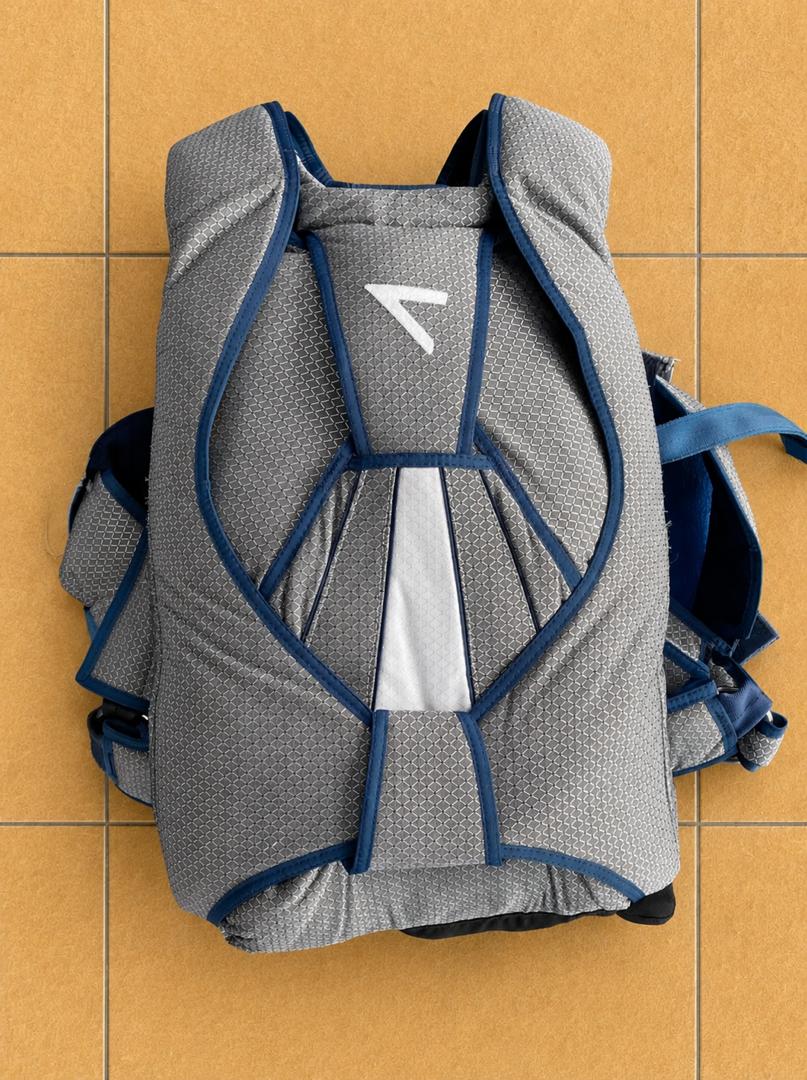
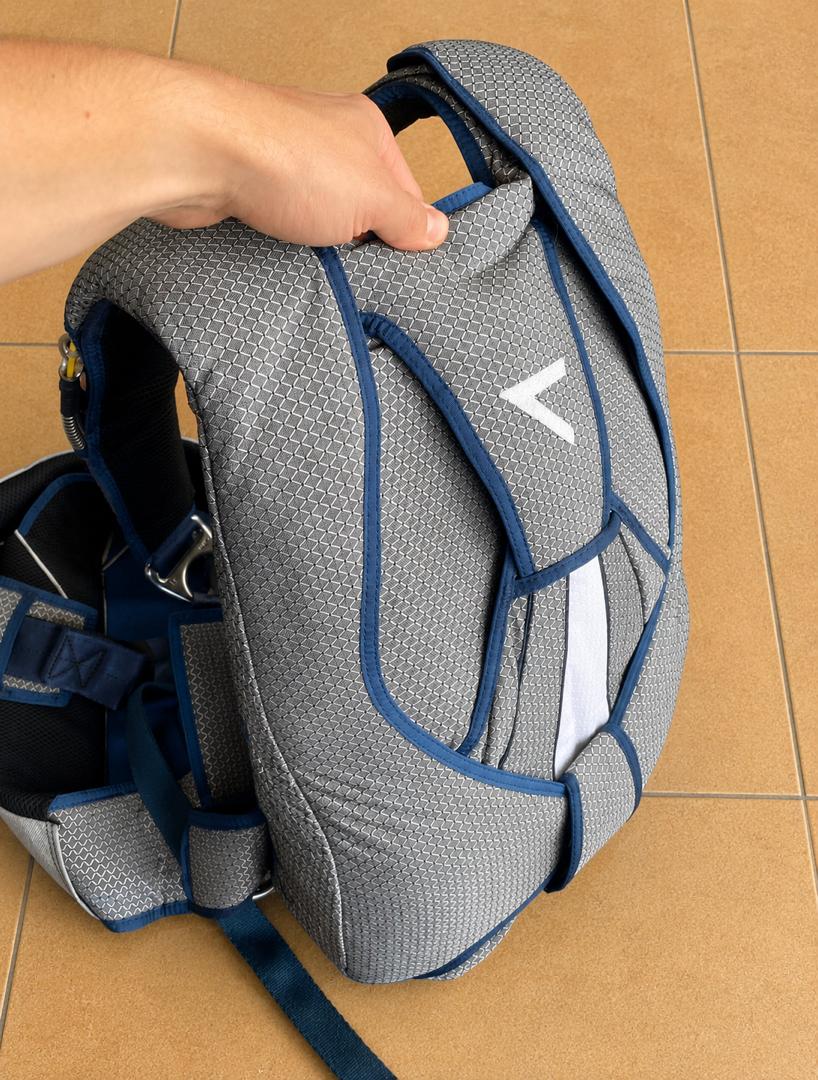


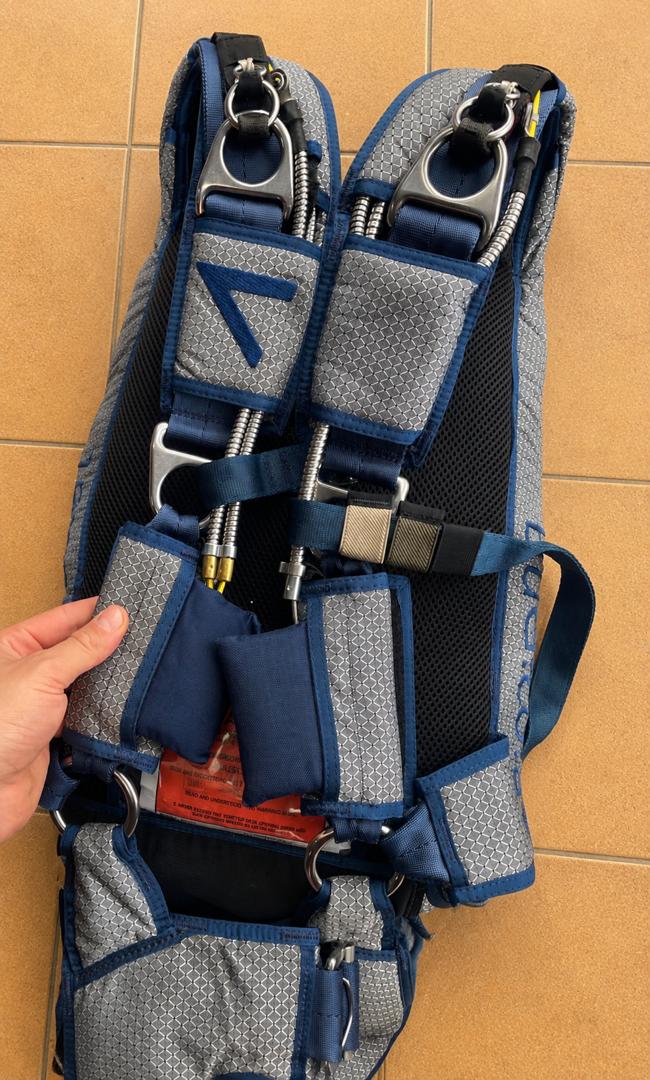

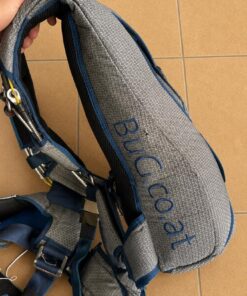


Used Paratec Next – Complete Rig

€4,500.00
Used Paratec NEXT Complete Rig – Product Description
The Used Paratec NEXT Complete Rig is a professional sport skydiving system built around Paratec’s established NEXT harness-and-container platform. Designed as a modular personal system, it combines a structured harness, protected main and reserve compartments, stainless-steel hardware, padded back support, deployment components, risers, emergency handles, and compatibility with modern reserve and electronic safety equipment.
Paratec’s NEXT family is known for its adaptable container sizing and harness configurations. However, because this particular listing is described only as a complete used rig, the exact container size, harness dimensions, main canopy, reserve model, automatic activation device, manufacture dates, serial numbers, and service history should be confirmed from the equipment itself.
The harness is one of the most important areas to evaluate. Container size determines pack-volume compatibility, while harness fit determines how the system sits on the jumper. Torso length, shoulder position, chest, waist, inseam, leg circumference, laterals, and leg-pad dimensions should all be appropriate for the intended user.
A good harness should remain secure during aircraft movement, exit, freefall, deployment, and landing without creating excessive restriction. The main lift web, chest strap, leg straps, padding, stitching, and hardware should be inspected carefully for abrasion, cuts, broken fibers, deformation, contamination, and age-related wear.
The container fabric also deserves close examination. Corners, flap edges, closing areas, riser covers, handle pockets, and surfaces that frequently contact aircraft interiors or packing floors can experience repeated abrasion. Cuts, burns, damaged stitching, contamination, or previous repairs should be identified and evaluated.
The main deployment system should be assessed as a complete sequence. The pilot chute, bridle, deployment bag, main closing loop, pin, risers, release system, slider, steering lines, and suspension lines should all remain in good condition. A clean exterior does not automatically confirm that these components are serviceable.
If a main canopy is included, its exact model, size, DOM, jump count, line-set age, reline history, repairs, fabric condition, and actual pack volume should be documented. Different canopy designs with similar stated square footage can pack very differently, so compatibility should be based on real pack volume rather than size alone.
The reserve should also be identified precisely. Its model, size, manufacture date, packing history, deployment history, repairs, and data card should all be reviewed. Correct reserve fit depends on construction, fabric type, reinforcement, line material, and actual packed volume.
If an electronic activation device is installed, its manufacturer, model, serial number, manufacture date, service requirements, battery status, installation, and remaining approved service life should be verified. A powered display alone does not confirm full serviceability.
The system’s pack volume deserves particular attention. Excessive compression can place unnecessary stress on flaps, closing loops, stitching, and container fabric. Conversely, a canopy that packs too small may reduce intended container tension. Correct compatibility should therefore be confirmed by an appropriately qualified parachute rigger.
Previous repairs should also be documented. Professionally completed repairs are not automatically a disadvantage, but their location, workmanship, structural significance, and service history should be reviewed carefully. Major harness alterations, replaced hardware, riser changes, or deployment-system modifications deserve additional attention.
Storage history can significantly influence long-term condition. Repeated exposure to direct sunlight, moisture, excessive heat, fuel, solvents, salt water, or poorly ventilated environments may affect fabric, webbing, hardware, suspension lines, and electronic components. Any unusual staining, odor, stiffness, corrosion, fading, or contamination should be investigated.
For storage, the system should remain in a clean, dry, temperature-stable environment away from direct sunlight and chemicals. During transport, a protective gear bag can help reduce abrasion around flaps, corners, handles, and exposed hardware.
The Used Paratec NEXT Complete Rig is best evaluated as one coordinated life-support assembly rather than simply as a branded harness/container. Its real value depends on harness fit, exact container size, main and reserve compatibility, line condition, structural integrity, electronic safety-device status, documentation, storage history, and professional inspection.
Before purchase, packing, or return to service, an appropriately qualified parachute rigger should inspect the complete assembly and verify all installed components, service records, repairs, harness condition, canopy compatibility, deployment equipment, reserve status, and overall airworthiness.
Used Paratec NEXT Complete Rig – Professional Sport Skydiving Harness and Container System
The Used Paratec NEXT Complete Rig is a professional sport skydiving system built around Paratec’s established NEXT harness-and-container platform. Current Paratec information lists the NEXT Century with a Century harness, stainless-steel fittings, Aerospacer back cushion, collapsible pilot chute, multiple main-deployment handle choices, several cutaway/reserve handle options, and main-riser configurations with anti-twist housing. An RSL is available as an option rather than something that should automatically be assumed to be installed.
Because this listing only identifies the equipment as a “complete rig,” the exact container size, harness measurements, main canopy, reserve model, AAD, manufacture dates, serial numbers, jump history, and repairs should be confirmed from the actual equipment records before use.
Parachute Jump Australia
parachute jump australia searches often involve personal-equipment requirements. A privately owned system should meet the rules of the intended operator and jurisdiction.
Skydive Byron Bay
skydive byron bay concerns destination jumping where personal equipment may require current documentation and inspection.
Weight Limit Skydiving
weight limit skydiving involves suspended weight, harness certification, canopy loading, equipment limitations, and operator requirements.
Cairns Skydiving
cairns skydiving is another destination-related topic where equipment acceptance should be confirmed locally.
Skydiving Helmet
A skydiving helmet is separate protective equipment and should not automatically be assumed to be included.
Skydive Helmets
Modern skydive helmets include open-face and full-face designs selected according to discipline and fit.
Hook Blade Knife
A hook blade knife can provide an emergency cutting option when carried and positioned correctly.
Tracking Jump
A tracking jump places importance on secure handles, riser covers, closure protection, and correct harness fit.
Parachute Rig
A parachute rig generally combines the harness/container, main, reserve, deployment components, risers, and often an electronic safety device.
Linewear
linewear should be examined on any included main canopy because line condition can influence trim and flight characteristics.
Base Jumping
base jumping uses different equipment and procedures. This conventional sport system should not automatically be treated as fixed-object equipment.
Sky Helmet Skydiving
sky helmet skydiving concerns protective headgear rather than the harness/container itself.
Wingsuit Sport
wingsuit sport requires discipline-specific training and careful evaluation of deployment components and canopy compatibility.
Vector Wingsuit
The phrase vector wingsuit concerns another equipment family and should not be confused with this Paratec configuration.
Full Face Skydiving Helmet
A full face skydiving helmet provides facial enclosure while remaining separate from the complete life-support assembly.
Skydiving Downsizing Chart
A skydiving downsizing chart should never be treated as automatic authorization to move to a smaller canopy.
Landing Flight Risers
landing flight risers should be inspected for webbing wear, stitching damage, hardware condition, and correct assembly.
Fire Parachute
A fire parachute usually refers to specialized emergency equipment and is different from conventional recreational sport systems.
Cypress Fire Skydiving
cypress fire skydiving often appears in searches relating to electronic activation-device incidents. Any installed AAD should be identified and serviced according to its own manufacturer requirements.
Skydiving Rigging
skydiving rigging includes reserve packing, inspection, repairs, component compatibility, and system maintenance.
Baseline Jumping
baseline jumping is sometimes used in connection with fixed-object jumping and should not be confused with normal aircraft operations.
Sky Diving Helmet
A sky diving helmet does not determine whether the harness/container or canopies are correctly configured.
Hook Knife Skydiving
A hook knife skydiving setup should remain secure and should not interfere with emergency handles.
Landing Flight Risers
The repeated phrase landing flight risers reinforces the importance of inspecting high-load webbing and attachment hardware.
Skydiving Glasses
skydiving glasses or goggles provide eye protection during freefall.
Nude Parachute Jump
A nude parachute jump has no technical connection with container compatibility or structural condition.
iFLY Colorado Springs
ifly colorado springs relates to indoor body-flight training without parachute deployment.
Skydive Hook Knife
A skydive hook knife remains an accessory rather than a structural component.
Skydiving Helmet Full Face
A skydiving helmet full face configuration can provide additional facial protection and aerodynamic enclosure.
Skydiving Blue Hole Belize
skydiving blue hole belize relates to destination jumping where international equipment requirements should be checked.
Smallest Canopy
The smallest canopy that physically fits a container is not automatically an appropriate choice.
Skydiving Speed
skydiving speed changes according to body position and discipline, increasing the importance of secure closures and handles.
Wing Suits for Sale
wing suits for sale concerns separate flight clothing rather than the Paratec system itself.
Skydiving Nude
skydiving nude does not influence harness certification, reserve capacity, or main-canopy compatibility.
Parts of a Parachute
The parts of a parachute system can include the harness, container, main, reserve, risers, pilot chute, bridle, deployment bag, handles, and electronic safety equipment.
Container Skydive
A container skydive system organizes and protects both primary and emergency deployment assemblies.
G35 Helmet
The g35 helmet is separate head protection and does not establish harness suitability.
Best Skydiving Helmet
The best skydiving helmet depends on head fit, discipline, ventilation, visibility, and personal preference.
Skydive Belize
skydive belize is a travel-oriented search rather than an equipment specification.
Freefly Pud Handle
A freefly pud handle is one possible low-profile main-deployment configuration. Paratec offers multiple main-deployment handle choices on the NEXT Century platform.
Gliding Suit Wingsuit
A gliding suit wingsuit requires appropriate training and equipment configuration.
Jumper Pilot
A jumper pilot normally refers to the aircraft pilot supporting parachute operations.
CRW Skydiving
crw skydiving involves specialized canopy interaction and discipline-specific equipment considerations.
Gear Bag Skydive
A gear bag skydive setup helps protect the equipment from dirt, abrasion, and unnecessary sunlight during transport.
Skydiving Equipment List
A skydiving equipment list typically includes the complete harness system, main, reserve, helmet, altimeter, goggles, footwear, and other discipline-specific items.
Indoor Wingsuit
indoor wingsuit training allows specialized body-flight practice without conventional deployment.
Can You Wear Glasses While Skydiving
For people asking can you wear glasses while skydiving, some goggles and full-face helmets can accommodate prescription eyewear.
Wingsuit
A wingsuit should only be used with suitable training and an appropriately configured deployment system.
Skydiving Website
A professional skydiving website listing this equipment should state the exact size, DOM, serial number, harness dimensions, main, reserve, AAD, repairs, and service history.
Cookie G4 Helmet
The cookie g4 helmet is separate protective equipment and is not an integral part of the Paratec system.
Base Canopy
A base canopy belongs to a different equipment environment and should not automatically be installed in conventional sport equipment.
New Skydive
A new skydive participant should select equipment based on training and qualified guidance rather than container dimensions alone.
#Skydiving Latest
#skydiving latest may surface current community discussions, but manufacturer documentation and professional inspection remain more authoritative.
Canopy Flight
canopy flight includes navigation, traffic awareness, control input, approach, flare, and landing.
Skydiver Goggles
skydiver goggles protect the eyes while remaining separate from the structural system.
Speed Sky Diving
speed sky diving produces high airflow that increases the importance of secure equipment configuration.
Fly Suits
fly suits include conventional freefall clothing, tracking suits, and specialized discipline-specific designs.
Skydiving Rig
A complete skydiving rig should be evaluated as an integrated life-support assembly instead of simply by brand or appearance.
Safire 3
The safire 3 is a separate sport-main family. Compatibility would depend on the exact NEXT container size and the canopy’s actual pack volume.
Skydiving Gliding Suit
A skydiving gliding suit changes freefall characteristics and may require discipline-specific configuration.
Fluid Wings
fluid wings produces other sport canopy designs whose compatibility must be evaluated independently.
Price of Wingsuit
The price of wingsuit equipment does not determine the condition or value of this complete system.
Tandem Wingsuit
A tandem wingsuit is not a conventional application for a standard individual sport configuration.
Skydiving Tube
A skydiving tube is a freefall accessory and does not determine harness or canopy compatibility.
Paratec NEXT Container Sizing
Paratec currently publishes a broad NEXT size range, from compact configurations such as NENS-1X through larger NV-series systems. Depending on size, published reserve volumes range from approximately 200 to 450 cubic inches, while main-container volumes extend from approximately 230 to 620 cubic inches in the current chart.
Why the Exact Container Size Matters
The exact size controls the intended pack-volume range.
Therefore, the container label should be checked before determining whether an included main or reserve is properly matched.
Century Harness Construction
Current NEXT Century equipment includes the Century harness, stainless-steel fittings, and Aerospacer back cushioning as standard equipment.
Why Stainless-Steel Hardware Matters
Stainless-steel fittings provide durable harness hardware, but used hardware should still be inspected for deformation, sharp edges, damage, corrosion, and correct installation.
Aerospacer Back Cushion
The standard Aerospacer back cushion is designed to improve comfort between the jumper’s back and the packed container.
Main Deployment Configuration
Paratec offers multiple main-activation handle configurations. Therefore, the exact handle fitted to this used system should be identified rather than assumed.
Main Riser Configuration
Paratec lists main-riser variants with anti-twist housing among the standard configuration choices for the current Century system.
RSL Availability
An RSL is listed as an optional feature, so this individual used system should be physically inspected to determine whether one is installed.
Why Harness Fit Matters
Container size and body fit are separate considerations.
Paratec’s current order form records container size, harness size, yoke dimensions, leg-pad style, lateral configuration, and other individual harness parameters.
Main Canopy Verification
Because the listing title does not identify the included main canopy, its exact model, size, DOM, jump count, fabric condition, line-set age, repairs, and pack volume should be documented.
Reserve Verification
The exact reserve model, size, DOM, repack history, deployment history, repairs, and data card should also be confirmed.
Electronic Safety Device Verification
If an AAD is installed, its manufacturer, model, serial number, manufacture date, service history, current operational status, and remaining approved life should be verified.
Why Pack Volume Matters
Paratec publishes container capacity in cubic inches because nominal canopy square footage alone cannot establish fit.
Different materials and designs can produce substantially different packed volumes.
Why Structural Inspection Matters
A complete used system should be inspected for damaged webbing, broken stitching, worn handles, damaged grommets, closing-loop deterioration, hardware problems, canopy damage, line wear, and electronic-system installation concerns.
These categories are consistent with the inspection approach documented in Paratec technical material.
Where the System Is Appropriate
A properly configured NEXT system is intended for sport parachuting when its harness fit, canopy sizes, loading, documentation, inspection status, and jumper experience are appropriate.
When Professional Inspection Is Necessary
Professional evaluation is particularly important before purchasing used equipment, after prolonged storage, when history is incomplete, after major repairs, or whenever main or reserve components are changed.
Why Documentation Matters
Serial numbers, manufacture dates, canopy data, reserve records, AAD information, repairs, modifications, and inspection history help establish the real condition of a complete used system.
Overall Equipment Character
The Used Paratec NEXT Complete Rig offers a technically established European harness/container platform with a broad range of container capacities, stainless-steel hardware, Century harness construction, Aerospacer back padding, multiple deployment-handle choices, and flexible riser configurations.
However, “complete rig” does not identify the exact components installed.
The real value and suitability of this particular system depend on its container size, harness measurements, main canopy, reserve, electronic safety equipment, DOM, jump history, repairs, pack-volume compatibility, and current structural condition.
Before purchase, packing, or return to service, an appropriately qualified parachute rigger should inspect the entire assembly and verify all component identities, service records, compatibility, structural integrity, and current airworthiness.
Harness Fit, Structural Condition, Component Compatibility, Deployment Security, and Complete-System Evaluation
Evaluating the System as a Complete Assembly
A used complete setup should be evaluated as one coordinated life-support system rather than as several separate components. The harness, container fabric, main canopy, reserve, risers, deployment components, handles, hardware, and electronic safety equipment all contribute to overall condition.
Therefore, cosmetic appearance should never be the main factor used to determine serviceability. A professional inspection should establish whether every component remains correctly installed, compatible, structurally sound, and appropriate for continued use.
Confirming Harness Fit
Correct harness fit starts with the intended jumper’s measurements.
Torso length, shoulder position, chest size, waist, inseam, leg circumference, and overall body proportions influence how the harness sits.
A system that fitted the previous owner perfectly may not automatically fit another person correctly. The harness should remain stable without excessive movement while still allowing comfortable access to important handles.
Shoulder Position
The upper harness should rest naturally over the shoulders.
Excessive looseness can allow unwanted movement, while excessive tightness may restrict comfort and mobility.
Shoulder geometry also influences handle position and how the container rests against the jumper’s back.
Main Lift Web Condition
The structural webbing should be inspected carefully for abrasion, cuts, broken fibers, heat damage, contamination, fading, unusual stiffness, or damaged stitching.
Areas around major attachment points deserve particular attention because they experience repeated loading.
Older webbing may appear clean while still showing localized wear.
Leg-Strap Inspection
Leg straps should remain free from severe abrasion, cuts, deformation, and damaged stitching.
Padding should remain correctly positioned without hiding structural problems.
Adjustment hardware should move smoothly and hold securely once tightened.
Uneven wear may indicate previous fit or adjustment issues.
Chest-Strap Condition
The chest strap should pass smoothly through its hardware while remaining secure after adjustment.
Areas around buckles deserve close inspection because repeated use can create friction.
Fraying, broken stitching, cuts, or unexpected slipping should be addressed before use.
Hardware Condition
Metal hardware should be examined for cracks, deformation, deep scoring, sharp edges, corrosion, and evidence of heavy impact.
Moving components should operate smoothly.
Minor cosmetic marks can occur during normal use, but structural damage requires professional evaluation.
Container Fabric
The outer container should be inspected around corners, flap edges, closing areas, and surfaces that frequently contact aircraft interiors or packing floors.
Cuts, burns, heavy abrasion, holes, damaged seams, and contamination deserve attention.
Previous repairs should also be identified and documented.
Stitching Integrity
Structural stitching should remain intact throughout the harness and container.
Loose, broken, missing, or pulled stitches should not be ignored.
High-load attachment points require more scrutiny than purely cosmetic seams.
Professional repairs should use appropriate materials and approved techniques.
Main Closing Area
The main closing loop, pin, protective flap, and surrounding fabric should remain in good condition.
Unexpected changes in closing tension may indicate a packing-volume or component issue.
The loop should not show severe wear, contamination, or deformation.
Reserve Closing Area
The reserve compartment should remain properly protected and undisturbed.
The visible pin, seal, flap, and surrounding fabric should be inspected according to accepted procedures.
Anything unusual should be professionally evaluated before continued use.
Riser Cover Security
Riser covers should remain closed during aircraft movement and freefall while releasing correctly during deployment.
Weak retention, worn material, damaged closure components, or abnormal stiffness should be investigated.
Consistent operation is important for predictable deployment.
Emergency Handle Position
Cutaway and reserve handles should remain secure, accessible, and correctly positioned.
A handle that is partially displaced, unusually loose, or difficult to locate should be corrected before use.
Handle pockets should maintain suitable retention without unnecessary resistance.
Main Deployment Handle
The deployment handle should remain fully seated in its normal position.
The pocket and surrounding fabric should be checked for stretching, loose stitching, and excessive wear.
A handle that moves too easily may require professional attention.
Pilot-Chute Condition
The pilot chute should be checked for fabric wear, damaged mesh, loose stitching, contamination, and attachment problems.
Collapsible components should also remain functional.
A clean exterior alone does not confirm serviceability.
Bridle Inspection
The bridle should remain free from cuts, burns, severe abrasion, and damaged stitching.
Attachment points deserve particular attention.
Routing should follow the intended configuration without twisting, trapping, or unnecessary exposure.
Deployment-Bag Condition
The deployment bag should remain structurally sound.
Fabric, stitching, grommets, and line-retention areas should all be inspected.
Sharp or damaged grommets can accelerate wear on surrounding materials.
Main Canopy Condition
The main canopy should be evaluated for fabric wear, repairs, patches, contamination, damaged seams, and attachment-point condition.
Total jumps and previous incidents should also be documented when possible.
Visual appearance alone cannot establish canopy condition.
Suspension-Line Condition
Lines should be checked for abrasion, glazing, broken fibers, damaged stitching, and changes in trim.
Line geometry directly affects canopy shape and behavior.
Professional measurement may be useful when line age or jump history is uncertain.
Slider Condition
Slider fabric, reinforcement areas, stitching, and grommets should remain in good condition.
Grommets should be smooth and free from sharp edges.
Damaged hardware can contribute to accelerated line wear.
Steering-System Inspection
Steering lines, brake loops, toggles, and attachment points should be compared on both sides.
Uneven wear, damaged stitching, or significant length differences should be investigated.
These components experience repeated handling and may wear faster than surrounding parts.
Main Riser Condition
Risers should be inspected for abrasion, webbing damage, stitching problems, deformation, and hardware wear.
Areas near attachment points and release components deserve extra attention.
Significant deterioration should be professionally assessed.
Release-System Readiness
The release system should remain clean, correctly assembled, and properly routed.
Cables, housings, loops, rings, and attachment areas should be inspected according to manufacturer guidance.
Improvised modifications should be avoided.
Main Pack Volume
The packed main should sit naturally within its compartment.
Excessive compression can place unnecessary stress on closing loops, flaps, stitching, and surrounding fabric.
An unusually loose configuration can also create unwanted movement.
Avoiding Overstuffing
A canopy should not be forced into a compartment simply because the closing flaps can eventually be secured.
Excessive pressure can accelerate wear and create difficult packing.
The relationship between canopy construction and actual packed volume should be professionally confirmed.
Avoiding Excessive Looseness
A canopy that packs substantially smaller than intended may reduce expected container tension.
This can affect closure stability and how the deployment components remain organized.
Correct fit should remain within an appropriate volume range.
Reserve Compatibility
The reserve should fit the compartment correctly without excessive compression or looseness.
Nominal area alone is not sufficient to determine compatibility.
Fabric construction, reinforcement, line material, age, and actual packed volume all influence fit.
Reserve History
The reserve data card should be reviewed carefully.
Packing dates, inspections, deployments, repairs, and identifying information provide important context.
Incomplete history increases the importance of a detailed professional evaluation.
Electronic Safety Equipment
If an electronic activation unit is installed, its exact model, serial number, manufacture date, battery status, service requirements, and remaining approved life should be verified.
A functioning display does not automatically confirm complete serviceability.
Aircraft-Ride Comfort
The harness should remain reasonably comfortable during the climb.
Padding, strap tension, hardware position, and container shape all influence comfort.
Severe pressure points may indicate poor fit or incorrect adjustment.
Exit Stability
The complete system should remain stable while the jumper moves toward and through the aircraft door.
Handles, flaps, and closing areas should remain protected from accidental contact.
Excessive shifting should be investigated.
Freefall Stability
A correctly fitted harness should remain secure around the torso and legs.
It should not rotate or move excessively during normal body positions.
Dynamic movement increases the importance of secure handles and closures.
Comfort After Deployment
Once the canopy opens, body weight transfers into the harness.
Leg-pad placement, laterals, shoulder alignment, and overall sizing become more noticeable.
Pressure should be distributed without severe pinching or abnormal movement.
Post-Jump Inspection
After landing, the system should be checked for new abrasion, dirt, moisture, damaged stitching, or unusual wear.
Early detection helps prevent small problems from becoming larger maintenance concerns.
Storage History
Storage conditions can significantly influence long-term material condition.
Equipment kept in a cool, clean, dry environment may age differently from gear repeatedly exposed to direct sunlight, heat, moisture, chemicals, or vehicle interiors.
Documentation Review
Serial numbers, manufacture dates, component information, repairs, reserve records, electronic-equipment servicing, and inspection history should remain organized.
Good documentation makes future evaluations easier.
Professional Inspection Before Use
A qualified parachute rigger should inspect the entire assembly before purchase or return to service.
Structural webbing, hardware, deployment components, main and reserve condition, line trim, electronic equipment, previous repairs, compatibility, and documentation should all be reviewed.
Overall Used-System Assessment
A dependable used system depends on correct harness fit, sound structural materials, secure deployment components, appropriate pack volume, good line condition, valid reserve history, properly maintained electronic equipment, and professional inspection.
Appearance provides only part of the picture.
The most important consideration is whether every critical component remains correctly configured, compatible, structurally sound, and appropriate for continued service.
Pre-Jump Readiness, Deployment Condition, Comfort, Storage, and Long-Term Serviceability
Complete-System Readiness
A used complete assembly should be checked carefully before it is returned to regular service. Every part of the system contributes to overall reliability, so inspection should extend beyond the visible exterior.
The harness, fabric, risers, closing components, deployment system, reserve area, hardware, and electronic equipment should all be assessed together.
Confirming Personal Fit
The harness should match the intended jumper’s body dimensions rather than simply feeling “close enough.”
Torso length, shoulder position, chest placement, waist, inseam, leg circumference, and overall proportions influence how securely the equipment sits during movement.
A poorly matched harness can affect comfort, stability, and access to critical controls.
Shoulder Alignment
The upper harness should rest naturally across the shoulders without excessive movement.
If it shifts significantly when the jumper changes body position, the fit may require further evaluation.
Excessive tightness can also create unnecessary pressure and reduce comfort.
Leg-Strap Position
Leg straps should sit securely and evenly.
Padding should remain correctly positioned, while the webbing underneath should remain free from severe abrasion, damaged stitching, cuts, or deformation.
Adjustment hardware should move smoothly and hold securely.
Chest-Strap Placement
The chest strap should remain at a practical height and pass smoothly through its hardware.
Webbing near the buckle should be inspected carefully because it experiences repeated friction.
Heavy wear, slipping, or broken stitching should be addressed before use.
Pre-Jump Visual Check
A repeatable pre-jump inspection helps reduce the chance of overlooking an important detail.
Handles, pins, flaps, riser covers, straps, hardware, visible stitching, and closing areas should be checked in a consistent sequence.
A systematic routine is more reliable than a quick visual glance.
Main Closing Area
The primary closure should remain correctly tensioned.
The pin should sit properly, and the protective flap should remain secure.
A noticeable change in closing tension may indicate a packing or component issue and should be investigated.
Reserve Closing Area
The reserve section should remain protected and undisturbed.
The visible pin, seal, flap, and surrounding fabric should be checked according to accepted inspection procedures.
Anything unusual should be evaluated professionally.
Emergency Handle Retention
Emergency handles should remain secure while still being easy to identify and access.
A handle that appears partly displaced, unusually loose, or difficult to reach should be corrected before use.
The retaining pockets should remain structurally sound.
Riser Cover Security
Riser covers should stay closed during aircraft movement and freefall while releasing as intended during deployment.
Weak retention, worn material, damaged closure components, or distorted flaps should not be ignored.
Predictable operation is important.
Main Deployment Handle
The primary deployment handle should remain fully seated in its normal position.
The pocket and surrounding fabric should be checked for stretching, weak retention, loose stitching, or wear.
Any unusual looseness should be evaluated.
Pilot-Chute Condition
The pilot chute should remain free from damaged fabric, worn mesh, contamination, and loose stitching.
Attachment areas deserve particular attention.
Internal or collapsible components should also remain functional.
Bridle Condition
The bridle should remain free from cuts, burns, severe abrasion, and damaged stitching.
Routing should follow the intended configuration without twisting or trapping.
Attachment points should remain secure.
Deployment-Bag Inspection
The deployment bag should remain structurally sound.
Fabric, stitching, grommets, and line-retention areas should all be inspected.
Sharp or damaged grommets can cause unnecessary wear on nearby materials.
Main Suspension Lines
Suspension lines should be inspected for abrasion, glazing, broken fibers, damaged stitching, and changes in trim.
A line set can deteriorate while the canopy fabric still appears acceptable.
Professional measurement may be useful when age or jump history is uncertain.
Steering Components
Steering lines, brake loops, toggles, and attachment points should be compared on both sides.
Uneven wear or noticeable differences in length may indicate developing maintenance issues.
These components experience frequent handling and deserve regular attention.
Slider Condition
The slider should remain free from damaged fabric, distorted grommets, and loose stitching.
Grommets should be smooth and free from sharp edges.
Damaged hardware can contribute to accelerated suspension-line wear.
Riser Condition
Risers should be checked for abrasion, damaged stitching, deformation, and hardware wear.
Areas near attachment points and high-load components deserve extra attention.
Significant deterioration should be professionally evaluated.
Release-System Readiness
The release system should remain clean, correctly assembled, and properly routed.
Cables, housings, loops, rings, and connection points should be maintained according to manufacturer guidance.
Unapproved modifications should be avoided.
Reserve Status
The reserve should have clear documentation showing packing history, inspections, repairs, and deployments where applicable.
Its physical condition should also be assessed separately from the rest of the system.
Correct compartment fit remains important.
Electronic Equipment Status
Any installed electronic safety unit should have its exact model, serial number, manufacture date, service history, and current status verified.
A powered display does not automatically confirm approved serviceability.
Main Pack Volume
The packed main should sit naturally within the compartment.
Excessive compression can place unnecessary stress on loops, flaps, stitching, and fabric.
An unusually loose configuration can also affect closure stability.
Avoiding Excessive Compression
A bulky canopy should not be forced into a compartment simply because the flaps can eventually be closed.
Repeated overcompression can accelerate material wear.
Difficult closing should be investigated.
Avoiding Excessive Looseness
A canopy that packs much smaller than intended may create insufficient container tension.
This can influence how the system sits and how deployment components remain organized.
Correct volume matching is important.
Aircraft-Ride Comfort
The harness should remain reasonably comfortable during the climb.
Padding, strap tension, hardware position, and overall geometry all affect comfort.
Persistent pressure points may indicate poor fit or incorrect adjustment.
Exit Stability
The system should remain stable while moving toward and through the aircraft door.
Handles, flaps, and closing areas should remain protected from accidental contact.
Excessive movement should be investigated.
Freefall Stability
A correctly fitted harness should remain secure around the torso and legs.
It should not rotate or shift excessively during normal movement.
Dynamic body positions place additional importance on secure handles and closures.
Comfort After Deployment
After opening, the jumper’s weight transfers into the harness.
Leg-pad placement, shoulder alignment, laterals, and overall fit become more noticeable.
Pressure should remain reasonably distributed without severe pinching.
Landing Mobility
The harness should allow adequate lower-body movement during landing preparation.
Leg straps should remain secure without creating unnecessary restriction.
Correct adjustment supports both stability and mobility.
Post-Jump Inspection
After landing, the system should be checked for new abrasion, moisture, dirt, damaged stitching, or unusual wear.
Aircraft contact, packing surfaces, and ground handling can affect external components.
Early detection helps prevent small issues from becoming larger problems.
Cleaning Practices
Routine cleaning should remain gentle and appropriate for the materials.
Strong solvents, aggressive scrubbing, and unapproved chemicals should be avoided.
Significant contamination should be addressed according to manufacturer or professional guidance.
Storage Between Uses
The complete system should be stored in a clean, dry, temperature-stable environment.
Direct sunlight, excessive heat, moisture, chemicals, and heavy pressure should be avoided.
Proper storage helps preserve textile materials, hardware, and electronics.
Transport Protection
A suitable protective bag can reduce abrasion, dirt exposure, and accidental damage during transport.
Handles, corners, flaps, and exposed hardware deserve additional protection.
The equipment should not be crushed beneath heavy luggage.
Maintaining Service Records
Manufacture dates, serial numbers, reserve information, repairs, component changes, inspections, and electronic-equipment servicing should remain documented.
Accurate records make future evaluations easier and support responsible long-term ownership.
Periodic Professional Evaluation
Routine owner checks are useful, but they do not replace professional assessment.
A qualified rigger may identify hidden wear, incorrect configuration, compatibility issues, or age-related deterioration that is not obvious during normal handling.
Overall Long-Term Suitability
Continued serviceability depends on correct fit, sound structural materials, secure deployment components, appropriate pack volume, good line condition, valid reserve documentation, properly maintained electronic equipment, and professional inspection.
Appearance alone does not establish condition.
When the complete system is inspected regularly, stored correctly, and maintained according to appropriate procedures, its long-term condition becomes easier to monitor and evaluate.
Maintenance, Storage, Inspection, Service History, and Long-Term Reliability
Building a Consistent Maintenance Routine
A used complete system benefits most from regular preventive care rather than occasional intensive attention. Structural webbing, container fabric, risers, deployment components, handles, hardware, reserve areas, and visible stitching should be checked routinely.
Small changes are easier to recognize when the equipment is inspected consistently. Therefore, maintenance should focus on identifying wear early instead of waiting until a component becomes obviously damaged.
Keeping the Equipment Clean
Routine cleaning should remain gentle and appropriate for technical textile materials.
Loose dirt, grass, dust, and surface debris can usually be removed carefully with a soft cloth or brush. Harsh detergents, aggressive household chemicals, bleach, strong solvents, and abrasive cleaning products should be avoided unless specifically approved.
Cleaning methods suitable for ordinary clothing may damage structural fabrics or coatings.
Managing Moisture Properly
The equipment should never be stored while damp.
If moisture enters the system, it should be allowed to dry naturally in a clean and well-ventilated environment. Direct high heat should not be used to accelerate drying.
Trapped moisture may contribute to mildew, odor, corrosion, and gradual material deterioration.
Protecting Against Sunlight
Extended ultraviolet exposure can gradually weaken textile materials.
The system should not remain unnecessarily in direct sunlight between uses. Outdoor packing areas and open vehicles can expose fabric and webbing to significant amounts of ultraviolet radiation over time.
Shade and proper storage help limit unnecessary aging.
Avoiding Excessive Heat
High temperatures can accelerate material degradation.
The equipment should not remain for long periods inside very hot vehicles, beside heaters, or in poorly ventilated spaces exposed to strong sunlight.
A stable, moderate environment is preferable for long-term storage.
Preventing Chemical Contamination
Fuel, oil, solvents, battery chemicals, cleaning agents, and unknown workshop substances can affect fabric, webbing, hardware, and electronic components.
The system should be kept away from contaminated floors and storage areas.
Any suspicious staining, odor, stiffness, or discoloration should be professionally evaluated.
Inspecting Structural Webbing
Major structural webbing should be checked for abrasion, cuts, broken fibers, heat damage, contamination, unusual stiffness, and fading.
Areas around attachment points and hardware deserve particular attention because they experience repeated loading.
Significant wear should never be dismissed as normal aging.
Checking Stitching
Stitching should remain intact across both structural and non-structural areas.
Loose, missing, pulled, or broken stitches should be investigated.
High-load attachment zones deserve closer examination than purely cosmetic seams.
Professional repairs should use approved materials and correct construction methods.
Leg-Strap Maintenance
Leg straps should remain clean, structurally sound, and easy to adjust.
Padding should stay correctly positioned, while the webbing underneath should remain visible enough for inspection.
Adjustment hardware should move smoothly and should not slip after tightening.
Chest-Strap Maintenance
The chest strap should pass through its hardware smoothly.
Webbing near the buckle can experience repeated friction, so it should be checked for fuzzing, cuts, thinning, and damaged stitching.
Unexpected slipping should be corrected before further use.
Metal Hardware Inspection
Metal components should remain free from cracks, severe corrosion, deep scoring, deformation, and sharp edges.
Moving parts should function normally.
Minor cosmetic marks may occur during ordinary use, but structural damage requires professional attention.
Closing Loop Condition
Closing loops should be inspected frequently because they experience repeated tension and friction.
Severe fraying, flattening, contamination, cuts, and deformation should not be ignored.
Replacement should use the correct material and dimensions rather than improvised alternatives.
Pin Condition
Closing pins should remain smooth, correctly shaped, and free from sharp edges.
Corrosion, deformation, or rough surfaces can increase wear on surrounding components.
Any unusual change should be investigated.
Protective Flap Condition
Flaps should close naturally and remain aligned.
Edges, reinforcement areas, stitching, and closure surfaces should be checked for abrasion and distortion.
A flap that suddenly behaves differently may indicate a developing fit or wear issue.
Riser Cover Maintenance
Riser covers should retain predictable closure and release characteristics.
Worn retention materials, distorted flaps, damaged stitching, or weakening closure components can affect performance.
Changes in normal retention should be evaluated before continued use.
Handle Pocket Condition
Emergency and deployment handle pockets should maintain reliable retention.
Stretched material, damaged stitching, weakened elastic, or excessive wear can allow handles to move from their intended position.
Retention should remain secure without creating unnecessary resistance.
Pilot-Chute Maintenance
The pilot chute should be checked for worn fabric, damaged mesh, loose stitching, contamination, and attachment problems.
Internal components should also be evaluated where applicable.
Gradual deterioration can occur even when the exterior still looks reasonably clean.
Bridle Maintenance
The bridle should remain free from cuts, burns, severe abrasion, and damaged stitching.
Attachment points should remain secure.
Routing should remain consistent and free from twists or traps.
Deployment-Bag Condition
The deployment bag should be checked for fabric wear, damaged stitching, worn retention areas, and grommet condition.
Grommets should remain smooth and firmly attached.
Sharp or distorted hardware can accelerate wear on surrounding materials.
Suspension-Line Monitoring
Suspension lines should be inspected periodically for abrasion, glazing, broken fibers, uneven wear, and trim changes.
Line condition affects canopy geometry and behavior.
Professional measurement may be appropriate as a line set ages.
Steering-Line Maintenance
Steering lines, brake loops, and attachment points deserve regular attention because they experience repeated handling.
Both sides should remain reasonably consistent.
Uneven wear, damaged stitching, or noticeable changes in length should be investigated.
Slider Condition
Slider fabric, reinforcement areas, stitching, and grommets should remain in good condition.
Grommets should be smooth and free from sharp edges.
Damage can contribute to accelerated wear on suspension lines.
Riser Maintenance
Risers should be inspected for webbing abrasion, damaged stitching, deformation, and hardware wear.
High-load areas deserve particular attention.
Significant deterioration should be professionally evaluated rather than simply monitored.
Release-System Care
The release system should remain clean and correctly assembled.
Cables, housings, rings, loops, and attachment areas should be maintained according to manufacturer guidance.
Unapproved lubricants, modifications, or cleaning products should be avoided.
Reserve System Care
The reserve area should remain protected from unnecessary handling.
Inspection, packing, and servicing should follow applicable regulations and approved procedures.
Only appropriately qualified personnel should perform work that requires specialist authorization.
Electronic Equipment Maintenance
Any installed electronic safety device should be maintained according to its manufacturer’s requirements.
Service intervals, battery status, approved life limits, installation, and current operational status should all be monitored.
A functioning display does not replace required maintenance.
Monitoring Previous Repairs
Previously repaired areas should be inspected periodically.
A properly completed repair can remain serviceable, but its condition should still be monitored for new abrasion, stitching changes, or material deterioration.
Structural repair areas deserve particular attention.
Travel Protection
A protective bag can reduce dirt exposure, abrasion, and accidental damage during transport.
The system should not be placed beneath heavy luggage or near sharp objects.
Handles, corners, flaps, and exposed hardware should receive additional protection.
Long-Term Storage
Before extended storage, the complete assembly should be clean and dry.
It should remain in a cool, dry, protected environment away from direct sunlight, chemicals, pests, and excessive humidity.
Heavy objects should not be placed directly on top of it.
Service Records
Manufacture dates, serial numbers, inspections, repairs, reserve servicing, electronic-equipment maintenance, component changes, and major work should remain documented.
Good records improve future evaluation and help establish the true condition of used equipment.
Professional Periodic Inspection
Routine owner checks remain useful, but they do not replace professional evaluation.
A qualified rigger can identify hidden wear, compatibility problems, structural concerns, and configuration issues that may not be obvious during normal handling.
Overall Long-Term Reliability
Long-term reliability depends on careful storage, appropriate cleaning, regular inspection, correct packing, documented servicing, timely repairs, and professional assessment.
Used life-support equipment should not be maintained only after something fails visibly.
Consistent preventive care makes gradual deterioration easier to identify and helps preserve the integrity, serviceability, and documented condition of the complete system.
Be the first to review “Used Paratec Next – Complete Rig”
Related products
used products

used products
used products


used products
used products

used products


used products
Reviews
There are no reviews yet.