
Sun Path Type 17 Risers – Easy Grip Dive Loops
€248.20
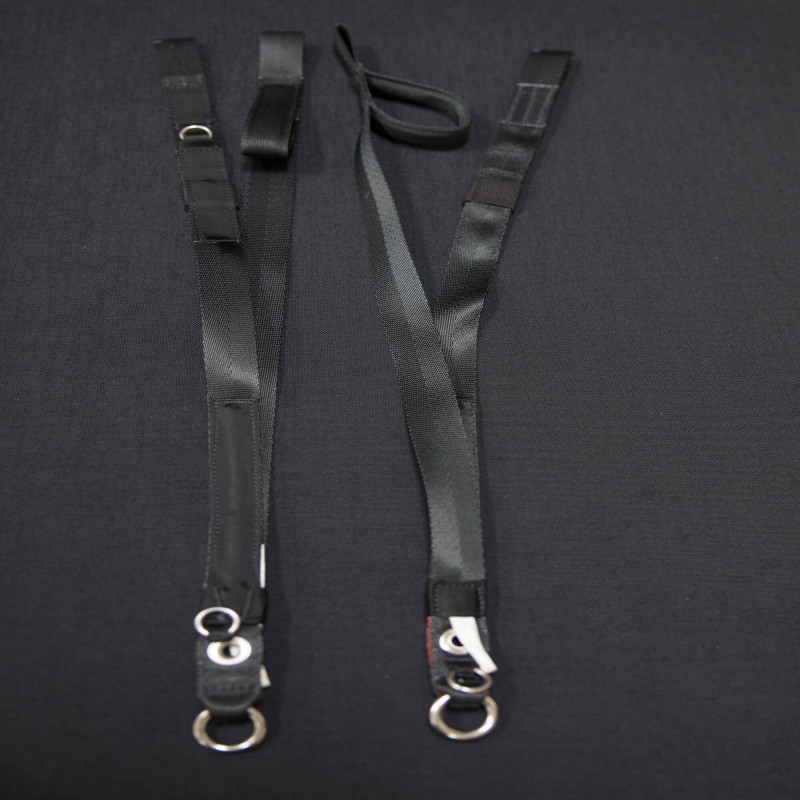
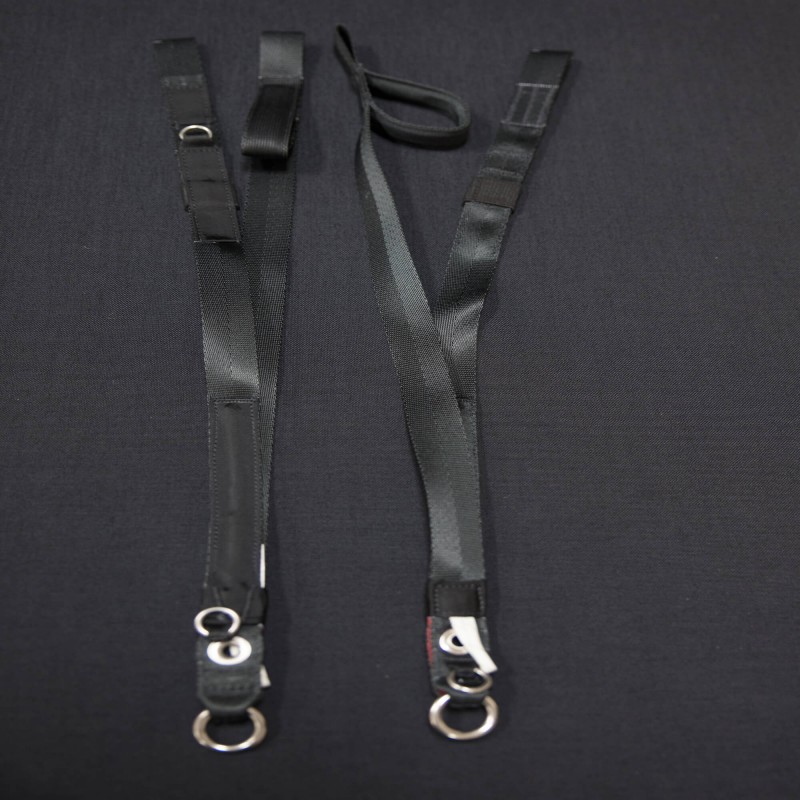
The Sun Path Type 17 Risers – Easy Grip Dive Loops combine a compact 1-inch riser format with stiffened front-riser loops intended to provide a more defined hand interface for appropriately trained canopy pilots. Sun Path currently lists Type 17 risers as 1 inch wide with a Mini 3-Ring Release and describes them as the most common riser choice for sport skydivers. The company separately recommends Type 8 risers for larger J5K-and-up container sizes.
The Easy Grip option differs from Sun Path’s standard unstiffened webbing loop. Sun Path describes the Easy Grip version as a stiffened loop on the front riser that creates a distinct handle, intended for advanced canopy-control applications. Low-profile Type 17 risers are also available for users prioritizing minimum drag under canopy, although Sun Path notes that standard risers generally provide greater long-term durability.
Sun Path Type 17 Risers – Easy Grip Dive Loops Technical Guide
Type 17 Engineering, Easy Grip Dive Loops, Canopy Control, and Skydiving Equipment Context
Type 17 Riser Engineering
Sun Path’s Type 17 risers use 1-inch webbing and a Mini 3-Ring Release. Their reduced-width construction lowers bulk compared with wider Type 8 risers while retaining the manufacturer’s intended compatibility with appropriate Javelin systems. Sun Path calls Type 17 the most common selection for sport skydivers.
Easy Grip Dive Loops
The defining feature is the stiffened front-riser loop. Unlike a standard unstiffened loop, the Easy Grip Dive Loop creates a more distinct hand interface. Sun Path positions this option for experienced canopy pilots who require a secure and natural grip during advanced canopy-control inputs.
Landing Flight Risers and Canopy Flight
The keyword landing flight risers relates directly to the riser system, while canopy flight describes the broader phase in which risers connect the suspended canopy to the harness-container system.
Front-riser input can influence canopy attitude and flight path, but these inputs require proper training. The presence of Easy Grip loops should not be interpreted as instruction to attempt aggressive canopy maneuvers without appropriate progression and professional coaching.
Parachute Rig and Skydiving Rig
A parachute rig or skydiving rig operates as an integrated system. Risers interface with the canopy suspension lines above and the harness-container release system below.
Sun Path’s current Javelin configuration pairs Type 17 risers with its Mini 3-Ring Release. Compatibility should therefore be confirmed for the exact container and canopy configuration rather than assumed from webbing width alone.
Skydiving Rigging
Professional skydiving rigging becomes important when risers are installed, replaced, inspected, or transferred between systems.
Webbing condition, 3-Ring geometry, steering-line routing, connector arrangement, release-cable interaction, RSL configuration where applicable, and canopy compatibility all need to remain within approved specifications.
Sun Path also notes that its Odyssey RSL attaches to the right main riser and uses a Collins Lanyard, illustrating how risers can interact directly with other safety-critical systems.
Linewear
The term linewear concerns deterioration in canopy suspension or control lines.
Because lines connect directly to the risers, their condition should be reviewed when risers are inspected or replaced.
Fresh risers do not correct worn lines, and new suspension lines do not correct damaged riser webbing or hardware.
Skydiving Downsizing Chart and Smallest Canopy
A skydiving downsizing chart and searches for the smallest canopy concern canopy progression, not riser selection.
Easy Grip loops can support trained high-performance canopy pilots, but installing them does not make a smaller or more aggressive canopy appropriate for a jumper.
Canopy selection should remain based on experience, currency, training, wing loading, and qualified professional guidance.
Wingsuit Sport, Wingsuit, and Vector Wingsuit
The terms wingsuit sport, wingsuit, vector wingsuit, gliding suit wingsuit, skydiving gliding suit, and fly suits refer to freefall equipment rather than riser specifications.
However, Sun Path specifically identifies Dynamic Corners as an option developed with wingsuiters, swoopers, and canopy-relative-work jumpers in mind, showing that complete container configuration can be discipline-specific.
CRW Skydiving
crw skydiving involves canopy-relative work and specialized canopy skills.
Riser configuration can matter greatly in such disciplines, but component selection should follow the complete equipment system and relevant training requirements rather than generic assumptions.
Tracking Jump and Skydiving Speed
A tracking jump, skydiving speed, and speed sky diving describe freefall conditions before canopy deployment.
Risers become relevant after the canopy has deployed. Therefore, freefall discipline alone does not establish whether a specific riser setup is appropriate.
Base Jumping, Baseline Jumping, and Base Canopy
base jumping, baseline jumping, and base canopy concern fixed-object parachuting systems with different deployment and equipment requirements.
Sun Path’s sport risers should not automatically be treated as BASE components merely because both involve parachute risers.
Hook Blade Knife and Hook Knife Skydiving
A hook blade knife, hook knife skydiving, and skydive hook knife relate to emergency cutting tools.
Sun Path’s Javelin configuration options include a removable-pouch or ring-cover hook-knife location, but the knife itself is independent of the Type 17 riser and Easy Grip loop design.
Skydiving Helmet and Skydive Helmets
Terms such as skydiving helmet, skydive helmets, sky helmet skydiving, sky diving helmet, full face skydiving helmet, skydiving helmet full face, g35 helmet, best skydiving helmet, and cookie g4 helmet concern head protection.
They belong to the broader equipment ecosystem but do not affect riser compatibility.
Skydiving Glasses and Skydiver Goggles
skydiving glasses, skydiver goggles, and can you wear glasses while skydiving relate to eye protection and visibility rather than the riser system.
Parts of a Parachute and Container Skydive
People researching parts of a parachute or container skydive should understand that risers form the connection between the canopy’s line groups and the harness-container system.
They are therefore among the critical structural components linking the inflated canopy to the jumper.
Freefly PUD Handle
A freefly pud handle relates to deployment initiation rather than riser construction.
It may exist on the same rig but performs an entirely separate function.
Gear Bag Skydive and Skydiving Equipment List
A gear bag skydive setup can protect risers from contamination, abrasion, and hardware impacts during transportation.
Within a broader skydiving equipment list, risers sit alongside the main canopy, reserve, harness-container, deployment system, AAD where used, protective equipment, and other accessories.
Safire 3 and Fluid Wings
safire 3 and fluid wings refer to canopy products or manufacturers rather than Sun Path risers.
Compatibility with a particular canopy should be confirmed through the relevant canopy and container manufacturers rather than assumed because the components physically connect.
Parachute Jump Australia, Skydive Byron Bay, and Cairns Skydiving
Searches for parachute jump australia, skydive byron bay, and cairns skydiving reflect location-based interest rather than riser specifications.
Likewise, skydive belize and skydiving blue hole belize are destination searches.
A particular drop zone may use several brands and equipment configurations, so location does not determine the riser setup.
Weight Limit Skydiving
The search weight limit skydiving concerns complete-system limitations and operator requirements.
Riser selection does not alter the approved loading limitations of the harness-container or canopy.
Indoor Wingsuit and iFLY Colorado Springs
indoor wingsuit and ifly colorado springs concern indoor bodyflight environments where sport parachute risers are not used during normal tunnel operation.
Jumper Pilot
A jumper pilot supports aircraft parachuting operations but has a role distinct from canopy equipment maintenance and rigging.
Nude Parachute Jump and Skydiving Nude
nude parachute jump and skydiving nude are unusual activity searches and have no bearing on Type 17 riser construction or compatibility.
Fire Parachute and Cypress Fire Skydiving
fire parachute and cypress fire skydiving are ambiguous terms and should not be treated as Sun Path riser specifications.
Wing Suits for Sale, Price of Wingsuit, and Tandem Wingsuit
Searches for wing suits for sale, price of wingsuit, and tandem wingsuit belong to another product category.
They do not determine riser dimensions or release-system compatibility.
New Skydive, #Skydiving Latest, and Skydiving Website
new skydive, #skydiving latest, and skydiving website describe general discovery intent.
For safety-critical riser selection, Sun Path’s current manuals, configuration tools, compatibility information, and authorized dealers should take priority over generic online commentary.
Skydiving Tube
A skydiving tube is a specialized freefall accessory and has no direct role in determining riser configuration.
Standard Versus Low-Profile Type 17 Risers
Sun Path offers both standard and low-profile configurations.
The manufacturer describes low-profile Type 17 risers as reducing drag for high-performance canopy pilots. However, Sun Path also notes that these low-profile risers do not hold up as well over time as standard risers.
Therefore, minimum drag and durability represent a real tradeoff that should be considered according to discipline and maintenance expectations.
Why Easy Grip Dive Loops Matter
Easy Grip loops provide a more defined and comfortable hand interface compared with standard unstiffened webbing loops. Sun Path specifically describes them as suitable for swooping and advanced canopy-piloting maneuvers.
Their value lies in predictable grip geometry, not in making advanced maneuvers inherently safer or easier.
Overall Technical Perspective
Sun Path Type 17 Risers with Easy Grip Dive Loops combine 1-inch Type 17 webbing, a Mini 3-Ring Release, reduced bulk, and stiffened front-riser loops within a sport-skydiving configuration. Type 17 is Sun Path’s most common sport riser selection, while Easy Grip loops are offered as a premium option for advanced canopy-control applications.
For buyers, the important considerations are exact Javelin compatibility, canopy and line configuration, standard versus low-profile construction, 3-Ring condition, RSL interaction where applicable, webbing wear, and professional inspection.
The equipment should be treated as part of a complete safety-critical parachute system. Manufacturer documentation, qualified rigging support, appropriate canopy-piloting training, disciplined inspection, and correct system integration remain central to reliable long-term use.
Engineering Quality, Grip Design, Canopy Control, and Practical Reliability
The Sun Path Type 17 Risers with Easy Grip Dive Loops combine compact webbing construction, a reduced-bulk riser format, reinforced front-riser handles, and integration with a compatible harness-container system. Their practical value depends on far more than appearance. Webbing condition, stitching, release-system geometry, connector integrity, brake-line routing, handle shape, canopy compatibility, and professional installation all influence long-term reliability. Because risers form a direct structural connection between the canopy and harness, they should be treated as safety-critical equipment and inspected systematically throughout their service life.
Engineering Quality and Structural Design
Engineering quality begins with correct material selection and accurate construction.
The webbing, stitching, attachment areas, release hardware, front-riser handles, and control-line components must remain properly integrated. Each part contributes to the structural relationship between the canopy and the harness.
A compact riser should still feel solid and predictable.
Unexpected twisting, deformation, loose stitching, damaged webbing, or unusual hardware movement deserves inspection. Small structural changes should not be ignored simply because the riser still appears usable.
Type 17 Webbing Characteristics
Narrower webbing reduces bulk and can create a cleaner overall configuration compared with wider alternatives.
However, reduced width does not eliminate the need for careful inspection.
Webbing can experience abrasion, contamination, stretching, surface wear, and repeated flexing during normal use.
Areas near hardware, stitching, and high-contact points deserve particular attention.
A riser may remain visually clean while still developing localized wear where repeated movement occurs.
Easy Grip Dive Loop Design
The stiffened front-riser loops provide a more defined hand interface than a simple soft loop.
This design can make the handle easier to locate and hold during appropriately trained canopy-control inputs.
The benefit comes from shape consistency and tactile definition rather than from changing the canopy itself.
However, the presence of a comfortable loop should never encourage untrained users to attempt aggressive maneuvers. Equipment capability and user skill are separate considerations.
Front-Riser Input
Front-riser input changes canopy attitude and flight path.
The loop provides a convenient interface for applying that input, but control quality still depends on correct technique, canopy design, wing loading, airspeed, and user experience.
Because these inputs can produce significant changes in descent and speed, advanced canopy-control training remains essential.
The riser should support appropriate input, not substitute for judgment or progression.
Grip Consistency
A predictable handle shape can improve confidence during use.
When the loop retains its intended stiffness and position, the user can develop consistent tactile familiarity.
This is valuable because small differences in grip position can become noticeable during repeated canopy operations.
If the loop becomes distorted, excessively soft, twisted, or damaged, inspection should occur rather than simply adapting to the change.
Webbing Wear
Repeated loading and handling naturally introduce wear.
The webbing should be checked for fraying, cuts, glazing, discoloration, contamination, burns, or unusual thinning.
High-friction areas near hardware often show wear sooner than protected sections.
Because structural strength is critical, questionable damage should be assessed by qualified personnel.
Cosmetic appearance alone cannot confirm continued serviceability.
Stitching Integrity
Stitching secures the structural relationships between webbing and hardware.
Broken threads, pulled seams, distortion, or separation around reinforcement areas deserve attention.
Not every loose thread represents immediate failure, but structural stitching should never be repaired casually.
Professional repairs should preserve the approved pattern, material, and load-bearing design.
Improvised sewing may create hidden weaknesses.
Release-System Geometry
The release system depends on correct ring geometry and clean interaction between components.
Risers should remain properly aligned and free from deformation around the release hardware.
Dirt, twisting, improper assembly, or damaged hardware can affect normal function.
Because release-system integrity is safety-critical, inspection should follow manufacturer procedures and qualified rigging practice.
Any abnormal resistance or misalignment should be addressed before continued operation.
Hardware Condition
Metal components should remain structurally sound and free from cracks, severe corrosion, deformation, or sharp edges.
Surface wear may develop gradually, but structural damage deserves immediate attention.
Hardware should move and sit as intended without unexpected binding.
If a component feels different from normal, the cause should be investigated rather than overcome with additional force.
Brake-Line Routing
Control-line routing forms part of the broader riser system.
Correct routing helps preserve predictable control behavior and reduces the chance of unnecessary friction or snagging.
The routing should remain organized and consistent with the approved setup.
If control lines appear twisted, damaged, excessively worn, or incorrectly positioned, the issue should be corrected by appropriately qualified personnel before the system returns to service.
Canopy Compatibility
The risers should match the intended harness-container and canopy configuration.
Physical attachment alone does not establish compatibility.
Webbing type, release-system design, riser length, connector arrangement, control-line setup, and surrounding system components all matter.
A component should therefore be selected using exact equipment information rather than visual comparison with another setup.
Reduced Bulk
One practical advantage of narrow risers is reduced pack and harness-area bulk.
This can create a cleaner, more streamlined configuration.
However, reduced bulk should not be interpreted as reduced maintenance requirements.
Compact components still experience the same structural loading during canopy flight and deployment.
The owner should therefore maintain the same inspection discipline used with any other safety-critical riser system.
Drag Considerations
Lower-profile configurations can reduce exposed material under canopy.
This may appeal to experienced users seeking a more streamlined setup.
However, aerodynamic efficiency and durability can involve tradeoffs.
A thinner or lower-profile construction should not automatically be treated as superior in every situation.
The correct configuration depends on discipline, maintenance expectations, and manufacturer guidance.
Comfort During Canopy Flight
Ergonomic comfort matters during prolonged canopy use.
A well-shaped loop can reduce the need to search for or manipulate a soft handle repeatedly.
However, comfort should remain secondary to structural integrity and correct system setup.
The riser must first be compatible, serviceable, and correctly installed.
Ergonomic convenience becomes valuable only when the underlying safety-critical requirements have already been satisfied.
Environmental Exposure
Sunlight, moisture, dust, sand, fuel, oils, and other contaminants can affect webbing and hardware.
Prolonged ultraviolet exposure should be minimized.
Equipment that becomes damp should be appropriately dried before long-term storage.
Chemical contamination deserves particular caution because material damage may not always be immediately visible.
If significant exposure is suspected, professional assessment is appropriate.
Cleaning and Maintenance
Cleaning should remain conservative.
Strong detergents, bleach, solvents, or unknown products should not be applied casually to structural webbing.
Light contamination can generally be addressed using manufacturer-approved methods.
The objective is to preserve material integrity rather than achieve a perfectly new appearance.
Any cleaning procedure that could affect fibers, stitching, or hardware should be avoided unless specifically supported.
Routine Inspection
Regular inspection is essential.
Webbing, stitching, loops, hardware, release components, control-line areas, and attachment points should all be checked.
The purpose is to identify meaningful changes from the known serviceable condition.
Frequent users should become familiar with normal appearance and feel.
However, familiarity should never replace professional evaluation when something becomes uncertain.
Professional Installation and Servicing
Installation and structural maintenance should be completed by appropriately qualified personnel.
Risers interact directly with the release system, control lines, canopy, and harness-container.
Incorrect assembly can therefore affect multiple parts of the system.
Professional servicing provides the best opportunity to verify compatibility, routing, condition, and function together rather than evaluating each component separately.
Used Equipment Considerations
Previously used risers require careful assessment.
Unknown loading history, contamination, repairs, storage, and environmental exposure can introduce uncertainty.
A clean appearance is not enough to establish condition.
Documentation and professional inspection are particularly valuable when evaluating second-hand equipment.
Used components should not be assumed suitable merely because they physically attach to the intended system.
Long-Term Reliability
Long-term reliability depends on correct configuration and disciplined maintenance.
Webbing wear, handle condition, stitching, hardware, release geometry, and control-line routing should all remain part of the inspection routine.
Gradual deterioration is easier to manage when it is identified early.
Preventive care is therefore more effective than waiting until a component shows severe damage.
Overall Performance Perspective
The Type 17 riser system with Easy Grip Dive Loops combines compact webbing, defined front-riser handles, reduced bulk, and integration with a compatible release system.
Its practical strengths are best evaluated through structural integrity, predictable grip, correct hardware geometry, canopy compatibility, disciplined inspection, and professional installation.
Ultimately, reliable performance depends on treating the risers as part of the complete parachute system rather than as simple accessories. Regular inspection, appropriate storage, environmental protection, qualified servicing, and correct training provide the strongest foundation for dependable long-term use.
Maintenance, Inspection, Durability, Storage, and Long-Term Care
The Sun Path Type 17 Risers with Easy Grip Dive Loops require consistent inspection and responsible maintenance because they form a structural connection between the main canopy and the harness-container system. Every deployment and canopy flight places loads on the webbing, stitching, hardware, control-related components, and release-system interfaces. Although these components are manufactured for repeated service, normal use gradually creates wear. Environmental exposure, packing habits, storage conditions, contamination, frequency of use, and handling practices can further influence their condition. For these reasons, long-term reliability depends on preventive care rather than waiting until obvious damage appears.
Routine Inspection
Regular inspection provides the foundation for effective maintenance.
The webbing should be examined along its complete accessible length, while particular attention should be given to areas surrounding hardware, stitching, attachment points, handles, and other high-contact locations.
Users should become familiar with how the equipment normally looks and feels. Consequently, changes such as unusual stiffness, distortion, discoloration, fraying, or surface damage can be recognized earlier.
When condition becomes uncertain, professional evaluation should take priority over assumptions.
Inspecting the Webbing
Webbing carries substantial structural loads and should remain free from serious cuts, burns, excessive abrasion, contamination, or deformation.
Minor surface changes may develop through normal use. However, concentrated damage can be more significant than general cosmetic wear.
Inspection should consider both sides wherever accessible.
Areas hidden beneath folds or close to hardware should not be ignored simply because they are more difficult to see.
Structural integrity matters more than maintaining a perfectly new appearance.
Checking the Dive Loops
The front handles should retain their intended shape and remain securely attached.
Repeated gripping, packing, and handling can gradually influence their stiffness or alignment.
Look for damaged stitching, distortion, fraying, or unusual softness.
A handle that begins sitting differently should be examined rather than repeatedly reshaped by force.
The objective is to preserve the original construction and predictable hand interface throughout normal service.
Stitching Condition
Stitching is a fundamental structural element.
Broken threads, pulled seams, separated reinforcement, or unusual distortion around sewn areas deserve attention.
A single visible thread does not automatically mean that the entire component has become unserviceable. Nevertheless, structural sewing should never be repaired casually.
Qualified personnel should determine whether damage requires repair, replacement, or continued monitoring.
Household sewing methods are not appropriate substitutes for approved technical work.
Hardware Inspection
Metal hardware should remain free from cracks, sharp edges, severe corrosion, deformation, or unusual wear.
Surfaces that interact with webbing or other components deserve particular attention.
A sharp or damaged edge can gradually abrade surrounding textile material.
Hardware should also remain correctly positioned.
If something appears twisted, loose, or significantly different from its normal configuration, the cause should be established before further operation.
Release-System Care
The release system depends on correct geometry, clean components, and proper assembly.
Routine maintenance should therefore include observation of the rings, webbing, cables, housings, and associated connection points according to current manufacturer procedures.
Dirt or contamination should not be allowed to accumulate indefinitely.
However, lubrication or cleaning products should never be applied without appropriate guidance.
Incorrect products can create additional problems instead of improving function.
Control-Line Areas
The control-related areas should remain organized and free from abnormal abrasion or damage.
Repeated movement naturally introduces wear, particularly around contact points.
Users should look for fraying, twisting, damaged material, or unusual resistance.
A change in steering feel should not automatically be attributed to the risers because several components influence canopy response.
Instead, the complete control system should be inspected systematically.
Monitoring High-Wear Locations
Wear often develops faster where components repeatedly contact one another.
These areas deserve additional attention during routine inspections.
The objective is not to become concerned about every cosmetic mark but to recognize progressive deterioration.
Comparing corresponding left and right components can sometimes make abnormal wear easier to identify.
Significant differences should be investigated because similar components normally experience broadly comparable operating conditions.
Protecting Against Abrasion
Avoidable abrasion should be minimized during packing, transportation, and storage.
The equipment should not be dragged across rough surfaces or placed directly against sharp edges.
Tools and metal objects should remain separated from structural webbing.
Repeated minor abrasion can accumulate over time.
Careful handling therefore provides meaningful long-term benefits even when each individual incident appears insignificant.
Moisture Management
Wet equipment should not remain stored in an enclosed bag for prolonged periods.
Instead, appropriate drying should occur in a clean environment without excessive heat.
Moisture can encourage contamination and may affect surrounding equipment.
If exposure involves saltwater, dirty water, or another contaminated source, additional professional attention may be necessary.
Equipment should be completely dry before returning to normal long-term storage.
Chemical Contamination
Fuel, oils, solvents, acids, strong detergents, and other chemicals should be kept away from structural textile equipment.
Chemical exposure can potentially affect material properties even when obvious visual damage does not immediately develop.
If significant contamination occurs, simply wiping the surface should not automatically be considered sufficient.
The incident should be documented, and professional advice should be obtained when serviceability is uncertain.
Cleaning
Cleaning should remain conservative and purposeful.
The goal is to remove appropriate surface contamination without damaging fibers, stitching, or hardware.
Strong household cleaning products should be avoided unless specifically approved.
Aggressive scrubbing can also introduce unnecessary abrasion.
Where ordinary cleaning cannot resolve contamination safely, qualified technical guidance provides a better approach than experimenting with increasingly powerful products.
Protection From Sunlight
Prolonged ultraviolet exposure can contribute to degradation of textile materials.
Normal outdoor use naturally involves sunlight, but unnecessary exposure should be reduced.
Equipment should not remain lying in direct sunlight for extended periods when protected storage is available.
This becomes particularly important in environments where gear may spend many hours outside between operations.
Simple shade can reduce cumulative exposure considerably.
Temperature Control
Extreme heat should be avoided during storage.
A closed vehicle exposed to strong sunlight can become substantially hotter than the surrounding environment.
Leaving equipment in these conditions for long periods is poor maintenance practice.
Likewise, artificial heat should not be used casually to dry wet components.
A moderate, dry environment is generally more appropriate for long-term preservation.
Correct Storage
Storage conditions can significantly influence service life.
Equipment should remain clean, dry, organized, and protected from chemicals, moisture, pests, sharp objects, and excessive heat.
Heavy items should not be stacked unnecessarily on top of the system.
Good organization also prevents components from different systems becoming mixed, particularly in professional operations managing several equipment sets.
Transportation
A suitable protective bag helps shield equipment during transportation.
The system should not be packed beside exposed tools, leaking containers, batteries, or sharp objects.
It should also be protected from crushing beneath heavy luggage.
After an unusual transportation incident involving substantial impact, contamination, or compression, inspection should occur before the equipment returns to normal operation.
Maintenance Records
Accurate records strengthen long-term equipment management.
Useful information can include installation dates, inspections, repairs, unusual incidents, contamination events, and replacement history.
Documentation becomes especially valuable when equipment changes ownership.
Rather than relying on memory or estimates, future users can review a clearer service history and make better-informed maintenance decisions.
Used Equipment Assessment
Previously owned equipment deserves careful evaluation.
Jump numbers provide useful context, but they cannot describe every loading event, storage environment, repair, or contamination incident.
A component with relatively low use may still have experienced poor storage, while heavily used equipment may have received excellent professional maintenance.
Condition should therefore be established through inspection rather than age or usage figures alone.
Knowing When Replacement Is Appropriate
Replacement should be considered when structural condition, hardware integrity, manufacturer criteria, or professional assessment indicates that continued service is inappropriate.
Waiting for complete failure is not a responsible maintenance strategy.
At the same time, replacement should not be based solely on cosmetic appearance.
A condition-based approach supported by technical guidance provides a more meaningful basis for decision-making.
Professional Assessment
Qualified assistance becomes essential whenever webbing damage, stitching integrity, hardware condition, release-system function, contamination, or compatibility cannot be confidently evaluated.
Safety-critical components should not be tested through continued operation simply to determine whether a concern is serious.
Professional inspection provides a more appropriate method of resolving uncertainty.
Long-Term Care Perspective
Long-term durability depends on consistent attention to the complete system.
Webbing, stitching, front handles, hardware, release components, control areas, environmental exposure, storage conditions, and maintenance history should all be considered together.
Ultimately, preventive maintenance protects both structural integrity and predictable function. Regular inspection, careful handling, clean storage, controlled environmental exposure, accurate documentation, and qualified servicing provide the strongest foundation for preserving the equipment throughout its approved operational life.
Practical Use, Replacement Decisions, Professional Installation, and Long-Term Ownership
The Sun Path Type 17 Risers with Easy Grip Dive Loops are designed to function as an integrated part of a compatible harness-container and main canopy system. Their practical value comes from combining a compact structural connection with clearly defined front-riser gripping points for appropriately trained canopy pilots. However, their usefulness depends on correct compatibility, proper installation, structural condition, disciplined inspection, and responsible canopy-piloting practices. They should never be viewed simply as performance accessories. Risers carry flight loads and interact with the release system, control components, suspension lines, and other safety-critical equipment. Therefore, every ownership decision should prioritize correct configuration and serviceability.
Practical Use in the Complete System
Once the main canopy has opened, the risers form the structural connection between the suspension lines and harness-container system.
They remain loaded throughout canopy flight and transfer forces generated by the suspended jumper and canopy.
The front handles provide an accessible gripping point for trained users who employ appropriate front-riser inputs.
However, the complete system must remain correctly configured. A high-quality riser cannot compensate for damaged suspension lines, unsuitable canopy selection, incorrect assembly, or deteriorated surrounding equipment.
Why the Grip Design Matters
A defined gripping point can improve tactile consistency.
Rather than searching for a loose section of webbing, the user has a clearly shaped area designed to be located by hand.
This can provide a more consistent interface during appropriate canopy-control inputs.
Nevertheless, convenience does not reduce the physical demands or risks associated with advanced canopy handling.
Training, judgment, altitude awareness, traffic awareness, and familiarity with the specific canopy remain considerably more important than the shape of the handle.
Choosing the Correct Configuration
Selection should begin with the exact harness-container and canopy configuration.
Compatibility should never be established only because another jumper uses apparently similar equipment.
System size, release hardware, riser dimensions, control configuration, suspension-line arrangement, and other technical factors may differ.
Manufacturer information and qualified rigging guidance should therefore be used when ordering replacements.
Correct identification before purchase can prevent expensive compatibility problems later.
Standard Versus Lower-Profile Construction
Different configurations may prioritize different ownership characteristics.
A standard arrangement may appeal to users who value durability and conventional construction, while a lower-profile option may interest experienced pilots seeking reduced bulk or aerodynamic drag.
Neither approach is automatically superior.
The correct choice depends on the user’s discipline, equipment configuration, maintenance expectations, and manufacturer recommendations.
Durability should remain an important consideration whenever reduced material or lower-profile construction is being considered.
When Replacement Should Be Considered
Replacement becomes appropriate when inspection identifies unacceptable deterioration or when the manufacturer or qualified professional determines that continued service is no longer suitable.
Potential concerns can include significant webbing damage, structural stitching deterioration, compromised hardware, excessive abrasion, contamination, or deformation.
Replacement should occur before complete structural failure.
Conversely, cosmetic wear alone should not automatically determine serviceability without appropriate evaluation.
Replacing Risers as a Pair
The left and right sides operate together as one structural system.
When substantial maintenance becomes necessary, both sides should be evaluated rather than focusing only on the most visibly worn component.
Differences in age, construction, hardware, or condition may create unnecessary uncertainty.
Any replacement strategy should preserve the approved matched configuration recommended for the complete system.
Professional Installation
Installation should be performed or verified by appropriately qualified personnel.
The work involves more than attaching components to the canopy.
Release-system geometry, suspension-line connections, control-line routing, hardware orientation, and related safety components must all remain correct.
Professional installation also creates an opportunity to inspect surrounding equipment.
This broader inspection can reveal problems that may otherwise remain unnoticed.
Inspection During Replacement
When replacement occurs, the suspension system should receive careful attention.
Lines, connectors, control components, attachment areas, and accessible canopy structures may have accumulated substantial use alongside the previous risers.
Replacing one component while ignoring deterioration elsewhere can leave unresolved maintenance issues.
A complete inspection provides a better understanding of the system’s overall condition and helps establish a reliable baseline for future maintenance.
Control-System Verification
The control system should remain correctly routed and configured after servicing.
Any unusual twisting, excessive friction, incorrect routing, or damaged components should be corrected before the equipment returns to operation.
Changes should not be made simply to alter handling characteristics without technical justification.
The objective of servicing is to restore the approved configuration rather than introduce experimental modifications.
Release-System Considerations
Because the risers form part of the main-canopy release architecture, their relationship with the release hardware is especially important.
Components should remain correctly assembled, clean, and properly oriented.
Improvised hardware substitutions or unauthorized alterations should be avoided.
A system that appears mechanically simple can still depend on precise geometry.
Therefore, qualified inspection provides greater assurance than visual similarity alone.
Using New Equipment
New components provide the advantage of known origin and an unused service history.
However, new equipment still requires correct installation and compatibility verification.
A component does not become appropriate merely because it came directly from its packaging.
Model, configuration, dimensions, hardware, and surrounding equipment must still match the intended application.
Initial inspection also establishes a useful condition baseline for future comparison.
Buying Previously Used Equipment
Second-hand components require additional caution.
Previous loading history, storage, contamination, repairs, modifications, and environmental exposure may not always be documented.
A clean appearance does not prove structural condition.
Before used equipment enters service, professional inspection can help establish whether it remains suitable for the intended system.
Unknown history should be treated as uncertainty rather than automatically interpreted as acceptable condition.
Monitoring After Installation
After installation, owners should observe the equipment during normal inspections and packing.
The webbing, handles, hardware, stitching, and surrounding components should maintain their expected appearance and position.
A new installation provides an excellent reference point because future wear can be compared with a known initial condition.
Photographs and maintenance records may help document that baseline, particularly for professionally managed equipment.
Storage Between Uses.
Proper storage protects the complete system from unnecessary deterioration.
Equipment should remain dry, clean, and protected from direct sunlight, excessive heat, chemicals, moisture, pests, and sharp objects.
Heavy equipment should not be stacked unnecessarily on top of it.
A dedicated storage area also helps prevent components from being mixed between different systems.
Transportation
Transportation should receive the same attention as storage.
A suitable protective bag can reduce abrasion, contamination, and accidental impact.
Sharp tools, liquids, heavy equipment, and chemical products should remain separated from structural textile components.
Vehicles should not become long-term storage spaces, particularly when interior temperatures can rise significantly.
After substantial impact or contamination, inspection should occur before continued use.
Record Keeping
Maintenance records provide long-term value.
Installation dates, inspections, repairs, contamination incidents, unusual events, and replacement history can all be documented.
For organizations managing multiple systems, clear identification is especially important.
Accurate records allow future owners or technicians to understand what has happened to the equipment rather than relying entirely on estimates.
Cost and Ownership Value
Purchase price should not be the primary factor when selecting safety-critical equipment.
Compatibility, documented origin, structural quality, service support, and professional installation provide greater long-term value than choosing an unsuitable component simply because it costs less.
At the same time, serviceable equipment does not necessarily require replacement purely for cosmetic reasons.
Condition and technical requirements should control the decision.
Avoiding Unapproved Modifications
Users should resist modifying handles, webbing, hardware, or structural stitching in an attempt to change comfort or performance.
Even apparently minor alterations can affect the approved configuration.
If a different setup is desired, manufacturer-supported options should be investigated instead.
Professional advice provides a safer route than experimental modification.
Overall Ownership Perspective
The Sun Path Type 17 Risers with Easy Grip Dive Loops provide their greatest value when correctly matched, professionally installed, carefully inspected, and used within an appropriate canopy system.
The defined gripping interface can support consistent access during trained canopy-control inputs, while the compact construction contributes to an efficient overall configuration.
Ultimately, long-term reliability depends on more than the original product quality. Responsible training, correct compatibility, structural inspection, appropriate storage, environmental protection, accurate documentation, and qualified servicing must work together. When these practices are maintained, the riser system can remain a dependable and well-managed component throughout its approved service life.
Be the first to review “Sun Path Type 17 Risers – Easy Grip Dive Loops”
Related products


Accessories

Accessories
Accessories


Accessories

Reviews
There are no reviews yet.