







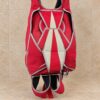
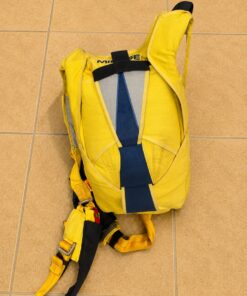
Used Aerodyne Icon V Complete Skydiving Rig

€5,500.00
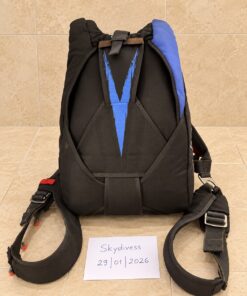
Used Aerodyne Icon V complete skydiving rig in excellent overall condition with a well-documented component history and low jump count on the main canopy.
Key details:
- Aerodyne Icon V container
- DOM: 07/2022
- Container size: 16
- Harness size: D-E-E-E
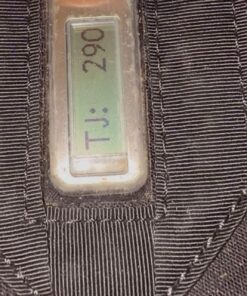
- Approximately 290 jumps on the container
- Built for approximately 177 cm / 80 kg
- Chest: 103.5 cm
- Waist: 92 cm
- Torso: 46 cm
- Leg pad: 81 cm
- Hip: 104 cm
- Lateral: 49.5 cm
- Inseam: 86.5 cm
- Some room to size slightly up or down
- Skyhook-RSL
- Freefly configuration
- Belly band
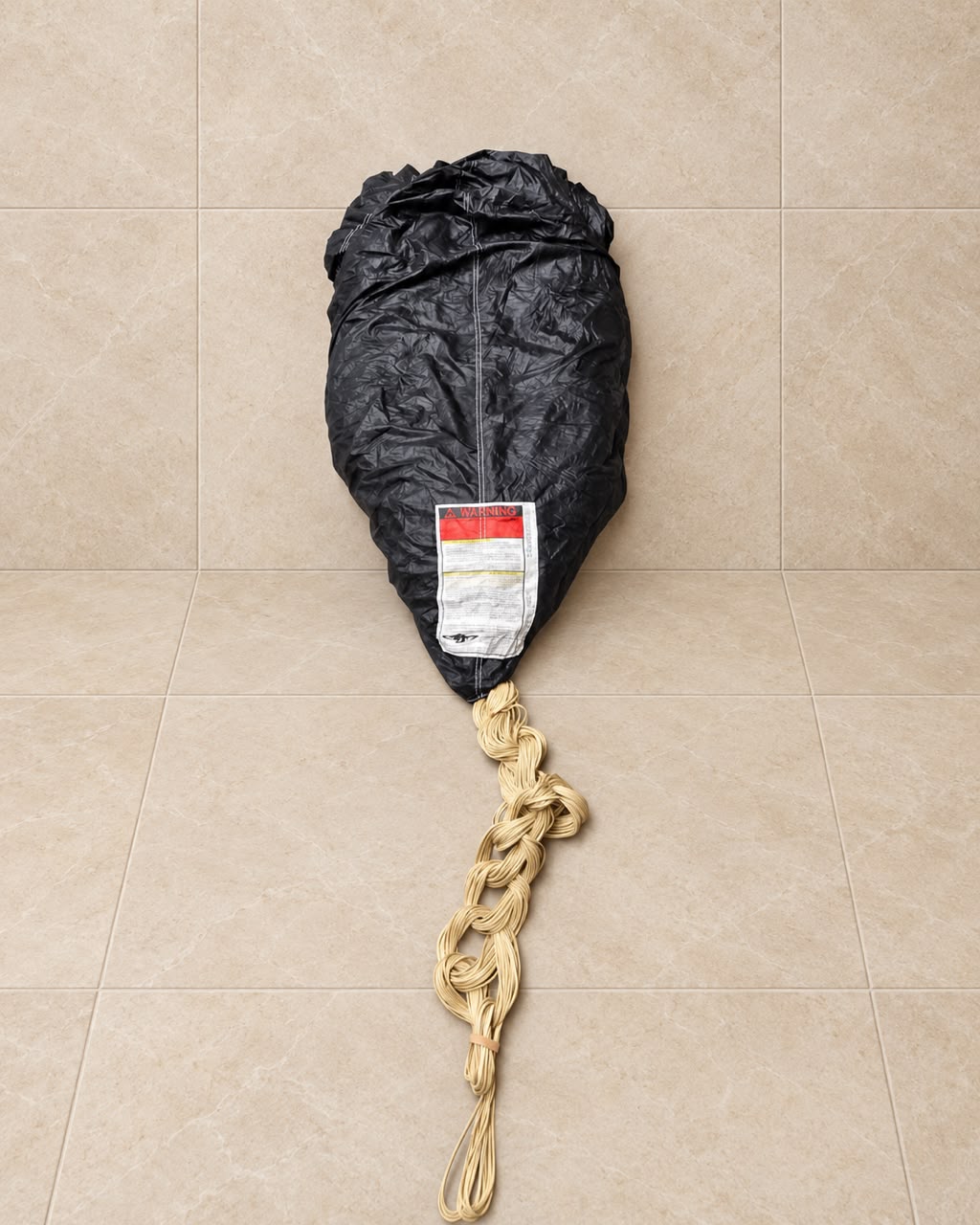
- Firebird Rush 193 reserve
- Reserve DOM: 11/2021
- 11 repacks
- 0 reserve rides
- Vigil Cuatro AAD
- AAD DOM: 07/2022
- Sabre2 170 main canopy
- Main DOM: 11/2019
- Approximately 90 total jumps
- Main described as like new
- First-owner rig history
- All reserve repacks completed by Skygear Experts
- References available
A strong complete setup for an appropriately sized and experienced jumper looking for a modern freefly-oriented rig with detailed measurements, low main-canopy use, clear reserve history, and a recent AAD. Final fit, canopy suitability, reserve status, AAD serviceability, and overall condition should be confirmed by a qualified rigger before use.
Used Aerodyne Icon V Complete Skydiving Rig – Skyhook-RSL, Sabre2 170, Rush 193 and Vigil Cuatro
This used Aerodyne Icon V complete skydiving rig offers a well-documented combination of modern equipment, low-to-moderate jump numbers, clear sizing information, and carefully maintained components. The package is built around a July 2022 Aerodyne Icon V, container size 16, with approximately 290 total jumps, a Skyhook-RSL system, freefly configuration, and belly band.
The harness was originally built for a jumper approximately 177 cm tall and 80 kg, using harness size D-E-E-E. Detailed original measurements are available, including a 103.5 cm chest, 92 cm waist, 46 cm torso, 81 cm leg pad, 104 cm hip, 49.5 cm lateral, and 86.5 cm inseam. There is also some room to accommodate a slightly larger or smaller jumper, although final fit should always be checked before use.
The complete system also includes a Firebird Rush 193 reserve, DOM 11/21, with 11 repacks and zero rides, a Vigil Cuatro AAD, DOM 07/22, and a Performance Designs Sabre2 170, DOM 11/19, with only 90 total jumps. The current owner is the second owner of the main, while the complete rig history is described as carefully maintained. All reserve repacks were completed by Skygear Experts, and references can be provided.
2022 Aerodyne Icon V Container – 290 Jumps
The container is an Aerodyne Icon V, manufactured in July 2022.
Aerodyne describes the Icon V as its premium freefly-focused harness/container, designed with high-speed flying in mind. The manufacturer specifies triple-magnet riser covers, anti-snag tuck tabs for pin protection, covered bridles, fully covered risers, and dedicated riser ramp panels intended to reduce snag risk around the reserve container.
That design philosophy makes the Icon V especially relevant for jumpers interested in a modern, secure harness/container with strong freefly-oriented construction.
The stated total use of approximately 290 jumps is moderate for a current-generation sport container. However, actual condition should always be verified through inspection rather than jump count alone.
Container Size 16 and Harness Size D-E-E-E
The container is listed as size 16 with a D-E-E-E harness configuration.
The original build measurements are:
- Height: 177 cm
- Weight: approximately 80 kg
- Chest: 103.5 cm
- Waist: 92 cm
- Torso: 46 cm
- Leg pad: 81 cm
- Hip: 104 cm
- Lateral: 49.5 cm
- Inseam: 86.5 cm
- Harness size: D-E-E-E
- Container size: 16
These measurements provide buyers with significantly more useful fit information than height and weight alone.
The harness reportedly has room to accommodate some variation up or down, but the intended jumper should still compare personal dimensions and confirm fit with an experienced rigger.
Why Detailed Measurements Matter
Correct fit influences comfort, rig stability, emergency-handle accessibility, and overall confidence.
A container that fits well should remain close to the body without becoming excessively restrictive.
The shoulder area should sit naturally.
The laterals should keep the lower container secure.
The leg pads should support the jumper comfortably.
Therefore, the detailed original dimensions supplied with this rig are an important advantage for a buyer trying to determine whether the harness is appropriate before purchase.
Skyhook-RSL System
The container includes a Skyhook-RSL configuration.
This system forms part of the reserve deployment architecture and should be inspected as part of the normal rigging cycle.
The RSL and Skyhook components should remain correctly routed, connected, and serviceable.
The jumper should also understand how the system interacts with established emergency procedures before using the rig.
Freefly Configuration
The Icon V was designed around freefly security.
Aerodyne specifically highlights features such as triple-magnet riser covers, protected bridles, anti-snag pin protection, and covered risers as part of the Icon V platform.
This makes the system relevant to jumpers interested in belly flying, freefly, tracking, and angle-oriented progression, assuming the complete rig and deployment configuration remain appropriate for the intended discipline.
Belly Band
A belly band is included in the stated setup.
The belly band adds another adjustable point around the torso and can help support a secure relationship between jumper and harness when correctly fitted.
Its condition, routing, stitching, and adjustment hardware should be checked during a complete inspection.
Firebird Rush 193 Reserve
The reserve is a Firebird Rush 193, manufactured in November 2021.
The supplied history states:
- DOM: 11/21
- 11 repacks
- 0 rides
Firebird identifies the Rush as a 7-cell ram-air square reserve constructed from F-111-type nylon, with compatible soft links or stainless-steel connector links depending on configuration. The manufacturer lists reserve service and repack cycles according to the applicable national authority.
The reported zero-ride history means no emergency deployments have been reported in the supplied ownership record.
Why the Reserve History Matters
A clear reserve history helps a buyer understand how the canopy has been maintained.
Eleven repacks show repeated inspection cycles, while zero rides means the reserve has not been used in an emergency according to the information supplied.
However, it should still be inspected and repacked according to the requirements that apply where the rig will be used.
Professional Repack History
All stated reserve repacks were completed by Skygear Experts, and references can be provided.
This adds useful traceability to the equipment history.
Clear professional documentation can make a used rig easier to evaluate and can provide future riggers with better service context.
Vigil Cuatro AAD – DOM 07/22
The system includes a Vigil Cuatro, manufactured in July 2022.
Vigil currently lists a 20-year service life from the date of manufacture for its electronic components and cutter, subject to proper condition and service eligibility. The manufacturer also states that units must remain within that 20-year period to qualify for servicing.
Vigil’s current documentation also notes that batteries manufactured from October 2018 onward have an expected lifespan of 12 years.
Before use, the unit’s startup sequence, operating mode, cutter, battery status, and installation should be checked.
Sabre2 170 Main Canopy – Only 90 Jumps
The main canopy is a Performance Designs Sabre2 170, manufactured in November 2019.
It has approximately 90 total jumps and is described as like new.
The current seller is the second owner of the main.
Performance Designs describes the Sabre2 as a slightly tapered, zero-porosity, 9-cell canopy designed as a versatile general-purpose wing. PD highlights a long recovery arc, steeper glide, and powerful bottom-end flare in its current technical material.
With only about 90 jumps, this particular canopy has comparatively low use.
Why the Sabre2 170 Stands Out
The Sabre2 has long been one of Performance Designs’ most widely recognized sport canopies.
Performance Designs introduced the Sabre2 in 2001 and describes it as its most popular all-around canopy.
For an appropriately experienced jumper, a 170 can offer a practical balance between responsive handling and general-purpose canopy flight.
However, wing loading, exit weight, experience, recent currency, and canopy progression should always be considered before use.
Linewear and Main-Canopy Inspection
Despite the low jump number, linewear should still be evaluated.
The canopy may look nearly new while individual lines or brake lines show different levels of wear.
Performance Designs publishes a dedicated line-trim chart for Sabre2 sizes through 170, which highlights the importance of maintaining correct line geometry.
A complete inspection should review:
- Line condition
- Brake lines
- Line trim
- Slider
- Grommets
- Seams
- Attachment points
- Fabric
- Risers
- Steering system
Complete Parachute Rig Configuration
Anyone researching a parachute rig, container skydive, parts of a parachute, or skydiving equipment list can view this system as a complete integrated setup.
It includes:
- Aerodyne Icon V harness/container
- Skyhook-RSL
- Freefly configuration
- Belly band
- Firebird Rush 193 reserve
- Vigil Cuatro AAD
- Performance Designs Sabre2 170 main
That is different from purchasing only a container and then trying to source compatible components separately.
Canopy Flight and Jumper Suitability
Searches involving canopy flight, jumper pilot, skydiving downsizing chart, landing flight risers, smallest canopy, safire 3, and fluid wings often relate to canopy progression.
The Sabre2 170 should be chosen according to actual experience rather than simply because it fits this container.
Wing loading should be calculated using full exit weight.
Landing history, currency, training, and previous canopy size should also be considered.
Freefly, Tracking and Speed-Oriented Flying
The Icon V is particularly relevant when buyers research tracking jump, skydiving speed, speed sky diving, freefly pud handle, or different fly suits.
Aerodyne designed the platform specifically around higher-speed freefall security.
However, the actual rig should still be professionally inspected before being used for advanced disciplines.
Wingsuit Search Context
Broader searches may also include wingsuit, wingsuit sport, vector wingsuit, gliding suit wingsuit, skydiving gliding suit, wing suits for sale, price of wingsuit, indoor wingsuit, and tandem wingsuit.
A complete wingsuit setup requires appropriate training and careful selection of deployment components and canopy type.
Therefore, suitability should be discussed with an experienced wingsuit instructor and rigger rather than assumed from the container alone.
Helmet, Goggles and Personal Equipment
A complete personal setup may also involve a skydiving helmet, skydive helmets, sky helmet skydiving, sky diving helmet, full face skydiving helmet, skydiving helmet full face, g35 helmet, best skydiving helmet, cookie g4 helmet, skydiver goggles, and skydiving glasses.
For jumpers asking can you wear glasses while skydiving, suitable eye protection and compatible helmet choice are separate considerations.
These personal items are not part of this rig unless specifically included elsewhere.
Hook Knife and Additional Accessories
Search terms such as hook blade knife, hook knife skydiving, skydive hook knife, and gear bag skydive refer to separate accessories.
A suitable hook knife may be carried according to jumper preference, training, and local requirements.
A gear bag can also help protect the complete rig during storage and transport.
CRW and Specialized Canopy Disciplines
A buyer may also encounter terms such as crw skydiving when researching advanced disciplines.
Specialized canopy work may require different equipment choices, training, and configuration.
The supplied Sabre2 and Icon V should therefore be evaluated according to the actual discipline rather than assuming universal suitability.
BASE and Unrelated Equipment Categories
Terms such as base jumping, baseline jumping, and base canopy describe a separate equipment category.
This complete Icon V system is intended as a sport skydiving rig and should not be confused with dedicated BASE equipment.
Similarly, fire parachute and cypress fire skydiving are unrelated search phrases and should not be interpreted as descriptions of the included Firebird reserve or Vigil AAD.
Destination and General Skydiving Search Context
Searches such as parachute jump australia, skydive byron bay, cairns skydiving, skydive belize, skydiving blue hole belize, ifly colorado springs, nude parachute jump, skydiving nude, new skydive, #skydiving latest, and skydiving website refer to locations, experiences, or general information.
They do not change the specifications of this rig.
When traveling, the jumper should confirm reserve-repack rules, drop-zone requirements, and equipment regulations in the destination country.
Weight and Fit Considerations
A search for weight limit skydiving should not be answered using body weight alone.
For personal equipment, the more important factors include:
- Harness fit
- Exit weight
- Main-canopy wing loading
- Reserve limits
- Jumper experience
- Current skill level
- Local drop-zone requirements
The original 177 cm / 80 kg build provides a useful starting point, but the detailed measurements are more valuable when confirming fit.
Skydiving Rigging and Inspection
Professional skydiving rigging should be part of any used-system purchase.
The inspection should include the container, webbing, stitching, hardware, three-ring system, risers, Skyhook-RSL, handles, deployment components, main canopy, reserve, AAD installation, line condition, and documentation.
The supplied professional repack history provides a useful starting point.
Why This Complete System Stands Out
This package combines several attractive features in one setup:
- 2022 Aerodyne Icon V
- Approximately 290 container jumps
- Skyhook-RSL
- Freefly-focused design
- Belly band
- Detailed original measurements
- Firebird Rush 193 reserve
- 11 repacks
- Zero reserve rides
- Vigil Cuatro DOM 07/22
- Sabre2 170 main
- Only 90 total main jumps
- Main described as like new
- First-owner rig history
- Professional reserve repack history
- References available
For a jumper whose measurements, experience, and canopy progression are suitable, this system offers a well-documented combination of modern equipment, low main-canopy use, a reserve with zero reported rides, and a premium freefly-oriented harness/container.
Final fit, reserve status, AAD serviceability, canopy suitability, line condition, and overall airworthiness should be confirmed by a qualified rigger before the system is placed into service.
Section 2 – Fit, Component Condition, Canopy Performance, Inspection and Long-Term Ownership
Evaluate the Rig as a Complete System
A complete skydiving rig should always be assessed as one integrated life-support system.
The harness/container affects fit, stability, comfort, and emergency-handle access.
The main canopy affects normal flight, openings, control response, and landing characteristics.
The reserve provides the emergency canopy.
The automatic activation device forms another layer within the reserve deployment system.
The Skyhook-RSL, risers, pilot chute, bridle, deployment bag, closing components, handles, and lines all contribute to how the complete setup functions.
For that reason, the system should never be judged by one component alone.
A nearly new main does not compensate for a harness that does not fit.
A good reserve does not compensate for poor maintenance.
A modern activation device does not replace correct procedures.
Compatibility, serviceability, fit, condition, and appropriate experience all matter together.
Start With Harness Fit
The original measurements provide a strong starting point for evaluating whether the system will suit a new owner.
The harness was built around a jumper approximately 177 cm tall and 80 kg.
However, height and weight alone do not determine fit.
Torso length matters.
Shoulder width matters.
Chest size matters.
Waist size matters.
Hip dimensions matter.
Inseam matters.
Overall body proportions matter.
A person with similar height and weight may still fit differently.
This is why the detailed original measurements are valuable.
Torso Measurement
The listed torso measurement is 46 cm.
This dimension has a major influence on how the harness sits vertically.
If the harness is too long, the rig may sit lower than intended.
If it is too short, pressure can increase around the shoulders and upper torso.
Correct torso length helps maintain predictable handle placement and comfortable body position.
Chest Fit
The original chest measurement is 103.5 cm.
The shoulder and chest relationship should feel secure without creating excessive restriction.
A properly fitted harness should allow normal breathing and movement.
At the same time, it should not feel loose around the upper body.
Waist Fit
The original waist measurement is 92 cm.
Waist dimensions influence how the lower harness sits.
The system should remain stable without excessive movement.
The belly band also adds another point of adjustment and support around the torso.
Hip Measurement
The original hip measurement is 104 cm.
Hip dimensions affect how the harness sits through the lower torso and leg-junction area.
A good fit helps prevent the system from shifting unnecessarily.
Lateral Measurement
The stated lateral measurement is 49.5 cm.
Laterals influence how closely the container sits against the jumper’s back.
If they are too long, the lower container may move.
If they are too short, the harness can feel restrictive.
Correct lateral fit contributes to both comfort and stability.
Inseam and Leg-Pad Fit
The original inseam measurement is 86.5 cm, while the listed leg pad measurement is 81 cm.
Leg-pad positioning should feel natural.
The straps should remain secure without excessive pressure.
The jumper should be able to sit in the aircraft, move in freefall, and remain comfortable after deployment.
Room to Adjust Up or Down
The harness reportedly has some room to accommodate a slightly larger or smaller jumper.
That flexibility can be useful.
However, adjustability should not be confused with universal fit.
The safest approach is still to compare detailed measurements and have the rig evaluated on the intended user.
Why Fit Matters for Emergency Handles
Emergency-handle access depends heavily on harness position.
If the rig sits too high, too low, or too loosely, the handles can feel different from where the jumper expects them.
A correct fit supports predictable access.
This is especially important because the system includes both a cutaway system and reserve deployment components.
Container Condition After 290 Jumps
Approximately 290 jumps is relatively moderate use for a modern sport harness/container.
However, jump count alone does not define condition.
Packing surfaces create wear.
Aircraft interiors create wear.
Repeated deployment cycles create wear.
Freefall movement creates wear.
Storage history matters.
Sun exposure matters.
Moisture matters.
A direct physical inspection remains essential.
Harness Webbing Inspection
Harness webbing should remain structurally sound.
Some light surface wear may be normal.
However, deep abrasion, cuts, burns, chemical damage, or questionable repairs deserve professional attention.
The distinction between cosmetic wear and structural concern should be made carefully.
Stitching Condition
Structural stitching should remain intact.
Loose threads should be inspected.
Broken thread in load-bearing areas should not be ignored.
A qualified rigger can determine whether any area requires repair.
Hardware Condition
Metal hardware should remain free from serious corrosion, deformation, or sharp edges.
Moving hardware should operate smoothly.
Areas where metal contacts webbing should be checked carefully.
Damaged metal can eventually damage surrounding textile components.
Three-Ring Release System
The three-ring system should remain clean and correctly assembled.
The rings should move freely.
The webbing should not be twisted.
Release cables should remain clean and serviceable.
Cable housings should also be checked.
Routine inspection helps preserve reliable operation.
Riser Condition
Risers should remain structurally sound.
The webbing should be checked for abrasion.
Connector links should remain secure.
The small-ring and loop system should align correctly.
Brake components should also remain serviceable.
Riser Cover Security
The Icon V uses a freefly-oriented container design, so riser-cover security is particularly important.
The covers should remain closed in freefall.
They should also release correctly during deployment.
Wear or loss of retention should be addressed.
Main Pin Protection
The main closing pin should remain protected.
Flaps should sit naturally.
The pin should not be easily exposed by normal movement.
This becomes especially important during higher-speed or multi-orientation freefall.
Closing Loop Condition
The closing loop should be checked regularly.
Wear can develop gradually.
Correct length also matters.
Too much tension or too little tension can affect how the container closes.
Main Pilot Chute
The pilot chute should remain in serviceable condition.
Fabric and mesh should be inspected.
The deployment handle should remain secure.
The attachment to the bridle should remain sound.
A worn pilot chute can affect deployment even if the rest of the rig looks excellent.
Pilot-Chute Pouch
The pouch should retain the pilot chute properly.
If it becomes too loose, handle security can decrease.
If it becomes too tight, extraction can become more difficult.
The balance should remain appropriate for the intended use.
Bridle Condition
The bridle should remain structurally sound.
Wear around attachment points should be checked.
Fabric and stitching matter.
Correct routing also matters.
Deployment Bag
The deployment bag should fit the main canopy properly.
Stows should work as intended.
Fabric and stitching should remain serviceable.
The bag should sit naturally inside the main tray.
Evaluating the Main Canopy
The main canopy has only about 90 jumps and is described as being like new.
That is attractive because it indicates relatively low use.
However, physical condition still matters more than jump number alone.
Fabric should be inspected.
Lines should be inspected.
Seams should be checked.
Attachment points should be reviewed.
The slider should be examined.
Brake lines should also be evaluated.
Fabric Condition
The canopy should be checked for tears, burns, punctures, contamination, and unusual abrasion.
A low-jump canopy will often show limited fabric wear.
However, poor storage or rough handling can still create problems.
Seam Integrity
Major seams should remain intact.
Any damaged stitching deserves attention.
Seams carry repeated loads during opening and flight.
Even minor-looking damage in critical areas should be reviewed.
Line Attachment Points
Attachment points should remain secure.
They transfer load between the line set and the canopy.
Any fraying, distortion, or damaged stitching should be investigated.
Line Condition
The entire line set should be reviewed.
Some lines may wear faster than others.
Brake lines often receive more handling.
Visible wear should be assessed together with actual trim condition.
Why Line Trim Matters
Line trim can affect how the canopy flies.
Openings may change.
Glide may change.
Recovery characteristics may change.
Flare response can also change.
This is why line condition should be evaluated as both wear and geometry.
Brake-Line Condition
Brake lines should remain in serviceable condition.
Wear around guide rings should be checked.
Brake settings should remain correct.
Toggles should remain secure.
Slider Condition
The slider should be inspected for fabric wear.
Grommets should remain smooth.
Sharp edges can damage lines.
The slider should move freely.
Main Canopy Flight Character
The supplied main is a general-purpose sport canopy known for responsive handling and strong flare performance when flown appropriately.
However, suitability should never be based only on size.
Experience matters.
Exit weight matters.
Recent currency matters.
Previous canopy progression matters.
Landing consistency matters.
Wing Loading
Wing loading should be calculated using full exit weight.
This includes the jumper plus worn equipment.
The number should then be considered together with canopy design and pilot experience.
A single figure should not make the decision on its own.
Canopy Progression
Progression should remain gradual.
The jumper should demonstrate consistent landing patterns.
Crosswind control should be reliable.
Traffic awareness should be strong.
Accuracy should be repeatable.
Emergency planning should remain current.
A canopy coach can provide useful guidance.
Opening Behavior
Openings should be judged over multiple jumps.
Packing technique matters.
Body position matters.
Deployment speed matters.
Line condition matters.
Slider condition matters.
One unusual opening should not automatically be treated as a mechanical fault.
Landing Performance
Landing quality depends on technique, loading, wind, line trim, brake settings, and canopy condition.
If flare response changes, the steering system and line set should be reviewed.
Reserve History
The reserve has 11 repacks and zero reported rides.
This creates a useful maintenance history.
However, a reserve with no rides should still receive normal professional inspection and repacking.
Emergency deployment history is only one part of reserve condition.
Why Zero Rides Matters
Zero reported rides means no emergency deployments are listed in the supplied history.
That can be attractive to a buyer.
However, age, storage, repacking, and handling still influence condition.
Repack Records
The repack history is particularly valuable because all stated repacks were performed by the same professional service source.
That adds continuity.
The packing data card should still be reviewed.
Dates should be checked.
Entries should remain readable.
Reserve Fabric Inspection
During repack, the reserve fabric should be examined.
Seams should be checked.
Lines should be inspected.
Attachment points should be reviewed.
Any contamination or damage should be addressed.
Reserve Deployment Components
The reserve pilot chute, freebag, bridle, closing loop, pin, handle, RSL, and Skyhook all contribute to reserve deployment.
Each part should remain serviceable.
The complete system functions as a chain.
Reserve Size and Practical Suitability
The reserve should be appropriate for the jumper’s actual exit weight and practical landing requirements.
Certification limits are important.
However, practical landing capability also matters.
A reserve may need to be used under stressful conditions.
Skyhook-RSL Inspection
The Skyhook-RSL system should be inspected during professional service.
Routing should remain correct.
Connections should remain secure.
Components should show no damage.
The jumper should also understand how the system interacts with emergency procedures.
Why the Skyhook-RSL Adds Value
The system is designed to assist reserve deployment after an applicable cutaway.
This can reduce the time required to extract the reserve in the situation for which it is designed.
However, it should never replace correct training or emergency procedures.
Emergency Procedure Familiarity
The jumper should rehearse emergency procedures using the actual rig.
The cutaway handle should be familiar.
The reserve handle should be familiar.
The Skyhook and RSL configuration should also be understood.
Equipment familiarity improves confidence.
Vigil Cuatro Condition
The activation device is from the same general production period as the container.
That gives the system a relatively consistent age profile.
However, current service status still needs to be confirmed.
Battery condition should be checked.
Cutter condition should be checked.
Operating mode should be confirmed.
The controller should function normally.
Startup Sequence
The device should complete its startup sequence without errors.
Any warning should be investigated.
The jumper should know how to confirm that the device is active.
Operating Mode
The operating mode should match the intended type of jumping.
The new owner should not assume that the previous setting is appropriate.
The setting should be verified before use.
Cutter Installation
The cutter should remain correctly installed.
Cable routing should be correct.
Damage should not be ignored.
This should be checked during reserve servicing.
Service Planning
A known manufacture date makes future ownership easier to plan.
Battery needs can be anticipated.
Service-life status can be tracked.
Documentation should remain with the rig.
Freefly Configuration
The container has a freefly-oriented setup.
That makes it attractive to jumpers who use multiple body orientations.
However, the actual condition of all security features matters.
Handle retention matters.
Pin protection matters.
Riser covers matter.
Pilot-chute retention matters.
Higher-Speed Freefall
Faster flying creates stronger airflow around the container.
This places more demand on secure flaps and deployment-handle retention.
The complete closure system should remain in excellent condition.
Tracking
Tracking can create strong airflow across the back of the container.
The pilot-chute pouch should remain secure.
The closing system should remain protected.
The rig should fit closely and comfortably.
Belly Flying
For conventional freefall, the rig should remain stable.
The deployment handle should be easy to locate.
The harness should allow normal movement.
The container should sit comfortably against the back.
Belly Band Function
The belly band can contribute to harness stability and fit.
It should remain structurally sound.
Adjustment hardware should work correctly.
The strap should not show significant wear.
Aircraft Comfort
A properly fitted rig should feel comfortable in the aircraft.
Pressure points should remain minimal.
The leg straps should not feel excessively restrictive.
The shoulders should not be compressed.
Poor aircraft comfort can be an early sign that the harness does not fit properly.
Canopy Flight Comfort
After deployment, the harness should continue to feel secure.
The leg straps should support the jumper comfortably.
The chest area should allow normal movement.
The jumper should be able to reach canopy controls without restriction.
Storage History
Storage conditions can strongly affect used equipment.
A rig stored in a cool, dry environment may remain excellent.
A poorly stored rig can deteriorate even with low jump numbers.
Storage history should therefore be considered.
Heat Exposure
Excessive heat should be avoided.
Vehicle interiors can become extremely hot.
Long-term heat exposure may affect textile and electronic components.
Humidity
Moisture can affect both fabric and metal components.
The rig should be stored dry.
Any damp equipment should be handled correctly before storage.
UV Exposure
Ultraviolet light can weaken textiles.
The system should not be left in direct sunlight unnecessarily.
Reduced UV exposure also helps preserve appearance.
Water Exposure
Any water exposure should be disclosed.
Saltwater deserves particular attention.
Salt can affect both fabric and hardware.
Professional inspection is appropriate after significant exposure.
Chemical Exposure
Fuel, oils, solvents, and harsh cleaners can damage parachute materials.
Any suspected contamination should be taken seriously.
Aggressive home cleaning should be avoided.
Cleaning
Cleaning should remain conservative.
Suitable manufacturer guidance should be followed.
Strong household chemicals can damage fabric, webbing, coatings, and labels.
Packing Environment
A clean packing surface helps preserve the rig.
Rough concrete can create abrasion.
Sand and grit can work into fabric and hardware.
Good packing habits can extend service life.
Aircraft Wear
Aircraft floors, benches, doors, and interior hardware can create abrasion.
High-contact areas should therefore be checked periodically.
Cosmetic marks may be normal.
Structural wear is different.
Hard-Opening History
A hard opening can place significant loads on the harness, risers, and attachment areas.
If such an event occurred, the rig should be inspected.
Visual appearance alone may not reveal everything.
Hard-Landing History
Hard landings can also stress the harness.
Leg straps, hardware, and attachment points deserve attention after unusual incidents.
Repair History
A professional repair is not automatically negative.
Skydiving equipment is designed to be serviced.
The important questions are what was repaired, why it was repaired, and whether the work was completed by qualified personnel.
Documentation
Good documentation increases confidence.
Container information should be recorded.
Reserve records should remain available.
AAD details should be kept.
Main-canopy information should be retained.
Professional repack history should also remain with the system.
References and Service Traceability
The ability to provide references for the professional repack history adds value.
Traceability can help a buyer confirm how the rig has been maintained.
It can also provide future riggers with useful background.
First-Owner Rig History
A clear ownership history can make a used system easier to evaluate.
Knowing who owned the rig and how it was maintained helps reduce uncertainty.
The same applies to the main canopy, where the current seller is the second owner but the total jump count is known.
Pre-Purchase Inspection
A professional pre-purchase inspection is one of the strongest ways to reduce uncertainty.
The rigger can examine areas that photos cannot show.
Harness fit can also be discussed.
Component compatibility can be reviewed.
Why Independent Inspection Matters
A rig can be mechanically excellent and still not fit the buyer.
A canopy can be nearly new and still be inappropriate for the jumper’s experience.
An independent inspection helps separate condition from suitability.
Travel Considerations
Reserve-repack rules can vary by country.
Drop-zone policies can vary.
AAD requirements can vary.
The owner should check local requirements before traveling.
Airline Travel
Airline procedures differ.
Keeping documentation available can simplify transport.
The owner should also understand how the activation device should be handled during travel.
Gear Protection During Transport
A gear bag can reduce abrasion and contamination.
The rig should be kept away from sharp tools, fuel, oils, and heavy items.
Good transport habits help preserve condition.
Insurance
A complete rig represents a significant investment.
Insurance may be worth considering.
Serial numbers, photographs, receipts, and service records can simplify any future claim.
Long-Term Resale Value
Well-documented equipment is easier to sell.
Known manufacture dates help.
Known jump counts help.
Clear reserve history helps.
Professional repack history helps.
AAD details help.
A main canopy with low use can also add value.
Why the Main’s Low Jump Count Matters
Approximately 90 jumps is relatively low use for a sport main canopy.
If the stated condition is confirmed, this can be one of the strongest selling points of the system.
The buyer still benefits from checking lines, fabric, seams, and steering components.
Why the Reserve History Adds Confidence
Eleven repacks and zero reported rides provide clear context.
The professional repack history adds another layer of traceability.
The next step is simply confirming current service status.
Why the Container’s Moderate Use Matters
Approximately 290 jumps means the harness/container has seen regular use without necessarily being heavily worn.
Condition should still be verified.
However, a relatively recent container with moderate jump numbers can offer strong long-term value.
Why Matching Manufacture Periods Help
The container and activation device are from the same general period, while the reserve is only slightly older.
This creates a relatively modern overall system.
Maintenance planning becomes easier.
Who This System May Suit
This rig may suit an experienced sport jumper whose measurements are reasonably close to the original build and whose canopy experience supports the supplied main.
It may also appeal to someone who wants a complete, professionally maintained system rather than assembling unrelated components separately.
Final Practical Assessment
The overall strength of this rig comes from the combination of detailed sizing information, moderate container use, a low-jump main, a reserve with zero reported rides, a recent activation device, professional repack history, and a freefly-oriented container configuration.
The harness measurements make fit evaluation easier.
The reserve history is clear.
The main canopy has relatively little use.
The Skyhook-RSL adds an advanced reserve-deployment feature.
The belly band provides additional harness configuration.
The freefly design improves versatility for an appropriately experienced jumper.
However, the final decision should still be based on verified suitability.
The harness must fit.
The main canopy must match the jumper’s experience.
The reserve must remain appropriate for exit weight.
The activation device must be serviceable.
The Skyhook-RSL must be correctly configured.
The lines, risers, deployment components, webbing, hardware, stitching, and handles should all pass inspection.
When those requirements are satisfied, this system can provide a strong long-term platform for a suitably experienced jumper who wants a modern, well-documented, and carefully maintained complete rig.
Be the first to review “Used Aerodyne Icon V Complete Skydiving Rig”
Related products

used products
used products

used products
used products

used products
used products

used products

used products
Reviews
There are no reviews yet.