








Used Complete System


€7,000.00
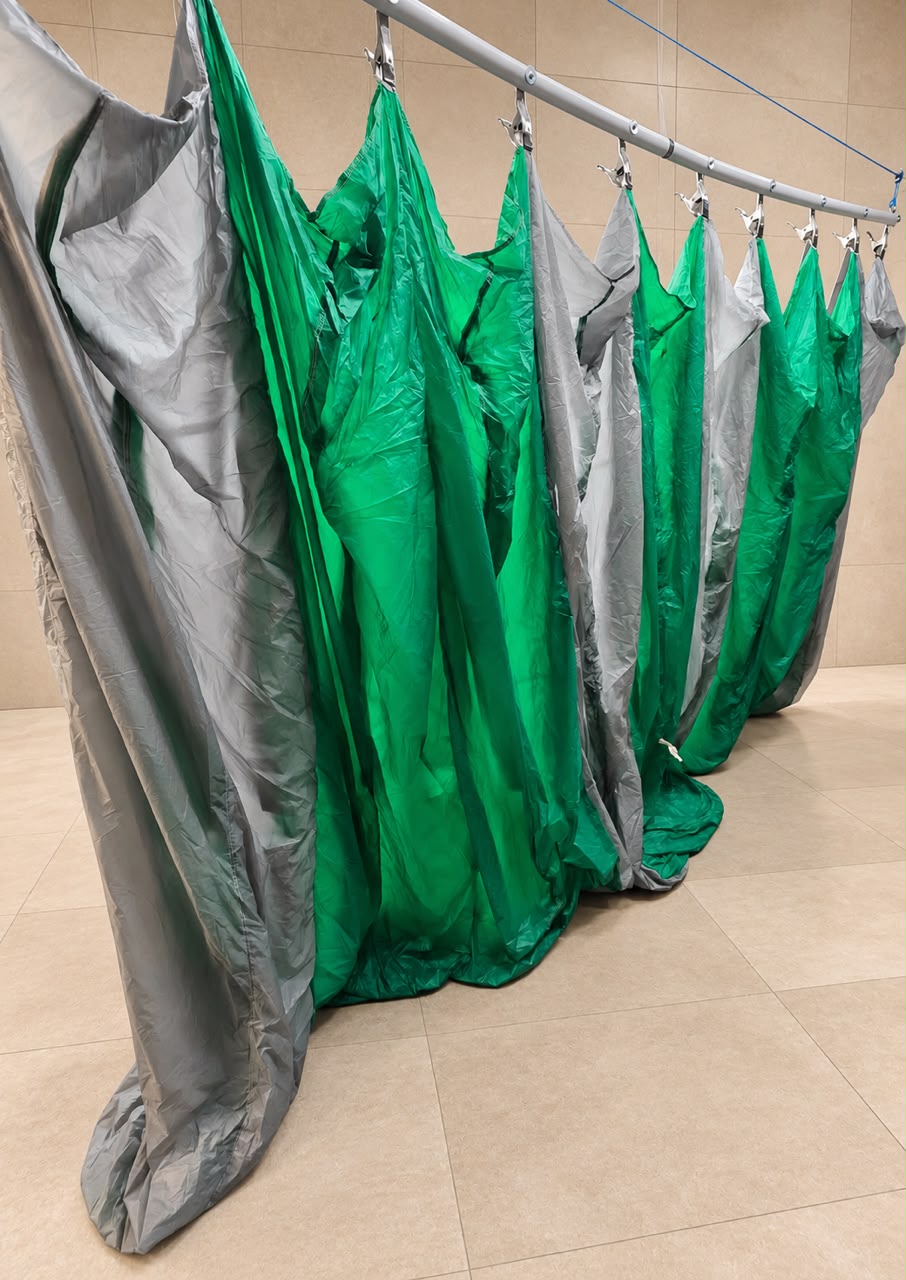
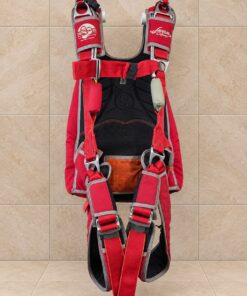
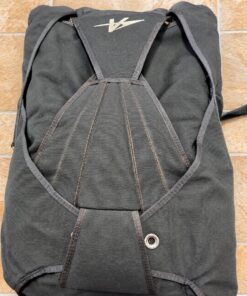
Used complete skydiving system in great overall condition, built around a 2022 Javelin 4.5K harness/container and matched with a Silhouette 230 main, Optimum 218 reserve, and Vigil Cuatro AAD.
Key details:
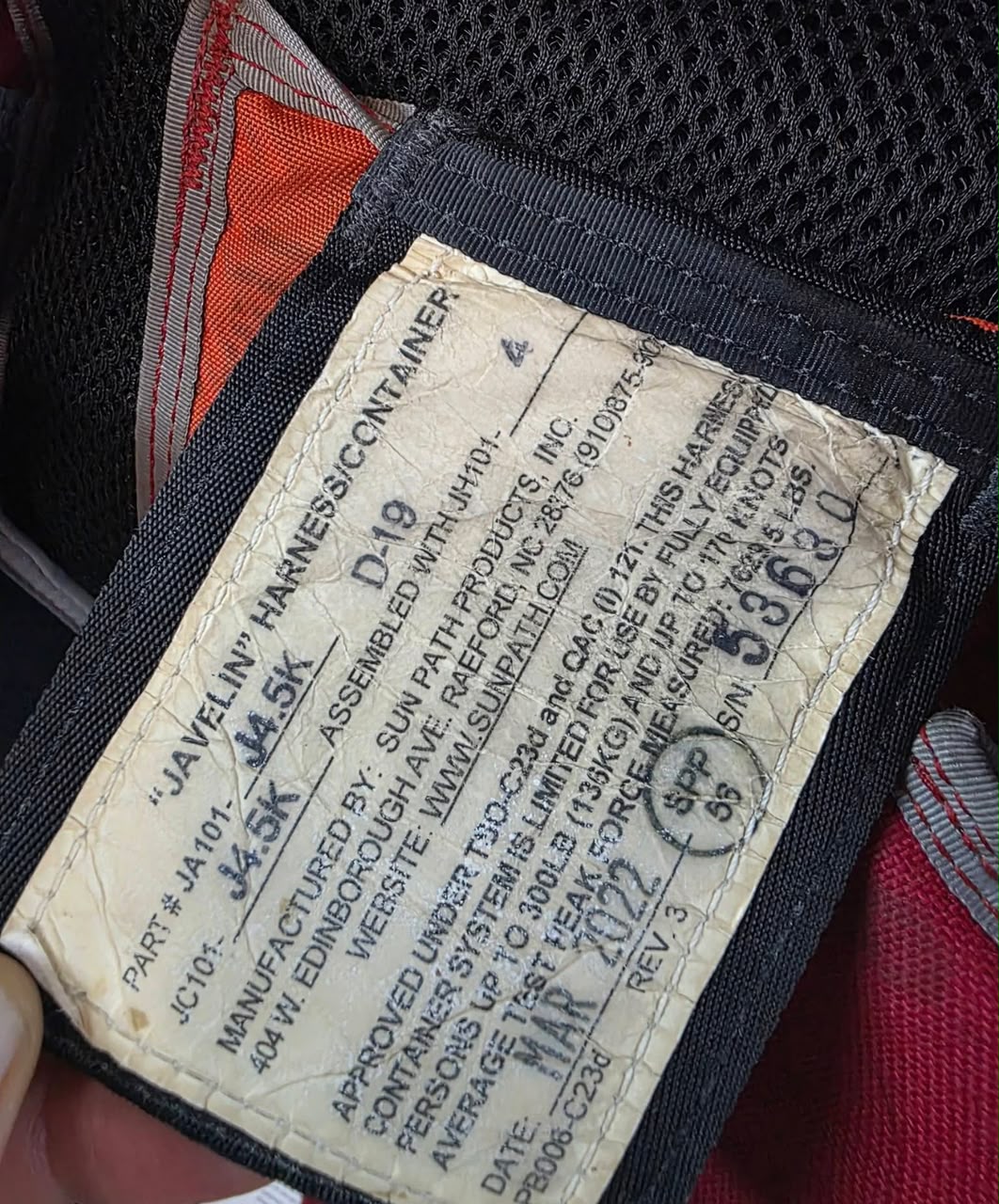
- 2022 Javelin 4.5K container
- Approximately 500 jumps on the container
- Built for a jumper around 6’4″ and 220 lb
- Container serial number: 53630
- Skyhook equipped
- Freefly modification
- 2022 Vigil Cuatro AAD
- Vigil serial number: 66785
- 2022 Optimum 218 reserve
- 7 reserve repacks
- 0 reserve rides
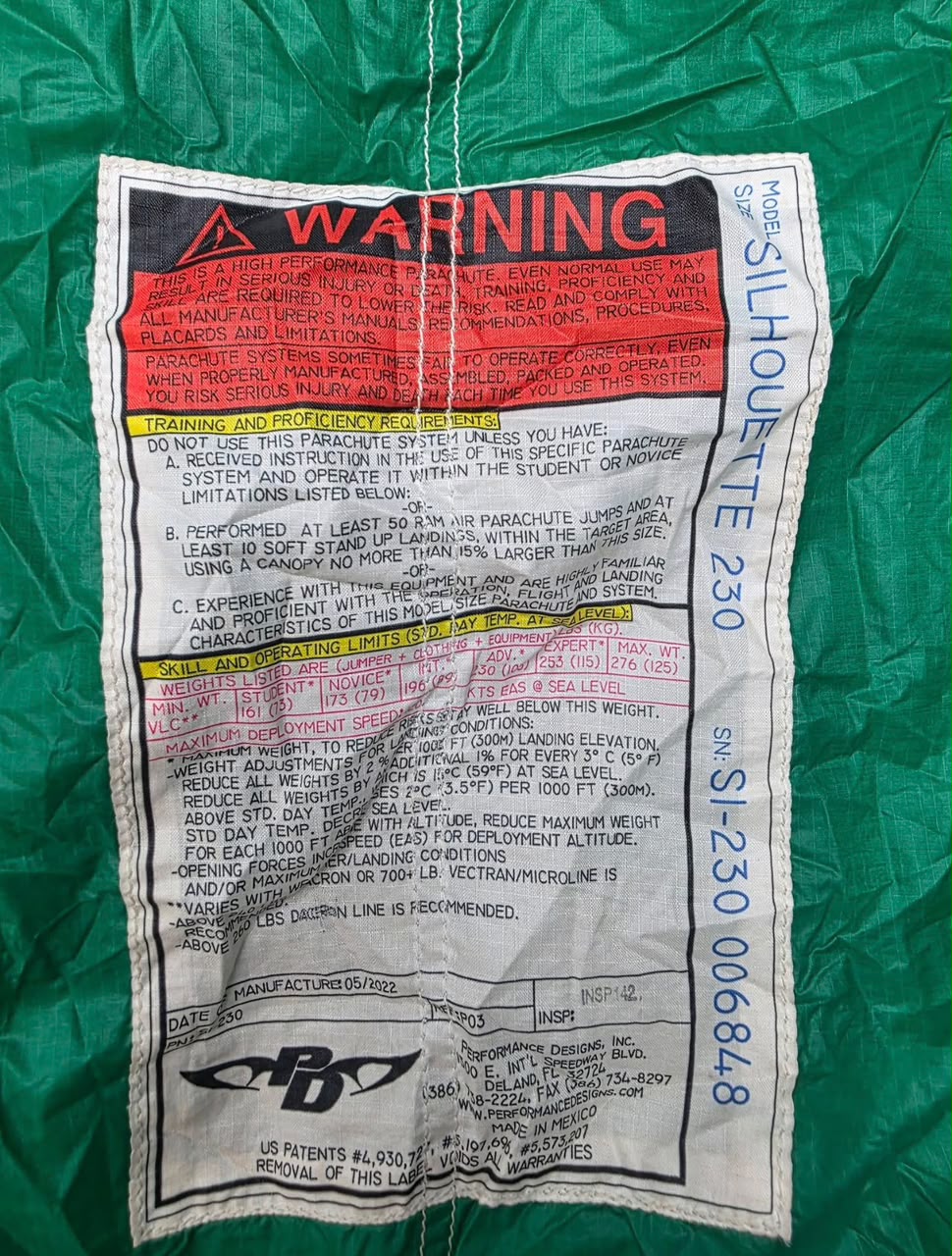
- 2022 Silhouette 230 main canopy
- Approximately 120 jumps on the main
- Main canopy in great condition
- No holes
- No patches
- Complete system with container, main, reserve, and AAD
A well-equipped, relatively recent complete rig with clear component history and a low-jump main canopy. Final harness fit, canopy suitability, reserve status, AAD serviceability, and overall condition should be verified by a qualified rigger before use.
Used Complete Skydiving System – 2022 Javelin 4.5K with Silhouette 230, Optimum 218 and Vigil Cuatro
This used complete skydiving system offers a well-matched combination of modern components, clearly documented manufacture dates, known jump history, and practical equipment for an appropriately sized sport skydiver. Built around a 2022 Javelin 4.5K harness/container, the system was made for a jumper approximately 6’4″ and 220 lb and includes a Skyhook, freefly modification, 2022 Vigil Cuatro AAD, Performance Designs Optimum 218 reserve, and a 2022 Performance Designs Silhouette 230 main canopy.
The container has approximately 500 jumps, while the Silhouette 230 has only 120 jumps and is reported to remain in great condition with no holes or patches. The Optimum 218 has 7 repacks and 0 rides, which gives buyers useful background on its deployment history.
For an appropriately experienced jumper whose body measurements, exit weight, and canopy requirements match the system, this package provides the major components needed for a complete personal rig Used Complete System.
2022 Javelin 4.5K Harness and Container
The container is a Javelin 4.5K, manufactured in 2022, with serial number 53630.
It was originally made for a person approximately 6’4″ and 220 lb. However, height and weight should be treated only as starting points when assessing harness fit. Torso length, shoulders, waist, chest, inseam, and overall body proportions can significantly change how a harness sits Used Complete System.
With approximately 500 jumps on the container, the system has seen regular sport use, yet jump count alone does not define condition. Harness webbing, stitching, hardware, riser covers, closing areas, padding, handles, pilot-chute pouch, and deployment components should all be inspected by a qualified rigger.
The Javelin Odyssey platform is designed around a Type 7 harness and includes features such as cut-in laterals, stainless hardware, AAD readiness and RSL compatibility. Sun Path also supports Skyhook-equipped versions for sport jumping.
Skyhook Reserve Deployment System
This container is equipped with a Skyhook.
The Skyhook is a main-assisted reserve deployment system. During an applicable cutaway, it can use energy from the released main canopy to assist reserve deployment, supplementing the traditional reserve static line concept. Sun Path lists the Skyhook as an available premium option on the Javelin Odyssey.
Its condition, routing, connection, and compatibility should always be checked during professional rigging service.
The jumper should also understand exactly how the system integrates with personal emergency procedures before using the rig.
Freefly Modification
The container includes a freefly modification, adding practical value for a jumper who participates in higher-speed or multiple-orientation freefall.
Freefly configurations place greater importance on secure main-pin protection, riser-cover security, deployment-handle retention, and overall fit.
Sun Path currently describes its freefly deployment-handle design as using a tuck tab to improve retention during higher-speed flying.
Because this is a used system, the freefly-related components should be inspected before the rig is returned to service.
2022 Vigil Cuatro Automatic Activation Device
The system includes a Vigil Cuatro AAD, manufactured in 2022, with serial number 66785.
An AAD provides an additional layer within the reserve deployment system and should be treated as precision electronic life-support equipment.
The unit’s current status, operating mode, battery condition, cutter installation, controller condition, and remaining manufacturer-supported service life should be verified before use.
Although its 2022 manufacture date makes it relatively recent, age alone does not confirm serviceability.
Performance Designs Optimum 218 Reserve
The reserve canopy is a Performance Designs Optimum 218, manufactured in 2022.
Its reported history is:
- 7 repacks
- 0 rides
- DOM: 2022
The Optimum 218 is a 218-square-foot low-pack-volume reserve. Performance Designs lists a maximum FAA suspended weight of 280 lb and a maximum deployment speed of 150 knots for this size under its published specifications.
Performance Designs developed the Optimum using low-bulk, low-permeability fabric to provide a larger canopy area for a comparatively smaller packed volume. The manufacturer also emphasizes predictable flight characteristics and strong flare performance.
The fact that this reserve has 0 rides means no emergency deployment has been reported in the supplied history. Nevertheless, the reserve should still undergo all required inspections and repacks according to the rules applicable where the rig will be used.
Why the Optimum 218 Is an Important Part of the System
Reserve selection matters because an emergency canopy may need to be landed under challenging circumstances.
The larger 218-square-foot area can provide a practical reserve option for an appropriately sized jumper, while its low-pack-volume construction allows it to fit into systems that might otherwise require a smaller conventional reserve.
However, certification limits should never be treated as recommended everyday operating targets.
Actual suitability depends on the jumper’s exit weight, experience, environmental conditions, and professional rigging guidance.
2022 Performance Designs Silhouette 230 Main Canopy
The main canopy is a 2022 Performance Designs Silhouette 230 with approximately 120 jumps.
Its stated condition is excellent, with:
- No holes
- No patches
- Approximately 120 jumps
- DOM: 2022
The Silhouette is a 9-cell canopy that combines a zero-porosity top skin with an F-111-type bottom skin. Its hybrid construction contributes to lower pack volume and relatively straightforward packing compared with many full-ZP designs.
Performance information commonly associated with the Silhouette includes soft openings, a flatter glide, a relatively short recovery arc and an easily timed flare.
Silhouette 230 Flight Characteristics
The 230-square-foot version provides a large, comparatively conservative platform when matched appropriately to the jumper.
Performance Designs’ published chart lists the Silhouette 230 with a 24.05-foot span and an aspect ratio of approximately 2.52:1. The published maximum exit weights vary according to experience category, which demonstrates why body weight alone should not determine canopy suitability.
For the correct pilot, the Silhouette’s design can provide predictable openings, comfortable glide, manageable control response and practical landing performance.
Only 120 Jumps on the Main
A main canopy with approximately 120 jumps is relatively lightly used compared with many second-hand sport canopies.
However, jump numbers should always be considered together with actual condition.
Fabric should be inspected.
Lines should be inspected.
Brake lines should be checked.
Attachment points should be reviewed.
The slider and grommets should also be evaluated.
The stated absence of holes and patches is encouraging, but a professional inspection remains important.
Why Line Condition Still Matters
A canopy may have clean fabric while its lines show wear or trim changes.
Therefore, the line set should be examined independently from the canopy fabric.
Line condition can influence openings, handling, flare response, and general flight behavior.
The brake lines deserve particular attention because they experience repeated handling and friction.
Complete Component Combination
This system brings together four major components:
Javelin 4.5K Container
DOM: 2022
Serial Number: 53630
Approximately 500 jumps
Built around a 6’4″, 220 lb jumper
Skyhook equipped
Freefly modification
Vigil Cuatro
DOM: 2022
Serial Number: 66785
Optimum 218 Reserve
DOM: 2022
7 repacks
0 rides
Silhouette 230 Main
DOM: 2022
Approximately 120 jumps
Great condition
No holes
No patches
Why This Complete System Is Attractive
The strongest advantage is that the system is already built around components from the same general manufacture period.
The container, reserve, AAD and main are all from 2022, simplifying the age profile of the rig.
Furthermore, the main has relatively low use.
The reserve has no reported rides.
The container includes a Skyhook.
Freefly-related configuration is already present.
A modern AAD is included.
Instead of sourcing every major component separately, the buyer receives a nearly unified equipment package with known component histories.
Who Should Consider This Setup?
This system may suit a larger sport jumper whose body measurements are reasonably close to the original 6’4″, 220 lb harness specification.
However, the harness must be checked for the actual intended user.
The main canopy should also be evaluated against the jumper’s exit weight, experience, currency, previous canopy progression, and landing ability.
A canopy that physically fits the container is not automatically appropriate for every jumper.
Where This System Can Be Used
When inspected, correctly fitted, legally current and appropriately configured, the system is intended for conventional sport skydiving environments.
It can support normal recreational jumping and, because of the supplied freefly configuration, may also be considered for relevant disciplines after a qualified inspection confirms that all associated components remain suitable.
Drop-zone rules and local equipment requirements should always be followed.
When Should the Rig Be Inspected?
A full inspection should be completed before the system changes owners and before it is placed back into service.
The rigger should examine the harness/container, three-ring system, risers, deployment components, main canopy, line set, reserve, Skyhook, AAD installation and documentation.
Reserve repack status should also be checked against the requirements applicable in the location where the rig will be used.
Why Professional Fit Verification Matters
The supplied original sizing information is valuable, but it is not enough to guarantee fit.
Two jumpers who are both 6’4″ and 220 lb can have very different torso and leg proportions.
Correct fit helps keep the container stable.
It improves comfort.
It keeps emergency handles in predictable positions.
It also supports a more natural body position in the aircraft, freefall and under canopy.
Overall Condition and Buying Value
This complete system presents a strong combination of relatively recent manufacturing dates, clearly documented component details, a low-jump main canopy, a reserve with no reported rides, and a feature-rich Javelin container.
The 500-jump Javelin 4.5K, 120-jump Silhouette 230, Optimum 218 with 7 repacks and 0 rides, and 2022 Vigil Cuatro create a comprehensive package for an appropriately sized and experienced jumper.
Most importantly, the system should be purchased based on verified fit and professional inspection rather than appearance alone.
When the harness dimensions match the user, the canopy is appropriate for the pilot, the reserve is current, the AAD is serviceable and the complete rig passes professional inspection, this setup can provide a practical, comfortable and well-equipped foundation for continued sport skydiving.
Fit, Component Condition, Canopy Performance, Inspection and Long-Term Ownership
Evaluate the Complete System as One Integrated Rig
A complete parachute system should be assessed as a single life-support system rather than as a collection of separate parts.
The harness/container determines fit and structural support.
The main canopy determines normal flight and landing characteristics.
The reserve provides the emergency canopy.
The automatic activation device adds an additional layer within the reserve deployment system.
The Skyhook, risers, handles, pilot chute, bridle, closing components, and line sets all contribute to how the entire rig functions.
Because of this, one strong component cannot compensate for another component that is incorrectly fitted, unsuitable, damaged, or out of service.
A complete evaluation should therefore consider compatibility, condition, fit, service history, and intended use together.
Start With Harness Fit
The original fit information gives a useful starting point because the harness was built around a jumper approximately 6’4″ and 220 lb.
However, height and weight alone do not guarantee correct fit.
Torso length matters.
Shoulder width matters.
Chest dimensions matter.
Waist size matters.
Leg length matters.
Overall body proportion matters.
Two people can share similar height and weight while requiring different harness dimensions.
For that reason, the intended user should have the harness fit evaluated directly before relying on the rig.
Main-Lift-Web Length
The main-lift-web is one of the most important fit measurements.
It influences how the harness sits vertically on the torso.
If the harness is too long, the rig can sit lower than intended.
If it is too short, the harness can feel restrictive around the shoulders and torso.
Correct main-lift-web length helps position the container properly and keeps emergency handles where the jumper expects them to be.
Shoulder Fit
The shoulder area should feel secure without excessive compression.
The harness should not slide unnecessarily.
At the same time, the webbing should not create severe pressure points.
A balanced shoulder fit supports comfort in the aircraft, freefall, and under canopy.
Lateral Fit
Laterals influence how closely the lower portion of the container sits against the jumper’s back.
If they are too long, the container may move more than expected.
If they are too short, the harness can feel tight.
Correct lateral length helps create a secure relationship between the jumper and the container.
Leg-Strap Fit
Leg straps should sit securely and comfortably.
They should not require extreme tightening to remain in position.
Likewise, they should not remain excessively loose after normal adjustment.
The jumper should be able to stand, sit, arch, and move naturally.
Correct leg-strap fit also contributes to comfort after deployment.
Why Fit Matters for Emergency Procedures
Emergency handles must remain accessible.
A poor fit can change their position.
The cutaway handle may sit differently.
The reserve handle may become harder to reach.
A correctly fitted harness helps preserve predictable handle location.
That makes fit a functional issue, not only a comfort issue.
Container Condition After Approximately 500 Jumps
Approximately 500 jumps provides useful service-history context.
However, jump count does not determine condition by itself.
A container can accumulate wear from packing surfaces, aircraft interiors, repeated handling, sunlight, moisture, or poor storage.
Another container with a similar jump count may remain in excellent condition if it has been carefully maintained.
For this reason, physical inspection matters more than the number alone.
Inspecting Harness Webbing
Harness webbing should be inspected carefully.
Areas exposed to friction deserve particular attention.
The webbing should not show severe cuts, burns, chemical damage, or deep abrasion.
Some surface fuzzing can occur through normal use.
A qualified rigger should determine whether any wear is cosmetic or structurally significant.
Stitching Condition
Structural stitching should remain intact.
Loose threads should be examined.
Broken stitching in load-bearing areas should not be ignored.
Different thread wear can have different significance, so professional evaluation is important.
Hardware Inspection
Metal hardware should remain free from cracks, significant corrosion, or unusual deformation.
Moving parts should operate smoothly.
Surfaces that contact webbing should remain free from sharp edges.
Damaged hardware can also damage adjacent textile components.
Three-Ring Release System
The three-ring release system should remain clean and correctly assembled.
The rings should move freely.
The webbing should not be twisted.
Release cables should remain clean and serviceable.
The cable housings should also be inspected.
Regular maintenance supports reliable operation.
Riser Condition
Risers are part of the main deployment and release system.
The webbing should remain structurally sound.
Three-ring components should align correctly.
Connector links should remain secure.
Brake-system components should function smoothly.
Riser Cover Condition
Riser covers should remain secure in freefall and release as intended during deployment.
Worn or damaged covers can affect performance.
Because the container includes a freefly configuration, riser-cover security deserves particular attention.
Main Pin Protection
The main closing pin should remain protected by the container design.
Closing flaps should align correctly.
The pin should not be exposed unnecessarily.
Secure pin protection becomes increasingly important in higher-speed or multi-orientation freefall.
Closing Loop Condition
The closing loop experiences repeated wear.
It should be checked regularly.
An excessively worn loop should be replaced.
The correct loop length also matters because it influences closure tension and flap geometry.
Pilot Chute and Deployment Handle
The main pilot chute should remain in good condition.
Fabric and mesh should be inspected.
The handle should remain secure.
The bridle attachment should remain sound.
A worn pilot chute can affect deployment performance even when the container looks excellent.
Pilot-Chute Pouch
The pouch should retain the pilot chute securely.
A pouch that becomes too loose can reduce handle security.
A pouch that becomes too tight can make extraction more difficult.
Its condition should be evaluated as part of the complete deployment system.
Bridle Inspection
The bridle should be checked for wear, damage, and stitching condition.
Areas around attachment points deserve particular attention.
Correct routing is also essential when the system is packed.
Deployment Bag Condition
The deployment bag should fit the main canopy correctly.
Stows should function properly.
Fabric and stitching should remain serviceable.
The bag should sit naturally inside the main tray.
Evaluating the Main Canopy
The main canopy has approximately 120 jumps and is reported to have no holes or patches.
That is useful information, but it should still be inspected directly.
Fabric condition matters.
Seam condition matters.
Line condition matters.
Attachment points matter.
Slider condition matters.
Brake-line condition matters.
Why 120 Jumps Is Attractive
A canopy with approximately 120 jumps is relatively lightly used compared with many second-hand mains.
Lower use can mean less accumulated fabric wear and less line wear.
However, jump number should not replace inspection.
Poor storage, rough packing surfaces, contamination, or unusual incidents can affect even a low-jump canopy.
Fabric Inspection
The canopy fabric should be checked for tears, burns, punctures, contamination, or unusual abrasion.
The stated absence of holes and patches is encouraging.
Still, seams and reinforcement areas should be inspected carefully.
Seam Condition
Major seams carry repeated loads during opening and flight.
Stitching should remain intact.
Any unusual repair or damaged thread should be evaluated.
Line Attachment Points
Attachment points should remain secure.
These areas transfer load from the lines to the canopy.
Wear, distortion, or damaged stitching should be investigated.
Line Condition
Line condition is critical.
A canopy may look excellent while the line set has begun to wear.
Brake lines often show wear earlier because they experience frequent handling and friction.
The full line set should be checked.
Line Trim
Line trim can change over time.
A change in trim can affect opening behavior, recovery characteristics, glide, and flare response.
This is one reason the line set should be evaluated independently from canopy fabric.
Brake-Line Condition
Brake lines should remain serviceable.
Wear around guide rings should be checked.
Brake settings should be correct.
The toggles should remain secure.
A problem in the steering system can affect both handling and landing performance.
Slider Condition
The slider should remain in good condition.
Fabric should be inspected.
Grommets should remain smooth.
Any sharp edge can damage lines.
The slider should move freely along the line groups.
Main Canopy Flight Character
The main canopy in this system is designed as a relatively forgiving sport wing.
For an appropriately experienced jumper, its larger area can provide predictable handling and practical landing performance.
However, canopy suitability depends on actual exit weight and experience rather than size alone.
Wing Loading
Wing loading should be calculated using exit weight.
Exit weight includes the jumper and worn equipment.
This provides a better reference than body weight alone.
The resulting figure should then be considered alongside canopy design, experience, currency, landing ability, and local conditions.
Why Experience Still Matters
A larger canopy is not automatically appropriate for every jumper.
Skill level matters.
Recent currency matters.
Previous canopy progression matters.
Pattern discipline matters.
Landing consistency matters.
The main canopy should be selected according to demonstrated ability rather than only size or container compatibility.
Canopy Progression
Downsizing should remain deliberate.
A jumper should already demonstrate consistent landings before moving to a smaller or more responsive canopy.
Crosswind competence matters.
Traffic awareness matters.
Accuracy matters.
Emergency planning matters.
A qualified canopy coach can provide valuable guidance.
Opening Behavior
Opening performance should be judged over multiple jumps.
Packing technique affects openings.
Body position affects openings.
Deployment speed matters.
Line condition matters.
Slider condition matters.
One unusual opening does not automatically indicate a defect.
Repeated behavior provides better information.
Flare Performance
Flare performance depends on canopy condition, line trim, brake settings, technique, wind, and loading.
If flare response changes unexpectedly, the steering system and line set should be checked before assumptions are made.
Reserve Condition
The reserve has seven repacks and zero reported rides.
That provides useful history.
However, the reserve should still be evaluated according to the current inspection and repack cycle.
A reserve is life-support equipment whether or not it has ever been deployed.
Why Zero Rides Matters
A reserve with zero reported rides has not been subjected to an emergency deployment according to the supplied history.
That can be attractive to a buyer.
However, storage, repacking, age, and handling still matter.
The reserve should continue to receive normal professional inspection.
Repack History
Seven repacks provide a documented pattern of periodic inspection.
The packing data card should be reviewed.
Entries should be legible.
Dates should be checked.
The reserve identity should match the system documentation.
Reserve Fabric and Line Inspection
During repack, the reserve fabric should be inspected.
Seams should be checked.
Lines should be reviewed.
Attachment points should be examined.
Any contamination or damage should be evaluated.
Reserve Deployment Components
The reserve pilot chute, freebag, bridle, closing loop, pin system, and handle all contribute to reserve deployment.
Every component should remain serviceable.
The system works as a chain rather than through one individual part.
Reserve Size and Exit Weight
Reserve selection should consider both certification limits and practical landing expectations.
A reserve may need to be flown under stressful conditions.
The jumper should therefore be comfortable with the reserve size and its expected loading.
Skyhook Inspection
The Skyhook should be inspected during appropriate rigging service.
Its routing should be correct.
Connections should remain secure.
Components should show no damage.
The jumper should also understand how it interacts with the reserve system.
Why the Skyhook Adds Value
The system is designed to assist reserve deployment following an applicable cutaway.
This can reduce reserve deployment time under the circumstances for which the system is designed.
However, it should be treated as part of the overall emergency system rather than as a substitute for correct procedures.
Emergency Procedure Training
The jumper should rehearse procedures with the actual rig.
Handle position matters.
Handle type matters.
Skyhook configuration matters.
The reserve static line system matters.
Training should match the equipment being worn.
Evaluating the Vigil Cuatro
The automatic activation device was manufactured in 2022.
That provides useful age information.
The next step is confirming its actual service status.
Battery condition should be checked.
Cutter condition should be checked.
Operating mode should be confirmed.
The controller should function normally.
Startup Check
The unit should complete its normal startup sequence without errors.
Any warning or error indication should be investigated before use.
The jumper should know how to confirm that the device is correctly activated.
Operating Mode
The correct operating mode depends on intended use.
It should not be assumed that the previous owner’s mode is appropriate for the new user.
The device should be checked before jumping.
Cutter Condition
The cutter is part of the reserve deployment system.
Its installation and cable condition should be inspected.
Routing should remain correct.
Damage should not be ignored.
Service-Life Planning
A known manufacture date helps the buyer understand long-term ownership.
Future battery needs, service requirements, and eventual replacement can be planned.
Documentation should be retained with the rig.
Freefly Configuration
The container includes a freefly modification.
That adds value for a jumper who intends to use multiple freefall orientations.
However, freefly suitability still depends on actual equipment condition.
Handle security matters.
Riser-cover security matters.
Pin protection matters.
Pilot-chute retention matters.
Higher-Speed Freefall
Higher-speed flying increases airflow over the rig.
This places greater importance on secure flaps, deployment-handle retention, and riser-cover function.
A professional inspection should verify that these areas remain in good condition.
Tracking
Tracking can also create strong airflow across the container.
The pilot chute should remain secure.
The closing system should remain protected.
A stable harness fit becomes especially useful.
Belly-to-Earth Flying
For conventional freefall, the system should remain stable and predictable.
The main deployment handle should be easy to locate.
The container should stay close to the body.
The harness should allow natural movement.
Aircraft Comfort
A properly fitted harness can make aircraft rides more comfortable.
A system built for a larger jumper should distribute load naturally when worn by someone with similar proportions.
Poor fit can become noticeable before the jump even begins.
Canopy Flight Comfort
After deployment, the harness should remain secure without creating excessive pressure.
Leg straps and padding matter.
Chest-strap adjustment also influences comfort.
The jumper should be able to operate canopy controls without restriction.
Storage History
Storage can significantly affect used equipment.
A rig stored in a cool, dry environment may remain in excellent condition.
A poorly stored rig may deteriorate even with fewer jumps.
The buyer should ask about storage history where possible.
Heat Exposure
Excessive heat should be avoided.
Vehicle interiors can become extremely hot.
Long-term heat exposure may affect textile and electronic components.
Humidity
High humidity can affect fabrics and metal parts.
A dry storage environment is preferable.
Any damp equipment should be properly dried before storage.
UV Exposure
Ultraviolet light can weaken textiles over time.
The rig should not be left unnecessarily in direct sunlight.
Reducing UV exposure also helps preserve color and appearance.
Water Exposure
Any freshwater or saltwater exposure should be disclosed.
Saltwater deserves particular attention because salt can affect hardware and fabrics.
Professional inspection is appropriate after significant exposure.
Chemical Exposure
Fuel, oils, solvents, and strong cleaning products can damage parachute materials.
If chemical contamination is suspected, aggressive home cleaning should be avoided.
Professional guidance is safer.
Cleaning
The harness/container should be cleaned conservatively.
Harsh chemicals should not be used.
Manufacturer guidance should be followed where available.
Overly aggressive cleaning can damage fabric, coatings, labels, or webbing.
Packing-Surface Wear
Packing surfaces influence long-term condition.
Rough concrete can create abrasion.
Sand and grit can work into fabric.
A clean packing surface helps preserve both the container and canopy.
Aircraft Wear
Aircraft floors, doors, benches, and interior hardware can create abrasion.
High-contact areas should therefore be inspected periodically.
Cosmetic wear can be normal, but structural wear is different.
Hard-Opening History
A known hard opening should be considered during inspection.
Harness webbing, risers, and attachment points may experience high loads.
Even if the rig appears visually normal, a professional check can be worthwhile.
Hard-Landing History
Hard landings can also load the harness and hardware.
Leg straps and attachment points deserve attention afterward.
Any known incident should be disclosed during resale.
Repair History
A professional repair is not automatically negative.
Life-support equipment is designed to be maintained.
The important questions are what was repaired, why it was repaired, and who performed the work.
Serial Numbers and Documentation
The serial numbers for the container and activation device should be recorded.
The reserve and main identification should also be documented.
Clear records simplify future service, insurance, and resale.
Packing Data Card
The reserve packing data card should remain with the system.
Entries should be readable.
Dates should be checked.
The canopy information should match the actual reserve.
Maintenance Records
A simple ownership record can be valuable.
Reserve repacks can be logged.
AAD checks can be noted.
Main line replacement can be recorded.
Container repairs can also be documented.
Pre-Purchase Inspection
An independent rigger inspection is one of the most useful steps in buying a complete used system.
The rigger can examine areas that photographs cannot reveal.
Fit can also be discussed.
Canopy suitability can be reviewed.
Why Independent Inspection Protects the Buyer
Independent inspection reduces uncertainty.
It can identify maintenance needs.
It can reveal worn components.
It can verify the general condition.
It can also help prevent the buyer from purchasing an otherwise good rig that simply does not fit.
Travel Considerations
A complete rig may be used across different regions.
Reserve repack rules may vary.
Drop-zone requirements may vary.
Activation-device requirements may vary.
The owner should verify applicable requirements before traveling.
Airline Travel
Airline procedures differ.
Keeping component documentation available can simplify travel.
The owner should also understand how the automatic activation device should be handled during transport.
Gear Protection During Transport
A protective gear bag can reduce abrasion and contamination.
The rig should be kept away from fuel, tools, sharp objects, and heavy luggage.
Good transport habits support long-term condition.
Insurance
A complete system represents a significant investment.
Insurance may be worth considering.
Serial numbers, photographs, receipts, and service records can help establish ownership and value.
Long-Term Resale Value
Documented equipment is easier to sell.
Known jump counts help.
Known manufacture dates help.
Clear reserve history helps.
AAD details help.
Professional repair records also help.
Why Matching Component Ages Can Be Attractive
The major components in this system are all from the same general manufacture period.
This makes the age profile easy to understand.
The buyer does not have one very old component mixed with several recent ones.
That can simplify maintenance planning.
Why the Main’s Lower Jump Count Matters
The main has considerably fewer jumps than the container.
That means the canopy has accumulated less normal use than the harness/container.
If the stated condition is confirmed, this can add value to the complete system.
Why the Reserve History Matters
Seven repacks and no reported rides provide clear background.
The buyer can understand how the reserve has been maintained and whether it has been used in an emergency.
Why the AAD Manufacture Date Matters
The 2022 manufacture date allows the buyer to estimate future ownership and service needs.
This is useful when evaluating total long-term cost.
Why the Skyhook Matters
The Skyhook adds an advanced reserve-deployment feature to the container.
It should be professionally maintained and understood by the jumper.
When correctly configured, it becomes part of a comprehensive emergency system.
Why the Freefly Modification Matters
A freefly-oriented container configuration can be valuable for a jumper who participates in higher-speed disciplines.
However, the modification should still be inspected to ensure all security features remain serviceable.
Who This Complete System May Suit
This system may suit a larger experienced sport jumper whose measurements closely match the original harness sizing and whose experience supports the supplied main canopy.
It can also appeal to someone seeking a relatively modern complete rig with known component history.
Final Practical Assessment
The overall strength of this complete system comes from its combination of recent manufacture dates, clearly identified components, moderate container use, a relatively low-jump main, a reserve with no reported rides, a modern activation device, Skyhook integration, and a freefly-oriented container configuration.
However, the final decision should still be based on suitability rather than specifications alone.
The harness must fit.
The main canopy must be appropriate for the jumper’s experience.
The reserve must remain appropriate for exit weight.
The activation device must be serviceable.
The Skyhook must be correctly configured.
The deployment system must remain in good condition.
The line set, risers, hardware, webbing, and stitching should all pass inspection.
When those requirements are satisfied, this complete system can provide a strong, well-documented foundation for continued sport jumping with a practical balance of comfort, modern safety features, canopy usability, and long-term ownership value.
Section 3 – Advanced Inspection, System Integration, Canopy Suitability, Safety and Ownership Value
A Complete Rig Should Be Evaluated as a Single Life-Support System
A complete parachute system should never be judged by one component in isolation.
The harness/container affects fit and body position.
The main canopy affects normal flight and landing.
The reserve affects emergency capability.
The activation device adds another layer of reserve-deployment support.
The Skyhook, risers, pilot chute, bridle, deployment bag, closing loops, handles, and line sets all contribute to how the complete system functions.
For that reason, the best evaluation looks at how every part works together.
A strong container does not compensate for an unsuitable canopy.
A good reserve does not compensate for poor harness fit.
A modern activation device does not replace inspection or training.
System quality depends on compatibility, condition, serviceability, and correct use.
Start With the Jumper, Not the Equipment
The first question should always be whether the system suits the intended jumper.
The original harness sizing gives a useful starting point.
However, body proportions can vary considerably.
Torso length matters.
Shoulder width matters.
Chest size matters.
Waist dimensions matter.
Leg proportions matter.
A person with similar height and weight may still fit very differently.
That is why the harness should be tried on or professionally evaluated before the rig is relied upon.
Harness Fit and Stability
A well-fitted harness should remain stable without feeling restrictive.
The container should sit naturally against the back.
The shoulder area should feel secure.
The laterals should not allow excessive movement.
The leg straps should remain in the correct position.
The chest strap should sit naturally.
Correct fit helps the jumper feel connected to the rig rather than simply wearing it loosely.
Main-Lift-Web Length
The main-lift-web strongly influences fit.
If it is too long, the system may sit low.
If it is too short, shoulder pressure can increase.
Incorrect length can also affect emergency-handle position.
A correct main-lift-web allows the harness to maintain proper geometry through the torso.
Shoulder Geometry
The shoulder area should support the system without excessive compression.
The harness should not pull away from the body.
The jumper should still be able to move naturally.
A secure shoulder fit helps stabilize the rig in the aircraft, in freefall, and after deployment.
Lateral Fit
The laterals should hold the lower container close to the back.
If they are too loose, the rig may shift.
If they are too short, the harness can feel tight.
Correct lateral length contributes to both comfort and stability.
Leg-Strap Position
Leg straps should sit securely.
They should not require extreme tightening to remain in place.
They should also allow normal movement and comfortable canopy flight.
Padding can improve comfort, but it does not correct poor harness geometry.
Emergency Handle Access
Emergency handles should remain easy to locate and reach.
Fit directly affects their position.
A harness that sits too high, too low, or too loosely can change where the handles are felt.
For that reason, handle access should be confirmed with the intended jumper wearing the system.
Inspecting the Container After Regular Use
A container with several hundred jumps can still remain in excellent condition.
However, jump count should never be the only measure.
Packing surfaces create wear.
Aircraft interiors create wear.
Harness movement creates wear.
Sun exposure matters.
Moisture matters.
Storage conditions matter.
The complete container should therefore be inspected directly.
High-Wear Areas
Some areas deserve more attention than others.
The lower container can contact packing surfaces.
Leg straps experience repeated load.
Riser covers open and close repeatedly.
The pilot-chute pouch is handled regularly.
Closing flaps flex during every pack job.
Handle pockets also experience wear.
These areas should be checked carefully.
Webbing Condition
Harness webbing should remain structurally sound.
Some surface wear may be normal.
However, deep abrasion, cuts, burns, chemical damage, or questionable repairs deserve professional evaluation.
The distinction between cosmetic wear and structural damage should be made carefully.
Structural Stitching
Important stitching should remain intact.
Broken thread in a load-bearing area should not be ignored.
Loose threads may or may not be significant.
A qualified rigger can determine whether repair is necessary.
Hardware Condition
Metal components should remain free from significant corrosion, deformation, or sharp edges.
Moving hardware should function smoothly.
Any surface that contacts webbing should be inspected carefully.
Damaged hardware can eventually damage surrounding materials.
Three-Ring Release System
The release system should remain clean and correctly assembled.
The rings should move freely.
The webbing should not be twisted.
The cables should remain clean and serviceable.
The housings should also be checked.
Routine maintenance supports reliable operation.
Riser Inspection
Risers should be examined for wear.
The webbing should remain sound.
The small ring and loop system should remain correctly aligned.
Connector links should remain secure.
Brake components should operate properly.
Riser Cover Security
The riser covers should remain closed when required.
They should also release correctly during deployment.
This becomes especially important in higher-speed or multiple-orientation freefall.
The condition of these areas should be confirmed before the rig returns to regular use.
Main Pin Protection
The main closing pin should remain protected by the container.
Flaps should sit correctly.
The pin should not be easily exposed by normal movement.
Secure protection reduces the possibility of unwanted disturbance.
Closing Loop Inspection
The closing loop should be inspected regularly.
Wear can develop gradually.
Correct length is also important.
Too much tension or too little tension can affect how the container closes.
Main Pilot-Chute Condition
The pilot chute should remain in serviceable condition.
Mesh should be inspected.
Fabric should be checked.
The handle should remain secure.
The attachment to the bridle should be sound.
A worn pilot chute can affect deployment even if the rest of the container looks excellent.
Pilot-Chute Pouch
The pouch should retain the pilot chute properly.
If it becomes too loose, handle security can be reduced.
If it becomes too tight, extraction can become more difficult.
The correct balance should be maintained.
Bridle Condition
The bridle should remain structurally sound.
Wear around attachment points should be checked.
Fabric and stitching matter.
Routing also matters during packing.
Deployment Bag
The deployment bag should fit the main canopy correctly.
Stows should function as intended.
Fabric and stitching should remain serviceable.
The bag should sit naturally in the main tray.
Main Canopy Condition
The main has relatively low use compared with many second-hand sport canopies.
That can be attractive.
However, actual condition still matters more than jump number.
Fabric should be inspected.
Lines should be inspected.
Seams should be checked.
Attachment points should be reviewed.
The slider should be examined.
Brake lines should also be checked.
Fabric Inspection
The main canopy should be checked for tears, punctures, burns, contamination, and unusual abrasion.
The stated absence of holes and patches is positive.
However, the entire canopy should still be evaluated.
Seam Integrity
Major seams should remain intact.
Any damaged stitching deserves attention.
Seams carry repeated load during opening and flight.
Even small problems in critical areas should be evaluated.
Line Attachment Points
Attachment points should remain secure.
They transfer load between the lines and canopy.
Any fraying, distortion, or damaged stitching should be investigated.
Line Condition
The line set deserves careful attention.
Wear does not always appear evenly.
Some lines may remain clean while others show abrasion.
Brake lines often experience more handling.
The entire set should be reviewed.
Why Line Trim Matters
Line trim can influence how a canopy flies.
Changes can affect opening behavior.
Glide can change.
Recovery characteristics can change.
Flare response can also change.
For that reason, line trim should be considered separately from visible line wear.
Brake-Line Condition
Brake lines should remain in serviceable condition.
Wear around guide rings should be checked.
Brake settings should remain correct.
Toggles should remain secure.
Slider Condition
The slider should be checked for fabric wear and grommet condition.
Grommets should remain smooth.
Sharp edges can damage lines.
The slider should move freely.
Why Canopy Suitability Goes Beyond Size
Canopy area does not tell the whole story.
Design matters.
Loading matters.
Pilot experience matters.
Currency matters.
Landing ability matters.
One jumper may be comfortable on a certain canopy while another jumper of similar weight may not be ready.
Wing Loading
Exit weight should be used when considering wing loading.
This includes the jumper and worn equipment.
The number should then be interpreted together with skill level and canopy design.
A single figure should never replace practical judgment.
Canopy Progression
Progression should be gradual.
The jumper should demonstrate consistent landings.
Pattern planning should be stable.
Crosswind control should be understood.
Traffic awareness matters.
Flare timing should be reliable.
A canopy coach can provide useful guidance.
Opening Behavior
Openings should be evaluated over multiple jumps.
Packing technique matters.
Body position matters.
Deployment speed matters.
Line condition matters.
The slider matters.
One unusual opening should not automatically be treated as a mechanical problem.
Landing Performance
Landing quality depends on more than canopy size.
Line trim matters.
Brake settings matter.
Wind matters.
Technique matters.
Loading matters.
If landing performance changes, these areas should be reviewed systematically.
Reserve History
The reserve has a clearly stated repack history and no reported rides.
That gives the buyer useful context.
However, reserve condition should still be confirmed during the appropriate service cycle.
Why Zero Rides Is Useful
A reserve with no reported emergency deployments has not experienced that type of load according to the supplied history.
That can be attractive.
However, age, storage, handling, and repacking still influence condition.
Repack Records
The packing data card should be reviewed.
Entries should remain legible.
Dates should be checked.
The reserve identity should match the actual canopy.
Documentation helps create confidence.
Reserve Fabric Inspection
During repack, fabric should be examined carefully.
Seams should be checked.
Lines should be inspected.
Attachment points should be reviewed.
Any contamination should be addressed.
Reserve Deployment System
The reserve pilot chute, freebag, bridle, closing loop, pin, and handle all contribute to deployment.
Every component should remain serviceable.
The system functions as a complete chain.
Reserve Size and Practical Use
Reserve selection should consider more than certification limits.
The jumper should also consider practical landing performance.
A reserve may need to be used during stressful conditions.
The chosen size should therefore be appropriate for the intended jumper.
Skyhook Condition
The Skyhook should be inspected during professional service.
Routing should remain correct.
Connections should remain secure.
The components should show no damage.
The jumper should also understand how the system works.
Why the Skyhook Is Valuable
The system is designed to assist reserve deployment after an applicable cutaway.
That can improve deployment efficiency in the situation for which it was designed.
However, it should never replace correct emergency procedures or training.
Emergency Procedure Familiarity
The jumper should rehearse procedures using the actual handle configuration.
The cutaway handle should be familiar.
The reserve handle should be familiar.
The Skyhook and reserve static line setup should also be understood.
Equipment familiarity reduces confusion.
AAD Inspection
The activation device is relatively recent, but that does not automatically confirm serviceability.
The unit should be checked.
Battery status should be reviewed.
The cutter should be inspected.
Operating mode should be confirmed.
The controller should function normally.
Startup Sequence
The device should complete its normal startup process.
Any error should be investigated.
The jumper should know how to confirm that the device is active before boarding.
Operating Mode
The operating mode should match the intended type of use.
It should not be assumed that the previous owner’s setting is correct for the new jumper.
Cutter Installation
The cutter should remain correctly installed.
Cable routing should be correct.
Any damage should be addressed.
This should be checked during reserve service.
AAD Service Planning
A known manufacture date helps with long-term planning.
Future battery needs can be anticipated.
Service life can be tracked.
Documentation should be retained.
Freefly Configuration
The container includes a freefly-oriented setup.
That can add value for jumpers who fly in multiple orientations.
However, suitability still depends on current equipment condition.
Handle retention matters.
Pin protection matters.
Riser covers matter.
Pilot-chute security matters.
Higher-Speed Flight
Faster freefall creates stronger airflow over the system.
This places more demand on closure security.
The main pin should remain protected.
The deployment handle should remain secure.
Riser covers should function correctly.
Tracking
Tracking also creates strong airflow.
The pilot-chute pouch should remain secure.
The rig should fit closely to the body.
The closing system should remain protected.
Belly-to-Earth Use
For conventional freefall, the rig should remain stable.
The deployment handle should be easy to locate.
The harness should allow natural movement.
The container should sit comfortably against the back.
Aircraft Comfort
A harness built for a larger jumper should distribute load naturally when the intended user has similar proportions.
Aircraft rides can quickly reveal poor fit.
Pressure points may appear.
Leg straps may feel awkward.
The shoulders may feel compressed.
These signs should not be ignored.
Canopy Flight Comfort
After deployment, the harness should remain comfortable.
Leg straps should support the body properly.
The chest strap should not interfere with normal movement.
The jumper should be able to reach and use controls comfortably.
Storage History
Storage can strongly affect equipment condition.
A rig stored in a dry, controlled environment may remain excellent.
A poorly stored rig may deteriorate even with fewer jumps.
Storage history should therefore be considered.
Heat Exposure
Excessive heat can damage equipment.
Vehicle interiors can become extremely hot.
Long-term heat exposure should be avoided.
Humidity
Moisture can affect hardware and textiles.
The rig should be stored dry.
Any damp equipment should be handled correctly before storage.
Sunlight Exposure
Ultraviolet light can weaken fabrics.
Equipment should not remain in direct sunlight unnecessarily.
This also helps preserve appearance.
Water Exposure
Freshwater exposure should be disclosed.
Saltwater exposure deserves even more attention.
Salt can affect hardware and fabrics over time.
Professional inspection is appropriate after significant exposure.
Chemical Exposure
Fuel, oil, solvents, and harsh cleaners can damage parachute materials.
Any known contamination should be treated seriously.
Aggressive home cleaning should be avoided.
Cleaning
Cleaning should remain conservative.
Manufacturer guidance should be followed where available.
Strong household chemicals can damage labels, coatings, webbing, and fabric.
Packing Environment
Packing on clean surfaces helps reduce abrasion.
Rough floors can wear the container.
Sand and grit can work into components.
Good packing habits support long-term service life.
Aircraft Wear
Aircraft interiors can create abrasion.
Floors, benches, doors, and sharp edges may contact the rig.
High-contact areas should be inspected periodically.
Hard-Opening History
A hard opening can place high loads on the harness, risers, and attachment areas.
If a significant event occurred, the rig should be inspected.
Visual appearance alone may not reveal everything.
Hard-Landing History
Hard landings can also load the system.
Leg straps, webbing, and hardware deserve attention after an unusual event.
Repair History
Professional repairs are part of normal long-term equipment ownership.
A repair is not automatically negative.
The key questions are what was repaired, why, and whether the work was completed by qualified personnel.
Documentation
Good documentation improves confidence.
Serial numbers should be recorded.
Manufacture dates should be kept.
Reserve records should remain available.
Repair information should be retained.
Ownership Records
A simple maintenance log can add long-term value.
Inspections can be recorded.
Repacks can be recorded.
Line replacements can be recorded.
AAD checks can also be noted.
Pre-Purchase Inspection
A professional pre-purchase inspection is one of the strongest ways to reduce uncertainty.
The rigger can examine areas that photos cannot show.
Fit can also be evaluated.
Component compatibility can be reviewed.
Why Independent Inspection Matters
Independent inspection protects both condition assessment and suitability.
A rig can be mechanically excellent yet still not fit the buyer.
A canopy can be in great condition yet still be inappropriate for the jumper’s experience.
Professional evaluation helps separate those issues.
Travel Considerations
Reserve rules can differ between countries.
Drop-zone requirements can vary.
AAD policies can vary.
The owner should check local requirements before traveling.
Airline Travel
Airline policies differ.
Keeping documentation available can simplify the process.
The owner should understand how the activation device should be handled during transport.
Gear Protection During Transport
A protective bag helps prevent abrasion and contamination.
The rig should be kept away from sharp tools, fuel, oil, and heavy items.
Good transport habits preserve condition.
Insurance and Documentation
A complete rig represents a substantial investment.
Photographs, receipts, serial numbers, and service records can be useful for insurance purposes.
They also simplify future resale.
Long-Term Resale Value
Well-documented equipment is easier to sell.
Known jump counts help.
Known manufacture dates help.
Clear reserve history helps.
AAD details help.
Professional repair documentation also helps.
Why Matching Manufacture Years Is Useful
The major components come from the same general period.
This simplifies the overall age profile.
Maintenance planning becomes easier.
The buyer can evaluate the system without one unusually old component mixed into the package.
Why the Main’s Lower Jump Count Adds Value
The main has fewer jumps than the container.
That means it has seen less normal use.
If the reported condition is confirmed, this adds practical value to the system.
Why the Reserve History Adds Confidence
The reserve has a clear repack history and no reported rides.
That makes its background easier to understand.
The next step is simply confirming current service status.
Why the AAD Age Is Useful
The manufacture date allows the buyer to plan future ownership costs.
Service and eventual replacement can be estimated more easily.
Why the Skyhook Adds Practical Value
The Skyhook adds another feature to the reserve deployment system.
When maintained correctly, it becomes part of a modern emergency configuration.
The jumper should understand how it works.
Why the Freefly Configuration Matters
A freefly-oriented setup can be valuable for an experienced jumper.
The important point is that all related security features remain in good condition.
Who This System May Suit
This system may suit a larger sport jumper whose measurements are reasonably close to the original harness build and whose experience supports the supplied main canopy Used Complete SystemUsed Complete SystemUsed Complete SystemUsed Complete SystemUsed Complete SystemUsed Complete SystemUsed Complete SystemUsed Complete SystemUsed Complete SystemvUsed Complete SystemUsed Complete System.
It may also appeal to someone who wants a complete, relatively recent package with clear component information rather than assembling a system from unrelated parts full face skydiving helmet.
Final Advanced Assessment
The strongest quality of this system is the way the components complement each other.
The harness/container offers a modern configuration skydiving equipment list.
The main has relatively low use Used Complete SystemUsed Complete SystemUsed Complete SystemUsed Complete SystemUsed Complete SystemUsed Complete SystemUsed Complete SystemUsed Complete SystemUsed Complete SystemUsed Complete SystemUsed Complete SystemUsed Complete SystemUsed Complete SystemUsed Complete SystemUsed Complete System.
The reserve has a clear service history and no reported rides cairns skydiving.
The activation device has a known manufacture date.
The Skyhook adds an advanced reserve-deployment feature.
The freefly configuration increases versatility.
However, the system should still be purchased and used based on verified suitability.
The harness should fit the actual jumper.
The main should match the jumper’s experience skydive helmets g35 helmet.
The reserve should be appropriate for exit weight and practical landing requirements.
The activation device should be serviceable skydive helmets skydiving blue hole belize.
The Skyhook should be correctly configured Used Complete SystemUsed Complete SystemUsed Complete SystemUsed Complete SystemUsed Complete SystemUsed Complete System Used Complete SystemUsed Complete SystemUsed Complete SystemUsed Complete SystemUsed Complete SystemUsed Complete SystemUsed Complete System Used Complete SystemUsed Complete SystemUsed Complete SystemUsed Complete System.
The risers, line sets new skydive skydiving nude, deployment components, webbing, hardware, stitching, and handles should all pass inspection.
When these requirements are satisfied, this complete system can provide a strong long-term platform for a suitably experienced sport jumper who wants a well-documented gliding suit wingsuit, modern, and carefully matched equipment package Used Complete SystemUsed Complete SystemUsed Complete SystemUsed Complete parachute jump australia skydiving rigging Used Complete System
Used Complete SystemUsed Complete SystemUsed Complete SystemUsed Complete SystemUsed Complete SystemUsed Complete SystemUsed Complete SystemUsed Complete System Used Complete SystemUsed Complete SystemUsed Complete SystemUsed Complete SystemUsed Complete SystemUsed Complete SystemUsed Complete SystemUsed Complete SystemUsed Complete SystemUsed Complete SystemUsed Complete SystemUsed Complete SystemUsed Complete SystemUsed Complete System.
Be the first to review “Used Complete System”
Related products

used products
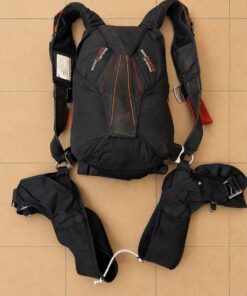

used products
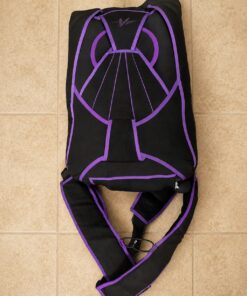
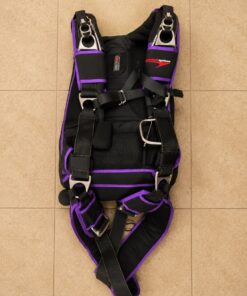
used products

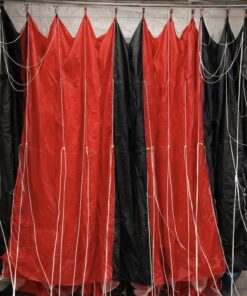
used products

used products
used products

used products
Reviews
There are no reviews yet.