


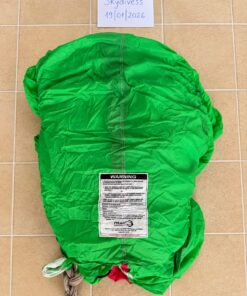


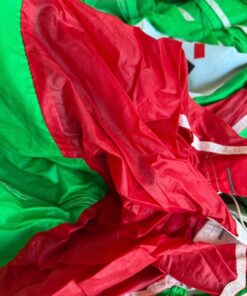
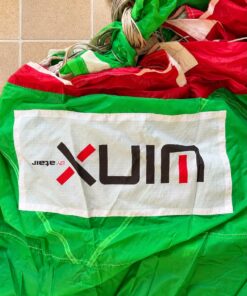
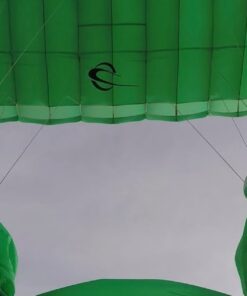
Used Atair WINX 135 Parachute Canopy
€1,200.00
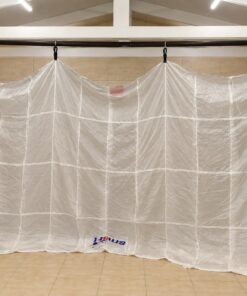
Used Atair WINX 135 Parachute Canopy – Excellent Condition
The Used Atair WINX 135 is a reliable and well-maintained parachute canopy designed for skydivers seeking smooth handling, predictable flight performance, and confidence under canopy. This canopy is in excellent condition with a DOM of 07/2018 and inspection validity until 03/2027.
It has approximately 275 flights on the first row of fabric, with no holes, no repairs, and no cutaways. The canopy has always been flown with a low wing loading and landed on grass, demonstrating careful use and responsible ownership.
Key Details:
- Brand: Atair
- Model: WINX 135
- DOM: July 2018
- Condition: Excellent
- Flight History: Approx. 275 flights
- Inspection Valid Until: March 2027
- No holes or repairs
- Low wing loading use
- Grass landings only
A great choice for experienced skydivers looking for a dependable canopy with a clear history, excellent condition, and proven performance.
Used Atair WINX 135 Parachute Canopy – Excellent Condition, Low Wing Loading, Professionally Maintained Performance Canopy
Used Atair WINX 135 Overview, Design Quality, and Real-World Flight Performance
The Used Atair WINX 135 is a high-quality parachute canopy designed for skydivers who value predictable handling, reliable performance, and confidence during canopy flight. This canopy is offered in excellent condition, with a DOM of July 2018 and inspection validity extending until March 2027.
With approximately 275 flights on the first row of fabric, this canopy has been carefully maintained and responsibly used. According to the provided history, it has no holes, no repairs, and no damage, making it an excellent opportunity for experienced jumpers searching for a dependable canopy with a proven usage record.
The canopy has always been flown with a low wing loading, consistently landed on grass, and has never experienced a cutaway. These details demonstrate careful ownership and responsible flying practices, which are important factors when evaluating used skydiving equipment.
A parachute canopy is one of the most important components of a complete skydiving system. It directly influences the jumper’s descent, maneuverability, landing approach, and overall confidence under canopy. Therefore, choosing a well-maintained canopy with a clear history is essential.
The Used Atair WINX 135 provides a balance between performance and practical usability, making it suitable for skydivers who want a canopy that offers smooth control, dependable flight characteristics, and long-term value.
Atair WINX 135 Engineering and Canopy Characteristics
The Atair WINX series has been developed with a focus on efficient canopy performance, responsive handling, and dependable flight behavior. Modern parachute design involves careful consideration of airfoil shape, fabric construction, internal structure, and aerodynamic balance.
A quality canopy should provide:
Stable inflation
Predictable openings
Smooth control response
Efficient glide performance
Reliable landing characteristics
The Used Atair WINX 135 represents these important qualities through its carefully maintained condition and responsible flight history.
A canopy is not simply a fabric wing; it is an engineered aerodynamic system. Every part of the design contributes to how the parachute behaves from deployment through landing.
The pilot’s input through the steering controls affects the canopy’s direction, speed, and descent characteristics. Because of this, a canopy that responds consistently allows the jumper to make accurate decisions during every stage of flight.
Condition History and Maintenance Information
One of the most important advantages of this Used Atair WINX 135 is its excellent condition and detailed ownership history.
The canopy has approximately:
275 flights
DOM: July 2018
Inspection checked until March 2027
No holes
No repairs
No cutaways
Low wing loading use
Grass landings only
This information provides valuable confidence for potential buyers because canopy condition depends greatly on how the equipment has been used.
Landing environment, packing habits, storage conditions, and overall care all influence the long-term condition of parachute fabric.
A canopy that has consistently been treated carefully can continue providing excellent performance for many years.
The reported history of grass landings is especially beneficial because repeated hard-surface landings can contribute to additional wear over time.
Flight Performance and Handling Characteristics
The Used Atair WINX 135 is designed for skydivers who appreciate balanced canopy performance.
A good canopy should provide a comfortable transition from deployment to flight while allowing the pilot to manage direction, speed, and landing approach effectively.
Important canopy performance areas include:
Opening behavior
Control range
Glide efficiency
Stability
Landing response
A predictable canopy allows pilots to focus on improving their canopy skills and enjoying the flight experience.
The WINX 135 provides a practical platform for jumpers who want confidence and control without unnecessary complexity.
Why Choose the Used Atair WINX 135?
Selecting used skydiving equipment requires attention to condition, history, and suitability.
The Used Atair WINX 135 offers several advantages:
Excellent overall condition
Clear usage history
No repairs or damage reported
Low wing loading operation
Approximately 275 flights
Inspection valid until March 2027
Careful previous ownership
These qualities make it an attractive option for skydivers looking for a reliable canopy with documented care.
Purchasing a used canopy can provide excellent value because experienced owners can access quality equipment while benefiting from reduced cost compared with purchasing new gear.
Real-World Skydiving Applications
A reliable canopy is essential for many skydiving disciplines and training environments.
Skydivers depend on their canopy for:
Controlled descents
Landing accuracy
Canopy practice
Routine jumps
Skill development
The Used Atair WINX 135 provides a platform that supports confident canopy flight when matched correctly with the jumper’s experience and requirements.
Every skydiver should consider factors such as:
Experience level
Exit weight
Wing loading
Flying style
Landing environment
Before choosing a canopy, proper evaluation ensures the equipment matches the pilot’s abilities and goals.
Importance of Wing Loading
Wing loading plays an important role in canopy performance.
The provided history indicates that this canopy was always flown with a low wing loading.
Lower wing loading generally creates a more forgiving flight experience, with reduced speed and more manageable handling characteristics compared with higher loading configurations.
Responsible wing loading selection is important because it influences:
Descent speed
Turn response
Landing approach
Recovery characteristics
Overall canopy behavior
The Used Atair WINX 135 has benefited from careful use under conservative loading conditions, contributing to its excellent reported condition.
Buyer Considerations Before Purchase
When purchasing a used parachute canopy, buyers should always evaluate important details.
Key considerations include:
Canopy condition
Fabric quality
Line condition
Packing history
Inspection records
Compatibility with the jumper
The provided information for this canopy gives buyers a strong understanding of its history.
The absence of repairs and damage, combined with responsible usage, makes this canopy an appealing choice for experienced skydivers.
Final Thoughts on the Used Atair WINX 135
The Used Atair WINX 135 represents a well-maintained, carefully flown parachute canopy with a strong ownership history.
With approximately 275 flights, a July 2018 manufacturing date, inspection validity until March 2027, and no reported holes or repairs, this canopy offers excellent value for skydivers searching for dependable equipment.
Its history of low wing loading, grass landings, and careful operation demonstrates responsible ownership and helps preserve its long-term performance potential.
For experienced jumpers seeking a reliable canopy that combines quality construction, predictable flight characteristics, and excellent condition, the Used Atair WINX 135 is a strong option worth considering.
Canopy Construction, Flight Experience, Handling Characteristics, and Practical Performance
A parachute canopy represents the connection between the skydiver and the landing environment. Its design influences how the jumper experiences every stage of flight, from deployment through the final landing approach. Therefore, understanding construction quality, handling behavior, and practical performance is essential when selecting reliable equipment.
The canopy discussed in this section has been maintained with careful attention and has benefited from responsible use throughout its operational history. With approximately 275 flights and a record showing no holes, repairs, or cutaways, the equipment demonstrates a history of careful ownership and controlled operation.
A canopy’s performance is influenced by many factors, including fabric condition, line condition, packing methods, environmental exposure, and the pilot’s flying style. Because of this, a detailed understanding of the equipment allows jumpers to make informed decisions and enjoy a more confident flying experience.
Aerodynamic Design and Flight Characteristics
Modern parachute canopies are developed through detailed aerodynamic engineering. The shape of the airfoil, internal structure, fabric selection, and overall design influence how the canopy behaves in the air.
A well-designed canopy should provide a combination of:
Reliable inflation
Smooth control response
Stable flight
Efficient forward movement
Predictable landing behavior
These characteristics allow pilots to manage their flight path more effectively.
During canopy flight, the jumper controls direction, speed, and altitude through steering inputs. A responsive but predictable canopy gives the pilot better awareness and control throughout the descent.
The design philosophy behind performance canopies focuses on creating a balance between efficiency and usability. The goal is to provide enjoyable flight characteristics while maintaining confidence during everyday jumps.
Deployment Experience and Opening Behavior
The opening phase is one of the most important moments of every skydive.
A quality canopy should provide a controlled transition from freefall to canopy flight. Smooth inflation and predictable deployment characteristics allow the jumper to prepare for the next stage of the jump without unnecessary distraction.
Several factors can influence opening performance, including:
Packing technique
Body position
Equipment setup
Maintenance condition
Environmental conditions
Proper packing and regular inspection contribute significantly to consistent performance.
The canopy’s history of careful use provides valuable information regarding how it has been treated throughout its service life. A system that has avoided damage and unnecessary stress is more likely to continue providing dependable operation when properly maintained.
Stability and Control During Flight
Once inflated, the canopy becomes the primary tool for navigation and landing preparation.
A stable canopy allows the pilot to focus on:
Flight planning
Traffic awareness
Altitude management
Landing approach
Precision control
The ability to make smooth adjustments is an important quality in any parachute system.
A predictable response helps pilots build confidence because they understand how the canopy reacts to their inputs.
The canopy’s previous use under low wing loading is an important detail because it indicates that the equipment was not subjected to aggressive performance demands. This type of use can contribute to maintaining fabric quality and overall condition when combined with proper care.
Landing Performance and Accuracy
Landing is one of the most important parts of the skydiving experience.
A canopy should provide the pilot with enough control to manage approach speed, direction, and final landing technique.
Important landing factors include:
Control range
Turn response
Flare characteristics
Ground handling
Recovery behavior
The pilot’s skill and experience remain the most important factors in achieving consistent landings.
A canopy with predictable handling allows jumpers to improve their techniques and develop greater confidence over time.
The history of consistent grass landings is also a positive factor because it indicates reduced exposure to abrasive landing surfaces.
Fabric Condition and Long-Term Durability
The condition of parachute fabric plays a major role in overall performance.
Over time, materials can be affected by:
Sun exposure
Moisture
Packing cycles
Transportation
Environmental conditions
Regular inspection helps ensure that the fabric continues to maintain suitable characteristics.
The reported condition of this canopy indicates that it has been carefully preserved, with no holes or repairs.
A canopy without previous damage or repairs can provide additional confidence for buyers evaluating used equipment.
However, continued inspection remains important because all parachute systems require responsible maintenance throughout their lifespan.
Importance of Responsible Previous Ownership
The history of previous ownership provides valuable information when evaluating used equipment.
Responsible owners typically:
Store equipment correctly
Avoid unnecessary damage
Follow inspection schedules
Monitor wear areas
Maintain accurate records
The canopy history provided demonstrates careful use.
It has always been flown with conservative loading, landed on grass, and has never experienced a cutaway. These details provide useful insight into how the equipment has been treated.
A canopy’s condition is not determined only by age or flight numbers. The quality of care throughout ownership often has a significant influence on remaining service life.
Matching Equipment With Pilot Requirements
Every skydiver has different goals and preferences.
Before purchasing a canopy, pilots should consider:
Experience level
Body weight
Desired flight characteristics
Landing environment
Progression goals
A suitable canopy should support the pilot’s current abilities while allowing room for continued development.
Equipment selection should always be approached carefully because the canopy directly influences the jumper’s flight experience.
The best choice depends on finding the right balance between performance, comfort, and confidence.
The Value of a Carefully Maintained Used Canopy
A used canopy can provide excellent value when it has been properly maintained.
Many experienced skydivers choose pre-owned equipment because it allows access to quality gear while offering a more economical option compared with buying new.
The most important factors are not only the age of the canopy but also:
Condition
Usage history
Maintenance
Inspection status
Previous treatment
A canopy with a clear history and excellent condition can remain a reliable part of a skydiving system for many future jumps.
Inspection and Continued Care
Even equipment in excellent condition requires ongoing attention.
Owners should continue monitoring:
Fabric appearance
Line condition
Attachment points
Wear areas
Overall performance
Regular checks help maintain confidence and allow potential concerns to be addressed early.
Professional inspections provide additional assurance because experienced professionals can evaluate details that may not always be visible during normal checks.
Real-World Flying Experience
The true quality of a canopy is experienced during actual flight.
A well-balanced system provides a connection between the pilot’s decisions and the canopy’s response.
During each jump, the pilot develops a deeper understanding of:
Flight behavior
Control response
Energy management
Landing technique
Environmental awareness
This relationship improves through experience and responsible practice.
The canopy becomes a trusted part of the overall skydiving system, supporting confidence and enjoyment throughout every flight.
Final Thoughts on Performance and Reliability
The canopy presented here demonstrates the qualities that experienced jumpers look for when selecting reliable equipment.
Its careful usage history, excellent condition, and absence of damage provide important advantages for anyone considering a high-quality used canopy.
A combination of responsible ownership, proper maintenance, and appropriate pilot matching helps ensure continued performance.
With correct care and regular inspection, this equipment can continue supporting enjoyable, controlled, and confident skydiving experiences for many future flights.
Ownership Experience, Canopy Progression, Real-World Applications, and Long-Term Performance Benefits
Owning a parachute canopy is about more than simply having equipment for flight. It represents confidence, consistency, and the ability to develop skills through repeated experience. A well-maintained canopy allows the jumper to focus on improving technique, understanding flight characteristics, and enjoying the progression that comes with time in the sport.
The canopy described here provides a strong combination of careful ownership history, excellent condition, and dependable performance characteristics. With approximately 275 flights, no reported holes, no repairs, no cutaways, and consistent low wing loading use, it represents an example of equipment that has been treated responsibly.
For experienced skydivers, these details are extremely valuable because previous use has a direct impact on the future reliability and performance of any parachute system.
Building Confidence Through Consistent Flight Characteristics
Confidence under canopy develops when the pilot understands how the equipment responds.
A predictable parachute allows the jumper to focus on important skills such as:
Altitude awareness
Traffic management
Approach planning
Landing accuracy
Control techniques
When the equipment behaves consistently, the pilot can make better decisions during each stage of the flight.
A canopy that has been used responsibly can provide a more comfortable experience because the jumper already knows what to expect from deployment through landing.
The importance of confidence cannot be underestimated. Skydiving requires awareness, preparation, and quick decision-making. Equipment that provides predictable performance supports this process by allowing the pilot to concentrate on flying.
Supporting Canopy Skill Development
Canopy flying is a continuous learning process.
Even experienced jumpers continue improving their abilities by refining:
Turns
Flare timing
Approach patterns
Wind evaluation
Landing techniques
A suitable canopy provides a platform where these skills can be developed gradually.
The equipment should match the pilot’s current experience while allowing room for future progression.
A well-balanced canopy encourages smoother control inputs and helps jumpers better understand the relationship between movement and response.
Over time, this creates a stronger connection between the pilot and the equipment.
Importance of a Clear Usage History
When purchasing used skydiving equipment, understanding the previous history is one of the most important considerations.
A clear history allows buyers to evaluate how the equipment has been treated and what type of conditions it has experienced.
The information provided for this canopy shows several positive ownership practices:
Approximately 275 flights
Low wing loading operation
Grass landings only
No holes
No repairs
No cutaways
These details help create a better understanding of the canopy’s condition and previous use.
A canopy that has avoided unnecessary stress may maintain its performance characteristics better than equipment that has been exposed to harsher conditions.
Everyday Practical Use
A reliable canopy should perform well during regular jumping activities.
Whether used for routine jumps, skill development, or continued training, the equipment should provide confidence and consistency.
Practical canopy use involves many different situations, including:
Normal deployment
Flight planning
Landing preparation
Changing weather conditions
Different landing environments
The ability to adapt to different situations is an important quality for any parachute system.
A dependable canopy allows the pilot to focus on the jump experience rather than worrying about unpredictable equipment behavior.
The Role of Landing Environment
The environment where a canopy is used can influence its long-term condition.
Landing areas, surface conditions, and general handling all contribute to equipment wear.
The fact that this canopy has always been landed on grass is an important detail.
Grass landing areas are generally less abrasive compared with harder surfaces, which can help reduce unnecessary wear caused by repeated contact.
Responsible landing practices demonstrate careful equipment management and contribute to maintaining the overall condition of the system.
Storage and Care Between Flights
Proper care between jumps plays an essential role in preserving equipment quality.
A canopy should be stored correctly after use to protect materials and maintain performance.
Good storage practices include:
Keeping equipment dry
Avoiding unnecessary exposure to sunlight
Protecting fabric from contamination
Using appropriate storage areas
Monitoring overall condition
Small habits performed consistently can significantly improve equipment longevity.
The condition of a canopy reflects not only its age but also the quality of care provided throughout ownership.
Why Condition Matters When Buying Used Equipment
A used parachute system should always be evaluated based on condition rather than age alone.
Two canopies with similar manufacturing dates may have very different levels of remaining service life depending on how they were used and maintained.
Important evaluation factors include:
Fabric quality
Previous repairs
Usage patterns
Maintenance history
Inspection information
The canopy discussed here provides valuable details that help potential buyers understand its background.
The absence of repairs and damage is a particularly important factor when considering a used system.
Performance Expectations and Pilot Compatibility
Every pilot has different needs when selecting equipment.
The right canopy depends on factors such as:
Experience level
Body weight
Flying goals
Preferred handling characteristics
Landing environment
A canopy should complement the pilot’s abilities and provide a comfortable learning environment.
Choosing equipment that matches personal requirements helps create a better overall experience.
Responsible selection is important because performance characteristics can vary significantly between different designs and sizes.
Long-Term Ownership Potential
A carefully maintained canopy can continue providing value for many years.
Long-term ownership depends on:
Regular inspections
Proper storage
Responsible use
Professional maintenance
Attention to wear
The canopy’s history of careful operation provides a strong foundation for future use.
With continued care, it can remain a dependable part of a jumper’s equipment collection.
The Advantage of Professionally Maintained Equipment
Professionally maintained equipment provides additional confidence because important details are regularly evaluated.
Experienced professionals can help identify:
Material concerns
Wear patterns
Component condition
Potential maintenance needs
Regular checks are an important part of responsible equipment ownership.
Even equipment in excellent condition benefits from ongoing evaluation.
Choosing Reliable Equipment for Future Jumps
Selecting the right canopy is an important decision that influences the overall skydiving experience.
A reliable system supports:
Confidence
Skill development
Enjoyment
Consistency
Progression
The canopy discussed here provides a combination of excellent condition, careful history, and practical performance qualities.
These characteristics make it a strong consideration for jumpers searching for dependable equipment with a known background.
Final Thoughts on Ownership and Performance
The value of a parachute canopy comes from the combination of design, condition, and responsible ownership.
A canopy with a careful usage history provides confidence because the pilot understands its background and expected behavior.
With approximately 275 flights, no holes, no repairs, and consistent low wing loading operation, this equipment demonstrates the benefits of careful handling and responsible flying practices.
For jumpers looking for a reliable canopy that can support continued development and enjoyable flight experiences, this system provides a strong balance of quality, history, and long-term potential.
Buying Guide, Inspection Process, Compatibility Considerations, and Choosing the Right Canopy
Selecting a used parachute canopy requires careful evaluation and understanding of the equipment’s condition, history, and suitability for the intended pilot. A canopy is a highly specialized piece of aviation equipment, and the right choice depends on more than appearance alone.
The canopy’s age, number of flights, maintenance record, previous flying conditions, and overall condition all contribute to its long-term value and reliability.
The equipment discussed here provides important background information that helps potential buyers understand its history. With a July 2018 manufacturing date, inspection validity until March 2027, approximately 275 flights, no holes, no repairs, and careful previous use, it represents a well-documented option for experienced skydivers.
Understanding these details allows buyers to make informed decisions and select equipment that matches their expectations.
What to Consider Before Purchasing a Used Canopy
A used canopy should always be evaluated carefully before purchase.
Important factors include:
Overall fabric condition
Previous repairs or modifications
Flight history
Storage practices
Inspection information
Compatibility with the pilot
Each of these areas provides valuable information about the equipment’s condition.
A canopy that has been flown responsibly and maintained correctly can continue providing reliable service for many years.
The number of flights alone does not determine the quality of a canopy. How those flights were performed and how the equipment was cared for are equally important.
A canopy with fewer aggressive flight demands may remain in better condition than equipment with fewer flights but harsher usage.
Evaluating Fabric and Structural Condition
Fabric condition is one of the most important aspects when assessing a parachute canopy.
Over time, materials naturally experience changes due to use and environmental exposure.
Factors that influence fabric condition include:
Sun exposure
Humidity
Packing frequency
Storage environment
Landing conditions
Transportation
A detailed inspection helps determine whether the canopy remains suitable for continued operation.
The reported condition of this canopy provides valuable confidence because it has no holes and no repairs.
Maintaining original fabric condition is an important advantage because it indicates that the canopy has not experienced significant damage requiring restoration.
Understanding the Importance of Line Condition
Lines are another essential part of canopy performance.
The lines connect the pilot’s control inputs to the canopy structure and influence how the parachute responds during flight.
Over time, lines may experience:
Stretching
Wear
Environmental effects
Performance changes
Regular inspection helps identify whether line condition remains appropriate.
Proper maintenance ensures that the canopy continues responding consistently during flight.
A well-maintained system allows pilots to better understand the equipment and develop confidence through repeated use.
Matching the Canopy With the Pilot
Choosing the correct canopy requires understanding the relationship between equipment and pilot experience.
Important considerations include:
Pilot skill level
Body weight
Preferred flying style
Landing goals
Experience with similar equipment
A canopy should provide an appropriate balance between challenge and control.
Experienced pilots understand that equipment progression should happen gradually and responsibly.
The right canopy allows the jumper to continue developing skills while maintaining confidence and awareness.
The Importance of Wing Loading Selection
Wing loading has a major influence on canopy behavior.
It affects:
Flight speed
Turn response
Landing characteristics
Recovery behavior
Overall handling
The previous use history of this canopy indicates that it was always flown with a low wing loading.
This information is valuable because it demonstrates that the equipment was not consistently exposed to demanding loading conditions.
A conservative approach to wing loading can help create a more predictable flying experience and reduce unnecessary stress on the equipment.
Inspection and Professional Evaluation
Before putting any used parachute equipment into regular operation, professional evaluation is highly recommended.
A qualified inspection can help identify:
Material concerns
Wear areas
Structural issues
Condition changes
Maintenance requirements
Professional knowledge is valuable because parachute systems contain many technical details that may not be obvious during a basic visual review.
Even equipment described as being in excellent condition benefits from proper evaluation.
Regular professional checks help maintain confidence and support responsible ownership.
Advantages of Buying Carefully Maintained Used Equipment
Buying used equipment can provide excellent value for experienced skydivers.
A carefully maintained canopy allows buyers to access quality equipment while avoiding the cost associated with purchasing new gear.
The advantages include:
Reduced initial investment
Known usage history
Available maintenance information
Opportunity to own proven equipment
Potential long-term value
The key is selecting equipment with a clear history and responsible previous ownership.
The canopy described here provides useful information regarding how it has been used, which helps buyers understand its condition.
Preparing the Canopy for Future Use
After purchasing used equipment, continued care becomes the responsibility of the new owner.
Good ownership practices include:
Regular inspections
Proper storage
Careful packing
Monitoring wear
Following maintenance recommendations
A canopy’s future performance depends greatly on how it is treated after purchase.
Responsible ownership helps preserve reliability and protects the investment made in the equipment.
Storage and Environmental Protection
Proper storage is essential for maintaining parachute equipment.
A suitable storage environment should protect the canopy from:
Excessive moisture
Extreme temperatures
Direct sunlight
Contaminants
Unnecessary compression
Protecting materials between jumps helps maintain their quality and extends useful life.
Small habits, such as storing equipment correctly after each use, contribute significantly to long-term condition.
Practical Use and Everyday Reliability
A reliable canopy should provide confidence during regular jumping activities.
Pilots depend on their equipment for:
Controlled deployment
Stable flight
Accurate decision-making
Landing preparation
Skill development
The equipment should support the pilot rather than create unnecessary uncertainty.
A canopy with a consistent history allows jumpers to focus on improving their technique and enjoying their flights.
Long-Term Value and Ownership Satisfaction
A well-maintained canopy can remain a valuable part of a skydiver’s equipment collection.
Its value comes from:
Construction quality
Condition
Flight history
Maintenance
Pilot compatibility
A canopy that has been carefully used provides confidence because its background is understood.
The history provided for this equipment demonstrates responsible operation, including careful landings, conservative loading, and avoidance of damage.
These factors contribute to its overall appeal as a used equipment option.
Final Buying Considerations
Before purchasing any used canopy, buyers should carefully review the available information and ensure the equipment matches their needs.
Important questions include:
Is the condition suitable?
Does the canopy match my experience level?
Has it been properly maintained?
Is the usage history clear?
Will it support my future goals?
Making an informed decision helps create a better ownership experience.
The canopy described here provides strong background information, including its condition, flight history, and maintenance status.
With proper inspection, responsible ownership, and appropriate use, it can continue providing reliable performance and enjoyable flight experiences for many future jumps.
Maintenance, Care Instructions, Safety Practices, and Preserving Long-Term Canopy Performance
Proper maintenance is one of the most important responsibilities involved in owning a parachute canopy. Even a high-quality canopy that has been carefully used requires regular attention, inspection, and responsible handling to maintain reliable performance throughout its service life.
The condition of a canopy is influenced not only by the number of flights completed but also by how it is stored, packed, transported, and treated between jumps. Responsible care helps preserve the materials, maintain consistent flight characteristics, and protect the long-term value of the equipment.
The canopy described here has benefited from careful ownership, with approximately 275 flights, no holes, no repairs, no cutaways, and a history of low wing loading operation. Continuing these responsible practices will help maintain its excellent condition for future use.
Regular Inspection Before Every Jump
A proper inspection routine should become part of every skydiver’s preparation process.
Before each jump, the canopy and related components should be carefully checked to confirm that everything is in suitable condition.
Important areas to review include:
Fabric surfaces
Attachment points
Line condition
Control systems
Stitching areas
General appearance
These checks help identify possible concerns before they develop into larger issues.
Small signs of wear can often be managed more easily when they are noticed early.
Experienced jumpers understand that equipment awareness is an essential part of responsible skydiving.
A canopy should always be treated as a precision system that requires attention and care.
Protecting the Fabric and Materials
The fabric of a parachute canopy plays a major role in its performance.
Maintaining fabric quality requires protection from unnecessary stress and harmful conditions.
Owners should avoid exposing the equipment to:
Excessive moisture
Long periods of direct sunlight
Contaminated surfaces
Sharp objects
Improper storage conditions
Careful handling helps preserve the characteristics that allow the canopy to perform correctly.
The reported absence of holes and repairs demonstrates that this canopy has avoided significant damage throughout its previous use.
Maintaining this condition requires continued responsible ownership.
Proper Packing Practices
Packing quality has an important influence on the overall performance of a parachute system.
A carefully packed canopy supports reliable deployment and helps reduce unnecessary stress on materials.
Good packing habits include:
Following correct procedures
Avoiding unnecessary pulling or twisting
Keeping materials organized
Checking components during preparation
Maintaining consistency
Proper packing is not only about preparing the equipment for the next jump; it is also about protecting the canopy over time.
A disciplined packing routine contributes to longer equipment life and more predictable operation.
Storage Between Jumps
Storage conditions can significantly influence the lifespan of parachute equipment.
After use, the canopy should be stored in a clean, dry environment where it is protected from damaging conditions.
Good storage practices include:
Keeping equipment away from moisture
Avoiding extreme temperatures
Protecting materials from contamination
Preventing unnecessary compression
Using suitable storage areas
A canopy that is stored correctly is more likely to maintain its condition over time.
Even when equipment is not being used, environmental exposure can gradually affect materials.
Responsible storage is therefore an important part of ownership.
Transportation and Handling
Skydiving equipment is often transported between drop zones, events, and training locations.
During transportation, the canopy should be protected from unnecessary impact, pressure, and environmental exposure.
Careful handling helps protect:
Fabric quality
Lines
Attachment areas
Overall structure
Using appropriate equipment bags and handling methods reduces the chance of accidental damage.
A canopy represents a significant investment, and protecting it during transportation helps maintain its value.
Monitoring Wear Over Time
All parachute equipment experiences normal wear through regular use.
The purpose of monitoring wear is not to prevent use but to ensure that the equipment remains suitable and reliable.
Owners should regularly observe:
Changes in appearance
Material condition
Line characteristics
Performance changes
Areas receiving repeated stress
Regular monitoring helps create a better understanding of the equipment’s condition.
A canopy with a known history is easier to manage because the owner understands how it has been treated.
Importance of Professional Inspection
Professional evaluation remains an important part of responsible canopy ownership.
Experienced professionals can provide additional insight into areas that may not be obvious during normal checks.
An inspection may help evaluate:
Overall condition
Material quality
Structural areas
Wear patterns
Future maintenance needs
Professional knowledge provides confidence and supports better decision-making.
Even equipment described as being in excellent condition benefits from continued evaluation throughout ownership.
Maintaining Performance Through Responsible Use
The way a canopy is flown can influence its long-term condition.
Responsible use helps reduce unnecessary stress and contributes to preserving equipment quality.
Important factors include:
Appropriate loading
Controlled landings
Suitable environments
Awareness of limitations
Consistent preparation
The history of low wing loading and grass landings associated with this canopy demonstrates careful operation.
These practices can contribute positively to maintaining the equipment’s condition.
Understanding Equipment Limitations
Every canopy has specific characteristics and operating requirements.
Pilots should understand how their equipment responds and ensure that it matches their experience level.
Important considerations include:
Flight behavior
Handling characteristics
Landing environment
Pilot experience
Personal goals
A responsible pilot recognizes that equipment selection and proper use must work together.
Understanding limitations helps create safer and more enjoyable flying experiences.
Building Confidence Through Equipment Care
Confidence develops when pilots know their equipment has been properly maintained.
A canopy with a clear history and careful ownership record provides reassurance because the pilot understands its background.
Confidence comes from:
Regular inspections
Proper maintenance
Responsible storage
Understanding performance
Following safe practices
The relationship between pilot and equipment improves through familiarity and responsible care.
Preserving Long-Term Equipment Value
A well-maintained canopy can retain value over many years.
The condition of used equipment depends heavily on how previous and current owners treat it.
Important factors that preserve value include:
Maintaining good condition
Keeping accurate history
Avoiding unnecessary damage
Following maintenance recommendations
Responsible ownership
The canopy’s documented history provides valuable information for future evaluation.
The absence of repairs and damage, combined with careful operation, contributes to its overall appeal.
Preparing for Future Flights
Before returning to regular use, pilots should ensure that the equipment remains suitable for their individual needs.
Preparation should include:
Reviewing condition
Confirming compatibility
Completing necessary checks
Understanding equipment history
Planning appropriate use
A careful approach helps ensure that the canopy continues performing as expected.
Final Maintenance Recommendations
The long-term performance of a parachute canopy depends on consistent care and responsible ownership.
The canopy discussed here has demonstrated excellent condition through careful previous use, including approximately 275 flights, low wing loading operation, grass landings, and no history of repairs or cutaways Used Atair WINX 135Used Atair WINX 135Used Atair WINX 135 Used Atair WINX 135 Used Atair WINX 135Used Atair WINX 135Used Atair WINX 135Used Atair WINX 135Used Atair WINX 135Used Atair WINX 135.
Maintaining these standards will help preserve its reliability and performance Used Atair WINX 135Used Atair WINX 135Used Atair WINX 135.
Through regular inspection, proper storage, careful handling, and responsible flying practices, this canopy can continue providing confidence and enjoyment for future jumps Used Atair WINX 135Used Atair WINX 135Used Atair WINX 135 Used Atair WINX 135Used Atair WINX 135Used Atair WINX 135Used Atair WINX 135Used Atair WINX 135Used Atair WINX 135Used Atair WINX 135.
Quality equipment performs best when combined with quality care. Proper maintenance protects the investment while supporting a safer and more rewarding skydiving experience Used Atair WINX 135Used Atair WINX 135Used Atair WINX 135 Used Atair WINX 135Used Atair WINX 135Used Atair WINX 135Used Atair WINX 135Used Atair WINX 135Used Atair WINX 135Used Atair WINX 135Used Atair WINX 135 Used Atair WINX 135Used Atair WINX 135Used Atair WINX 135Used Atair WINX 135Used Atair WINX 135Used Atair WINX 135.
Be the first to review “Used Atair WINX 135 Parachute Canopy”
Related products

used products

used products
used products
used products
used products

used products

used products

Reviews
There are no reviews yet.