




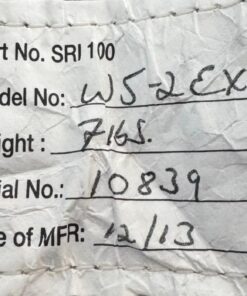
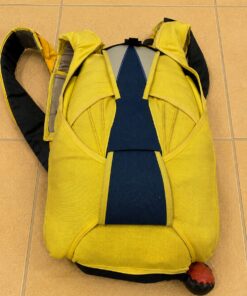
Used Wings OP143 CYPRES 2 X-Fire 138 – Complete Sport Skydiving Rig


€3,700.00
Used Wings OP143 CYPRES 2 X-Fire 138 – Product Description
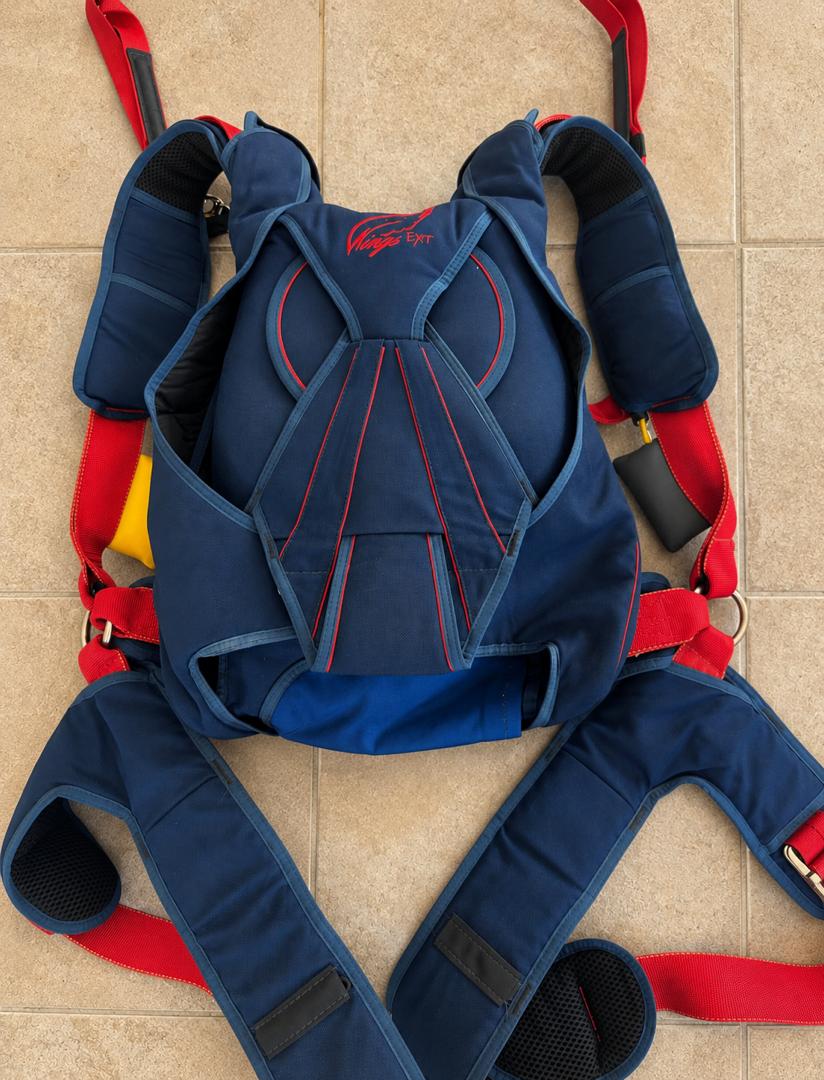
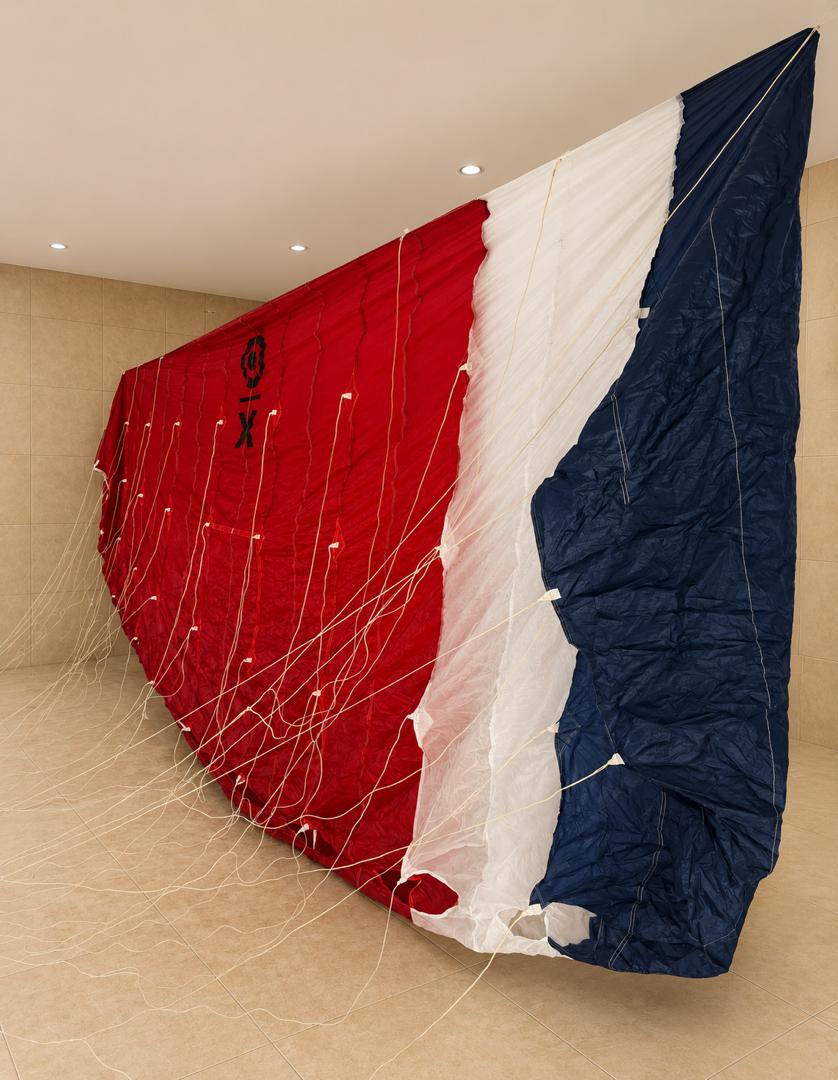
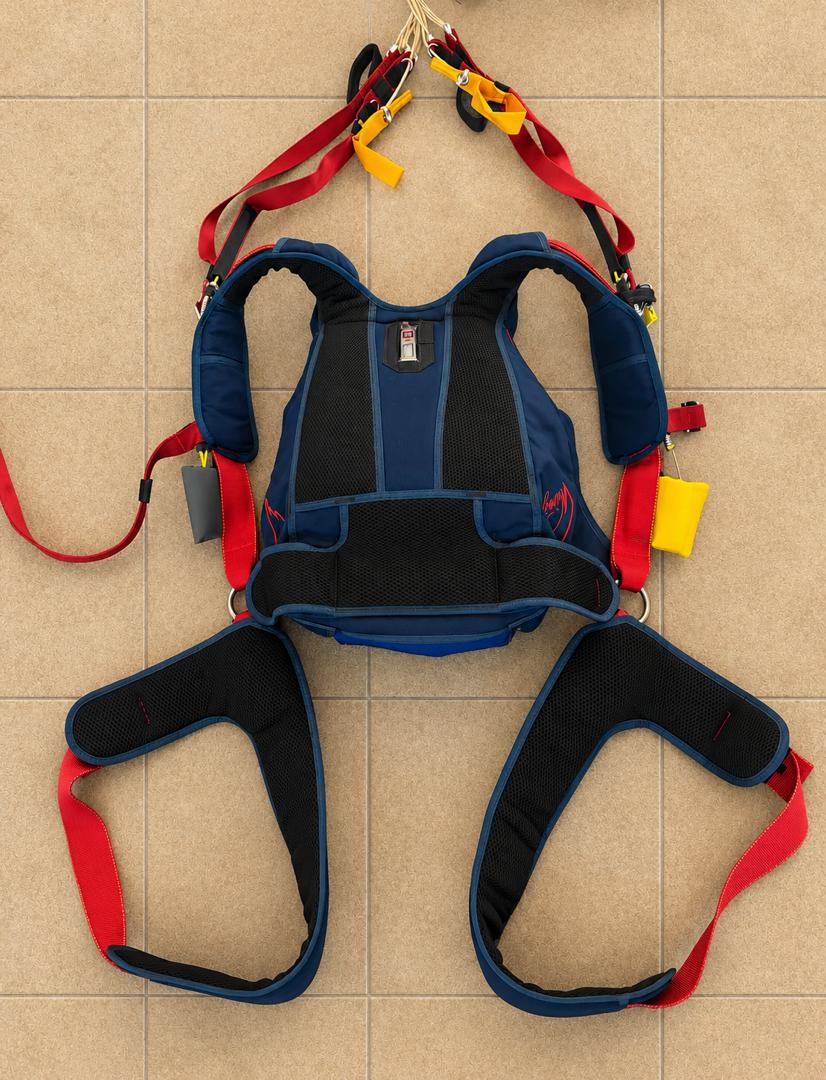
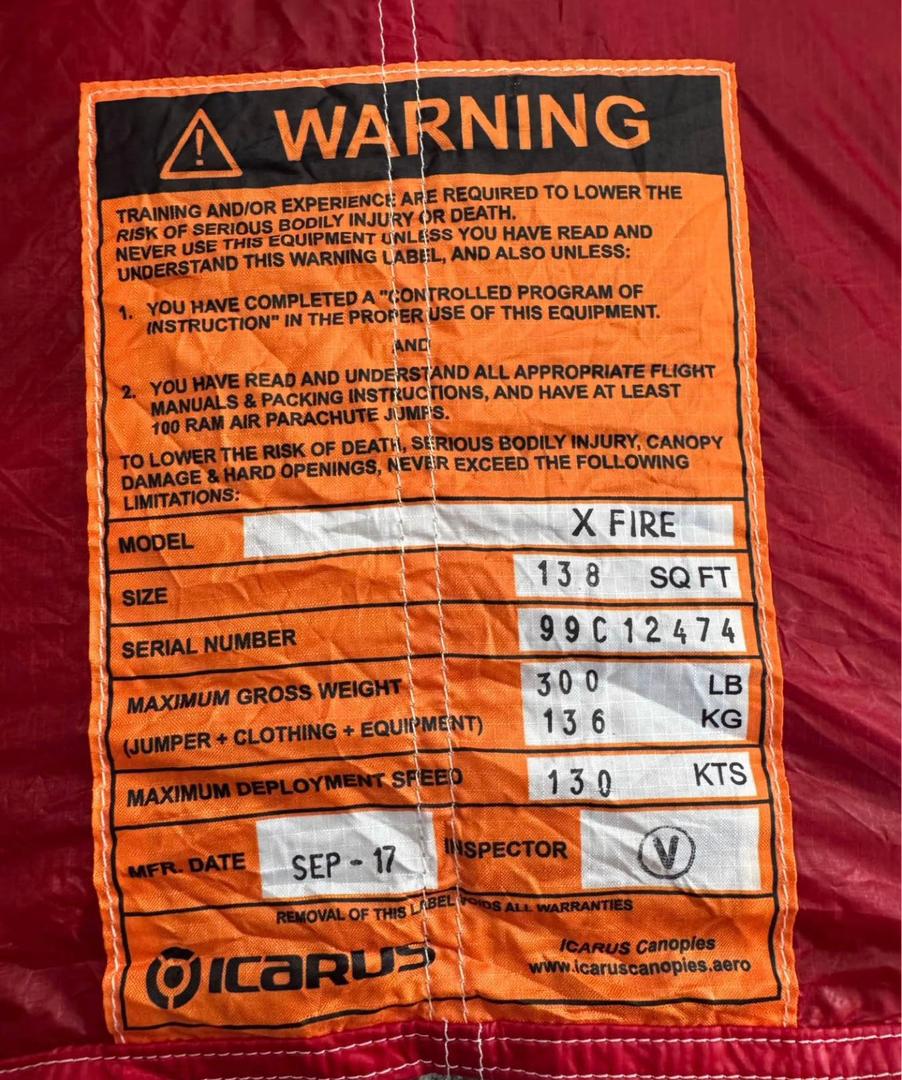
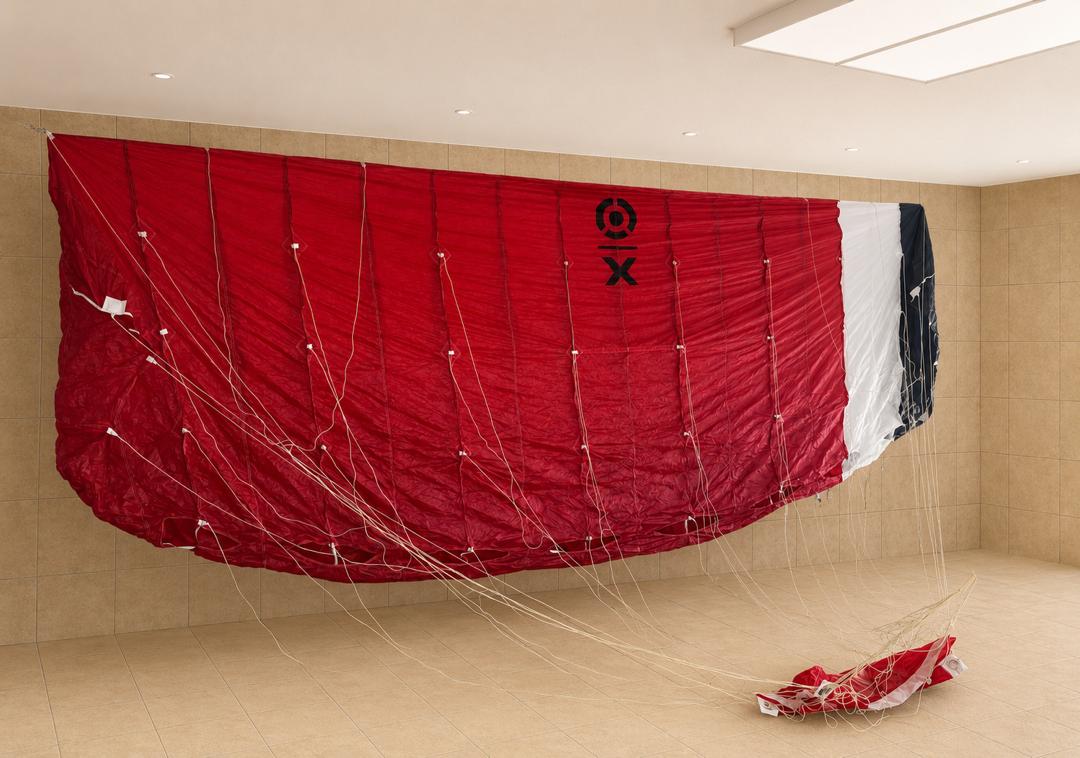
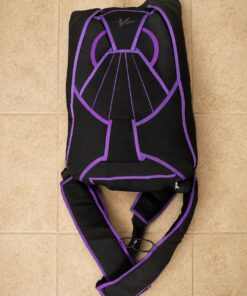
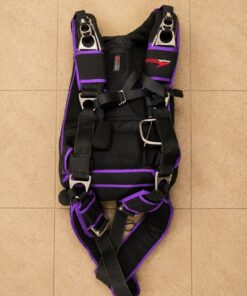
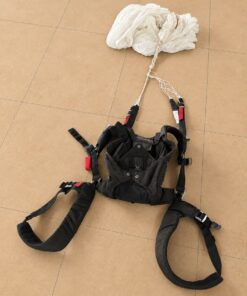
The Used Wings OP143 CYPRES 2 X-Fire 138 is a complete sport skydiving rig built around a Wings harness-and-container system, a Performance Designs Optimum 143 reserve, a CYPRES 2 automatic activation device, and an Icarus World X-Fire 138 main canopy. Together, these components create a compact and performance-oriented setup intended for appropriately experienced jumpers who need a complete personal system with established sport-skydiving hardware.
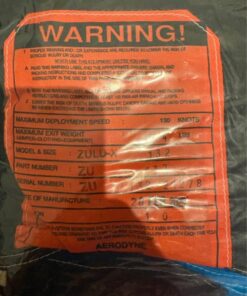
The Wings harness-and-container is designed around secure component protection, practical deployment access, and a close-fitting harness profile. Its construction includes protected riser areas, covered main deployment components, padded harness sections, reserve integration, and preparation for electronic safety equipment. Because this is a used system, the exact harness size, DOM, serial number, original measurements, and installed options should be verified from the data label and service records.
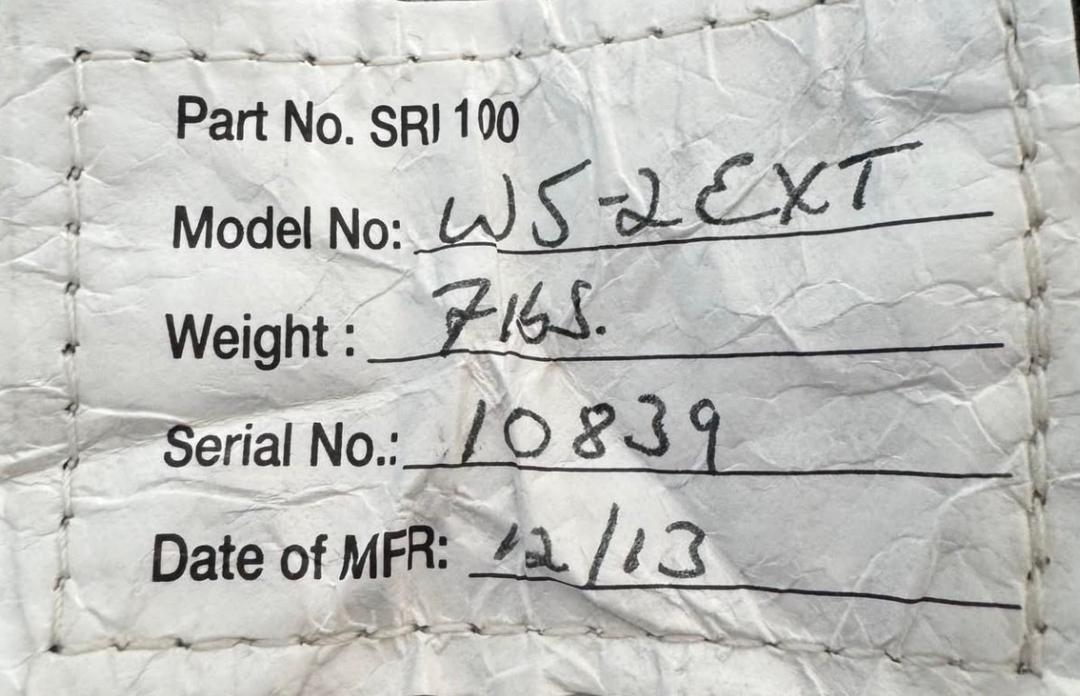
The Optimum 143 is a low-volume reserve canopy with a nominal area of 143 sq ft. Its reduced pack volume can make it useful in compact container combinations, but compatibility should never be assumed from square footage alone. The reserve DOM, repack history, deployment history, repair history, fabric condition, and current serviceability should be checked by an appropriately qualified rigger.
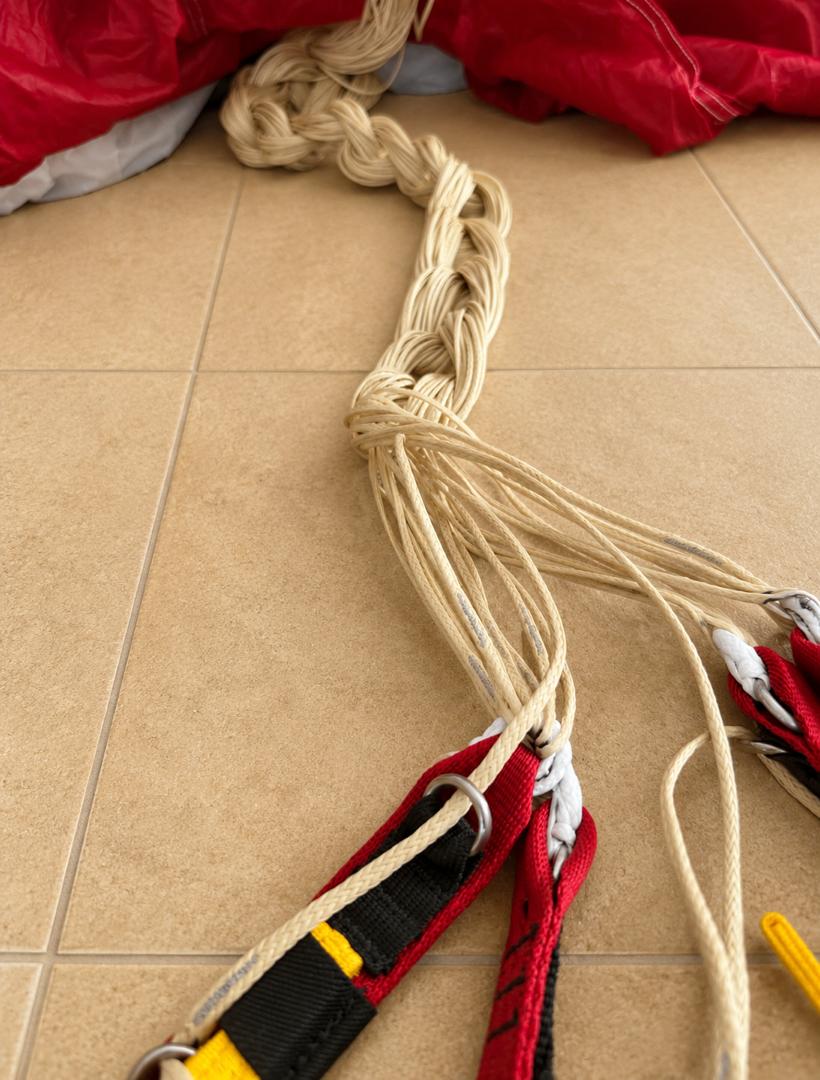
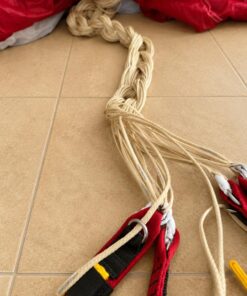
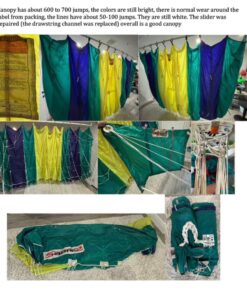
The X-Fire 138 is a 138 sq ft main canopy intended for experienced sport use. Its condition should be assessed through more than visual appearance. Suspension-line trim, line-set age, steering lines, slider condition, fabric condition, patches, repairs, attachment points, and total jump history all influence how the canopy performs and whether servicing may be required.
The installed CYPRES 2 adds an electronic reserve-activation system to the rig. Its practical value depends heavily on the exact manufacture date and remaining approved service life. The serial number, DOM, maintenance history, battery condition, cutter configuration, installation, and operating mode should all be verified before the rig is placed back into service.
Harness fit is equally important. A complete system may contain compatible canopies while still being unsuitable for a particular jumper if the harness dimensions do not match correctly. Torso length, chest position, waist, inseam, leg circumference, and overall body proportions should therefore be compared with the actual harness geometry.
As with all used life-support equipment, condition is more important than cosmetic appearance. The main lift web, leg straps, chest strap, stitching, hardware, container fabric, closing loops, pins, riser covers, deployment handle, pilot chute, bridle, deployment bag, risers, three-ring release system, reserve area, and electronic components should all be inspected carefully.
Previous repairs should also be documented. Professionally completed repairs are not automatically a disadvantage, but their location, extent, workmanship, and structural significance should be reviewed. The same applies to canopy patches, relines, hardware changes, and replacement deployment components.
Storage history can affect long-term reliability. Repeated exposure to direct sunlight, moisture, excessive heat, salt water, fuel, solvents, or poor ventilation may accelerate deterioration of fabric, webbing, metal hardware, and electronics. Any unusual staining, odor, corrosion, stiffness, fading, or contamination should be investigated.
The packed main and reserve should also fit their compartments correctly. Excessive compression can place unnecessary stress on closing loops and flaps, while an excessively loose pack can reduce intended container tension. A qualified rigger should confirm that the complete combination is properly matched.
For transport and storage, a protective gear bag can help reduce abrasion around corners, handles, flaps, and hardware. The rig should be kept clean, dry, protected from chemicals, and stored away from excessive heat and direct sunlight.
The Used Wings OP143 CYPRES 2 X-Fire 138 is best viewed as a coordinated life-support system rather than simply as four valuable components assembled together. Its real suitability depends on harness fit, reserve condition, main-canopy condition, line trim, AAD service life, structural integrity, component compatibility, and documented history.
Before purchase, packing, or return to service, an appropriately qualified parachute rigger should inspect the entire assembly and confirm the harness condition, canopy compatibility, reserve status, deployment components, electronic safety-device installation, repairs, service records, and overall airworthiness.
Used Wings OP143 CYPRES 2 X-Fire 138 – Complete Sport Skydiving Rig with Low-Volume Reserve and 138 sq ft Main
The Used Wings OP143 CYPRES 2 X-Fire 138 combines four major components into one sport skydiving system: a Wings harness/container, a Performance Designs Optimum 143 reserve, a CYPRES 2 automatic activation device, and an Icarus World X-Fire 138 main canopy.
The Wings harness/container was developed by Sunrise Manufacturing International for modern sport skydiving. Current Wings documentation identifies an FAA TSO C23d approval and a maximum approved jumper weight of approximately 254 lb / 115 kg fully equipped, with operation up to 150 knots. Standard architecture includes protected main-pin placement, covered risers and main bridle, padded yoke, back and leg areas, AAD preparation, RSL preparation, single-pin reserve closing, Type VII structural webbing, and durable 1000-denier Cordura construction.
The OP143 designation refers to the Performance Designs Optimum 143, a 143 sq ft low-volume reserve. Manufacturer documentation lists the reserve with a 2.1:1 aspect ratio and a maximum certified exit weight up to approximately 254 lb depending on use category.
The X-Fire 138 is a 138 sq ft main canopy manufactured within the Icarus World product family. Exact line condition, DOM, jump numbers, repairs, relines, and current trim should be confirmed for the individual canopy.
The CYPRES 2 should be evaluated according to its exact DOM and service history. Older units may have reached the end of their certified service life, while later units have longer approved service periods.
Parachute Jump Australia
Searches for parachute jump australia cover tandem operations, licensed sport jumping, training, and privately owned equipment. A complete personal rig must satisfy the applicable drop-zone and national requirements before use.
Skydive Byron Bay
skydive byron bay is associated with Australian destination jumping. Personally owned equipment may be subject to local inspection and documentation requirements.
Weight Limit Skydiving
The phrase weight limit skydiving involves more than harness strength. Exit weight, canopy loading, reserve certification, body fit, experience, and drop-zone requirements all matter.
Cairns Skydiving
cairns skydiving is another destination-oriented search where locally accepted equipment condition, jumper qualifications, and documentation should be confirmed.
Skydiving Helmet
A skydiving helmet is separate protective equipment and should not be assumed to be included with the complete rig unless specifically listed.
Skydive Helmets
Modern skydive helmets include open-face and full-face designs intended for different disciplines and personal preferences.
Hook Blade Knife
A hook blade knife is an emergency cutting tool sometimes mounted on personal equipment.
Placement should never interfere with the cutaway or reserve handles.
Tracking Jump
A tracking jump involves horizontal body movement and can expose equipment to changing airflow.
Secure deployment handles, riser covers, and bridle protection are therefore important.
Parachute Rig
A parachute rig consists of more than a container.
This listing combines the harness/container, main canopy, reserve canopy, AAD, risers, deployment system, and associated components into one complete life-support system.
Linewear
linewear is particularly important when evaluating a used main canopy.
Suspension lines gradually change through friction, loading cycles, contamination, and normal use.
Base Jumping
base jumping systems differ fundamentally from standard aircraft-skydiving equipment.
This setup should not automatically be treated as BASE-specific equipment.
Sky Helmet Skydiving
The phrase sky helmet skydiving refers to protective headgear rather than the harness/container or canopy system.
Wingsuit Sport
wingsuit sport introduces additional deployment and equipment considerations.
A suitable pilot chute, bridle, canopy choice, training level, and container configuration should all be evaluated.
Vector Wingsuit
The phrase vector wingsuit concerns a separate equipment brand and should not be confused with the Wings harness/container used here.
Full Face Skydiving Helmet
A full face skydiving helmet provides greater facial enclosure and airflow protection during freefall.
Skydiving Downsizing Chart
A skydiving downsizing chart should never be treated as automatic permission to move to a smaller wing.
Experience, loading, coaching, landing consistency, currency, and local policy all matter.
Landing Flight Risers
The phrase landing flight risers refers to the webbing connecting the canopy to the harness.
Risers should be inspected for wear, stitching condition, hardware damage, and compatibility.
Fire Parachute
A fire parachute generally refers to specialized emergency or aviation systems rather than conventional sport jumping equipment.
Cypress Fire Skydiving
The phrase cypress fire skydiving commonly appears in searches involving AAD incidents.
In this listing, the installed device should be correctly identified as a CYPRES 2, and its DOM, service history, cutter, and installation should be verified.
Skydiving Rigging
skydiving rigging includes component compatibility, reserve packing, inspection, repair, deployment-system maintenance, and life-support documentation.
A complete used rig should be professionally inspected before return to service.
Baseline Jumping
The phrase baseline jumping is sometimes used incorrectly for BASE jumping.
Conventional sport equipment and fixed-object jumping systems should not be assumed to be interchangeable.
Sky Diving Helmet
A sky diving helmet remains separate from the main life-support assembly.
Hook Knife Skydiving
A hook knife skydiving configuration may provide an emergency cutting option.
It should remain accessible without obstructing any critical handle.
Landing Flight Risers
The repeated phrase landing flight risers also highlights the importance of checking riser webbing, three-ring components, toggles, and steering attachments.
Skydiving Glasses
skydiving glasses or goggles protect the eyes and should remain secure throughout exit and freefall.
Nude Parachute Jump
A nude parachute jump has no relationship to canopy compatibility or harness engineering and may be subject to individual drop-zone restrictions.
iFLY Colorado Springs
ifly colorado springs relates to indoor body-flight training.
Tunnel training can improve freefall skills, although no parachute deployment occurs.
Skydive Hook Knife
A skydive hook knife remains an optional emergency accessory rather than a structural component of the system.
Skydiving Helmet Full Face
A skydiving helmet full face configuration may provide additional facial protection and a streamlined freefall profile.
Skydiving Blue Hole Belize
skydiving blue hole belize concerns destination skydiving.
International jumping with personal gear may involve inspection, documentation, and operator-specific requirements.
Smallest Canopy
The smallest canopy that fits a container should never automatically be considered appropriate for the jumper.
Experience level and wing loading remain essential.
Skydiving Speed
skydiving speed varies according to discipline, body position, body size, and equipment.
The Wings design incorporates protected risers and main bridle architecture intended to help maintain component security in freefall.
Wing Suits for Sale
Searches for wing suits for sale concern separate body-flight equipment.
Any wingsuit should match the jumper’s training and equipment configuration.
Skydiving Nude
skydiving nude has no technical relationship to the system’s container size, reserve, AAD, or main canopy.
Parts of a Parachute
The parts of a parachute system typically include a harness, container, main canopy, reserve, risers, pilot chute, bridle, deployment bag, steering lines, toggles, handles, and electronic safety equipment.
Container Skydive
A container skydive system protects the main and reserve assemblies while connecting them structurally to the jumper.
G35 Helmet
The g35 helmet is separate protective equipment and should be evaluated independently for condition and fit.
Best Skydiving Helmet
The best skydiving helmet depends on discipline, fit, visibility, ventilation, audibility, camera requirements, and personal preference.
Skydive Belize
skydive belize represents destination jumping rather than a specific gear configuration.
Freefly Pud Handle
A freefly pud handle is designed to remain low-profile and secure during dynamic freefall.
The actual deployment handle fitted to this used system should be identified and inspected.
Gliding Suit Wingsuit
A gliding suit wingsuit increases horizontal body-flight capability and changes deployment considerations.
Jumper Pilot
The phrase jumper pilot usually refers to the aircraft pilot conducting parachute operations rather than part of the rig.
CRW Skydiving
crw skydiving involves canopy relative work and requires discipline-specific training and equipment considerations.
Gear Bag Skydive
A gear bag skydive setup helps protect the harness, container, reserve system, main canopy, handles, and hardware during transportation.
Skydiving Equipment List
A typical skydiving equipment list can include harness/container, main, reserve, AAD, helmet, goggles, altimeter, jumpsuit, footwear, and emergency cutting equipment.
This listing already represents several of the major life-support components in one assembly.
Indoor Wingsuit
An indoor wingsuit facility provides specialized training without standard parachute deployment.
Can You Wear Glasses While Skydiving
For those asking can you wear glasses while skydiving, prescription glasses can often be worn under suitable goggles or some full-face helmets.
Wingsuit
A wingsuit requires appropriate instruction and an equipment setup suitable for the discipline.
Skydiving Website
A professional skydiving website listing this rig should clearly state container model and size, DOM, harness measurements, reserve DOM and repack history, AAD DOM, main jump count, repairs, line condition, and included accessories.
Cookie G4 Helmet
The cookie g4 helmet is separate protective headgear and is not part of the core Wings/Optimum/CYPRES/X-Fire combination.
Base Canopy
A base canopy is intended for a different deployment environment and should not automatically be installed in a conventional sport container.
New Skydive
The phrase new skydive often relates to newer jumpers.
Less experienced skydivers should obtain professional advice before selecting a 138 sq ft main canopy.
#Skydiving Latest
The phrase #skydiving latest may surface current equipment developments and community discussions, but manufacturer manuals, service bulletins, and qualified riggers remain more authoritative.
Canopy Flight
canopy flight includes deployment, navigation, traffic awareness, control, approach, flare, and landing.
The X-Fire 138 should be evaluated according to the intended jumper’s experience and loading.
Skydiver Goggles
skydiver goggles provide eye protection and should remain securely fitted during freefall.
Speed Sky Diving
speed sky diving creates extreme airflow and places additional emphasis on secure handles, riser covers, pin protection, and deployment-system integrity.
Fly Suits
fly suits include conventional jumpsuits, freefly suits, and specialized body-flight clothing.
Skydiving Rig
A complete skydiving rig should be treated as an integrated life-support assembly rather than a simple combination of components.
Safire 3
The safire 3 is a separate main canopy family.
It should not be confused with the X-Fire installed in this listing.
Skydiving Gliding Suit
A skydiving gliding suit commonly refers to wingsuit-type equipment intended to increase horizontal flight.
Fluid Wings
fluid wings produces other sport canopy designs.
Those canopies should be evaluated independently from the Icarus main included here.
Price of Wingsuit
The price of wingsuit equipment has no direct effect on the value or condition of this complete used rig.
Tandem Wingsuit
A tandem wingsuit is not a normal application for this individual sport configuration.
Skydiving Tube
A skydiving tube is generally a formation or freefall accessory and does not affect harness, reserve, AAD, or main-canopy sizing.
Wings Harness and Container Engineering
The Wings harness/container system incorporates several practical features designed around modern freefall.
The manufacturer identifies an upward-facing main pin cover, full riser and main-bridle protection, padded yoke and leg areas, AAD preparation, RSL preparation, single-pin reserve closing, Type VII harness construction, and 1000-denier Cordura.
Optimum 143 Reserve
The Optimum 143 is a 143 sq ft low-volume reserve produced by Performance Designs.
Its low-volume construction is designed to provide greater packing flexibility than many conventional reserves of similar nominal area.
Performance Designs publishes a maximum certified exit weight of up to 254 lb for the model, although acceptable loading depends heavily on experience category and operating conditions.
CYPRES 2 Automatic Activation Device
The CYPRES 2 serves as an automatic reserve activation system.
Its exact mode, DOM, serial number, service history, maintenance status, cutter configuration, and end-of-life date must be verified on a used system.
For units manufactured through December 2015, maintenance was mandatory at approximately four and eight years with a 12.5-year service life.
Units from 2016 retain a 12.5-year service life with voluntary maintenance, while units manufactured from January 2017 onward have a published 15.5-year service life with voluntary maintenance windows around five and ten years.
X-Fire 138 Main Canopy
The X-Fire 138 provides a nominal 138 sq ft main-canopy platform.
Used-canopy evaluation should include DOM, total jumps, line-set age, trim, fabric porosity, slider condition, patches, repairs, steering lines, attachment points, and previous incidents.
The manufacturer publishes a dedicated trim specification for the 138 size, reinforcing the importance of correct line geometry when evaluating an older canopy.
Why the Complete Combination Matters
A complete rig should be assessed as a coordinated system.
Container volume, reserve size, main pack volume, deployment components, electronic safety equipment, and harness fit must all work together correctly.
Why Harness Fit Is Important
The container can accept compatible canopies while the harness itself may still be unsuitable for a particular jumper.
Height, torso length, chest, waist, inseam, leg circumference, and original harness build information should therefore be verified.
Why Canopy Loading Matters
A 138 sq ft main is not automatically appropriate simply because it fits the container.
Exit weight, experience, recent jump history, training, landing consistency, and canopy characteristics should all be considered.
Why Line Condition Matters
Suspension lines affect trim, opening characteristics, control response, and canopy geometry.
A used main with significant line wear may require a reline even when the fabric remains in good condition.
Why Reserve History Matters
The reserve data card should be reviewed for packing history, deployments, inspections, repairs, and DOM.
Reserve fabric condition should be evaluated by a qualified rigger.
Why CYPRES DOM Matters
The electronic safety device can represent a significant portion of the value of a complete system.
However, an older unit near the end of its certified service life may have substantially less remaining usable life than a recently manufactured unit.
Where the System Is Appropriate
The system is intended for conventional sport skydiving when properly configured for the individual jumper.
The drop zone, national regulations, jumper qualifications, canopy loading, and equipment inspection requirements must all be respected.
When Professional Inspection Is Necessary
A complete inspection is appropriate before purchase, after prolonged storage, after a significant incident, after major repair, when changing canopy combinations, and whenever component history is uncertain.
Used Equipment Condition
The main lift web, laterals, leg straps, chest strap, stitching, hardware, container fabric, pin protection, handles, risers, three-ring release system, reserve compartment, deployment bag, pilot chute, bridle, main canopy, reserve, and electronic safety system should all be evaluated.
Previous Repairs
Repairs are not automatically negative when completed professionally.
However, the exact location, workmanship, documentation, and structural importance of each repair should be reviewed.
Storage History
Heat, sunlight, humidity, salt water, fuel, solvents, and poor ventilation can affect webbing, canopy fabric, hardware, and electronics.
Storage history should therefore be considered alongside jump numbers.
Important Documentation
Useful records include container DOM and serial number, harness measurements, reserve data card, AAD DOM and serial number, maintenance history, main-canopy DOM, jump numbers, reline history, and repair documentation.
Overall Equipment Character
The Used Wings OP143 CYPRES 2 X-Fire 138 represents a complete sport-jumping package built around a durable Wings harness/container, a low-volume 143 sq ft reserve, an electronic automatic activation system, and a 138 sq ft main canopy.
Its practical value depends on far more than the four component names. Correct harness fit, appropriate wing loading, canopy condition, reserve history, AAD remaining service life, line trim, hardware integrity, repairs, and professional inspection ultimately determine whether the complete system is suitable for continued service.
Before purchase or return to use, an appropriately qualified parachute rigger should inspect the complete assembly and verify every critical component against the relevant manufacturer documentation.
Harness Fit, Structural Condition, Deployment Security, Canopy Compatibility, and Complete-System Evaluation
Evaluating the System as One Complete Assembly
A used sport rig should be evaluated as one integrated life-support system rather than as several unrelated components.
The harness, container, main canopy, reserve, activation device, risers, deployment components, handles, and hardware all influence overall serviceability.
Therefore, one excellent component cannot compensate for poor condition elsewhere.
A professional inspection should focus on how the entire configuration works together.
Confirming Harness Fit
Correct harness fit begins with the intended jumper’s measurements.
Torso length, chest position, waist, inseam, leg circumference, and overall body proportions all matter.
A harness built for another person may not automatically fit a new owner correctly.
Poor fit can affect comfort, handle accessibility, body position, and movement under canopy.
Main Lift Web Condition
The main structural webbing should be checked carefully for abrasion, cuts, contamination, heat damage, unusual stiffness, fading, and broken fibers.
High-load attachment areas deserve particular attention.
The condition of structural webbing should never be judged by cleanliness alone.
Leg-Strap Inspection
Leg straps should remain free from severe wear, damaged stitching, deep abrasion, and deformation.
Padding should sit correctly without hiding structural damage.
The hardware should adjust smoothly and remain secure once tightened.
Uneven wear can indicate repeated loading patterns or poor adjustment.
Chest-Strap Condition
The chest strap should pass smoothly through its hardware while remaining secure.
Areas around buckles and edges experience regular friction and deserve close attention.
Fraying, damaged stitching, or slipping should be investigated before use.
Hardware Inspection
Metal hardware should be checked for cracks, corrosion, sharp edges, deformation, scoring, and signs of hard impact.
Moving components should operate smoothly.
Surface marks may be normal on used equipment, but structural damage requires professional evaluation.
Container Fabric
The outer shell should be inspected around corners, flap edges, closing areas, and aircraft-contact surfaces.
Cuts, burns, holes, severe abrasion, contamination, and damaged seams may affect serviceability.
Previous repairs should also be identified and documented.
Stitching Quality
Stitching should remain intact across both structural and non-structural areas.
Loose, broken, missing, or pulled stitches deserve attention.
High-load areas should be examined especially carefully because their stitching contributes directly to structural integrity.
Main Closing Area
The main closing loop, pin, protective flap, and surrounding fabric should remain in good condition.
Unexpected changes in closing tension may indicate a packing-volume or component problem.
A loop that is excessively worn, contaminated, or distorted should be replaced according to approved procedures.
Reserve Closing Area
The reserve compartment should remain protected and undisturbed.
The visible pin, seal, flap, and surrounding fabric should be checked according to accepted procedures.
Any unusual pin position, damaged seal, or distorted closure area should be professionally examined.
Riser Cover Security
Riser covers should remain closed through normal aircraft movement and freefall.
At deployment, they must release correctly.
Weak retention, worn fabric, damaged closure components, or abnormal stiffness should be investigated.
Emergency Handle Position
Cutaway and reserve handles should remain secure, clearly identifiable, and accessible.
A handle that is partially displaced, unusually loose, or difficult to reach should be corrected before use.
Handle position should remain consistent with the intended harness geometry.
Main Deployment Handle
The main deployment handle should remain fully seated in its normal position.
The pocket and surrounding fabric should be checked for wear.
A loose handle can become a serious concern during dynamic body movement.
Pilot-Chute Condition
The pilot chute should be inspected for fabric wear, mesh damage, loose stitching, contamination, and attachment issues.
Internal or collapsible components should also be evaluated.
A clean external appearance does not automatically confirm good condition.
Bridle Inspection
The bridle should remain free from cuts, burns, severe abrasion, and damaged stitching.
Attachment points deserve particular attention.
Routing should follow the intended configuration without twisting, trapping, or unnecessary exposure.
Deployment-Bag Condition
The deployment bag should remain structurally sound.
Fabric, stitching, grommets, and line-stow areas should be checked.
Damaged or sharp grommets can accelerate wear on surrounding materials.
Line-Stow Condition
Line stows should remain orderly and appropriately retained.
Worn retention materials should be replaced with suitable approved components.
Consistent stow condition supports organized deployment behavior.
Main Riser Inspection
Risers should be checked for abrasion, stitching damage, hardware wear, and deformation.
Areas around rings, toggles, and attachment points deserve extra attention.
Severe wear should be professionally evaluated before continued service.
Three-Ring Release Condition
The release system should remain clean, correctly assembled, and properly routed.
Cables, housings, loops, rings, and attachment areas should all be inspected according to manufacturer guidance.
Improvised changes should be avoided.
Main Canopy Fabric
The main canopy should be examined for fabric wear, tears, patches, contamination, seam damage, and previous repairs.
Fabric condition and line condition should be considered together.
A canopy can remain visually attractive while still requiring maintenance.
Suspension Line Condition
Lines should be checked for wear, fraying, glazing, damaged stitching, and trim changes.
Line shrinkage or stretch can alter canopy geometry.
A used main may need a reline even when the canopy fabric remains serviceable.
Slider Condition
The slider should be inspected for fabric damage, grommet wear, deformation, and stitching problems.
Grommets should remain smooth and free from sharp edges.
A damaged slider can contribute to line wear.
Steering-System Condition
Steering lines, brake loops, toggles, and attachment points should remain in good condition.
Uneven wear or damaged stitching deserves attention.
Both sides should be compared for consistency.
Reserve Compatibility
The reserve must fit the container correctly.
Nominal square footage alone does not establish compatibility.
Fabric construction, age, reinforcement, line material, and packing volume all influence how the reserve fills the compartment.
Reserve History
Reserve packing and service records should be reviewed.
The data card can reveal repacks, deployments, inspections, and repairs.
Missing history increases the importance of a detailed professional evaluation.
Activation Device Status
The electronic activation unit should be checked for age, serial number, service interval, battery condition, installation, and remaining approved service life.
A functioning display alone does not confirm complete serviceability.
Cutter and Routing Inspection
The cutter, cable routing, control unit, and installation should match the approved configuration.
Any uncertainty around installation deserves professional attention.
These components should not be modified casually.
Main Packing Volume
The main canopy should sit naturally in its compartment.
Excessive compression can place unnecessary stress on flaps, loops, stitching, and closing surfaces.
A very loose pack may also require evaluation.
Avoiding Overstuffing
A canopy that is too bulky can create difficult closing and unnecessary pressure on the container.
The ability to force the system closed does not prove compatibility.
Unusually high closing tension should be investigated.
Avoiding Excessively Loose Packing
A canopy that packs substantially smaller than the intended volume can create insufficient container tension.
Loose fit may affect closure stability and deployment organization.
Correct fit should remain within an appropriate range.
Aircraft-Ride Comfort
The harness should remain reasonably comfortable during the climb.
Padding, hardware position, harness tension, and container shape all influence comfort.
Severe pressure points may indicate poor fit or incorrect adjustment.
Exit Movement
The rig should remain stable while moving through the aircraft door.
Handles, flaps, and closing areas should remain protected from accidental contact.
Excessive shifting should be investigated.
Freefall Stability
A correctly fitted system should remain secure around the torso and legs.
It should not rotate or move excessively during normal body positions.
Dynamic freefall places additional emphasis on secure closures.
Comfort After Deployment
Once the canopy opens, body weight transfers into the harness.
Leg-pad position, lateral alignment, shoulder geometry, and overall fit become more noticeable.
Pressure should be distributed without severe pinching or unusual movement.
Control Access
The jumper should maintain normal access to risers and steering controls.
The harness should not unnecessarily restrict arm or shoulder movement.
Poor fit can make control access less comfortable.
Landing Mobility
The system should allow adequate lower-body movement during landing preparation.
Leg straps should remain secure without creating unnecessary restriction.
Proper fit supports both stability and mobility.
Post-Jump Inspection
After landing, the rig should be checked for new damage, moisture, dirt, or unusual wear.
Hard contact with the aircraft, ground, or other equipment can affect external components.
Early identification helps prevent minor issues from becoming larger problems.
Storage History
Storage conditions influence long-term material aging.
Equipment kept in a clean, dry, cool environment may remain in better condition than gear exposed repeatedly to heat, moisture, direct sunlight, or vehicle interiors.
Contamination Risks
Fuel, oil, solvents, salt water, and other chemicals can affect fabric, webbing, hardware, and electronics.
Unusual odor, staining, stiffness, or corrosion should be investigated carefully.
Documentation
Service records, serial numbers, manufacture dates, inspection notes, reserve history, electronic-device information, and repair documentation should remain organized.
Good paperwork improves future evaluation.
Professional Inspection Before Use
A qualified parachute rigger should inspect the complete assembly before purchase or return to service.
The inspection should include structural webbing, hardware, canopies, lines, deployment components, reserve configuration, electronic equipment, repairs, and documentation.
Overall Used-System Assessment
A dependable complete setup depends on correct harness fit, sound structural materials, secure deployment components, appropriate canopy volume, good line condition, valid reserve history, properly installed electronic safety equipment, and professional inspection.
Appearance and age provide only part of the picture.
The most important question is whether every critical component remains correctly configured, compatible, structurally sound, and appropriate for continued service.
Real-World Fit, Pre-Jump Readiness, Deployment Security, Comfort, and Long-Term Serviceability
Evaluating the Complete Assembly
A used complete system should be evaluated as one coordinated life-support setup rather than as several independent components.
The harness, structural webbing, container fabric, main and reserve assemblies, risers, deployment components, handles, hardware, electronic equipment, and service records all contribute to overall suitability.
Therefore, cosmetic appearance should never outweigh structural condition, compatibility, and professional inspection.
Confirming Personal Fit
Correct fit begins with the intended jumper’s measurements.
Torso length, chest position, waist, inseam, leg circumference, and general body proportions influence how the harness sits.
A harness originally built for another person may not automatically fit a new owner.
Fit should be assessed while wearing normal jumping clothing because bulky layers can change how the system feels.
Shoulder Position
The upper harness should sit naturally across the shoulders without excessive looseness or compression.
If the rig shifts significantly during movement, the harness geometry may not match the jumper correctly.
Shoulder placement also affects access to emergency handles and general stability.
Leg-Strap Position
Leg straps should remain secure without excessive twisting.
Padding should sit correctly and should not conceal damaged structural webbing.
The straps should tighten smoothly and remain stable once adjusted.
Uneven tension may indicate poor adjustment or an unsuitable fit.
Chest-Strap Placement
The chest strap should sit at an appropriate height and move smoothly through its hardware.
It should not ride excessively high or low.
The buckle area should remain free from heavy abrasion, cuts, damaged stitching, or slipping.
Pre-Jump Visual Inspection
A consistent pre-jump inspection helps identify obvious problems before exit.
Visible handles, closing areas, pins, riser covers, straps, buckles, and exposed hardware should be checked in a repeatable sequence.
Using the same inspection order reduces the chance of missing an important detail.
Main Closure Security
The primary closure should remain properly tensioned.
The pin should sit correctly, and the associated protective flap should remain secure.
If the closing loop suddenly feels noticeably tighter or looser than usual, the packing configuration should be reviewed.
Reserve Closure Security
The reserve compartment should remain properly protected and undisturbed.
The pin, seal, flap, and surrounding material should be checked according to accepted inspection procedures.
Any unusual condition should be evaluated before use.
Emergency Handle Position
Emergency handles should remain secure, accessible, and correctly positioned.
A handle that is partially displaced, unusually loose, or difficult to locate deserves immediate attention.
Retention is particularly important during dynamic body positions.
Riser-Cover Security
Riser covers should remain closed during aircraft movement and freefall while releasing correctly during deployment.
Worn closure surfaces, damaged fabric, weak retention, or abnormal stiffness should be investigated.
Deployment-Handle Security
The deployment handle should remain fully seated in its pocket.
The pocket and surrounding fabric should be inspected for stretching, loose stitching, or excessive wear.
A handle that moves too easily may not provide adequate retention.
Pilot-Chute Condition
The pilot chute should be inspected for worn fabric, damaged mesh, loose stitching, contamination, and attachment problems.
Any collapsible components should also remain functional.
A clean surface alone does not guarantee serviceability.
Bridle Condition
The bridle should remain free from cuts, burns, severe abrasion, and damaged stitching.
Attachment points deserve particular attention.
Routing should follow the intended configuration without twisting, trapping, or unnecessary exposure.
Deployment-Bag Inspection
The deployment bag should remain structurally sound.
Fabric, stitching, grommets, and line-stow areas should be checked regularly.
Damaged grommets or sharp edges can create accelerated wear on surrounding material.
Line-Stow Condition
Line stows should remain orderly and appropriately retained.
Worn retention materials should be replaced using suitable approved components.
Consistent stow condition supports organized deployment behavior.
Suspension-Line Evaluation
Suspension lines should be inspected for fraying, glazing, abrasion, damaged stitching, and trim changes.
Line condition can change canopy behavior even when the fabric remains visually attractive.
A heavily used line set may require replacement after professional assessment.
Slider Inspection
The slider should be checked for fabric damage, stitching problems, and grommet wear.
Grommets should remain smooth and free from sharp edges.
Damaged hardware can contribute to line wear over time.
Steering-System Condition
Steering lines, brake loops, toggles, and attachment points should remain in good condition.
Both sides should be compared for symmetry.
Uneven wear or changes in steering-line length deserve attention.
Riser Inspection
Risers should be checked for abrasion, damaged stitching, hardware wear, and deformation.
High-load areas near attachment points deserve particular attention.
Severe wear should be professionally evaluated before continued use.
Release-System Readiness
The release system should remain clean, correctly assembled, and properly routed.
Cables, housings, loops, rings, and connection points should all be inspected according to manufacturer procedures.
Improvised modifications should be avoided.
Electronic Safety Equipment
Any installed activation device should be checked for operational status, remaining service life, battery condition, installation, and applicable maintenance requirements.
A functioning display does not automatically confirm complete serviceability.
Reserve-Assist Components
If a reserve-assist system is installed, the exact configuration should be identified.
Routing, attachment, compatibility, and condition should all be confirmed.
The jumper should know exactly what is installed rather than relying on assumptions.
Main Pack Volume
The packed main should sit naturally within its compartment.
Excessive compression can increase stress on closing loops, flaps, stitching, and surrounding fabric.
An unusually loose pack may also require evaluation.
Reserve Pack Volume
The reserve should fit correctly without excessive compression.
Construction type, reinforcement, age, and actual packing volume influence how it fills the compartment.
Professional confirmation is essential when changing reserve models.
Avoiding Overstuffing
Forcing an oversized canopy into a compartment can increase wear and closing pressure.
The ability to close the container does not automatically prove compatibility.
Unusually difficult closing should be investigated.
Avoiding an Excessively Loose Configuration
A canopy that packs substantially smaller than the intended volume range may also create problems.
Insufficient container tension can influence closure stability and deployment organization.
Correct fit should remain within an appropriate range.
Aircraft-Ride Comfort
The harness should remain reasonably comfortable during the climb.
Padding, hardware position, strap tension, and container shape all influence comfort.
Severe pressure points may indicate poor fit or incorrect adjustment.
Exit Movement
The system should remain stable during movement toward and through the aircraft door.
Handles, flaps, and closing areas should remain protected from accidental contact.
Excessive shifting should be investigated.
Freefall Stability
A correctly fitted setup should remain secure around the torso and legs.
It should not rotate or shift excessively during body movement.
Higher-speed or dynamic positions place additional importance on closure and handle security.
Comfort After Deployment
After opening, body weight transfers into the harness.
Leg-pad position, lateral alignment, shoulder geometry, and overall sizing become more noticeable.
Pressure should be distributed without severe pinching or abnormal movement.
Control Access
The jumper should maintain normal access to risers and steering controls.
The harness should not unnecessarily restrict arm or shoulder movement.
Poor fit can make normal control inputs less comfortable.
Landing Mobility
The harness should allow adequate lower-body movement during landing preparation.
Leg straps should remain secure without creating unnecessary restriction.
Correct adjustment supports both stability and mobility.
Post-Jump Inspection
After landing, the system should be checked for new damage, moisture, dirt, or unusual wear.
Contact with aircraft surfaces, the ground, or other equipment can affect external components.
Early identification helps prevent minor problems from becoming more serious.
Storage Between Uses
The system should be stored in a clean, dry environment away from direct sunlight, excessive heat, moisture, and chemicals.
Heavy objects should not be placed on top of the packed assembly.
Proper storage helps preserve fabric, webbing, hardware, and electronic equipment.
Transport Protection
A protective gear bag can reduce abrasion and accidental damage during travel.
Handles, flaps, corners, and exposed hardware deserve additional protection.
The system should not be crushed beneath heavy luggage.
Maintaining Service Records
Inspection notes, manufacture dates, serial numbers, reserve history, line changes, repairs, electronic-device servicing, and major configuration changes should remain documented.
Accurate records make future evaluation easier.
Periodic Professional Inspection
Routine owner checks are useful, but they do not replace professional evaluation.
A qualified rigger may identify hidden wear, compatibility problems, or configuration issues that are not obvious during normal handling.
Overall Long-Term Suitability
A dependable complete system depends on correct harness fit, sound structural materials, secure deployment components, appropriate canopy volume, good line condition, valid reserve history, properly maintained electronic equipment, and professional inspection.
Appearance and comfort matter, but they remain secondary to serviceability.
When these factors are consistently monitored and maintained, the system remains easier to evaluate and more dependable throughout continued use.
Be the first to review “Used Wings OP143 CYPRES 2 X-Fire 138 – Complete Sport Skydiving Rig”
Related products

used products
used products

used products
used products
used products

used products

used products
used products
Reviews
There are no reviews yet.