
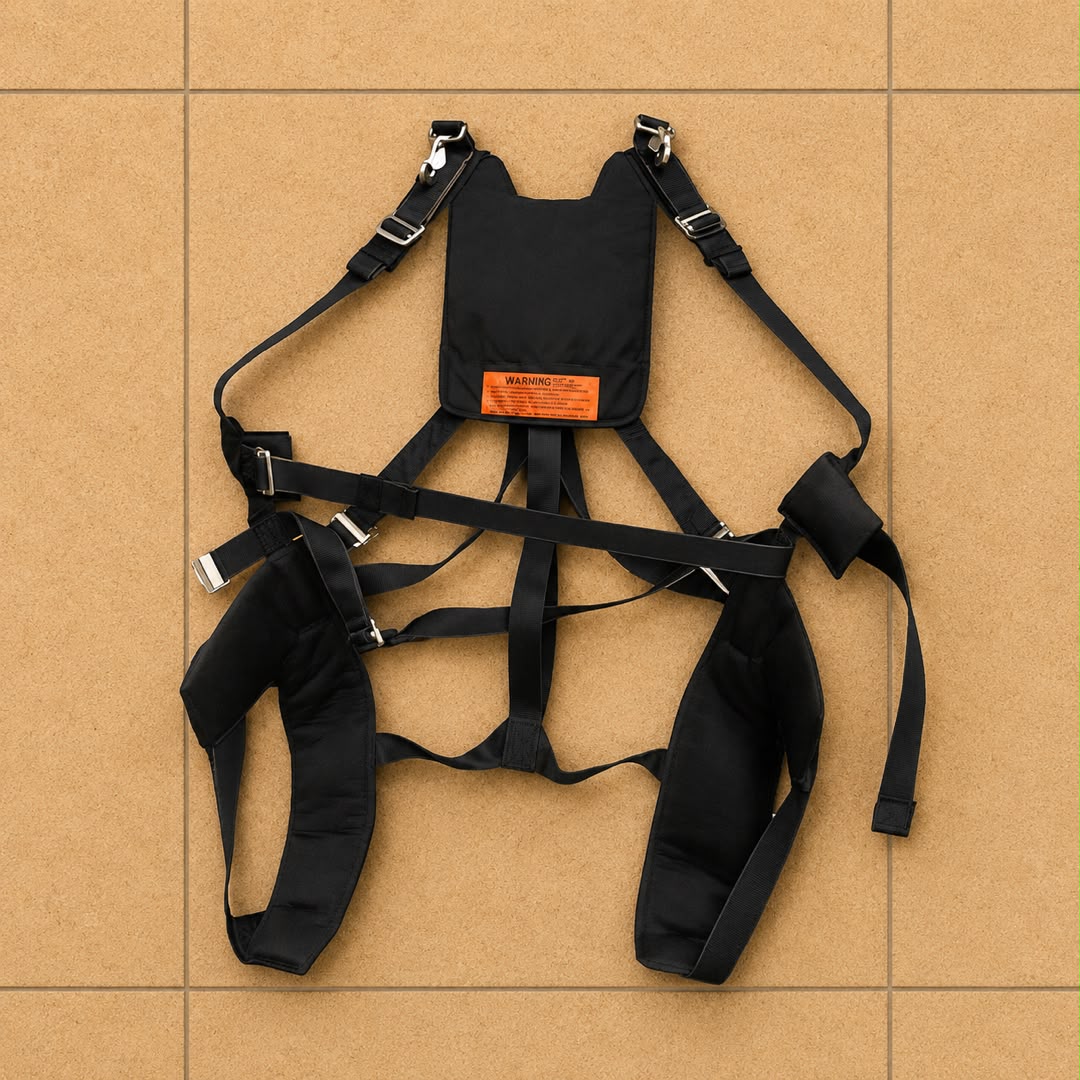
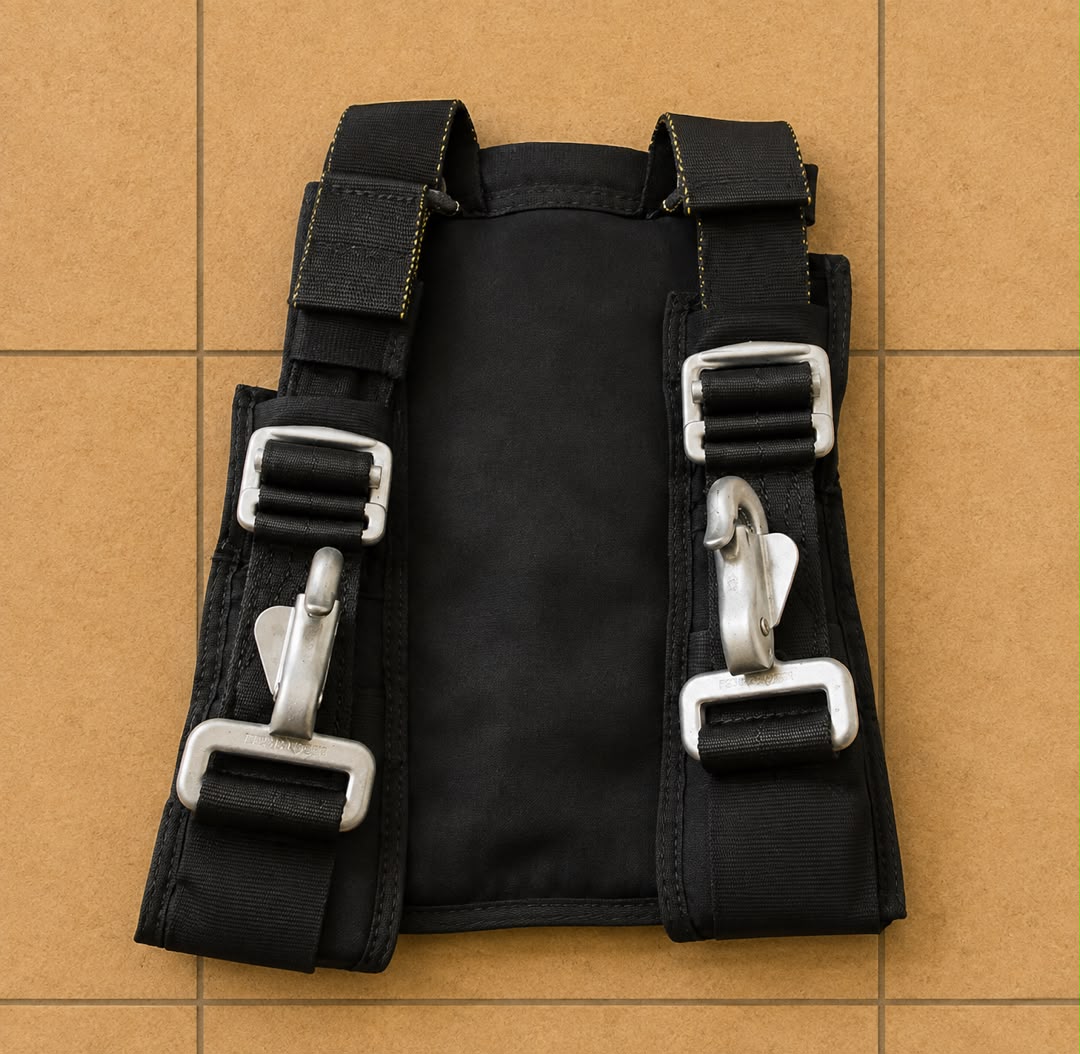

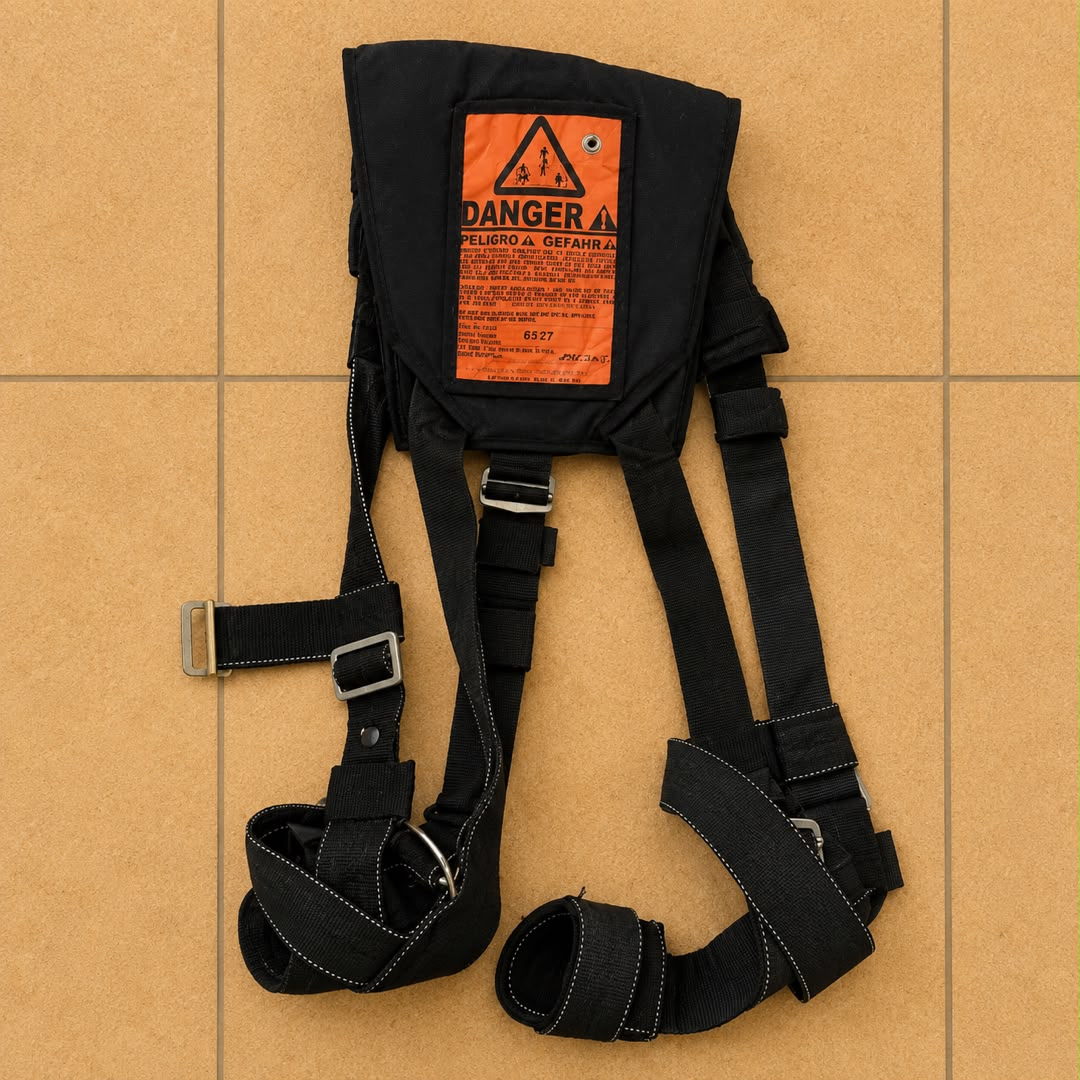


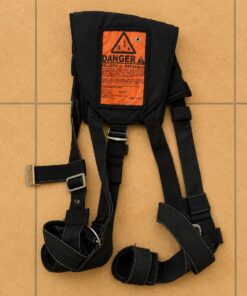
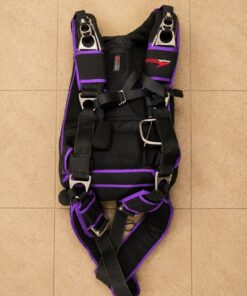
Used Sigma Passenger Harness


€400.00
he Used Sigma Passenger Harness is a pre-owned tandem student/passenger harness designed for use within United Parachute Technologies’ Sigma tandem equipment ecosystem. UPT describes the Sigma student harness as an adjustable, purpose-built component of its tandem system, emphasizing passenger comfort and compatibility with the overall Sigma architecture.
Current pre-owned examples listed by Skydivestore include serial #5950 and serial #8539, confirming that multiple used harnesses are available as individual components rather than only as parts of complete tandem systems. The current pages provide the serial identifiers but do not publish detailed DOM, jump-count, repair history, or modification history for those individual harnesses. Those details should therefore be verified from the physical harness label, records, and professional inspection rather than assumed.
A used tandem passenger harness should always be evaluated as life-support equipment. Load-bearing webbing, stitching, attachment points, quick-eject hardware, adjustment hardware, leg pads, connectors, previous repairs, and any modifications need to be assessed by appropriately qualified tandem rigging personnel before operational use. UPT maintains tandem-specific service bulletins, including material relating to modifications of tandem student harnesses, demonstrating why current technical documentation remains important even for older used equipment.
Used Sigma Passenger Harness – Technical Tandem Skydiving Equipment Guide
Sigma Passenger Harness Engineering, Condition, Compatibility, and Skydiving Equipment Context
Parachute Rig
A parachute rig used for tandem operations consists of more than a harness/container. The passenger harness, instructor harness/container, main, reserve, drogue system, risers, deployment components, and approved emergency systems all form part of the overall tandem configuration.
UPT treats the Sigma equipment family as an integrated tandem system rather than a random collection of interchangeable parts.
Skydiving Rig
A skydiving rig used for professional tandem operations must be inspected with particular attention to structural webbing and passenger attachment points.
With a used passenger harness, cosmetic appearance cannot establish operational suitability.
Container Skydive
The term container skydive relates to the instructor harness/container rather than the passenger harness itself.
However, compatibility matters because the passenger harness must be intended for the correct tandem system and attachment architecture.
Parts of a Parachute
The parts of a parachute system relevant to tandem passenger equipment include the instructor harness/container, passenger harness, main and reserve canopies, risers, drogue, bridle, release handles, connection points, emergency deployment equipment, and associated hardware.
Skydiving Rigging
skydiving rigging is central to any used tandem passenger harness.
UPT maintains product service bulletins that include a specific “Modification to Tandem Student Harness” entry, so applicable updates and modifications should be checked against the actual harness before service.
Passenger Harness Adjustment
The passenger harness is designed to accommodate different body proportions through adjustable webbing and hardware.
Adjustment range alone, however, does not prove that a given passenger can be fitted safely. Qualified tandem procedures and the exact harness configuration remain controlling factors.
Leg Pads
Leg pads contribute significantly to passenger comfort and load distribution.
UPT currently continues to sell tandem passenger leg-pad covers, confirming that these remain replaceable service components within the Sigma equipment family.
Used leg pads should be checked for repair quality, compressed padding, torn covers, damaged stitching, and structural webbing condition.
Quick-Eject Hardware
Quick-eject hardware forms part of the attachment architecture on many tandem passenger harnesses.
Used examples should be checked for smooth movement, correct closure, corrosion, deformation, wear, and proper servicing.
Harness Webbing
Load-bearing webbing should remain free from cuts, burns, chemical damage, excessive abrasion, or serious fiber deterioration.
Areas that pass through adjusters and connectors deserve particular attention because repeated fitting can produce concentrated wear.
Harness Stitching
Structural stitching should remain intact and consistent.
Broken threads, opened seams, unusual repairs, or significant abrasion should receive qualified inspection.
Passenger Attachment Points
Attachment points connect the passenger harness to the instructor system and therefore require conservative evaluation.
Any damaged hardware, distorted webbing, or questionable modification should keep the harness out of service until professionally cleared.
Weight Limit Skydiving
The phrase weight limit skydiving is especially relevant to tandem operations, but the passenger harness alone does not determine the complete operational limit.
The instructor system, main and reserve canopies, total suspended weight, operator rules, equipment certification, passenger body proportions, and applicable regulations all contribute.
Linewear
linewear concerns canopy lines rather than the passenger harness itself.
The condition of a passenger harness provides no information about main or reserve line trim.
Landing Flight Risers
landing flight risers belong to the instructor’s canopy system rather than the passenger harness.
Their condition should be evaluated separately.
Skydiving Downsizing Chart
A skydiving downsizing chart concerns sport canopy progression and has little direct relevance to tandem passenger harness fitting.
Tandem equipment sizing and limitations follow different technical requirements.
Smallest Canopy
The smallest canopy appropriate for a sport jumper has no direct relationship to whether a Sigma passenger harness is serviceable.
Passenger-harness condition and tandem canopy selection are separate technical questions.
Canopy Flight
canopy flight characteristics come from the installed tandem canopy, loading, atmospheric conditions, and instructor input rather than from the passenger harness itself.
Hook Blade Knife
A hook blade knife is emergency cutting equipment commonly discussed within skydiving safety equipment.
It is not a structural component of the passenger harness.
Hook Knife Skydiving
hook knife skydiving equipment should be carried and positioned according to operator procedures and instructor training.
Skydive Hook Knife
A skydive hook knife cannot compensate for damaged harness webbing, connectors, or attachment points.
Any harness defect must be corrected independently.
Skydiving Helmet
A skydiving helmet is personal protective equipment and remains separate from the passenger harness.
Skydive Helmets
skydive helmets can differ in coverage, fit, ventilation, and communication compatibility.
Helmet selection does not determine harness serviceability.
Sky Helmet Skydiving
The phrase sky helmet skydiving relates to head protection rather than tandem harness engineering.
Full Face Skydiving Helmet
A full face skydiving helmet offers facial and eye coverage but remains independent from passenger harness adjustment.
Skydiving Helmet Full Face
The phrase skydiving helmet full face describes the same separate equipment category.
G35 Helmet
A g35 helmet is unrelated to the load-bearing construction of the passenger harness.
Cookie G4 Helmet
Likewise, cookie g4 helmet concerns personal protective equipment rather than tandem harness structure.
Best Skydiving Helmet
The best skydiving helmet depends on fit, visibility, discipline, comfort, and operator procedures.
Skydiving Glasses
skydiving glasses may be used depending on the passenger’s vision requirements and helmet or goggle configuration.
Skydiver Goggles
skydiver goggles provide eye protection and remain separate from the passenger harness.
Can You Wear Glasses While Skydiving
For can you wear glasses while skydiving, many tandem operations can accommodate prescription eyewear with suitable goggles or helmet arrangements, subject to operator procedures.
Tracking Jump
A tracking jump is a sport freefall discipline and does not represent a normal passenger-harness use case.
Skydiving Speed
skydiving speed in tandem operations depends on body configuration, drogue deployment, atmospheric conditions, and system design.
The passenger harness is designed to retain and support the passenger rather than control freefall speed.
Speed Sky Diving
speed sky diving is a separate sport discipline and should not be confused with tandem passenger operations.
Wingsuit Sport
wingsuit sport is unrelated to normal use of a tandem passenger harness.
Wingsuit
A wingsuit is specialized freefall equipment and is not part of the passenger harness.
Vector Wingsuit
The phrase vector wingsuit generally concerns another equipment configuration and should not be used as an alternative designation for Sigma tandem equipment.
Gliding Suit Wingsuit
A gliding suit wingsuit is separate freefall equipment.
Skydiving Gliding Suit
Likewise, a skydiving gliding suit is not part of the passenger harness.
Wing Suits for Sale
The phrase wing suits for sale concerns another equipment category.
Price of Wingsuit
The price of wingsuit has no bearing on passenger-harness condition.
Tandem Wingsuit
A tandem wingsuit is not a standard Sigma passenger-harness application.
Indoor Wingsuit
indoor wingsuit training takes place in specialized environments and does not involve this harness.
Fly Suits
fly suits are freefall garments rather than structural components of the passenger harness.
CRW Skydiving
crw skydiving concerns canopy relative work and has no direct relationship to tandem passenger-harness construction.
Base Jumping
base jumping uses substantially different equipment and operating procedures from tandem aircraft skydiving.
Baseline Jumping
The search phrase baseline jumping does not describe any Sigma passenger-harness feature.
Base Canopy
A base canopy is unrelated to the passenger harness.
Safire 3
safire 3 is a separate sport main canopy design and does not establish compatibility or condition for this tandem passenger harness.
Fluid Wings
fluid wings refers to a separate canopy manufacturer.
Freefly Pud Handle
A freefly pud handle is a main-deployment handle associated with certain sport rigs and is unrelated to the passenger harness.
Fire Parachute
The phrase fire parachute does not identify a verified feature of the Sigma passenger harness.
Cypress Fire Skydiving
The phrase cypress fire skydiving appears to combine AAD terminology with unrelated wording.
An AAD belongs to the instructor tandem harness/container system, not the passenger harness.
Gear Bag Skydive
A gear bag skydive setup can help protect a passenger harness during transport and storage.
The harness should remain dry, clean, protected from chemicals, and away from sharp objects.
Skydiving Equipment List
A professional tandem skydiving equipment list can include the instructor tandem rig, compatible main and reserve, drogue system, passenger harness, AAD where required or installed, helmets or eye protection, altimeters, emergency cutting equipment, and operating documentation.
Jumper Pilot
A jumper pilot refers to the aircraft side of parachuting operations rather than passenger-harness construction.
Parachute Jump Australia
parachute jump australia is destination-oriented terminology.
Whether a used passenger harness can be used there depends on local operator procedures, national requirements, tandem system approval, and inspection status.
Skydive Byron Bay
skydive byron bay concerns a destination or operator, not a passenger-harness specification.
Cairns Skydiving
Likewise, cairns skydiving is location-oriented rather than a structural feature.
Skydive Belize
skydive belize is another destination-oriented search phrase.
Skydiving Blue Hole Belize
skydiving blue hole belize relates to location rather than harness engineering.
iFLY Colorado Springs
ifly colorado springs concerns indoor body-flight training rather than tandem parachute equipment.
Nude Parachute Jump
A nude parachute jump has no bearing on the engineering or serviceability of the passenger harness.
Skydiving Nude
Likewise, skydiving nude is unrelated to technical harness condition.
Skydiving Website
A skydiving website can provide general information, but tandem life-support decisions should be based on UPT technical documentation, service bulletins, the actual harness identification, and qualified inspection. UPT currently maintains Sigma manuals and a product-service-bulletin archive.
New Skydive
The phrase new skydive is general discovery terminology rather than a Sigma harness specification.
#Skydiving Latest
#skydiving latest content can highlight current industry topics but should not replace technical documentation.
Skydiving Tube
A skydiving tube is specialty freefall equipment and has no direct connection to passenger-harness construction.
Why Used Harness Condition Matters
Used Sigma passenger harnesses can have very different service histories. For example, complete pre-owned Sigma systems currently listed by the same seller describe passenger harnesses with normal wear, previously repaired leg pads, serviced quick ejectors, and aftermarket Y-modifications. These examples demonstrate why the exact used harness should be inspected individually rather than assuming that all pre-owned Sigma passenger harnesses have the same condition or modifications.
Y-Mod and Previous Modifications
Some pre-owned Sigma passenger harnesses may contain a Y-mod or other historical modifications.
Whether a modification is approved, correctly installed, or appropriate for continued service should be verified against the actual harness and applicable UPT documentation. UPT’s service-bulletin archive specifically includes a tandem student-harness modification entry.
Sanitization and Cleaning
UPT has published recommendations addressing sanitation of tandem harnesses, reflecting the fact that these components experience frequent direct contact with different passengers.
Cleaning should therefore follow manufacturer-supported methods rather than aggressive chemicals that could damage load-bearing textiles.
Serial Number Verification
Current individual pre-owned listings include passenger-harness serial numbers 5950 and 8539.
If your specific harness is one of these, the serial should be confirmed directly from the physical label before any DOM, repair history, or service status is added to a product description.
Overall Technical Perspective
A Used Sigma Passenger Harness should be viewed as a critical component of the UPT Sigma tandem system rather than as ordinary skydiving apparel. UPT continues to describe the Sigma student harness as a sophisticated adjustable tandem component and maintains technical resources covering Sigma equipment and tandem service issues.
For a pre-owned example, the decisive factors are structural webbing condition, stitching, leg-pad condition, quick-eject hardware, attachment points, adjustment hardware, modification status, documentation, cleanliness, serial identification, and professional inspection. Individual used listings such as serial 5950 and 8539 provide only basic identification and do not publish enough history to justify assumptions about DOM, jump count, repairs, or modifications.
Before operational use, the harness should therefore be inspected against current UPT technical guidance, relevant tandem service bulletins, and the physical condition of the exact unit.
Harness Construction, Adjustment Range, Comfort, Attachment Security, and Practical Passenger Fit
A used tandem passenger harness should be evaluated primarily through structural integrity, adjustability, secure attachment, and comfort. Although the component is simpler than a complete tandem system, it still performs an essential life-support function. Webbing, stitching, quick-eject hardware, adjustment points, leg pads, chest components, attachment interfaces, and previous repairs all influence whether the harness remains suitable for continued use. For that reason, professional inspection is more important than appearance, age, or seller description alone.
Structural Webbing
The load-bearing webbing forms the foundation of the harness.
It should remain free from deep cuts, burns, excessive abrasion, chemical contamination, or damaged fibers. Areas that repeatedly pass through adjusters and connectors deserve especially close attention because frequent fitting can create localized wear.
Any uncertainty about structural webbing should be resolved through qualified inspection before the harness is placed back into service.
Stitching Integrity
Structural stitching should remain intact and consistent throughout the harness.
Broken threads, opened seams, heavily abraded stitch lines, or unusual repairs deserve closer examination.
Repairs are not automatically a problem when they have been completed correctly, but workmanship, materials, location, and documentation all matter.
Adjustment Range
A tandem passenger harness needs enough adjustment range to accommodate different body dimensions within approved limits.
Adjustment hardware should move smoothly without binding, while webbing should remain flat and correctly routed.
The ability to make the harness physically smaller or larger does not establish that every passenger can be fitted safely.
Passenger size and proportions still need to fall within the operator’s and manufacturer’s approved criteria.
Torso Fit
Torso fit affects how the harness sits around the passenger’s body.
The shoulder, chest, hip, and leg areas should align correctly rather than relying on extreme adjustment.
A harness that is too long or too short can position attachment areas poorly.
Fit should therefore be evaluated by trained personnel rather than estimated from height alone.
Leg-Strap Position
Leg straps need to sit correctly while remaining secure and comfortable.
They should not twist or place unnecessary pressure on inappropriate areas.
Webbing passing through the adjustment hardware should remain free from concentrated wear.
Padding can improve comfort, but structural position remains more important.
Leg-Pad Condition
Leg pads experience frequent contact and adjustment.
Their covers should remain intact, while the padding should retain enough structure to provide comfort.
Previous repairs should be checked carefully for continued integrity.
Cosmetic wear may be acceptable, but torn covers or damaged structural stitching deserve attention.
Chest Area
The chest section helps maintain correct harness positioning.
Adjustment points should move as intended and remain secure once set.
Webbing should not show excessive abrasion or distortion.
Because the harness must accommodate passengers with different body shapes, the chest area should be checked carefully during each fitting.
Shoulder Position
Shoulder positioning affects comfort and overall harness geometry.
The webbing should sit naturally without slipping excessively or forcing the passenger into an awkward posture.
A correct fit should distribute the harness load rather than concentrating pressure in one area.
Attachment Interfaces
The attachment points that connect the passenger harness to the instructor system are among the most critical components.
Webbing, stitching, connectors, and surrounding reinforcement should remain structurally sound.
Deformation, severe abrasion, or unusual movement should keep the harness out of service until professionally evaluated.
Quick-Eject Hardware
Quick-eject connectors should operate smoothly and close securely.
They should remain free from significant corrosion, cracks, deformation, or sharp edges.
Repeated use can create wear on contact surfaces, so both the hardware and adjacent webbing should be inspected together.
Hardware Cleanliness
Metal connectors and adjusters should remain clean and free from contamination that could interfere with movement.
Dirt, sand, or sticky residues can affect operation.
Cleaning should follow manufacturer-compatible methods rather than aggressive solvents or abrasive tools.
Correct Webbing Routing
Adjustment webbing should follow the intended path through each buckle and connector.
Twisted or incorrectly routed webbing can affect both comfort and load distribution.
Any uncertainty about routing should be resolved through manufacturer documentation and qualified tandem procedures.
Passenger Comfort
Comfort matters because the harness may be worn during aircraft loading, climb, exit preparation, freefall, and canopy descent.
Padding, webbing placement, and adjustment all contribute.
However, a comfortable feeling does not automatically prove correct fitting.
Structural security should always come first.
Secure Fit Without Over-Tightening
The harness needs to remain secure without creating unnecessary discomfort.
Excessive tightening can restrict movement and place pressure in undesirable areas.
Conversely, a fit that is too loose can allow unwanted movement.
Qualified fitting procedures should establish the correct balance.
Body Proportions
Two passengers of the same height and weight can require different adjustment because torso length, thigh size, shoulder width, and body shape vary.
For that reason, simple height-and-weight charts provide only preliminary guidance.
Actual fitting remains essential.
Clothing Considerations
Clothing can influence harness fit.
Bulky jackets, thick layers, loose garments, or slippery materials may change how webbing sits.
Passenger fitting should account for the clothing that will actually be worn during the jump.
Seasonal Adjustment
A harness may require different adjustment in warm and cold conditions because clothing thickness changes.
Settings should therefore be checked for each passenger rather than relying on a previous configuration.
The harness should never be treated as permanently adjusted.
Pre-Use Inspection
Before each operational use, the harness should be checked for obvious wear, damaged hardware, incorrect routing, contamination, and loose components.
This routine check does not replace scheduled professional inspection, but it can identify new problems before the passenger is fitted.
Post-Use Inspection
After use, a brief inspection can help identify damage that developed during normal operations.
Webbing abrasion, hardware damage, torn padding, or contamination should be documented.
Early identification makes maintenance easier.
Previous Repairs
Older passenger harnesses may have repaired leg pads, replaced hardware, or other maintenance work.
Proper repairs can remain fully serviceable, but their quality should be verified.
Repair history should be kept with the harness whenever possible.
Modified Components
Any modification should be identified and checked against appropriate technical information.
An older modification may have been approved when installed, but current requirements should still be reviewed.
Unknown or undocumented alterations deserve conservative evaluation.
Cleaning and Hygiene
Passenger harnesses receive direct contact from many different people, so cleanliness is important.
Cleaning should use materials and methods that will not damage structural webbing, stitching, padding, or hardware.
Strong bleach, harsh solvents, and aggressive chemicals should be avoided unless specifically approved.
Moisture Protection
Wet harnesses should not remain sealed in bags for extended periods.
Moisture can contribute to odor, staining, mildew, corrosion, and material deterioration.
Appropriate drying should occur before storage.
Sunlight Exposure
Prolonged sunlight can gradually affect textile materials.
The harness should remain shaded when not in use.
Visible fading can provide some indication of exposure, but lack of fading does not prove that material strength remains unchanged.
Storage
A clean, dry, temperature-stable storage environment is preferable.
The harness should be kept away from fuel, solvents, batteries, sharp objects, and excessive heat.
Heavy equipment should not be stored on top of it unnecessarily.
Transportation
A protective gear bag can reduce contamination and abrasion during transportation.
Metal tools and sharp objects should remain separate.
After unusual impact, crushing, or contamination, the harness should be inspected before it returns to service.
Record Keeping
A simple service record can document inspections, repairs, hardware replacement, modifications, and unusual events.
Good documentation becomes increasingly valuable as the harness ages.
It also helps future inspectors understand the equipment’s history.
Professional Inspection
Professional inspection remains the most important step in determining continued serviceability.
Qualified personnel can evaluate webbing, stitching, hardware, previous repairs, modifications, and overall structural condition more accurately than casual visual inspection.
Long-Term Serviceability
Chronological age alone does not determine remaining service life.
Usage, storage, maintenance quality, environmental exposure, and previous repairs all contribute.
Each major component should therefore be evaluated according to its current condition rather than age alone.
Overall Practical Perspective
A used tandem passenger harness can remain a valuable operational component when its structural webbing, adjustment hardware, connectors, stitching, padding, and attachment points remain in approved condition. The strongest indicators of quality are secure fit, smooth adjustment, healthy hardware, documented repairs, clean storage, and professional inspection.
For continued service, the priorities should remain straightforward: verify structural condition, confirm correct adjustment, inspect attachment hardware, monitor high-wear areas, maintain accurate records, and remove the harness from service whenever damage or uncertainty appears.
Maintenance, Inspection, Cleaning, Storage, Repair Assessment, and Long-Term Serviceability
A pre-owned tandem passenger harness should be maintained as life-support equipment throughout its service life. Although its construction may appear straightforward, the harness depends on multiple load-bearing components working together correctly. Structural webbing, attachment areas, adjustment hardware, connectors, stitching, padding, and previously serviced areas can deteriorate at different rates. Therefore, preventive inspection and accurate maintenance records are essential. The objective is not simply to keep the equipment looking clean; instead, maintenance should preserve structural integrity, correct adjustment, and dependable attachment to the compatible tandem system.
Establishing a Condition Baseline
A professional inspection after acquiring a used harness provides a valuable starting point.
The initial assessment should document structural webbing, stitching, hardware, padding, attachment areas, identification information, and visible previous repairs.
Existing cosmetic marks can also be photographed. Consequently, later inspections can determine whether an area has remained stable or continued to deteriorate.
Routine Visual Inspection
Regular visual checks should be completed throughout operational ownership.
Look for changes in webbing condition, loose or damaged stitching, unusual hardware movement, contamination, torn coverings, and developing abrasion.
High-contact areas deserve additional attention because repeated passenger fitting creates predictable wear.
Routine checks complement professional servicing but do not replace it.
Structural Webbing Care
Load-bearing webbing requires particularly conservative treatment.
Deep abrasion, cuts, burns, chemical exposure, or damaged fibers can affect structural integrity even when the overall harness still appears presentable.
Adjustment areas may experience concentrated wear because webbing repeatedly moves through hardware.
Questionable deterioration should be evaluated professionally rather than covered, trimmed, or repaired informally.
Stitching Inspection
Stitching should remain consistent across structural junctions.
Broken threads, opened seams, distorted patterns, or heavy abrasion deserve investigation.
Previous repairs should also be examined for continued integrity.
When repair history is available, documentation should remain with the equipment so future inspectors understand what work was completed.
Attachment-Area Inspection
Passenger attachment areas experience significant operational loading.
Connectors, surrounding webbing, reinforcement, and structural stitching should therefore receive careful attention.
Deformation, damaged fibers, unusual movement, or questionable repairs should result in the harness being removed from service until appropriately evaluated.
Connector Maintenance
Metal connectors should remain clean, correctly shaped, and functional.
Repeated use can create wear where moving surfaces contact one another.
Inspectors should look for deformation, sharp edges, cracks, corrosion, and unusual resistance.
Adjacent webbing should also be examined because damaged hardware can accelerate textile wear.
Adjustment Hardware
Adjustment components should move smoothly enough for proper fitting while remaining secure once positioned.
Dirt, sand, or contamination can interfere with movement.
However, aggressive lubricants or cleaning chemicals should not be applied casually because they may contaminate nearby textile materials.
Manufacturer-approved maintenance practices should be followed.
Leg-Pad Inspection
Leg pads experience frequent contact, compression, and movement.
Covers should remain intact, while padding should retain sufficient structure for passenger comfort.
Small cosmetic marks may be acceptable, whereas opened seams, exposed internal materials, or damage extending into structural areas require closer attention.
Previously Repaired Padding
A professionally repaired pad may remain serviceable for a considerable period.
Nevertheless, the repaired area should be checked regularly for reopened stitching, progressive tearing, or separation.
A cosmetic repair should never conceal damage to underlying load-bearing material.
Adjustment-Webbing Wear
Webbing passing repeatedly through buckles and adjusters may show localized surface wear.
Monitoring these locations over time is useful because gradual deterioration can otherwise become familiar and go unnoticed.
Photographic records can help distinguish stable cosmetic wear from progressive material loss.
Contamination Management
Fuel, oils, solvents, battery chemicals, cleaning products, and other contaminants should be kept away from the harness.
Unknown substances should be treated cautiously.
Some chemicals can affect textile materials without producing immediate visible damage.
When significant exposure occurs, qualified technical advice should be obtained before the harness returns to service.
Cleaning After Regular Use
Routine cleaning should remain conservative.
Loose surface dirt can be addressed using methods compatible with the manufacturer’s guidance.
Strong bleach, aggressive solvents, harsh stain removers, and excessive heat should not be used casually on structural equipment.
Cleaning should protect both hygiene and material integrity.
Hygiene Between Passengers
Because the harness may contact many passengers during commercial operations, hygiene deserves consistent attention.
High-contact padded areas may require more frequent cleaning than protected structural sections.
However, sanitation procedures should remain compatible with the materials.
A method that disinfects effectively but damages structural fibers is not appropriate.
Moisture Exposure
The harness should not remain wet inside a closed equipment bag.
Persistent moisture can encourage mildew, unpleasant odors, staining, and hardware corrosion.
After exposure to rain or other moisture, appropriate drying should occur before prolonged storage.
Saltwater Exposure
Saltwater deserves additional caution because salt can remain within textile materials and around metal hardware.
Any significant exposure should be documented and professionally assessed.
Simply allowing the exterior to dry may not adequately address contamination.
Ultraviolet Exposure
Repeated sunlight exposure can gradually degrade textile materials.
When equipment is not actively being used, shaded storage is preferable.
Visible fading may indicate substantial exposure, but an absence of fading does not prove that structural materials remain unaffected.
Heat Protection
Extreme temperatures should be avoided during storage.
Vehicles parked in direct sunlight can become particularly hot.
Long-term exposure to excessive heat may be unfavorable for textile materials, padding, and other components.
A stable indoor environment is generally preferable.
Storage Environment
Storage should be clean, dry, and protected from unnecessary environmental exposure.
Sharp tools, batteries, fuel containers, and chemicals should remain separate.
Heavy equipment should not be stacked on top of the harness for prolonged periods because unnecessary compression can deform padding and hardware positioning.
Transportation Care
A protective equipment bag can reduce abrasion and contamination during transportation.
The harness should not be packed beside sharp metal objects or leaking containers.
After unusual crushing, impact, or contamination, inspection should occur before operational use resumes.
Repair Documentation
Every significant repair should be recorded whenever possible.
Documentation should identify the affected area, date, and nature of the work.
This information becomes particularly valuable when equipment changes ownership because future technicians can distinguish known professional repairs from unexplained alterations.
Modification Verification
Older equipment may have received manufacturer-approved modifications during its service life.
The existence of a modification should be confirmed from the physical harness and supporting records.
Unknown alterations should not automatically be assumed acceptable merely because the equipment has previously been used successfully.
Replacement of Worn Components
Some components can be replaced when they reach the end of their useful service condition.
However, replacement decisions should follow applicable technical guidance.
Structural components should never be substituted with improvised materials simply because they appear similar.
Pre-Operational Checks
Before operational use, the harness should receive an appropriate condition check.
Webbing routing, connectors, adjustment hardware, padding, attachment areas, and visible stitching should be examined.
Anything that differs from the known normal condition deserves attention before a passenger is fitted.
Post-Operational Checks
A brief examination after use can reveal damage that occurred during aircraft movement, fitting, landing, or ground handling.
Early detection helps prevent minor deterioration from progressing unnoticed.
Repeated problems in the same location should be documented and investigated.
Periodic Professional Inspection
Routine observation cannot replace professional assessment.
Qualified personnel can evaluate structural damage, hardware condition, modifications, repairs, and compatibility more thoroughly.
Inspection intervals and servicing requirements should follow applicable manufacturer guidance and operational regulations.
Knowing When to Remove It From Service
The harness should be taken out of operational rotation whenever significant structural damage, questionable attachment hardware, chemical contamination, unidentified modifications, or unresolved deterioration is discovered.
Continuing to use questionable equipment simply to avoid downtime is inappropriate for a life-support component.
Long-Term Serviceability
Age alone does not provide a complete measure of remaining serviceability.
Operational frequency, passenger volume, environmental exposure, storage quality, maintenance, and repair history all influence condition.
Therefore, each harness should be judged through its current physical state and applicable technical requirements.
Overall Maintenance Perspective
Long-term reliability depends on disciplined preventive care. Structural webbing, stitching, connectors, adjustment hardware, attachment points, padding, repairs, and modifications should all be monitored throughout ownership.
Clean and dry storage, protection from sunlight and chemicals, conservative cleaning, careful transportation, accurate service documentation, and qualified inspection provide the strongest maintenance foundation. Whenever damage or uncertainty is discovered, the appropriate response is to remove the harness from operational use until its condition has been professionally assessed and the equipment has been confirmed suitable for continued service.
Ownership Evaluation, Fit Verification, Operational Readiness, Documentation, and Continued Service
A pre-owned tandem passenger harness should be evaluated through structural condition, fit range, adjustment function, attachment integrity, service history, and professional inspection. Because the component directly supports a passenger during tandem operations, ownership decisions should be conservative and documentation should be clear. Age, appearance, or price alone cannot establish serviceability. Instead, continued use depends on whether the harness remains within manufacturer requirements and whether all critical areas have been inspected by qualified personnel.
Confirming the Exact Harness
The first ownership step is confirming the physical identification information.
Serial number, model designation, manufacture information, and any modification markings should be checked directly on the harness.
Seller descriptions or photographs may provide useful context, but the physical label should control the final identification.
Reviewing Fit Range
A passenger harness is designed to adjust across a range of body sizes, but that range should never be treated as unlimited.
Height, torso length, waist, thigh size, shoulder width, and body proportions all affect how the harness fits.
A proper fitting should therefore be performed according to professional tandem procedures rather than relying only on weight.
Understanding Adjustment Limits
Adjustment hardware should operate within its intended range.
If a harness needs to be adjusted to an extreme position to fit someone, that should prompt additional evaluation.
The fact that the straps can physically be tightened or loosened enough does not automatically mean the fit is correct.
Shoulder Position
The shoulder sections should sit naturally and remain secure.
Excessive looseness can allow movement, while poor positioning can affect comfort and overall harness geometry.
A correct fit should not depend on padding alone.
Leg-Strap Position
Leg straps should sit in the intended position and remain secure throughout the fitting process.
They should not twist or create abnormal pressure points.
Adjustment webbing should remain flat through the hardware.
Chest and Torso Fit
The chest and torso sections should support correct positioning without excessive compression.
Passenger clothing, body proportions, and seasonal layers can all change the final fit.
Each passenger should therefore receive an individual fitting rather than relying on a previous setting.
Attachment Hardware
The upper and lower attachment areas are critical structural interfaces.
Hardware should remain free from cracks, deformation, sharp edges, and significant corrosion.
The surrounding webbing and stitching should also remain structurally sound.
Quick-Eject Function
Quick-eject hardware should operate smoothly and close securely.
Resistance, sticking, or unusual looseness should be investigated.
Repeated use can gradually create wear, so these components should remain part of routine inspections.
Structural Webbing
Load-bearing webbing should remain free from serious cuts, burns, deep abrasion, or chemical contamination.
Areas that pass through adjustment hardware may show more wear than protected sections.
Questionable wear should be evaluated professionally.
Stitching Condition
Stitching should remain intact throughout structural attachment areas.
Broken threads, opened seams, or previous repairs should be documented.
A professional repair can remain suitable, but undocumented work should receive closer inspection.
Leg-Pad Evaluation
Leg pads should remain comfortable and securely attached.
Padding can compress over time, while outer covers may develop wear.
Cosmetic deterioration is different from structural damage, so both the pad and the underlying webbing should be evaluated separately.
Reviewing Previous Repairs
Previous repairs should be understood before the harness enters regular service.
The location, workmanship, materials, and documentation matter.
Where records are available, they should remain with the equipment.
Reviewing Modifications
Some older harnesses may include approved modifications.
Each modification should be identified and compared against current manufacturer guidance.
Unknown alterations should not be assumed acceptable simply because the harness has previously been used.
Pre-Purchase Inspection
A used harness should ideally be inspected professionally before purchase.
This allows the buyer to understand structural condition, repairs, modifications, hardware wear, and likely maintenance requirements.
A professional assessment also provides a clearer basis for evaluating long-term value.
Establishing a Service Baseline
After purchase, a detailed inspection can establish a maintenance baseline.
Photographs, notes, serial information, and repair records can document the current condition.
Future inspections can then compare known wear areas against that reference.
Checking for Environmental Exposure
Sunlight, heat, moisture, chemicals, and contamination can affect textile materials.
Visible fading may provide some evidence of exposure, but absence of fading does not prove the material is unaffected.
Storage history therefore remains important.
Moisture and Storage History
A harness that has been stored wet or in a humid environment may develop odor, staining, mildew, or hardware corrosion.
Unknown water exposure should be treated cautiously.
Saltwater or chemical contamination deserves additional professional assessment.
Clean Storage
The harness should be stored in a dry, clean environment.
Fuel, solvents, batteries, oils, and sharp objects should remain separate.
Heavy items should not be stacked on top of the harness for prolonged periods.
Transportation
A protective equipment bag can reduce abrasion and contamination during travel.
The harness should be protected from crushing, sharp objects, liquids, and unnecessary environmental exposure.
After significant impact or unusual handling, an additional inspection may be appropriate.
Hygiene Management
Passenger harnesses often receive repeated direct contact with different users.
Cleaning should therefore support hygiene without damaging the structural materials.
Strong bleach, aggressive solvents, and high heat should be avoided unless specifically approved.
Service Records
Accurate records make ownership easier to manage.
Inspections, repairs, component replacements, modifications, and unusual incidents should all be documented.
A clear history is especially valuable when the equipment changes ownership.
Monitoring Known Wear
Known wear areas should be monitored over time.
Photographs and written notes can help identify whether an area remains stable or continues to deteriorate.
Progressive wear should not be ignored.
When Repair Is Appropriate
Some damaged components may be repairable, while others may require replacement.
The decision should depend on manufacturer guidance, material condition, and professional assessment rather than cost alone.
Structural repairs should never be improvised.
When Replacement Is Better
Replacement may be preferable when hardware, padding, webbing, or another component has reached an unacceptable condition.
Trying to extend the life of a questionable part can create unnecessary risk.
Timely replacement supports both reliability and easier maintenance planning.
Professional Inspection Before Service
Before returning a used harness to operational use, qualified personnel should verify its structural condition and modification status.
Attachment hardware, adjustment systems, webbing, stitching, and repaired areas should all be reviewed.
This inspection should be documented.
Continuing Inspection During Use
Once approved for use, the harness should continue to receive routine checks.
High-contact and high-wear areas deserve particular attention.
Any change from normal condition should be investigated.
Knowing When to Remove It From Service
Significant structural wear, questionable hardware, contamination, unidentified repairs, or unresolved modifications are all reasons to remove the harness from operational use.
Continued use should only occur after the issue has been resolved professionally.
Long-Term Ownership Value
A used passenger harness can remain valuable when it has a clear history, sound structure, reliable adjustment hardware, and documented maintenance.
Condition and serviceability matter more than cosmetic appearance.
A well-maintained example with known history is easier to manage than one with uncertain repairs or incomplete documentation.
Overall Ownership Perspective
The strongest ownership approach combines proper fitting, accurate identification, documented history, routine inspection, conservative maintenance, and professional oversight.
A passenger harness should remain secure, adjustable, structurally sound, and free from unresolved defects. Clean storage, careful transportation, suitable hygiene practices, timely replacement of worn components, and accurate service records all support continued service.
When any structural concern appears, the correct response is to remove the harness from use until it has been professionally evaluated and confirmed suitable for continued tandem operations.
Be the first to review “Used Sigma Passenger Harness”
Related products


used products

used products

used products

used products

used products
used products
used products
Reviews
There are no reviews yet.