
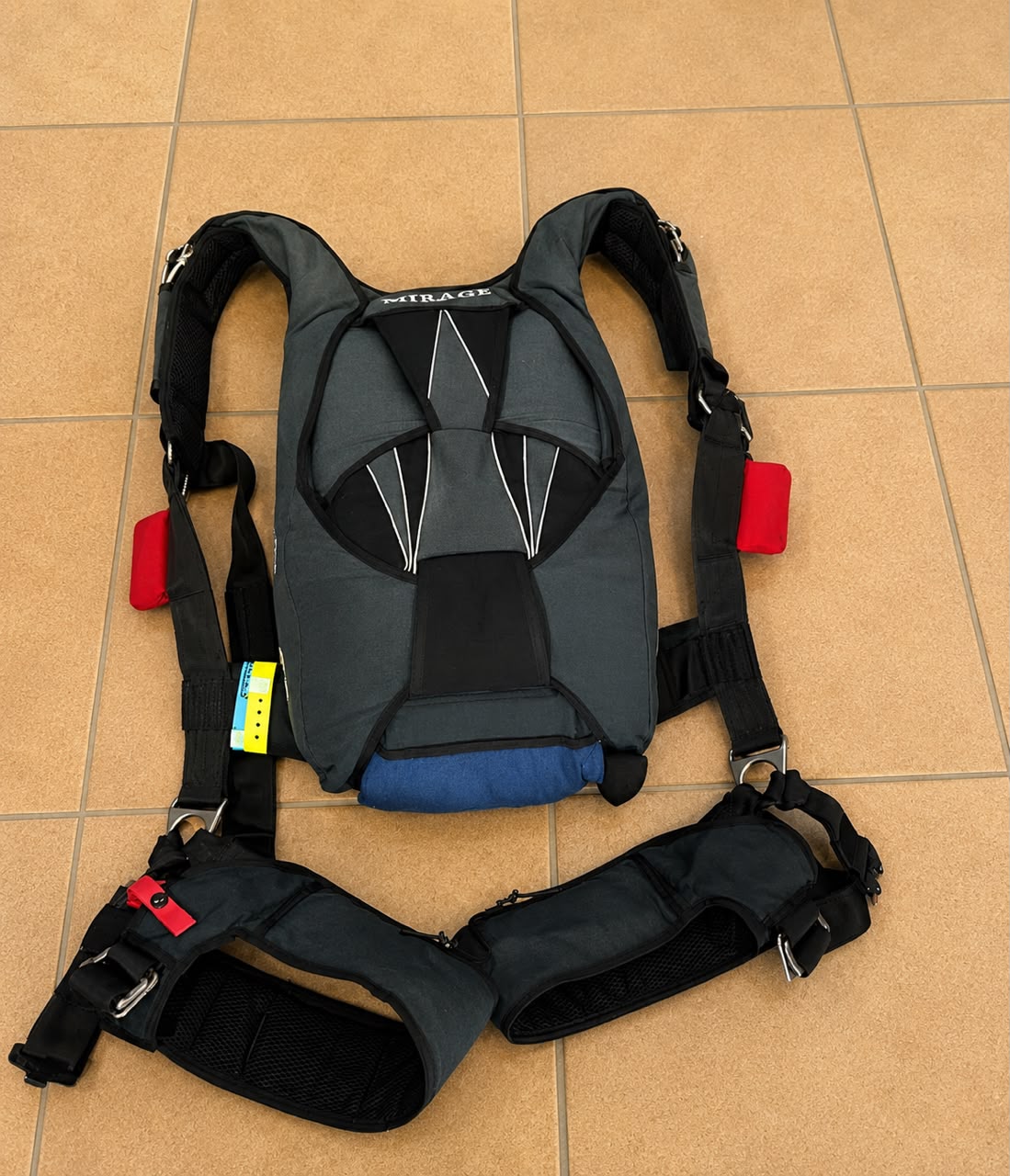
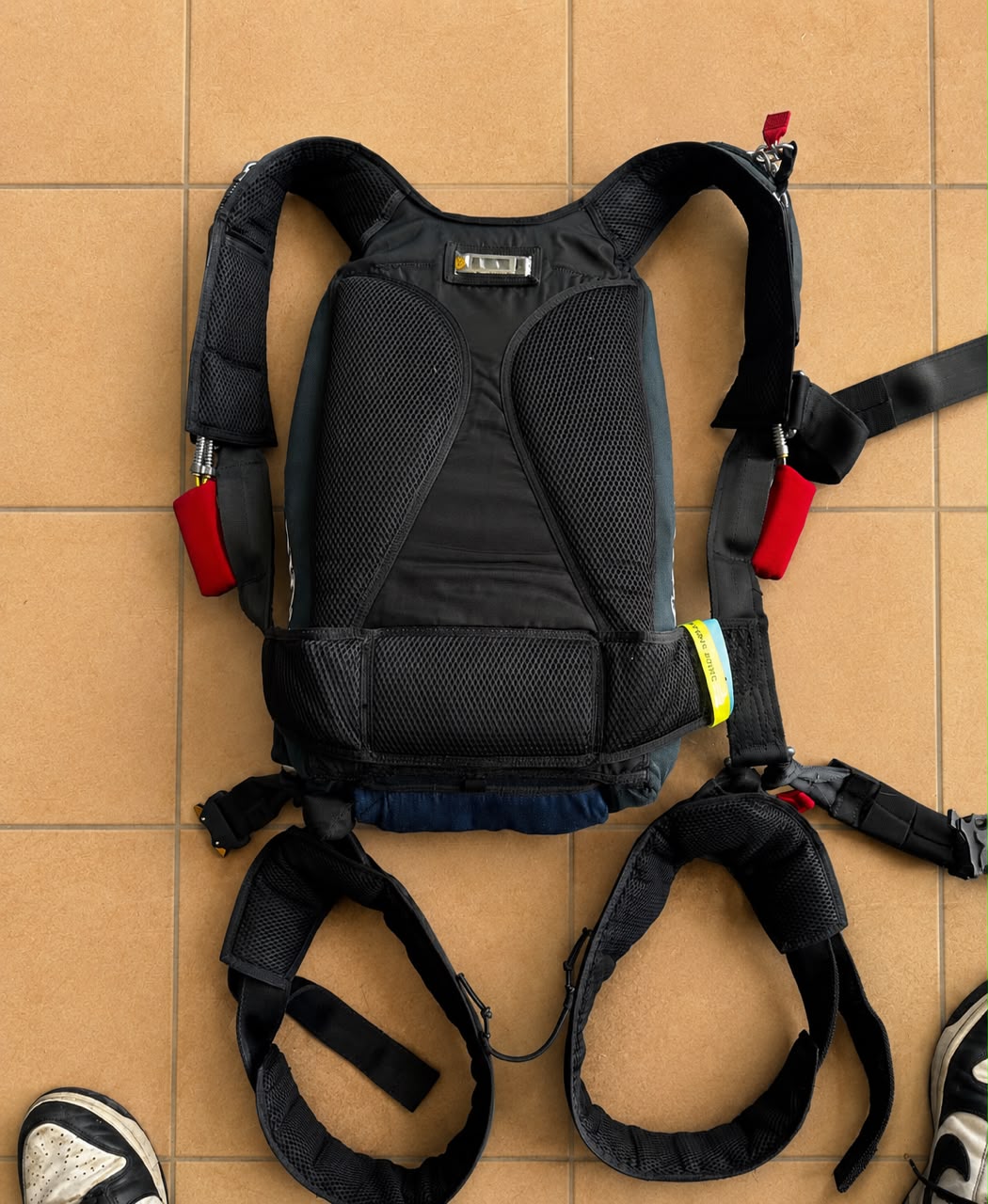

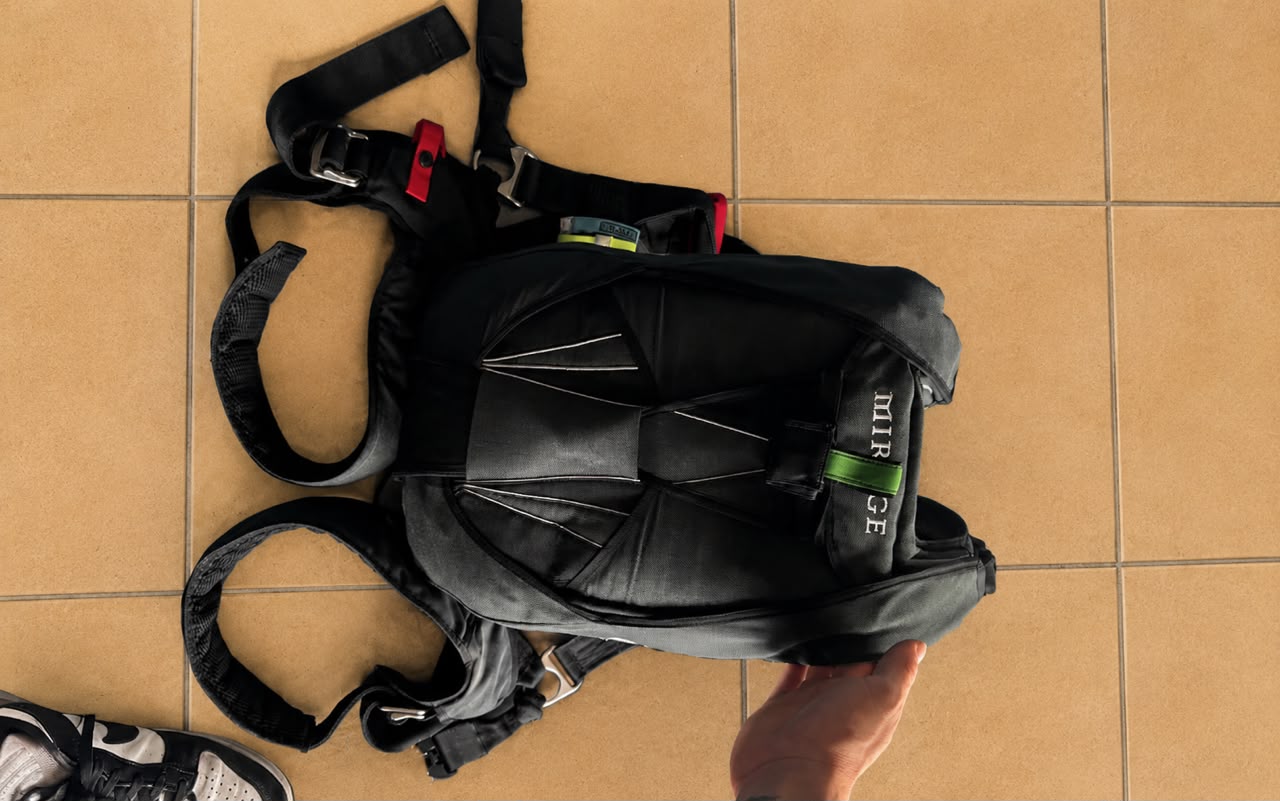

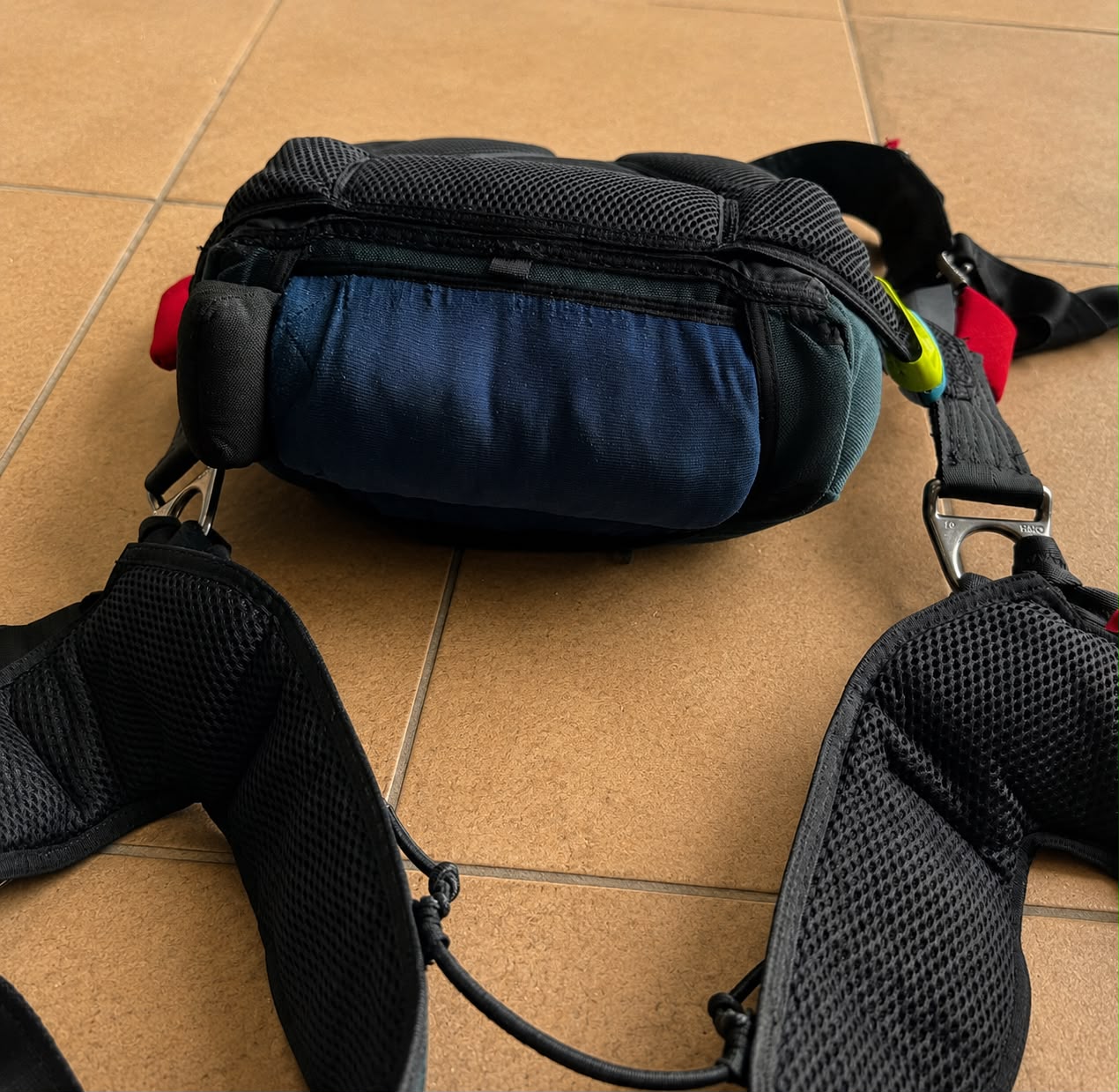
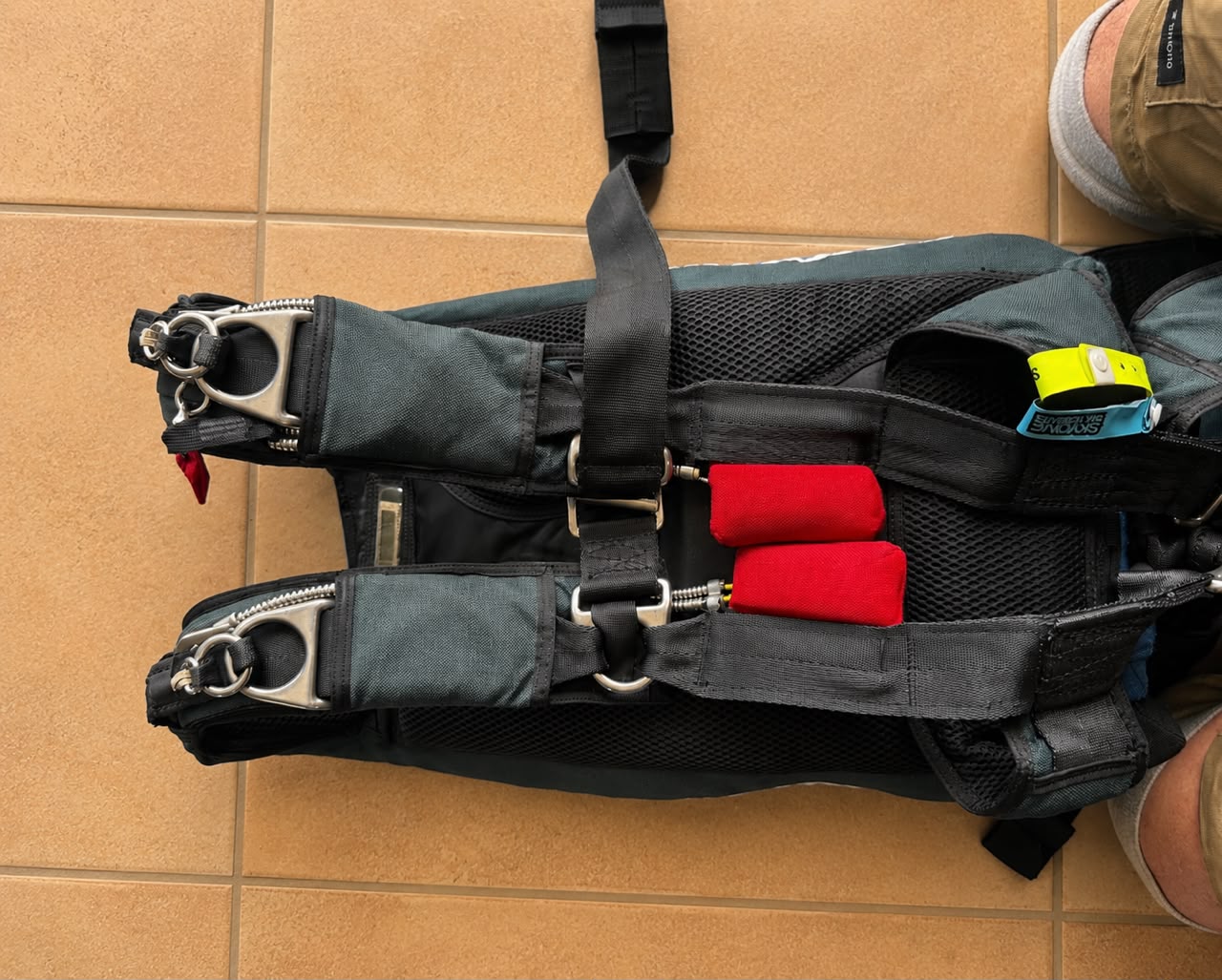
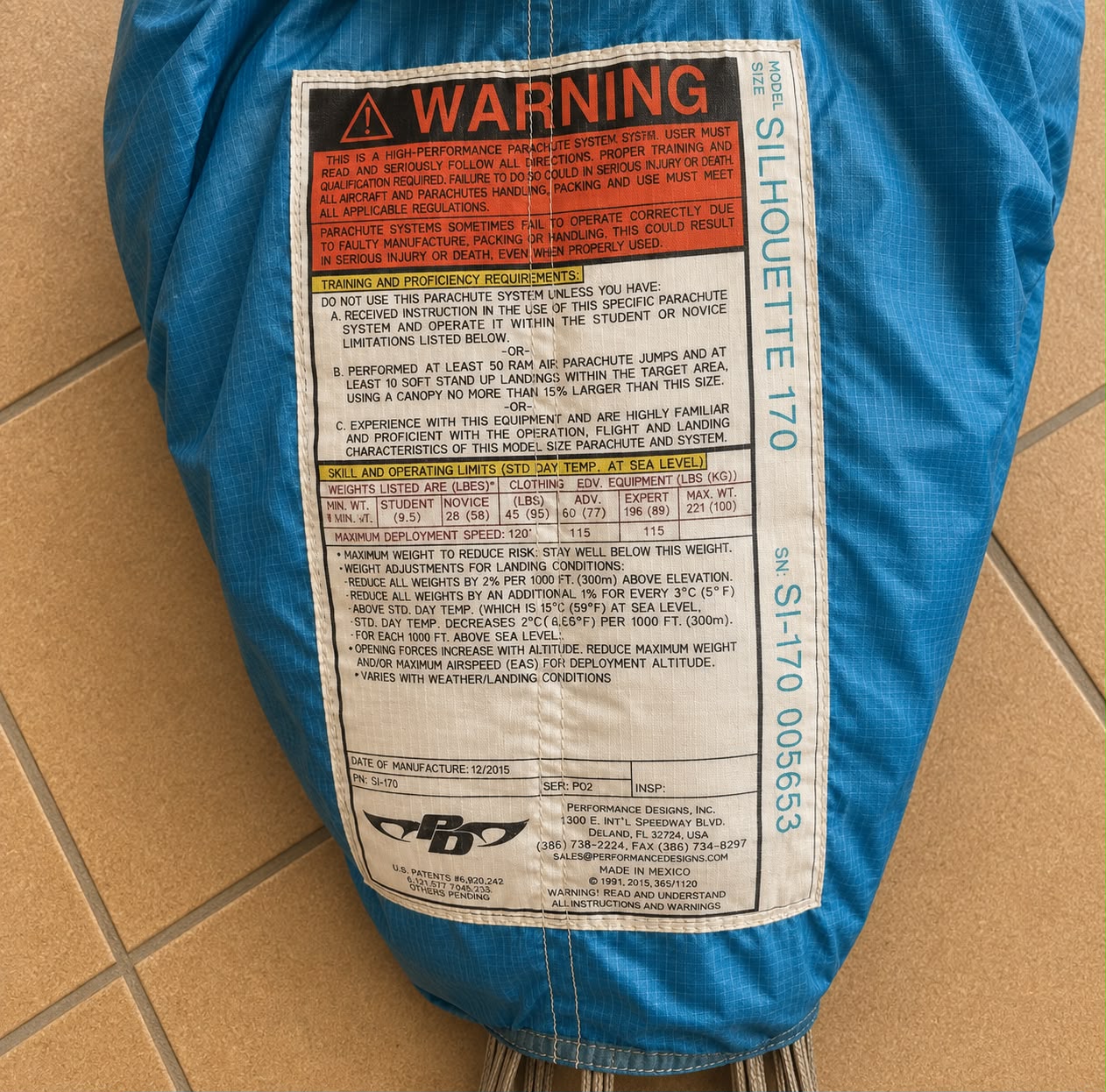


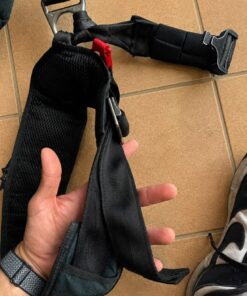
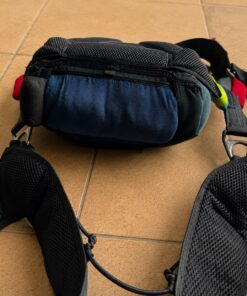
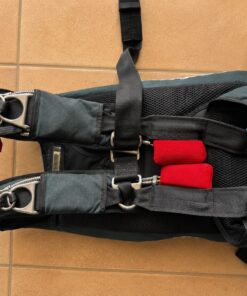
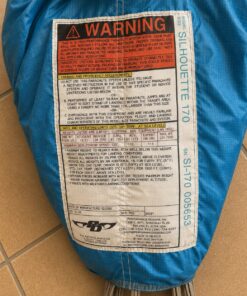
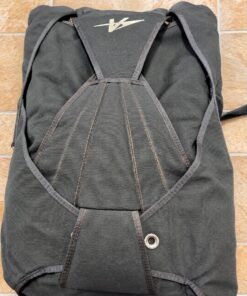
Used Mirage G4.1 04/2008


€4,000.00
The Used Mirage G4.1 04/2008 is a classic sport skydiving harness/container system designed to house compatible main and reserve parachutes in a compact, secure configuration. Built for experienced recreational skydiving use, it offers a streamlined profile, integrated harness construction, accessible deployment and emergency-handle positioning, and compatibility with appropriately sized canopy and safety components.
As a used system manufactured in April 2008, its suitability should be determined by current condition rather than age alone. Harness webbing, stitching, hardware, container fabric, deployment components, reserve system, fit, modifications, and canopy compatibility should all be inspected by an appropriately qualified parachute rigger before use.
Used Mirage G4.1 04/2008 — Classic Skydiving Harness/Container System, Fit, Rigging, and Equipment Overview
Used Mirage G4.1 04/2008 Harness, Container, Fit, Safety, and Skydiving Equipment Overview
The Used Mirage G4.1 04/2008 is a sport skydiving harness/container system from Mirage Systems. The G4.1 was designed to carry a main canopy and reserve canopy while integrating the harness, deployment components, and provisions for compatible safety equipment. Mirage stopped accepting new custom G4.1 orders from June 1, 2024, although the manufacturer states that existing G4.1 systems continue to receive parts and repair support.
For a unit marked 04/2008, age alone does not determine airworthiness. Harness fit, container size, webbing condition, stitching, hardware, reserve system, deployment components, modifications, service history, canopy compatibility, and applicable service bulletins all matter. Mirage specifically notes that used systems may require harness resizing and that the model, size, serial number, harness type, and TSO-label information are important when evaluating alterations.
Parachute Jump Australia
A parachute jump australia setup must comply with the applicable local operational and equipment requirements of the drop zone and governing organizations.
Skydive Byron Bay
For skydive byron bay or another established drop zone, personal equipment should be inspected and accepted according to local procedures before jumping.
Weight Limit Skydiving
weight limit skydiving considerations include jumper exit weight, harness fit, canopy loading, equipment limitations, and drop-zone rules.
Cairns Skydiving
For cairns skydiving, equipment suitability should be confirmed according to local conditions, operator requirements, and individual experience.
Skydiving Helmet
A skydiving helmet is separate from the harness/container but remains an important part of an individual equipment setup.
Skydive Helmets
Modern skydive helmets range from open-face designs to enclosed full-face models.
Hook Blade Knife
A hook blade knife is an emergency cutting tool commonly associated with parachuting equipment.
Tracking Jump
A tracking jump involves horizontal separation in freefall and requires suitable training, planning, and appropriate equipment configuration.
Parachute Rig
A parachute rig normally includes the harness/container, main canopy system, reserve system, deployment components, and associated hardware.
Linewear
linewear should be assessed because damaged or heavily worn canopy lines can affect the condition and suitability of an otherwise complete system.
Base Jumping
base jumping equipment and procedures are fundamentally different from conventional aircraft skydiving systems.
Sky Helmet Skydiving
A sky helmet skydiving setup should be properly fitted and should not interfere with harness operation or emergency handles.
Wingsuit Sport
wingsuit sport places specialized considerations on deployment technique, canopy choice, and equipment configuration.
Vector Wingsuit
The term vector wingsuit may refer to combinations involving another manufacturer’s harness/container and wingsuit use rather than this specific system.
Full Face Skydiving Helmet
A full face skydiving helmet provides enclosed facial coverage while remaining separate from the harness and container.
Skydiving Downsizing Chart
A skydiving downsizing chart should never replace qualified coaching and individual canopy assessment when considering smaller parachutes.
Landing Flight Risers
landing flight risers form part of the connection between the harness and main canopy and should be inspected for wear and correct compatibility.
Fire Parachute
The phrase fire parachute may refer to another brand or product category and is not the official name of this container.
Cypress Fire Skydiving
cypress fire skydiving searches commonly mix AAD terminology and equipment brands; compatibility should be confirmed from manufacturer documentation.
Skydiving Rigging
Professional skydiving rigging is particularly important with older used equipment because repairs, modifications, reserve packing history, and component compatibility must be assessed.
Baseline Jumping
baseline jumping should not be treated as interchangeable with normal aircraft skydiving.
Sky Diving Helmet
A sky diving helmet should fit securely without obstructing vision, movement, or emergency-handle access.
Hook Knife Skydiving
A hook knife skydiving tool is typically carried as an emergency cutting device.
Landing Flight Risers
The condition of landing flight risers and associated hardware should form part of a complete equipment inspection.
Skydiving Glasses
skydiving glasses or goggles protect the eyes during freefall and should remain secure at freefall speeds.
Nude Parachute Jump
A nude parachute jump does not alter the requirement for proper harness fit, safety equipment, and drop-zone authorization.
IFly Colorado Springs
ifly colorado springs refers to indoor body-flight activity rather than use of an outdoor parachute harness/container.
Skydive Hook Knife
A skydive hook knife should be positioned where it can be accessed appropriately without interfering with other equipment.
Skydiving Helmet Full Face
A skydiving helmet full face configuration is widely used for freefall eye and facial protection.
Skydiving Blue Hole Belize
For skydiving blue hole belize or other destination jumps, visiting equipment may be subject to local documentation and inspection requirements.
Smallest Canopy
The smallest canopy that physically fits a container is not automatically the appropriate canopy for a particular jumper. Experience, wing loading, canopy type, and manufacturer compatibility remain critical.
Skydiving Speed
Typical skydiving speed varies with body position, discipline, equipment, and jumper characteristics.
Wing Suits for Sale
Searches for wing suits for sale concern specialized freefall garments rather than the harness/container itself.
Skydiving Nude
skydiving nude remains subject to the same fundamental equipment and operational safety requirements as any other jump.
Parts of a Parachute
Important parts of a parachute system include the canopy, suspension lines, risers, deployment bag, pilot chute, harness, container, closing system, and reserve components.
Container Skydive
A container skydive system houses and protects the packed main and reserve assemblies while integrating them with the harness.
G35 Helmet
The g35 helmet belongs to the helmet category and is independent of the harness/container system.
Best Skydiving Helmet
The best skydiving helmet depends on fit, discipline, visibility, certification requirements, comfort, and personal equipment needs.
Skydive Belize
For skydive belize, personal equipment should be checked against the operator’s requirements before traveling or jumping.
Freefly PUD Handle
A freefly PUD handle is one deployment-handle configuration associated with freefly-oriented rigs; its condition and installation should be checked by a qualified rigger.
Gliding Suit Wingsuit
A gliding suit wingsuit increases horizontal movement in freefall and requires specialized instruction and equipment awareness.
Jumper Pilot
The phrase jumper pilot can refer to either a skydiver or jump-aircraft pilot depending on context.
CRW Skydiving
CRW skydiving involves intentional canopy-relative work and requires specialized experience and compatible parachute equipment.
Gear Bag Skydive
A gear bag skydive setup helps protect a harness/container, helmet, jumpsuit, and accessories during transportation.
Skydiving Equipment List
A typical skydiving equipment list can include a harness/container, main canopy, reserve canopy, AAD where applicable, altimeter, helmet, goggles, jumpsuit, audible device, and emergency cutting tool.
Indoor Wingsuit
indoor wingsuit training takes place in specialized facilities and does not require normal parachute deployment during the indoor session.
Can You Wear Glasses While Skydiving
For those asking can you wear glasses while skydiving, appropriately designed goggles or certain full-face helmets may accommodate prescription eyewear.
Wingsuit
A wingsuit should only be integrated into a skydiving setup after suitable experience, instruction, and equipment evaluation.
Skydiving Website
A reputable skydiving website should provide clear equipment specifications, inspection information, sizing details, and manufacturer references.
Cookie G4 Helmet
The cookie g4 helmet is a full-face skydiving helmet and should not be confused with the similarly named Mirage container model.
Base Canopy
A base canopy is designed for a different parachuting discipline and should not automatically be substituted into a sport skydiving container.
New Skydive
A new skydive participant normally progresses through appropriate training before using personally owned sport equipment.
#Skydiving Latest
For #skydiving latest information, manufacturer service notices, drop-zone requirements, and current rigging guidance are more important than social-media trends.
Canopy Flight
canopy flight performance depends strongly on canopy design, loading, atmospheric conditions, jumper experience, and control input.
Skydiver Goggles
skydiver goggles protect the eyes and should fit securely throughout freefall.
Speed Sky Diving
speed sky diving is a specialized discipline involving substantially higher freefall speeds and therefore requires appropriate experience and equipment assessment.
Fly Suits
fly suits include conventional jumpsuits, tracking suits, and specialized freefall clothing.
Skydiving Rig
A complete skydiving rig should be evaluated as an integrated system rather than judging the container, canopy, reserve, or AAD independently.
Safire 3
A safire 3 is a main-canopy model. Whether a particular size is appropriate depends on the exact container size and manufacturer’s compatibility information rather than the G4.1 name alone. Mirage publishes size-specific canopy compatibility guidance for its containers.
Skydiving Gliding Suit
A skydiving gliding suit requires specialist training because altered body-flight characteristics can affect deployment and emergency procedures.
Fluid Wings
fluid wings produces modern parachute canopies, several of which appear in Mirage’s size-specific compatibility references.
Price of Wingsuit
The price of wingsuit equipment varies considerably with brand, model, condition, configuration, and customization.
Tandem Wingsuit
A tandem wingsuit should not be assumed to be compatible with normal tandem or sport operations without specialist procedures and authorization.
Skydiving Tube
A skydiving tube is generally associated with specialized freefall formations or visual effects rather than ordinary harness/container operation.
Why the 04/2008 Date Is Important
For a used system dated April 2008, condition and documented history are essential. Mirage’s later G4.1 owner’s manual identifies operating limitations and service-life information, while the manufacturer maintains service information and bulletins for G4.1 systems.
Harness fit is equally important. Mirage’s own used-rig guidance explains that resizing can range from relatively limited alterations to replacement of substantial harness components, depending on the existing dimensions and the new jumper’s measurements.
Accordingly, an older G4.1 should not be judged simply by appearance or manufacture date. Before use, an appropriately qualified parachute rigger should verify the serial/TSO information, harness fit, webbing and stitching, hardware, reserve compatibility and packing status, main-container sizing, deployment system, AAD installation where fitted, alterations, and applicable service bulletins. That inspection provides the appropriate basis for determining whether this particular 04/2008 system remains suitable for continued skydiving use.
Harness Fit, Container Condition, Rigging Inspection, Deployment Components, and Long-Term Serviceability
Why Harness Fit Matters
Harness fit is one of the most important factors when evaluating an older sport parachute system. The harness must sit correctly on the jumper’s body without creating excessive pressure points or allowing unwanted movement during freefall, deployment, or canopy flight.
A system that is too large may shift excessively, while one that is too small can create discomfort and restrict movement. Leg straps, laterals, chest strap position, main lift web placement, and overall torso length should work together as a complete fit system.
Used equipment should therefore be evaluated on actual body measurements rather than general height or weight alone. Two jumpers of similar size can have different torso proportions, which may change how the harness sits.
If substantial alteration is needed, the work should be completed by an appropriately qualified rigger or approved service center.
Inspecting the Harness Webbing
The harness webbing carries major structural loads and should be inspected carefully.
Areas around the main lift web, leg straps, laterals, junction points, and hardware attachments deserve particular attention.
Signs of concern can include fraying, cuts, abrasion, damaged stitching, contamination, unusual discoloration, or evidence of previous repairs.
Normal cosmetic wear does not automatically mean a harness is unserviceable, but structural condition should never be judged by appearance alone.
A qualified inspection is especially important when the equipment has a long service history or incomplete records.
Any previous alteration should also be documented where possible so the inspector understands what work has already been carried out.
Container Fabric and Structural Condition
The container fabric protects the packed main and reserve assemblies and helps maintain the intended shape of the system.
Older equipment should be inspected for worn corners, damaged binding tape, weakened fabric, loose stitching, damaged flaps, and signs of excessive abrasion.
Areas that repeatedly contact aircraft interiors, packing surfaces, or the ground may show more wear than protected sections.
The reserve container deserves particularly careful attention because its structural integrity is critical.
Cosmetic fading may occur naturally over time, especially with frequent sunlight exposure. However, fading should be distinguished from material degradation.
A professional inspection can determine whether fabric remains serviceable.
Main Deployment System
The main deployment system should operate smoothly and remain compatible with the rest of the rig.
The pilot chute, bridle, deployment bag, closing loop, pin, handle, and associated attachment points should all be checked.
Wear in one small component can affect the reliability of the complete deployment sequence.
A pilot chute that appears visually acceptable may still require inspection for fabric condition, stitching, mesh, spring characteristics where applicable, and attachment security.
Likewise, the bridle should be checked for damage, contamination, or excessive wear.
Any component that shows questionable condition should be assessed before the rig is returned to service.
Closing Loop and Pin Condition
The closing loop is a relatively small component with an important mechanical role.
It should be inspected for wear, correct length, and compatibility with the container configuration.
A damaged or excessively worn loop should not be ignored.
The closing pin should also remain smooth and properly shaped.
Sharp edges, corrosion, bending, or damage can affect operation.
The relationship between loop tension, container closing sequence, pilot-chute configuration, and pin condition should be evaluated as a system rather than as isolated parts.
Any adjustment should follow manufacturer guidance and be performed by someone familiar with the equipment.
Reserve System Evaluation
The reserve side of a sport parachute system requires particularly careful inspection.
The reserve container, reserve deployment components, ripcord or handle system, closing loop, pilot chute, freebag, and reserve canopy must all be appropriate for the specific configuration.
Reserve compatibility should never be assumed simply because a canopy can physically fit into the container.
Pack volume, manufacturer approval, container size, and reserve specifications all matter.
The reserve packing status should also be current under the regulations that apply where the equipment will be used.
If documentation is incomplete, a qualified rigger should determine what inspection or repack work is required before use.
Hardware and Connector Inspection
Metal hardware should be checked for corrosion, cracks, deformation, sharp edges, and abnormal wear.
This includes buckles, rings, attachment hardware, and other load-bearing components.
Minor surface marks may occur during normal use, but structural damage is different.
Hardware should move as intended without excessive binding.
Areas where webbing passes through metal components should also be inspected because repeated movement can create localized wear.
Cleaning methods should remain appropriate for parachute hardware.
Aggressive polishing or unsuitable chemicals can create additional problems rather than improving safety.
Three-Ring System Condition
The three-ring release system is a critical part of the main-canopy cutaway system.
The rings, webbing, cables, housings, and retaining components should remain clean, correctly routed, and free from damage.
Cable condition and housing alignment should be inspected as part of routine maintenance.
Improper routing, contamination, or damaged components can interfere with normal operation.
Maintenance should follow the system manufacturer’s instructions rather than informal procedures.
An older harness/container should receive particular attention in this area because repeated use can produce wear that is not immediately obvious during a casual visual check.
Emergency Handle Accessibility
Emergency handles should remain secure while also being accessible to the jumper.
Harness fit directly affects their position.
If the rig sits too high, too low, or shifts significantly, handle location may change.
Handle pockets, attachment systems, cables, and housings should therefore be checked during fitting.
The jumper should be able to identify and reach the handles while wearing the complete equipment setup.
Changes in clothing, body size, or accessories can also influence access.
Any unusual handle positioning should be evaluated before the rig is used.
Compatibility Between Main Canopy and Container
Main-canopy compatibility should be based on the specific container size and the actual packed volume of the canopy.
A canopy that is significantly too large can make closing difficult and place excessive stress on flaps, loops, and seams.
A canopy that is significantly too small may not fill the container as intended.
Both situations can affect equipment behavior.
The correct approach is to compare the exact container model and size with manufacturer guidance and the specifications of the intended canopy.
A rigger can also evaluate the actual pack volume when uncertainty exists.
Age Versus Condition
Manufacture date is important, but age alone does not determine whether a rig remains suitable.
A carefully stored system with limited use may show less wear than a newer rig that has experienced heavy jumping, poor storage, repeated moisture exposure, or extensive travel.
Service history therefore matters.
Jump numbers, repairs, modifications, storage environment, reserve packing history, and previous inspections can all provide useful information.
When documentation is incomplete, the physical inspection becomes even more important.
Older equipment should be assessed conservatively rather than assumed to be acceptable because it appears clean.
Storage and Environmental Exposure
Long-term storage conditions can significantly affect parachute equipment.
Moisture, excessive heat, ultraviolet exposure, chemicals, fuel residue, and poor ventilation can damage fabric, webbing, elastic components, and metal hardware.
A rig should be stored dry and protected from prolonged direct sunlight.
It should also be kept away from substances that could contaminate parachute materials.
If the system has been stored for a long period, an inspection before use is especially important.
Even equipment that has not been jumped recently can deteriorate if storage conditions were unsuitable.
Establishing Long-Term Serviceability
Long-term serviceability should be based on documented inspections and actual component condition.
A complete evaluation should consider the harness, container, main deployment system, reserve system, emergency handles, hardware, stitching, webbing, modifications, and canopy compatibility.
Any unresolved issue should be addressed before the equipment is returned to jumping.
A professional inspection can also help establish a baseline for future maintenance.
Once the rig’s current condition is documented, later inspections become easier because changes can be identified more accurately.
For an older system, this structured approach is the most reliable way to preserve dependable operation and ensure that decisions about continued use are based on condition rather than appearance alone.
Freefall Stability, Deployment Reliability, Handle Access, Canopy Compatibility, and Ongoing Inspection
Freefall Stability and Harness Security
A well-fitted harness/container system should remain stable on the jumper throughout exit, freefall, deployment, and canopy flight. Stability depends on correct harness dimensions, secure leg straps, proper chest strap positioning, lateral fit, and the relationship between the container and the jumper’s torso.
Excessive movement can affect comfort and may also change the position of important handles. A system that shifts significantly during freefall should therefore be assessed carefully.
The complete setup should be evaluated while worn with normal jumping clothing because suit thickness and body position can influence fit.
A secure fit should provide support without creating unnecessary restriction or pressure.
Why Handle Position Is Important
Emergency and deployment handles must remain accessible in normal and unusual body positions.
Handle location is affected by harness fit, body proportions, clothing, and how the system settles on the jumper.
If a used rig was originally built for another person, the handles may not naturally sit in the ideal position for the new user.
The cutaway handle, reserve handle, and main deployment handle should all remain visible or easily identifiable by touch according to the system design.
Any difficulty reaching or locating a handle should be addressed before the equipment is used.
Handle security is equally important because a handle that is too loose can present its own problems.
Main Deployment Reliability
The main deployment system works as a sequence rather than as a collection of independent parts.
The handle or pilot chute initiates deployment, the bridle transfers force, the closing pin releases the container, and the deployment bag allows the canopy and lines to leave in the intended order.
Each component should therefore be inspected as part of the complete system.
Wear on the bridle, pilot chute, handle, closing loop, pin, or deployment bag can affect reliability.
Older equipment may also have replacement components from different periods, so compatibility should be confirmed rather than assumed.
The condition of stitching and attachment points should receive particular attention.
Pilot Chute Condition
The pilot chute is an important deployment component and should be inspected for fabric wear, damaged mesh, weak stitching, contamination, and attachment security.
Elastic or collapsible components, where present, should also be evaluated for correct function.
A pilot chute that looks acceptable externally may still have wear in areas that are less obvious during casual inspection.
Repeated packing, dragging, and contact with aircraft or the ground can gradually affect the material.
Any significant change in deployment feel should be investigated.
Replacement decisions should be based on condition, manufacturer guidance, and professional evaluation rather than appearance alone.
Bridle and Pin Inspection
The bridle should remain free from excessive wear, cuts, heat damage, contamination, and loose stitching.
Areas close to attachment points may experience concentrated stress and should be checked carefully.
The closing pin should remain smooth and properly shaped.
Corrosion, sharp edges, or bending may interfere with normal operation.
The pin and closing loop should work together correctly without unnecessary resistance.
Because the closing system controls container security before deployment, modifications or improvised components should be avoided.
If the correct configuration is uncertain, manufacturer documentation and professional rigging guidance should be consulted.
Deployment Bag and Line Management
The deployment bag helps control the order in which lines and canopy fabric leave the container.
Its fabric, stitching, grommets, line-stow areas, and attachment points should remain in good condition.
Worn stow components can affect line management.
The condition of the canopy lines should also be examined because line wear can influence opening behavior and canopy performance.
Packing components should be appropriate for the specific main canopy and container combination.
A bag that physically fits inside the container is not automatically the correct component.
The entire deployment system should be treated as an integrated assembly.
Reserve Container Condition
The reserve container deserves particularly conservative inspection.
Flaps, closing points, reserve pilot-chute components, freebag interfaces, ripcord or reserve-handle systems, and related stitching must remain serviceable.
The reserve side should not be altered casually.
Any repair or modification affecting the reserve system should be performed according to applicable manufacturer and regulatory requirements.
A current reserve pack does not necessarily prove that every other part of an older harness/container is in excellent condition.
The entire system should still receive periodic evaluation.
Documentation from previous inspections can help establish whether any recurring issues have been identified.
Canopy Volume and Container Fit
Canopy compatibility involves more than nominal size.
Different canopy designs can have different pack volumes even when their labeled surface areas appear similar.
Fabric type, construction method, line type, canopy age, and packing characteristics can all influence how the canopy fits inside the container.
A canopy that is too bulky may place excessive tension on closing components and flaps.
A canopy that is substantially too small may not provide the intended container shape or security.
Compatibility should therefore be based on the exact container size and manufacturer guidance.
A qualified rigger can provide additional assessment when the intended combination falls near a sizing limit.
Three-Ring Release System
The three-ring release system should remain clean, correctly assembled, and free from unnecessary contamination.
The rings should not show cracks, deformation, or severe corrosion.
The webbing surrounding the rings should also be checked for wear.
Release cables and housings should be inspected for condition and correct routing.
Because this system forms part of the emergency cutaway process, maintenance should follow manufacturer instructions.
Improvised lubrication, cleaning products, or modifications should be avoided.
Regular inspection is particularly important on older equipment because repeated loading and handling can gradually affect materials and hardware.
Stitching and Structural Seams
Structural stitching should be checked carefully throughout the harness and container.
Loose threads, broken stitches, abrasion, unusual stretching, or previous repair work may require closer evaluation.
Not every loose thread indicates structural damage, but load-bearing seams should never be assessed casually.
Areas around harness junctions, leg straps, lateral attachments, container corners, and hardware can experience substantial stress.
A trained rigger can distinguish cosmetic wear from damage requiring repair.
When previous repairs are present, documentation can help determine whether the work was completed using an approved method.
Effects of Long-Term Storage
Equipment condition can change even when the system is not being jumped.
Long-term exposure to humidity, heat, sunlight, chemicals, fuel, oil, or poor ventilation can weaken materials.
Metal components may corrode, while fabric and webbing can be affected by contamination or ultraviolet exposure.
A rig that has remained unused for a long period should therefore receive a complete inspection before returning to service.
Storage inside a closed bag does not automatically protect equipment if moisture or contamination was trapped inside.
Dry, clean, temperature-controlled storage is generally preferable.
Establishing a Reliable Inspection Routine
A regular inspection routine helps identify gradual changes before they become more serious.
The harness, container fabric, deployment system, emergency handles, release system, hardware, stitching, and canopy interfaces should all be reviewed periodically.
Any noticeable change in fit, deployment feel, handle security, closing tension, or component condition should be investigated.
For an older system, keeping a record of inspections, repairs, component replacements, and modifications can be particularly valuable.
That history provides useful context for future riggers and helps establish whether wear is progressing.
Continued serviceability should always be based on current condition, correct compatibility, and qualified inspection rather than age or appearance alone.
Comfort, Fit Retention, Hardware Condition, Storage, Maintenance, and Long-Term Reliability
Comfort During Extended Use
Comfort plays an important role in how well a harness/container system performs during repeated use. A correctly fitted system should distribute load across the shoulders, torso, hips, and leg straps without creating unnecessary pressure points.
During normal movement, the rig should remain secure while still allowing the jumper to arch, sit, turn, and move freely enough for the intended discipline.
An older system may have been built for another body shape, so comfort should not be judged by whether the rig can simply be put on.
Torso length, lateral dimensions, leg strap position, and chest strap placement should all be considered.
A comfortable fit also helps keep handles and hardware in predictable positions.
Maintaining Fit Over Time
Harness fit can change as equipment ages or as the jumper’s body weight, clothing, or measurements change.
Webbing may soften through repeated use, while padding and fabric can compress over time.
These changes do not automatically make a system unsuitable, but they can affect how the rig sits on the body.
If the harness begins to move more than expected or pressure develops in new areas, the fit should be reassessed.
A complete fitting should be performed while wearing the clothing normally used for jumping.
Seasonal clothing differences can also change how tightly the system sits.
Leg Strap Condition and Adjustment
Leg straps carry significant loads and should remain structurally sound.
The webbing, adjustment hardware, stitching, and protective covers should all be inspected periodically.
Fraying, cuts, contamination, broken stitching, or unusual deformation should receive professional attention.
The straps should adjust smoothly while remaining secure once set.
Hardware should not slip unexpectedly.
The jumper should also confirm that both sides are adjusted consistently enough to support balanced positioning.
Poor adjustment can create discomfort and may influence how the entire harness settles during freefall and deployment.
Chest Strap and Upper-Harness Condition
The chest strap helps maintain the position of the upper harness.
It should remain free from cuts, excessive abrasion, damaged stitching, or contaminated webbing.
The buckle should function smoothly without sharp edges or deformation.
A chest strap should be adjusted according to proper operational guidance rather than tightened excessively simply to make the rig feel secure.
Overtightening can reduce comfort and change harness geometry.
The upper harness should remain stable enough that shoulder components and emergency handles stay where expected.
Any unusual movement should be evaluated before continued use.
Hardware Inspection
Metal hardware should be inspected for corrosion, cracks, sharp edges, deformation, or unusual wear.
Load-bearing components deserve especially careful attention because even small defects can become important under deployment loads.
Hardware should operate smoothly and should not bind against webbing.
Areas where metal contacts fabric or webbing should be checked for localized abrasion.
Older equipment may show cosmetic marks from normal service.
However, cosmetic wear and structural damage are not the same thing.
A qualified rigger should evaluate any questionable hardware rather than relying on surface appearance alone.
Webbing and Stitching Condition
Structural webbing should remain free from significant cuts, burns, chemical contamination, or excessive wear.
Stitching patterns should appear intact, particularly around load-bearing junctions.
Loose thread ends may sometimes be cosmetic, but broken or missing structural stitches require closer evaluation.
High-stress areas include shoulder junctions, leg straps, lateral attachments, hardware connections, and harness intersections.
An older system may also contain previous repairs.
Those repairs should be examined for correct workmanship and compatibility with the original construction.
Documentation is useful whenever available.
Container Fabric and Flap Condition
The container should maintain its structural shape without excessive damage.
Corners, flap edges, binding tape, grommet areas, and high-contact surfaces can experience wear from packing and normal use.
Faded fabric does not automatically indicate serious degradation, but heavy ultraviolet exposure may affect material strength over time.
The condition of closing flaps is particularly important.
They should not show tearing, excessive distortion, or stitching failure.
Grommets should remain secure and smooth.
Any sharp or damaged metal surface near closing components should be addressed because it can accelerate wear.
Handle Pockets and Security
Deployment and emergency handles must remain secure when stowed but accessible when needed.
Handle pockets should be inspected for stretching, damaged stitching, contamination, or loss of retention.
Velcro or other retention materials, where used, should continue to function appropriately.
A handle that sits too loosely may be vulnerable to unintended movement.
A handle that is excessively difficult to remove can create another problem.
Harness fit also affects handle accessibility.
For this reason, handle security should be assessed while the rig is actually being worn.
Closing Components and General Condition
Closing loops, pins, grommets, cables, and related components should remain in serviceable condition.
A small component can influence the performance of the entire closing system.
Loops should not show excessive wear or damage.
Pins should remain smooth, properly shaped, and free from corrosion.
Grommets should not have sharp edges.
Cables and housings should remain clean and correctly routed.
If any component has been replaced with a nonstandard part, compatibility should be verified.
Improvised repairs or substitutions should not be relied upon.
Cleaning and Surface Care
Parachute equipment should be cleaned conservatively.
Harsh chemicals, strong detergents, solvents, or aggressive scrubbing can damage fabric, coatings, webbing, and hardware.
Surface dirt should generally be addressed using methods approved for parachute equipment.
If the system becomes contaminated with fuel, oil, chemicals, salt water, or another potentially damaging substance, professional advice should be obtained.
The rig should be completely dry before long-term storage.
Packing or storing damp equipment can encourage corrosion, odor, and material deterioration.
Environmental Exposure
Heat, sunlight, humidity, and chemicals can affect parachute materials over time.
Extended ultraviolet exposure can weaken some fabrics.
High humidity can encourage corrosion on metal components.
Excessive heat may accelerate material aging.
Chemical contamination can be particularly serious because damage may not always be immediately visible.
Equipment should therefore be kept away from fuel, batteries, cleaning chemicals, and other aggressive substances.
Transport inside vehicles should also be considered carefully because interiors can become extremely hot in direct sunlight.
Storage Between Jumps
Storage conditions have a significant influence on long-term equipment condition.
The rig should be kept in a clean, dry location away from direct sunlight and excessive heat.
A protective gear bag can reduce exposure to dirt and accidental abrasion.
However, the bag should not be used to hide moisture problems.
If the system becomes wet, it should be handled according to appropriate manufacturer and rigging guidance before long-term storage.
Heavy objects should not be placed on top of packed equipment for extended periods.
Good storage habits can reduce unnecessary wear.
Transport and Travel Protection
Travel exposes equipment to handling, compression, contamination, and environmental changes.
A durable gear bag can provide useful protection during normal transport.
The rig should be kept away from sharp objects, leaking liquids, and heavy items that could damage the container or hardware.
After air travel or long-distance transport, a careful visual inspection can be useful before the next jump.
Any unusual compression, displaced handles, bent hardware, or damaged fabric should be addressed.
Older systems deserve particular attention because materials may already have experienced years of normal service.
Long-Term Maintenance and Reliability
Long-term reliability depends on condition-based maintenance rather than appearance alone.
Harness webbing, stitching, hardware, container fabric, deployment components, emergency systems, and fit should all be monitored throughout the service life of the equipment.
Repairs and component replacements should be documented whenever possible.
A maintenance history gives future riggers valuable information and makes gradual wear easier to track.
For an older system, regular professional inspection becomes especially important.
If any change in fit, closing tension, handle security, webbing condition, hardware movement, or deployment behavior is noticed, it should be evaluated before the next jump.
Continued serviceability should always be based on current condition, correct compatibility, and qualified inspection.
Be the first to review “Used Mirage G4.1 04/2008”
Related products


used products
used products

used products

used products
used products

used products
used products
Reviews
There are no reviews yet.