





Cookie G4 Skydiving Helmet – Certified Full-Face Protection, Panoramic Vision, and Refined Freefall Comfort
Cookie G4 Skydiving Helmet Overview
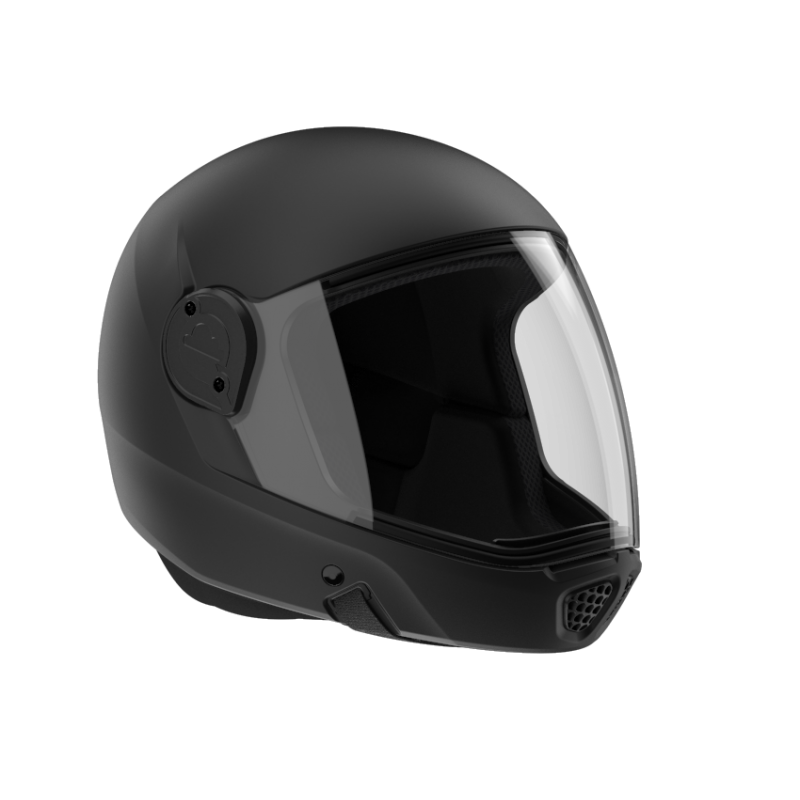
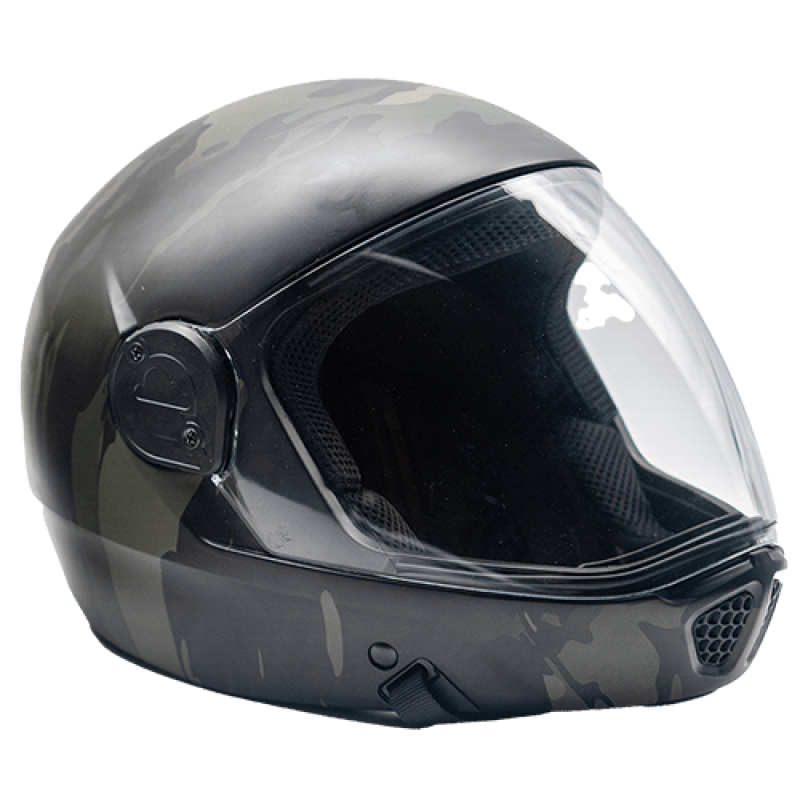
The Cookie G4 Skydiving Helmet is a premium full-face design created for skydivers who value broad visibility, dependable impact protection, reduced ambient noise, ventilation, and comfortable all-day performance. Cookie equips the G4 with an optically crafted 2 mm anti-fog polycarbonate visor, adjustable ventilation, integrated audible pockets, an extended rear protection area, and a reliable visor closure system. The helmet is certified to XP S 72-600 for parachuting and wind-tunnel use.
For anyone comparing a skydiving helmet, skydive helmets, sky helmet skydiving, sky diving helmet, full face skydiving helmet, skydiving helmet full face, or the best skydiving helmet, the G4 represents Cookie’s protection-focused full-face approach.
Why Choose the Cookie G4 Skydiving Helmet?
The main reason to choose the G4 is its combination of panoramic visibility and protective coverage. Cookie lowered the jaw line to improve communication and broaden the field of view while extending protection around the rear of the head. Adjustable ventilation helps control heat and visor fogging, while reduced ambient sound can make long freefall and tunnel sessions more comfortable.
These characteristics can benefit jumpers practicing a tracking jump, crw skydiving, canopy flight, wingsuit sport, vector wingsuit, wingsuit, gliding suit wingsuit, skydiving gliding suit, fly suits, or indoor wingsuit training.
How Good Is the G4 in Freefall?
At typical skydiving speed and during more demanding speed sky diving, stability and vision become especially important. The G4 is available across eight sizes, from youth options through XXL, allowing buyers to select a closer fit based on measured head circumference.
A secure fit helps reduce unnecessary helmet movement as the jumper changes orientation. Meanwhile, the panoramic visor gives the wearer a broad visual field for formation awareness, separation, canopy checks, and surrounding traffic.
Compared with a g35 helmet, the cookie g4 helmet follows a more integrated full-face design, while the newer platform emphasizes greater modularity.
How Does the G4 Visor Improve Visibility?
Cookie uses a 2 mm polycarbonate lens designed for optical clarity and anti-fog performance. Adjustable ventilation also helps manage internal airflow. Current visor choices include clear, tinted, blue, orange, and photo-style options.
This is relevant for jumpers researching skydiving glasses, skydiver goggles, or asking can you wear glasses while skydiving. Eyewear compatibility depends on frame size, helmet fit, and personal comfort, so the complete setup should be tested before jumping.
Where Can the Cookie G4 Be Used?
The G4 is designed specifically for skydiving and wind-tunnel use. Cookie’s manual states that it should not be used for motorized or non-motorized transportation activities.
Whether someone is planning parachute jump australia, skydive byron bay, cairns skydiving, skydive belize, skydiving blue hole belize, ifly colorado springs, or visiting a new skydive operation, local requirements and drop-zone policies should always be checked.
Searches such as weight limit skydiving, nude parachute jump, skydiving nude, skydiving website, and #skydiving latest relate more to participation, travel, or community information than helmet specifications.
When Should You Choose the G4?
The G4 makes sense when full facial coverage, reduced direct airflow, broad peripheral vision, integrated ventilation, and established impact testing are more important than an open-face experience.
It can suit experienced jumpers as well as people building a serious skydiving equipment list around a parachute rig, skydiving rig, container skydive, and gear bag skydive setup.
Why Impact Protection Is Important
Cookie states that the G4 is designed to reduce the risk of head injury within the area covered by the helmet and that it should be replaced after a significant impact. The company also recommends helmet replacement approximately every three years. Nevertheless, no helmet can provide complete protection from every foreseeable impact.
That distinction matters when considering high-risk disciplines such as base jumping, baseline jumping, and advanced freefall.
Important Information About Complete Skydiving Gear
Helmet selection forms only one part of equipment planning. Jumpers may also research hook blade knife, hook knife skydiving, skydive hook knife, freefly pud handle, parts of a parachute, skydiving rigging, linewear, landing flight risers, landing flight risers, skydiving downsizing chart, and the smallest canopy appropriate for their experience.
Canopy choices such as base canopy, safire 3, or products associated with fluid wings involve separate performance and progression considerations.
Likewise, terms such as fire parachute, cypress fire skydiving, jumper pilot, and skydiving tube belong to broader equipment or procedural discussions rather than the helmet itself.
How the G4 Fits Advanced Skydiving Disciplines
As experience grows, some jumpers begin researching wing suits for sale, the price of wingsuit equipment, or even tandem wingsuit concepts. Those activities require discipline-specific instruction and appropriate progression.
The G4 does not replace training, correct canopy selection, or properly maintained equipment. Instead, its role is to provide a well-fitted full-face helmet platform with panoramic visibility, adjustable ventilation, audible compatibility, reduced ambient noise, and certified impact performance.
For jumpers who want a refined, protection-focused helmet for sky and tunnel environments, the Cookie G4 offers a carefully engineered balance of visibility, comfort, coverage, and real-world usability.
Fit, Comfort, Visibility, Ventilation, and Real-World Performance
The Cookie G4 is designed to provide a secure and comfortable experience throughout an entire jump cycle. A well-designed full-face helmet must do more than protect the head. It should remain stable during strong airflow, provide clear vision, allow comfortable breathing, manage heat effectively, and avoid becoming a distraction during aircraft loading, freefall, canopy flight, or landing. Because of this, correct fit and thoughtful setup are essential to getting the best performance from the helmet.
Secure Fit and Head Stability
A proper fit should feel snug without becoming painfully tight.
The helmet should remain stable when the wearer turns the head, looks upward, or changes position. Excessive movement can become more noticeable once strong airflow is introduced.
At the same time, a helmet that is too tight can create uncomfortable pressure around the forehead, temples, cheeks, or jaw.
The goal is even support around the head.
A balanced fit helps the helmet move naturally with the wearer rather than shifting independently.
Comfort During Long Jump Days
Comfort becomes especially important during high-volume jump days.
The helmet may be worn while waiting for loads, walking around the drop zone, sitting inside the aircraft, preparing for exit, and returning from the landing area.
Because of this, small pressure points can become increasingly noticeable after several hours.
A comfortable interior allows the wearer to focus on preparation and performance rather than discomfort.
Regular breaks between jumps can also help reduce heat buildup and allow the interior to dry.
Full-Face Coverage and Wind Protection
The enclosed front design helps reduce direct airflow around the eyes, nose, and face.
This can make freefall more comfortable, particularly in colder conditions or for users who do not enjoy constant wind exposure.
Reduced direct airflow may also help the wearer maintain concentration during longer freefall sequences.
However, the enclosed design still needs effective ventilation.
Without sufficient airflow, heat and moisture can build inside the helmet.
Panoramic Visibility
A broad field of view is one of the most important characteristics of a full-face design.
The wearer needs to observe other jumpers, altitude references, aircraft surroundings, canopy traffic, and the landing area without feeling visually restricted.
The visor should remain clear across the central and peripheral viewing areas.
Good peripheral awareness reduces the need for exaggerated head movement.
However, the wearer should still actively scan the environment rather than relying entirely on peripheral vision.
Visor Clarity
The visor should be kept clean before each jump day.
Dust, fingerprints, moisture, and small marks can reduce visual quality.
This may become especially noticeable in bright sunlight or during changing light conditions.
Cleaning should be performed gently with materials suitable for transparent surfaces.
Abrasive cloths or unsuitable chemicals should be avoided.
If deep scratches develop, the visor should be inspected carefully because damaged areas can interfere with visibility.
Ventilation and Air Management
Ventilation plays an important role in comfort.
Air movement helps reduce heat and moisture inside the helmet.
During warm conditions, the wearer may need more airflow to remain comfortable.
During colder conditions, ventilation can also help reduce condensation.
Ventilation openings should remain unobstructed.
The wearer should also avoid placing clothing or accessories in positions that block intended airflow.
Managing Fogging
Fogging can be distracting and may reduce visibility.
Temperature differences between the inside and outside of the helmet can cause moisture to collect on the visor.
A clean visor and effective ventilation can help reduce this problem.
If an anti-fog treatment is used, it should be compatible with the visor material.
The wearer should always verify visibility before entering the aircraft.
If fogging repeatedly becomes a problem, the setup should be reviewed before continued use.
Retention and Chin Security
The retention system should keep the helmet stable without creating excessive pressure.
It should be checked before every jump.
The wearer should confirm that the system is properly secured and that adjustment points have not shifted.
A stable retention setup helps prevent lifting or rotation during airflow.
The release mechanism should also be understood clearly before use.
Familiarity with the system improves confidence and helps the wearer recognize abnormal behavior.
Audible Device Placement
Internal storage areas can support electronic altitude devices.
These should be positioned securely without pressing against the head.
The wearer should check battery condition, settings, and operation before boarding.
Electronic devices can provide useful supplementary information.
However, visual altitude awareness and established procedures should remain the primary reference.
A device should never replace disciplined altitude checks.
Comfort Inside the Aircraft
Aircraft cabins can be confined.
The helmet should remain comfortable while the wearer sits, moves, and prepares for exit.
A compact exterior reduces unnecessary bulk, but awareness is still important.
The wearer should avoid striking the helmet against door frames, walls, or equipment.
If the helmet contacts a hard surface, a quick inspection is appropriate before the next jump.
Warm-Weather Use
Hot conditions can increase sweat buildup.
The helmet should be allowed to air out between jumps when possible.
After a full day, the interior should be dried before storage.
Moisture left inside a closed bag can create odor and discomfort over time.
Regular drying helps maintain a cleaner and more pleasant interior.
Cold-Weather Use
Cold conditions can make facial protection particularly valuable.
The enclosed design reduces direct exposure to cold air.
However, colder temperatures may increase the chance of visor condensation.
The wearer should therefore pay attention to ventilation and visor condition.
Any added head covering should remain thin enough that it does not significantly alter fit.
Pre-Jump Inspection
A short inspection before each jump can identify problems early.
The wearer should check the visor, retention system, liner, ventilation, electronic devices, and visible hardware.
Anything unusual should be investigated.
A consistent inspection routine makes changes easier to notice.
Post-Jump Care
After landing, the helmet should be checked again.
The visor may need cleaning, while the interior may need drying.
Any new marks or unusual movement should be examined.
If the helmet experienced a hard impact, continued use should not be assumed automatically.
Everyday Performance
The Cookie G4 delivers its best experience when fit, visibility, ventilation, and maintenance are treated as one complete system.
A secure fit supports stability.
A clear visor improves awareness.
Good ventilation helps control heat and moisture.
Reliable retention keeps the helmet in place.
Regular inspection supports long-term confidence.
When these elements work together, the helmet can remain comfortable and predictable throughout repeated jump days, allowing the wearer to focus on the jump rather than on the equipment.
Durability, Maintenance, Visor Care, Interior Condition, and Long-Term Ownership
The Cookie G4 is designed for repeated use, but long-term performance depends heavily on how carefully the helmet is maintained. A full-face helmet is exposed to sweat, dust, temperature changes, aircraft interiors, storage bags, frequent handling, and occasional bumps. Because of this, regular inspection and sensible care are important if the helmet is expected to remain comfortable, clear, and dependable over time.
Durability During Regular Use
Frequent jump days can gradually affect both the exterior and interior of the helmet.
The shell may develop small cosmetic marks, while the liner can compress slightly with repeated wear. These changes are not always serious, but they should still be monitored.
The wearer should become familiar with how the helmet normally looks and feels.
If the shell develops cracking, unusual deformation, or deep damage, continued use should not be assumed to be appropriate.
Any significant impact deserves careful inspection.
Checking the Outer Shell
The outer shell should be examined periodically.
Particular attention should be given to edges, visor attachment areas, retention hardware, and places where the helmet may have contacted hard surfaces.
Minor surface marks may result from ordinary use, but damage that appears structural should be treated seriously.
If the helmet has been dropped heavily or compressed under other equipment, a more detailed inspection is appropriate.
When there is uncertainty, professional or manufacturer guidance should be considered.
Visor Maintenance
The visor plays a central role in visibility.
It should remain clean, smooth, and free from deep scratches or cracks.
Fingerprints, dust, and moisture should be removed carefully with a soft cloth and suitable cleaning method.
Aggressive solvents or abrasive materials should be avoided.
The visor should also be inspected around its attachment points.
If it begins to sit unevenly or move differently from normal, the cause should be identified before the next jump.
Visor Mechanism Care
The opening and locking mechanism should operate smoothly.
It should not require excessive force.
If the mechanism begins to feel stiff, loose, or inconsistent, it should be inspected rather than forced.
Small amounts of wear can develop over time, especially with frequent use.
The wearer should know how the system normally feels so that changes can be detected early.
Reliable visor operation is important for both comfort and confidence.
Interior Liner Condition
The interior liner contributes directly to fit and stability.
Repeated compression can gradually make the helmet feel looser.
This may become noticeable during head movement or strong airflow.
The liner should therefore be checked for flattened areas, damaged stitching, loose sections, or uneven support.
If the fit changes significantly, the interior may require attention.
A well-maintained liner helps preserve the secure feeling of the helmet.
Cleaning the Interior
Sweat and skin oils naturally collect inside the helmet.
Regular cleaning helps maintain comfort and hygiene.
The interior should be cleaned with methods suitable for the materials.
Strong chemicals should be avoided unless specifically recommended.
After cleaning, the helmet should be allowed to dry naturally.
A damp liner should not be sealed immediately inside a gear bag.
Drying After Jump Days
Drying is especially important after hot or humid conditions.
The helmet should be placed in a ventilated area.
Natural airflow is generally preferable to strong direct heat.
Hair dryers, heaters, or prolonged exposure to intense sunlight can place unnecessary stress on materials.
Allowing the helmet to dry completely can help reduce odor and preserve the condition of the interior.
Retention System Inspection
The retention system should be checked regularly.
Straps, buckles, and adjustment points should remain secure and free from visible damage.
Fraying, cuts, unusual looseness, or difficulty operating the release system should be investigated.
The wearer should also practice the release mechanism on the ground occasionally.
Familiarity makes it easier to recognize whether the system is operating normally.
Managing Electronic Devices
Any electronic equipment installed inside the helmet should have its own maintenance routine.
Battery condition should be checked before use.
Settings should also be confirmed.
A device that powers on correctly may still be configured incorrectly.
Moisture should be kept away from electronics whenever possible.
After a humid or wet day, device compartments should be inspected before storage.
Protecting the Helmet During Transport
Transport can cause unnecessary wear if the helmet is packed carelessly.
The visor is especially vulnerable to scratches.
A protective bag or dedicated compartment can help reduce impact and abrasion.
Heavy objects should not be placed on top of the helmet.
The shell should also be prevented from rolling around inside a vehicle.
Careful transport helps preserve both appearance and fit.
Avoiding Excessive Heat
High temperatures can affect equipment over time.
A closed vehicle can become extremely hot.
For that reason, the helmet should not be left in a hot car for extended periods.
Heat may affect liners, adhesives, visor materials, and other components.
A cool indoor environment is generally more suitable for long-term storage.
Stable temperatures help preserve the helmet more effectively.
Rechecking Fit Over Time
Fit should be reassessed periodically.
Interior wear, hairstyle changes, or replacement components can all alter how the helmet sits.
The shell should remain stable when the wearer turns the head.
There should be no excessive lifting or rotation.
At the same time, the fit should not create painful pressure.
Any noticeable change should be investigated before continued use.
Storage Between Jump Days
The helmet should be stored clean and dry.
The visor should be protected from contact with hard or abrasive surfaces.
Heavy equipment should not rest on top of the shell.
The storage area should also be free from excessive humidity.
If the helmet will not be used for an extended period, electronic devices should be checked before storage.
Proper storage helps reduce unnecessary aging.
Inspecting After Impact
Any significant impact should be taken seriously.
If the helmet strikes the ground or another hard object, the shell, visor, liner, and retention system should be inspected carefully.
Damage may not always be obvious immediately.
Changes in fit, unusual sounds, cracks, or looseness should not be ignored.
When there is doubt about the condition of the helmet, expert guidance is preferable to guessing.
Recognizing Changes Early
Regular use helps the wearer understand how the helmet should feel.
That familiarity makes small changes easier to detect.
A new pressure point, different visor movement, unexpected looseness, or unusual retention feel should be investigated.
Early attention can prevent small issues from becoming more serious.
Long-Term Ownership Confidence
The Cookie G4 delivers the best long-term experience when maintenance becomes part of the normal routine.
Regular inspection helps identify wear.
Cleaning preserves comfort.
Visor care maintains clear vision.
Proper drying reduces moisture buildup.
Careful transport prevents unnecessary damage.
Fit checks preserve stability.
With consistent care, sensible storage, and responsible handling, the helmet can remain comfortable, dependable, and ready for repeated use across many jump days.
Freefall Awareness, Environmental Comfort, Aircraft Use, Canopy Visibility, and Practical Jump Preparation
The Cookie G4 is designed to support the wearer throughout the complete jump cycle, not only during freefall. A full-face helmet must remain comfortable while waiting, boarding, climbing to altitude, exiting, flying, and landing. Because the helmet stays on through several different environments, its practical value comes from stability, visibility, ventilation, comfort, and predictable operation rather than from one feature alone.
Stability During Exit
The transition from aircraft movement into full airflow can happen almost instantly.
At that moment, the helmet should already be fitted correctly and fully secured.
A loose setup may begin to shift as soon as the wearer enters the relative wind. Therefore, retention should be confirmed before approaching the door.
The visor should also be fully closed and locked.
Once exit begins, attention should remain on body position and the planned jump rather than on adjusting equipment.
Freefall Head Movement
During freefall, the wearer needs to move the head naturally.
Looking toward other participants, checking orientation, scanning the airspace, and monitoring the planned sequence all require unrestricted movement.
The helmet should move with the head without noticeable independent rotation.
If the shell shifts when the wearer looks quickly to one side, fit should be reviewed before continued use.
Smooth head movement also helps reduce unnecessary tension in the neck and shoulders.
Maintaining Visual Awareness
Clear vision is essential throughout freefall.
The wearer should be able to observe the horizon, nearby participants, separation points, and environmental references without feeling visually restricted.
The broad visor area supports a wide field of view, but the wearer should still develop disciplined scanning habits.
Peripheral awareness is useful, yet deliberate head movement remains important.
A clear visor simply makes that process easier and more natural.
Managing Bright Light
Strong sunlight can create glare, particularly when the sun is low on the horizon.
The wearer should select a suitable visor option for the expected conditions.
However, the visor should not make the environment excessively dark.
Lighting can change significantly between the ground, aircraft, altitude, and landing area.
A configuration that works well in bright sunlight may feel less suitable under heavy cloud.
Visibility should always remain the main priority.
Cold-Weather Comfort
Cold conditions are one of the situations where full-face coverage can be especially appreciated.
The visor reduces direct wind exposure around the face.
This can make the freefall experience more comfortable in cooler temperatures.
However, colder conditions may increase the chance of internal condensation.
Ventilation should remain unobstructed, and the visor should be clean before use.
Any additional head covering should be thin enough that it does not alter fit significantly.
Warm-Weather Comfort
Hot-weather use creates the opposite challenge.
Heat and moisture may build inside the helmet during aircraft loading or long climbs.
The wearer should allow the helmet to air out between jumps whenever practical.
The interior should also be dried thoroughly at the end of the day.
Good ventilation helps, but regular cleaning and drying remain important.
This can improve both comfort and hygiene over repeated use.
Aircraft Movement
Aircraft cabins can be crowded and confined.
The wearer should remain aware of the helmet when moving near door frames, walls, seats, and other equipment.
A compact shell helps reduce unnecessary bulk, but careful movement is still important.
If the helmet contacts a hard surface, the wearer should inspect it before the next jump.
Even minor knocks are worth checking when they affect visor hardware or retention components.
Communication Before Exit
Noise inside the aircraft can make spoken communication difficult.
A full-face design may reduce some surrounding noise, but it does not eliminate it.
For this reason, the wearer should rely on established procedures and familiar visual signals where appropriate.
Important instructions should ideally be understood before exit preparation begins.
Good communication reduces last-minute confusion and helps maintain a calm, organized sequence near the door.
Audible Device Checks
If internal electronic devices are used, they should be checked before boarding.
Battery condition and settings should be confirmed.
The device should also sit comfortably without pressing against the head.
Electronic alerts can provide useful supplementary information, but they should remain secondary to established altitude-awareness procedures.
The wearer should never rely entirely on electronics.
Visor Operation Before Exit
The visor should be operated on the ground often enough that the movement becomes familiar.
Before exit, the wearer should verify that it is completely closed and locked.
A visor that is only partially engaged can become distracting once airflow increases.
If the mechanism feels unusual, stiff, or loose, the issue should be addressed before the next jump rather than ignored.
Consistent operation builds confidence.
Transition to Canopy Flight
After deployment, attention changes quickly from freefall to canopy awareness.
The helmet should remain secure during the opening sequence.
Once stable flight is established, the wearer should begin scanning for nearby traffic.
A broad field of view is useful during this transition.
The wearer should also identify the landing area and remain aware of other participants throughout descent.
Canopy Traffic Awareness
Good visibility remains important during canopy flight.
The wearer may need to look behind, to either side, or downward.
The helmet should allow these movements without becoming uncomfortable.
The visor should remain clear enough to identify other canopies, wind indicators, and ground references.
If glare or fogging becomes a recurring problem, the setup should be reviewed before another jump.
Final Approach
During final approach, helmet adjustments should not be necessary.
Attention should remain on traffic, wind, flight path, and touchdown.
A properly prepared helmet should stay secure through the entire descent.
If something becomes uncomfortable or loose, the issue should be handled after landing rather than during the most demanding phase of canopy flight.
Post-Landing Inspection
After touchdown and once clear of active traffic, the wearer should inspect the helmet.
The visor, retention system, interior, and any electronic devices should be checked.
If the helmet contacted the ground or another object, a closer inspection is appropriate.
Small problems can often be identified before they affect the next jump.
Building a Predictable Routine
A consistent routine improves both comfort and reliability.
The helmet should be fitted the same way each time.
The visor should be checked using the same sequence.
Electronics should be verified before boarding.
Retention should be confirmed before exit.
When the process is repeated consistently, unusual changes become easier to notice.
Practical Performance Through Preparation
The Cookie G4 performs best when the wearer combines proper fit with disciplined preparation.
Stable retention supports freefall confidence.
Clear vision improves awareness.
Ventilation helps control temperature and moisture.
Reliable visor operation reduces distraction.
Regular inspection supports long-term dependability.
When these elements are managed carefully, the helmet becomes predictable throughout the full jump cycle and allows the wearer to focus on the actual performance of the jump rather than on the equipment.
Long-Term Comfort, Equipment Care, Travel Protection, Inspection Routine, and Ownership Value
The Cookie G4 is designed to remain dependable across repeated use, but long-term performance depends on how well the helmet is maintained between jump days. Regular skydiving exposes equipment to sweat, dust, temperature changes, aircraft interiors, gear bags, frequent handling, and occasional impacts. Because of this, careful ownership becomes just as important as the original design. A well-maintained helmet is more likely to remain comfortable, visually clear, properly fitted, and easy to use over time.
Maintaining Comfort During Frequent Use
Comfort should be monitored throughout the ownership period.
The helmet may feel slightly different after months of repeated use because the interior liner gradually compresses. This does not always indicate a problem, but the wearer should pay attention to changes in pressure, movement, or overall fit.
A secure helmet should feel snug without creating painful areas around the forehead, temples, cheeks, or jaw.
If discomfort develops consistently in the same place, the interior setup should be inspected.
Ignoring repeated pressure can make long jump days less enjoyable and may encourage the wearer to reposition the helmet unnecessarily.
Monitoring Interior Compression
Interior materials naturally change with use.
Repeated pressure, sweat, cleaning, and storage can gradually affect cushioning.
As the liner compresses, the helmet may begin to feel looser than when it was new.
This can influence stability during strong airflow.
The wearer should periodically check whether the helmet still moves naturally with the head.
If the shell begins rotating independently or lifting more than expected, the fit should be reassessed.
Maintaining a secure fit is important for comfort as well as predictable freefall performance.
Cleaning the Helmet Regularly
Routine cleaning can help preserve both hygiene and material condition.
Sweat, dust, and body oils should not be allowed to accumulate excessively inside the helmet.
The interior should be cleaned using methods appropriate for the materials.
Harsh cleaning products should be avoided unless specifically recommended.
The exterior can usually be wiped carefully with a soft cloth.
Frequent light cleaning is often more effective than waiting until heavy buildup develops.
The visor should also receive regular attention because clean vision is essential.
Proper Visor Care
The visor is one of the most exposed parts of the helmet.
Fingerprints, dust, scratches, and residue can reduce visual quality.
Cleaning should be gentle.
A soft, suitable cloth should be used, and rough materials that may scratch the transparent surface should be avoided.
The wearer should also inspect the edges and attachment points.
If the visor begins to sit unevenly, move unexpectedly, or become difficult to operate, the cause should be investigated.
A reliable visor should open, close, and lock in a predictable way.
Drying After Hot or Humid Use
Moisture management is important after demanding jump days.
The interior may become damp from sweat even when the outside of the helmet appears dry.
The helmet should be placed in a ventilated area after use.
Natural airflow is generally better than strong direct heat.
Hair dryers, heaters, and prolonged exposure to intense sunlight should be avoided because excessive heat may affect interior materials and adhesives.
The helmet should only be packed away once the interior has had enough time to dry.
Protecting the Helmet During Travel
Transport can cause unnecessary damage if the helmet is packed carelessly.
A dedicated protective bag or separate compartment can help reduce scratches, impact, and pressure.
The visor should be positioned away from hard objects.
Heavy equipment should not be placed directly on top of the shell.
The helmet should also be prevented from rolling around inside a vehicle.
Travel protection is especially important for jumpers who move regularly between training locations or events.
Careful packing helps preserve both fit and appearance.
Avoiding Excessive Heat During Storage
A vehicle can become extremely hot when parked in direct sunlight.
For this reason, the helmet should not remain inside a hot car for long periods.
Excessive temperature can affect the liner, visor, adhesives, and other components.
A cool indoor storage area is generally preferable.
Stable temperature and low humidity can help slow material aging.
The helmet should also be kept away from direct sunlight during long storage periods.
Good environmental control supports long-term durability.
Inspecting the Retention System
The retention system deserves regular attention.
Straps, adjustment points, buckles, and release components should remain secure and easy to operate.
Fraying, cuts, unusual stretching, or looseness should be investigated before the next jump.
The wearer should also remain familiar with how the system feels when adjusted correctly.
If the retention suddenly requires a different setting or begins slipping, something may have changed.
A secure retention system is essential for keeping the helmet stable during movement and airflow.
Checking Electronic Equipment
If electronic devices are installed, they should be treated as separate pieces of equipment.
Battery condition should be checked regularly.
Settings should also be verified before each jump day.
A device may turn on while still being configured incorrectly.
The installation should not create pressure against the head.
Moisture should be kept away from electronic compartments whenever possible.
After humid conditions, the area around the device should be allowed to dry before storage.
Rechecking Overall Fit
Fit should be reassessed periodically rather than assumed to remain identical forever.
Hair length, replacement liners, interior compression, and changes in headwear can all influence the fit.
The helmet should remain stable when the wearer looks in different directions.
There should not be excessive movement between the head and shell.
At the same time, a secure fit should not become painfully tight.
Any major difference should be investigated before continued use.
Protecting the Helmet From Hard Impacts
Even outside freefall, the helmet can be damaged by careless handling.
Dropping it onto concrete, allowing it to strike aircraft structures, or placing heavy objects on top of it can create unnecessary stress.
After a significant impact, the helmet should be inspected carefully.
The shell, visor, liner, and retention system should all be checked.
If damage is suspected, continued use should not be assumed automatically.
Professional or manufacturer guidance may be appropriate when there is uncertainty.
Storage Between Jump Seasons
Long-term storage requires additional preparation.
The helmet should be clean and completely dry.
Electronic equipment should be checked, and batteries may need attention depending on the device.
The visor should be protected from contact with abrasive surfaces.
Nothing heavy should be placed on top of the helmet.
A cool, dry, stable environment is ideal.
These simple steps can help keep the helmet ready for the next season rather than requiring extensive attention when it is taken out of storage.
Building a Reliable Pre-Jump Routine
A consistent inspection routine makes ownership easier.
Before boarding, the wearer can quickly check fit, retention, visor operation, interior comfort, ventilation, and electronics.
This process does not need to take long.
The value comes from repeating it every time.
When the wearer knows exactly how everything should feel, changes become easier to detect.
Routine preparation can prevent small problems from being overlooked during busy jump days.
Post-Jump Checks
After landing, the helmet should be checked again once the wearer is clear of active traffic.
The visor may need cleaning.
The interior may need drying.
The retention system should still feel secure.
Electronic equipment should remain in place.
If the helmet contacted the ground or another hard surface, closer inspection is sensible.
A short post-jump check can make preparation for the next load faster and more reliable.
Long-Term Ownership Value
The Cookie G4 provides the best long-term experience when regular care becomes part of normal use.
Correct fit supports stability.
A clean visor maintains clear vision.
Proper ventilation improves comfort.
Routine cleaning preserves the interior.
Careful transport protects the shell.
Responsible storage reduces unnecessary aging.
Regular inspection helps identify wear before it becomes a larger issue.
Over time, the wearer develops familiarity with how the helmet should feel, how the visor should move, and how the retention system should operate.
That familiarity becomes valuable because unusual changes can be recognized quickly.
With thoughtful maintenance, careful handling, consistent inspection, and responsible storage, the helmet can remain comfortable, dependable, and practical across many jump days and long-term ownership.
Be the first to review “Cookie G4 Skydiving Helmet”
Related products

Helmet



Helmet

Helmet
Reviews
There are no reviews yet.