


Tonfly TFX Helmet


€369.00
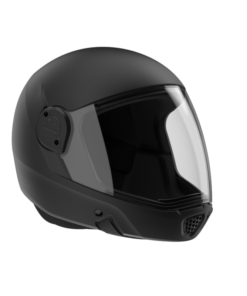
The Tonfly TFX Helmet is a premium skydiving helmet developed for flyers who want full-face coverage, aerodynamic stability, dependable impact protection, and a refined fit during demanding airborne activities. Tonfly currently lists the TFX within its certified shock-absorbing helmet range, while the official user manual states that the helmet complies with XP S 72-600 requirements for skydiving and wind-tunnel use as well as EN 966:2012+A1:2012.
Tonfly TFX Helmet – Impact-Rated Full-Face Protection, Aerodynamic Comfort and Premium Skydiving Performance
he Tonfly TFX Helmet is a premium skydiving helmet developed for flyers who want full-face coverage, aerodynamic stability, dependable impact protection, and a refined fit during demanding airborne activities. Tonfly currently lists the TFX within its certified shock-absorbing helmet range, while the official user manual states that the helmet complies with XP S 72-600 requirements for skydiving and wind-tunnel use as well as EN 966:2012+A1:2012.
For enthusiasts comparing skydive helmets, sky helmet skydiving, sky diving helmet, full face skydiving helmet, skydiving helmet full face, g35 helmet, or cookie g4 helmet, the TFX stands out because it combines certified protection with a purpose-built full-face structure rather than functioning simply as a camera-support shell.
Why Choose the Tonfly TFX Helmet?
The primary reason to consider the TFX is its focus on protection, comfort, and controlled airflow. Tonfly classifies it as an impact-rated full-face model, which makes it particularly relevant for experienced participants involved in a tracking jump, skydiving speed, speed sky diving, crw skydiving, or advanced canopy flight.
The TFX can also appeal to participants exploring wingsuit sport, wingsuit, vector wingsuit, gliding suit wingsuit, skydiving gliding suit, fly suits, or indoor wingsuit activities where stable head protection and clear visibility remain important.
How Good Is the TFX for Impact Protection?
Tonfly’s current product range places the TFX in its certified shock-absorbing category, while its official manual states that the design was approved according to XP S 72-600 for skydiving and wind-tunnel environments. The same manual explains that the standard addresses areas such as shock protection and the ability to remove the helmet under stress.
Therefore, buyers searching for the best skydiving helmet should evaluate more than styling alone. Certification, correct sizing, visor operation, comfort, fit security, and compatibility with other equipment all contribute to a proper selection.
Full-Face Visibility and Eye Protection
A full-face design provides facial coverage while maintaining visibility through the visor area. This configuration differs substantially from open-face equipment, where separate skydiving glasses or skydiver goggles may be required.
A common question is can you wear glasses while skydiving. Prescription eyewear compatibility depends on individual sizing, visor clearance, and helmet fit, so users should test their complete setup before jumping.
Tonfly also offers TFX-specific sizing and configuration options through its helmet configurator, allowing users to choose shell size, colors, finishes, and other options.
Where and When Should the TFX Be Used?
The TFX is officially designed for skydiving and wind-tunnel use. Therefore, someone researching parachute jump australia, skydive byron bay, cairns skydiving, ifly colorado springs, skydive belize, or skydiving blue hole belize should still confirm local facility rules before arriving with personal equipment.
Searches for weight limit skydiving, new skydive, #skydiving latest, or a general skydiving website can help participants research current facilities and policies, although individual operators determine their own participation and equipment requirements.
How the TFX Fits Into a Complete Equipment Setup
A helmet is only one part of a complete skydiving equipment list. Experienced jumpers may also use a parachute rig, skydiving rig, container skydive, and professionally maintained skydiving rigging equipment.
Other technical searches such as parts of a parachute, linewear, landing flight risers, freefly pud handle, smallest canopy, base canopy, safire 3, fluid wings, and skydiving downsizing chart relate to separate components or progression decisions.
Canopy selection and downsizing should always be based on qualified instruction, experience, exit weight, and manufacturer guidance rather than a single online chart.
Emergency Tools and Supporting Equipment
Experienced jumpers may also encounter a hook blade knife, hook knife skydiving, or skydive hook knife as part of emergency-equipment discussions. Such tools require appropriate training and responsible placement.
Terms including fire parachute and cypress fire skydiving may appear in online discussions involving emergency systems or incidents, but these terms should always be understood within their specific technical context.
Similarly, a quality gear bag skydive setup can help organize and protect the helmet, clothing, altimeters, gloves, and other equipment during transportation.
Tonfly currently offers dedicated TFX helmet bags made with protective materials and accessory storage areas for items such as gloves, an altimeter, visor cloth, and compact cameras.
TFX for Wingsuit and Advanced Flight Disciplines
Enthusiasts researching wing suits for sale, price of wingsuit, or tandem wingsuit equipment should recognize that advanced body-flight disciplines require dedicated instruction and appropriate experience.
Likewise, a jumper pilot moving between freefall disciplines may value a full-face helmet that remains stable while providing facial coverage and unobstructed vision.
Although base jumping and baseline jumping are often discussed alongside skydiving, they involve different equipment, environments, and risk profiles. The TFX should therefore be used only within the disciplines and conditions for which it is approved and suitable.
Understanding Unusual Skydiving Search Terms
Online searches sometimes include novelty phrases such as nude parachute jump and skydiving nude alongside technical subjects such as skydiving tube. These searches may refer to events, training activities, or entertainment content, but they do not change the fundamental need for certified equipment, correct fitting, structured training, and responsible decision-making.
Why the Tonfly TFX Deserves Consideration
The Tonfly TFX distinguishes itself through certified full-face protection, aerodynamic design, customization, and dedicated support accessories. Tonfly currently offers configurable finishes and multiple shell sizes, while TFX-specific spare parts and accessories remain available through the manufacturer.
For a trained participant seeking a premium full-face platform for controlled airborne activities, the TFX provides a strong combination of protection, comfort, visibility, aerodynamic efficiency, and customizable styling. Those qualities make it a compelling option for demanding users who want professional-grade equipment designed specifically around modern skydiving and wind-tunnel environments.
Engineering, Comfort, and Everyday Performance
A Design Philosophy Focused on Balance
Developing premium protective equipment requires careful attention to numerous factors simultaneously. Engineers must consider durability, comfort, visibility, weight distribution, ventilation, and structural integrity throughout the entire design process.
Every component has a specific purpose, and even the smallest details can influence overall performance. A well-balanced design should provide dependable protection while allowing the wearer to maintain natural movement and unrestricted awareness.
This philosophy helps create equipment that performs consistently under a wide variety of conditions.
Lightweight Construction and Structural Integrity
Weight plays an important role in determining long-term comfort. Excessive weight can increase strain on the neck and shoulders, especially during extended periods of activity. Consequently, manufacturers strive to reduce unnecessary mass while preserving strength and stability.
Advanced production techniques make it possible to combine these objectives successfully. Strong materials, precise manufacturing processes, and extensive testing procedures work together to create equipment capable of enduring repeated use without compromising comfort.
As a result, users benefit from a more stable and balanced experience.
Improving Comfort During Long Sessions
Comfort becomes increasingly important as experience levels increase. Short sessions may reveal only a few minor concerns, whereas prolonged use often highlights the importance of careful engineering.
Several factors influence overall comfort:
- Interior padding quality.
- Ventilation efficiency.
- Weight distribution.
- Retention system adjustment.
- Structural balance.
- Surface finishing.
When these elements work together effectively, they help minimize fatigue while supporting greater concentration and awareness.
The Importance of Visibility
Clear vision remains essential in every environment. Users must be able to observe changing conditions quickly and accurately while maintaining concentration on the task before them.
For this reason, designers devote considerable attention to creating unobstructed fields of view. Careful attention is also given to airflow management because proper circulation helps maintain visibility and overall comfort.
These improvements contribute significantly to confidence and ease of use.
Achieving Greater Stability
Stability influences both comfort and performance. Equipment that shifts unexpectedly may become distracting, particularly when environmental conditions become more demanding.
Manufacturers therefore pay close attention to aerodynamic efficiency, structural balance, and secure retention systems. These factors help maintain consistent positioning while reducing unnecessary movement.
The result is a more controlled and predictable experience.
Practical Advantages of Premium Materials
Material selection affects durability, reliability, and appearance. Premium materials are often chosen because they provide greater resistance to wear while maintaining their structural properties throughout years of regular use.
In addition, carefully selected materials contribute to a more refined appearance and a more comfortable overall experience.
Long-term value depends not only upon initial quality but also upon the ability of the equipment to withstand repeated use under changing environmental conditions.
Storage and Transportation Considerations
Appropriate storage practices help preserve appearance, reliability, and functionality. Exposure to moisture, direct sunlight, dust, and extreme temperatures should always be minimized whenever possible.
Many experienced users follow a simple routine that includes the following steps:
- Cleaning the equipment after use.
- Inspecting all visible surfaces.
- Confirming that adjustment mechanisms operate correctly.
- Protecting the equipment during transportation.
- Storing it in a clean, dry location.
- Performing periodic inspections.
These habits require little effort while providing considerable long-term benefits.
Continuous Improvement Through Experience
Experience provides valuable insight into equipment selection, preparation, maintenance, and overall performance. Each session presents opportunities to strengthen existing skills and refine established routines.
Over time, users develop a greater appreciation for thoughtful engineering, precise construction, and dependable reliability. This gradual accumulation of knowledge often becomes one of the most rewarding aspects of ownership.
Ultimately, consistent preparation, responsible maintenance, and attention to detail contribute significantly to long-term satisfaction and dependable performance.
Long-Term Durability, Maintenance, and Ownership Experience
Built for Consistent Performance
High-quality equipment is expected to deliver reliable performance under a broad range of conditions. Achieving this level of consistency requires careful engineering, extensive testing, and meticulous attention to detail throughout the manufacturing process.
Each component contributes to the overall structure, and every design decision influences comfort, reliability, stability, and durability. When these elements function together efficiently, the result is equipment capable of maintaining its performance characteristics for many years.
This commitment to quality often separates premium products from ordinary alternatives.
Why Maintenance Matters
Proper maintenance should never be considered optional. Regular care not only preserves appearance but also helps ensure that every component continues to function correctly throughout its lifespan.
Many experienced owners recommend establishing a simple maintenance schedule that includes:
- Cleaning exterior surfaces after use.
- Inspecting moving components regularly.
- Checking adjustment systems for proper operation.
- Looking for signs of wear or damage.
- Protecting the equipment during transportation.
- Following the manufacturer’s recommendations carefully.
These practices require very little time, yet they often produce significant long-term benefits.
Managing Environmental Exposure
Environmental conditions can influence performance in numerous ways. Dust, moisture, sunlight, changing temperatures, and repeated handling gradually affect every material.
Protecting equipment from unnecessary exposure helps preserve structural integrity while reducing long-term wear. Appropriate storage procedures are therefore just as important as regular maintenance routines.
Users who adopt these habits early frequently enjoy greater reliability throughout the lifetime of their equipment.
The Relationship Between Comfort and Confidence
Confidence is closely connected to comfort. Equipment that fits correctly and remains stable during use allows individuals to concentrate more effectively on their surroundings and responsibilities.
Distractions caused by discomfort, poor balance, or unnecessary movement may interfere with concentration and increase fatigue. Consequently, careful adjustment plays a vital role in achieving the best possible experience.
As familiarity increases, users often discover that even relatively minor improvements can have a meaningful impact on overall satisfaction.
Preparing Before Every Session
Preparation is one of the most effective ways to reduce uncertainty and improve consistency. Establishing a routine encourages discipline while ensuring that important details are not overlooked.
A thorough preparation process often includes the following steps:
- Inspecting all visible components.
- Confirming proper adjustment.
- Cleaning surfaces when necessary.
- Reviewing environmental conditions.
- Organizing supporting equipment.
- Verifying secure transportation arrangements.
This methodical approach helps build confidence while reducing the likelihood of avoidable problems.
Balancing Protection and Practicality
Effective equipment must provide a balance between durability, comfort, mobility, and convenience. Excessive weight can contribute to fatigue, whereas inadequate support may compromise stability and overall performance.
Designers therefore strive to create products that achieve these objectives simultaneously. This balance is rarely accomplished by chance; instead, it is the result of repeated testing, continuous refinement, and careful evaluation.
The outcome is equipment capable of delivering dependable performance without sacrificing comfort or ease of use.
Learning Through Experience
Experience remains one of the most valuable resources available to any enthusiast. Every session provides opportunities to develop new skills, improve existing techniques, and gain a deeper understanding of both equipment and environmental conditions.
Patience is particularly important because meaningful progress occurs gradually. Individuals who remain committed to continuous improvement often discover that consistency ultimately produces the greatest rewards.
Protecting Your Investment
Purchasing premium equipment represents a long-term commitment. Protecting that investment requires discipline, consistency, and attention to detail.
Simple habits frequently make the greatest difference:
- Store equipment properly.
- Avoid unnecessary impacts.
- Perform regular inspections.
- Replace worn components promptly.
- Keep all accessories organized.
- Follow established maintenance procedures.
By following these recommendations consistently, owners can preserve reliability, appearance, and overall performance for years to come.
Looking Toward the Future
Technological advancements continue to improve materials, manufacturing methods, and design techniques. Nevertheless, the principles of durability, reliability, comfort, and responsible ownership remain unchanged.
These principles form the foundation of exceptional equipment and continue to guide both manufacturers and experienced users alike.
Practical Applications and Real-World Performance
Designed for Demanding Conditions
Equipment intended for demanding environments must perform consistently regardless of changing circumstances. Variations in wind conditions, temperature, humidity, and altitude all place unique demands on both the individual and the equipment being used.
A carefully engineered design helps minimize unnecessary distractions while improving stability, comfort, and overall confidence. These characteristics become especially important during long sessions, where even minor imperfections can gradually influence performance.
Consistency, therefore, remains one of the most valuable characteristics of any premium product.
The Importance of Proper Adjustment
Proper adjustment directly influences comfort, stability, and overall effectiveness. Even exceptionally well-designed equipment may fail to perform as intended if it is not adjusted correctly.
Several factors should always be examined before use:
- Overall fit and positioning.
- Retention system security.
- Interior comfort and balance.
- Ventilation performance.
- Surface condition.
- Accessory compatibility.
Careful attention to these details helps ensure a more predictable and dependable experience.
Reducing Fatigue During Extended Use
Extended periods of activity naturally place additional demands on the body. Consequently, reducing fatigue becomes an important objective for both designers and users.
Balanced weight distribution, improved airflow, and secure positioning help minimize unnecessary strain while promoting greater comfort. Over time, these improvements allow users to maintain concentration more effectively and perform with greater consistency.
Although these advantages may appear minor at first, they often become increasingly valuable as experience grows.
Developing Consistent Habits
Long-term success depends largely upon the habits developed over time. Consistent preparation encourages discipline while reducing the possibility of avoidable errors.
Many experienced users recommend following a straightforward routine:
- Inspect all visible surfaces carefully.
- Clean equipment after each use.
- Store equipment in a suitable environment.
- Replace worn components promptly.
- Protect equipment during transportation.
- Review operating procedures regularly.
Following these recommendations consistently helps establish a strong foundation for long-term reliability and satisfaction.
Durability and Long-Term Reliability
Durability depends upon much more than the quality of the materials used during manufacturing. Environmental conditions, storage practices, transportation methods, and maintenance routines all influence long-term performance.
Owners who dedicate sufficient attention to these factors often enjoy greater reliability while preserving the appearance and functionality of their equipment.
This commitment to regular maintenance frequently provides significant long-term benefits.
Learning Through Repetition and Experience
Every experience contributes valuable knowledge that can improve future performance. Individuals gradually develop a deeper understanding of their equipment while refining their preparation procedures and strengthening existing skills.
This process requires patience because genuine improvement rarely occurs immediately. Instead, progress is achieved through repeated practice, careful observation, and continual adjustment.
Over time, confidence develops naturally as familiarity increases.
Managing Equipment Responsibly
Responsible ownership involves much more than simply using equipment correctly. It also includes maintaining it properly, storing it carefully, and inspecting it regularly.
These practices help preserve structural integrity while ensuring that all components continue functioning as intended. Furthermore, consistent maintenance allows small concerns to be identified before they develop into more significant problems.
A proactive approach therefore remains one of the most effective strategies for preserving long-term value.
The Importance of Attention to Detail
Exceptional performance is often the result of numerous small improvements working together. Designers carefully evaluate every aspect of the product because seemingly minor details can significantly influence comfort, durability, and reliability.
Users who appreciate this attention to detail frequently gain a greater understanding of the engineering principles that contribute to dependable performance.
Ultimately, these qualities help distinguish premium equipment from ordinary alternatives.
A Commitment to Continuous Improvement
Technology continues to evolve, bringing improvements in manufacturing processes, material science, and overall design efficiency. Nevertheless, the most important principles remain unchanged.
Reliability, comfort, durability, consistency, and responsible ownership continue to define exceptional equipment. These principles not only guide manufacturers but also help users achieve the greatest possible value from their investment.
Care, Longevity, and Final Considerations
Creating a Reliable Maintenance Routine
Every piece of high-quality equipment benefits from regular care and consistent attention. Although premium materials and advanced manufacturing methods contribute significantly to durability, long-term reliability depends just as much on responsible ownership.
Establishing a maintenance routine allows potential problems to be identified before they become serious concerns. This habit also helps preserve appearance, comfort, and overall performance throughout years of regular use.
Fortunately, effective maintenance procedures are usually straightforward and require only a limited investment of time.
Daily Inspection Procedures
Routine inspections should become part of every preparation process. Frequent use naturally exposes equipment to changing environmental conditions, repeated movement, and occasional impacts.
A complete inspection generally includes the following steps:
- Examining exterior surfaces for visible damage.
- Confirming that all adjustment mechanisms operate correctly.
- Inspecting interior padding for signs of wear.
- Checking ventilation openings for obstructions.
- Ensuring that all fasteners remain secure.
- Verifying that accessories are correctly positioned.
These simple procedures help maintain reliability while reducing the likelihood of unexpected problems.
Protecting Equipment During Transportation
Transportation is often overlooked, yet it remains an important aspect of long-term ownership. Improper handling can expose equipment to impacts, moisture, dust, and excessive heat.
Protective storage methods provide several advantages:
- Improved organization.
- Reduced exposure to environmental damage.
- Better protection against accidental impacts.
- Easier access to accessories.
- Greater convenience during travel.
- Improved long-term durability.
By adopting these practices consistently, owners can significantly extend the useful life of their equipment.
Environmental Factors and Performance
Environmental conditions influence both comfort and durability. Temperature changes, ultraviolet radiation, humidity, and airborne particles gradually affect all materials regardless of their quality.
Understanding these influences allows users to make informed decisions regarding storage, cleaning, and general maintenance. This knowledge ultimately contributes to greater reliability and more predictable performance.
Awareness therefore becomes an essential part of responsible ownership.
Building Confidence Through Familiarity
Confidence is developed through repetition, preparation, and experience. As users become increasingly familiar with their equipment, they often discover more efficient ways to maintain, adjust, and transport it.
This growing familiarity also helps reduce unnecessary distractions because greater attention can be devoted to awareness, concentration, and performance.
Over time, these advantages contribute significantly to overall satisfaction.
The Relationship Between Engineering and Reliability
Exceptional reliability is rarely the result of a single innovation. Instead, it emerges from the successful combination of numerous design elements working together effectively.
Material selection, structural integrity, weight distribution, and manufacturing precision all influence the final result. Consequently, engineers continually refine existing designs while exploring new methods to improve performance and durability.
This commitment to continual improvement remains one of the defining characteristics of premium equipment.
Preparing for Long-Term Ownership
Long-term ownership requires more than occasional maintenance. It demands consistency, patience, and attention to detail.
Experienced users often follow several important principles:
- Maintain a regular inspection schedule.
- Store equipment in suitable conditions.
- Replace damaged components immediately.
- Follow recommended maintenance procedures.
- Protect equipment during transportation.
- Continue learning through experience.
These habits help preserve both functionality and appearance while maximizing overall value.
Adapting to New Technologies
Advances in manufacturing technology continue to transform the industry. New materials, improved production methods, and more efficient design techniques allow manufacturers to create products that are lighter, stronger, and more durable than ever before.
Nevertheless, innovation alone cannot replace responsible ownership. Proper care remains essential regardless of how advanced a product may be.
This balance between technological progress and practical experience continues to shape the future of the industry.
Final Evaluation
A carefully engineered product provides much more than basic functionality. It offers consistency, reliability, comfort, and confidence under a broad range of conditions.
When thoughtful design is combined with disciplined maintenance and responsible ownership, users benefit from dependable performance that continues year after year. In the end, these qualities create an experience that rewards careful preparation, patience, and attention to detail skydiving tube.
Be the first to review “Tonfly TFX Helmet”
Related products

Helmet



Helmet



Helmet

Helmet
Reviews
There are no reviews yet.