







Cookie M3 Skydiving Helmet – Open-Face Performance, Impact Protection, and Low-Snag Design
Cookie M3 Skydiving Helmet Overview
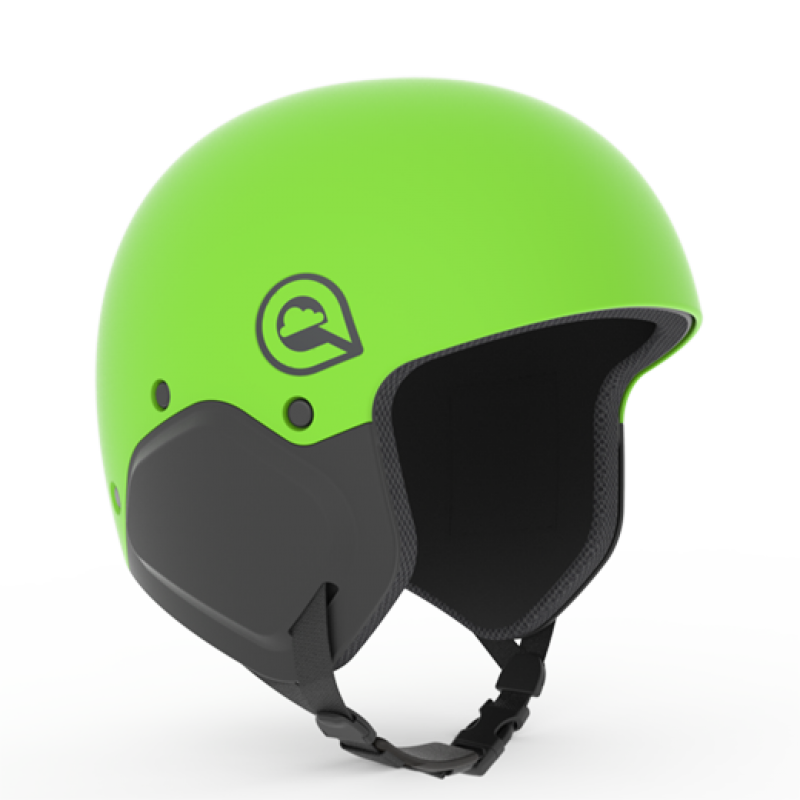
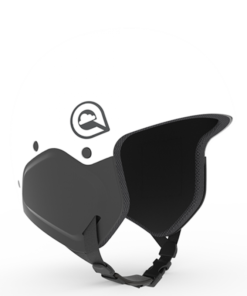
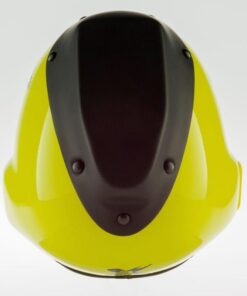
The Cookie M3 Skydiving Helmet is an open-face design created for skydivers who want visibility, stability, comfort, impact protection, and a streamlined profile. Unlike a full face skydiving helmet or skydiving helmet full face design, the M3 leaves the face exposed to the airflow while maintaining secure head coverage and a low-profile shape.
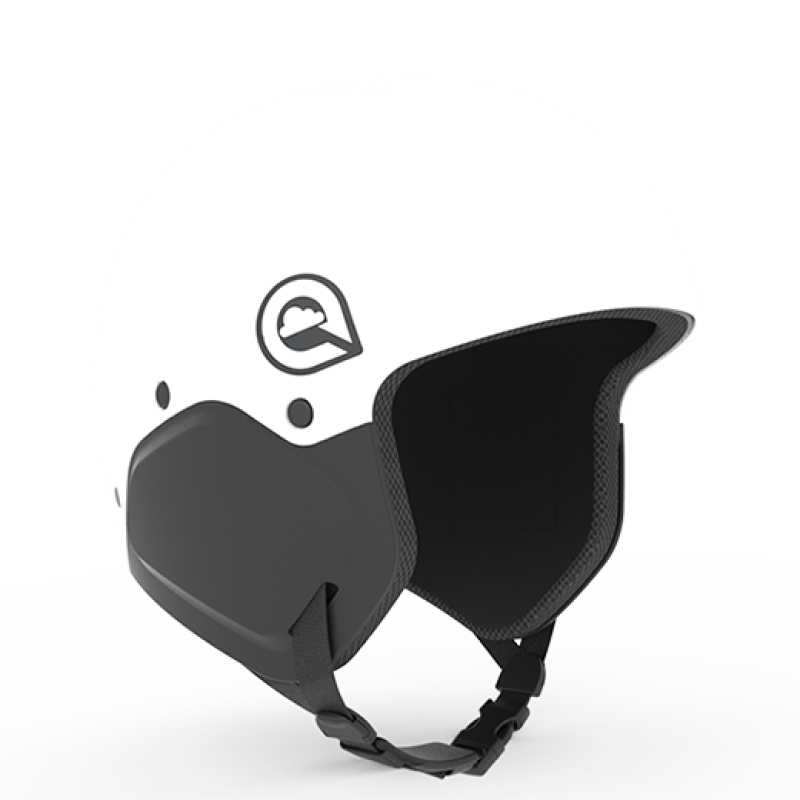
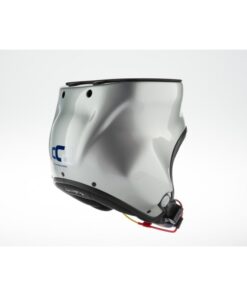
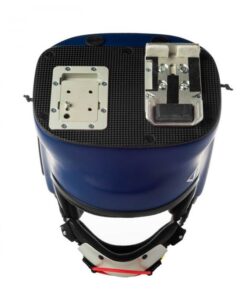
Cookie developed the M3 particularly with freeflyers and camera flyers in mind. The helmet incorporates a replaceable sweat-resistant liner, two audible-altimeter pockets, a quick-release buckle tested to loads of up to 500N, low snag potential, and a release system that can be operated while under load. The M3 is also certified to the XP S 72-600 standard for parachuting and wind-tunnel use.
For buyers comparing a skydiving helmet, skydive helmets, sky helmet skydiving, or sky diving helmet, the M3 offers a simpler open-face approach than more enclosed models such as a g35 helmet or cookie g4 helmet.
Why Choose the Cookie M3 Skydiving Helmet?
The reason to choose the M3 is its balance of simplicity and purpose-built skydiving functionality. It is designed to stay relatively clean around the exterior, which helps reduce unnecessary snag potential around parachute lines and equipment.
This matters whether the jumper is practicing a tracking jump, crw skydiving, canopy flight, base jumping, or other advanced disciplines. Searches such as baseline jumping, wingsuit sport, vector wingsuit, wingsuit, gliding suit wingsuit, skydiving gliding suit, fly suits, and indoor wingsuit also reflect disciplines where stable equipment and clear head movement are important.
The helmet is available in six sizes, ranging from XS to 2XL, allowing users to choose a closer fit based on measured head circumference.
How Good Is the M3 for Freefall?
The M3 is designed specifically for open-face freefall performance. Its low-profile construction helps reduce unnecessary bulk, while the liner and retention system are intended to keep the helmet stable during movement.
At typical skydiving speed or speed sky diving, stability becomes especially important. A poorly fitted helmet can move when the jumper turns the head into the relative wind. Therefore, correct sizing should always be treated as essential.
For skydivers who prefer the direct sensation of airflow rather than a visor, the M3 offers a straightforward alternative to a closed helmet.
How Does the M3 Improve Safety and Practicality?
One of the M3’s most important engineering features is its release capability. Cookie states that the retention system can be released under loads of up to 500N. The helmet also includes impact protection and low-snag characteristics.
However, skydiving remains inherently dangerous, and no helmet can eliminate the risk of serious injury. Cookie’s documentation states that the M3 is specifically intended for parachuting and wind-tunnel use and should be replaced following a significant impact.
That makes correct equipment selection just as important as choosing a hook blade knife, hook knife skydiving, skydive hook knife, freefly pud handle, or other specialized emergency accessory.
Where Can the Cookie M3 Be Used?
The M3 is designed for skydiving and wind-tunnel environments. It can suit recreational jumpers, freeflyers, and camera flyers who prefer an open-face configuration.
Whether someone is researching parachute jump australia, skydive byron bay, cairns skydiving, skydive belize, skydiving blue hole belize, ifly colorado springs, or a new skydive facility, helmet requirements should always be confirmed with the specific operator.
Similarly, searches involving weight limit skydiving, nude parachute jump, skydiving nude, skydiving website, or #skydiving latest relate more to jump experiences or general information than helmet specifications.
When Should You Choose an Open-Face Helmet?
An open-face helmet makes sense when unrestricted visibility, direct airflow, communication, and reduced facial enclosure are priorities.
Some jumpers prefer this setup during freeflying or camera work, while others prefer a full-face model for reduced airflow around the face.
Those asking can you wear glasses while skydiving may need to consider how skydiving glasses or skydiver goggles fit together with the helmet.
The correct choice depends on comfort, discipline, training requirements, and individual equipment preferences.
Important Information About Complete Skydiving Equipment
A helmet is only one part of a complete system. Other essential topics include the parachute rig, skydiving rig, container skydive, parts of a parachute, skydiving rigging, linewear, landing flight risers, landing flight risers, skydiving downsizing chart, and smallest canopy considerations.
Different canopy designs such as a base canopy, safire 3, or fluid wings product serve entirely different flying requirements and should always be selected with appropriate training.
Likewise, a gear bag skydive setup may include a complete skydiving equipment list, clothing, audible devices, eyewear, emergency tools, and other accessories.
Terms such as fire parachute, cypress fire skydiving, jumper pilot, and skydiving tube belong to wider skydiving equipment or procedural discussions rather than the M3 itself.
How the M3 Fits Into Modern Skydiving
Modern skydivers may move between several disciplines over time. Some eventually explore wing suits for sale, compare the price of wingsuit equipment, or research a tandem wingsuit experience. Others focus on formation flying, freeflying, or canopy progression.
The Cookie M3 remains intentionally straightforward. Instead of trying to become an excessively complicated platform, it focuses on open-face comfort, low-snag construction, impact protection, dual audible compatibility, and secure retention.
For jumpers who want a practical open-face helmet without unnecessary complexity, the Cookie M3 provides a purpose-built design that balances comfort, visibility, stability, and skydiving-specific engineering.
Fit, Comfort, Freefall Stability, Visibility, and Everyday Jump Performance
The Cookie M3 is built around the idea that a helmet should feel secure without becoming distracting. During a normal jump day, the wearer may spend far more time inside an aircraft, waiting in a loading area, walking across the drop zone, and preparing equipment than actually falling through the air. Therefore, comfort, fit, and stability matter throughout the entire experience rather than only during freefall.
Secure Fit and Head Stability
A properly fitted helmet should remain stable when the wearer turns the head, looks upward, or changes body position.
The fit should feel snug without creating painful pressure points.
If the helmet is too loose, movement can become more noticeable once airflow increases. If it is too tight, discomfort may build during long aircraft rides or repeated jumps.
For this reason, sizing should be approached carefully.
The interior should sit evenly around the head, and the retention system should secure the helmet without forcing it into an unnatural position.
Comfort During Long Jump Days
Comfort becomes increasingly important during repeated use.
A helmet that feels acceptable for a few minutes may become uncomfortable after several hours if padding pressure is uneven or if the retention system is adjusted incorrectly.
The interior should support the head without creating unnecessary tension.
During high-volume jump days, heat and sweat can also affect comfort.
Allowing the helmet to air out between loads can help reduce moisture buildup and keep the interior more pleasant.
Open-Face Visibility
One of the main advantages of the design is the unobstructed field of view.
Without a fixed front visor, the wearer can maintain clear peripheral awareness.
This can be useful during aircraft movement, exit preparation, formation work, canopy checks, and traffic scanning after deployment.
The ability to look around naturally also helps reduce the feeling of enclosure that some people experience with fully covered designs.
However, clear vision still depends on suitable eye protection.
Eye Protection and Airflow
Because the face remains exposed, airflow is experienced directly.
For some users, this creates a more natural freefall experience.
Others may prefer additional isolation from wind.
Suitable eyewear should remain stable under airflow and should not press uncomfortably against the sides of the head.
The combination of helmet and eyewear should be tested before repeated use.
Poorly fitted eyewear can move, fog, or create pressure points that become distracting at altitude.
Stability During Freefall
Freefall stability depends heavily on correct fit and retention adjustment.
Once the wearer enters strong airflow, the helmet should remain in the same position rather than lifting or rotating.
A low-profile exterior can help reduce unnecessary interaction with the relative wind.
The wearer should still be able to move the head naturally.
If turning the head causes the helmet to shift independently, the fit should be reassessed before continued use.
A stable helmet helps the wearer focus on altitude awareness, body position, separation, and surrounding traffic.
Head Movement and Body Position
Head movement plays an important role in freefall awareness.
The wearer may need to look toward other participants, check altitude information, observe body position, or scan the airspace.
A well-fitted helmet should allow this movement without creating resistance or imbalance.
Sudden or exaggerated movement can still affect airflow around the head.
Therefore, smooth and deliberate head movement is generally preferable.
Familiarity with the helmet helps the wearer understand how it behaves in different orientations.
Audible Device Integration
The ability to use audible devices can add practical convenience.
These devices can provide altitude alerts when configured correctly.
However, they should remain secondary to visual altitude awareness and established procedures.
Before each jump, the wearer should confirm that the device is powered, set correctly, and positioned securely.
Battery condition should also be monitored.
A device that appears installed correctly but has a low battery or incorrect setting may not provide useful information.
Retention System Confidence
The retention system is one of the most important functional components.
It should be checked before boarding and adjusted so that the helmet remains secure without causing discomfort.
The wearer should know exactly how the release mechanism operates.
This familiarity is especially important because emergency features are most useful when they can be accessed without hesitation.
Routine practice on the ground can help make the system easier to understand.
Aircraft Comfort and Movement
The helmet should remain manageable inside the aircraft.
In confined cabins, head clearance can be limited, particularly when other equipment is being worn.
A relatively clean exterior helps reduce the chance of catching on nearby objects.
The wearer should still be aware of walls, door frames, seats, and other jumpers.
Careful movement is especially important during crowded loading or exit preparation.
Heat and Moisture Management
Warm conditions can increase sweat buildup inside the helmet.
Over time, this may affect comfort and interior cleanliness.
The helmet should be allowed to dry properly after use.
If the liner becomes damp, storing it immediately inside a closed bag can encourage odor and moisture retention.
Regular cleaning and drying help maintain a more comfortable fit.
These habits become especially important during hot-weather operations.
Cold-Weather Considerations
Cold conditions can make exposed facial areas uncomfortable.
Any additional head covering should be thin enough that it does not alter the helmet fit dramatically.
Adding thick material underneath can change pressure distribution and retention.
For this reason, cold-weather clothing should be tested with the complete setup before use.
The helmet should still remain stable when the head is moved in different directions.
Pre-Jump Inspection
A quick inspection before each jump can identify problems early.
The wearer should check the shell, interior, retention system, audible devices, and any visible hardware.
If something feels different from normal, it should be investigated.
Small changes in fit or component movement may indicate wear.
A consistent inspection routine makes abnormal behavior easier to detect.
Post-Jump Care
After landing, the helmet should be checked before it is packed away.
Dirt, moisture, or loose components can be addressed immediately.
If the helmet has contacted the ground or another hard surface, the shell and retention system should be inspected carefully.
The interior should be allowed to dry before storage.
These simple habits can improve long-term reliability and comfort.
Practical Everyday Use
The strongest advantage of the Cookie M3 is the balance between simplicity and purpose.
It does not rely on unnecessary complexity.
Instead, it focuses on secure fit, open visibility, low-profile construction, audible compatibility, and practical comfort.
For regular jump days, those qualities make the helmet easy to manage.
With correct sizing, careful inspection, suitable eye protection, and responsible maintenance, the M3 can provide a stable and predictable experience from aircraft loading through landing.
Durability, Maintenance, Retention, Environmental Performance, and Long-Term Ownership
The Cookie M3 is designed for repeated use in demanding conditions, but long-term reliability still depends on how carefully the helmet is handled, inspected, cleaned, stored, and transported. A skydiving helmet experiences far more than freefall airflow. It is carried through aircraft cabins, gear rooms, vehicles, packing areas, landing zones, and changing weather conditions. Because of that, regular care can make a significant difference in comfort, appearance, and dependable everyday use.
Durability During Repeated Jump Days
Repeated use can gradually affect any piece of equipment.
The shell may collect minor cosmetic marks, while the interior liner can compress slightly over time. Retention components also experience regular tension as the helmet is secured and removed.
These changes are normal, but they should still be monitored.
The wearer should become familiar with how the helmet feels when everything is functioning properly. If the shell appears damaged, the liner changes shape dramatically, or the retention system begins behaving differently, the issue deserves attention.
Early inspection is far better than waiting until a small problem becomes more serious.
Inspecting the Shell
The exterior shell should be checked regularly for signs of unusual wear.
Small surface marks may simply reflect ordinary use, but cracks, deep gouges, deformation, or impact damage should not be ignored.
A helmet that has experienced a significant impact should be treated cautiously.
Damage is not always obvious at first glance.
For that reason, inspection should include the areas around attachment points, edges, and retention hardware.
If there is uncertainty about the condition of the helmet, manufacturer guidance or professional advice should be considered before continued use.
Retention System Maintenance
The retention system is essential because it keeps the helmet in position during airflow.
Straps should remain free from fraying, cuts, excessive stretching, or contamination.
Adjustment points should move smoothly and stay in place once set.
If the system becomes difficult to adjust or begins loosening unexpectedly, it should be examined before the next jump.
The release mechanism should also remain familiar to the wearer.
A good habit is to check its operation periodically on the ground so that the system is never unfamiliar when needed.
Liner Condition and Comfort
The interior liner plays a major role in fit and comfort.
Repeated sweat exposure, compression, and cleaning can gradually change how the liner feels.
If it becomes overly compressed, the helmet may begin to feel looser than before.
This can affect stability during freefall.
The liner should be checked for tears, damaged stitching, unusual wear, or areas that no longer provide even support.
A liner that remains clean and well maintained contributes to a more secure and comfortable fit.
Cleaning After Heavy Use
Regular cleaning helps preserve comfort and hygiene.
After a full day of jumping, sweat and dust should not be left trapped inside the helmet.
The interior should be cleaned using methods appropriate for the materials.
Strong chemicals should be avoided unless specifically recommended because they may affect padding, adhesives, or surface finishes.
The exterior can generally be wiped with a soft cloth.
Routine cleaning is easier and safer than allowing heavy buildup to accumulate.
Drying the Helmet Properly
Drying is particularly important after humid or hot-weather use.
The helmet should be allowed to air dry naturally before being stored in a closed bag.
Direct heat should be avoided.
Placing the helmet near heaters or leaving it in strong sunlight may affect interior materials and external finishes.
Natural airflow is generally the better option.
Good drying habits also help reduce odor and moisture buildup.
Environmental Exposure
Skydiving equipment can encounter heat, cold, wind, dust, and moisture.
These environmental factors should be considered during both use and storage.
Extreme temperatures are particularly important.
A helmet left inside a hot vehicle can be exposed to temperatures far higher than those experienced during normal wear.
Likewise, very cold storage conditions can make some materials feel different temporarily.
A stable indoor environment is generally preferable whenever possible.
Transport Protection
Transportation is one of the easiest times for equipment to become damaged.
A helmet placed loosely among heavy gear may be scratched, crushed, or struck repeatedly.
A protective bag or dedicated compartment can reduce this risk.
The helmet should not be used as a storage container for heavy objects.
Care should also be taken to avoid placing dense equipment directly on top of it.
Proper packing protects both the shell and interior structure.
Managing Audible Devices
Any electronic device installed in the helmet should be checked separately.
Battery condition, settings, and placement should be confirmed before use.
The device should remain secure inside its compartment without creating pressure against the wearer’s head.
Moisture should also be avoided where possible.
After a wet or humid day, the device area should be inspected before storage.
Electronics require their own maintenance routine, even when the helmet itself appears perfectly clean.
Rechecking Fit Over Time
Fit should not be assumed to remain identical forever.
Interior wear, hairstyle changes, replacement components, or long-term use can alter the way the helmet sits.
The wearer should occasionally repeat the same fit checks used when the helmet was new.
The shell should remain stable when the head moves naturally.
There should be no excessive rotation or lifting.
At the same time, the helmet should not create painful pressure.
A secure and comfortable fit remains the goal.
Recognizing When Something Has Changed
Familiarity is one of the biggest advantages of regular use.
After several jump days, the wearer learns how the helmet normally feels.
This makes changes easier to notice.
A new pressure point, unusual movement, different retention feel, or loose interior component should be investigated before further use.
Ignoring changes can allow unnecessary wear to continue.
A careful owner will usually notice problems early because the helmet’s normal behavior is already familiar.
Storage Between Jump Seasons
Long-term storage deserves extra attention.
Before the helmet is packed away, it should be clean and completely dry.
Electronic devices should be checked, and batteries may need to be removed depending on manufacturer guidance.
The helmet should then be stored in a dry location away from excessive heat, direct sunlight, and heavy pressure.
A stable storage environment helps preserve both fit and material condition.
Building Long-Term Reliability
The Cookie M3 can remain dependable over many jump days when basic care becomes part of the ownership routine.
Regular inspection keeps small issues visible.
Cleaning preserves comfort.
Proper drying prevents moisture buildup.
Careful transport reduces accidental damage.
Fit checks maintain stability.
Retention inspection supports secure wear.
These habits do not require complicated maintenance, but they should be consistent.
Ultimately, long-term reliability comes from paying attention to the helmet before, during, and after use. When the M3 is handled carefully and maintained responsibly, it can continue to provide the secure fit, open visibility, comfort, and predictable performance that make it effective for regular skydiving use.
Freefall Awareness, Aircraft Comfort, Weather Adaptability, Visibility, and Practical Jump Preparation
The Cookie M3 is designed to support a clean, uncomplicated skydiving experience from the moment the wearer begins gearing up until the jump is complete. While shell construction and retention are important, real-world performance also depends on how the helmet behaves during aircraft loading, climb to altitude, exit, freefall, canopy flight, landing, and post-jump handling. A helmet that remains stable and comfortable through each stage allows the wearer to keep attention on the jump itself.
Comfort During Aircraft Loading
Aircraft loading can involve tight spaces, low doors, narrow benches, and close contact with other jumpers.
A low-profile helmet is useful in these conditions because it reduces unnecessary bulk around the head.
The wearer should still move carefully, especially when entering smaller aircraft.
Any contact with door frames, overhead surfaces, or other equipment should be avoided where possible.
Comfort also matters during the climb to altitude.
A helmet that fits correctly should remain secure without creating pressure that becomes increasingly uncomfortable during the ride.
Maintaining Awareness Before Exit
Before exit, the wearer may need to observe other jumpers, confirm position, check equipment, and respond to instructions.
An open-face design allows direct visual awareness without the need to manage a visor.
This can help during fast transitions near the door.
The wearer should still avoid unnecessary last-minute adjustments.
If the helmet, eye protection, or retention system needs repeated correction just before exit, the setup should be reviewed on the ground before the next jump.
Good preparation helps reduce distractions at the most important moment.
Stability During Exit
The transition from aircraft movement into full airflow can happen quickly.
The helmet should remain secure as the relative wind increases.
Correct fit becomes especially important here because a loose setup may shift as soon as the jumper enters the airflow.
The retention system should be secured before approaching the door.
Once the exit begins, attention should remain on body position and the planned jump rather than the helmet.
A stable setup helps make that possible.
Freefall Head Movement
During freefall, the wearer needs to move the head naturally.
Looking toward other jumpers, checking altitude information, monitoring separation, and maintaining orientation all require clear movement.
The helmet should follow the head without rotating independently.
If the shell shifts noticeably when the wearer looks sideways or upward, fit should be reconsidered.
Smooth head movement also helps maintain body stability.
Sudden movements can influence airflow around the head and shoulders.
With practice, the wearer learns how the helmet behaves in different positions.
Peripheral Vision
A broad field of view is valuable throughout a jump.
Open facial coverage allows the wearer to maintain strong peripheral awareness.
This can be particularly useful when observing nearby traffic during group jumps.
After deployment, the wearer also needs to scan the surrounding airspace.
A helmet should support this process rather than creating visual obstruction.
However, good visibility does not replace active awareness.
The wearer still needs to look deliberately in different directions and maintain disciplined traffic scanning.
Eye Protection During Strong Airflow
Because the face remains exposed, eye protection becomes an essential part of comfort.
The eyewear should fit securely and remain stable under airflow.
Loose or poorly fitted lenses can move or allow excessive wind around the eyes.
The arms or straps should also work comfortably with the helmet.
If the eyewear creates pressure points, the wearer may become distracted during longer sessions.
Testing the complete combination on the ground can prevent avoidable discomfort later.
Warm-Weather Conditions
Hot-weather jumping can make any helmet feel warmer.
Sweat buildup may affect both comfort and interior cleanliness.
The wearer should allow the helmet to air out whenever practical.
A damp liner should not remain sealed in a gear bag for extended periods.
Regular drying helps maintain a fresher interior and reduces moisture retention.
The helmet should also be kept away from prolonged direct sunlight when not in use.
Excessive heat can be hard on materials over time.
Cold-Weather Conditions
Cold-weather jumping introduces a different challenge.
The exposed face may experience significant wind chill at altitude.
Some wearers may add thin layers around the head or face.
Any additional material should be chosen carefully because it can change helmet fit.
A thicker layer can make the helmet feel tighter and may affect retention.
For that reason, cold-weather configurations should be tested before use.
The helmet should still sit evenly and allow normal head movement.
Wind and Turbulence
Airflow during freefall is not always perfectly smooth.
Body position, nearby jumpers, and changing orientation can create different pressure around the helmet.
The wearer should expect the airflow to feel different as the head moves.
A secure fit helps reduce unwanted movement.
The helmet should not become a distraction when airflow changes.
Familiarity develops with repeated use, making it easier to understand what normal movement feels like.
Audible Equipment Awareness
If electronic altitude equipment is installed, it should be tested before boarding.
The wearer should confirm battery condition and settings.
However, audible signals should remain a backup rather than the only source of altitude awareness.
Visual checks and established procedures remain essential.
The equipment should also sit comfortably without creating pressure inside the helmet.
If a device feels uncomfortable, placement should be reviewed before continued use.
Canopy Flight and Traffic Scanning
After deployment, the wearer needs to transition quickly from freefall to canopy awareness.
The helmet should remain secure during the opening sequence.
Once the canopy is flying, the wearer should scan for nearby traffic and identify the landing area.
Open visibility can make this process feel natural.
Head movement should remain deliberate and controlled.
The wearer should also be able to hear and observe the environment without being distracted by loose equipment.
Preparing for Landing
During final approach, attention should remain on the landing pattern, surrounding traffic, wind, and touchdown.
The helmet should require no adjustment.
If the retention system or eyewear is moving during this phase, the setup should be corrected before the next jump.
A properly prepared helmet should stay in place from exit through landing.
After touchdown, the wearer can inspect the helmet once clear of active traffic.
Post-Jump Inspection
A quick inspection after each jump can reveal issues early.
The shell should be checked for new damage.
The retention system should still feel secure.
The liner should remain properly positioned.
Electronic equipment should be checked if it shifted or contacted anything.
This process becomes especially important during busy jump days because repeated use can make small problems easier to overlook.
Building a Consistent Routine
A reliable setup depends on repetition.
The helmet should be fitted the same way each time.
Eye protection should sit in the same position.
Electronic equipment should be checked using the same routine.
The retention system should be secured before boarding.
Consistency makes preparation faster and makes unusual changes easier to notice.
Practical Confidence Through Preparation
The Cookie M3 works best when the wearer treats preparation as part of performance.
Correct fit supports stability.
Clear visibility supports awareness.
Proper eyewear improves comfort.
Routine inspection improves reliability.
Thoughtful weather preparation helps maintain consistent fit.
When these elements are managed carefully, the helmet becomes predictable and easy to use.
That predictability allows the wearer to focus on aircraft procedures, freefall awareness, canopy traffic, and landing rather than being distracted by equipment.
Be the first to review “Cookie M3 skydiving helmet”
Related products


Helmet

Helmet

Helmet

Helmet

Reviews
There are no reviews yet.