


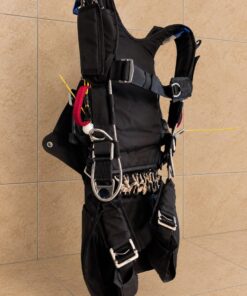
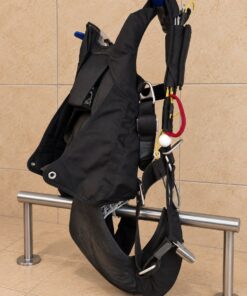

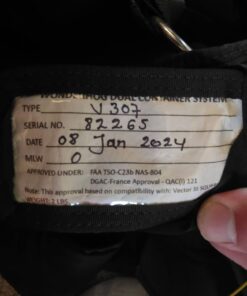
Used UPT Mutant V307 MLW


€2,500.00
Product Description – Used UPT Mutant V307 MLW O
The Used UPT Mutant V307 MLW O is a specialized, performance-focused harness-and-container system in excellent condition with only 117 jumps. It is built for experienced canopy pilots who want a more advanced suspended body position and a clean, low-use setup with desirable UPT options.
This rig includes 27-inch Louie Loop risers, a V-Stow deployment bag, dynamic corners, and a ballistic Cordura seat for added durability in a high-contact area. The entire rig is finished in black panels with black logos, giving it a clean and understated appearance.
Key Information
- Model: UPT Mutant V307
- MLW: O
- Condition: Excellent
- Jumps: Approximately 117
- Risers: 27-inch Louie Loop risers
- Deployment Bag: V-Stow
- Container: Dynamic corners
- Seat: Ballistic Cordura reinforcement
- Color: All-black panels and logos
Original Owner Measurements
- Height: 70 in / 5’10”
- Weight: 182 lb
- Chest: 40 in
- Waist: 36 in
- Torso: 20 in
- Leg Pad: 34 in
- Inseam: 32 in
These measurements are especially important for prospective buyers because harness fit should be verified before purchase. A buyer with similar proportions may be a closer fit, although professional fitting is still recommended.
Important Buyer Information
With its low 117-jump history, excellent condition, 27-inch risers, V-Stow bag, dynamic corners, ballistic seat protection, and all-black finish, this is a strong used setup for the right experienced jumper.
Used UPT Mutant V307 MLW O – 117-Jump High-Performance Canopy Piloting Harness/Container
Used UPT Mutant V307 MLW O Overview
The Used UPT Mutant V307 MLW O is a specialized harness-and-container system created for advanced canopy pilots who want a more efficient body position during high-performance canopy flight while retaining the engineering quality associated with United Parachute Technologies. This particular setup is presented in excellent condition with only 117 jumps, making its relatively low usage one of the most important points for prospective buyers.
The configuration includes 27-inch Louie Loop risers, a V-Stow deployment bag, dynamic corners, an all-black panel and logo layout, and ballistic Cordura protecting the seat area. UPT currently lists the V307 among the available Mutant container sizes and identifies Louie Loops, semi-stowless V-Stow bags, dynamic corners, and ballistic seat covers as genuine available equipment options.
The Mutant differs substantially from a conventional upright sport harness. UPT engineered the system around a more supine flight position intended specifically to improve ergonomics during advanced canopy piloting. At the same time, the manufacturer states that the system can also be used for terminal freefall when configured and used appropriately.
Excellent Condition – Only 117 Jumps
With only 117 reported jumps, this harness/container has relatively limited use compared with many second-hand performance systems. Nevertheless, webbing, stitching, hardware, risers, closing components, seat protection, deployment equipment, and adjustment points should still receive professional inspection before continued service.
UPT Mutant V307
The V307 is one of the current container sizes listed by UPT for the Mutant family. The system was developed specifically around advanced canopy piloting while retaining compatibility with freefall applications when correctly configured.
MLW O
The setup is identified as MLW O. Because harness lettering and measurements are specific to the original build, prospective buyers should compare the actual harness dimensions and fit against their own body measurements rather than assuming compatibility from the designation alone.
27-Inch Louie Loop Risers
This configuration includes 27-inch Louie Loop risers. UPT states that 27-inch or longer risers are recommended when initially adapting to the system and for freefall use. Louie Loops are also an official optional riser configuration.
V-Stow Deployment Bag
The included V-Stow deployment bag is UPT’s semi-stowless deployment-bag option. The current Mutant price list recognizes both V-Stow and U-Stow semi-stowless bags as supported configurations.
Dynamic Corners
The container is equipped with dynamic corners. UPT specifically recommends this style when maximum container openness is desired for canopy-piloting competition, particularly with high-pack-volume performance mains during subterminal deployments.
All Panels and Logos Black
The all-black panel and logo configuration creates a clean, understated visual appearance. For clients who prefer technical equipment without bright contrasting colors, this gives the system a uniform professional presentation.
Ballistic Cordura on Seat
The ballistic Cordura seat protection adds durability to a high-contact area. UPT currently lists a ballistic seat cover as an available Mutant option, while the standard system already incorporates a Cordura seat pad.
Original Jumper Height – 70 Inches
The original purchaser measured 70 inches tall, approximately 5 feet 10 inches. This provides an important starting reference for potential buyers assessing harness compatibility.
Original Jumper Weight – 182 lb
The original purchase weight was approximately 182 pounds. Weight alone does not determine harness fit, but it helps provide context alongside torso, chest, waist, inseam, and leg-pad measurements.
Chest – 40 Inches
The original chest measurement was 40 inches.
Waist – 36 Inches
The original waist measurement was 36 inches.
Torso – 20 Inches
The original torso measurement was 20 inches, an especially useful reference when assessing main lift web and overall harness fit.
Leg Pad – 34 Inches
The original leg-pad measurement was 34 inches.
Inseam – 32 Inches
The original inseam measurement was 32 inches.
parachute jump australia
A parachute jump australia search may lead canopy pilots toward different drop zones and equipment requirements. Personal equipment should always satisfy local operational and inspection requirements.
skydive byron bay
Those considering skydive byron bay with personal equipment should confirm local requirements and ensure the system fits correctly before travel.
weight limit skydiving
The phrase weight limit skydiving highlights the importance of total exit weight, harness fit, canopy loading, equipment limitations, and experience.
cairns skydiving
Jumpers researching cairns skydiving should verify that their personal equipment and documentation comply with the drop zone’s procedures.
skydiving helmet
A skydiving helmet is separate from this harness-and-container system but forms part of a jumper’s broader personal equipment.
skydive helmets
Different skydive helmets suit canopy piloting, freeflying, camera work, and other disciplines.
hook blade knife
A hook blade knife may form part of emergency equipment. UPT lists a hook knife among the standard Mutant components.
tracking jump
A tracking jump requires appropriate training, separation planning, and equipment familiarity.
parachute rig
A parachute rig should be evaluated as an integrated life-support system rather than as individual cosmetic components.
linewear
linewear should always be monitored on the installed main canopy, although no main canopy details were supplied for this particular listing.
base jumping
base jumping uses different equipment and procedures. This UPT system is a sport-skydiving harness/container and should not automatically be treated as fixed-object equipment.
sky helmet skydiving
A sky helmet skydiving search concerns protective headgear rather than harness fit or container condition.
wingsuit sport
The wingsuit sport introduces additional deployment considerations. The exact installed canopy and pilot-chute configuration should be considered separately before specialized use.
vector wingsuit
A vector wingsuit search may relate to UPT equipment configured for wingsuit use, although this Mutant has a different canopy-piloting-focused architecture.
full face skydiving helmet
A full face skydiving helmet can provide greater facial and wind protection during freefall.
skydiving downsizing chart
A skydiving downsizing chart should never replace canopy coaching, currency, exit-weight evaluation, or manufacturer guidance.
landing flight risers
landing flight risers are particularly important in advanced canopy piloting. This system’s 27-inch risers and Louie Loop configuration should be inspected for stitching, webbing, hardware, and correct installation.
fire parachute
The phrase fire parachute does not describe the intended function of this equipment.
cypress fire skydiving
A cypress fire skydiving search should not be confused with this listing because no automatic activation device has been specified.
skydiving rigging
Professional skydiving rigging is essential when inspecting the harness, reserve container, risers, deployment bag, hardware, and compatibility of installed components.
baseline jumping
baseline jumping terminology is sometimes associated with fixed-object parachuting, which remains distinct from this system’s intended sport-skydiving application.
sky diving helmet
A sky diving helmet should fit without interfering with body position, visibility, or emergency procedures.
hook knife skydiving
A hook knife skydiving accessory is part of emergency preparedness, and the Mutant platform includes provision for a hook knife.
skydiving glasses
skydiving glasses or goggles can provide eye protection where an appropriate helmet does not fully enclose the face.
nude parachute jump
A nude parachute jump has no bearing on harness/container condition or serviceability.
ifly colorado springs
ifly colorado springs relates to indoor body-flight training, where parachute deployment equipment is not normally used.
skydive hook knife
A skydive hook knife should remain accessible without interfering with structural harness components.
skydiving helmet full face
A skydiving helmet full face design is a common personal equipment choice for many freefall disciplines.
skydiving blue hole belize
Those researching skydiving blue hole belize should confirm travel, drop-zone, reserve, and personal-equipment requirements before transporting a rig internationally.
smallest canopy
The smallest canopy is never automatically the correct canopy. Canopy choice should reflect experience, currency, exit weight, skill, training, and manufacturer guidance.
skydiving speed
skydiving speed changes according to body position and discipline, while the Mutant itself was developed primarily to optimize body position during advanced canopy flight.
wing suits for sale
People researching wing suits for sale should evaluate suit choice separately from harness/container compatibility.
skydiving nude
skydiving nude does not change equipment inspection requirements.
parts of a parachute
The important parts of a parachute system include the harness, container, main canopy, reserve, deployment bags, pilot chutes, risers, handles, lines, hardware, and associated components.
container skydive
A container skydive system should match both the intended jumper and the installed canopy volumes.
g35 helmet
A g35 helmet is separate personal equipment and is not listed as included with this setup.
best skydiving helmet
The best skydiving helmet depends on fit, discipline, visibility, comfort, and individual requirements.
skydive belize
Anyone planning to skydive belize should confirm equipment documentation and travel requirements before departure.
freefly pud handle
A freefly pud handle can be an option on some UPT configurations, although its presence has not been stated for this particular setup.
gliding suit wingsuit
A gliding suit wingsuit requires specialized training and compatible deployment equipment.
jumper pilot
A jumper pilot search may refer to either the parachutist or aircraft pilot depending on context; the roles remain operationally distinct.
crw skydiving
crw skydiving involves specialized canopy-relative work and requires appropriate equipment and training.
gear bag skydive
A quality gear bag skydive solution helps protect the harness, handles, deployment components, risers, and container during transportation.
skydiving equipment list
A typical skydiving equipment list may include the complete parachute system, helmet, altimeter, goggles, jumpsuit, and discipline-specific accessories.
indoor wingsuit
Indoor wingsuit training takes place in specialized environments without conventional outdoor parachute deployment.
can you wear glasses while skydiving
For can you wear glasses while skydiving, suitable goggles or helmet arrangements can often accommodate corrective eyewear.
wingsuit
A wingsuit requires specific experience and equipment compatibility that should be assessed separately.
skydiving website
A trustworthy skydiving website should clearly disclose jump count, configuration, measurements, options, repairs, and component history on used equipment.
cookie g4 helmet
A cookie g4 helmet is a separate full-face helmet and is not part of the listed equipment.
base canopy
A base canopy is designed for a different deployment environment and should not automatically be used in this sport-skydiving configuration.
new skydive
A jumper preparing for a new skydive should select equipment appropriate to their experience rather than choosing advanced equipment based solely on appearance.
#skydiving latest
The phrase #skydiving latest reflects interest in current equipment design, training, canopy technology, and modern skydiving disciplines.
canopy flight
Canopy flight is central to this system because the Mutant was specifically engineered around advanced canopy-piloting ergonomics.
skydiver goggles
skydiver goggles remain a separate eye-protection accessory.
speed sky diving
speed sky diving involves specialized freefall techniques and should be distinguished from high-performance canopy piloting.
fly suits
fly suits may include freefly suits, tracking suits, or other discipline-specific clothing.
skydiving rig
This skydiving rig is fundamentally different from an ordinary upright container because the Mutant includes specialized supine-flight architecture.
safire 3
A safire 3 is one example of a sport main canopy family, but no main canopy has been specified for this V307 listing.
skydiving gliding suit
A skydiving gliding suit can change freefall performance but does not replace the need for correct harness and deployment configuration.
fluid wings
fluid wings represents another canopy-manufacturing ecosystem and should not be confused with the UPT harness/container manufacturer.
price of wingsuit
The price of wingsuit equipment is separate from the value of this harness/container system.
tandem wingsuit
A tandem wingsuit is not a standard application for this specialized personal canopy-piloting harness.
skydiving tube
A skydiving tube is generally a freefall visual accessory rather than a structural part of the system.
Why Is the Mutant Design Different?
The Mutant was created specifically to move the canopy pilot into a more efficient supine position. UPT describes the system as a tool for advancing canopy piloting, while its specialized harness geometry includes dedicated release and flight-mode components not found on an ordinary sport container.
How Good Is This Particular Setup?
The reported 117 jumps and excellent condition are significant advantages. Additionally, this setup carries several desirable factory-style options: 27-inch Louie Loop risers, a V-Stow bag, dynamic corners, and ballistic seat protection.
Condition should still be confirmed through professional inspection before use.
How Is Precision Important?
Harness fit is critical with this specialized architecture. The original purchaser measured approximately 70 inches tall, 182 pounds, 40-inch chest, 36-inch waist, 20-inch torso, 34-inch leg pad, and 32-inch inseam.
A prospective owner should compare those figures with their own measurements and have fit evaluated professionally.
Where Is This System Best Used?
The design is most naturally suited to advanced sport parachutists focused on canopy piloting. UPT also states that the Mutant can be used for terminal freefall, but configuration, experience, and operational suitability remain important.
When Should It Be Inspected?
Inspection is particularly important before purchase, after long storage, following unusual stress, after component replacement, and whenever fit or hardware behavior changes.
Important Information for Buyers
The supplied configuration is:
- UPT Mutant V307
- MLW O
- Excellent condition
- Only 117 jumps
- 27-inch Louie Loop risers
- V-Stow deployment bag
- Dynamic corners
- All panels and logos black
- Ballistic Cordura seat
- Original height: 70 inches
- Original weight: 182 lb
- Chest: 40 inches
- Waist: 36 inches
- Torso: 20 inches
- Leg pad: 34 inches
- Inseam: 32 inches
Overall Engineering Character
The Used UPT Mutant V307 MLW O is a specialized, low-jump harness/container built around advanced canopy-piloting ergonomics. Its 117-jump history, 27-inch Louie Loop risers, V-Stow deployment bag, dynamic corners, ballistic seat protection, and all-black configuration create a distinctive package for an appropriately experienced user.
UPT’s current technical material confirms that the Mutant is designed for canopy piloting, includes an adjustable harness and specialized supine-release architecture, supports several riser lengths, and offers the same major options represented on this particular setup.
For a prospective buyer, the highest priorities should be professional fit verification, complete harness inspection, confirmation of reserve and main compatibility, deployment-system condition, hardware integrity, documented maintenance, and appropriate canopy-piloting experience.
Harness Condition, Structural Integrity, Riser Inspection, Deployment Components, Fit, and Long-Term Serviceability
Overall Condition Assessment
A low-jump specialized harness-and-container system should still be evaluated as life-support equipment rather than judged only by appearance. With relatively limited reported use, the overall condition may be very good, but professional inspection remains essential.
The webbing, stitching, hardware, closing system, risers, deployment bag, seat protection, adjustment points, and all load-bearing areas should be checked individually.
Harness Webbing Condition
Harness webbing should remain free from cuts, fraying, burns, chemical contamination, excessive stiffness, or unusual discoloration.
High-load areas around the shoulders, laterals, leg straps, chest strap, and articulation points deserve particular attention.
Even on a lightly used system, storage and transport can still create wear.
Main Lift Web Inspection
The main lift web should remain straight, undamaged, and structurally sound.
Any abrasion, broken stitching, or deformation should be evaluated carefully.
Because this area carries major deployment and suspended loads, small defects should never be ignored.
Shoulder Area Condition
Shoulder webbing and surrounding fabric should remain free from deep wear or distortion.
Repeated gearing up, aircraft movement, and container handling can create abrasion in these areas.
A smooth and intact surface is preferable.
Leg Strap Inspection
Leg straps should remain structurally sound and comfortable.
Webbing, stitching, adjustment hardware, and load-bearing junctions should be examined for wear.
Adjustment points should hold securely without unexpected slipping.
Chest Strap Condition
The chest strap should remain free from fraying, cuts, or damaged hardware.
It should route cleanly and adjust smoothly.
The buckle should hold securely once set.
Harness Adjustment System
Any specialized adjustment points should operate smoothly and remain secure.
Webbing should not slip unexpectedly through hardware.
Damaged or contaminated adjustment systems should be evaluated before continued use.
Supine-Flight Components
This type of harness architecture includes specialized components that allow a different body position under canopy.
All dedicated straps, release points, routing, and attachment areas should therefore receive careful inspection.
Any unfamiliar wear should be reviewed by someone experienced with the system.
Specialized Release Mechanism
The dedicated release system should remain correctly assembled and function according to manufacturer procedures.
Handles, cables, housings, and attachment points should remain secure.
This area should not be modified casually.
Riser Condition
The long risers should remain free from cuts, fraying, burns, damaged stitching, or chemical contamination.
Hardware, loops, and attachment points should also remain structurally sound.
Their additional length makes correct routing and inspection especially important.
Loop Condition
The integrated control loops should remain securely attached and free from unusual wear.
Stitching around the loop structure should be intact.
Because these components are used during advanced canopy control, their condition deserves close attention.
Three-Ring System
The release rings should remain smooth, undamaged, and properly oriented.
White loops, cables, housings, and associated components should be inspected regularly.
Proper maintenance helps preserve predictable emergency operation.
Cable Housing Inspection
Cable housings should remain securely attached and free from crushing, kinks, sharp bends, or contamination.
Cables should move correctly according to the approved maintenance procedure.
Any unexpected resistance should be investigated.
Cutaway Handle Security
The cutaway handle should remain firmly seated while still being accessible.
The handle pocket, cable routing, and surrounding webbing should remain in good condition.
Unexpected looseness requires attention.
Reserve Handle Area
The reserve handle should remain secure and unobstructed.
The pocket, cable housing, and surrounding structure should be inspected for wear.
Handle access should remain consistent when the harness is properly fitted.
Container Fabric Condition
The container should remain free from cuts, deep abrasion, damaged binding tape, loose seams, or contamination.
High-contact areas deserve particular attention.
A clean exterior is positive, but structural inspection is more important than appearance.
Ballistic Seat Protection
The reinforced seat area should be checked for abrasion, cuts, damaged seams, and separation from surrounding fabric.
This section is designed to tolerate higher contact wear, but it should still be monitored.
Any damage that reaches structural layers deserves professional evaluation.
Dynamic Corner Condition
Open corner areas should remain properly shaped and free from torn fabric or damaged stitching.
These sections can experience repeated packing and deployment stress.
Their structural condition should be verified during routine inspections.
Main Closing System
The main closing loop, grommets, pin area, and flaps should remain in good condition.
Fraying, sharp grommets, distorted flaps, or damaged stiffeners should be addressed.
Closure should never require improvised components.
Deployment Bag Condition
The semi-stowless bag should be inspected for fabric wear, stitching damage, distorted grommets, and worn line-retention areas.
Elastic or retention components should function correctly.
Any stretched or damaged sections should be replaced as appropriate.
Line Stow Areas
Line-retention components should hold lines consistently without excessive tension or looseness.
Damaged elastic or worn fabric can change deployment behavior.
These parts should be inspected during packing.
Bridle Condition
The bridle should remain free from abrasion, cuts, burns, contamination, or damaged stitching.
Attachment points should remain secure.
High-contact areas deserve regular inspection.
Pilot Chute Condition
The pilot chute should be inspected for damaged fabric, stretched mesh, worn seams, and secure attachment.
Its handle and retaining system should also remain in good condition.
The correct size and configuration should match the installed main system.
Pin Protection
Closing flaps should protect the pin from accidental movement.
Fabric and stiffeners around the pin area should retain their intended shape.
Excessive wear can reduce protection.
Riser Cover Condition
Riser covers should remain secure during normal movement and release correctly during deployment.
Magnets, tuck tabs, stiffeners, and stitching should be inspected.
Any inconsistent closure deserves attention.
Main Canopy Compatibility
The installed main should be appropriate for the container volume, jumper experience, and intended discipline.
Container fit should never be determined only by nominal canopy area.
Actual pack volume and construction should be considered.
Reserve Compatibility
Reserve size and pack volume should also match the container.
Because no reserve details have been supplied, the installed reserve should be identified and verified before purchase or use.
Electronic Device Status
If an electronic activation device is installed, its model, manufacture date, service status, operational condition, and installation should be checked.
No such device has been specified, so its presence should not be assumed.
Harness Fit Verification
The original body measurements provide a useful reference, but they do not guarantee fit for another jumper.
Torso length, chest, waist, inseam, leg size, and overall build should all be compared carefully.
Professional fit verification is strongly recommended.
Original Fit Reference
The system was built around a user approximately 70 inches tall and 182 pounds.
A 40-inch chest, 36-inch waist, 20-inch torso, 34-inch leg-pad measurement, and 32-inch inseam were provided.
These measurements should be treated as fit references rather than universal sizing.
Hardware Inspection
Metal hardware should be checked for cracks, corrosion, deformation, sharp edges, and unusual wear.
Articulating components should move smoothly where intended.
Damaged hardware requires professional attention.
Stitching Integrity
Structural stitching should remain intact throughout the harness and container.
Broken threads, pulled seams, or loose reinforcement should not be ignored.
High-load junctions deserve especially careful inspection.
Storage History
The system should be stored in a dry, cool environment away from direct sunlight and chemicals.
Even low-jump equipment can deteriorate if stored poorly.
Moisture, excessive heat, and ultraviolet exposure can damage materials over time.
Transport Protection
A suitable gear bag can help protect handles, webbing, hardware, risers, and container fabric.
Heavy objects should not be placed on the system.
After air travel or rough transport, a quick inspection is advisable.
Periodic Professional Inspection
Specialized equipment benefits from regular evaluation by someone familiar with its design.
The harness geometry, release system, risers, deployment components, seat reinforcement, closing system, and overall fit should be checked together.
Long-Term Serviceability
Long-term serviceability depends on healthy webbing, sound stitching, secure hardware, reliable closing components, properly maintained risers, correct fit, compatible canopies, and accurate documentation.
The relatively low reported jump count is a positive condition point, but suitability should still be confirmed through professional inspection.
When the system remains correctly fitted, properly maintained, and matched to appropriate components, it can be evaluated confidently for continued responsible sport use.
Practical Fit, Harness Ergonomics, Canopy-Piloting Comfort, Deployment Readiness, and Everyday Ownership
Practical Handling Character
A specialized harness-and-container system with relatively low use should be evaluated around fit, ergonomics, hardware condition, deployment readiness, and structural integrity. Because this design differs from a conventional upright harness, the intended user should understand its body-positioning characteristics before relying on it in regular use.
A good fit helps the system remain stable on the body while keeping handles, straps, and adjustment points accessible.
Body Position and Comfort
The harness is designed to support a different suspended posture under canopy than a standard system.
Therefore, comfort depends heavily on torso length, waist dimensions, leg-strap position, and overall body proportions.
A system that feels correct while standing should also remain comfortable while suspended.
Torso Fit
Torso length is one of the most important measurements when assessing harness compatibility.
If the harness is too long or too short, the container may sit incorrectly and handle access can become less natural.
Professional fit evaluation is preferable before purchase.
Chest Fit
The chest area should remain secure without creating excessive pressure.
The strap should adjust smoothly and hold its position once set.
Webbing should lie flat without unnecessary twisting.
Waist and Lateral Fit
The lateral sections should follow the body naturally.
Excessive looseness can allow unwanted movement, while an overly tight fit can reduce comfort.
The correct balance supports stability during aircraft movement, freefall, and canopy flight.
Leg Strap Comfort
Leg straps should distribute pressure evenly.
They should remain secure without creating sharp pressure points.
Adjustment hardware should stay in place during movement and suspended use.
Inseam Relationship
Inseam and leg proportions can affect how the lower harness sits.
Although body measurements provide a useful starting point, actual fit should still be checked with the intended user wearing the system.
A written measurement alone cannot guarantee comfort.
Seat Area Support
The reinforced seat section is particularly useful on a system built around advanced suspended positioning.
This area should sit correctly against the body without creating folds or pressure points.
Its durable construction also helps protect a high-contact region.
Harness Adjustment
Any adjustment system should move smoothly and remain secure once configured.
Webbing should not slip unexpectedly through hardware.
Changes in adjustment should be made carefully and consistently.
Specialized Flight Position
The harness architecture allows a more reclined body position under canopy.
Users should become familiar with how the system transitions into and out of that position.
Practice and manufacturer-approved training are especially important.
Transition Awareness
Moving between normal freefall posture and suspended canopy position changes how the harness feels on the body.
Straps, risers, hardware, and adjustment points should remain clear and predictable throughout the transition.
Unexpected resistance should be investigated.
Riser Reach
Longer risers change the relationship between the jumper and the canopy controls.
The user should be able to reach all necessary control points comfortably.
Any difficulty in reach should be addressed through proper fit and approved setup choices rather than improvised modifications.
Loop Access
Integrated loops should remain easy to locate and use.
They should not twist, collapse, or become hidden beneath other components.
Stitching and webbing around these areas deserve regular inspection.
Riser Symmetry
Both risers should remain equal in condition and configuration.
Uneven wear, distortion, or hardware differences can create inconsistency.
A simple side-by-side inspection can help identify visible problems.
Three-Ring Familiarity
The release system should be inspected and maintained regularly.
Rings, loops, cables, and housings should remain clean and correctly routed.
The user should understand the normal appearance of the assembled system.
Handle Position
Emergency handles should remain accessible from the normal harness position.
The user should be able to identify them without excessive searching or movement.
Correct harness fit supports reliable access.
Handle Security
Handles should remain firmly retained until intentionally used.
Loose pockets, stretched retaining systems, or damaged attachment areas should be repaired before use.
Secure positioning is essential during high-speed movement.
Main Deployment Handle
The deployment handle should remain in a predictable location.
The pocket or retaining system should hold it securely without excessive tightness.
Any change in retention should be investigated.
Deployment Bag Inspection
The bag should remain clean and structurally sound.
Fabric, seams, grommets, and retention areas should be inspected regularly.
Damage around line-stow sections can affect deployment consistency.
Stowless Retention System
Retention components should hold lines consistently.
They should not become excessively loose or overly restrictive.
Wear in these areas should be monitored during packing.
Dynamic Corner Function
Open lower corners should retain their intended shape.
Fabric should not fold abnormally or show torn stitching.
Correct condition supports clean deployment-bag movement.
Closing Loop Condition
The closing loop should remain free from fraying, flattening, or contamination.
Its length and condition should match approved packing practice.
Replacement should occur before significant wear develops.
Grommet Condition
Grommets should remain smooth and firmly seated.
Sharp edges or distortion can damage loops and surrounding fabric.
Routine inspection is simple but important.
Pin Security
The main pin should remain properly protected by the closing flaps.
Its orientation and surrounding fabric should be checked before use.
Unexpected movement should be investigated immediately.
Riser Cover Security
Riser covers should remain closed during normal movement while opening correctly during deployment.
Magnetic or tuck-tab systems should retain their intended strength.
Weak retention can indicate wear.
Pilot Chute Condition
The pilot chute should remain structurally sound.
Mesh, fabric, seams, handle, and attachment points should all be checked.
Wear in any of these areas can affect deployment performance.
Bridle Routing
The bridle should remain correctly routed and free from twists.
It should not show abrasion, burns, or damaged stitching.
Attachment points deserve particular attention.
Main Canopy Fit
The container should be matched to an appropriate main canopy volume.
A canopy that is too large can create excessive packing pressure, while an undersized configuration can create other fit and closure concerns.
Professional compatibility checks remain important.
Reserve Fit
Reserve compatibility should be verified separately.
The correct pack volume, container size, and reserve condition all matter.
No assumption should be made solely from the container model.
Pack Volume Awareness
Different canopy fabrics and constructions can pack very differently even when nominal area is similar.
Therefore, volume should be evaluated by actual model and construction.
This is especially important with compact container sizes.
Packing Consistency
A consistent packing routine helps maintain predictable closure and deployment.
Excessive force should not be necessary to close the container.
Unusually difficult packing may indicate a compatibility or configuration issue.
Clean Packing Environment
Packing on a clean surface helps protect fabric, risers, lines, and hardware.
Sand, gravel, moisture, oils, and sharp debris should be avoided.
Clean conditions support longer equipment life.
Pre-Jump Inspection
Before use, handles, riser covers, closing flaps, visible pins, chest strap, leg straps, and exposed webbing should receive a quick check.
This routine should become consistent and familiar.
Small problems are easier to catch before boarding.
Post-Jump Inspection
After landing, the system should be checked for obvious abrasion or unusual stress.
Seat protection, leg straps, risers, hardware, deployment components, and container corners deserve particular attention.
Any unusual event should be documented.
Aircraft Wear
Repeated contact with aircraft interiors can create abrasion on container corners, seat areas, and hardware.
Protective fabric helps, but inspection remains necessary.
Damage may begin as minor surface wear.
Storage Between Sessions
The system should remain dry, clean, and protected from direct sunlight.
It should not be left for prolonged periods in hot vehicles or damp rooms.
Stable indoor storage is preferable.
Gear Bag Use
A padded gear bag can help protect the harness, risers, handles, and closing areas.
The bag should remain free from moisture and sharp objects.
Heavy equipment should not be stacked on top.
Travel Preparation
Before travel, secure all handles and protect exposed hardware.
Documentation should be kept organized.
After rough baggage handling, the system should be inspected before use.
Monitoring Changes
Owners should become familiar with the normal feel and appearance of the system.
Changes in harness adjustment, handle retention, riser condition, flap closure, or hardware movement can indicate developing wear.
Early attention makes troubleshooting easier.
Professional Inspection
A qualified rigger familiar with specialized harness systems should evaluate the equipment periodically.
Particular attention should be given to adjustment hardware, structural webbing, release components, risers, closing systems, and deployment equipment.
Overall Everyday Ownership
Everyday reliability depends on correct harness fit, secure adjustment points, healthy webbing, sound stitching, stable risers, protected pins, reliable deployment components, proper canopy compatibility, and careful storage.
Because the system has relatively few reported jumps, its low-use history is a useful condition advantage. However, the specialized harness design means fit and technical familiarity remain especially important.
When the equipment is properly fitted, professionally inspected, and maintained consistently, it remains easier to evaluate, easier to manage, and more predictable throughout responsible continued sport use.
Preventive Maintenance, Structural Care, Storage, Transport, and Long-Term Reliability
Preventive Maintenance Routine
A specialized harness-and-container system benefits from regular inspection even when the reported jump count is relatively low. Preventive care should focus on structural webbing, stitching, hardware, risers, handles, closing components, deployment equipment, seat reinforcement, adjustment points, and container fabric.
Routine attention helps identify gradual wear before it develops into a more significant serviceability issue.
Harness Webbing Inspection
The main lift web, laterals, leg straps, chest strap, and supporting structural areas should remain free from cuts, fraying, burns, contamination, and unusual stiffness.
Because these sections carry significant loads, even minor damage should be evaluated carefully.
Any questionable webbing should be reviewed before further use.
Structural Stitching Condition
Load-bearing stitching should remain intact and evenly tensioned.
Broken threads, pulled seams, loose reinforcement, or visible separation should never be ignored.
These areas transfer loads throughout the harness and container structure.
Leg Strap Care
Leg straps should remain smooth, structurally sound, and free from excessive abrasion.
Adjustment hardware should move correctly and hold its position.
Repeated contamination with dirt or sand should be avoided because abrasive particles can accelerate wear.
Chest Strap Care
The chest strap should remain free from cuts, fraying, and damaged stitching.
Hardware should function smoothly without slipping unexpectedly.
Any unusual wear near the buckle or attachment areas should be investigated.
Main Lift Web Condition
The vertical harness webbing should remain aligned and undamaged.
Areas around junction points deserve particular attention because they experience concentrated loading.
Changes in shape, stiffness, or stitching should be documented.
Adjustment Hardware
Specialized adjustment points should move smoothly while remaining secure once configured.
Webbing should not creep unexpectedly through hardware.
Any distorted metal component or damaged retaining system should receive professional attention.
Specialized Harness Components
Unique components associated with the suspended flight position should be checked regularly.
Straps, release mechanisms, routing points, and attachment areas should remain clean and correctly assembled.
These components should never be modified casually.
Release Mechanism Care
Any dedicated release system should remain correctly routed and securely attached.
Cables, housings, handles, and surrounding webbing should be free from contamination and damage.
Unexpected resistance should be investigated immediately.
Riser Inspection
The longer risers should remain free from cuts, burns, fraying, damaged stitching, and chemical contamination.
Because they experience repeated loading, attachment points and reinforcement areas deserve close inspection.
Both sides should remain symmetrical in condition.
Control Loop Condition
Integrated loops should remain secure and structurally sound.
Stitching around their attachment areas should remain intact.
Any visible distortion should be evaluated before continued use.
Three-Ring Maintenance
The release rings should remain clean, smooth, and correctly assembled.
Flexible loops, cables, housings, and attachment areas should be inspected periodically.
Routine maintenance helps preserve predictable emergency operation.
Cable Inspection
Cables should remain clean and free from kinks, sharp bends, corrosion, or contamination.
Housings should remain securely attached.
Any unusual resistance during approved inspection procedures should be addressed.
Handle Security
Emergency and deployment handles should remain secure in their intended locations.
Pockets and retaining systems should not become stretched or excessively worn.
Loose handles can create unnecessary risk during movement.
Container Fabric Care
The container fabric should remain free from cuts, tears, deep abrasion, and contamination.
High-contact areas should be inspected closely.
Low jump numbers do not eliminate the possibility of damage from storage or transport.
Reinforced Seat Area
The reinforced seat section should be checked for surface abrasion, torn stitching, separation, and impact damage.
This area is designed to tolerate additional contact, but it should still be monitored carefully.
Any damage reaching structural layers deserves professional review.
Dynamic Corner Inspection
Open lower corner areas should remain properly shaped.
Fabric and stitching should not show tearing or distortion.
These sections experience repeated packing and deployment movement and should remain clean and structurally sound.
Closing Loop Condition
The main closing loop should remain free from fraying, flattening, contamination, or excessive wear.
Its condition should be checked during packing.
Replacement should occur before significant deterioration develops.
Grommet Care
Grommets should remain smooth, secure, and free from sharp edges.
A damaged grommet can accelerate wear on nearby fabric or closing components.
Regular inspection is simple and important.
Main Pin Protection
The pin area should remain properly protected by the closing flaps.
Fabric, stiffeners, and surrounding structure should retain their intended shape.
Any deformation that reduces secure protection should be evaluated.
Riser Cover Condition
Riser covers should remain secure during normal movement and release correctly during deployment.
Magnets, tuck tabs, stiffeners, and stitching should all be checked.
Weak or inconsistent retention can indicate developing wear.
Deployment Bag Care
The semi-stowless bag should remain free from tears, distorted grommets, damaged seams, and worn retention areas.
Fabric should maintain its intended shape.
Retention components should hold lines consistently without excessive looseness.
Bridle Inspection
The bridle should remain free from abrasion, cuts, burns, contamination, and loose stitching.
Attachment points should remain secure.
High-contact sections deserve regular inspection.
Pilot Chute Condition
The pilot chute should be examined for damaged fabric, stretched mesh, loose stitching, and secure attachment.
Its handle and retaining components should also remain in good condition.
Any unusual wear should be addressed before use.
Reserve Container Condition
The reserve compartment should remain structurally sound and correctly closed.
Flaps, grommets, pin protection, and surrounding stitching should remain in good condition.
Reserve servicing should be handled according to applicable professional requirements.
Main and Reserve Compatibility
Installed parachutes should match the container’s intended volume range.
Fabric construction, actual pack volume, and model-specific characteristics should all be considered.
Nominal size alone is not enough to determine compatibility.
Hardware Inspection
Metal hardware should be checked for corrosion, cracks, deformation, and sharp edges.
Moving components should function smoothly where intended.
Damaged hardware should not remain in service without professional evaluation.
Cleaning Practices
Routine cleaning should remain gentle.
Harsh chemicals, solvents, bleach, or aggressive cleaners can damage fabric, coatings, and webbing.
Manufacturer-approved methods are preferable.
Moisture Protection
Wet equipment should be dried thoroughly before storage.
Moisture trapped inside webbing, fabric, or a gear bag can contribute to mildew, corrosion, and material degradation.
Long-term damp storage should always be avoided.
Sunlight Protection
Ultraviolet exposure can weaken synthetic materials over time.
The system should not be left unnecessarily in direct sunlight.
Shade and indoor storage help preserve fabric condition.
Temperature Management
Extreme heat should be avoided.
Hot vehicles, enclosed storage areas, and prolonged direct sunlight can affect fabric, elastic components, coatings, and adhesives.
Stable indoor temperatures are preferable.
Chemical Exposure
Fuel, oils, battery chemicals, solvents, and aggressive cleaning products should be kept away from the equipment.
Some contamination can weaken synthetic fibers without obvious immediate signs.
Suspected chemical contact should receive professional evaluation.
Packing Environment
Packing should take place on a clean, smooth surface whenever possible.
Sand, gravel, dirt, oil, and sharp debris can damage fabric, risers, lines, and deployment components.
Good packing conditions support longer service life.
Transport Protection
A suitable padded bag can protect the system during travel.
Handles, closing areas, hardware, risers, and reinforced surfaces should be shielded from crushing and snagging.
Heavy luggage should not be stacked directly on the system.
Post-Travel Inspection
After air travel or rough baggage handling, the exterior should be checked carefully.
Handles, flaps, closing areas, webbing, hardware, and riser covers should all be reviewed.
A quick inspection can identify problems before use.
Long-Term Storage
For extended storage, the system should remain dry, clean, secure, and protected from direct sunlight.
Excessive compression should be avoided.
A stable environment helps preserve webbing, fabric, hardware, and adjustment components.
Periodic Storage Inspection
Equipment that remains unused should still be checked occasionally.
Handles, webbing, stitching, hardware, closing loops, and container fabric should be reviewed.
Small problems are easier to address when identified early.
Maintenance Records
Jump count, inspections, repairs, component replacements, and configuration changes should be documented clearly.
Accurate records improve future maintenance decisions and increase transparency when ownership changes.
Pre-Sale Inspection
Before the system changes hands, a complete professional inspection is recommended.
The prospective owner should verify harness fit, structural condition, riser condition, deployment equipment, installed canopy compatibility, reserve status, and any electronic equipment present.
Professional Servicing
Structural repairs, release-system issues, damaged risers, reserve concerns, or hardware problems should be handled by qualified personnel familiar with this type of harness.
Specialized components require correct procedures and appropriate tools.
Long-Term Reliability
Long-term reliability depends on healthy webbing, sound stitching, secure hardware, properly maintained risers, stable handles, clean deployment components, correct canopy compatibility, careful storage, and accurate documentation.
The relatively low reported jump count is a strong condition point, but specialized equipment should still be judged through professional inspection and correct fit.
When preventive maintenance remains consistent, the system stays easier to inspect, easier to manage, and more dependable throughout responsible continued sport use.
Be the first to review “Used UPT Mutant V307 MLW”
Related products

used products

used products


used products
used products
used products

used products

used products
Reviews
There are no reviews yet.