

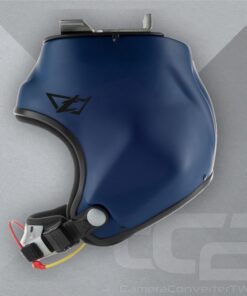
Tonfly CC2 Skydiving Camera Helmet
€350.00
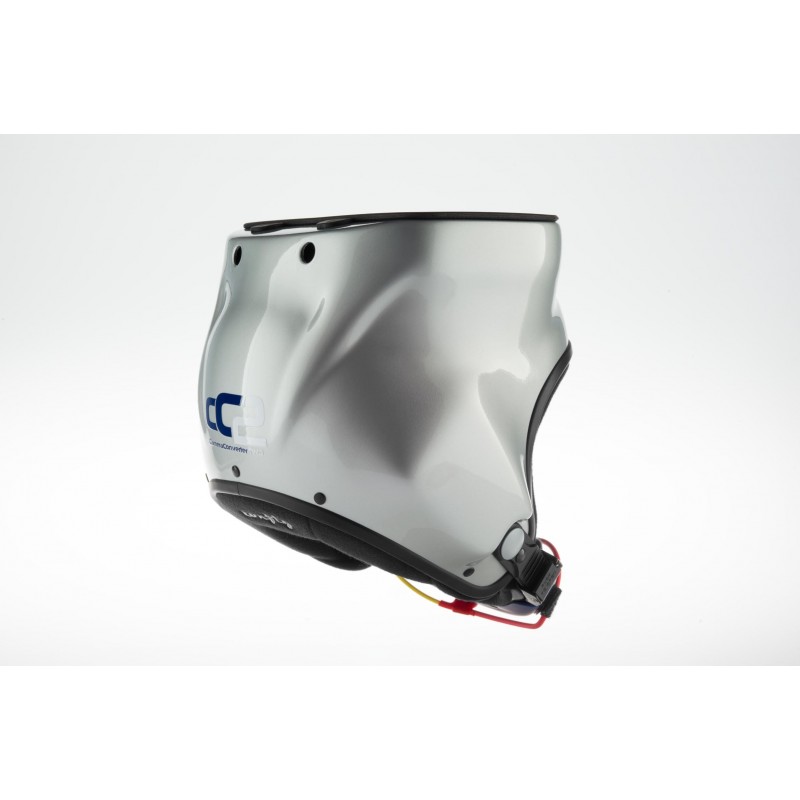
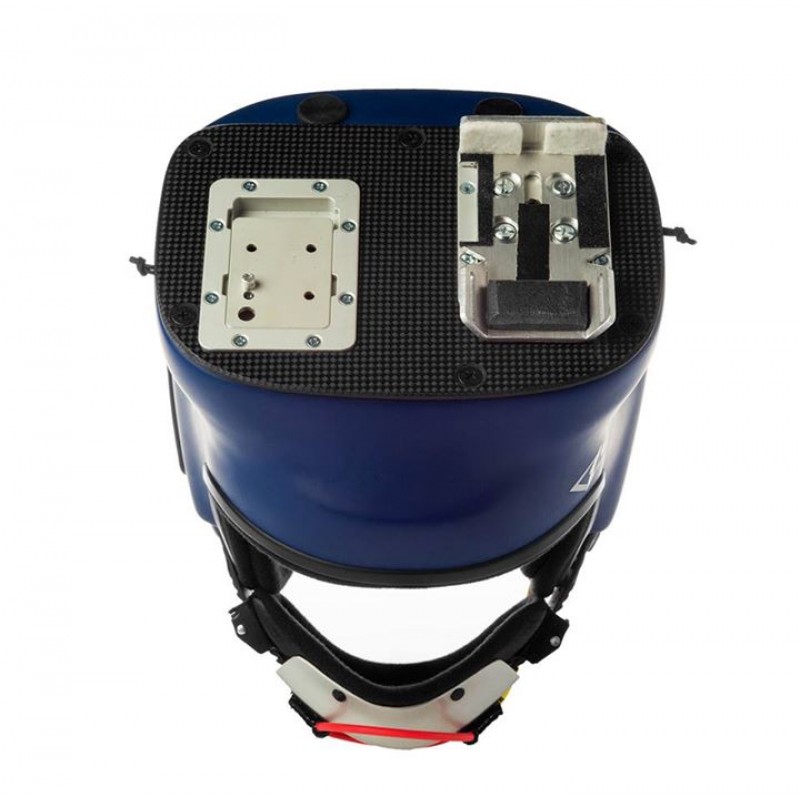
The Tonfly CC2 Skydiving Camera Helmet is designed for experienced camera flyers who need a dedicated skydiving helmet built around filming, visibility, secure mounting and aerodynamic control. Tonfly currently supports the CC2 platform with dedicated top and front GoPro camera boxes, which confirms its role as a purpose-built video-photo helmet rather than a conventional recreational design. The company also offers a configurable helmet system that allows buyers to select measurements, graphics, options and setup details according to their preferences.
Tonfly CC2 Skydiving Camera Helmet – Purpose-Built Camera Flying Performance, Custom Fit and Aerodynamic Control
he Tonfly CC2 Skydiving Camera Helmet is designed for experienced camera flyers who need a dedicated skydiving helmet built around filming, visibility, secure mounting and aerodynamic control. Tonfly currently supports the CC2 platform with dedicated top and front GoPro camera boxes, which confirms its role as a purpose-built video-photo helmet rather than a conventional recreational design. The company also offers a configurable helmet system that allows buyers to select measurements, graphics, options and setup details according to their preferences.
For anyone comparing skydive helmets, sky helmet skydiving, sky diving helmet, full face skydiving helmet, skydiving helmet full face, g35 helmet, or cookie g4 helmet, the CC2 occupies a more specialized category. Its emphasis is camera work and customizable mounting rather than full facial enclosure.
Why Choose the Tonfly CC2 for Camera Flying?
The main reason to consider the CC2 is integration. A camera flyer often needs more than a simple helmet shell. Camera positioning, mounting security, line-snag considerations, stability and visibility all matter during freefall.
Tonfly currently lists a CC2 Camera Box Top Flat base for GoPro 9-10-11-12-13 as well as a CC2 Camera Box Front Curved base for GoPro 9-10-11-12-13, making the platform suitable for different recording perspectives.
This versatility can benefit an experienced flyer participating in a tracking jump, skydiving speed, speed sky diving, crw skydiving, or technical canopy flight where equipment stability and clean camera placement matter.
How Good Is the CC2 for Precision Camera Work?
Precision in camera flying depends on more than image quality. Head movement, framing consistency, secure mounting and reduced vibration all affect the final footage.
A properly fitted camera helmet can help the flyer maintain a predictable viewing angle while minimizing unnecessary movement. Tonfly’s configurator emphasizes accurate head measurements, which reinforces the importance of fit when selecting specialized equipment.
For experienced flyers working with wingsuit sport, wingsuit, vector wingsuit, gliding suit wingsuit, skydiving gliding suit, fly suits, or indoor wingsuit disciplines, stable camera positioning can become especially valuable when documenting movement in three-dimensional airspace.
Camera Mounting and Snag Reduction
Camera equipment introduces additional risk, particularly around suspension lines and deployment systems. Tonfly describes its flat GoPro mount as being designed to reduce the danger of line entanglement with the camera.
That matters when a flyer is also using a parachute rig, skydiving rig, container skydive, or working around skydiving rigging equipment.
Experienced jumpers may also carry a hook blade knife, hook knife skydiving, or skydive hook knife as part of broader emergency equipment, although placement and use should always follow professional instruction.
How the CC2 Fits Into a Complete Equipment Setup
A camera helmet forms only one part of a broader skydiving equipment list. Experienced jumpers may also research parts of a parachute, linewear, landing flight risers, freefly pud handle, smallest canopy, base canopy, safire 3, fluid wings, and a skydiving downsizing chart.
These components serve very different purposes, and canopy selection should never be based solely on internet information. Proper progression depends on training, experience, exit weight and qualified coaching.
A dedicated gear bag skydive setup can also help protect cameras, mounts, cables, altimeters and other accessories between jumps.
Visibility, Eye Protection and Practical Use
Because the CC2 is designed around open-face camera use, separate skydiving glasses or skydiver goggles may be appropriate depending on the flyer’s setup.
Many people ask can you wear glasses while skydiving. Prescription eyewear compatibility depends on the selected eye protection, helmet fit and facility rules, so users should test their full setup before flight.
For camera flyers, unrestricted peripheral visibility can be particularly valuable because they often need to monitor subjects, formation position and altitude simultaneously.
Where and When the CC2 Makes Sense
The CC2 is most relevant to experienced airborne photographers and videographers rather than first-time tandem participants. Someone researching parachute jump australia, skydive byron bay, cairns skydiving, ifly colorado springs, skydive belize, or skydiving blue hole belize should always confirm the specific facility’s camera policies before bringing personal equipment.
Searches such as weight limit skydiving, new skydive, #skydiving latest, and general skydiving website information are also useful when researching facilities, although camera use usually carries stricter experience requirements than ordinary jumping.
Wingsuit and Specialized Flight Applications
Camera helmets are commonly associated with advanced disciplines, and the CC2 may appeal to experienced flyers researching wing suits for sale, price of wingsuit, tandem wingsuit, or technical body-flight equipment.
However, base jumping and baseline jumping involve different risk profiles and equipment considerations. Likewise, searches such as fire parachute and cypress fire skydiving may refer to safety incidents or specialized systems rather than standard camera-helmet applications.
A trained jumper pilot should therefore choose the CC2 according to actual discipline requirements, experience and drop-zone rules.
Understanding Unusual Search Terms
The broader community sometimes generates unusual searches including nude parachute jump, skydiving nude, and skydiving tube. These terms may relate to events, entertainment or specialized training, but they do not change the essential requirements for secure fitting, proper equipment inspection and disciplined use.
Why the Tonfly CC2 Deserves Consideration
The Tonfly CC2 stands out because it is built around camera work rather than adapted from a general-purpose helmet. Tonfly currently supports the model with dedicated CC2 top and front GoPro camera boxes, while its configurator allows buyers to customize measurements, graphics and setup options.
Design Philosophy, Comfort, and Performance Characteristics
Built for Precision and Control
A camera helmet is far more than a simple protective shell. Every design element influences stability, comfort, visibility, and the overall ability of the user to capture consistent footage in demanding environments.
For this reason, designers devote considerable attention to balance, weight distribution, aerodynamics, and structural integrity. Each component must work together to create a stable platform that supports both performance and reliability.
This careful approach ultimately helps users maintain greater control while reducing unnecessary distractions.
Aerodynamics and Stability
Airflow management plays an essential role in overall performance. Sudden changes in direction, acceleration, and body position can create additional forces that influence stability during use.
A streamlined profile helps reduce resistance while improving balance and minimizing unwanted movement. This advantage becomes particularly important when users depend upon smooth and consistent camera positioning.
The ability to maintain stability often determines whether valuable moments are captured successfully.
The Importance of Proper Weight Distribution
Weight distribution has a direct influence on comfort and long-term usability. Equipment that feels balanced allows users to move more naturally while reducing strain on the neck and shoulders.
Several factors contribute to effective balance:
- Structural design.
- Material selection.
- Mount positioning.
- Interior padding.
- Retention system adjustment.
- Overall configuration.
When these elements work together efficiently, users benefit from improved comfort and greater confidence.
Achieving Greater Comfort During Extended Use
Comfort becomes increasingly important during long sessions. Pressure points, excessive weight, and poor fit may gradually contribute to fatigue and reduce concentration.
Manufacturers address these concerns by refining interior components, improving ventilation systems, and optimizing structural balance. These improvements help create a more natural experience while supporting greater freedom of movement.
Over time, these refinements contribute significantly to overall satisfaction.
Visibility and Situational Awareness
Clear visibility remains essential in every environment. Individuals must be able to observe their surroundings quickly and accurately while maintaining concentration and awareness.
Designers therefore strive to create equipment that minimizes visual obstruction while preserving structural integrity and stability. This balance allows users to remain attentive to changing conditions while maintaining confidence in their equipment.
As experience increases, the value of these characteristics becomes even more apparent.
Durability and Structural Reliability
Durability depends upon much more than appearance. Materials must be capable of withstanding repeated use, transportation, environmental exposure, and changing operating conditions.
Manufacturers continually refine production methods to improve reliability while preserving comfort and functionality. Careful testing procedures also help ensure that every component performs as intended.
This commitment to quality contributes directly to long-term value.
Storage and Transportation
Protecting equipment during storage and transportation is essential because unnecessary impacts and environmental exposure may gradually affect overall condition.
Experienced users often follow a simple routine:
- Clean equipment after use.
- Inspect all visible surfaces.
- Verify that accessories remain secure.
- Store equipment in a clean, dry environment.
- Protect it from excessive heat and moisture.
- Use appropriate protective storage methods.
These habits help preserve appearance while maintaining dependable performance.
Continuous Improvement Through Experience
Experience remains one of the most valuable resources available to any user. Each session provides opportunities to refine techniques, strengthen existing skills, and develop a deeper understanding of both equipment and environmental conditions.
Over time, this knowledge contributes to greater confidence, improved consistency, and a more rewarding overall experience.
Durability, Maintenance, and Long-Term Ownership
Understanding the Importance of Regular Maintenance
Premium equipment is designed to deliver dependable performance over an extended period, yet even the most carefully engineered products require regular maintenance. Continuous exposure to changing conditions, repeated handling, and frequent transportation naturally contributes to gradual wear.
Routine maintenance helps preserve performance while ensuring that every component continues functioning correctly. More importantly, it allows minor concerns to be identified and addressed before they develop into more significant problems.
A disciplined approach to maintenance therefore remains essential throughout the entire lifespan of the equipment.
Establishing a Consistent Inspection Routine
Consistent inspections help create confidence while reducing the possibility of unexpected difficulties. Many experienced users develop a routine that becomes a standard part of their preparation process.
An effective inspection procedure often includes the following steps:
- Examining visible surfaces carefully.
- Checking mounting points for stability.
- Inspecting adjustment mechanisms.
- Cleaning ventilation openings.
- Confirming proper operation of all moving parts.
- Looking for signs of wear or damage.
Following these steps regularly contributes significantly to long-term reliability.
Why Proper Fit Matters
Fit directly influences stability, comfort, and overall usability. Equipment that shifts unexpectedly can become distracting, particularly during extended periods of activity.
A properly adjusted fit provides several important advantages:
- Improved balance.
- Greater comfort.
- Reduced fatigue.
- Increased stability.
- Better concentration.
- Greater confidence.
These benefits become increasingly valuable as users gain experience and spend more time using their equipment.
Managing Environmental Exposure
Environmental conditions constantly influence performance and durability. Exposure to moisture, dust, heat, ultraviolet radiation, and changing temperatures gradually affects all materials.
For this reason, proper storage remains an essential part of responsible ownership. Protecting equipment from unnecessary exposure helps preserve structural integrity while maintaining both appearance and functionality.
Simple precautions often provide substantial long-term benefits.
Maintaining Comfort During Extended Sessions
Long periods of activity place considerable demands on the body. Consequently, comfort becomes an essential consideration rather than a luxury.
Manufacturers strive to improve comfort through thoughtful engineering, balanced construction, and carefully selected materials. Effective weight distribution helps reduce strain while supporting greater stability and concentration.
Even relatively minor improvements can produce significant differences during prolonged use.
The Importance of Attention to Detail
Exceptional products rarely achieve their reputation by accident. Instead, they are created through repeated testing, continuous refinement, and a commitment to quality at every stage of development.
Designers understand that every component influences the final result. Structural integrity, material selection, ventilation, and overall balance all contribute to performance and reliability.
This attention to detail ultimately distinguishes premium equipment from ordinary alternatives.
Building Knowledge Through Experience
Experience provides valuable opportunities for continuous improvement. Every session contributes new information that helps users strengthen existing skills and develop more effective habits.
Patience remains essential because meaningful progress rarely occurs immediately. Instead, confidence develops gradually through consistent preparation, repeated practice, and careful observation.
Over time, familiarity naturally leads to improved efficiency and a greater appreciation for thoughtful engineering.
Transportation and Storage Practices
Transportation introduces additional challenges because equipment may be exposed to vibration, impacts, and changing environmental conditions. Appropriate storage methods help minimize these risks while simplifying organization and maintenance.
Many experienced users recommend the following practices:
- Store equipment in a dry location.
- Protect it from direct sunlight.
- Keep all components clean.
- Inspect equipment regularly.
- Replace damaged parts immediately.
- Follow recommended care procedures.
These habits support long-term reliability while helping preserve overall performance.
Long-Term Value and Reliability
Long-term value is determined by much more than the original purchase price. Durability, comfort, reliability, and ease of maintenance all contribute significantly to overall satisfaction.
Users who invest time in proper care frequently discover that their equipment continues performing reliably for many years. This combination of quality construction and responsible ownership ultimately creates a more rewarding experience.
Looking Forward
Technological innovation continues to influence design and manufacturing processes across the industry. Nevertheless, the principles of durability, reliability, comfort, and careful preparation remain unchanged.
These principles continue to guide the development of equipment intended to perform consistently under demanding conditions while supporting the needs of experienced users around the world.
Real-World Use, Practical Advantages, and Performance Evaluation
Adapting to Different Operating Conditions
Environmental conditions change continuously, and equipment must be capable of performing reliably regardless of those changes. Variations in airflow, temperature, humidity, altitude, and visibility all influence the overall experience.
A carefully engineered design helps maintain stability and comfort while allowing users to concentrate on the task at hand. This consistency becomes increasingly important as activities become more demanding and sessions become longer.
Reliable performance is rarely achieved by accident. Instead, it is the result of thoughtful engineering and continual refinement.
Why Stability Matters
Stability plays a significant role in both comfort and overall performance. Even small amounts of unwanted movement can affect concentration and create unnecessary distractions.
Designers therefore devote considerable attention to factors such as balance, structural integrity, and weight distribution. These characteristics work together to create a more controlled and predictable experience.
Improved stability also contributes to greater confidence because users can devote more attention to awareness and decision-making rather than equipment adjustments.
Developing Better Preparation Habits
Preparation remains one of the most effective methods of improving reliability and consistency. Individuals who follow established routines often discover that their equipment performs more predictably over the long term.
An effective preparation routine commonly includes the following actions:
- Inspecting all visible surfaces.
- Confirming that adjustment systems operate correctly.
- Cleaning components after use.
- Reviewing environmental conditions.
- Protecting equipment during transportation.
- Verifying that all accessories remain secure.
Although these procedures require only a small amount of time, they often produce substantial long-term benefits.
Managing Fatigue During Extended Sessions
Extended periods of activity naturally place additional demands upon the body. Consequently, reducing fatigue becomes an important objective during both the design and maintenance stages.
Balanced construction helps distribute weight more effectively while reducing unnecessary strain. In addition, improved airflow and carefully positioned support systems contribute to a more comfortable experience.
These refinements allow users to maintain concentration more effectively while improving overall performance.
Durability and Everyday Reliability
Durability depends upon several factors working together successfully. Material selection, manufacturing precision, maintenance procedures, and storage practices all influence the lifespan of the equipment.
Owners who establish effective maintenance routines frequently experience greater reliability because potential problems are identified before they become more serious concerns.
This proactive approach remains one of the most effective ways to protect long-term performance.
Building Confidence Through Experience
Experience contributes directly to confidence because familiarity reduces uncertainty and improves efficiency. As users spend more time with their equipment, they often gain a deeper understanding of its capabilities and limitations.
This process encourages continual improvement while strengthening discipline and attention to detail. Over time, these qualities help create more consistent results.
Patience remains particularly important because meaningful progress is achieved gradually rather than immediately.
Transportation and Long-Term Care
Appropriate transportation practices play a major role in preserving equipment condition. Exposure to excessive heat, moisture, dust, and unnecessary impacts should always be minimized whenever possible.
Many experienced users recommend adopting several straightforward habits:
- Store equipment in a clean environment.
- Protect it during transportation.
- Clean surfaces regularly.
- Inspect all components carefully.
- Replace worn parts promptly.
- Follow recommended maintenance procedures.
These habits help preserve appearance while maintaining dependable functionality.
The Importance of Continuous Improvement
Technological developments continue to improve manufacturing processes, materials, and design methods. Nevertheless, the principles of reliability, durability, comfort, and preparation remain fundamental.
Individuals who embrace these principles often discover that they gain a deeper appreciation for the relationship between thoughtful engineering and dependable performance.
Ultimately, consistent maintenance, careful preparation, and responsible ownership remain essential elements of long-term success.
Ownership Experience, Maintenance Strategies, and Final Evaluation
Establishing Effective Long-Term Habits
Developing consistent habits is one of the most valuable steps an owner can take. Although modern equipment is designed to deliver dependable performance, long-term reliability depends greatly upon the care and attention it receives over time.
Experienced users understand that small maintenance procedures performed regularly often produce better results than infrequent and extensive repairs. Consistency therefore becomes one of the most important aspects of responsible ownership.
This approach helps preserve both appearance and functionality while supporting dependable performance for years.
Creating a Practical Maintenance Schedule
A structured maintenance schedule helps ensure that every component receives proper attention. Routine inspections allow owners to identify signs of wear before they develop into larger concerns.
An effective maintenance schedule generally includes the following activities:
- Inspecting visible surfaces before and after use.
- Cleaning components carefully and consistently.
- Confirming that all adjustment mechanisms operate correctly.
- Protecting equipment during transportation.
- Monitoring areas exposed to repeated stress.
- Replacing worn components whenever necessary.
Following these steps consistently contributes significantly to long-term reliability.
Understanding the Effects of Daily Use
Frequent use naturally exposes equipment to dust, moisture, vibration, and changing environmental conditions. Even products manufactured from high-quality materials eventually experience normal wear.
Understanding this process helps owners adopt more effective maintenance practices while improving their ability to recognize potential concerns at an early stage.
Preventive care remains one of the most effective methods of preserving long-term performance.
Maintaining Comfort and Stability
Comfort influences concentration, while stability contributes directly to confidence and control. Equipment that fits correctly and remains secure allows users to focus their attention more effectively.
Several factors influence overall comfort:
- Weight distribution.
- Structural balance.
- Ventilation efficiency.
- Interior support systems.
- Adjustment mechanisms.
- Overall design quality.
When these characteristics are carefully balanced, the result is a more comfortable and predictable experience.
The Value of Attention to Detail
Exceptional performance is often the result of numerous small improvements working together successfully. Designers continually refine existing concepts while searching for opportunities to improve efficiency, reliability, and usability.
This commitment to detail influences every stage of development, from material selection to final assembly procedures.
As users gain experience, they often develop a greater appreciation for these refinements and their influence on overall performance.
Responsible Storage and Transportation
Transportation and storage require the same attention that owners devote to routine maintenance. Improper handling may expose equipment to unnecessary impacts or unfavorable environmental conditions.
Several recommendations can help preserve long-term durability:
- Store equipment in a cool, dry environment.
- Protect it from direct sunlight whenever possible.
- Keep all components clean and organized.
- Inspect equipment regularly.
- Replace damaged parts promptly.
- Follow recommended care procedures.
These habits contribute directly to reliability while preserving the appearance and condition of the equipment.
Building Knowledge Through Experience
Experience remains one of the most valuable resources available to any enthusiast. Each session provides opportunities to strengthen existing skills while refining established routines skydiving tube.
This continual learning process promotes confidence and encourages more effective decision-making. Patience and consistency remain essential because meaningful improvement requires time and dedication.
Over the years, these experiences contribute significantly to a deeper understanding of both equipment and performance.
Evaluating Long-Term Value
Long-term value extends far beyond the original purchase price. Durability, reliability, comfort, ease of maintenance, and consistent performance all contribute to the overall ownership experience.
Owners who dedicate sufficient time to preparation and maintenance often discover that their equipment continues to perform effectively throughout many years of regular use.
This combination of thoughtful engineering and responsible ownership creates lasting value while supporting dependable performance.
Final Thoughts
Premium equipment is distinguished not merely by appearance but by the ability to perform consistently under demanding conditions. Reliability, comfort, and careful design continue to define quality regardless of changing technologies or evolving trends.
Ultimately, disciplined preparation, regular maintenance, and responsible ownership remain the keys to maximizing performance, preserving durability, and achieving long-term satisfaction.
Be the first to review “Tonfly CC2 Skydiving Camera Helmet”
Related products


Helmet

Helmet



Helmet


Helmet

Helmet
Reviews
There are no reviews yet.