
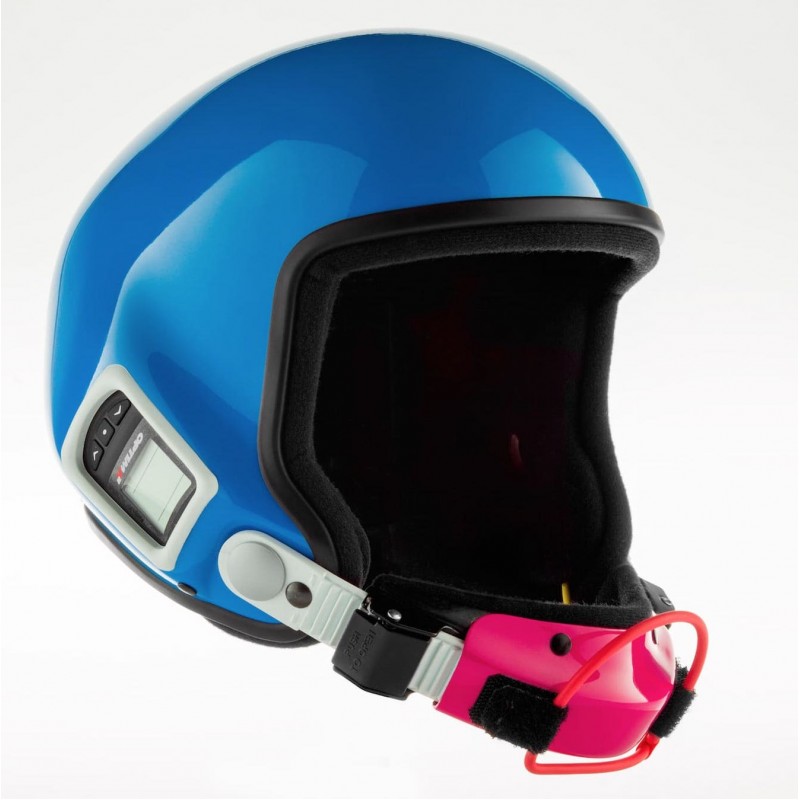

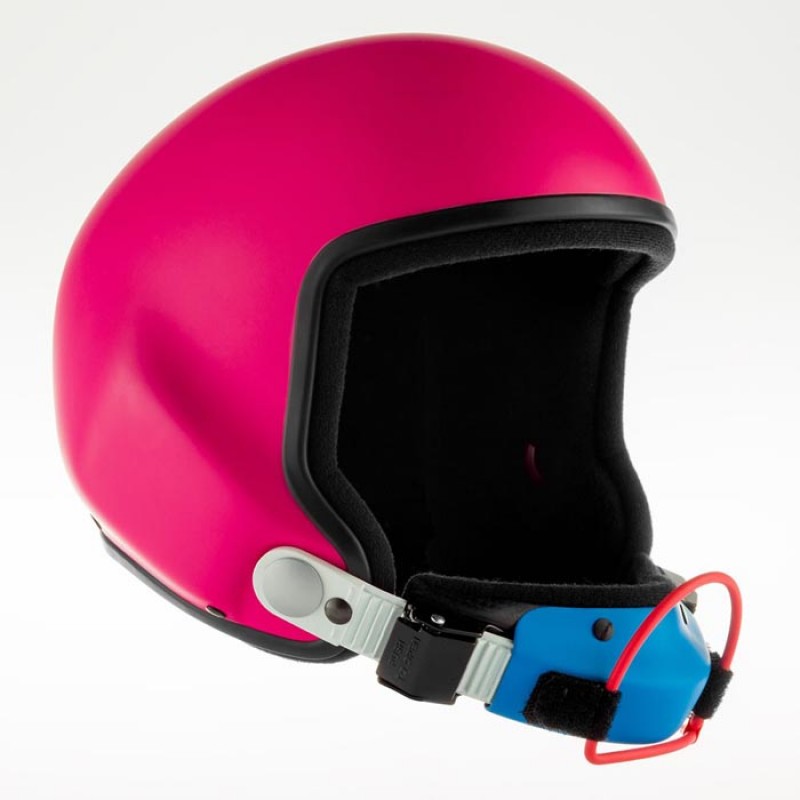
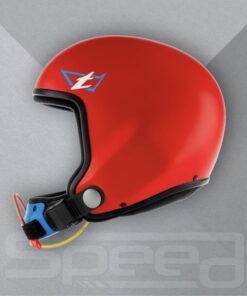
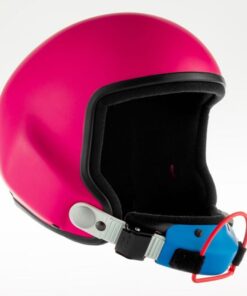
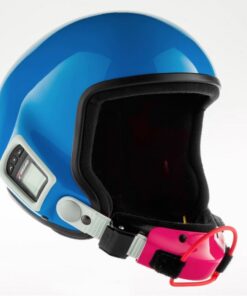
Tonfly Speed Skydiving Helmet

€299.90
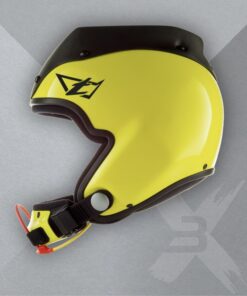
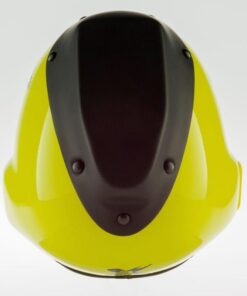
The Tonfly Speed Skydiving Helmet is a lightweight, aerodynamic helmet designed for experienced skydivers who demand exceptional comfort, stability, and performance during freefall. Its streamlined construction helps reduce drag while providing a secure fit for high-speed disciplines, including tracking, freeflying, canopy piloting, and wingsuit flying.
Built with the precision and craftsmanship for which Tonfly is known, the helmet offers excellent visibility, compatibility with audible altimeters, and support for camera mounting systems. Its carefully engineered design promotes comfort during extended use while maintaining the durability required for demanding conditions.
Whether you are an experienced jumper, camera flyer, or dedicated wingsuit pilot, the Tonfly Speed Skydiving Helmet delivers the balance of performance, reliability, and aerodynamic efficiency that modern skydivers expect from premium equipment.
Tonfly Speed Skydiving Helmet – Aerodynamic Open-Face Design for High-Speed Freefall and Camera Flying
The Tonfly Speed Skydiving Helmet is designed for experienced flyers who want a streamlined, purpose-oriented skydiving helmet for fast freefall, technical disciplines, and camera-oriented configurations. Tonfly continues to support the SPEED platform with dedicated accessories, including a SPEED helmet bag and front curved camera box for current GoPro models, while its measuring guide specifically lists SPEED alongside the company’s other open-face helmets.
For anyone comparing skydive helmets, sky diving helmet, sky helmet skydiving, full face skydiving helmet, skydiving helmet full face, g35 helmet, or cookie g4 helmet, the key distinction is purpose. A full-face design emphasizes facial coverage, whereas an open-face speed-oriented helmet can appeal to flyers who prioritize airflow, visibility, audible access, or specialized camera arrangements.
Why Choose a Speed-Oriented Helmet?
High-speed disciplines place unique demands on equipment. During skydiving speed or speed sky diving, aerodynamic stability, secure fit, and reduced unwanted movement become especially important. The same principle applies during a tracking jump, crw skydiving, or advanced canopy flight, where equipment should remain predictable and unobtrusive.
That is why many experienced jumpers researching the best skydiving helmet look beyond appearance alone. They consider fit, accessory compatibility, audible-altimeter integration, camera mounting, discipline, and individual experience level.
Tonfly also supports audible devices that fit its helmets. For example, the QUATTRO provides four high-speed warning altitudes and three low-speed or canopy warnings, including features intended for formation, tracking, and wingsuit applications.
How the Helmet Fits Into Modern Skydiving Equipment
A helmet is only one component of a complete skydiving equipment list. Other essential equipment can include a parachute rig, parachute rigging, container skydive, main canopy, reserve, deployment system, altimeter, suitable clothing, and eye protection such as skydiving glasses or skydiver goggles.
People researching parts of a parachute, linewear, freefly pud handle, landing flight risers, smallest canopy, base canopy, safire 3, or fluid wings are usually exploring different parts of the broader parachuting system. Equipment decisions should always reflect training, exit weight, manufacturer requirements, and qualified instructor or rigger guidance.
Likewise, a skydiving downsizing chart should never replace professional canopy coaching. Canopy choice and progression depend on much more than a single number, particularly as wing loading and performance increase.
Eye Protection, Glasses, and Practical Comfort
A common question is can you wear glasses while skydiving. In many cases, suitable protective eyewear can accommodate prescription glasses, but the exact solution depends on helmet design, goggles, fit, and operator requirements.
An open-face configuration generally leaves the face more exposed than a full-face helmet, so appropriate eye protection becomes especially important. Fit should remain secure without creating pressure points or unwanted helmet movement during freefall.
Tonfly provides a dedicated measuring guide for the SPEED model, reinforcing the importance of correct sizing rather than choosing purely by appearance.
Camera Flying and Accessory Compatibility
The SPEED platform remains particularly interesting for camera-oriented jumpers because Tonfly sells a dedicated SPEED Camera Box Front Curved base for GP 9-10-11-12-13. The company also offers curved GoPro mounts and dedicated SPEED storage bags.
Camera flying, however, introduces additional snag and emergency considerations. Accessories such as a hook blade knife, hook knife skydiving, or skydive hook knife are often discussed as emergency tools within the wider sport, but their selection, placement, and use should follow training and drop-zone procedures.
Wingsuit, Tracking, and Advanced Flight Applications
The modern parachuting community includes disciplines such as wingsuit, wingsuit sport, vector wingsuit, gliding suit wingsuit, skydiving gliding suit, fly suits, indoor wingsuit, and searches for wing suits for sale, price of wingsuit, or even tandem wingsuit.
Helmet choice in these environments depends heavily on experience and discipline. Aerodynamic stability can become especially important during high-speed body flight, while audible altitude awareness also matters. Tonfly-compatible QUATTRO devices specifically include wingsuit-oriented low-speed alerts and high-speed warning functions.
Where the Tonfly Speed Helmet Makes Sense
This type of helmet is best suited to trained jumpers participating in established parachuting environments rather than untrained experimentation. Whether someone is researching parachute jump australia, skydive byron bay, cairns skydiving, ifly colorado springs, skydive belize, or skydiving blue hole belize, local drop-zone rules and equipment requirements should always take priority.
Searches such as weight limit skydiving, new skydive, #skydiving latest, or skydiving website also reflect the importance of checking current operator requirements before booking or selecting equipment.
Understanding Related High-Risk Disciplines
Terms such as base jumping, baseline jumping, fire parachute, and cypress fire skydiving sometimes appear alongside general parachuting searches, but these subjects involve very different systems, risk profiles, and equipment requirements.
Similarly, searches for nude parachute jump or skydiving nude relate more to event novelty than equipment performance and do not change the need for professional instruction, approved gear, secure helmet fit, and compliance with operator rules.
Why the Tonfly Speed Deserves Consideration
The strongest argument for the Tonfly Speed is specialization. It is not simply another generic helmet. Tonfly still provides SPEED-specific fitting guidance, storage equipment, and camera-mount solutions, showing that the platform was developed around actual air-sport use rather than casual styling.
For an experienced jumper pilot or flyer evaluating advanced equipment, the SPEED can make sense where open-face visibility, aerodynamic consideration, camera compatibility, and precise fit matter. Whether paired with a gear bag skydive, specialized skydiving tube, or other discipline-specific equipment, the helmet should always be selected according to training, intended use, fit, and the rules of the relevant drop zone.
Design Philosophy, Comfort, and In-Flight Performance
Engineered for Stability
The effectiveness of any helmet depends on far more than appearance alone. Stability, comfort, aerodynamics, and durability all contribute to the overall experience. When these characteristics are properly balanced, the wearer can concentrate more fully on awareness, communication, altitude management, and body position.
A carefully designed structure reduces unnecessary movement while maintaining a comfortable fit throughout the entire flight. This balance becomes especially important during extended periods of use because even minor pressure points can become distracting over time.
Smooth exterior surfaces, carefully positioned contours, and thoughtfully designed attachment points all contribute to a more streamlined profile.
The Importance of Proper Fit
A helmet should never be selected solely according to its appearance. Proper sizing is essential because a loose fit can compromise comfort and stability, while an overly tight fit may create discomfort and unnecessary pressure.
Several factors should be evaluated before making a final choice:
- Head shape.
- Interior padding.
- Weight distribution.
- Ventilation.
- Visibility.
- Accessory compatibility.
- Ease of adjustment.
Together, these elements influence the overall experience and determine how effectively the helmet performs during actual use.
Why Aerodynamics Matter
Airflow affects both comfort and stability. As speed increases, poorly balanced equipment may create unwanted drag, vibration, or movement. Consequently, manufacturers devote considerable attention to minimizing these effects through careful engineering and extensive testing.
A streamlined design not only improves comfort but also allows the wearer to maintain better concentration throughout the jump. Reduced distractions make it easier to focus on body positioning, altitude awareness, and communication with other participants.
These benefits become increasingly noticeable as experience levels increase.
Comfort During Extended Use
Long periods of wear place unique demands on protective equipment. A well-designed helmet distributes weight evenly across the head while minimizing unnecessary pressure.
Comfort is influenced by several important characteristics:
- Interior padding quality.
- Chin-strap adjustment.
- Weight balance.
- Ventilation efficiency.
- Compatibility with additional equipment.
- Overall structural design.
Attention to these details helps create a more enjoyable experience while reducing physical fatigue.
Visibility and Situational Awareness
Maintaining clear visibility remains one of the most important aspects of safe operation. The ability to observe changing conditions quickly and accurately allows individuals to react appropriately and maintain awareness of their surroundings.
For this reason, experienced participants frequently evaluate viewing angles, peripheral vision, and compatibility with protective eyewear before selecting a helmet.
A carefully designed system provides both protection and unobstructed awareness without sacrificing comfort.
Durability and Long-Term Reliability
Protective equipment must withstand repeated exposure to demanding environmental conditions. Temperature changes, sunlight, moisture, dust, and repeated handling all contribute to normal wear over time.
Manufacturers therefore select materials that provide an effective balance between strength, durability, and overall weight. Proper maintenance further extends service life and helps preserve appearance and functionality.
Routine inspections are also valuable because they allow owners to identify signs of wear before those issues become more significant.
Storage and Transportation
Appropriate storage practices play an important role in maintaining long-term reliability. Equipment should always be protected from excessive heat, unnecessary impacts, and prolonged exposure to moisture.
Protective storage solutions help preserve structural integrity while making transportation more convenient. Many experienced owners also establish regular cleaning routines to remove dust and debris after each use.
These habits contribute significantly to long-term durability.
Practical Advantages in Everyday Use
Ease of use often determines whether equipment becomes genuinely valuable over time. Simple adjustments, comfortable padding, secure fastening systems, and thoughtful engineering all contribute to a more satisfying ownership experience.
Reliable equipment allows individuals to focus on preparation, skill development, and safety rather than constantly making adjustments or correcting avoidable problems.
Ultimately, a carefully engineered helmet becomes an essential component of a complete and dependable equipment system.
Long-Term Performance, Travel Considerations, and Everyday Use
Designed for Repeated Use
Protective equipment is expected to perform consistently throughout countless hours of use. Durability, comfort, and reliability become increasingly important as experience grows and expectations rise.
Repeated exposure to changing temperatures, varying humidity levels, direct sunlight, and continuous movement places considerable demands on every component. Consequently, thoughtful engineering and careful material selection play essential roles in ensuring dependable long-term performance.
This emphasis on reliability helps create a greater sense of confidence during every stage of preparation and use.
Preparing Equipment Before Every Session
Experienced individuals rarely depend upon assumptions when safety is involved. Instead, they rely upon consistent routines that help identify problems before they develop into more serious concerns.
A typical preparation process often includes the following steps:
- Inspecting all visible components.
- Confirming the security of attachment points.
- Checking the condition of straps and padding.
- Ensuring that all accessories function correctly.
- Cleaning exposed surfaces when necessary.
- Reviewing all equipment before use.
Following a consistent routine helps eliminate uncertainty and promotes better overall awareness.
Maintaining Comfort During Extended Wear
Comfort is influenced by much more than simple measurements. The shape of the interior, the distribution of pressure, the effectiveness of ventilation, and the overall balance of the equipment all contribute to the user experience.
Excessive pressure in one area can gradually become distracting, while poor balance may lead to unnecessary fatigue. Consequently, careful adjustment remains an essential part of achieving a secure and comfortable fit.
Many experienced users understand that even minor adjustments can significantly improve overall comfort.
Understanding the Effects of Environmental Exposure
Environmental conditions constantly influence the condition of protective equipment. Moisture, dust, temperature fluctuations, and ultraviolet radiation gradually affect external surfaces and internal components.
Several simple practices can help minimize these effects:
- Storing equipment in a dry location.
- Avoiding prolonged exposure to direct sunlight.
- Cleaning components regularly.
- Inspecting equipment after every use.
- Protecting surfaces during transportation.
- Replacing worn parts when necessary.
These habits contribute greatly to long-term durability.
Transportation and Storage Solutions
Transportation introduces additional challenges because equipment may be subjected to impacts, pressure, vibration, and changing weather conditions. Protective storage solutions help reduce these risks while improving organization and convenience.
Many experienced owners prefer to separate accessories from the primary equipment to minimize unnecessary wear. This approach also simplifies inspections and allows damaged components to be identified more quickly.
Careful organization ultimately saves both time and effort.
Developing Consistent Habits
Strong habits form the foundation of responsible ownership. Consistency encourages discipline, improves awareness, and promotes better decision-making under demanding circumstances.
Several principles remain particularly important:
- Maintain a regular inspection routine.
- Perform maintenance promptly.
- Store equipment properly.
- Follow established procedures carefully.
- Replace damaged components without delay.
- Continue learning through experience.
Over time, these practices become automatic and contribute significantly to long-term reliability.
The Relationship Between Confidence and Experience
Confidence develops gradually through repetition and preparation. Individuals who understand their equipment thoroughly are often able to respond more effectively when circumstances change unexpectedly.
This familiarity also reduces distractions because attention can remain focused on the task itself rather than on the equipment being used.
Experience, therefore, becomes one of the most valuable tools available.
Appreciating Careful Design
Every successful product reflects countless hours of development, testing, and refinement. Designers must balance comfort, durability, practicality, and efficiency while ensuring that each component performs its intended function.
The smallest details often have the greatest influence on the overall experience. Seemingly minor improvements in balance, comfort, and stability can create substantial benefits over time.
This attention to detail explains why carefully engineered equipment often remains highly valued for many years.
A Commitment to Continuous Improvement
Learning never truly ends. Every experience provides an opportunity to refine existing skills and discover new techniques.
Individuals who remain patient and committed to improvement frequently achieve the greatest long-term success because they understand that progress occurs gradually rather than instantly.
Careful preparation, disciplined practice, and responsible ownership remain essential elements of that process.
Closing Perspective
The true value of premium equipment lies not only in its construction but also in the confidence it inspires. Reliability, comfort, durability, and thoughtful engineering work together to create an experience that remains rewarding over the long term.
When equipment is maintained correctly and used responsibly, it becomes a dependable companion capable of supporting years of continued learning, development, and enjoyment.
Advanced Ownership Guide and Final Evaluation
Understanding the Importance of Routine Inspection
Routine inspections are among the most valuable habits any equipment owner can develop. Even products manufactured to exceptionally high standards should be examined regularly because continuous use naturally produces gradual wear over time.
A careful inspection routine allows potential problems to be identified before they become serious concerns. This approach not only improves reliability but also contributes significantly to long-term confidence and peace of mind.
Experienced users understand that consistency is often more valuable than complexity. Small efforts performed regularly usually provide greater benefits than occasional intensive maintenance sessions.
Creating an Effective Care Routine
A structured maintenance routine does not need to be complicated to be effective. Instead, the goal should be to establish a process that can be followed consistently throughout the life of the equipment.
An effective routine often includes the following steps:
- Removing dirt, dust, and debris.
- Inspecting all visible surfaces.
- Examining straps, fasteners, and attachment points.
- Verifying that accessories remain secure.
- Checking for signs of wear.
- Storing equipment correctly after use.
These practices help preserve both performance and appearance.
The Importance of Reliable Construction
Reliability is rarely the result of a single design feature. Rather, it is achieved when every component performs its intended function efficiently and consistently.
Material selection, manufacturing precision, structural design, and quality-control procedures all influence long-term durability. When these elements are combined successfully, the resulting product provides dependable performance under a wide range of conditions.
This level of reliability often becomes increasingly valuable as experience grows.
Adapting to Different Conditions
Environmental conditions constantly influence both equipment and performance. Changes in temperature, humidity, wind conditions, and visibility can all create new challenges.
Individuals who develop a strong understanding of these variables are often better prepared to respond effectively when circumstances change unexpectedly.
This ability develops gradually through observation, experience, and careful preparation.
Building Knowledge Through Experience
Experience is accumulated one step at a time. Every training session provides an opportunity to strengthen existing skills while discovering areas that require further improvement.
Several qualities contribute significantly to long-term progress:
- Patience.
- Discipline.
- Consistency.
- Attention to detail.
- Careful preparation.
- A willingness to learn.
Together, these characteristics create the foundation upon which experience and confidence continue to grow.
Maximizing Long-Term Durability
Long-term durability depends not only on engineering quality but also on responsible ownership. Proper care helps maintain structural integrity while preserving comfort and functionality.
Many experienced owners recommend the following practices:
- Avoid exposing equipment to unnecessary impacts.
- Protect surfaces from prolonged exposure to moisture.
- Inspect all components regularly.
- Follow recommended maintenance procedures.
- Replace damaged parts promptly.
- Store equipment in appropriate conditions.
Preventive maintenance remains one of the most effective methods of preserving long-term performance.
Balancing Comfort and Functionality
Comfort should never be viewed as a luxury. In reality, it plays a critical role in overall effectiveness because discomfort often creates distractions that interfere with concentration and awareness.
An effective design balances comfort with durability, stability, and ease of use. This balance allows the user to remain focused while reducing unnecessary physical strain.
As experience increases, the value of these characteristics becomes even more apparent.
Why Preparation Matters
Preparation contributes directly to both performance and confidence. Individuals who establish strong habits often perform more consistently because they spend less time reacting to avoidable problems.
Preparation also encourages discipline and reinforces responsible behavior. Over time, these habits become automatic and contribute significantly to long-term success.
The most experienced individuals often rely upon simple routines that have been refined gradually over many years.
Looking Toward the Future
Technological development continues to influence equipment design, materials, manufacturing techniques, and overall performance. Nevertheless, certain principles remain unchanged skydiving tube.
Reliability, durability, comfort, and careful preparation continue to define quality regardless of technological progress. These principles form the foundation of every successful ownership experience.
Final Conclusion
True quality is measured not merely by appearance but by consistent performance over an extended period of time. Thoughtful engineering, disciplined maintenance, and responsible ownership work together to create equipment that remains dependable year after year.
Ultimately, long-term satisfaction depends upon selecting equipment carefully, maintaining it properly, and developing the habits necessary to use it responsibly. When these elements come together, the result is an experience that continues to reward dedication, patience, and attention to detail.
Be the first to review “Tonfly Speed Skydiving Helmet”
Related products


Helmet

Helmet

Helmet


Helmet

Helmet
Reviews
There are no reviews yet.