
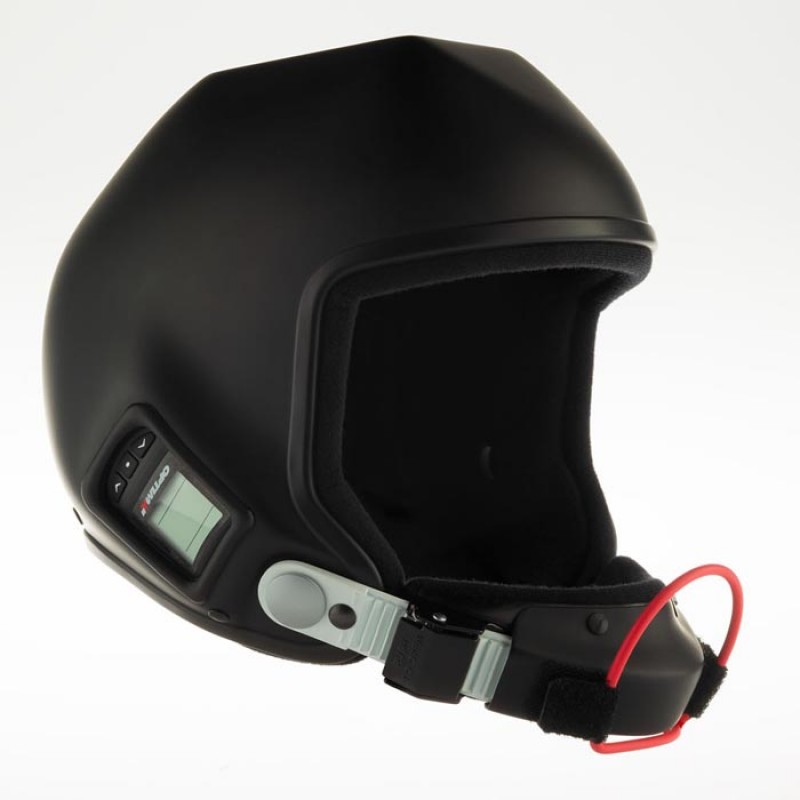
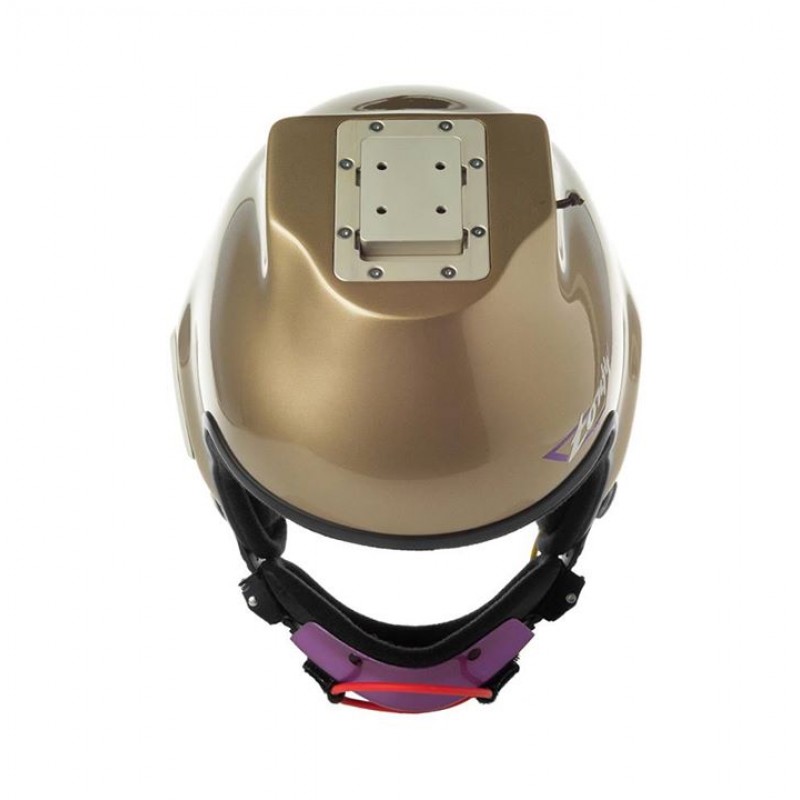


Tonfly 2X Skydiving Camera Helmet
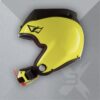
€250.00
Tonfly 2X Skydiving Camera Helmet – Short Product Description
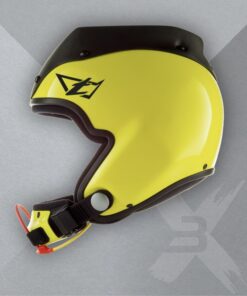
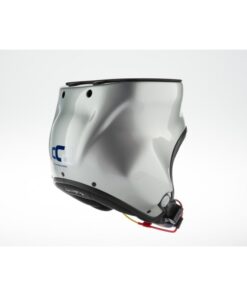
The Tonfly 2X Skydiving Camera Helmet is a professional-grade helmet designed for skydivers, camera flyers, and aerial content creators who demand comfort, stability, and reliable performance during freefall. Built with an aerodynamic profile and lightweight construction, it provides excellent balance while reducing unnecessary drag during high-speed flight.
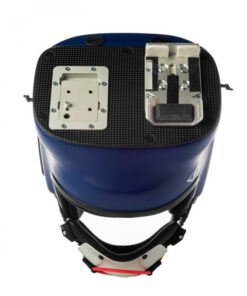
Designed for camera operations, the Tonfly 2X offers a secure platform for mounting action cameras and professional filming equipment while maintaining a comfortable fit during repeated jumps. Its streamlined shape supports disciplines such as freefly, tracking, formation flying, and professional skydiving photography.
With its durable construction, ergonomic design, and focus on performance, the Tonfly 2X is an ideal choice for experienced jumpers looking for a dependable full-feature camera helmet that enhances both safety and filming capability.
Tonfly 2X Skydiving Camera Helmet | Professional Camera Platform for Advanced Skydiving and Aerial Filming
Tonfly 2X Design, Features, Performance, and Buyer Guide
Why Choose the Tonfly 2X Skydiving Camera Helmet?
The main reason experienced skydivers choose a specialized camera helmet is because aerial filming requires equipment that performs reliably in extreme conditions. A normal helmet may provide basic protection, but a dedicated camera platform offers improved stability, better mounting solutions, and a more refined fit.
The Tonfly 2X Skydiving Camera Helmet is designed for jumpers who want a professional solution for capturing formation jumps, freefly sessions, tandem videos, competitions, and training footage. Its aerodynamic shape helps reduce unnecessary airflow resistance, while its secure construction provides confidence during high-speed movement.
For beginners researching skydiving helmet, skydive helmets, or the best skydiving helmet, understanding the purpose of each helmet type is important. Camera helmets are designed differently from traditional student helmets because they must accommodate cameras, accessories, and advanced flying techniques.
How Does a Skydiving Camera Helmet Work?
A skydiving helmet performs several important functions during a jump. First, it protects the head from accidental impacts during aircraft exits, freefall movement, and landing situations. Second, it provides a stable mounting platform for cameras used to record aerial footage.
A camera helmet must remain secure while experiencing powerful airflow forces during freefall. Therefore, proper fitting is essential. A loose helmet can become uncomfortable, unstable, or distracting during a jump.
The Tonfly 2X uses an aerodynamic profile designed to maintain stability during different flying positions, including belly flying, freefly, tracking, and dynamic movement. This makes it suitable for experienced jumpers involved in disciplines such as tracking jump, wingsuit sport, and advanced formation flying.
Comfort and Aerodynamics for Long Jump Days
Comfort becomes increasingly important when completing multiple jumps in one day. A helmet that creates pressure points or excessive weight can cause fatigue and reduce concentration.
The Tonfly 2X focuses on lightweight performance while maintaining structural strength. Its design helps distribute pressure evenly around the head, allowing jumpers to remain comfortable during repeated aircraft climbs and freefall sessions.
Aerodynamics also play an important role. During skydiving speed, speed sky diving, and high-performance freefall movements, airflow can significantly influence body position and stability. A streamlined helmet reduces unnecessary turbulence and helps the jumper maintain better control.
Camera Mounting and Professional Filming
Modern skydiving relies heavily on aerial video, whether for training, entertainment, competition, or professional content creation. A camera helmet provides a stable foundation for mounting equipment securely.
The Tonfly 2X is designed for camera flyers who require dependable camera positioning during dynamic movement. Proper camera alignment is essential because small changes in angle can significantly affect the final footage.
Professional camera jumpers often combine helmets with other accessories listed in a complete skydiving equipment list, including cameras, mounts, communication systems, protective gear, and specialized accessories.
Where and When Should You Use the Tonfly 2X?
The helmet is best suited for licensed skydivers who participate in regular jumping activities. It can be used at professional drop zones, training centers, competitions, and recreational locations worldwide.
Popular destinations such as skydive Byron Bay, Cairns skydiving, and skydive Belize attract experienced jumpers who require reliable equipment for filming and progression. Locations such as skydiving Blue Hole Belize also demonstrate why dependable equipment is important when jumping in unique environments.
For international travelers planning activities such as a parachute jump Australia, selecting appropriate certified equipment is essential before participating.
Understanding Skydiving Equipment Compatibility
A complete setup involves much more than a helmet. Skydivers often use a combination of equipment including:
- Skydiving helmet
- Skydiving glasses
- Skydiver goggles
- Parachute system
- Container skydive system
- Reserve equipment
- Automatic activation device
- Altimeter
- Camera equipment
Understanding the parts of a parachute and how each component works helps jumpers make better equipment decisions. The helmet is only one part of a complete safety system.
Other equipment terms such as parachute rig, skydiving rig, linewear, landing flight risers, and skydiving rigging refer to different parts of the overall parachute system rather than helmet components.
Full Face and Camera Helmet Considerations
Many buyers compare different styles, including full face skydiving helmet, skydiving helmet full face, and open-face designs. Full-face helmets provide additional facial protection and comfort, while open-face camera helmets often provide easier camera operation and communication.
The right choice depends on flying style, personal preference, experience level, and intended use.
Models such as the Cookie G4 helmet and other professional helmets are often compared by experienced jumpers when selecting equipment for camera flying and advanced disciplines.
Advanced Skydiving Applications
The Tonfly 2X can support advanced skydiving disciplines where stability and equipment reliability are important.
Applications may include:
- Freefly training
- Tracking jumps
- Formation filming
- Competition jumps
- Wingsuit activities
- Professional aerial documentation
Related searches such as vector wingsuit, gliding suit wingsuit, skydiving gliding suit, fluid wings, fly suits, tandem wingsuit, and indoor wingsuit represent different areas of aerial sports where specialized equipment is used.
Wingsuit flying requires additional training and specialized gear, including suitable suits and experience with advanced body control.
Safety Accessories and Important Considerations
Skydiving involves specialized safety equipment and responsible preparation. Accessories such as a hook blade knife, hook knife skydiving, and skydive hook knife are commonly associated with emergency equipment carried by experienced jumpers.
A freefly pud handle, emergency procedures, and proper training are also important parts of advanced skydiving preparation.
Equipment such as a cypress fire skydiving system, reserve parachute, and correctly maintained gear contribute to overall safety when used according to manufacturer instructions and training requirements.
Final Overview of the Tonfly 2X
The Tonfly 2X Skydiving Camera Helmet is designed for skydivers who need a reliable, aerodynamic, and professional camera platform. Its combination of comfort, stability, camera compatibility, and lightweight construction makes it a strong choice for experienced jumpers who want dependable performance.
Whether filming professional content, improving freefall skills, participating in competitions, or documenting memorable jumps, the right helmet plays an essential role in achieving better results. With proper fitting, responsible use, and regular equipment checks, the Tonfly 2X provides a practical solution for modern skydiving demands.
Advanced Engineering, Comfort, Durability, and Real-World Skydiving Performance
Designed for Demanding Aerial Environments
A professional skydiving helmet must perform reliably in one of the most dynamic environments in sports. During freefall, the equipment is exposed to strong airflow, rapid movement, changing body positions, and repeated impacts that can occur during aircraft exits or ground handling.
The design philosophy behind a premium camera helmet focuses on creating a balance between protection, comfort, stability, and usability. Every element must work together so the jumper can concentrate fully on flying technique, awareness, and communication rather than being distracted by equipment discomfort.
A well-designed helmet becomes an extension of the skydiver, providing confidence throughout every stage of the jump.
Aerodynamic Performance During Freefall
Airflow management plays an important role in advanced skydiving. During freefall, small differences in helmet shape can influence how air moves around the head and body position.
A streamlined profile helps reduce unnecessary turbulence while allowing smoother movement through the air. This becomes particularly valuable during dynamic maneuvers where stability and precision are required.
Whether performing controlled formations, tracking movements, or advanced freefall positions, maintaining predictable airflow helps the jumper maintain better awareness and control.
Comfort During Multiple Jumps
Comfort becomes increasingly important for skydivers who complete several jumps in one day. A helmet that feels comfortable during the first jump should also remain practical after hours of use.
Proper weight distribution reduces pressure points and minimizes fatigue around the neck and head. Additionally, a secure fit prevents excessive movement while allowing the jumper to maintain natural head positioning throughout the jump.
Long-term comfort contributes directly to better concentration, especially during training days, competitions, and professional filming sessions.
Stability During High-Speed Movement
Skydiving involves constant movement and rapid changes in body position. Equipment must remain stable whether the jumper is flying straight, turning, transitioning between positions, or adjusting body angle.
A secure helmet fit helps prevent unwanted shifting during aggressive movement. This stability allows the jumper to maintain focus while improving consistency during repeated maneuvers.
For camera flyers, stability is especially important because small movements can affect the quality and usefulness of recorded footage.
Built for Professional Camera Applications
Capturing quality aerial footage requires more than attaching a camera to a helmet. The entire system must remain stable while exposed to powerful airflow forces during freefall.
A professional camera platform allows jumpers to position equipment securely while maintaining comfort and accessibility. This makes it easier to focus on framing, flying technique, and communication with other jumpers.
Reliable camera integration is especially valuable for instructors, content creators, competition teams, and jumpers documenting their progression.
Importance of Proper Fit and Adjustment
A correct fit is one of the most important aspects of helmet performance. Every jumper has different head dimensions, and proper adjustment ensures comfort, security, and effective protection.
A helmet that is too loose may move during flight, while one that is too tight may create discomfort during extended use. Finding the correct balance allows the jumper to maintain awareness and confidence throughout the entire jump.
Regularly checking fit is also important because equipment use, padding compression, and environmental factors can gradually affect comfort.
Durability for Regular Use
Skydiving equipment experiences repeated exposure to demanding conditions. A helmet must withstand regular handling, transportation, aircraft environments, and repeated use at the drop zone.
Durable construction helps protect the investment while ensuring dependable performance over time. Proper storage, cleaning, and inspection further extend equipment life.
Maintaining equipment carefully also helps identify wear before it becomes a larger concern.
Supporting Skill Development
Equipment plays an important role in a skydiver’s progression. As skills improve, jumpers often require equipment that can support more advanced techniques and higher performance levels.
A reliable helmet allows the jumper to focus on improving body control, awareness, communication, and overall flying ability. Instead of adapting constantly to equipment limitations, the jumper can concentrate on developing stronger skills.
This relationship between equipment and progression becomes increasingly important as experience grows.
Performance in Different Weather Conditions
Skydiving environments can change significantly depending on location and weather. Temperature, humidity, wind conditions, and visibility may influence comfort and overall experience.
Proper equipment preparation helps jumpers remain comfortable while adapting to different conditions. Checking equipment before every jump ensures that all components are ready for the planned activity.
Preparation and awareness remain essential regardless of experience level.
Maintenance and Equipment Care
Regular maintenance helps preserve performance and reliability. After use, the helmet should be inspected for dirt, damage, loose components, or signs of excessive wear.
Cleaning should be performed using appropriate methods that protect the materials and finishes. Storage in a dry, protected environment helps prevent unnecessary deterioration.
A consistent maintenance routine ensures that the helmet remains dependable throughout many seasons of use.
Why Experienced Jumpers Value Quality Equipment
Experienced skydivers understand that equipment quality directly affects confidence. Reliable equipment allows jumpers to focus on improving technique while reducing unnecessary distractions.
A well-designed helmet provides comfort during long days, stability during complex maneuvers, and dependable support for professional applications.
Ultimately, the value of quality equipment is measured not only by specifications but also by the confidence it provides every time a jumper enters the aircraft. A dependable helmet becomes an essential part of a complete skydiving system, supporting safer, more comfortable, and more enjoyable experiences throughout a jumper’s progression.
Complete Ownership Guide, Safety Practices, Maintenance, and Long-Term Performance
Building Confidence Through Proper Equipment Use
Successful skydiving depends on preparation, experience, and confidence in every piece of equipment used. A helmet is not only a protective accessory; it becomes an important part of the jumper’s overall system, supporting awareness, comfort, and concentration throughout each jump.
When equipment is properly selected, adjusted, and maintained, the jumper can focus more effectively on flying technique, communication, and decision-making. This confidence develops over time through consistent practice and responsible equipment management.
Preparing Before Every Jump
Preparation should always begin before entering the aircraft. A careful inspection allows the jumper to identify possible issues before they affect performance or safety.
The helmet should be checked for proper fit, secure components, and any visible signs of damage. Mounting areas should be inspected carefully, especially when cameras or additional accessories are attached. Any loose parts should be corrected before the jump begins.
A few minutes of preparation can significantly improve confidence and reduce unnecessary distractions during the jump.
The Importance of Proper Fit
A correctly fitted helmet provides both comfort and stability. Every jumper has unique head dimensions, meaning adjustments should be made carefully to achieve a secure but comfortable fit.
A helmet that moves excessively during freefall can become distracting, while excessive tightness may create discomfort during longer days at the drop zone. The ideal fit allows natural head movement while maintaining stability throughout different flying positions.
Regular fit checks are recommended because padding and adjustment systems can change gradually with repeated use.
Developing Better Skydiving Habits
Equipment works best when combined with proper training and disciplined habits. Developing strong procedures before, during, and after each jump improves overall confidence and consistency.
Experienced jumpers create routines that include equipment checks, communication preparation, exit planning, and post-jump inspection. These habits reduce mistakes while allowing more attention to be placed on improving skills.
Consistency in preparation often leads to consistency in performance.
Understanding Equipment Responsibility
Owning specialized skydiving equipment requires responsibility and awareness. Each component should be treated as an important part of the overall system rather than simply an accessory.
Regular inspection helps identify normal wear, accidental damage, or changes that may require attention. Equipment should never be used if there is uncertainty about its condition.
Responsible ownership protects both the investment and the safety of the jumper.
Maintenance for Long-Term Reliability
Proper maintenance helps preserve performance throughout years of use. After each jumping session, the helmet should be inspected and cleaned according to recommended practices.
Dust, dirt, moisture, and environmental exposure can gradually affect materials if they are ignored. Keeping equipment clean and storing it correctly helps maintain appearance while supporting long-term durability.
A simple maintenance routine performed consistently can prevent many avoidable problems.
Storage and Transportation Practices
Correct storage is essential for protecting specialized equipment. The helmet should be stored in a clean, dry environment away from excessive heat, moisture, and unnecessary pressure.
During transportation, protective storage helps prevent scratches, impacts, and accidental damage. A dedicated equipment bag can keep the helmet protected while allowing convenient organization with other essential items.
Careful handling outside of jumping environments is just as important as performance during a jump.
Improving Camera Flying Skills
For jumpers who record aerial footage, skill development involves more than equipment selection. Smooth flying, awareness of surroundings, communication with other jumpers, and thoughtful positioning all contribute to better results.
Camera flying requires practice because the jumper must manage personal movement while also considering framing and subject positioning. Developing these skills gradually improves both safety and footage quality.
Experience remains one of the most valuable tools for improving aerial filming.
Adapting to Different Jumping Environments
Every drop zone and jumping environment presents unique challenges. Weather, altitude, terrain, aircraft type, and local procedures may influence the overall experience.
Experienced jumpers learn to adapt by evaluating conditions before each activity. Preparation, communication, and awareness allow them to make better decisions while maintaining a high level of control.
Flexibility becomes increasingly important as jumpers explore different locations and disciplines.
Protecting Equipment During Travel
Many skydivers travel frequently for events, training, and recreational activities. During transportation, equipment protection becomes especially important.
Using suitable storage methods reduces exposure to damage caused by impacts, pressure, temperature changes, or poor handling. Before traveling, checking that all components are secure helps prevent problems after arrival.
Good travel practices ensure equipment remains ready whenever the next opportunity to jump appears.
Continuous Learning and Progression
Skydiving is a sport where learning continues throughout a jumper’s entire journey. Each jump provides opportunities to improve awareness, technique, communication, and decision-making.
Reviewing previous jumps, studying performance, and receiving guidance from experienced instructors help accelerate progression. Equipment confidence allows jumpers to focus more fully on developing these skills.
Continuous improvement creates a safer and more rewarding experience over time.
Long-Term Ownership Benefits
A high-quality helmet can provide many years of reliable service when properly maintained and responsibly used. Regular inspections, careful storage, and appropriate handling help preserve both function and appearance.
As experience increases, jumpers often develop a stronger connection with their equipment because familiarity creates confidence. Reliable equipment supports better focus, improved performance, and greater enjoyment during every stage of progression.
Ultimately, long-term value comes from combining quality construction with responsible ownership, proper care, ongoing training, and a commitment to safe skydiving practices. This approach ensures that the helmet remains a trusted part of the jumper’s equipment system for many seasons of adventure.
Advanced Skydiving Performance, Professional Use, and Maximizing Equipment Value
Improving Performance Through Experience
Progress in skydiving comes from a combination of training, repetition, awareness, and confidence. While reliable equipment provides an important foundation, the jumper’s ability to make decisions, maintain control, and adapt to changing situations determines overall performance.
Each jump provides valuable experience that improves body awareness, communication, and confidence. Over time, movements become smoother, reactions become faster, and decision-making becomes more natural.
Experienced jumpers understand that progression is a continuous process. Even highly skilled athletes continue refining their techniques and learning from every flight.
Developing Better Awareness in the Air
Situational awareness is one of the most important skills a skydiver can develop. During a jump, the jumper must remain aware of position, altitude, surroundings, other participants, and changing conditions.
Strong awareness allows better timing, smoother transitions, and improved communication. It also helps prevent unnecessary mistakes by encouraging thoughtful decisions throughout the entire jump sequence.
With experience, awareness becomes more instinctive, allowing the jumper to focus on performance while maintaining control.
The Importance of Communication
Effective communication plays a major role in successful skydiving activities. Whether participating in group jumps, training sessions, or professional filming, clear communication helps everyone understand expectations and responsibilities.
Before the jump, planning helps establish objectives and reduce confusion. During the activity, awareness of other jumpers improves coordination and safety.
Good communication creates a more organized environment where participants can perform confidently.
Supporting Professional Applications
Skydiving equipment is often used in professional environments where reliability and consistency are essential. Instructors, photographers, videographers, competitors, and content creators depend on equipment that performs consistently throughout demanding schedules.
Professional use requires additional attention to preparation, maintenance, and organization. Equipment must be ready for repeated use while maintaining comfort during long working days.
Reliable gear allows professionals to focus on creativity, instruction, and performance rather than equipment concerns.
Maintaining Focus During High-Performance Activities
Advanced skydiving requires concentration and discipline. Complex movements, group coordination, and aerial filming demand complete attention throughout the jump.
Maintaining focus begins before leaving the aircraft. Proper preparation, equipment checks, and mental readiness all contribute to better performance once in the air.
Experienced jumpers develop routines that help them remain calm and focused even during challenging situations.
Adapting to Different Flying Styles
Every skydiver develops a personal flying style based on experience, training, and preferred activities. Some focus on precision movements, while others enjoy dynamic flight, formation work, or creative aerial projects.
Adaptability allows jumpers to participate in different environments and disciplines while maintaining confidence. Learning how to adjust techniques according to conditions improves versatility and overall skill.
A flexible approach helps create a more complete understanding of the sport.
Equipment Checks After Every Use
Post-jump inspection is just as important as preparation before a jump. After each activity, equipment should be checked for signs of damage, unusual wear, or changes that may require attention.
Reviewing equipment condition regularly helps identify problems early before they become more serious. This habit also creates a consistent maintenance routine that supports long-term reliability.
Responsible equipment management is a key part of professional-level preparation.
Protecting Equipment Investment
Specialized equipment represents a significant investment, making proper care essential. Careful handling, correct storage, and regular inspections help preserve performance while extending useful life.
Avoiding unnecessary exposure to harsh environments and transporting equipment responsibly reduces the risk of damage. These simple practices help maintain equipment condition over many years.
Protecting equipment also ensures it remains dependable when it is needed most.
Building Confidence Through Reliability
Confidence grows when equipment performs consistently and predictably. Knowing that equipment has been properly maintained allows the jumper to focus completely on the activity itself.
This confidence improves concentration and reduces distractions during preparation and execution. As trust in equipment increases, jumpers can dedicate more attention to improving technique and achieving personal goals.
Reliable equipment becomes an important part of a jumper’s overall progression.
Continuing Education and Skill Development
Skydiving is a sport built around continuous learning. Training, coaching, experience, and personal evaluation all contribute to improvement.
Reviewing performance after each jump helps identify strengths and areas that need additional attention. Learning from experienced professionals also provides valuable knowledge that cannot be gained through practice alone.
A commitment to learning creates safer and more rewarding experiences throughout a jumper’s journey.
Creating a Complete Skydiving Experience
The best experiences come from combining preparation, skill, reliable equipment, and responsible decision-making. Each element contributes to a safer and more enjoyable activity.
When equipment is properly maintained and used alongside strong training habits, jumpers can focus on the excitement and creativity that make the sport unique skydiving tube.
The relationship between jumper and equipment develops over time, creating confidence that supports progression and enjoyment.
Final Thoughts on Long-Term Ownership
A professional-quality skydiving helmet is more than a piece of equipment; it becomes part of the jumper’s personal system and experience. Through proper maintenance, careful handling, and continuous learning, it can provide dependable performance throughout many years of use.
Long-term value comes from responsible ownership, regular inspection, thoughtful preparation, and a commitment to improving skills. When these principles are followed, the helmet continues supporting confidence, comfort, and performance during countless future jumps.
Be the first to review “Tonfly 2X Skydiving Camera Helmet”
Related products


Helmet

Helmet


Helmet

Helmet
Reviews
There are no reviews yet.