






Used Complete 135 rig canopy

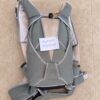
€3,500.00
Used Complete 135 Rig Canopy – SWS Fire, Sabre3 135, Speed-2000 135 & MARS M2 Multi
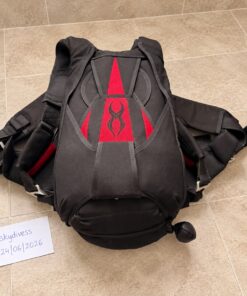
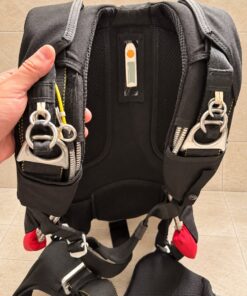
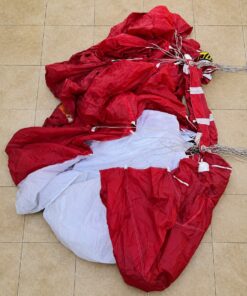
This Used Complete 135 Rig Canopy is a well-maintained, privately owned setup built around an SWS Fire container, Performance Designs Sabre3 135 main canopy, Speed-2000 135 reserve, and MARS M2 Multi AAD.
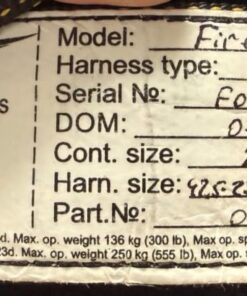
The SWS Fire container has a date of manufacture of July 2018 and was assembled and placed into service in late 2019. It was originally configured with a 150-square-foot main canopy before being changed to the current PD Sabre3 135 in summer 2021.
The Sabre3 135 has approximately 200 jumps and has reportedly been consistently packed and maintained. Its condition is described as very good, with no visible wear beyond what would normally be expected from the stated jump numbers.
The system also includes a Speed-2000 135 reserve. The reserve has completed 7 repacks and has never been deployed in an emergency situation. It is reported to remain in excellent condition.
A MARS M2 Multi AAD is fully integrated into the rig and is reported to be functioning as intended. Buyers should still verify its current service status, settings, battery condition, and installation during the normal pre-purchase inspection.
Key Details
- SWS Fire container
- Container DOM: July 2018
- Rig entered service: Late 2019
- Originally configured with a 150 sq ft main
- PD Sabre3 135 installed in Summer 2021
- Sabre3 135 main canopy
- Approximately 200 jumps on the main
- Speed-2000 135 reserve
- 7 reserve repacks
- 0 reported reserve deployments
- MARS M2 Multi AAD
- Privately owned and carefully maintained
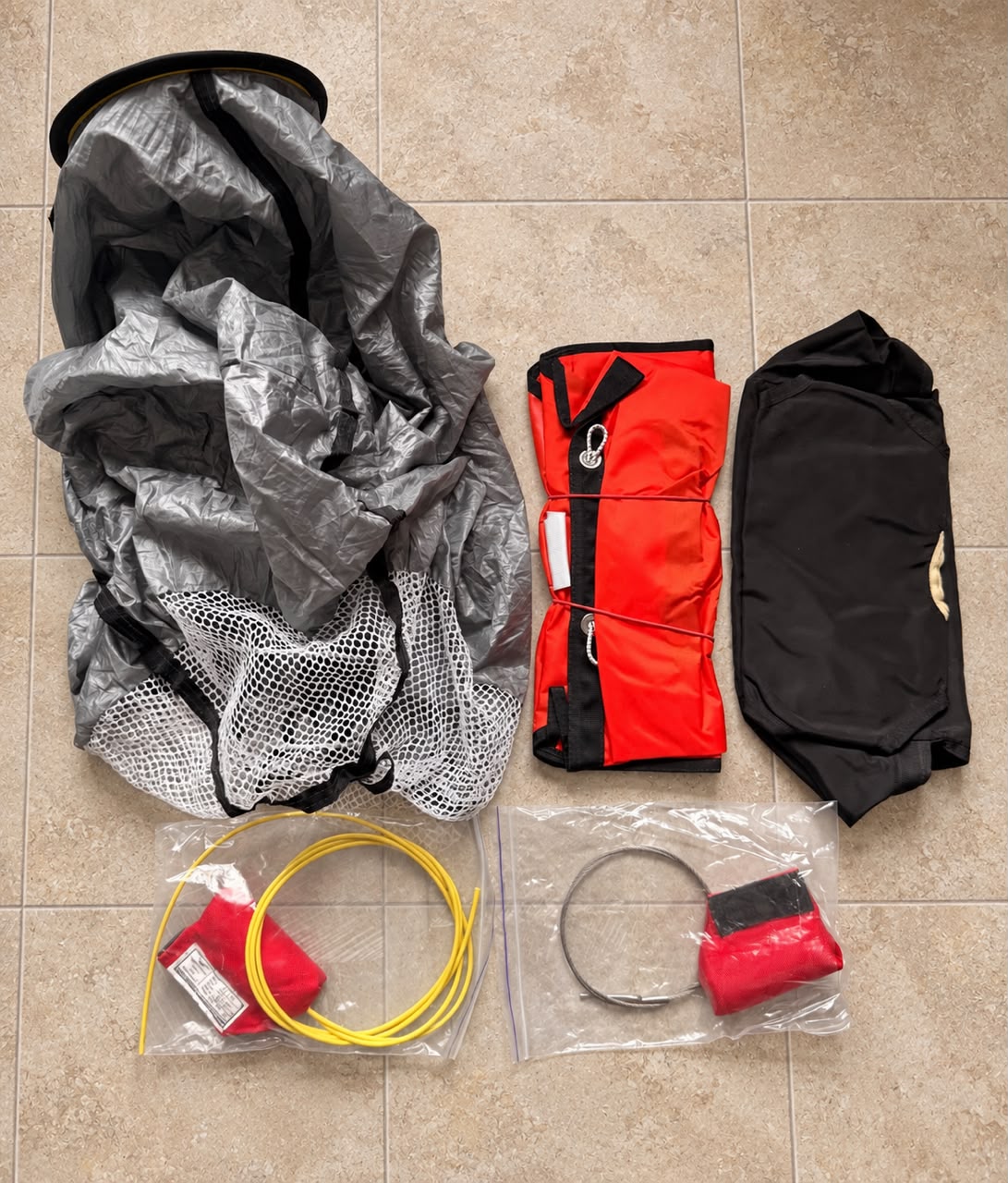
- Spare parts and accessories included as shown in the photos
Overall, this is a complete and established setup for an appropriately experienced jumper looking for a compact 135-square-foot configuration with a relatively low-jump main canopy and an unused-in-emergency reserve. As with any used parachute system, the complete rig should be professionally inspected before use to confirm harness fit, canopy condition, reserve status, AAD serviceability, and overall component compatibility.
Used Complete 135 Rig Canopy – SWS Fire, PD Sabre3 135, Speed-2000 135 & MARS M2 Multi
Complete 135 Rig Overview
This Used Complete 135 Rig Canopy offers an assembled sport-skydiving system for an appropriately experienced jumper looking for privately owned and carefully maintained equipment. The package combines an SWS Fire container, Performance Designs Sabre3 135 main canopy, Speed-2000 135 reserve, and MARS M2 Multi AAD, together with additional spare parts and accessories shown with the equipment.
The container has a July 2018 date of manufacture and was reportedly assembled and placed into service in late 2019. It was initially configured around a 150-square-foot main canopy before being changed to the present PD Sabre3 135 during summer 2021.
The system has been privately owned and responsibly used. All components are reported to remain in good condition, while routine packing and maintenance have been performed throughout its service life.
SWS Fire Container – DOM July 2018
The SWS Fire provides the structural foundation of this parachute rig. As with any container skydive system, the harness, main and reserve compartments, deployment components, closing system, risers, handles, hardware, and stitching all contribute to the complete configuration.
Anyone researching the parts of a parachute or professional skydiving rigging should understand that fit and component compatibility are just as important as cosmetic condition.
The container began service with a 150-square-foot main. Subsequently, the system was configured for the current 135-square-foot canopy. This history is useful for buyers evaluating canopy volume and the overall progression of the setup.
However, a skydiving downsizing chart should never be used as the sole basis for determining whether a 135 is suitable. Exit weight, experience, recent currency, coaching, landing consistency, and canopy-control ability remain essential considerations.
Performance Designs Sabre3 135 Main Canopy
The current main is a Performance Designs Sabre3 135 with approximately 200 jumps.
It has reportedly been consistently packed and maintained, with no visible wear beyond what would be expected from the stated jump numbers. Nevertheless, fabric condition, stitching, suspension-line condition, linewear, slider components, steering lines, attachment points, and associated hardware should be examined during the normal pre-purchase inspection.
The 135-square-foot configuration can offer responsive canopy flight for a suitably trained jumper. Therefore, buyers should focus on whether the canopy matches their current abilities instead of attempting to fly the smallest canopy possible.
Appropriate instruction remains important whether someone primarily performs conventional formation jumps, a tracking jump, CRW skydiving, or eventually participates in wingsuit sport.
Speed-2000 135 Reserve
The system includes a Speed-2000 135-square-foot reserve.
According to the supplied history, the reserve has completed seven repacks and zero reserve rides or emergency openings. It is reported to remain in excellent condition.
Even though it has never been deployed in an emergency, the reserve should continue to be inspected and packed according to applicable regulations and professional requirements.
Reserve loading should also be considered carefully. A buyer searching weight limit skydiving information should calculate total exit weight and discuss the resulting loading with an instructor or qualified equipment professional.
MARS M2 Multi AAD
An integrated MARS M2 Multi AAD is included and is reported to be fully integrated and functioning as intended.
Its present service status, installation, settings, documentation, and compatibility should still be verified during inspection.
Search terms such as cypress fire skydiving and fire parachute are sometimes used when people are researching activation devices or the Fire container, but this specific setup uses the stated MARS M2 Multi.
Equipment Included With the Rig
In addition to the complete system, spare parts and accessories shown in the photos are included.
Depending on the jumper’s personal setup, other equipment may include a skydiving helmet, skydive helmets, sky helmet skydiving, full face skydiving helmet, skydiving helmet full face, G35 helmet, Cookie G4 helmet, best skydiving helmet, skydiver goggles, skydiving glasses, hook blade knife, hook knife skydiving, skydive hook knife, and gear bag skydive.
Those asking can you wear glasses while skydiving should ensure that their chosen helmet and eye protection accommodate prescription eyewear correctly.
A freefly PUD handle, landing flight risers, specialized fly suits, and similar equipment should be selected according to training and compatibility.
Different Skydiving Disciplines and Locations
A complete rig can be relevant to sport jumpers visiting operations associated with searches such as parachute jump Australia, Skydive Byron Bay, Cairns skydiving, Skydive Belize, skydiving Blue Hole Belize, new skydive, #skydiving latest, or a general skydiving website. Individual drop-zone equipment requirements should always be checked before traveling.
The equipment should not automatically be considered suitable for unrelated disciplines such as base jumping, baseline jumping, or use with a base canopy.
Likewise, searches for vector wingsuit, wingsuit, gliding suit wingsuit, skydiving gliding suit, indoor wingsuit, wing suits for sale, price of wingsuit, fluid wings, and tandem wingsuit describe separate equipment or disciplines rather than accessories included with this sale.
Terms such as skydiving speed, speed sky diving, jumper pilot, skydiving tube, Safire 3, iFly Colorado Springs, nude parachute jump, and skydiving nude also relate to broader skydiving subjects rather than the specification of this particular system.
Why Consider This Complete Rig?
The main advantage of this setup is that the essential components are already assembled into one maintained system. Rather than purchasing a container, main, reserve, and AAD separately, the buyer receives an established configuration featuring a relatively low-jump Sabre3 135, an unused-in-emergency Speed-2000 reserve, and an integrated MARS M2 Multi.
For the appropriately experienced jumper, this combination can provide a practical route into personally owned equipment. However, final suitability should always depend on professional inspection, correct harness fit, acceptable wing loading, current component status, and the jumper’s actual skill level.
Detailed Condition, Performance, Fit, Maintenance, and Practical Ownership
This complete 135 setup should be evaluated as an integrated parachute system rather than as a collection of separate components. The SWS Fire container, Performance Designs Sabre3 135 main canopy, Speed-2000 135 reserve, and MARS M2 Multi activation device have all served different roles throughout the life of the equipment. Therefore, understanding the condition, history, compatibility, and practical use of each component is important before the system changes ownership.
The rig has reportedly remained under private ownership and has been cared for throughout its service life. It was assembled and placed into service in late 2019 after the container was manufactured in July 2018. Initially, the system carried a 150-square-foot main canopy. Later, during summer 2021, the configuration was changed to the current 135-square-foot main.
That history gives a prospective owner a useful picture of how the setup developed and how long its current configuration has been in use.
Privately Owned and Maintained
Private ownership can be valuable because the equipment may have remained with one person who became familiar with its condition and maintenance history.
According to the supplied information, the complete system has been packed, stored, and maintained using normal skydiving practices. The components are reported to remain in good condition, and there are no stated concerns about unusual damage or misuse.
Nevertheless, a used system should always receive a professional inspection before purchase or before being returned to regular service with a new owner.
A professional can examine areas that may not be obvious during a basic visual inspection. These include harness webbing, stitching, attachment points, metal hardware, closing components, risers, deployment components, canopy fabric, suspension lines, reserve assembly, and the installation of the activation device.
A clean appearance alone cannot establish airworthiness.
SWS Fire Container Condition
The SWS Fire container has a date of manufacture of July 2018 and was placed into service approximately one year later.
Its history with both a 150-square-foot main and the current 135-square-foot main indicates that the container has been used through a planned equipment progression.
The container should be inspected for abrasion, damaged stitching, worn webbing, unusual fading, corrosion, contamination, and any evidence of previous repairs.
Particular attention should be given to high-load areas of the harness.
Leg straps, chest strap areas, main lift webbing, riser attachment areas, and reinforcement points can experience repeated loading over years of use.
Any repair or alteration should be identified and assessed.
The container’s current condition should ultimately determine its continued serviceability rather than age alone.
Sabre3 135 Main Canopy
The Performance Designs Sabre3 135 has approximately 200 jumps.
For a main canopy, this is a useful piece of information because jump count provides a broad indication of total use. However, how those jumps were performed and how the equipment was cared for can influence condition just as much as the number itself.
The canopy has reportedly been consistently packed and maintained and shows no visible wear beyond what would be expected from its jump numbers.
Before purchase, the fabric should be examined carefully for abrasion, tears, repairs, stains, burns, or weakened sections.
The suspension lines should also be checked.
Line condition can influence opening characteristics, flight behavior, and landing performance. Over time, lines may experience wear, shrinkage, stretching, or changes in trim.
Steering lines, cascades, attachment points, connector links, slider components, and toggles should therefore be included in the inspection.
A canopy with relatively modest use can still require maintenance if any of these components show unusual wear.
Practical Performance of the 135 Main
A 135-square-foot main can provide responsive performance for a jumper who already has the appropriate experience and training.
The size alone does not determine whether it is suitable.
Total exit weight plays an important role because the same canopy may behave very differently when used by jumpers of different weights.
Experience, recent activity, landing consistency, training background, and comfort with faster canopy flight also matter.
A prospective owner should already be capable of flying predictable landing patterns and making good decisions in traffic.
Reliable flare technique, altitude awareness, heading control, wind assessment, and safe approach planning should be well established.
The main canopy should support continued development rather than creating unnecessary difficulty.
Speed-2000 135 Reserve
The Speed-2000 135 reserve has reportedly completed seven repacks and has never been deployed during an emergency.
The lack of emergency use is useful background information, but it does not remove the need for regular reserve inspection.
A reserve can spend extended periods packed inside the container, so every scheduled inspection remains important.
During a repack, the rigger should evaluate the canopy fabric, suspension lines, reinforcement areas, stitching, deployment components, and general condition.
The packing data card should also be reviewed.
Because the reserve is also 135 square feet, the prospective owner should consider how its size relates to total exit weight.
Emergency landings may occur in less convenient areas than normal landings.
For that reason, the reserve should provide a level of performance that the jumper can reasonably control even under stressful circumstances.
MARS M2 Multi Activation Device
The system includes a MARS M2 Multi that is reported to be integrated and operating as intended.
Its presence adds an important electronic component to the system, but the buyer should still verify its exact status before use.
Battery status, service information, manufacture details, settings, installation, cutter placement, display condition, and documentation should all be reviewed.
The device should also be configured correctly for the intended use.
Electronic safety equipment should never simply be assumed to be current because it powers on.
The owner should become familiar with the manufacturer’s operating procedures and inspection requirements.
Harness Fit and Comfort
Even when the canopy configuration is appropriate, harness fit remains essential.
A system can be technically sound while still being unsuitable for a particular body shape.
The prospective owner should try the harness on whenever possible.
The leg straps should sit securely and comfortably. The chest strap should be positioned correctly, while the main lift web and shoulder areas should follow the body naturally.
The system should remain stable when the wearer moves.
Sitting, standing, bending, and adopting normal freefall positions can help reveal whether the harness is too short, too long, too loose, or overly restrictive.
Proper fit becomes especially important during deployment because the opening load is transferred through the harness.
Comfort therefore has both practical and functional importance.
First Jumps After Purchase
A new owner should avoid treating the first jump on unfamiliar personal equipment as an ordinary routine jump.
Time should first be spent becoming familiar with the complete setup on the ground.
The jumper should learn the position of all handles, understand the harness adjustments, review the activation device operation, and rehearse emergency procedures.
The first few jumps should ideally take place in familiar surroundings and manageable conditions.
This allows the jumper to concentrate on how the equipment feels during exit, freefall, deployment, canopy flight, and landing.
A conservative approach can make the transition to new equipment easier and more predictable.
Storage and Long-Term Care
Proper storage helps protect parachute equipment from unnecessary deterioration.
The rig should be kept in a clean, dry environment and protected from prolonged direct sunlight, excessive heat, moisture, chemicals, sharp objects, and rough surfaces.
Leaving the system inside a very hot vehicle for extended periods should be avoided.
If the equipment becomes wet or heavily contaminated, appropriate professional advice should be obtained before continued use or storage.
A protective equipment bag can reduce exposure to abrasion and dirt during transportation.
Documentation and Future Maintenance
The owner should keep accurate records throughout the life of the system.
Reserve repacks, repairs, inspections, replacement components, activation-device information, line maintenance, and other significant work should be documented whenever possible.
Good records make long-term ownership easier and can improve transparency if the rig is eventually sold.
The most valuable maintenance approach is preventative rather than reactive.
Small signs of wear should be investigated before they develop into larger problems.
With appropriate inspection, careful maintenance, correct fit, suitable loading, and responsible use, this complete 135 setup can provide a practical and well-established platform for an experienced jumper who wants a fully assembled personal system with a documented component history.
Real-World Use, Flight Characteristics, Safety Planning, and Long-Term Ownership
A complete 135 setup should be judged by how well the entire system supports the jumper during normal use, not only by individual component specifications. The SWS Fire container, Sabre3 135 main canopy, Speed-2000 135 reserve, and MARS M2 Multi form a compact, performance-oriented configuration that can suit an appropriately experienced jumper who understands canopy control, equipment maintenance, and disciplined progression.
Because the system has already been assembled and used as a complete setup, the next owner benefits from an established configuration. However, a change of ownership should still be treated as a fresh evaluation point. Harness fit, component condition, reserve status, activation-device function, and canopy suitability should all be reviewed before regular use begins.
Real-World Use of the Complete System
One of the strongest advantages of owning a complete personal system is consistency.
Using the same harness and container repeatedly allows the jumper to become familiar with how the equipment feels in the aircraft, how the handles are positioned, how the harness settles around the body, and how the system behaves during deployment.
That familiarity can improve confidence and reduce unnecessary variation between jumps.
The same principle applies under canopy. Repeated use of the same main canopy helps the jumper understand normal opening characteristics, control pressure, turning response, glide behavior, descent characteristics, and flare timing.
Over time, the owner develops a clearer sense of what is normal for the equipment.
That makes unusual behavior easier to recognize.
Understanding the Sabre3 135 in Practical Use
The Sabre3 135 is the primary flight component in the current configuration.
With approximately 200 jumps, the canopy is reported to remain in good condition and to have been consistently packed and maintained.
A canopy of this size can provide responsive handling and strong performance when matched to the right jumper.
However, the actual experience under canopy depends heavily on exit weight.
A lighter jumper may experience a moderate loading, while a heavier jumper may experience substantially faster flight and more demanding landing characteristics.
For this reason, canopy size should never be considered in isolation.
The jumper should know total exit weight and understand the resulting loading.
The goal should be a configuration that allows consistent control rather than simply choosing equipment because it feels fast or responsive.
Building Consistent Landing Performance
A jumper using a 135-square-foot main should already have reliable landing skills.
This includes the ability to fly predictable patterns, judge altitude accurately, manage surrounding traffic, respond to changing wind conditions, and perform controlled flares.
Good canopy handling is built through repetition.
The jumper should be able to make sound decisions even when the landing area is busy or when conditions are less convenient than expected.
Accuracy should not depend entirely on perfect weather.
Instead, the jumper should understand how wind direction, wind strength, turbulence, traffic, and landing-area layout can affect the approach.
Consistent control is more important than aggressive performance.
Reserve Readiness
The Speed-2000 135 reserve has reportedly received seven repacks and no emergency deployments.
This history is encouraging, but reserve readiness depends on current inspection and proper packing.
A reserve spends most of its life unused, which makes routine inspection especially important.
The fabric, lines, slider, attachment points, deployment components, and packing configuration should remain within acceptable condition.
The reserve’s size should also be considered carefully.
A 135-square-foot reserve may behave differently from a larger reserve, particularly at higher exit weights.
The owner should understand how the reserve is likely to perform and should feel comfortable with the potential landing characteristics.
Emergency situations often involve limited time and reduced landing options.
A reserve should therefore be something the jumper can realistically manage.
MARS M2 Multi Operation
The integrated MARS M2 Multi adds an electronic safety component to the system.
Because it is reported to be functioning as intended, the buyer should verify the device status rather than assuming that basic operation confirms complete serviceability.
The owner should review battery condition, settings, service requirements, installation, and available documentation.
The device should also be configured for the intended type of jumping.
Understanding how to turn the unit on, confirm correct operation, interpret the display, and recognize warning conditions should become part of normal equipment preparation.
The device can support the overall system, but it should never replace altitude awareness or emergency-procedure training.
Harness Fit During Actual Use
Harness fit influences comfort throughout every stage of a jump.
The system should remain stable during movement in the aircraft and should not shift excessively during freefall.
The leg straps should remain secure without creating unnecessary pressure.
The shoulder area should provide support without restricting movement.
During deployment, the harness should distribute opening forces across the body in the intended way.
An uncomfortable or poorly fitting harness may become more noticeable after several jumps in one day.
For that reason, fit should be evaluated under realistic conditions rather than through a brief standing test alone.
A buyer should move, sit, bend, and simulate normal body positions while wearing the system.
Packing and Routine Handling
Consistent packing contributes to predictable equipment behavior.
The current main canopy has reportedly been packed and maintained consistently throughout its use.
The next owner should continue using careful packing practices and should become familiar with the way the system is normally arranged.
If opening characteristics change significantly, the cause should be investigated rather than ignored.
Possible factors can include body position, packing technique, line condition, slider position, or canopy trim.
Routine handling also matters after landing.
The rig should not be dragged across rough surfaces, left exposed to unnecessary sunlight, or placed in areas where dirt, fuel, chemicals, or moisture may contaminate the equipment.
Small habits can make a significant difference over the life of the system.
Storage Between Jumping Periods
Storage should protect the rig rather than simply keep it out of the way.
A clean, dry, temperature-controlled environment is preferable.
The system should be kept away from prolonged heat, direct sunlight, moisture, sharp objects, and chemicals.
Extended storage inside a hot vehicle is not ideal.
If the rig is stored for a long period, the owner should inspect it carefully before returning to regular use.
Long-term storage can also be a good time to review reserve status, activation-device requirements, and maintenance records.
Traveling With the Rig
Travel introduces additional handling and environmental changes.
When transporting the system, the owner should use a protective bag and keep the equipment secure.
During air travel, useful documentation should remain accessible.
After arrival, the jumper should inspect the system before jumping, especially if the rig has been handled by other people during transportation.
Different locations can also introduce unfamiliar landing areas, altitude differences, stronger winds, or different operating procedures.
The first jump at a new location should therefore be approached with additional awareness.
Monitoring Wear Over Time
A well-maintained rig still changes with use.
Suspension lines wear, webbing experiences repeated loading, hardware can develop marks, and fabric may gradually show signs of age.
The owner should learn to recognize normal wear and should seek professional evaluation whenever something appears unusual.
Early maintenance is usually easier than waiting until a component becomes significantly worn.
Periodic professional inspection can also identify problems that may not be visible to the owner.
Progression Without Unnecessary Downsizing
The current 135-square-foot configuration should only be changed when there is a genuine reason to do so.
A higher jump number does not automatically mean a smaller canopy is necessary.
If the current setup continues to match the jumper’s weight, goals, and performance level, there may be considerable value in remaining on familiar equipment.
Progression can also mean improved accuracy, smoother landings, stronger decision-making, better traffic management, and more refined control.
Canopy size is only one part of development.
Overall Ownership Value
This complete setup offers an established combination of container, main canopy, reserve, and activation device.
Its strongest value lies in the fact that the major components are already assembled into one functioning system with a clear reported history.
For the right jumper, this can reduce the complexity of purchasing separate components and trying to build a compatible setup from scratch.
However, responsible ownership still requires professional inspection, correct fit, appropriate loading, routine maintenance, accurate records, and disciplined equipment checks.
When those responsibilities are handled properly, the system can provide a practical platform for regular jumping, continued skill development, and long-term familiarity with personally owned equipment.
Buyer Suitability, Component Evaluation, Ownership Costs, and Responsible Progression
A complete parachute system should be selected according to the jumper who will actually use it rather than simply because the individual components appear attractive. This particular setup combines a 2018 container, a 135-square-foot main canopy with approximately 200 jumps, a 135-square-foot reserve with seven repacks and no reported emergency deployments, and an integrated electronic activation device. Together, these components create a compact personal system that should be considered carefully in relation to experience, body weight, current ability, and intended use.
The system has reportedly been privately owned and maintained throughout its service life. That history is useful, particularly because privately owned equipment is often used consistently by the same person. However, a new owner should still evaluate every component independently before placing the system into service.
Determining Whether the System Is Appropriate
The first question for any prospective buyer should be whether the current configuration matches their present ability.
A 135-square-foot main canopy should not be selected simply because a jumper wants a smaller or more responsive setup. The actual performance will depend considerably on total exit weight, experience, currency, and canopy-control skills.
A jumper should already demonstrate consistent control before using equipment of this size. Predictable approaches, accurate altitude judgment, traffic awareness, flare control, crosswind decision-making, and the ability to adjust a landing pattern when conditions change should already be established.
A buyer should also consider how frequently they currently jump.
Someone who accumulated significant experience several years ago but now jumps infrequently may need a more conservative setup than another jumper with the same total jump number who remains highly current.
Recent experience matters because canopy judgment and reactions benefit from regular practice.
Evaluating the Main Canopy Carefully
The current main has approximately 200 jumps and is reported to show no visible wear beyond what would normally be expected from that level of use.
Even so, a pre-purchase inspection remains valuable.
The fabric should be evaluated for abrasions, small tears, damaged stitching, contamination, repairs, and unusual changes in material condition.
The line set should receive equal attention.
Lines can gradually change through repeated openings and normal flight loads. Wear may appear around attachment points, cascades, steering lines, or other high-contact areas.
Changes in line trim can also affect opening behavior and flight characteristics.
Therefore, an inspection should consider not only whether the lines appear intact but whether their overall condition remains suitable for continued service.
The slider, connector components, steering system, and attachment points should also be checked.
A canopy may look excellent when spread out while still having smaller components that require attention.
Assessing the Reserve as Part of the Purchase
The reserve is reported to have undergone seven repacks without an emergency deployment.
That is useful history, but the next owner should focus primarily on present condition and suitability.
A reserve should be inspected according to applicable requirements before the equipment is used by a new owner.
The rigger should evaluate the fabric, lines, stitching, reinforcement areas, deployment components, and packing records.
The reserve size also deserves specific attention.
A 135-square-foot reserve can provide substantially different performance depending on the jumper’s total exit weight.
A heavier owner may experience higher forward speed and descent characteristics than a lighter owner using the same canopy.
Emergency conditions may also involve limited landing areas, unfamiliar terrain, or increased stress.
Consequently, a buyer should choose a reserve that they are realistically prepared to fly and land under those circumstances.
Checking the Container and Harness
The container was manufactured in July 2018 and reportedly entered service in late 2019.
Although its age is useful information, actual condition should carry more weight.
A professional inspection should examine the fabric, main lift web, leg straps, chest strap, stitching, hardware, reserve compartment, main compartment, riser areas, and deployment components.
Areas exposed to repeated movement or friction should receive particular attention.
The prospective owner should also verify harness fit.
A well-fitting harness should remain stable while allowing natural movement.
The leg straps should sit securely without excessive pressure, while the shoulders and torso should feel supported.
Standing still for a few minutes is not always enough to evaluate fit.
The buyer should sit, crouch, bend, and move while wearing the equipment.
These movements provide a better indication of how the harness may feel inside an aircraft and during normal jumping.
Evaluating the Electronic Device
The integrated activation device is reported to be operating correctly.
Nevertheless, the buyer should verify its current service status rather than relying only on the fact that it powers on.
The date information, battery status, settings, maintenance requirements, installation, display, and cutter arrangement should be checked.
The owner should also understand how to operate the device correctly.
Turning it on should become part of normal preparation, while the display should be checked before use.
Any warning indication or unusual behavior should be investigated before jumping.
Electronic safety equipment adds another layer to the system, but it does not replace normal altitude awareness, deployment procedures, or emergency training.
Understanding the Total Purchase Cost
The purchase price of a complete system should not be considered the only ownership expense.
A buyer should also budget for inspection, reserve repacking, possible maintenance, replacement components, future line work, electronic-device servicing, and normal wear items.
An inspection before purchase can help reveal whether additional costs are likely in the immediate future.
For example, a canopy may remain structurally sound while its line set is approaching replacement.
The container may also require minor maintenance even though the complete system appears visually clean.
Understanding these potential costs before completing the purchase helps prevent unexpected expenses.
Reviewing Documentation
Good documentation can add substantial value to used equipment.
The buyer should review whatever records are available for the container, reserve, main canopy, and electronic device.
Reserve packing records are particularly important.
They provide information about previous repacks and may also contain notes concerning inspections or maintenance.
Main-canopy records are not always as detailed, but receipts for line work or repairs can still provide valuable history.
Serial numbers and identification labels should also be checked against the information supplied with the sale.
Maintaining these records after purchase will help the next owner track future work accurately.
Transitioning to the System
Once the system has passed inspection and has been confirmed as suitable, the jumper should become familiar with it before attempting more demanding jumps.
The first few uses should focus on understanding the equipment.
Handle locations should be practiced on the ground.
Harness adjustments should become familiar.
Emergency procedures should be rehearsed while actually wearing the system.
The owner should also become familiar with normal opening characteristics and canopy response before introducing unnecessary complexity.
Jumping in manageable conditions at a familiar location can make this transition easier.
A conservative first approach allows the jumper to concentrate on the equipment rather than simultaneously adapting to difficult weather or an unfamiliar landing environment.
Avoiding Progression Based Only on Equipment Size
Progression should not be measured entirely by canopy size.
A smaller canopy does not automatically represent greater skill.
A jumper can continue progressing while remaining on the same equipment by improving accuracy, pattern planning, flare technique, traffic management, crosswind handling, and overall decision-making.
If the 135-square-foot main remains appropriate for the jumper’s exit weight and experience, there may be no reason to change it simply because more jumps have been completed.
Consistency can often provide more practical value than frequent equipment changes.
Maintaining the Rig Over the Long Term
Routine care should continue throughout ownership.
The equipment should be stored in a clean, dry environment away from excessive heat, moisture, chemicals, sharp objects, and prolonged sunlight.
After each jumping period, the owner should check for unusual wear or contamination.
Any noticeable change in opening behavior, canopy response, harness condition, or electronic-device operation should be investigated promptly.
Professional inspections should also remain part of the maintenance routine.
A qualified rigger may identify developing wear that is difficult for the owner to detect.
Addressing small problems early can protect surrounding components and reduce the likelihood of more expensive repairs later.
Overall Buyer Perspective
This complete system can provide an established and well-rounded configuration for an appropriately experienced jumper who wants personally owned equipment with a documented usage history.
The container was manufactured in 2018 and entered service in late 2019. The current main was installed in 2021 and has approximately 200 jumps. The reserve has undergone seven repacks without a reported emergency deployment, while the electronic device is stated to be integrated and functioning correctly.
These details make the system worth evaluating, but they should never replace professional inspection.
The strongest purchase decision will come from confirming the condition of every component, verifying harness fit, understanding canopy loading, reviewing available records, and ensuring the system matches the jumper’s current ability.
When those factors are addressed carefully, the setup can offer consistent performance, equipment familiarity, and a practical foundation for continued development and responsible long-term ownership.
Be the first to review “Used Complete 135 rig canopy”
Related products

used products
used products
used products


used products


used products

used products
used products
Reviews
There are no reviews yet.