


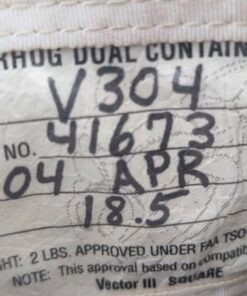
Used Vector 304 + Optimum 113
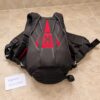
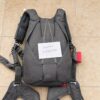
€2,200.00
Used Vector 304 + Optimum 113 with Skyhook
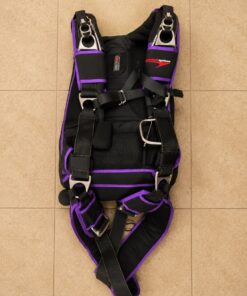
This Used Vector 304 + Optimum 113 setup is a solid foundation for an experienced or appropriately progressing jumper who wants to build a personalized parachute system around an established harness, container, reserve, and Skyhook configuration.
The system was manufactured in August 2015 and includes a Vector 304 container, Optimum 113 reserve, and Skyhook. The reserve has reportedly undergone 9 repacks and has had 1 use. Because reserve condition is critical, the canopy, lines, deployment components, packing records, and overall configuration should be professionally inspected before the system is returned to service.
The harness was reportedly made for someone approximately 6 feet tall. However, height alone does not determine correct fit. Torso length, body proportions, shoulder width, leg dimensions, and overall build should also be considered. A prospective buyer should ideally try the system on and have the harness fit evaluated by a qualified rigger or experienced professional.
The Optimum 113 reserve is an important part of this configuration. Its 113-square-foot size should be considered carefully in relation to the jumper’s body weight, total exit weight, experience, and expected reserve loading. The reserve has one reported deployment, which does not automatically make it unsuitable, but its present condition should be confirmed through inspection.
The system includes a Skyhook, which is part of the reserve deployment configuration. Its installation, routing, condition, and compatibility should be checked during the inspection process. The presence of this system does not replace the need for regular emergency-procedure practice and proper equipment training.
No main canopy is included. This gives the next owner the flexibility to select a compatible main canopy that matches their experience and current ability. The canopy should be chosen based on both container compatibility and appropriate performance, rather than simply selecting the smallest canopy that can physically fit.
The previous AAD is expired, so this package should be considered as having no current serviceable AAD included. A compatible replacement should be selected and installed where required or desired before the system is used.
Key Specifications
- Vector 304 harness and container
- Optimum 113 reserve
- Skyhook equipped
- Date of manufacture: August 2015
- Reserve history: 9 repacks
- Reserve use: 1 reported deployment
- Harness made for approximately a 6 ft jumper
- No main canopy included
- No current serviceable AAD included
- Professional inspection checked and it’s all good to go..
Overall, this Vector 304 and Optimum 113 package can be a practical choice for a buyer who wants to complete a personal setup with their own suitable main canopy and current AAD. Its strongest value lies in the established container, reserve, and Skyhook configuration, combined with the flexibility to finish the system according to the next owner’s experience, body size, and equipment requirements.
Used Vector 304 + Optimum 113 Reserve with Skyhook
Used Vector 304 + Optimum 113 Overview
The Used Vector 304 + Optimum 113 offers an established harness-and-container platform for an experienced or appropriately progressing jumper looking to build a personalized parachute system. This setup includes the Vector 304 container, Skyhook, and Optimum 113 reserve, with a date of manufacture of August 2015. The reserve has reportedly received 9 repacks and 1 use. No main canopy is included, and the previous AAD is expired, so the system should be considered as being sold without a current serviceable AAD.
The harness was reportedly made for someone around 6 feet tall. However, height alone cannot confirm correct harness fit. Torso length, body proportions, weight, leg dimensions, and harness geometry should be evaluated before the system is used.
Vector 304 Container and Harness
The Vector 304 forms the foundation of this parachute rig. A properly fitted container skydive system needs to secure the reserve and compatible main canopy while positioning the harness correctly around the jumper.
Anyone comparing the parts of a parachute should understand that container condition is only one part of the evaluation. Webbing, stitching, hardware, handles, risers, deployment components, closing systems, and reserve components should all be inspected during professional skydiving rigging.
Because no main canopy is currently included, the next owner has the opportunity to choose an appropriate compatible canopy based on experience, exit weight, intended use, and manufacturer guidance. A professional should confirm container compatibility before purchasing or installing a Safire 3, another sport canopy, or any alternative wing.
A skydiving downsizing chart can provide general educational guidance, but the decision should never be based only on what physically fits inside the container. The smallest canopy that fits is not automatically the correct canopy for the owner.
Optimum 113 Reserve
The included Optimum 113 reserve has a reported date of manufacture of August 2015, with 9 repacks and 1 reported use.
Reserve history is important when assessing used equipment. However, those numbers do not replace inspection. Before returning the system to service, a qualified rigger should examine the reserve fabric, suspension lines, stitching, deployment components, data card, compatibility, and overall condition.
The reserve’s 113-square-foot size also deserves careful consideration. The prospective owner should evaluate body weight, total exit weight, experience, and expected reserve loading rather than assuming the canopy is suitable simply because it is already installed.
Skyhook Reserve System
A significant feature of this configuration is the Skyhook. The system should still be inspected to confirm its current configuration, condition, and correct assembly.
The presence of a Skyhook does not eliminate the need for proper emergency-procedure training. Jumpers should understand their own equipment, regularly practice emergency procedures, and receive instruction appropriate to the exact system being used.
No Main Canopy Included
This package is being offered without a main canopy.
Consequently, the purchaser will need to select a compatible main before the system can become a complete jumping setup. Whether the jumper is interested in conventional canopy flight, a tracking jump, CRW skydiving, or eventually wingsuit sport, canopy choice should match actual experience and training.
Terms such as vector wingsuit, wingsuit, gliding suit wingsuit, skydiving gliding suit, fly suits, wing suits for sale, price of wingsuit, indoor wingsuit, and tandem wingsuit refer to separate equipment or disciplines and are not included with this Vector system.
Likewise, a base canopy, base jumping, and baseline jumping involve different equipment considerations and should not be confused with ordinary sport-parachuting configuration.
Expired AAD – Replacement Required
The previous AAD is described as expired, so buyers should treat this package as having no usable AAD included.
A suitable current device should be chosen according to the container configuration, applicable requirements, and professional rigger guidance.
People searching terms such as cypress fire skydiving or fire parachute may actually be looking for information about automatic activation devices. Whatever device is selected, compatibility, service status, installation, and manufacturer requirements should be verified before use.
Fit for a Jumper Around Six Feet Tall
The harness is reported to have been made for a person approximately 6 feet tall. This makes it particularly relevant to similarly proportioned buyers, although an in-person fit assessment remains essential.
Height alone cannot establish the weight limit skydiving suitability of a system. Total exit weight, reserve loading, main-canopy selection, equipment limits, and individual body proportions must also be considered.
Additional Personal Equipment
A complete personal skydiving equipment list may also include a skydiving helmet, skydive helmets, sky helmet skydiving, full face skydiving helmet, skydiving helmet full face, G35 helmet, Cookie G4 helmet, best skydiving helmet, skydiver goggles, skydiving glasses, hook blade knife, hook knife skydiving, skydive hook knife, and a protective gear bag skydive.
Those asking can you wear glasses while skydiving should confirm that their chosen helmet or eye protection comfortably accommodates prescription eyewear.
A freefly PUD handle, landing flight risers, and other specialized components should only be selected when compatible with the actual equipment and the jumper’s training.
Where and How the System Can Be Used
Once professionally inspected, correctly completed with a compatible main canopy and current AAD where required, this setup may be considered for normal sport jumping according to local rules and individual qualifications.
Searches such as parachute jump Australia, Skydive Byron Bay, Cairns skydiving, Skydive Belize, skydiving Blue Hole Belize, iFly Colorado Springs, new skydive, #skydiving latest, and skydiving website refer to different facilities, locations, or information sources. Equipment requirements should always be confirmed with the operation where the jumper intends to use the system.
Similarly, terms including nude parachute jump, skydiving nude, skydiving tube, speed sky diving, skydiving speed, jumper pilot, fluid wings, and linewear cover very different aspects of parachuting and do not change the fundamental requirement for correct equipment selection and professional inspection.
Overall, this Vector 304 with Skyhook and Optimum 113 provides a strong starting platform for a buyer who understands that it requires a compatible main canopy, a current AAD where applicable, correct harness fit, and professional inspection before returning to active service.
Condition, Fit, Inspection, Compatibility, and Ownership Considerations
The Vector 304 with Optimum 113 reserve should be evaluated as a complete technical system rather than simply as a container with a reserve installed. Because the setup does not include a main canopy and the previous activation device is expired, the next owner will need to complete the system carefully before it can be considered ready for normal use. The condition of the harness, reserve, deployment components, hardware, stitching, and internal configuration should all be checked by a qualified parachute rigger.
The supplied information indicates that the system was manufactured in August 2015, the reserve has received nine repacks, and it has reportedly been used once. These details provide useful background, but the actual physical condition of the equipment should remain the deciding factor.
Overall Condition Assessment
A professional inspection should begin with the harness and container. The rigger should examine the main lift web, leg straps, chest strap, stitching, reinforcement areas, metal hardware, reserve container, main container, closing system, and all areas that may have experienced repeated loading or abrasion.
Normal cosmetic wear is different from structural damage. Small marks, fading, or signs of regular use may be expected on older equipment, but damaged webbing, compromised stitching, corrosion, excessive wear, or previous repairs should be evaluated carefully.
Any modification made during the life of the equipment should also be identified. If work has been completed previously, the buyer should determine whether it was performed correctly and whether additional inspection is required.
Harness Fit for the Next Owner
The harness was reportedly made for someone around six feet tall. This information can help narrow the range of potential users, but height alone cannot establish correct fit.
Torso length, shoulder width, hip position, leg dimensions, body weight, and overall proportions all affect how a harness sits on the body.
A person who is exactly six feet tall may still find that the system is too short, too long, too loose, or too restrictive depending on body proportions.
For that reason, the system should ideally be tried on before purchase. The main lift web should sit correctly along the torso, the leg straps should remain secure, and the chest strap should fall in an appropriate position.
The harness should feel stable without restricting normal movement.
A qualified rigger or experienced instructor can provide a more reliable fit assessment than measurements alone.
Optimum 113 Reserve Condition
The Optimum 113 reserve is one of the most important components in the package.
According to the supplied information, it has undergone nine repacks and has been used once. A previous deployment does not automatically make a reserve unsuitable, but the canopy should be examined carefully to confirm that it remains in acceptable condition.
The inspection should include the fabric, suspension lines, reinforcement areas, stitching, attachment points, slider, deployment components, and any evidence of previous repair.
The packing data card should also be reviewed where available.
A reserve may spend long periods packed between inspections, so scheduled maintenance and repacking remain important regardless of how often it has actually been deployed.
Its size should also be considered carefully. A 113-square-foot reserve may create a relatively high loading for some jumpers, depending on their total exit weight.
The next owner should confirm that the reserve size is suitable for their experience, weight, and expected emergency handling requirements.
Skyhook Configuration
The Skyhook is an important part of the current system configuration.
Its presence should be confirmed during inspection, and the rigger should verify that the system has been assembled correctly and remains compatible with the reserve setup.
Correct routing and condition of the related components are essential.
The owner should also understand how the system functions as part of the emergency deployment sequence.
Equipment technology can support emergency response, but it does not replace training. The jumper should continue practicing emergency procedures regularly while wearing the actual harness.
Main Canopy Selection
No main canopy is included with this setup.
This gives the next owner flexibility, but it also creates an important responsibility. The new main canopy must be compatible with the Vector 304 container and suitable for the user’s experience.
A canopy should not be selected simply because it can physically fit into the container.
Packing volume, construction, size, manufacturer guidance, and container specifications all need to be considered.
The prospective owner should discuss the intended main canopy with a qualified rigger before purchasing it.
The selected canopy should also match the jumper’s current skill level rather than their future ambitions.
A slightly larger and more manageable canopy can often provide greater consistency while the jumper continues developing landing accuracy, traffic awareness, flare timing, and decision-making.
Expired Activation Device
The previous activation device is expired and should therefore be considered unusable for the current sale.
The next owner should plan for the cost and installation of an appropriate current replacement if required by local rules, personal preference, or operating procedures.
Installation should be completed correctly and should include confirmation that the cutter, control unit, routing, reserve closing system, and other related elements are compatible with the container.
The service status of the replacement device should also be documented.
Preparing the System for Use
Before the first jump, the completed system should undergo a final inspection after the selected main canopy and current activation device have been installed.
The reserve should be checked and repacked according to the applicable requirements, and the buyer should ensure that all handles and deployment components are positioned correctly.
Once assembled, the jumper should spend time becoming familiar with the system on the ground.
Harness adjustment, handle location, normal movement, emergency procedures, and basic gear checks should all become familiar before entering the aircraft.
The first few jumps on newly acquired equipment should be approached conservatively.
A familiar location, manageable weather, and a clear landing area can make the transition easier while the owner learns how the system feels during exit, freefall, deployment, and landing.
Long-Term Ownership
A well-maintained system can continue to provide useful service when inspection, packing, storage, and maintenance are handled properly.
The owner should keep accurate records of reserve repacks, repairs, component changes, inspections, and future maintenance.
The system should be protected from unnecessary moisture, heat, chemicals, sunlight, and rough storage conditions.
Any unusual wear or performance change should be investigated promptly.
For the right person, this Vector 304 and Optimum 113 combination can provide a practical foundation for building a personalized setup. Its strongest value will come from correct fit, careful completion with compatible components, professional inspection, and responsible maintenance over time.
Real-World Use, Handling, Progression, Maintenance, and Buyer Readiness
The Vector 304 with Optimum 113 reserve can be a strong foundation for someone who already understands the responsibilities that come with owning personal parachute equipment. Because this package does not include a main canopy and the previous activation device is expired, the next owner should view it as a partially complete system that must be finished carefully and inspected before use.
The most important advantage of buying a setup like this is the ability to build a system around the jumper’s actual experience, body size, and long-term goals rather than simply accepting whatever configuration happens to be available. That flexibility can be valuable, but it also means each component must be chosen with care.
Using the System in Regular Jumping
Once the system has been completed with a suitable main canopy and an appropriate current activation device, the owner can begin developing familiarity with the equipment.
Using the same harness and container repeatedly can help create consistency. The jumper becomes familiar with how the harness sits on the body, how the handles are positioned, how the container feels in the aircraft, and how the system responds during deployment.
That level of familiarity can make normal equipment checks more efficient because the jumper starts to recognize what the system should look and feel like.
However, familiarity should never lead to casual inspection habits. Each jump still requires attention to the condition and position of the visible components.
Harness Comfort and Movement
The harness was reportedly made for a person around six feet tall, which may make it suitable for someone with similar proportions.
Still, height is only one part of proper fit.
A good harness fit should allow the jumper to sit, stand, crouch, move inside the aircraft, maintain normal body position in freefall, and remain comfortable under canopy.
The leg straps should sit securely without creating unnecessary pressure. The chest strap should be positioned correctly, and the main lift web should follow the body as intended.
If the harness moves excessively or feels overly restrictive, the fit should be reassessed before the equipment is used.
A professional fitting is particularly important because small differences in torso length and body shape can significantly affect comfort and stability.
Selecting the Correct Main Canopy
Since no main canopy is included, the next owner has the opportunity to choose one that matches current ability.
This decision should be made carefully.
The first priority should be compatibility with the container. The second should be suitability for the jumper.
A canopy that technically fits inside the container may still be unsuitable if it creates excessive performance for the owner’s experience level.
The jumper should consider total exit weight, current training, recent jump activity, landing consistency, and instructor guidance before selecting the final main canopy.
A conservative choice can make the complete setup easier to manage while the owner becomes familiar with the harness and container.
Progression Should Be Gradual
Owning a system that may accept different canopy sizes does not mean the jumper should change canopy size quickly.
Progression should be based on demonstrated control rather than impatience.
A jumper should be able to land consistently, maintain predictable approach patterns, manage traffic, handle different wind conditions, and respond correctly to unexpected situations before considering a more demanding canopy.
Experience should also be current.
A person who has completed many jumps but has been inactive for a long period may need time to rebuild consistency before making equipment changes.
The safest progression often comes from improving technique first and changing equipment later.
Understanding the Reserve
The Optimum 113 reserve should be viewed as a critical emergency component rather than simply another item included in the package.
Its reported history of nine repacks and one use provides useful background, but the next inspection should determine its present condition.
A reserve of this size may produce a relatively high loading for some jumpers, so the buyer should confirm that it is appropriate for their total exit weight and skill level.
Emergency conditions can already be stressful.
A reserve that is unnecessarily demanding may increase the difficulty of handling an emergency landing.
That is why reserve size, condition, compatibility, and packing should all be evaluated carefully before the system is placed into service.
Practicing Emergency Procedures
The presence of the Skyhook does not reduce the importance of emergency-procedure practice.
The owner should rehearse emergency actions regularly while wearing the actual harness.
This helps the jumper become familiar with the position and feel of the handles on the specific system.
Training should remain simple, consistent, and based on instruction received from qualified professionals.
Emergency procedures are most effective when they have been practiced enough to become familiar under pressure.
Equipment technology can assist the deployment process, but the jumper still needs to recognize problems and respond correctly.
Routine Equipment Checks
Regular checks should become part of ownership from the beginning.
Before each jump, the owner should inspect the visible condition of the system.
This includes checking handle security, riser position, closing areas, pilot chute arrangement, straps, hardware, and other accessible components.
Any unusual condition should be investigated before boarding the aircraft.
After landing, the equipment should also be handled carefully, especially if the landing area is dusty, muddy, wet, or covered with rough material.
Repeated contamination can increase wear over time.
Storage and Transportation
Good storage practices can help preserve the condition of the system.
The rig should be kept away from excessive heat, direct sunlight, moisture, chemicals, and sharp objects.
Leaving the equipment inside a hot vehicle for long periods should be avoided.
When transporting the system, it should be protected from unnecessary movement and pressure.
A suitable gear bag can help reduce exposure to dirt and abrasion.
During air travel, the owner should also keep useful documentation accessible and inspect the equipment again after arrival.
Maintenance Over Time
Long-term maintenance should be based on condition rather than assumptions.
Webbing, stitching, hardware, deployment components, reserve records, and any future main canopy should all be monitored over time.
Small signs of wear should be addressed early.
This can help prevent minor issues from becoming larger repair problems.
A good working relationship with a trusted rigger can be valuable because the same professional may notice changes more easily when inspecting the equipment regularly.
Who This System May Suit Best
This setup may appeal to a jumper who already understands personal-equipment responsibilities and wants to build a complete system around an existing container and reserve.
It may also suit someone who values the ability to select their own main canopy rather than purchasing a fully assembled package with a canopy that may not be ideal.
The final suitability still depends on harness fit, reserve loading, main-canopy choice, inspection results, and the jumper’s current experience.
A careful buyer should consider all of these factors together rather than focusing on one attractive feature.
When completed correctly, maintained responsibly, and matched to the right jumper, this Vector 304 and Optimum 113 combination can provide a practical platform for regular use, continued training, and long-term equipment familiarity.
Performance Considerations, Equipment Care, Practical Ownership, and Long-Term Use
The Vector 304 with Optimum 113 reserve can provide a useful base for a carefully assembled personal parachute system, particularly for a jumper who wants to select the remaining components according to individual experience, body size, and future goals. Because the setup currently includes the container, reserve, and Skyhook but does not include a main canopy or current activation device, the next owner should complete the system methodically rather than rushing to make it jump-ready.
The most important part of ownership is ensuring that every component works correctly with the others. A well-built system should feel secure, remain comfortable, and allow the jumper to use familiar equipment consistently while maintaining appropriate inspection and maintenance routines.
Understanding the Overall Configuration
The existing setup gives the buyer a strong starting point because the primary harness and reserve components are already present. The next stage is selecting the remaining equipment correctly.
A main canopy must be chosen according to both container compatibility and the jumper’s experience. The owner should avoid selecting a canopy simply because it packs into the available space. The more important question is whether the canopy provides manageable performance for the person who will actually use it.
The same principle applies to the replacement activation device. It should be current, compatible with the system, and installed correctly.
Once the complete configuration has been assembled, a final inspection should confirm that every component is correctly positioned and functioning as intended.
Evaluating Real-World Comfort
The harness was reportedly made for someone around six feet tall, so a person with similar proportions may find it suitable. However, comfort should be tested rather than assumed.
When wearing the equipment, the jumper should be able to move naturally without the harness shifting excessively. The leg straps should remain secure and sit comfortably. The shoulder area should feel stable, while the chest strap should sit in the correct position without creating unnecessary restriction.
Comfort matters because parachute equipment may be worn for extended periods during a normal jumping day.
A system that fits poorly may become uncomfortable in the aircraft, during deployment, or while flying under canopy. Small fitting problems can become more noticeable after repeated jumps.
Therefore, the buyer should take enough time to assess the harness before deciding that it is suitable.
Reserve Size and Personal Suitability
The Optimum 113 deserves careful consideration because reserve size directly affects how the system may perform during an emergency.
A smaller reserve can produce higher loading depending on the jumper’s total exit weight. This can influence forward speed, descent rate, responsiveness, and landing characteristics.
For that reason, the reserve should be evaluated in relation to the person who will use it rather than simply accepted because it is already installed.
The buyer should know their approximate exit weight and discuss the reserve size with a knowledgeable professional.
A reserve should provide a reasonable level of controllability for the jumper’s ability and circumstances.
This is especially important because emergency landings may occur in unfamiliar or less desirable landing areas.
Importance of Current Inspection
The reserve has reportedly undergone nine repacks and one use. These details provide useful history, but they do not establish its present condition.
A current inspection remains necessary.
The rigger should review the canopy itself, suspension lines, deployment system, packing records, and related hardware.
The container should also be inspected for signs of wear that may not be immediately obvious.
Areas around the harness, closing systems, attachment points, and stitching can experience repeated stress over time.
Even when the equipment appears clean and well maintained, a professional evaluation provides a more reliable assessment.
Completing the System Correctly
Because the main canopy is not included, the buyer has flexibility when completing the system.
This can be an advantage because the owner is not forced to accept a canopy that may be too large, too small, too aggressive, or otherwise unsuitable.
However, flexibility also creates responsibility.
Before buying a main canopy, the owner should confirm recommended size ranges and packing compatibility.
The final selection should also reflect current ability.
A manageable canopy can allow the jumper to focus on consistent approaches, smooth landings, accurate navigation, and confidence rather than dealing with excessive performance.
The same careful approach should be used when installing a new activation device.
A qualified professional should complete or verify the installation before use.
Building Familiarity With Personal Equipment
One of the benefits of owning personal equipment is familiarity.
Using the same harness regularly allows the jumper to become accustomed to handle locations, adjustment points, movement characteristics, and overall fit.
This familiarity can improve confidence and reduce unnecessary variation between jumps.
However, the equipment should still be checked carefully every time.
The owner should learn how the system normally looks when correctly assembled.
This makes it easier to identify anything unusual before entering the aircraft.
Regular practice while wearing the harness can also reinforce emergency procedures and equipment awareness.
Care During Transportation and Storage
Good equipment can deteriorate unnecessarily when stored or transported poorly.
The system should be protected from moisture, excessive heat, direct sunlight, chemicals, sharp objects, and heavy contamination.
During transport, the equipment should be secured and protected from rough surfaces.
A protective bag can help prevent unnecessary abrasion and dirt accumulation.
Storage should generally be in a dry, moderate environment.
If the system becomes wet or heavily contaminated, the owner should seek appropriate advice before storing or using it again.
Planning for Long-Term Maintenance
Ownership should include a realistic maintenance budget.
Reserve inspections, repacking, replacement components, future repairs, and routine servicing are normal parts of maintaining equipment properly.
The owner should keep records of work completed on the system.
These records can include repack dates, inspection notes, repairs, replacement parts, and any future component changes.
Good documentation makes it easier to track equipment history and can also be valuable if the system is sold later.
A Practical Platform for the Right Jumper
This Vector 304 and Optimum 113 combination can become a reliable personal setup when completed carefully and matched to the right owner.
Its value comes from the established container and reserve configuration, the included Skyhook, and the ability to select a suitable main canopy and current activation device independently.
The best result will come from careful fit assessment, professional inspection, appropriate component selection, and consistent maintenance.
For a buyer willing to complete those steps, the system can provide a solid foundation for regular jumping, continued skill development, and long-term familiarity with personally owned equipment.
Buyer Evaluation, Final Setup, Ownership Planning, and Long-Term Value
A buyer considering this Vector 304 with Optimum 113 reserve should evaluate the system as a long-term equipment investment rather than simply looking at the age of the components or the initial purchase price. The system already provides several important elements, including the harness and container, the reserve, and the Skyhook configuration. However, because there is no main canopy and the previous activation device has expired, the next owner will need to complete the setup before it can be prepared for normal use.
The strongest purchasing decision will come from understanding exactly what is included, what still needs to be added, and what professional work may be required before the first jump.
Confirming the Equipment History
The supplied information indicates a date of manufacture of August 2015. The Optimum 113 reserve has reportedly received nine repacks and has been used once.
These details should form part of the overall equipment history.
Whenever possible, the buyer should review the reserve data card, serial numbers, previous inspection information, and any records relating to maintenance or repairs. Documentation can provide valuable context and help a professional understand how the equipment has been maintained over time.
A reserve deployment should also be considered part of the normal history of the equipment rather than automatically being viewed as a problem. What matters most is what happened during that use, whether the canopy experienced damage, and how it was inspected afterward.
A current professional examination remains the best way to determine the present condition.
Evaluating the Harness Before Purchase
The harness is reported to have been made for someone approximately six feet tall.
This can be a useful reference point, especially for taller buyers, but it should not be treated as a guarantee of fit.
Body proportions vary considerably.
Two people who are both six feet tall may have very different torso lengths, leg lengths, shoulder widths, and body shapes. These differences can influence how securely and comfortably the harness sits.
The prospective owner should ideally try on the complete system before completing the purchase.
The leg straps should sit securely without creating excessive pressure. The chest strap should be positioned correctly, and the upper harness should remain stable around the shoulders and torso.
The buyer should also move while wearing the system.
Sitting, standing, bending, and adopting normal freefall body positions can help reveal whether the harness feels natural or restrictive.
A qualified professional can provide additional guidance if the buyer is uncertain about the fit.
Planning the Main Canopy
Because no main canopy is included, the new owner has the opportunity to select one according to personal experience and current training.
This can be a major advantage when approached carefully.
Instead of accepting a canopy that may not match the jumper, the buyer can choose a size and model that suits present ability.
Container compatibility should be confirmed first.
The owner should determine which sizes and packing volumes are appropriate for the specific container configuration.
The next consideration should be performance.
The selected canopy should provide handling that is manageable for the jumper’s current level rather than being chosen primarily for future progression.
A conservative choice can often provide greater confidence, more predictable landings, and better opportunities to refine technique.
There is no benefit in choosing a more demanding canopy simply because it physically fits.
Replacing the Expired Activation Device
The expired device means that the buyer should budget for a current replacement where one is required or desired.
This should be treated as part of the total cost of completing the system.
A replacement should be selected according to current service status, compatibility, and applicable operating requirements.
Installation should be completed or checked by a qualified professional.
The owner should also keep documentation for the replacement unit, including manufacture information, service history, and maintenance requirements.
This helps make future ownership easier and provides a clear record if the system is later sold.
Understanding the Reserve Size
The Optimum 113 should be evaluated carefully in relation to the buyer’s body weight and total exit weight.
A reserve is not simply an emergency component that can be ignored until needed.
Its size directly affects how it may fly and land.
For some jumpers, 113 square feet may create a relatively demanding loading.
Therefore, the prospective owner should determine whether the reserve is suitable before purchasing the system.
The fact that the harness was made for someone around six feet tall does not automatically mean the reserve is appropriate for every person of that height.
Body weight and experience are equally important.
A qualified instructor or equipment professional can help assess whether the combination makes sense for the individual jumper.
Professional Inspection Before Completion
Before new components are installed, the existing equipment should receive a detailed inspection.
The harness, webbing, stitching, metal hardware, deployment components, container fabric, reserve, and associated parts should all be examined.
Any previous repairs should be identified.
If wear is found, the buyer can then understand whether immediate maintenance is required.
This step is particularly useful before investing in additional components because it provides a clearer picture of the total cost of completing the system.
Once the selected main canopy and current activation device have been added, the complete configuration should be checked again.
This final review can confirm compatibility and correct assembly.
Preparing for the First Jump
The first jump on newly acquired equipment should not begin with unfamiliarity.
The owner should spend time on the ground learning how the harness feels and where the handles are positioned.
Normal gear checks should be practiced.
Emergency procedures should also be rehearsed while wearing the actual equipment.
This allows the jumper to become familiar with the exact configuration rather than relying only on training performed with different equipment.
The first few jumps should ideally be conducted in manageable conditions and at a familiar location.
This gives the jumper the opportunity to focus on how the system feels during exit, freefall, deployment, canopy flight, and landing.
Maintaining the System Over Time
Long-term ownership requires consistent care.
The system should be stored away from excessive heat, moisture, direct sunlight, chemicals, and sharp objects.
After use, the owner should inspect the equipment for unusual wear or contamination.
If the system becomes wet or heavily soiled, appropriate professional advice should be obtained before returning it to storage or use.
Maintenance records should also be kept.
Reserve repacks, repairs, component changes, inspections, and service work should all be documented whenever possible.
Good records make it easier to monitor the condition of the system and can significantly improve confidence for a future buyer.
Considering the Total Cost of Ownership
The purchase price is only one part of the financial commitment.
The buyer should consider professional inspection, reserve work, a main canopy, a current activation device, possible replacement parts, future maintenance, and any necessary adjustments.
Calculating these expenses before purchase provides a more realistic understanding of the investment.
A system that initially appears inexpensive may require significant additional work.
On the other hand, an older setup that has been maintained carefully and requires only planned upgrades may still provide strong long-term value.
Final Ownership Perspective
This Vector 304 with Optimum 113 reserve offers a flexible starting point for a buyer who wants to build a personal setup around an existing harness, container, reserve, and Skyhook configuration.
Its suitability depends on correct harness fit, appropriate reserve loading, professional inspection, careful selection of the main canopy, and installation of a current activation device where applicable.
For the right owner, the ability to choose the remaining components can be an advantage because the final system can be tailored more closely to current experience and personal requirements.
The best approach is to make each decision carefully, maintain accurate records, and continue working with qualified professionals throughout ownership.
When the system is completed correctly, inspected thoroughly, and maintained responsibly, it can provide a practical foundation for consistent use and long-term familiarity with personally owned equipment.
Be the first to review “Used Vector 304 + Optimum 113”
Related products
used products


used products

used products
used products
used products

used products

used products

used products
Reviews
There are no reviews yet.