
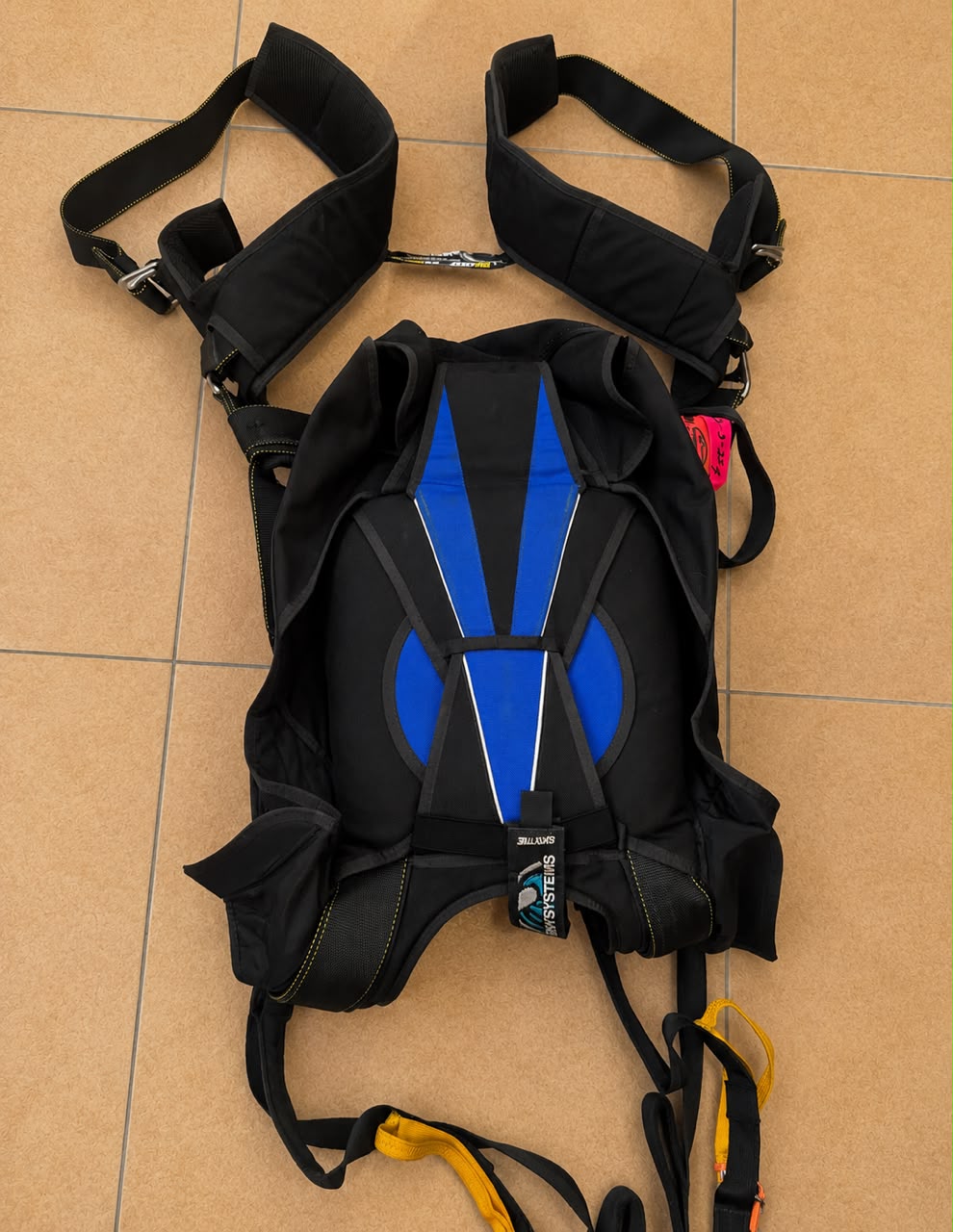
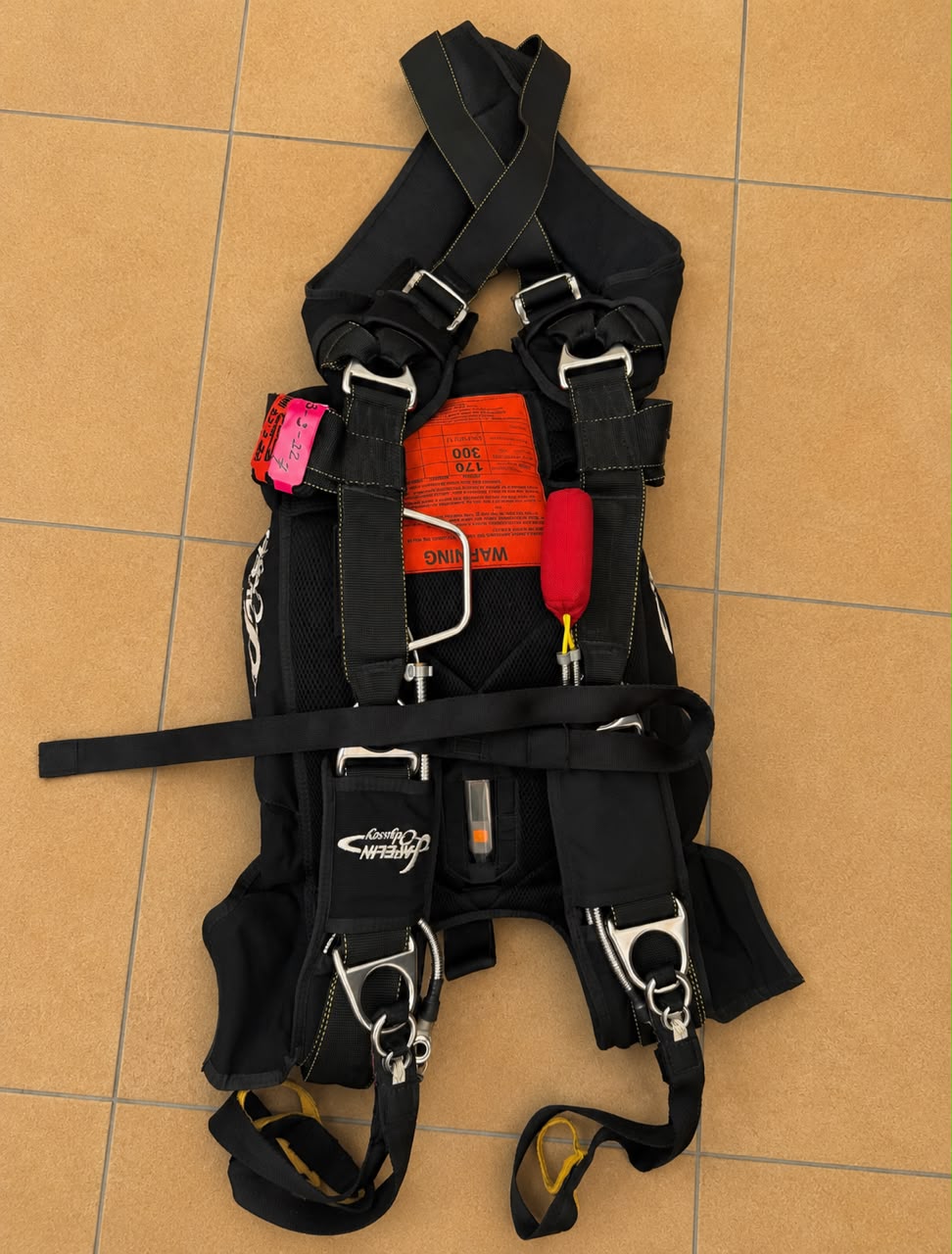
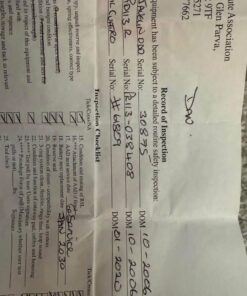
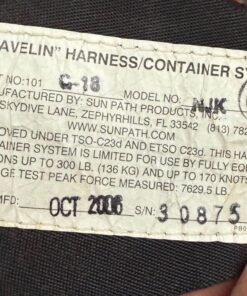
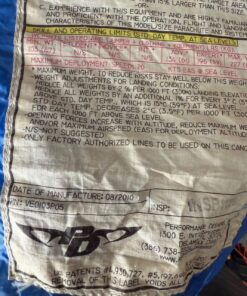
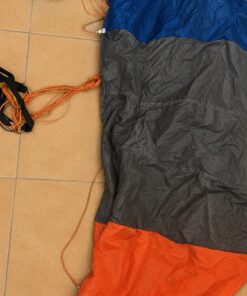
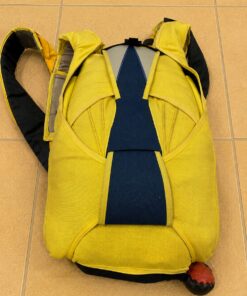
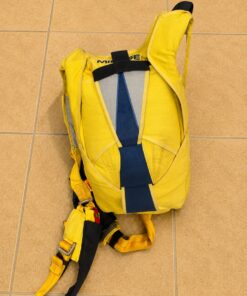
Used Javelin C18 NJK Skydiving Harness/Container

€1,950.00
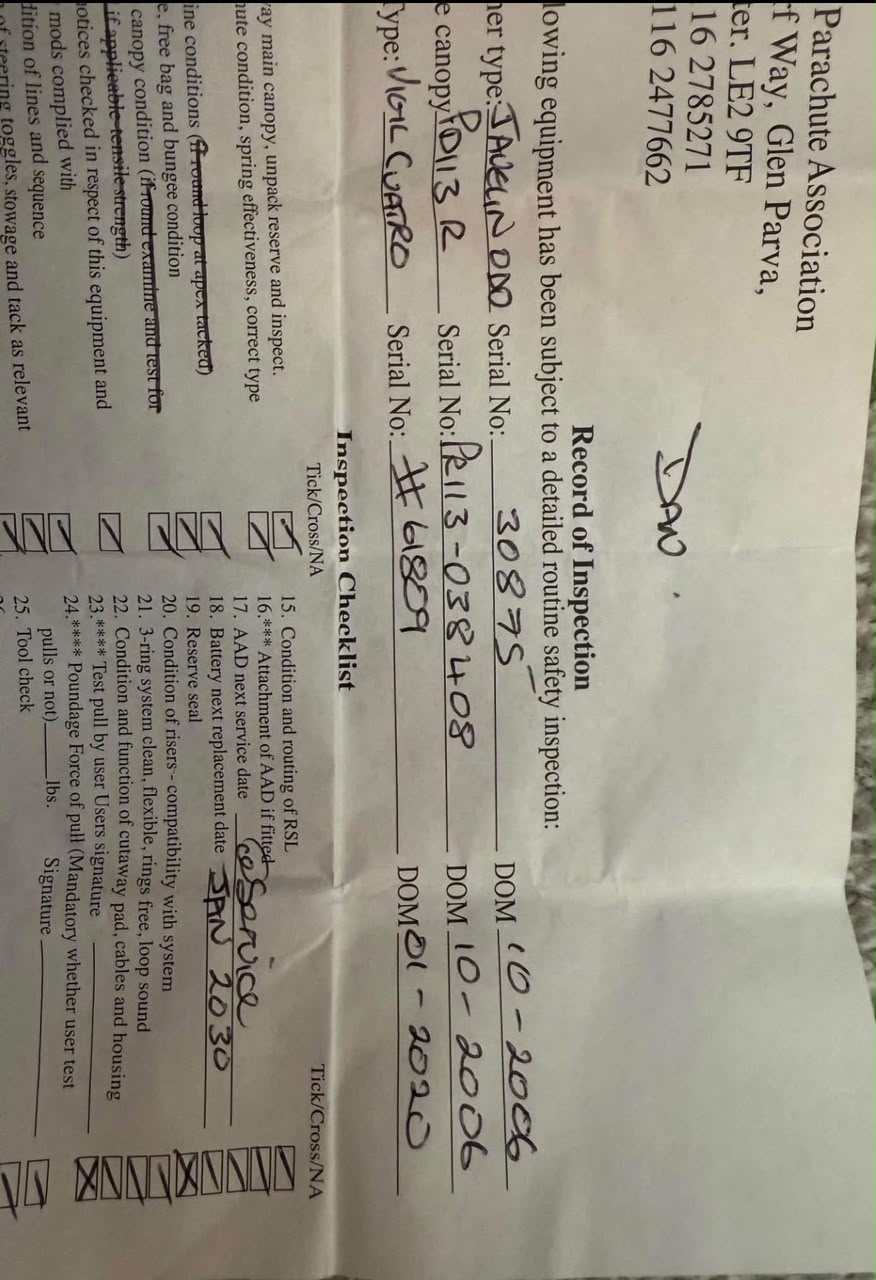
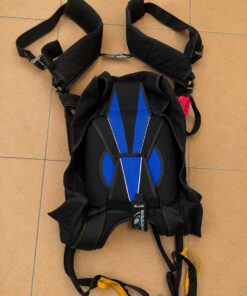
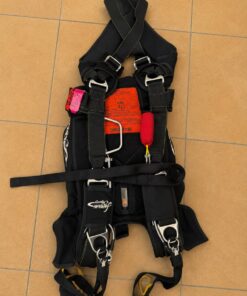
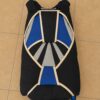
The Used Javelin C18 NJK is a durable Sun Path sport skydiving harness/container designed for secure main and reserve canopy integration, comfortable harness fit, reliable deployment organization, and practical recreational use. As a used system, canopy compatibility, harness sizing, webbing, stitching, hardware, deployment components, reserve setup, and any installed AAD should be inspected and confirmed by a qualified parachute rigger before use.
Used Javelin C18 NJK Skydiving Harness/Container — Sun Path Engineering, Harness Fit, Canopy Compatibility, Rigging, and Used-Gear Overview
Used Javelin C18 NJK Harness/Container Engineering, Fit, Compatibility, Deployment Security, and Technical Overview
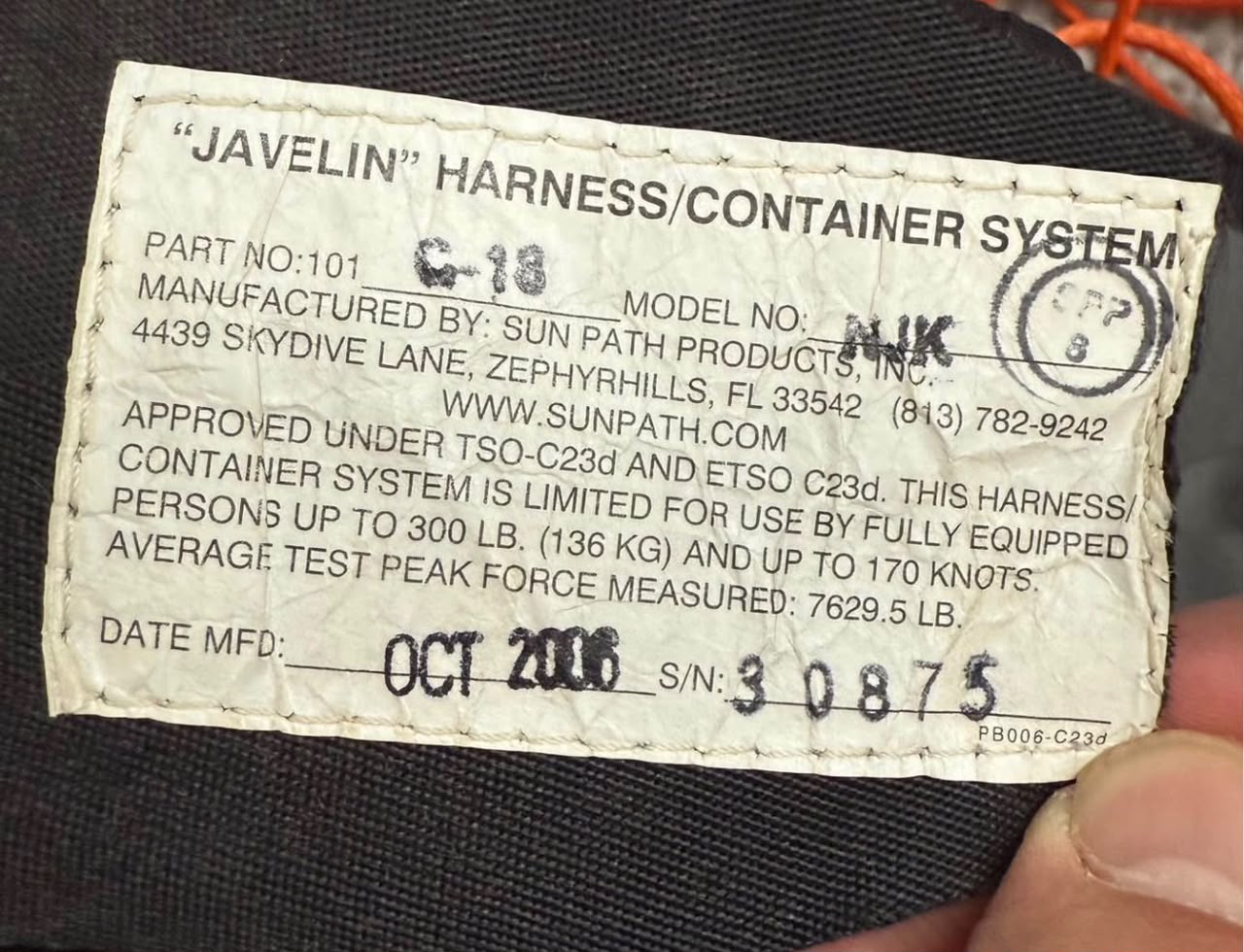
The Used Javelin C18 NJK is a Sun Path Javelin-series sport skydiving harness/container system intended to carry compatible main and reserve parachutes while providing the harness structure, deployment organization, and emergency-system integration required for recreational skydiving.
Sun Path describes its modern Javelin Odyssey family as its flagship platform for sport skydivers, emphasizing comfort, durability, development, testing, and customization for different jumper requirements.
For a used C18 NJK, however, the identification markings alone should not be used to determine whether the harness fits a specific jumper or whether a particular canopy combination is appropriate. Sun Path specifically requests accurate height, weight, chest, waist or belly, inseam, thigh, and related harness measurements when establishing proper fit. Approximate measurements are discouraged because accurate dimensions are important to correct container fit.
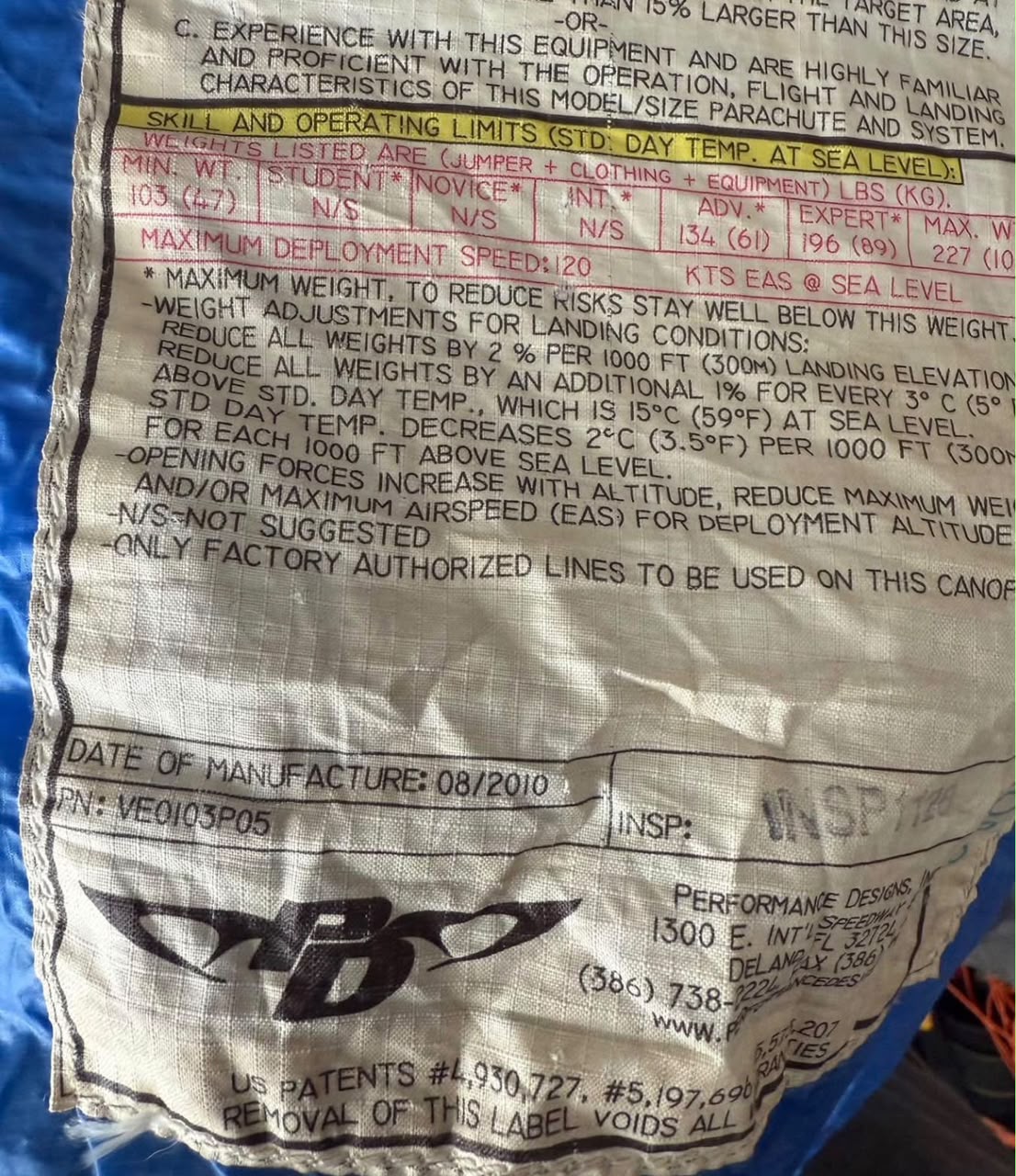
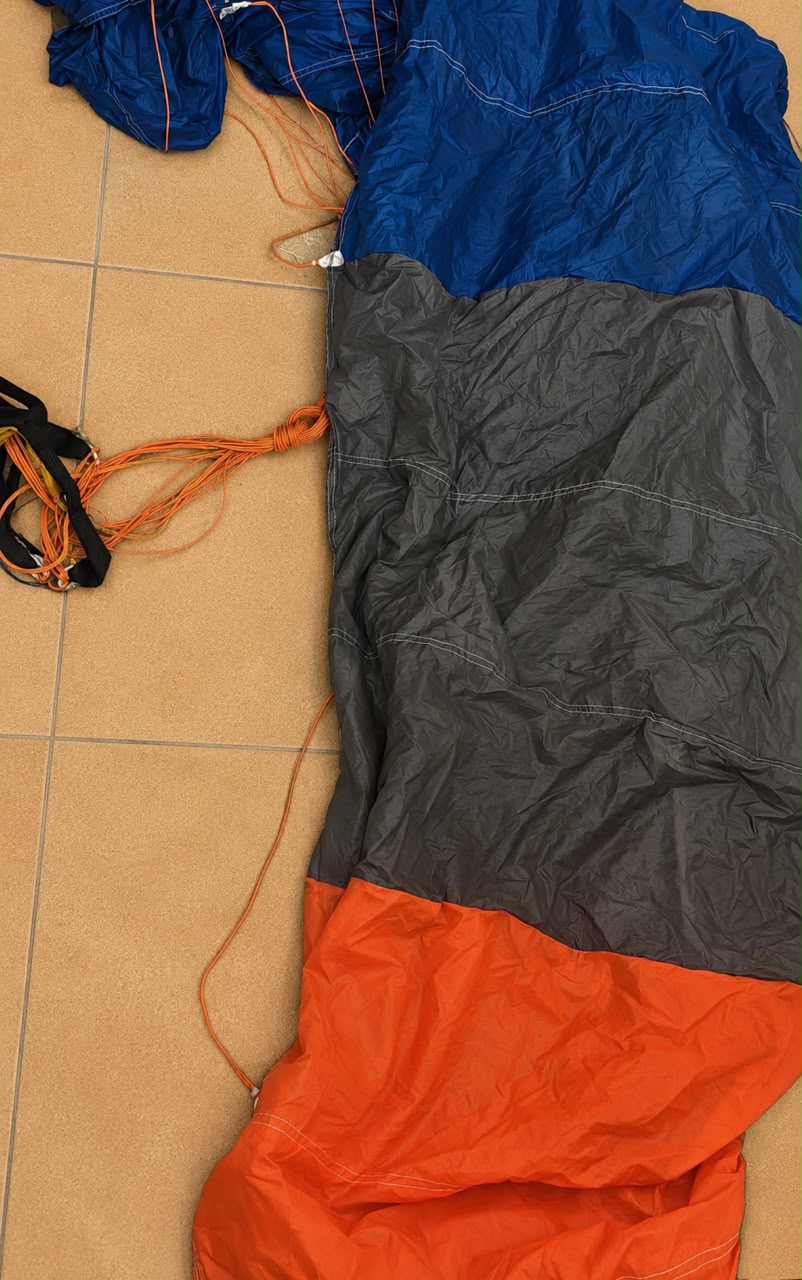
Likewise, canopy compatibility depends on more than nominal square footage. Sun Path notes that canopy construction, line type, low-bulk material, deployment configuration, and canopy condition can influence container sizing. Therefore, the actual main, reserve, harness dimensions, identification label, service history, and current condition should be confirmed by a qualified parachute rigger before purchase or use.
Parachute Jump Australia
For parachute jump australia, a used personal rig should meet applicable Australian parachuting requirements and local drop-zone procedures. Reserve status, harness condition, and canopy compatibility should be checked before use.
Skydive Byron Bay
A jumper considering skydive byron bay should ensure that personal equipment matches their experience level, exit weight, canopy training, and the operating requirements of the drop zone.
Weight Limit Skydiving
A weight limit skydiving question cannot be determined from C18 alone. Harness ratings, canopy limitations, reserve certification, jumper exit weight, and wing loading must all be considered.
Cairns Skydiving
For cairns skydiving, environmental conditions and local procedures make professional equipment inspection and correct canopy selection particularly important.
Skydiving Helmet
A skydiving helmet complements the personal parachute system by providing head protection and wind shielding depending on its design.
Skydive Helmets
Skydive helmets range from lightweight open-face models to enclosed designs intended for different freefall disciplines and preferences.
Hook Blade Knife
A hook blade knife can be carried as an emergency cutting tool. It should remain securely mounted without interfering with harness webbing or emergency handles.
Tracking Jump
During a tracking jump, substantial horizontal movement can occur. Therefore, secure deployment components and appropriate equipment configuration remain especially important.
Parachute Rig
A complete parachute rig combines the harness/container with a compatible main canopy, reserve canopy, risers, deployment components, and often an automatic activation device.
Linewear
Linewear refers primarily to deterioration of the suspension lines on an installed canopy. Lines should be inspected for wear, damage, and changes that could affect canopy operation.
Base Jumping
Base jumping involves equipment and operating procedures that differ considerably from conventional aircraft skydiving. A standard dual-parachute sport container should not automatically be treated as BASE equipment.
Sky Helmet Skydiving
The phrase sky helmet skydiving generally refers to protective headgear used during freefall rather than a component of the harness/container.
Wingsuit Sport
Wingsuit sport changes airflow and deployment considerations. Jumper experience and appropriate rig configuration are essential before combining wingsuit equipment with any container.
Vector Wingsuit
A vector wingsuit search typically combines a wingsuit setup with another harness/container family. Equipment compatibility must always be evaluated for the actual rig being used.
Full Face Skydiving Helmet
A full face skydiving helmet provides greater facial coverage and wind protection than an open-face helmet and is popular across several sport disciplines.
Skydiving Downsizing Chart
A skydiving downsizing chart should be treated only as broad guidance. Experience, currency, wing loading, training, canopy design, and landing performance should drive canopy progression.
Landing Flight Risers
Landing flight risers form part of the canopy suspension and control arrangement. Their webbing, hardware, steering components, and attachment points should remain in good condition.
Fire Parachute
The term fire parachute may relate to specialized emergency, firefighting, or smokejumper applications rather than the normal configuration of a sport Javelin container.
Cypress Fire Skydiving
The phrase cypress fire skydiving likely relates to searches for CYPRES activation-device information. Any installed AAD should have its exact model, service status, routing, and compatibility confirmed.
Skydiving Rigging
Skydiving rigging is fundamental when buying used equipment. Harness repairs, reserve packing, canopy compatibility, closing systems, and structural inspections should be handled by appropriately qualified personnel.
Baseline Jumping
Baseline jumping is often used informally or mistakenly when referring to BASE jumping and should not be confused with ordinary aircraft skydiving.
Sky Diving Helmet
A sky diving helmet should fit securely while maintaining adequate visibility and freedom of movement.
Hook Knife Skydiving
A hook knife skydiving setup provides an emergency cutting option and should be mounted where it remains accessible without interfering with handles.
Landing Flight Risers
The repeated phrase landing flight risers emphasizes the importance of maintaining riser webbing, steering components, and associated hardware in serviceable condition.
Skydiving Glasses
Skydiving glasses and goggles protect the eyes from wind and airborne debris during freefall.
Nude Parachute Jump
A nude parachute jump remains subject to the same equipment-security, harness-fit, and drop-zone requirements as other jumps.
iFLY Colorado Springs
iFLY Colorado Springs concerns indoor bodyflight where conventional parachute deployment equipment is generally not required.
Skydive Hook Knife
A skydive hook knife should remain secured during normal movement while remaining accessible if an emergency requires it.
Skydiving Helmet Full Face
A skydiving helmet full face design can reduce direct wind exposure and provide additional facial coverage.
Skydiving Blue Hole Belize
Skydiving Blue Hole Belize concerns destination skydiving and does not establish equipment compatibility for a specific personal rig.
Smallest Canopy
The smallest canopy that can physically be packed into a container is not necessarily appropriate for the jumper. Safe canopy selection must consider experience, exit weight, wing loading, pack volume, and manufacturer guidance.
Skydiving Speed
Skydiving speed changes with body position, discipline, body size, equipment, and clothing.
Wing Suits for Sale
When researching wing suits for sale, experience requirements and manufacturer progression recommendations should be considered alongside price and size.
Skydiving Nude
Skydiving nude does not change the requirement for correct harness adjustment, secure handles, and appropriate equipment checks.
Parts of a Parachute
Important parts of a parachute system include the harness/container, main canopy, reserve, deployment bag, pilot chute, bridle, risers, suspension lines, emergency handles, and frequently an AAD.
Container Skydive
A container skydive system should be evaluated as an integrated platform. The container must work correctly with the selected main, reserve, deployment components, and jumper measurements.
G35 Helmet
A G35 helmet is a separate item of personal skydiving equipment and does not determine container or canopy fit.
Best Skydiving Helmet
The best skydiving helmet depends on fit, discipline, certification, visibility, ventilation, camera requirements, and individual comfort.
Skydive Belize
For skydive belize, local operational requirements and equipment rules should be checked before traveling with a personal parachute system.
Freefly Pud Handle
A freefly pud handle is a deployment-handle configuration designed with high-speed freefall security in mind. The actual handle and pilot-chute setup on a used rig should be inspected.
Gliding Suit Wingsuit
A gliding suit wingsuit increases horizontal flight and changes deployment aerodynamics. Appropriate instruction and compatible gear remain important.
Jumper Pilot
A jumper pilot may refer either to the skydiver or to the aircraft pilot supporting parachuting operations, depending on context.
CRW Skydiving
CRW skydiving involves canopy relative work and may require specialized canopies, risers, protective equipment, and procedures.
Gear Bag Skydive
A gear bag skydive setup provides convenient protection for the harness/container, helmet, jumpsuit, and smaller accessories during transport.
Skydiving Equipment List
A typical skydiving equipment list includes the harness/container, main canopy, reserve canopy, helmet, altimeter, goggles, jumpsuit, deployment system, and commonly an AAD.
Indoor Wingsuit
An indoor wingsuit facility enables specialized bodyflight training without normal parachute deployment.
Can You Wear Glasses While Skydiving
For can you wear glasses while skydiving, suitable goggles or some full-face helmets can often accommodate prescription glasses.
Wingsuit
A wingsuit changes freefall performance substantially. Deployment configuration, pilot-chute access, bridle condition, and container security deserve careful consideration.
Skydiving Website
A reputable skydiving website should provide access to manufacturer information, equipment manuals, service bulletins, sizing information, and qualified-rigger resources.
Cookie G4 Helmet
The Cookie G4 helmet is a full-face skydiving helmet and operates independently of the harness/container system.
Base Canopy
A base canopy is engineered for a different operational environment from a conventional sport main canopy and should not automatically be paired with a standard dual-parachute container.
New Skydive
For a new skydive setup, equipment familiarity, correct harness fit, suitable canopy choice, and professional inspection are more important than cosmetic appearance.
#Skydiving Latest
The phrase #skydiving latest commonly relates to current equipment releases, community developments, events, and training information.
Canopy Flight
Canopy flight performance depends primarily on canopy design, wing loading, conditions, training, and jumper skill rather than the external appearance of the container.
Skydiver Goggles
Skydiver goggles protect the eyes while maintaining visibility during freefall and canopy flight.
Speed Sky Diving
Speed sky diving involves advanced high-speed freefall and requires appropriate experience, coaching, and equipment configuration.
Fly Suits
Fly suits can include belly-flying suits, freefly clothing, tracking suits, and specialized aerodynamic garments for different disciplines.
Skydiving Rig
When evaluating a used skydiving rig, the complete configuration matters: harness fit, main and reserve compatibility, AAD status, deployment components, repairs, and service history should all be reviewed.
Safire 3
A Safire 3 is a modern main canopy family. Whether a particular size is appropriate for the C18 must be confirmed from actual canopy volume and Sun Path compatibility guidance rather than assumed from the model name alone.
Skydiving Gliding Suit
A skydiving gliding suit generally describes equipment intended to increase horizontal movement during freefall.
Fluid Wings
Fluid Wings produces modern parachute designs. Any specific canopy must be checked for pack-volume and jumper suitability before installation in a used container.
Price of Wingsuit
The price of wingsuit equipment varies according to model, manufacturer, size, options, age, and condition.
Tandem Wingsuit
A tandem wingsuit should not be confused with standard recreational tandem skydiving. Tandem and wingsuit systems involve very different equipment and operational requirements.
Skydiving Tube
A skydiving tube is a specialty freefall prop sometimes used by experienced jumpers and introduces additional equipment-management considerations.
Why the Used Javelin C18 NJK Configuration Matters
The main advantage of a used Javelin system is access to a proven sport-skydiving platform without necessarily purchasing an entirely new harness/container. Sun Path continues to position the Javelin family around comfort, durability, and sport-jumper usability.
However, C18 NJK should not be interpreted as enough information to guarantee fit. Sun Path emphasizes detailed body measurements when sizing its harnesses, including height, weight, chest, waist or belly, inseam, hip/legpad, and thigh measurements.
The same caution applies to canopy sizing. Sun Path specifically notes that low-bulk fabric, line types, alternative deployment configurations, and canopy condition can change how a canopy fits a given container. Therefore, claims such as “fits any 150,” “ideal for a 170,” or “smallest possible canopy” should not be made from the C18 marking alone without confirming the exact configuration.
For a used example, the inspection should cover the main lift web, laterals, leg straps, chest strap, stitching, three-ring assemblies, risers, closing loops, grommets, pilot chute, bridle, deployment bag, reserve system, emergency handles, and any installed AAD. Previous repairs, harness resizing, reserve repack history, and replacement components should also be reviewed.
When the harness fits the jumper correctly, suitable canopies are installed, and the complete system passes professional inspection, a used Javelin can provide a practical platform for regular recreational skydiving. The most important buying decision is therefore not simply the model name or cosmetic condition—it is whether the individual rig is structurally sound, appropriately configured, correctly sized, and supported by a credible service history.
Harness Fit, Container Condition, Deployment Security, Reserve System Care, and Practical Reliability
Harness Fit and Body Position
Correct harness fit is essential because the harness determines how securely the container remains positioned on the jumper during exit, freefall, deployment, and canopy flight.
The main lift web, laterals, leg straps, chest strap, backpad, and associated hardware should work together without excessive looseness or restriction.
A harness that is too large may shift during movement, while a harness that is too small can create pressure points and reduce comfort.
The complete system should therefore be worn and evaluated with realistic jump clothing rather than judged while empty.
Why Container Condition Matters
The container protects the main and reserve systems while helping keep closing components, risers, and emergency handles correctly positioned.
Because the equipment is repeatedly packed, transported, exposed to sunlight, handled on aircraft, and used in changing environments, gradual wear is expected.
However, structural wear should never be treated as purely cosmetic.
Fraying, fabric thinning, damaged reinforcement areas, broken stitching, distorted flaps, or unusual hardware movement should be examined before the system is returned to service.
Main Lift Web Inspection
The main lift web is one of the most important structural components in the harness.
It should remain free from cuts, severe abrasion, glazing, broken stitching, contamination, and unusual stiffness.
Areas surrounding major junctions and metal hardware deserve particularly close attention because they experience repeated loading.
Discoloration alone may not indicate structural failure, but any questionable material condition should be evaluated professionally.
Structural harness repairs should be performed only by appropriately qualified personnel.
Leg Strap Condition
Leg straps should remain flexible, secure, and free from significant damage.
The webbing should be checked for cuts, fraying, glazing, abrasion, and contamination.
Hardware should maintain adjustment without slipping unexpectedly.
Both sides should also remain reasonably symmetrical in condition and routing.
Poorly positioned leg straps can create discomfort during deployment or canopy flight.
If one side loosens repeatedly, the buckle and webbing should be inspected rather than simply tightened more aggressively.
Chest Strap and Hardware
The chest strap helps maintain the upper position of the harness.
The webbing should remain free from deep abrasion or damaged stitching, while the buckle should remain correctly shaped and free from sharp edges.
The strap should route correctly through the hardware.
A chest strap should not be used to compensate for a harness that is fundamentally the wrong size.
If extreme adjustment is required, overall fit should be reassessed.
Smooth adjustment and secure retention are both important.
Main Container Condition
The main container should retain its intended shape without excessive distortion.
Closing flaps should lie correctly, and the installed canopy should not require unreasonable force to compress into the pack tray.
An excessively tight configuration can place additional load on seams, grommets, flaps, and the closing system.
Likewise, an excessively loose configuration may affect how securely the deployment bag is retained.
Pack volume should therefore be evaluated as part of the complete canopy-and-container relationship.
Main Closing Loop
The main closing loop should remain clean, smooth, and appropriately sized for the packed configuration.
Repeated contact with the grommets gradually wears the loop material.
Fraying, glazing, thinning, or obvious damage should be addressed before continued use.
If the loop wears unusually quickly, the surrounding grommets should be inspected.
Closing tension should also remain suitable.
A loop should not be shortened simply to force an overfilled container closed.
Grommet Inspection
Grommets should remain securely seated and free from deformation, cracks, corrosion, or sharp edges.
A damaged grommet can accelerate closing-loop wear.
Movement between the grommet and surrounding fabric can also indicate a developing problem.
These small components deserve regular inspection because they are repeatedly loaded during packing.
If damage is found, the surrounding fabric and hardware should be evaluated together rather than treating the grommet as an isolated problem.
Riser Cover Security
Riser covers should remain secure during freefall but release correctly during deployment.
Fabric, stiffeners, tuck tabs, magnets where fitted, and surrounding stitching should all remain in good condition.
Both sides should behave similarly.
If one cover becomes noticeably easier or harder to release, the cause should be investigated.
Changes in material stiffness, wear, or previous repairs can affect performance.
Consistent riser-cover behavior contributes to predictable deployment-system operation.
Main Deployment Bag Condition
The deployment bag should remain structurally sound and appropriately matched to the installed main canopy and container.
Fabric, grommets, stow points, attachment areas, and locking stows should be inspected.
Damaged elastic or worn stow components can influence the deployment sequence.
The bag should not be modified simply to make an unsuitable canopy fit.
Whenever a canopy is changed, the relationship between canopy volume, deployment bag, and container should be reassessed.
Pilot Chute Condition
The pilot chute should remain in serviceable condition because main deployment begins with this component.
Fabric, mesh, stitching, handle attachment, and bridle connection points should be inspected.
Mesh should not be torn, and attachment areas should remain structurally sound.
The handle should stay secure during freefall while remaining accessible.
If the pilot chute has been replaced during the life of the rig, the current configuration should be checked for compatibility rather than assuming the replacement is automatically correct.
Bridle Condition
The bridle should remain free from burns, cuts, severe abrasion, damaged stitching, and contamination.
Sections that repeatedly contact container edges deserve close inspection.
If wear consistently develops in the same area, the routing or contact surface should be investigated.
Attachment points should remain secure because they experience repeated deployment loads.
The bridle should also route cleanly without unnecessary twisting.
Unusual wear patterns can sometimes reveal another problem in the system.
Three-Ring System Condition
The three-ring release system should remain clean, correctly assembled, and mechanically free.
Rings should be correctly shaped and free from serious corrosion or sharp edges.
Webbing loops should remain intact.
Release cables should move smoothly through the housings.
Any increase in stiffness should be investigated.
Because the release system is used only in an emergency, it can be easy to overlook during ordinary jumping.
Routine inspection and maintenance remain essential.
Cutaway Handle Inspection
The cutaway handle should remain secure in its pocket and easy to locate while the jumper is wearing the complete rig.
The cables should remain clean and free from corrosion or damage.
Handle retention should be strong enough to prevent accidental movement while still allowing normal emergency access.
If extraction suddenly feels unusually difficult, the complete release system should be inspected.
Harness modifications or changes in fit can also alter handle position.
Reserve Handle and Cable Condition
The reserve handle should remain secure, accessible, and mechanically reliable.
The cable, housing, handle pocket, stitching, and surrounding fabric should all be examined during routine servicing.
Any stiffness, damaged cable, or abnormal handle position should be investigated.
The handle should be checked while the jumper is wearing the system because body shape and harness fit can influence accessibility.
If the harness has previously been resized, handle position deserves particular attention.
Reserve Container Integrity
The reserve container should remain under professional rigging control.
Flaps, grommets, closing loop, freebag, reserve pilot chute, bridle, reserve handle, and surrounding fabric should all remain in suitable condition.
Excessive closing pressure can indicate a pack-volume issue.
The reserve system should never be modified casually to accommodate an unsuitable canopy.
Reserve changes should be evaluated by an appropriately qualified rigger who understands the container and the replacement canopy.
Automatic Activation Device Considerations
If an automatic activation device is installed, its exact model, service status, installation routing, cutter placement, and maintenance history should be verified.
The device should not be assumed serviceable simply because the control unit powers on.
Different models have different battery, inspection, and service requirements.
An older installation may also have been updated over time.
The complete installation should therefore be checked as part of the reserve and container system.
Fabric and Stitching Inspection
Container fabric and structural stitching should be checked throughout the rig.
High-wear areas often include flap edges, corners, handle pockets, harness junctions, riser-cover areas, and the bottom surface.
Loose surface threads do not always indicate a structural problem, but broken load-bearing stitching should be professionally evaluated.
Sunlight, moisture, repeated abrasion, dirt, and chemical exposure can gradually affect materials.
The entire system should therefore be considered rather than judging condition from one visible area.
Long-Term Practical Reliability
Long-term reliability depends on proper fit, compatible canopies, professional reserve servicing, sound webbing, secure hardware, clean deployment components, and suitable storage.
The harness, container, pilot chute, bridle, deployment bag, risers, emergency handles, three-ring release system, closing components, reserve system, and activation device should all be monitored over time.
Changes in fit, unusual wear, damaged stitching, stiff release cables, poor closing tension, or altered deployment-component behavior should never be ignored.
A used harness/container can remain serviceable for many years when it has been properly maintained, but actual condition and documented history matter more than cosmetic appearance alone.
Regular inspection by a qualified parachute rigger remains the most reliable way to confirm continued structural integrity, canopy compatibility, deployment security, and overall serviceability.
Canopy Compatibility, Harness Comfort, Deployment Performance, Storage Care, and Long-Term Serviceability
Understanding Canopy Compatibility
Canopy compatibility should be evaluated using the exact container size, canopy construction, pack volume, line type, and current manufacturer guidance.
Two canopies with similar square footage can pack differently because fabric type, age, line bulk, and construction all influence volume.
A canopy that packs too large can create excessive closing pressure and stress the container, while one that packs too small may create an unsuitable configuration.
For this reason, square footage alone should never be treated as the only compatibility standard.
A qualified rigger should confirm the final combination.
Main Canopy Pack Volume
Main canopy pack volume affects how the deployment bag sits inside the container and how much tension is placed on closing components.
An overfilled container may become difficult to close and can place unnecessary stress on flaps, seams, grommets, and the closing loop.
Conversely, a very loose pack can change how securely the deployment bag is retained.
Packing characteristics can also change as a canopy ages.
Whenever a different canopy is installed, the entire container relationship should be reassessed rather than assuming that a similar nominal size will fit identically.
Reserve Canopy Selection
Reserve selection requires careful attention because the reserve must suit both the container and the jumper.
A reserve should not be selected simply because it can physically be packed into the reserve tray.
Pack volume, certified limits, exit weight, wing loading, canopy design, and manufacturer guidance all matter.
Excessive reserve pack volume can create unnecessary pressure on the container.
Any change in reserve model or size should therefore be evaluated and packed by appropriately qualified personnel.
Harness Comfort During Freefall
Harness comfort influences how naturally the jumper can maintain body position.
The main lift web, laterals, leg straps, chest strap, backpad, and hardware should work together without excessive movement or restriction.
A poorly fitting harness can shift during freefall and may change how the deployment or emergency handles feel.
The rig should therefore be evaluated while fully packed and worn with realistic jump clothing.
Comfort is not merely a convenience because consistent harness position contributes to predictable equipment access.
Leg Strap Position
Leg straps should remain secure, correctly routed, and evenly adjusted.
Twisted webbing, unequal positioning, or slipping hardware can reduce comfort and alter harness stability.
The webbing should be checked for abrasion, glazing, fraying, or contamination near the adjustment hardware.
If one side repeatedly loosens more than the other, the hardware and webbing should be inspected.
Proper leg strap positioning supports comfort during deployment and canopy flight while helping the harness remain stable on the body.
Chest Strap Adjustment
The chest strap should be adjusted so the upper harness remains stable without creating unnecessary restriction.
It should not be used to compensate for a harness that is fundamentally the wrong size.
The webbing should remain correctly routed through the buckle, and the hardware should stay smooth and secure.
Fraying, deformation, or unusual movement should be investigated.
A properly adjusted chest strap contributes to predictable harness positioning while still allowing normal upper-body movement.
Handle Accessibility
Deployment and emergency handles should remain easy to identify and reach while the jumper is wearing the complete rig.
Body shape, clothing, harness size, and previous alterations can all influence handle position.
Practice touches help confirm that these locations remain familiar.
If the harness has been resized or repaired during its service life, handle accessibility should be reassessed.
A handle that appears correctly positioned while the rig is on the floor may feel different once the system is being worn.
Main Deployment System Condition
The main deployment system should operate as a coordinated sequence.
The pilot chute, bridle, deployment bag, locking stows, risers, and canopy all need to remain compatible and in good condition.
Wear in one component can influence the performance of another.
For example, damaged stows or worn bridle material can change deployment behavior.
Inspection should therefore consider the entire deployment chain rather than focusing only on the external container.
Pilot Chute Fabric and Mesh
Pilot chute fabric and mesh can gradually deteriorate through repeated use.
The mesh should remain intact, while fabric, seams, and attachment points should show no significant damage.
The handle should remain securely attached and should not show excessive wear.
A pilot chute that appears unusually soft, worn, or damaged should be inspected before continued use.
Because the deployment sequence begins with pilot chute extraction, this component deserves regular attention.
Actual condition matters more than age alone.
Bridle Routing and Wear
The bridle should route cleanly without unnecessary twisting or severe abrasion.
Fabric and stitching should remain intact.
Areas that repeatedly contact container edges deserve close inspection.
If the same section develops wear repeatedly, the underlying routing or contact point should be investigated.
The bridle should also remain free from burns, contamination, and damaged attachment points.
Correct routing supports orderly deployment and reduces avoidable wear on surrounding components.
Riser Condition
Main risers should remain free from excessive wear, cuts, glazing, damaged stitching, or deformed hardware.
The release components should remain correctly assembled.
Risers may have been replaced during the life of a used rig, so the current setup should be evaluated rather than relying only on original configuration information.
If replacement risers differ in geometry or hardware, compatibility should be confirmed.
Routine inspection helps ensure they remain structurally sound and properly integrated.
Three-Ring System Inspection
The three-ring release system is a critical emergency component.
Rings should remain smooth, correctly shaped, and free from significant corrosion.
Webbing loops should remain intact, and release cables should move freely through the housings.
The system should be maintained according to accepted rigging practices.
If movement becomes unusually stiff, the assembly should be inspected before further use.
Emergency components deserve regular attention even when they have never been activated.
Reserve Pilot Chute and Freebag
The reserve pilot chute and freebag should remain in suitable service condition.
Fabric, spring components, mesh, grommets, bridle, and attachment points should all be examined during reserve servicing.
The freebag must remain compatible with the reserve canopy and container.
Any replacement or modification should follow approved rigging procedures.
Because these components remain enclosed between reserve repacks, professional inspection is especially important for identifying deterioration that may otherwise remain unseen.
Reserve Closing System
The reserve closing system should remain correctly configured and free from damage.
Closing loop condition, pin position, grommets, cable routing, and flap alignment all deserve attention.
Excessive closing pressure may indicate a pack-volume problem.
Likewise, damaged hardware can accelerate wear on nearby components.
The reserve container should not be altered casually to accommodate an unsuitable canopy.
Any change in reserve configuration should be evaluated by a qualified rigger.
Automatic Activation Device Installation
An installed activation device should be checked for correct routing, cutter placement, control-unit mounting, service status, and remaining approved life.
A device should not be assumed serviceable simply because it powers on.
Battery, inspection, and replacement requirements differ between models.
Older installations may also have been updated over time.
A qualified rigger should confirm that the installation remains suitable for the specific container and reserve configuration.
Riser Cover Performance
Riser covers should remain secure during freefall while releasing correctly during deployment.
Fabric, stiffeners, tuck tabs, magnets where fitted, and surrounding stitching should all remain in good condition.
Both sides should behave similarly.
If one cover begins releasing prematurely or becomes unusually difficult to open, the cause should be investigated.
Consistent riser-cover performance contributes to predictable deployment-system behavior and is particularly important in faster freefall disciplines.
Fabric Wear and UV Exposure
Container fabric can deteriorate gradually through sunlight, abrasion, moisture, dirt, and contamination.
Fading alone does not automatically indicate structural weakness, but heavy discoloration can justify closer inspection.
High-wear areas often include flap edges, corners, handle pockets, the bottom surface, and harness junctions.
The entire system should be examined rather than judging condition from one visible panel.
Long-term ultraviolet exposure should be minimized whenever possible.
Hardware Condition
Metal hardware should remain smooth, correctly shaped, and free from serious corrosion.
Buckles, rings, adjusters, housings, and other fittings should operate normally without sharp edges.
Damaged hardware can accelerate webbing wear.
Therefore, metal components should always be inspected together with the surrounding textile material.
Any deformation, cracking, or unusual movement should be professionally evaluated.
Hardware replacement can require specialized rigging work and should not be treated as a routine home repair.
Moisture and Contamination
Moisture, dirt, fuel, oil, and chemicals can affect parachute materials.
A wet rig should be dried appropriately before long-term storage.
Chemical contamination deserves particular caution because some substances can weaken webbing or fabric.
If exposure is suspected, the system should be professionally evaluated.
Aggressive household solvents and detergents should not be used casually.
Cleaning methods should remain compatible with the materials and accepted maintenance guidance.
Storage Environment
Long-term storage should take place in a cool, dry environment away from direct sunlight.
The rig should not remain compressed under heavy objects or stored in excessively hot or humid locations.
A protective gear bag can reduce dust and abrasion, but the equipment should be completely dry before being enclosed.
Heat, moisture, chemicals, and prolonged UV exposure should all be minimized.
Good storage helps preserve fabric, webbing, hardware, and deployment components between periods of use.
Transport Protection
Transport can expose a rig to abrasion, moisture, impact, and crushing.
A suitable gear bag should support the system without placing unnecessary pressure on emergency handles, flaps, or the reserve area.
Heavy or sharp objects should be kept separate.
After airline or vehicle transport, a visual inspection should confirm that handles, riser covers, closing pins, and flaps remain correctly positioned.
Careful transport helps preserve both structural condition and component alignment.
Long-Term Serviceability
Long-term serviceability depends on correct fit, canopy compatibility, professional reserve servicing, sound webbing, secure hardware, clean deployment components, and appropriate storage.
The harness, container fabric, main and reserve systems, emergency handles, risers, three-ring system, closing loops, pilot chute, bridle, and activation device should all be monitored over time.
Changes in fit, unusual wear, poor closing tension, stiff release cables, damaged stitching, or altered deployment behavior should never be ignored.
A used harness/container can remain serviceable for many years when properly maintained, but current condition and documented history matter more than cosmetic appearance alone.
Regular inspection by a qualified parachute rigger remains the most reliable way to confirm structural integrity, canopy compatibility, deployment security, and continued suitability for use.
Be the first to review “Used Javelin C18 NJK Skydiving Harness/Container”
Related products
used products


used products

used products

used products

used products

used products

used products
used products
Reviews
There are no reviews yet.