

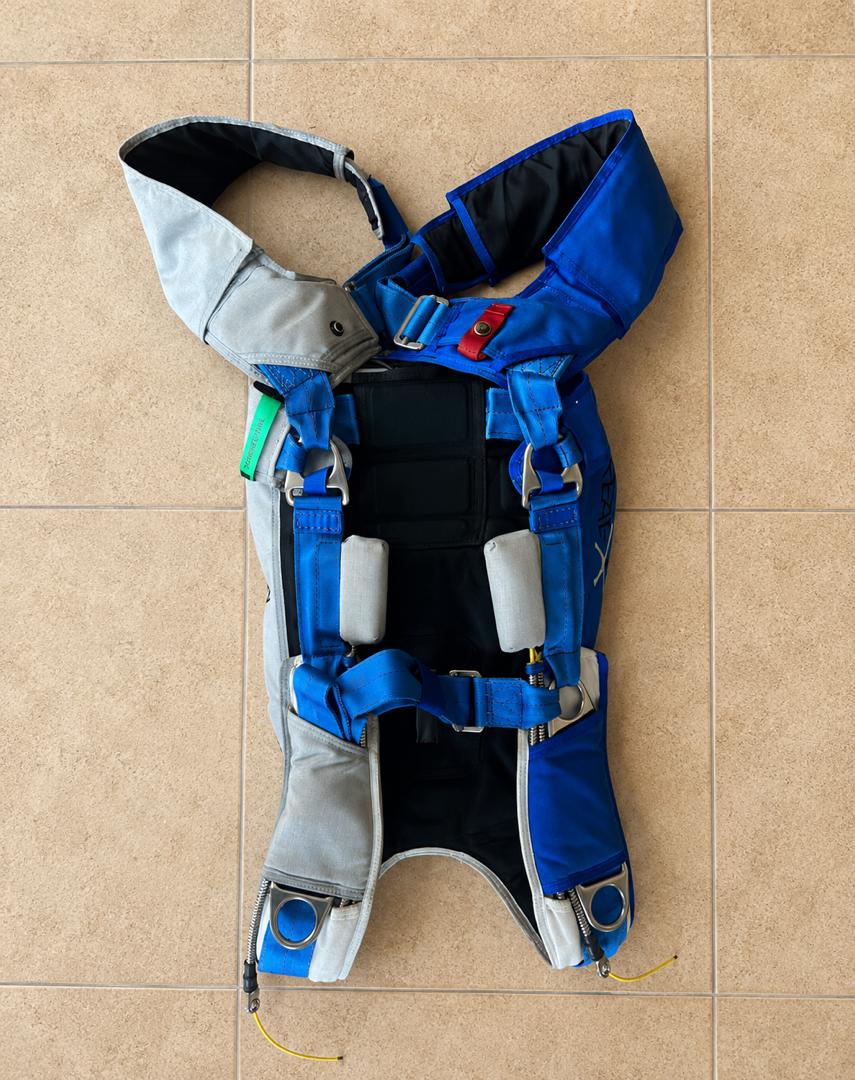
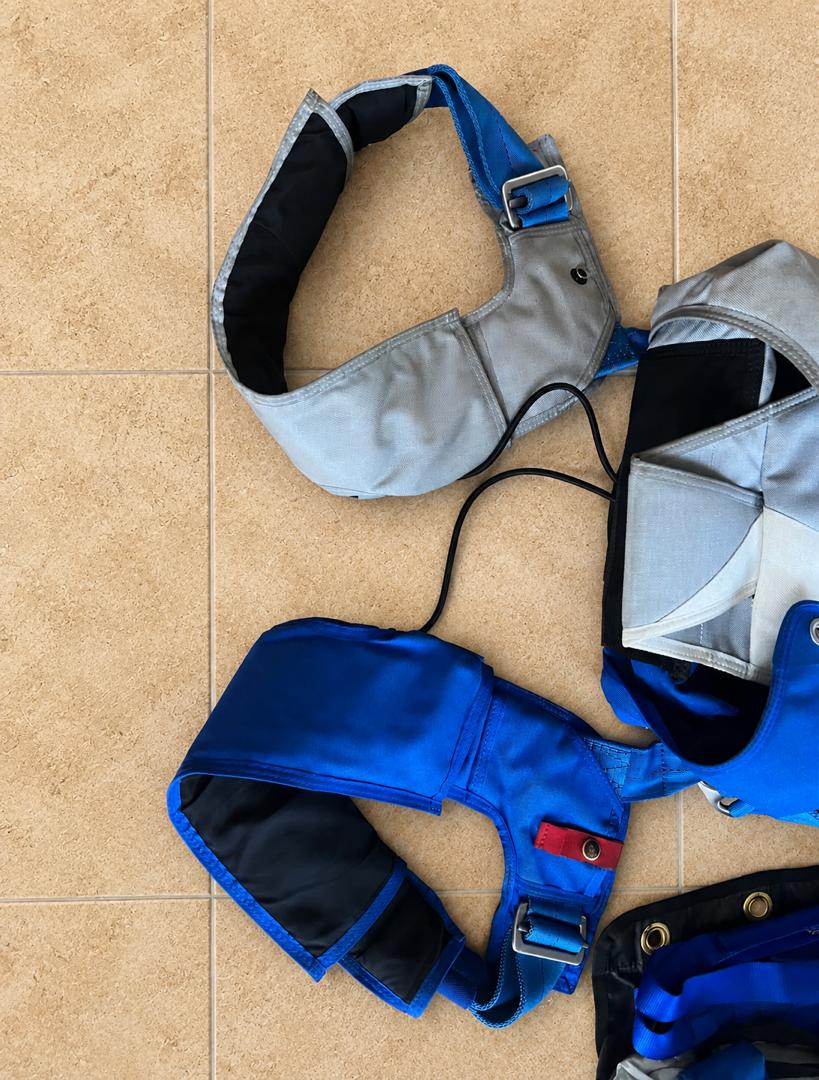
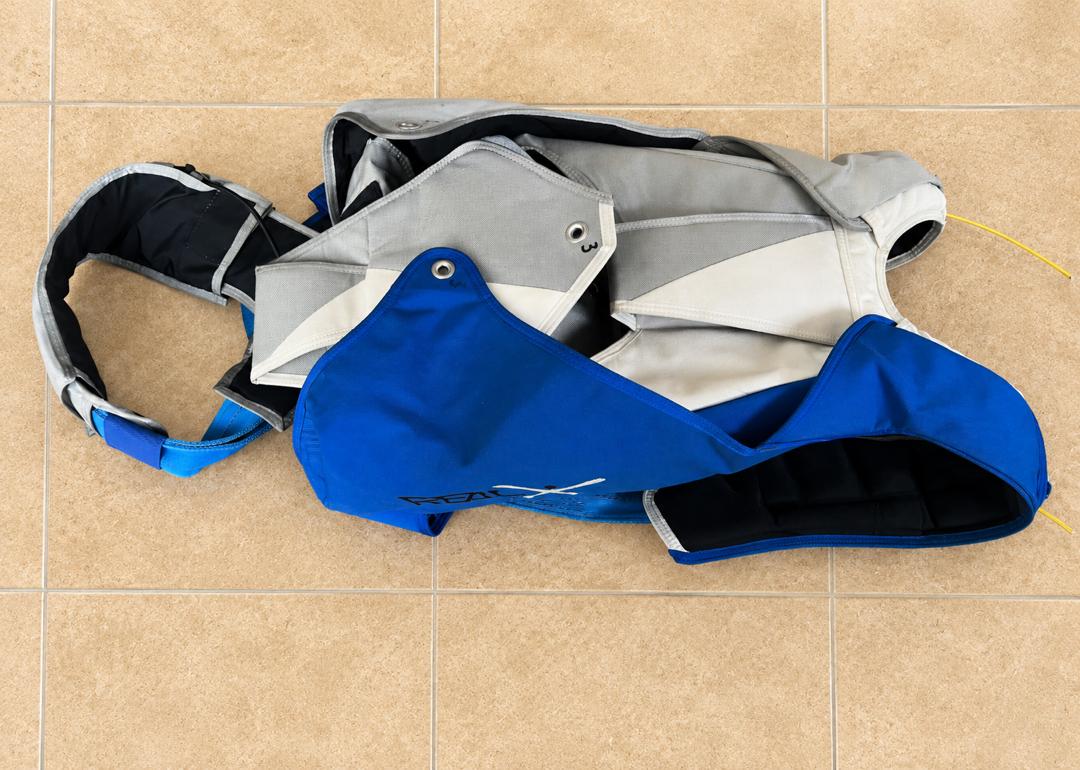


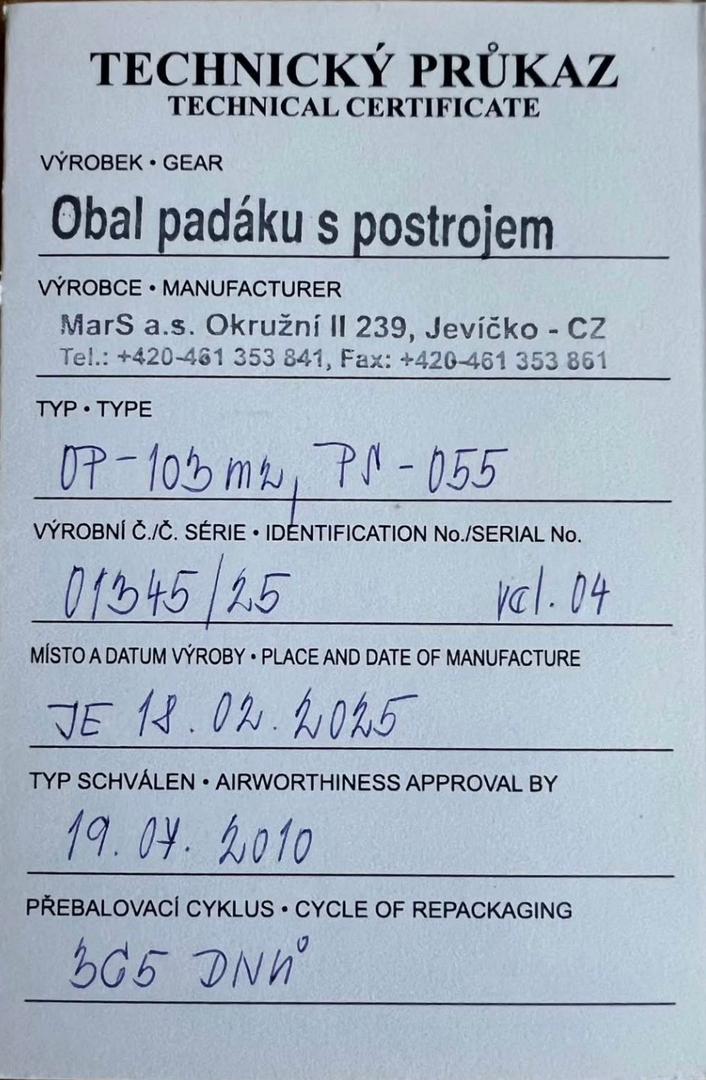



Used Mars RealX size 04


€2,000.00
Used MarS Real-X Size 04 – Product Description
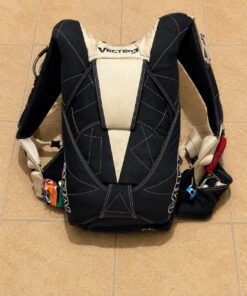
The Used MarS Real-X Size 04 is a sport skydiving harness and container system designed for experienced jumpers who value secure freefall configuration, practical canopy integration, comfort, and durable construction. Its compact size makes it suitable for appropriately matched canopy volumes, while the overall design emphasizes stable fit, protected deployment components, and convenient access to critical handles.
The size 04 configuration is intended around approximately 130 sq ft main and 130 sq ft reserve canopy packing volumes, although actual compatibility should always be confirmed using the specific canopy model, fabric type, age, pack volume, and manufacturer guidance. Because different canopies with the same nominal area can pack differently, professional rigging assessment remains essential before use.
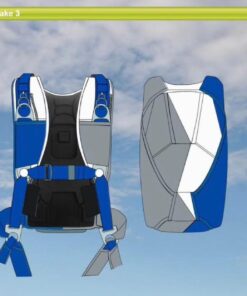
The system features a padded back area and wide padded leg straps to improve comfort during aircraft ride, freefall, canopy flight, and landing. Its harness geometry is intended to provide secure body positioning while maintaining freedom of movement. Magnetic riser-cover flaps help keep critical components protected during freefall while allowing correct release during deployment.
A major advantage of the Real-X design is its emphasis on practical freefly-oriented security. Handles, riser covers, closing areas, and deployment components are positioned to remain protected during dynamic body movement. However, the exact configuration of any used example should be verified individually because optional features and previous modifications may vary.
The system also supports integration of an electronic activation device, with a viewing area that allows the control unit status to be checked before jumping. Depending on the original configuration, the rig may also include additional reserve-assist components. These features should never be assumed from the model name alone; the actual installed equipment must be inspected and documented.
As a used life-support system, condition is more important than appearance. The main lift web, leg straps, chest strap, stitching, hardware, container fabric, riser covers, closing loops, handles, deployment bag, pilot chute, bridle, risers, and reserve area should all be inspected carefully. Previous repairs, modifications, moisture exposure, heavy abrasion, ultraviolet exposure, and storage history should also be considered.
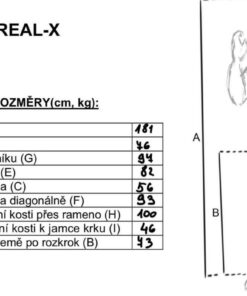
Correct harness fit is equally important. Container size does not determine whether the harness will fit a particular jumper. Height, torso length, chest position, leg dimensions, and original build measurements should be compared with the intended user. A system that is structurally sound but poorly fitted may still be unsuitable.
For long-term reliability, the rig should be stored in a clean, dry environment away from excessive heat, direct sunlight, chemicals, and moisture. A protective gear bag can help reduce abrasion during transport. Routine visual checks before and after jumping can also help identify loose hardware, damaged fabric, unusual wear, or changes in closure security.
The Used MarS Real-X Size 04 is best evaluated as a complete life-support system rather than simply as a container. Canopy compatibility, structural condition, fit, deployment security, installed safety equipment, documentation, and professional inspection all contribute to whether the system remains suitable for service.
Before the rig is used, an appropriately qualified parachute rigger should confirm its condition, canopy compatibility, reserve configuration, safety-device installation, deployment components, and overall airworthiness.
Used MarS Real-X Size 04 – Freefly-Friendly Sport Skydiving Harness and Container for Approximately 130 sq ft Canopies
The Used MarS Real-X Size 04 is a sport skydiving harness/container designed around secure freefall geometry, practical canopy packaging, comfort, and modular safety-equipment integration. According to MarS, the Real-X is manufactured in nine container sizes, and size 04 is specified around 130 sq ft reserve and 130 sq ft main canopy capacity. The system is certified according to TSO C23d, with a published maximum exit speed of 130 knots and maximum suspended weight of 377 lb.
Standard features include magnetic closing riser flaps, a padded back area, cutaway and reserve handles, AAD preparation, reserve pilot chute, freebag, steering toggles, main risers, deployment bag, and kill-line pilot chute. The manufacturer also offers optional RSL/RAX architecture, stainless hardware, adjustable harness versions, metal hook knife, additional leg-pad coverings, and other configuration choices.
Because this example is used equipment, compatibility and condition matter more than appearance alone. A qualified rigger should verify the exact harness measurements, serial number, DOM, container integrity, webbing condition, hardware, closing loops, deployment components Used Mars RealX size 04, risers, handles, stitching, modifications, reserve compatibility, and maintenance history before the system is placed in service.
Parachute Jump Australia
Searches for parachute jump australia commonly include tandem operations, training centers, and licensed sport jumping. Equipment requirements should always follow the relevant drop zone and national aviation regulations.
Skydive Byron Bay
skydive byron bay is associated with Australian skydiving activity, although acceptance of privately owned equipment depends on the operator, jumper qualification, and local requirements.
Weight Limit Skydiving
The phrase weight limit skydiving should be treated carefully. Harness fit, canopy loading, manufacturer limits, reserve certification, and drop-zone policies all matter. The Real-X itself has a published maximum suspended weight, but that figure does not automatically make every canopy combination suitable for every jumper.
Cairns Skydiving
cairns skydiving commonly relates to Australian tandem and sport-jump activity. Privately owned equipment should be inspected and approved under applicable local procedures before use.
Skydiving Helmet
A skydiving helmet is a separate personal protective item and is not included simply because a harness/container is offered for sale.
Skydive Helmets
skydive helmets include open-face and full-face designs intended for different disciplines, communication setups, and personal preferences.
Hook Blade Knife
A hook blade knife is an emergency cutting tool sometimes carried by experienced jumpers. It should be mounted securely and remain accessible without interfering with handles or webbing.
Tracking Jump
A tracking jump involves horizontal separation and body-flight skills. Equipment configuration should remain secure for higher relative airflow and freefly-type body positions.
Parachute Rig
A parachute rig usually includes the harness/container plus compatible main, reserve, deployment components, and often an AAD. The exact contents of any used listing should be verified individually.
Linewear
linewear refers to progressive deterioration of suspension lines through use, friction, contamination, and loading cycles.
The main canopy line set should be inspected separately because container condition does not establish line condition.
Base Jumping
base jumping equipment and procedures differ substantially from conventional aircraft skydiving.
This sport harness/container should not automatically be treated as BASE-specific equipment.
Sky Helmet Skydiving
The phrase sky helmet skydiving commonly relates to head protection used during freefall and canopy flight.
Wingsuit Sport
wingsuit sport places additional importance on stable deployment, correct bridle routing, suitable pilot-chute configuration, and discipline-specific training.
Vector Wingsuit
The phrase vector wingsuit often appears in searches combining harness/container systems with wingsuit use.
Compatibility must be evaluated according to the actual rig and discipline rather than brand similarity alone.
Full Face Skydiving Helmet
A full face skydiving helmet provides facial coverage and aerodynamic enclosure but remains separate from the harness/container system.
Skydiving Downsizing Chart
A skydiving downsizing chart should never be used as an automatic instruction to move to a smaller canopy.
Downsizing decisions depend on total experience, canopy course history, wing loading, landing consistency, local rules, and professional coaching.
Landing Flight Risers
The phrase landing flight risers relates to canopy-control hardware and technique.
Riser condition, webbing integrity, stitching, and connector compatibility should be inspected as part of a used system.
Fire Parachute
The phrase fire parachute may refer to specialized emergency or aviation equipment and should not be confused with a normal sport system.
Cypress Fire Skydiving
The phrase cypress fire skydiving often appears in searches concerning AAD incidents or safety discussions.
An AAD must be evaluated by its actual manufacturer documentation, service status, installation requirements, and operational limits.
Skydiving Rigging
skydiving rigging includes inspection, packing, component compatibility, repair, modification control, and documentation.
A used harness/container should be evaluated by an appropriately qualified rigger before jumping.
Baseline Jumping
The phrase baseline jumping is sometimes used mistakenly when referring to BASE jumping.
Sport-aircraft equipment and fixed-object parachuting systems should not be assumed to be interchangeable.
Sky Diving Helmet
A sky diving helmet is independent of the harness/container but remains part of many jumpers’ personal equipment setup.
Hook Knife Skydiving
A hook knife skydiving setup provides an emergency cutting option for certain entanglement situations.
Mounting must not obstruct cutaway or reserve handles.
Landing Flight Risers
The repeated phrase landing flight risers remains associated with canopy-flight hardware and control inputs rather than container sizing.
Skydiving Glasses
skydiving glasses or goggles protect the eyes during freefall.
They should fit securely and remain compatible with the chosen helmet.
Nude Parachute Jump
A nude parachute jump is unrelated to harness/container engineering and may be prohibited or restricted by drop-zone rules.
iFLY Colorado Springs
ifly colorado springs concerns indoor body-flight training.
Wind-tunnel training can support freefall skill development, although no parachute deployment occurs inside the tunnel.
Skydive Hook Knife
A skydive hook knife is an optional emergency tool rather than a structural part of the harness/container.
Skydiving Helmet Full Face
A skydiving helmet full face configuration can provide additional facial coverage during freefall and landing.
Skydiving Blue Hole Belize
skydiving blue hole belize relates to destination skydiving rather than equipment compatibility.
International travel with personal gear should consider local drop-zone inspection and documentation requirements.
Smallest Canopy
The phrase smallest canopy should not be treated as a performance goal.
Smaller wing area generally increases wing loading and demands greater canopy-control proficiency.
Skydiving Speed
skydiving speed varies with body position, discipline, jumper size, and equipment.
Secure freefly-oriented riser covers and protected deployment components are particularly relevant when airflow increases.
Wing Suits for Sale
Searches for wing suits for sale concern separate body-flight equipment.
Suit choice should match experience, instruction, deployment technique, and equipment compatibility.
Skydiving Nude
skydiving nude has no technical connection to container sizing or canopy compatibility.
Parts of a Parachute
The parts of a parachute system typically include the harness, container, main canopy, reserve canopy, risers, deployment bag, pilot chute, bridle, handles, steering system, and optional electronic or mechanical safety equipment.
Container Skydive
A container skydive system houses and protects the main and reserve deployment assemblies.
Size 04 is designed around approximately 130 sq ft main and reserve packing volumes according to the current manufacturer chart.
G35 Helmet
The g35 helmet belongs to the personal protective equipment category and should be evaluated separately for fit and condition.
Best Skydiving Helmet
The best skydiving helmet depends on discipline, fit, visibility, ventilation, camera requirements, audibility, and personal preference.
Skydive Belize
skydive belize relates to destination jumping.
Equipment should satisfy the operator’s inspection and documentation requirements before use.
Freefly Pud Handle
A freefly pud handle is a low-profile deployment-handle configuration designed to remain secure in dynamic airflow.
The exact handle fitted to a used system should be identified and inspected rather than assumed.
Gliding Suit Wingsuit
A gliding suit wingsuit increases horizontal body-flight capability and introduces discipline-specific deployment considerations.
Jumper Pilot
The phrase jumper pilot can refer to aircraft pilots supporting parachute operations.
Pilot responsibilities are separate from individual parachute-equipment inspection.
CRW Skydiving
crw skydiving involves canopy relative work.
It uses specialized skills and can involve equipment configurations selected specifically for canopy-contact disciplines.
Gear Bag Skydive
A gear bag skydive setup can help protect harness/container components during transportation and storage.
Skydiving Equipment List
A typical skydiving equipment list may include harness/container, main canopy, reserve canopy, AAD, helmet, goggles, altimeter, jumpsuit, emergency cutting tool, and appropriate footwear.
Indoor Wingsuit
An indoor wingsuit environment uses specialized training facilities and differs fundamentally from normal aircraft deployment.
Can You Wear Glasses While Skydiving
For those asking can you wear glasses while skydiving, suitable goggles or appropriately designed full-face helmets can often accommodate prescription eyewear, depending on fit.
Wingsuit
A wingsuit should only be used with appropriate training and a correctly configured system.
Skydiving Website
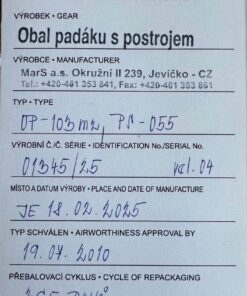
A reputable skydiving website should clearly identify equipment model, DOM, serial number, canopy compatibility, condition, inspection history, and included components when listing used life-support equipment.
Cookie G4 Helmet
The cookie g4 helmet is a full-face skydiving helmet and is separate from the harness/container.
Base Canopy
A base canopy is designed for a different parachuting environment and should not automatically be installed in a conventional sport container.
New Skydive
The phrase new skydive commonly relates to first-time or recently licensed participants.
Newer jumpers should receive professional guidance before selecting canopy size or used equipment.
#Skydiving Latest
The phrase #skydiving latest often relates to current equipment, training, events, and safety information.
Manufacturer manuals and current service information remain more authoritative than social-media trends.
Canopy Flight
canopy flight includes deployment, control, navigation, traffic management, approach, flare, and landing.
A well-fitting harness can improve comfort while suspended under canopy.
Skydiver Goggles
skydiver goggles provide eye protection and should remain secure throughout exit and freefall.
Speed Sky Diving
speed sky diving can involve substantially higher freefall speeds than conventional belly flight.
Equipment suitability, secure handles, riser covers, and training become especially important.
Fly Suits
fly suits include conventional jumpsuits and specialized body-flight clothing.
Suit type should reflect discipline and experience.
Skydiving Rig
A complete skydiving rig requires compatible, inspected components rather than simply a correctly sized container.
Safire 3
The safire 3 is a separate main-canopy family.
Whether a particular example fits safely in size 04 depends on the exact canopy size, fabric volume, manufacturer guidance, and rigger assessment.
Skydiving Gliding Suit
A skydiving gliding suit refers to wingsuit-style equipment used for increased horizontal flight.
Fluid Wings
fluid wings manufactures performance parachute canopies.
Its products should be evaluated individually for packing volume, experience requirement, and compatibility.
Price of Wingsuit
The price of wingsuit equipment is unrelated to the structural condition or value of a used harness/container.
Tandem Wingsuit
A tandem wingsuit is not a standard use case for an ordinary individual sport harness/container and should not be inferred from this equipment.
Skydiving Tube
A skydiving tube is typically a freefall visual or formation accessory and has no influence on container size.
Why Size 04 Matters
The manufacturer’s sizing chart assigns size 04 to approximately 130 sq ft reserve and 130 sq ft main canopy packing volumes.
This does not mean every 130 sq ft canopy will pack identically.
Fabric type, model, age, construction, and manufacturer pack-volume characteristics matter.
Magnetic Riser Covers
The Real-X incorporates magnetic closing riser flaps.
These are intended to provide secure closure while supporting freefly-oriented use.
Back Padding and Harness Comfort
The system uses specially designed back padding and wide padded leg straps.
These features are intended to improve comfort during aircraft ride, freefall, open-canopy suspension, and landing.
AAD Integration
The AAD control unit is positioned behind a transparent inspection window so its status can be checked before a jump.
The manufacturer recommends integration with its m² multi system, although the exact installed unit on a used rig must be verified.
Optional RSL and RAX System
The platform can be configured with an RSL and the manufacturer’s RAX reserve activation and extraction architecture.
These systems should only be represented as included when the individual used rig actually has them installed.
TSO C23d Certification
The harness/container is certified under TSO C23d according to the manufacturer.
The published maximum exit speed is 130 knots, while maximum suspended weight is 377 pounds.
Why Used Condition Matters
With used life-support equipment, cosmetic appearance tells only part of the story.
Webbing abrasion, stitching condition, hardware wear, container damage, closing-loop condition, riser wear, handle security, reserve-pin protection, pilot-chute condition, previous repairs, modifications, and maintenance records all require attention.
Harness Fit
The Real-X harness is produced to suit jumper body measurements rather than container size alone.
Therefore, size 04 does not determine whether the harness will fit a specific person.
Height, torso length, chest, waist, leg dimensions, and original build measurements should be checked.
Professional Inspection
A qualified parachute rigger should inspect the complete system before it is placed back into service.
The rigger should confirm canopy compatibility, harness condition, reserve system condition, AAD installation, deployment components, repair history, and configuration against the applicable manufacturer documentation.
Overall Equipment Character
The Used MarS Real-X Size 04 is a compact sport harness/container built around approximately 130 sq ft main and reserve canopy packing volumes, freefly-friendly magnetic riser covers, padded harness ergonomics, AAD integration, and optional reserve-assist architecture.
Its suitability depends not simply on its stated size, but on the actual harness measurements, installed canopies, component history, serviceability, jumper experience, and professional inspection.
For used skydiving equipment, those verified details are more important than color, appearance, or price alone.
Harness Fit, Container Condition, Deployment Security, Canopy Compatibility, and Practical Used-Rig Evaluation
Why Fit Comes Before Appearance
A used harness/container should be evaluated first as life-support equipment, not as a cosmetic purchase.
Color, embroidery, padding, and general appearance matter much less than fit, structural condition, compatibility, and service history.
A system that looks excellent but does not fit the jumper correctly may be unsuitable.
Therefore, body measurements and original harness sizing information should be reviewed before relying on photographs alone.
Checking Harness Measurements
The harness should match the jumper’s torso and leg dimensions closely enough to maintain secure positioning in freefall and under canopy.
Important measurements can include height, torso length, chest, waist, hips, and leg circumference.
If original build information is available, it should be compared with the intended jumper.
A qualified rigger can also assess practical fit directly.
Main Lift Web Condition
The main lift web is one of the most critical structural areas.
It should be inspected carefully for abrasion, cuts, contamination, heat damage, excessive wear, and damaged stitching.
Any concern in this area deserves professional assessment.
Structural webbing should never be judged only by how clean or faded it looks.
Leg Strap Inspection
Leg straps should be checked for wear, contamination, damaged stitching, hardware condition, and smooth adjustment.
Padding may hide some underlying webbing, so the entire assembly should be examined carefully.
The straps should adjust securely and remain stable once tightened.
Loose or damaged hardware can compromise fit.
Chest Strap Condition
The chest strap should move smoothly through its hardware and remain free from excessive wear.
Stitching, webbing edges, and adjustment areas deserve particular attention because they experience repeated handling.
The strap should not show cuts, severe fuzzing, burns, or chemical damage.
Hardware Inspection
Metal hardware should be examined for deformation, corrosion, cracks, sharp edges, unusual wear, and evidence of hard impact.
Moving components should function smoothly.
Surface discoloration alone does not always mean the hardware is unserviceable, but anything unusual should be evaluated by a qualified person.
Container Fabric Condition
The main and reserve container fabric should be inspected for cuts, holes, damaged seams, abrasion, contamination, and previous repairs.
Wear is especially important around corners, closing areas, flaps, and locations that repeatedly contact aircraft interiors or packing surfaces.
Minor cosmetic wear and structural damage are not the same thing.
Stitching Quality
Stitching should remain secure throughout the harness and container.
Broken, pulled, loose, or missing stitches deserve attention.
High-load areas require particular care because their stitching contributes directly to structural integrity.
Repairs should be identified and compared with approved manufacturer or rigger procedures.
Closing Loop Condition
Closing loops are small components with an important role.
They should be inspected for wear, correct length, contamination, and damage.
A closing loop that is badly worn or incorrectly configured should be replaced according to approved procedures.
It should never be improvised simply because it appears similar.
Main Pin Protection
The main closing pin should remain properly protected during movement and freefall.
The associated flap should close securely without excessive force.
A used system should be checked for worn fabric, deformed components, or weak closure behavior around the pin-protection area.
Reserve Pin Protection
The reserve pin area requires the same careful attention.
The flap should protect the pin without interfering with correct inspection and deployment procedures.
Any damage, distortion, or unusual wear around the reserve closure area should be investigated professionally.
Riser Cover Security
Riser covers should remain closed during normal movement and freefall while still releasing correctly during deployment.
Their closing behavior should be checked for consistency.
Weak closure, damaged magnets, worn fabric, or unusual stiffness may require servicing.
The covers should never be modified casually.
Handle Security
Cutaway and reserve handles should remain secure in their normal positions.
They should also be clearly identifiable and accessible.
Loose handle pockets, worn attachment areas, or changes in handle position deserve attention.
Handle type and placement should match the system configuration.
Main Deployment Handle
The main deployment handle should remain secure against premature movement.
Its attachment and pocket condition should be inspected for wear.
If a low-profile deployment handle is fitted, the closure should be checked carefully because freefall security is especially important.
Pilot Chute Condition
The pilot chute should be examined for fabric damage, mesh deterioration, stitching problems, contamination, and wear.
Its kill-line or related deployment components should also be checked.
A pilot chute should not be considered serviceable simply because it still looks visually intact.
Bridle Inspection
The bridle should remain free from cuts, burns, severe abrasion, contamination, and damaged stitching.
Attachment points deserve particular attention.
Routing should match the manufacturer’s intended configuration.
Incorrect routing can create deployment problems even when the bridle itself is in good condition.
Deployment Bag Condition
The deployment bag should be inspected for worn fabric, damaged grommets, stitching issues, and line-stow condition.
Grommets should remain smooth and secure.
Sharp edges or damaged metal can harm lines or fabric during repeated packing cycles.
Main Risers
Main risers should be checked for webbing wear, damaged stitching, hardware condition, and correct assembly.
Connector areas and steering-line attachment points should receive careful attention.
Any heavily worn riser should be evaluated before continued use.
Three-Ring System
The release system should be inspected for correct assembly, cleanliness, wear, and proper routing.
Cable condition, housings, loops, and ring geometry all matter.
Maintenance and inspection should follow manufacturer instructions.
Improvised alterations should never be made to this area.
Reserve Container Compatibility
Reserve compatibility depends on more than the number printed on the container size chart.
The exact reserve model, material, packing volume, age, and manufacturer specifications should be considered.
Two reserves with the same nominal area may not pack identically.
A rigger should confirm the actual combination.
Main Canopy Compatibility
The same principle applies to the main canopy.
Nominal wing area is only one factor.
Fabric type, construction, age, pack volume, and design all affect how the canopy fits inside the main container.
Overstuffing and excessively loose packing should both be avoided.
Avoiding Forced Pack Volume
A canopy should not be selected simply because someone has previously managed to close the container around it.
Excessive packing pressure can affect closing loops, flaps, deployment, and general wear.
Likewise, a canopy that is much too small may not create the intended container tension.
Manufacturer guidance and experienced rigging judgment should guide compatibility.
Reserve Packing Records
The reserve data card should be reviewed carefully.
It provides useful information about inspections, repacks, repairs, and service history.
Missing or unclear documentation does not automatically make the system unusable, but it increases the importance of professional evaluation.
Electronic Safety Device Status
If an electronic activation device is installed, its model, serial number, age, battery status, service requirements, and installation should be verified.
The device should be evaluated according to its own manufacturer documentation.
A functioning display alone is not enough to establish complete serviceability.
Reserve Assist Configuration
If a reserve-assist or static-line system is installed, the exact configuration should be identified.
Routing, attachment, compatibility, and condition should be inspected.
The owner should understand what is actually installed rather than assuming a feature is present from the model name.
Previous Repairs
Used equipment may contain legitimate professional repairs.
These are not automatically negative.
However, repairs should be identified and assessed for workmanship, location, extent, and documentation.
Major structural repairs require greater scrutiny than minor cosmetic work.
Signs of Hard Use
Heavy wear around leg pads, container corners, deployment-handle areas, riser covers, and aircraft-contact points can reveal how intensively a system has been used.
Wear patterns should be evaluated together rather than individually.
One scuffed area does not always indicate poor overall condition.
Moisture and Contamination
Equipment exposed to moisture, salt water, fuel, chemicals, smoke, or improper storage may require additional inspection.
Contamination can affect webbing, fabric, metal, and stitching.
Odor, staining, or unusual stiffness may provide clues, but professional inspection is still necessary.
Storage History
A system stored in a cool, dry, protected environment may age differently from one left repeatedly in vehicles, damp rooms, or direct sunlight.
Ultraviolet exposure and heat can degrade materials over time.
Storage history therefore adds useful context when evaluating used equipment.
Transport Wear
Frequent travel can create abrasion around handles, flaps, corners, and external surfaces.
A protective equipment bag can reduce this wear.
Used systems that have traveled extensively should be inspected carefully around all exposed edges and hardware.
Freefall Security
Handles, flaps, riser covers, and deployment components should remain secure throughout dynamic body positions.
This is especially important for jumpers involved in disciplines with higher airflow or unusual orientations.
Any weak closure area deserves attention before use.
Comfort Under Canopy
Harness comfort should also be evaluated after deployment.
Leg-pad width, back padding, lateral position, and overall fit affect comfort while suspended.
A rig that feels acceptable while standing may feel very different under load.
Landing Mobility
The harness should allow the jumper to move naturally during approach and landing.
Poor fit can restrict movement or place pressure in uncomfortable areas.
Proper adjustment should support both freefall security and post-deployment mobility.
Professional Inspection Before Use
A complete pre-purchase or pre-use inspection should be performed by a qualified parachute rigger.
The inspection should cover structural webbing, stitching, hardware, deployment components, canopy compatibility, reserve configuration, electronic equipment, repairs, and overall condition.
Documentation Matters
Serial numbers, manufacture dates, service records, reserve cards, repair documents, and component labels help establish the equipment’s history.
Good documentation cannot replace physical inspection, but it makes evaluation more reliable.
Overall Used-System Assessment
A well-maintained used harness/container can remain valuable life-support equipment, but suitability depends on much more than age or appearance.
Correct fit, structural integrity, compatible canopies, secure deployment components, documented service history, and professional inspection all matter.
The most important question is not whether the system looks clean, but whether every critical component remains appropriate, correctly configured, and serviceable for the intended jumper.
Real-World Fit, Pre-Jump Evaluation, Deployment Readiness, Comfort, and Long-Term Serviceability
Evaluating the Complete System
A used harness-and-container setup should be judged as a complete life-support assembly rather than as a collection of separate parts.
The condition of the webbing, container fabric, handles, risers, deployment components, reserve area, hardware, and installed safety equipment all contribute to overall suitability.
Therefore, the best evaluation considers how every component works together instead of focusing only on cosmetic appearance.
Confirming Body Fit
Correct fit begins with comparing the harness dimensions to the intended jumper.
Torso length, chest position, leg-strap placement, lateral alignment, and overall harness geometry should be considered.
A system that is too large may sit incorrectly, while one that is too small can create excessive pressure and restrict movement.
Professional fit assessment is especially important when original build measurements are unavailable.
Checking Shoulder Position
The upper harness should sit naturally without excessive looseness or compression.
Shoulder placement influences how the system settles in freefall and under canopy.
If the rig shifts noticeably during normal movement, the harness geometry may not match the jumper correctly.
Fit should be evaluated while wearing the clothing normally used for jumping.
Leg-Strap Comfort
Leg straps should remain secure while distributing pressure reasonably evenly.
Padding should sit correctly without twisting.
The straps should also allow normal movement without creating unnecessary restriction around the hips or upper legs.
Comfort matters because discomfort can become more noticeable once the system is loaded.
Chest-Strap Position
The chest strap should sit at an appropriate height and allow proper adjustment.
It should not ride excessively high or low.
Webbing should move smoothly through the hardware while remaining secure once adjusted.
Any unusual wear near the buckle area should receive closer inspection.
Pre-Jump Visual Check
Before every jump, a systematic visual inspection helps confirm that the equipment remains in the expected configuration.
Handles, flaps, pins, riser covers, closing areas, straps, and visible hardware should be checked.
A routine sequence reduces the chance of overlooking an obvious issue.
Main Closure Security
The main closure should remain secure without excessive tension.
The pin should sit correctly, and the associated protection flap should remain properly positioned.
Changes in loop tension, flap alignment, or pin orientation should not be ignored.
Anything that looks different from the normal packed configuration deserves attention.
Reserve Closure Security
The reserve area should remain protected and undisturbed.
The pin, seal, flap, and surrounding fabric should be visually checked according to standard inspection practice.
If the seal is damaged or the configuration appears unusual, the system should not be used until properly examined.
Handle Position
Emergency handles should remain secure and accessible.
Their position should be consistent with the expected configuration.
A handle that appears loose, partially displaced, or unusually difficult to identify should be corrected before jumping.
Handle security is especially important during dynamic exits and body-flight positions.
Riser-Cover Inspection
Riser covers should remain securely closed before exit.
At the same time, they must release correctly during deployment.
Visible contamination, damaged closure surfaces, weakened components, or unusual alignment can affect performance.
Any change in normal closure behavior should be investigated.
Deployment-Handle Security
The deployment handle should remain securely seated.
It should not protrude excessively or move freely inside its pocket.
The pocket material and attachment areas should be inspected for wear.
A loose deployment handle can create unnecessary risk during freefall.
Bridle Routing
The bridle should follow the intended routing path without being twisted, trapped, or incorrectly exposed.
Improper routing can interfere with deployment.
The routing should be checked whenever packing is completed and whenever the external configuration appears different from normal.
Pilot-Chute Condition
The pilot chute should remain free from obvious damage.
Fabric, mesh, stitching, attachment points, and internal components should be inspected periodically.
Any unusual wear, torn material, or degraded components should be addressed before continued use.
Deployment-Bag Condition
The deployment bag should remain structurally sound.
Grommets should sit securely and should not have sharp edges.
Line-stow areas should be inspected for wear or distortion.
Damage in these areas can affect line management during deployment.
Line-Stow Security
Line stows should remain consistent and orderly.
Poorly managed stows can create uneven deployment behavior.
Elastic components should remain appropriate for the intended configuration.
Worn or damaged retention materials should be replaced according to accepted procedures.
Riser Condition
Risers should be inspected for abrasion, webbing damage, stitching problems, and hardware wear.
Connector areas deserve particular attention.
Any section showing severe wear or deformation should be evaluated professionally.
Release-System Readiness
The release system should remain clean, correctly assembled, and properly routed.
Cables, housings, loops, rings, and attachment points should remain free from contamination and visible damage.
Maintenance should follow the manufacturer’s instructions rather than improvised methods.
Safety-System Verification
If an electronic activation device is installed, its status should be checked before use.
Display information, installation condition, service interval, and operating status all matter.
A powered display alone should not be treated as proof that every part of the installation is correct.
Reserve-Assist Inspection
Where a reserve-assist system is fitted, its routing and attachment should remain correct.
The jumper should know exactly which configuration is installed.
Any uncertainty should be resolved through a qualified inspection rather than assumption.
Evaluating Pack Volume
The packed main and reserve should sit naturally within their compartments.
Excessive pressure on the closing flaps can indicate an overly tight combination.
A setup that feels unusually loose may also require evaluation.
Pack volume should remain appropriate for the container design.
Avoiding Overstuffing
Forcing a larger canopy into a smaller compartment can increase stress on flaps, loops, stitching, and deployment components.
Difficulty closing the system should not automatically be treated as normal.
An experienced rigger should determine whether the combination is appropriate.
Avoiding Excessively Loose Packing
A canopy that is significantly smaller than the intended volume range can also create problems.
Poor container tension may influence closing security and deployment behavior.
Correct compatibility depends on more than nominal wing area.
Used-Equipment History
Previous ownership history can provide useful context.
The number of jumps, type of use, climate exposure, storage conditions, repairs, and maintenance practices can all influence current condition.
However, reported history should support, not replace, physical inspection.
Examining Wear Patterns
Wear often appears first around contact points.
Common areas include container corners, leg pads, handle pockets, riser-cover edges, closing flaps, and hardware contact zones.
The pattern and severity of wear should be considered together rather than judging one mark in isolation.
Sun Exposure
Ultraviolet exposure can gradually affect textile materials.
Equipment repeatedly left in direct sunlight may age differently from equipment stored indoors.
Fading alone does no
prove structural damage, but extensive exposure history is worth discussing during inspection.
Heat Exposure
Excessive heat can affect some materials and may accelerate aging.
Equipment stored for long periods inside hot vehicles or poorly ventilated spaces deserves careful evaluation.
Storage history can therefore be useful when assessing used gear.
Moisture Exposure
Moisture can affect fabric, stitching, metal hardware, and internal components.
The system should remain dry during storage.
Any sign of mildew, corrosion, staining, unusual odor, or stiffness should be investigated.
Contamination Risks
Fuel, solvents, oils, chemicals, and other contaminants can damage materials.
Unknown stains should not simply be cleaned aggressively.
The source should be identified when possible, and professional guidance should be obtained if chemical exposure is suspected.
Comfort During Aircraft Ride
The system should remain reasonably comfortable while seated.
Padding, harness tension, hardware position, and container shape can all affect comfort during longer climbs.
A well-fitting setup should not create severe pressure points before exit.
Exit Movement
The harness should remain stable during normal aircraft movement and exit.
Excessive shifting can indicate poor fit or incorrect adjustment.
Handles and flaps should also remain protected during door movement and contact with the aircraft.
Freefall Stability
The system should remain secure during body movement.
A correctly fitted harness should not shift excessively around the torso or legs.
Dynamic disciplines place additional importance on secure closures and handle retention.
Comfort After Deployment
Once the canopy is open, body weight transfers into the harness.
Leg-pad position and overall fit become more noticeable.
Pressure should be distributed without severe pinching or abnormal movement.
Persistent discomfort may indicate poor sizing or adjustment.
Canopy Control Access
The harness should allow normal access to risers and controls.
The jumper should be able to move the arms freely without the rig interfering excessively with movement.
Restricted access can indicate poor fit or unsuitable adjustment.
Landing Preparation
The harness should allow normal leg movement during the landing sequence.
Straps should remain secure without restricting necessary body position.
Comfort and stability during landing should be considered part of overall fit evaluation.
Post-Jump Inspection
After jumping, the equipment should be checked for new damage or unusual wear.
Mud, moisture, debris, or hard contact with the ground should be addressed promptly.
Small problems are easier to manage when they are identified early.
Cleaning Practices
Routine cleaning should remain gentle and appropriate for the materials.
Strong solvents, aggressive scrubbing, or unapproved chemical products should be avoided.
If deeper cleaning is required, manufacturer or rigger guidance should be followed.
Storage Between Jumps
The system should be stored in a clean, dry area away from direct sunlight and excessive heat.
It should not remain compressed underneath heavy equipment.
Proper storage helps preserve fabric, webbing, hardware, and padding.
Transport Protection
A suitable gear bag can protect the system from dirt, abrasion, and accidental contact during transport.
Heavy objects should not be placed directly on top of the packed rig.
Handles and closing areas deserve particular protection.
Maintaining Documentation
Service records, inspection information, serial details, reserve data, and repair history should remain organized.
Good documentation improves future evaluation and supports safer ownership.
Missing information should be clarified whenever possible.
Periodic Professional Inspection
Even when no obvious problem exists, periodic professional evaluation is valuable.
A qualified rigger can identify wear or compatibility issues that may not be obvious during routine owner checks.
Used equipment especially benefits from this additional oversight.
Overall Real-World Suitability
A dependable used system depends on correct fit, secure closures, sound structural materials, compatible packed components, clean deployment hardware, accurate documentation, and professional inspection.
Comfort and appearance are useful considerations, but they remain secondary to serviceability and configuration.
When those factors are verified and maintained properly, the system can remain a practical and reliable part of a jumper’s equipment setup.
Be the first to review “Used Mars RealX size 04”
Related products
used products

used products
used products


used products

used products

used products

used products
Reviews
There are no reviews yet.