
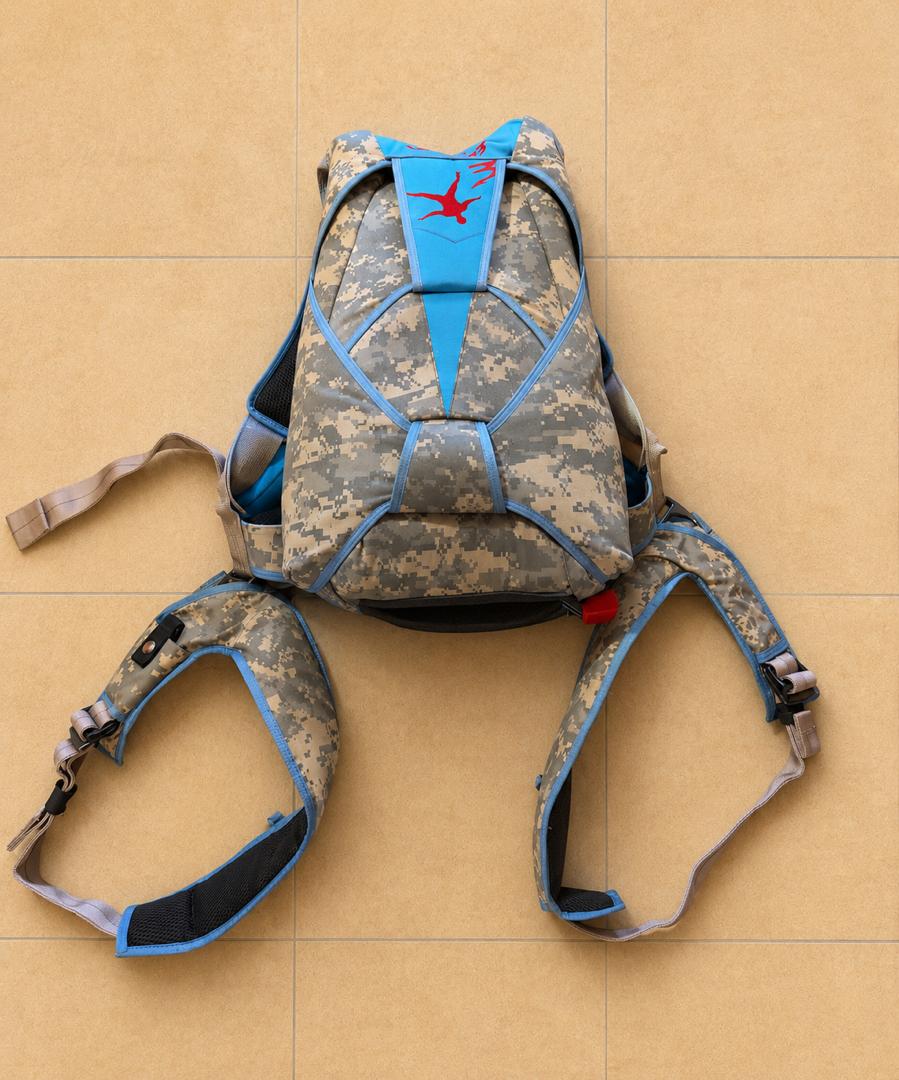

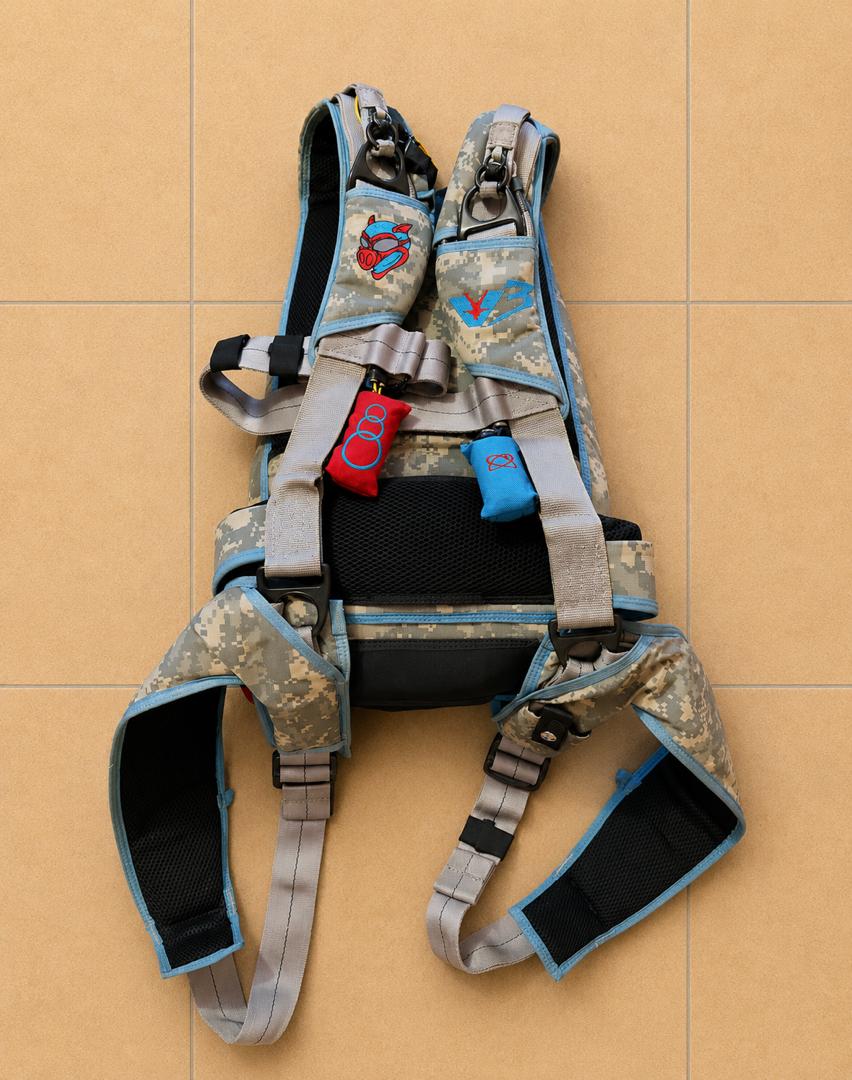





Used UPT Vector V347 Rig

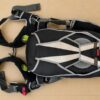
€3,000.00
Used UPT Vector V347 Rig Product Description
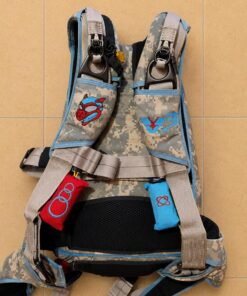
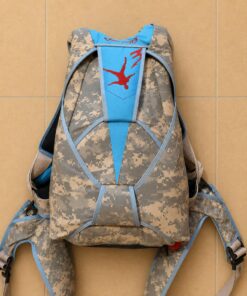
The Used UPT Vector V347 Rig is a premium pre-owned sport skydiving harness-container system designed for experienced jumpers who want proven construction, compact geometry, secure component integration, and strong long-term value.
The V347 sits within the smaller Vector container range and can accommodate a variety of main and reserve canopy configurations depending on fabric type, pack volume, line bulk, and exact canopy model. Because this is a used rig, buyers should confirm the actual installed components and should not assume that a main canopy, reserve, risers, pilot chute, or emergency device is included unless specifically stated.
A properly fitted V347 can provide a close, stable feel against the jumper’s back while maintaining good access to deployment and emergency handles. Harness fit should be checked carefully because pre-owned systems may have been built around the previous owner’s measurements.
Key Features
- Pre-owned UPT Vector V347 harness-container
- Compact sport-jumping configuration
- Compatible with a range of appropriately sized main and reserve canopies
- Secure main and reserve container architecture
- Comfortable harness design when correctly fitted
- Suitable for experienced sport jumpers
- May support RSL or advanced emergency-system configurations depending on installed equipment
- Used condition should be professionally inspected before use
- Strong value compared with purchasing a comparable new system
Because this is a used system, important inspection areas include structural webbing, stitching, hardware, riser covers, closing loops, pilot chute pouch, deployment bag, reserve compartment, emergency handles, previous repairs, and any harness alterations.
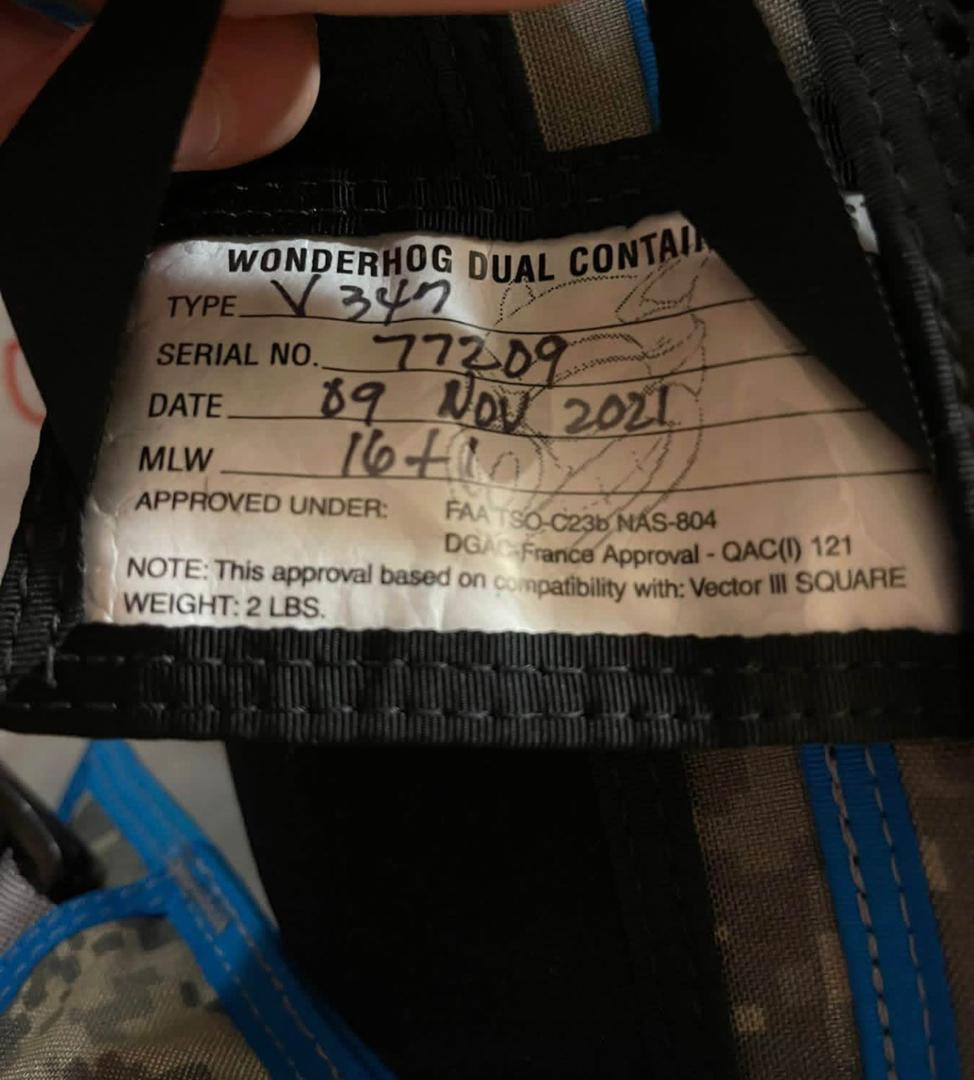
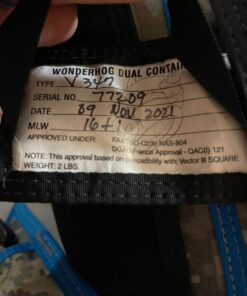
Buyers should also verify the manufacture date, serial number, estimated jump count, original harness measurements, reserve service history, main and reserve compatibility, emergency-device status, and overall maintenance history.
For the right jumper, a well-maintained UPT Vector V347 can provide a compact, comfortable, and dependable platform with excellent practical value. Final suitability should always be based on current condition, correct harness fit, compatible canopy sizing, documented service history, and professional inspection before use.
Used UPT Vector V347 Rig – Pre-Owned High-Quality Sport Skydiving Harness-Container System
The Used UPT Vector V347 Rig is a pre-owned sport skydiving harness-container system manufactured by United Parachute Technologies, a company recognized internationally for the Vector family of personal parachute systems. Designed around secure container geometry, comfortable harness construction, dependable main and reserve integration, and a compact profile, the V347 provides a versatile foundation for appropriately experienced sport jumpers.
Because this particular rig is used, buyers should evaluate it according to its actual condition, manufacture date, harness measurements, estimated jump count, service history, repairs, installed components, and canopy compatibility rather than assuming new-equipment condition.
UPT currently classifies the V347 with physical dimensions of approximately 10/12 inches wide, 18.5 inches long, and 5 inches thick. Its current fitment reference lists standard main canopies around 125–150 ft², cross-braced designs around 100–115 ft², and low-bulk designs around 140–185 ft². The recommended optimal sizes are approximately 135, 110, and 160 ft² respectively. Standard reserve capacity is approximately 145–170 ft², with around 150 ft² identified as an optimal standard reserve fit.
Why Choose a Used V347?
One of the strongest reasons to consider this used system is the combination of established engineering and reduced acquisition cost.
A professionally maintained pre-owned rig can provide substantial savings compared with ordering a new custom system.
Furthermore, existing equipment may already include valuable components such as risers, deployment bag, pilot chute, reserve components, emergency handles, RSL equipment, or an automatic activation device.
However, buyers should confirm exactly what is included.
Used equipment should never be assumed complete simply because photographs show additional components.
How Good Is the V347 Size?
The V347 occupies a particularly versatile position within the current M-Series sizing range.
For standard main construction, UPT recommends approximately 125–150 ft², while a 135 ft² canopy represents its current optimal-fit reference. Low-bulk designs may allow substantially larger nominal areas because material construction directly affects packed volume.
UPT specifically emphasizes that identical square footage does not guarantee identical pack volume. Fabric, reinforcement, canopy architecture, line type, logos, age, and other construction details can change the final packed size.
Therefore, a canopy should never be forced into this container solely because its nominal area appears suitable.
Precision Harness Fit
Correct harness fit is essential when purchasing any used system.
The rig may originally have been manufactured around another jumper’s measurements.
Height and weight alone do not determine compatibility.
Torso length, chest circumference, waist, inseam, thigh dimensions, shoulder geometry, and harness adjustment range all influence how comfortably and securely the system sits.
The container should remain centered against the back, while deployment and emergency handles should remain accessible.
Professional fit verification is strongly recommended before purchase.
Vector 3 Engineering
UPT describes the Vector 3 M-Series as incorporating Micron-derived technology while accommodating larger canopies. The manufacturer also emphasizes continued development in construction methods intended to improve function, safety, weight, and comfort.
A used V347 should nevertheless be evaluated according to the exact year and factory configuration because options can vary between production periods.
Skyhook and Emergency-System Options
UPT’s Skyhook RSL is designed to use a departing malfunctioning main canopy to assist reserve deployment following a cutaway. UPT describes the system as effective during both high- and low-speed malfunctions.
However, not every used V347 necessarily includes a Skyhook.
The buyer should verify whether an RSL, Skyhook, automatic activation device, or other emergency-system option is actually installed and whether it remains correctly maintained.
Used Harness and Webbing Condition
A pre-owned rig should be checked carefully for webbing wear, damaged stitching, abrasion, burns, chemical contamination, excessive fading, hardware damage, and previous alterations.
Particular attention should be given to the main lift web, leg straps, chest strap, junction points, and areas where webbing repeatedly contacts hardware.
Minor cosmetic wear may be expected.
Structural damage, however, requires professional assessment.
Main and Reserve Compatibility
UPT’s current sizing information lists the V347 standard reserve range at approximately 145–170 ft², with roughly 150 ft² representing the optimal standard fit. Low-bulk reserve options can differ.
The main and reserve should therefore be considered separately.
Using the maximum-size main and maximum-size reserve simultaneously can also make packing substantially tighter depending on the specific canopy combination.
Professional confirmation is preferable before changing either canopy.
Everest Skydive and High-Altitude Search Information
Terms including everest skydive, mount everest skydiving, mount everest skydive, skydiving from mount everest, skydiving in nepa, everest parachute jump, mount everest skydiving, mount everest skydive, skydiving from mount everest, skydiving in nepal, nepal skydiving, everest parachute jump, and everest skydive describe specialized high-altitude experiences rather than features included with this used rig.
Likewise, searches for skydiv, gunung everest, highest skydiving place in the world, sky diving in world, mt everest kathmandu, highest skydiving in the world, top 10 highest skydive in the world for public, and paragliding mount everest relate to destinations, altitude records, or separate aerial activities.
Anyone asking what altitude do you skydive from should understand that exit altitude depends on the operation, aircraft, discipline, oxygen requirements, and local regulations.
Nepal and Pokhara Skydiving Searches
The phrase skydiving in nepal pokhara price concerns travel and operator pricing rather than the value or specification of this system.
Equipment taken internationally should satisfy local licensing, reserve-service, documentation, and drop-zone requirements.
United States Jump Location Searches
Search phrases including iskydive miami, iskydive new york city, iskydive los angeles, iskydive dallas fort worth, iskydive nyc, homestead skydiving, iskydive dallas, skydiving in la california, wishlist skydiving, skydiving new york state, skydive america california, parachute jump ny, skydiving charleston sc, and skydiving ventura relate primarily to locations, businesses, or jumping experiences.
They should not be interpreted as factory specifications of this used system.
Likewise, ifly colorado springs represents a separate indoor flight-related search.
Australian Skydiving Searches
Terms including skydive australia, skydive aus, skydiving australia, sky diving australia, skydive australia airlie beach, skydive airlie beach, parachute jump melbourne, parachute jump australia, skydive byron bay, and cairns skydiving concern Australian jumping destinations.
Before traveling internationally with a personal rig, reserve repack validity, equipment approvals, documentation, and local operating requirements should be checked.
Weight Limit and Equipment Selection
The phrase weight limit skydiving cannot be determined from the V347 container size alone.
Harness certification, reserve limitations, main-canopy loading, total exit weight, jumper dimensions, and individual components must all be considered.
Similarly, a skydiving downsizing chart should provide guidance rather than dictate canopy selection.
Progression should be based on experience, currency, demonstrated landing consistency, and qualified coaching.
Parachute Rig Inspection
Because this is a parachute rig, the complete system should be evaluated rather than concentrating only on the container shell.
A professional inspection should assess harness webbing, stitching, three-ring components, riser covers, closing loops, pilot chute, deployment bag, reserve compartment, emergency handles, hardware, and installed safety equipment.
UPT publishes dedicated Vector 3 sport rigging instructions covering reserve packing, pilot-chute installation, bridle routing, riser-cover modifications, emergency systems, and other maintenance procedures.
Linewear and Canopy Condition
If either canopy is included, linewear deserves separate inspection.
Line condition can influence opening characteristics, flight geometry, and landing performance.
Professional skydiving rigging assessment can identify wear, trim changes, damaged links, slider problems, or other issues that may not appear clearly in photographs.
Tracking Jump Use
A tracking jump introduces higher horizontal freefall movement and different airflow around the jumper.
Secure container geometry, properly seated handles, good pilot-chute retention, and reliable riser-cover security remain particularly important when different body orientations are used.
Wingsuit Applications
Searches involving wingsuit sport and vector wingsuit concern specialized flying.
A V347 may form part of equipment used by experienced pilots in various disciplines, but exact suitability depends on the complete configuration.
Pilot chute, bridle, deployment bag, main canopy, container options, and professional instruction should all be considered.
Helmets and Eye Protection
A skydiving helmet, skydive helmets, sky helmet skydiving, full face skydiving helmet, sky diving helmet, skydiving helmet full face, and skydiving glasses are separate personal-equipment products.
They should not be assumed included with this used rig unless specifically stated in the sale.
Emergency Cutting Tools
A hook blade knife, hook knife skydiving, and skydive hook knife refer to emergency cutting tools carried by some jumpers.
They are separate accessories rather than structural components of the V347.
Appropriate equipment selection and placement should follow proper training.
Landing Flight Risers
The phrase landing flight risers refers primarily to canopy-control hardware and techniques.
If risers are included with this used system, their webbing, three-ring components, dive loops, toggles, stitching, and connector areas should be inspected.
The repeated search phrase landing flight risers should not be interpreted as a particular factory feature of every V347.
BASE and Specialized Jumping
Searches for base jumping and baseline jumping refer to a substantially different discipline involving specialized equipment and procedures.
A conventional dual-parachute sport system should not automatically be considered appropriate for fixed-object applications.
Additional Skydiving Search Topics
Search phrases such as fire parachute, cypress fire skydiving, and nude parachute jump do not describe standard technical characteristics of this system.
Similarly, determining the safest skydiving in the world depends on operator practices, training, equipment maintenance, weather decisions, regulations, and other factors rather than a single container model.
Why Buy This Used System?
For the correct jumper, a well-maintained V347 can offer excellent value.
The buyer gains access to a premium UPT platform without necessarily paying the full cost and waiting period associated with ordering new custom equipment.
Moreover, the V347 accommodates a useful range of standard, cross-braced, and low-bulk canopy volumes, making it potentially versatile when configured correctly.
Important Information Before Purchase
Before purchasing this Used UPT Vector V347 Rig, confirm:
- Manufacture date
- Serial number
- Original harness measurements
- Estimated total jumps
- Number of previous owners
- Structural webbing condition
- Previous repairs or alterations
- Main canopy size and condition
- Reserve size and condition
- Reserve repack history
- Pilot chute condition
- Deployment bag configuration
- Riser condition
- RSL or Skyhook configuration
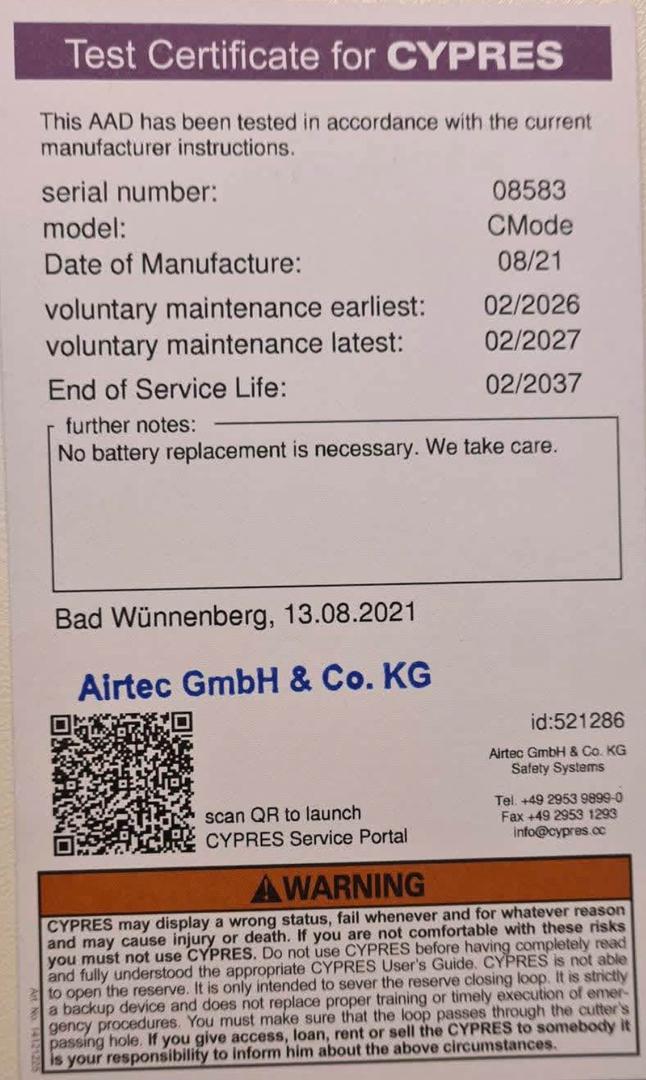
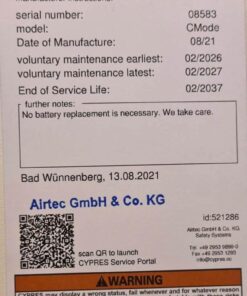
- Automatic activation device status
- Hardware condition
- Current professional inspection status
Ultimately, this used system should be purchased on the basis of actual condition, proper harness fit, compatible canopy volume, documented maintenance, and professional inspection.
When those factors are confirmed, a professionally maintained V347 can provide a compact, comfortable, versatile, and technically proven foundation for experienced sport skydiving.
Used Condition, Harness Fit, Component Compatibility, Inspection, and Practical Ownership
Evaluating the Overall Used Condition
A pre-owned harness-container system should be judged primarily by its present structural condition, service history, fit, and installed components.
Cosmetic wear is often expected.
Fading, softened fabric, light scuffing, and small surface marks may simply reflect ordinary use. However, structural webbing, stitching, hardware, riser covers, closing flaps, deployment components, emergency handles, and reserve-area materials deserve much closer attention.
A visually clean system can still contain hidden wear, while a rig with obvious cosmetic use may remain structurally sound.
For that reason, professional inspection remains one of the most valuable steps before purchase.
Harness Webbing Inspection
The harness webbing carries the main structural loads.
Areas around the shoulders, main lift web, leg straps, chest area, junction points, and hardware should be checked carefully.
The material should remain free from serious cuts, burns, chemical contamination, severe fuzzing, or obvious fiber damage.
Minor surface wear may be acceptable depending on location and severity.
However, anything affecting the load-bearing structure should be evaluated professionally.
The buyer should also ask whether any harness section has ever been repaired, replaced, shortened, or lengthened.
Structural Stitching
Stitching should remain tight, complete, and consistent across major load-bearing areas.
Loose surface threads do not always indicate a serious issue, but missing stitch patterns, pulled seams, or visible separation between structural layers deserve immediate attention.
Previous repairs should be reviewed closely.
Professional repairs can be completely acceptable when carried out correctly.
Unknown alterations or improvised sewing, however, should be treated cautiously.
Hardware Condition
Metal hardware should operate smoothly and remain free from cracks, severe corrosion, sharp edges, or deformation.
Buckles and friction adapters should retain webbing correctly.
If a component slips unexpectedly, binds during adjustment, or looks distorted, professional evaluation is necessary.
The webbing passing through hardware should also be checked for concentrated wear.
Repeated movement can create more abrasion in these areas than elsewhere on the harness.
Container Fabric Condition
The main and reserve container fabric should be checked for tears, deep abrasion, burns, staining, contamination, or stretched areas.
High-contact zones include flap edges, corners, pin covers, lower container sections, and areas where the system repeatedly contacts aircraft interiors or packing surfaces.
Some softening is normal with age.
However, severe distortion can indicate repeated overstuffing or rough handling.
Main Compartment Fit
The intended main canopy should fit correctly.
A canopy that is too large may create excessive closing tension, distorted flaps, and unnecessary wear.
A canopy that is too small may not maintain the intended shape or tension.
Pack volume depends on more than surface area.
Fabric construction, line bulk, canopy age, reinforcement, and design all influence the packed size.
Compatibility should therefore be confirmed rather than assumed.
Reserve Compartment Condition
The reserve compartment requires especially careful attention.
Its closing flaps, pin, cable, handle, pilot chute, deployment bag, closing loop, and surrounding fabric should remain in proper condition.
Only qualified personnel should open or service this area.
The buyer should verify the most recent inspection and repack status.
If service is overdue, that should be factored into the total cost of ownership.
Reserve Canopy Evaluation
If a reserve is included, it should be evaluated independently.
Important questions include manufacture date, deployment history, repair history, line condition, fabric condition, storage conditions, and packing records.
A reserve that has been deployed previously may still be entirely usable if it was inspected correctly afterward.
However, service history should be confirmed whenever possible.
Harness Fit
Fit is one of the most important factors when buying a used system.
A harness built for another person may not match the new owner’s proportions.
Height and weight alone do not determine correct fit.
Torso length, chest size, shoulder width, waist, leg dimensions, and overall body geometry all matter.
The system should remain close to the body without excessive movement.
Handles should remain easy to reach.
Shoulder and Yoke Position
The upper harness should sit naturally across both shoulders.
If it rides too high, pressure may develop near the neck.
If it sits too low, the container may feel loose and unstable.
Uneven pressure can indicate poor adjustment or unsuitable harness geometry.
The container should remain centered on the back.
A professional fitting can help distinguish between adjustment problems and true sizing issues.
Leg Strap Condition
Leg straps should adjust smoothly and remain secure.
The padding should sit correctly and should not twist excessively.
Used padding may feel softer than new padding, but the structural webbing must still remain sound.
Cuts, damaged stitching, burns, or unusual hardware wear should be evaluated professionally.
Uneven adjustment can affect overall comfort and harness symmetry.
Chest Strap Inspection
The chest strap should remain free from serious wear and should move smoothly through its hardware.
The webbing should lie flat and should not twist unnecessarily.
Its stitching should remain complete.
If the strap slips or shows concentrated damage, the issue should be addressed before use.
Riser Cover Security
Riser covers should close consistently and remain secure while the system is packed.
Both sides should sit evenly.
Wear may develop around tuck areas, magnets, stiffeners, or flap edges depending on configuration.
If one side opens too easily or does not sit correctly, inspection is appropriate.
Closure security should not be compromised simply because the system has age.
Pilot Chute and Pouch
The pilot chute should be checked for worn fabric, damaged mesh, weak stitching, and handle security.
The pouch should retain the pilot chute correctly.
A stretched pouch can reduce retention.
At the same time, extraction should not be excessively difficult.
The bridle should remain free from cuts, burns, heavy abrasion, or damaged stitching.
Closing Loop Condition
The closing loop should remain within the correct length range and should not show excessive wear.
Fraying, glazing, thinning, or discoloration can indicate replacement is due.
A loop that is too long can reduce closure security.
A loop that is too short can make packing unnecessarily difficult.
The correct length should match the actual configuration.
Handle Accessibility
All handles should be easy to locate by touch.
Harness fit strongly influences their position.
A system that fits poorly may place one or more handles outside the expected range.
The jumper should check handle access while wearing normal jumping clothing.
Any loose attachment, damaged housing, or difficult reach should be investigated.
Riser Condition
If risers are included, they should be inspected separately.
Webbing, stitching, rings, toggles, dive loops, connector areas, and any installed hardware should remain in good condition.
Repeated loading can create wear around the ring system and line attachment points.
Any asymmetry should be checked.
Deployment Bag Condition
The deployment bag should match the container and main canopy configuration.
Fabric, stitching, line-stow areas, grommets, and bridle attachment should all remain serviceable.
A worn bag can affect packing consistency and deployment.
If the bag appears heavily stretched, damaged, or modified, professional assessment is appropriate.
Emergency System Status
Any installed emergency device should be checked for service date, battery status, maintenance schedule, and current operating condition.
The presence of an electronic safety device should never replace proper emergency training.
It is simply an additional layer within the complete system.
Its installation should remain compatible with the reserve configuration.
Repair and Alteration History
A used system may have received structural or cosmetic work during its life.
Possible changes include harness resizing, new leg straps, flap repairs, pouch replacement, webbing work, or deployment-system replacement.
Professional repairs can extend useful service life.
However, buyers should know what was changed and whether documentation exists.
Unknown alterations deserve extra attention.
Storage History
Storage conditions strongly influence long-term condition.
Equipment kept in a cool, dry environment usually ages better than equipment repeatedly left in hot vehicles, damp areas, or direct sunlight.
Fuel, oils, solvents, battery fluids, and other chemicals can damage synthetic materials.
Any known contamination should be disclosed and professionally assessed.
Professional Pre-Purchase Inspection
A complete professional inspection can identify issues that photographs cannot reveal.
The specialist can evaluate structural webbing, stitching, hardware, closure systems, deployment components, reserve parts, emergency equipment, and previous repairs.
This inspection can also identify upcoming maintenance costs.
That information helps the buyer understand the true value of the system before committing to the purchase.
Practical Long-Term Value
A well-maintained pre-owned harness-container system can offer excellent value when it fits correctly and remains compatible with the intended components.
The strongest purchase is not necessarily the cheapest one.
A system with documented maintenance, good structural condition, proper fit, and recent servicing may provide better long-term value than a lower-priced example requiring extensive work.
When condition, compatibility, fit, and professional serviceability are confirmed, a used system can remain a practical and dependable option for many future jumps.
Be the first to review “Used UPT Vector V347 Rig”
Related products

used products

used products
used products

used products


used products

used products

used products

used products
Reviews
There are no reviews yet.