
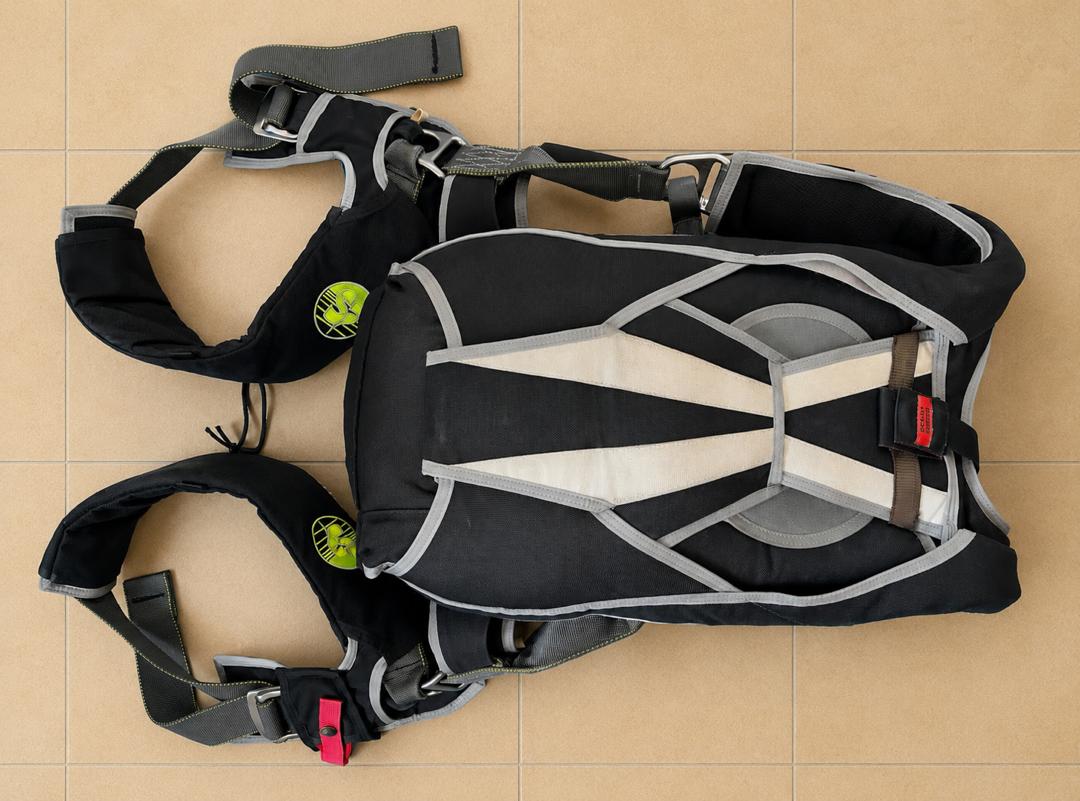

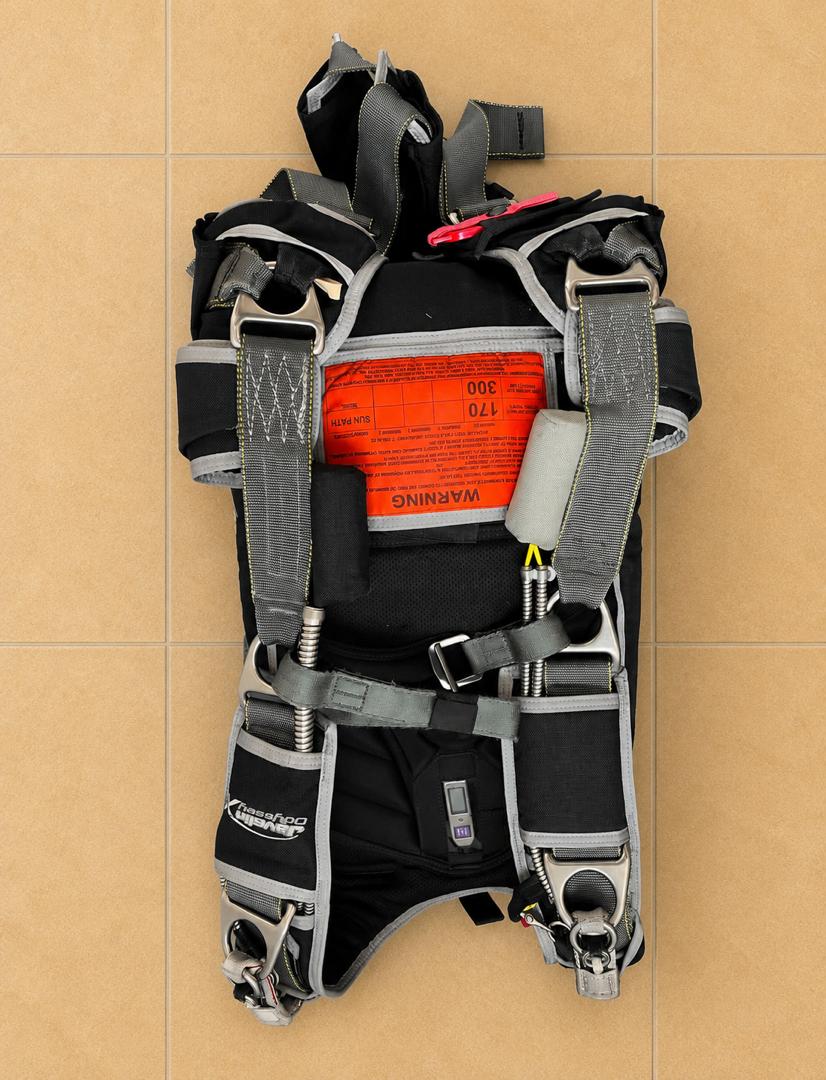
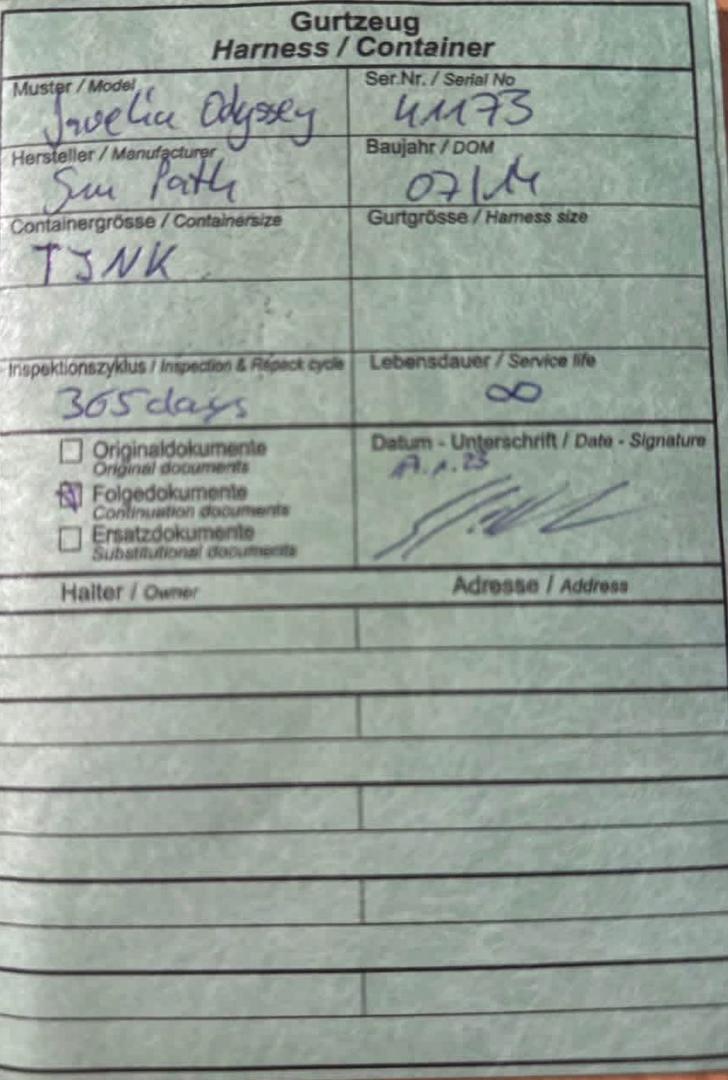
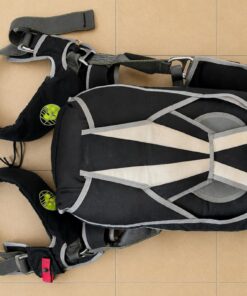
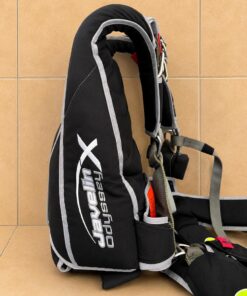


Javelin Odyssey TJNK DOM 07/2014


€2,500.00
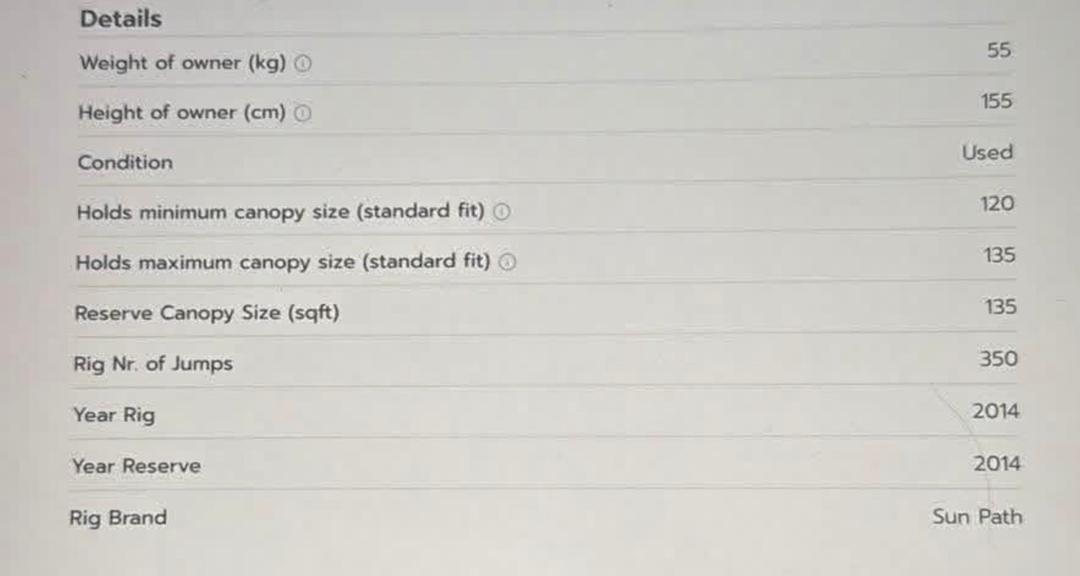
Used Javelin TJNK DOM 07/2014 with Speed 135 Reserve Product Description.
This Used Javelin TJNK DOM 07/2014 with Speed 135 Reserve is a compact pre-owned skydiving harness-container setup suited to an experienced jumper whose body measurements and canopy requirements match the existing configuration.
Manufactured in July 2014, the system should be evaluated by its current structural condition, harness fit, service history, and installed components rather than age alone. A properly maintained example can still offer strong practical value compared with purchasing an equivalent new setup.
The TJNK container provides a compact profile for appropriately sized main and reserve combinations, while the included 135-size reserve adds useful emergency-canopy capacity within a relatively small package. Exact compatibility should always be confirmed before installation or use.
Because this is a used system, buyers should check the harness webbing, structural stitching, hardware, riser covers, closing loops, pilot chute pouch, deployment components, reserve compartment, emergency handles, and any previous repairs or alterations. Reserve manufacture date, repack history, deployment history, and current inspection status should also be verified.
Key Features
- Pre-owned compact harness-container system
- DOM 07/2014
- TJNK container configuration
- Includes 135-size reserve
- Streamlined sport-jumping profile
- Suitable for appropriately experienced jumpers
- Main and reserve compatibility should be confirmed
- Harness measurements should be checked before purchase
- Service and repair history should be reviewed
- Professional inspection recommended before use
For the right jumper, a well-maintained used Javelin TJNK with 135 reserve can provide a compact, practical, and cost-effective setup with dependable long-term potential. Final suitability should always be based on current condition, correct harness fit, reserve status, component compatibility, and professional airworthiness inspection.
Maintenance, Storage, Structural Care, Service Planning, and Long-Term Ownership
Long-Term Structural Condition
A pre-owned harness-container system can remain dependable for many years when it is maintained carefully and inspected at appropriate intervals.
Age alone does not determine serviceability.
Structural condition, previous use, storage environment, repairs, webbing wear, hardware condition, and maintenance history all influence how much useful life remains.
For this reason, the system should be evaluated as a complete assembly rather than judged only by manufacture date.
A well-maintained example with documented servicing may offer significantly better long-term value than equipment that appears newer but has been stored or handled poorly Used Javelin TJNK Speed 135.
Routine Visual Inspection
Regular visual inspection helps identify developing issues early.
The jumper should become familiar with how the equipment normally looks and feels.
Areas around the shoulders, leg straps, chest strap, flap edges, closing components, riser covers, handle attachments, and hardware should be checked regularly.
Small changes are easier to notice when inspections are consistent.
However, routine personal checks should not replace formal professional servicing.
Any structural concern should be evaluated by appropriately qualified personnel.
Webbing Care
Load-bearing webbing deserves particular attention.
Cuts, burns, deep abrasion, chemical contamination, excessive fuzzing, or damaged fibers can reduce confidence in structural integrity.
Areas that repeatedly contact metal hardware may show more wear than surrounding sections.
This is not automatically a problem, but concentrated wear should be monitored carefully.
If the webbing begins slipping unexpectedly through an adjustment point, the cause should be investigated rather than corrected by simply tightening the system more aggressively.
Stitching Condition
Structural stitching should remain complete and secure.
Loose surface threads may occasionally appear without affecting strength, but pulled seams, missing stitch patterns, or visible separation require closer inspection.
Repairs completed during previous ownership should also be reviewed.
Professional repair work can remain fully acceptable when performed correctly.
However, undocumented alterations or unusual stitch patterns deserve additional attention.
The buyer or owner should know which areas have been modified and why.
Hardware Maintenance
Metal components should remain clean, smooth, and free from cracks, severe corrosion, deformation, or sharp edges.
Buckles and adjustment hardware should operate normally.
They should not bind or slip unexpectedly.
The webbing passing through these components should also be inspected because repeated movement can create localized wear.
Lubricants should not be applied casually.
Improper products can attract dirt or contaminate nearby fabric.
If hardware operation changes noticeably, professional assessment is preferable.
Main Compartment Wear
The main compartment experiences repeated loading during packing and closing.
Over time, flap edges may soften and high-contact areas may show surface wear.
Some changes are expected on older equipment.
However, permanent distortion, stretched fabric, damaged stiffeners, or unusual closure tension should be investigated.
Repeatedly forcing an oversized canopy into the tray can accelerate wear.
Correct canopy volume therefore contributes directly to long-term container preservation.
Reserve Compartment Care
The reserve compartment should remain under professional maintenance.
Its flaps, closing loop, pin, cable, handle, pilot chute, deployment bag, and surrounding fabric all form part of the emergency system.
Only appropriately qualified personnel should open or service this area Used Javelin TJNK Speed 135.
The owner should keep track of inspection and repack dates.
If the system is stored for an extended period, service requirements should still be reviewed before it returns to regular use.
Closing Loop Maintenance
The closing loop should remain the correct length and should not show excessive fraying, thinning, glazing, or discoloration.
A loop that becomes too long can reduce closure security.
A loop that is too short can make closing unnecessarily difficult and increase stress on nearby components.
Replacement should be carried out when wear becomes visible.
The correct length should be based on the actual configuration rather than guesswork.
Pin and Bridle Condition
The main closing pin should remain smooth and correctly positioned.
It should not show sharp edges, significant corrosion, or deformation.
The bridle should remain free from cuts, burns, excessive abrasion, or damaged stitching.
Routing should also remain clean.
A sudden change in pin tension can indicate a difference in pack volume, closing-loop length, or container condition.
The cause should be identified before continued use.
Pilot Chute and Pouch
The pilot chute should be checked for fabric wear, damaged mesh, stitching problems, and secure handle attachment.
The pouch should retain the pilot chute correctly without making extraction excessively difficult.
Used pouches can gradually stretch.
When retention becomes noticeably weaker, repair or replacement may be appropriate.
The complete deployment assembly should be considered as one system rather than as isolated components.
Riser Cover Wear
Riser covers should remain securely closed while packed.
Both sides should sit evenly.
Wear may develop around flap edges, stiffeners, tuck areas, or magnetic closures depending on configuration.
If one side begins opening more easily than the other, the difference should be investigated.
A weakening closure should not be treated as normal simply because the equipment is older.
Handle Inspection
Deployment and emergency handles should remain secure and accessible.
Attachment areas, housings, cables, and surrounding fabric should be inspected during routine maintenance.
A change in harness fit can also shift handle position.
Therefore, accessibility should be reassessed if the jumper’s body size Used Javelin TJNK Speed 135, clothing, or harness adjustment changes significantly Used Javelin TJNK Speed 135.
The system should always feel familiar before use Used Javelin TJNK Speed 135.
Moisture Protection
Moisture can affect long-term condition Used Javelin TJNK Speed 135.
If the system becomes wet, it should be dried properly before extended storage.
Damp equipment packed away for long periods may develop staining, odor, or material degradation.
Saltwater exposure requires even more caution Used Javelin TJNK Speed 135.
Salt residue can affect fabric, webbing, stitching, and metal components.
Any significant exposure should be followed by professional advice before the system returns to service.
Chemical Contamination
Fuel, oils, solvents, battery fluids, and harsh cleaning products can damage synthetic materials.
The system should therefore be kept away from workshops, leaking containers, vehicle fluids, and aggressive household chemicals.
Damage may not always be visible immediately.
If contamination is suspected, the equipment should not be cleaned casually with random products.
Professional evaluation is safer.
Sunlight and Heat
Prolonged ultraviolet exposure can weaken synthetic materials over time.
The system should not be left in direct sunlight unnecessarily.
High temperatures can also accelerate material aging.
Long-term storage inside a hot vehicle or unventilated area should be avoided.
A cool and dry environment is preferable.
Protecting the equipment from heat and sunlight can help preserve fabric, webbing, padding, and elastic components.
Transport Protection
During transport, the system should be protected from crushing loads, sharp objects, dirt, moisture, and chemicals.
Heavy equipment should not be stacked directly on top of it.
A dedicated gear bag provides useful protection.
The bag should remain clean and dry.
Extra care should be taken when traveling with tools, batteries, lubricants, or fuel containers.
Tracking Maintenance History
A clear maintenance record improves long-term ownership Used Javelin TJNK Speed 135.
Useful entries include inspection dates, reserve servicing, repairs, replacement components, harness alterations, deployment-system work, and professional recommendations Used Javelin TJNK Speed 135.
Keeping these records organized makes future servicing easier Used Javelin TJNK Speed 135.
It also helps the next owner understand how the equipment was maintained if the system is eventually sold.
Planning for Replacement Components Used Javelin TJNK Speed 135
Some parts naturally wear faster than the main harness structure Used Javelin TJNK Speed 135.
Closing loops, pilot chutes, pouches, cables, handles, and other service items may eventually require replacement Used Javelin TJNK Speed 135.
This should be considered normal maintenance rather than Used Javelin TJNK Speed 135 Used Javelin TJNK Speed 135 a sign that the entire system has reached the end of its life.
The important factor is whether appropriate replacement parts are used and installed correctly Used Javelin TJNK Speed 135.
Professional Inspection After Long Storage
Equipment that has been stored for a long period should be inspected before returning to use.
Storage conditions may have changed fabric, elastic components, hardware, or emergency-system status Used Javelin TJNK Speed 135.
The owner should not assume that equipment remains ready simply because it was serviceable when stored Used Javelin TJNK Speed 135.
A professional review provides a safer starting point.
Long-Term Ownership Value
The value of a used system depends on more than its purchase price Used Javelin TJNK Speed 135.
Fit, compatibility, service history Used Javelin TJNK Speed 135, condition, upcoming maintenance, and replacement needs all influence total ownership cost.
A slightly more expensive example with excellent documentation and recent servicing may ultimately provide better value than a cheaper system requiring extensive work Used Javelin TJNK Speed 135.
Building a Strong Ownership Routine
A reliable ownership routine combines visual inspection, correct packing, professional servicing, proper storage, careful transport, and organized maintenance records Used Javelin TJNK Speed 135.
Before use, visible components should be checked Used Javelin TJNK Speed 135.
After use, the equipment should be protected from moisture, heat, chemicals, and rough handling Used Javelin TJNK Speed 135.
When these habits remain consistent, a well-maintained pre-owned system can continue to provide dependable, comfortable, and practical service across many future jumps Used Javelin TJNK Speed 135.
Be the first to review “Javelin Odyssey TJNK DOM 07/2014”
Related products
used products

used products

used products


used products

used products

used products

used products
Reviews
There are no reviews yet.