

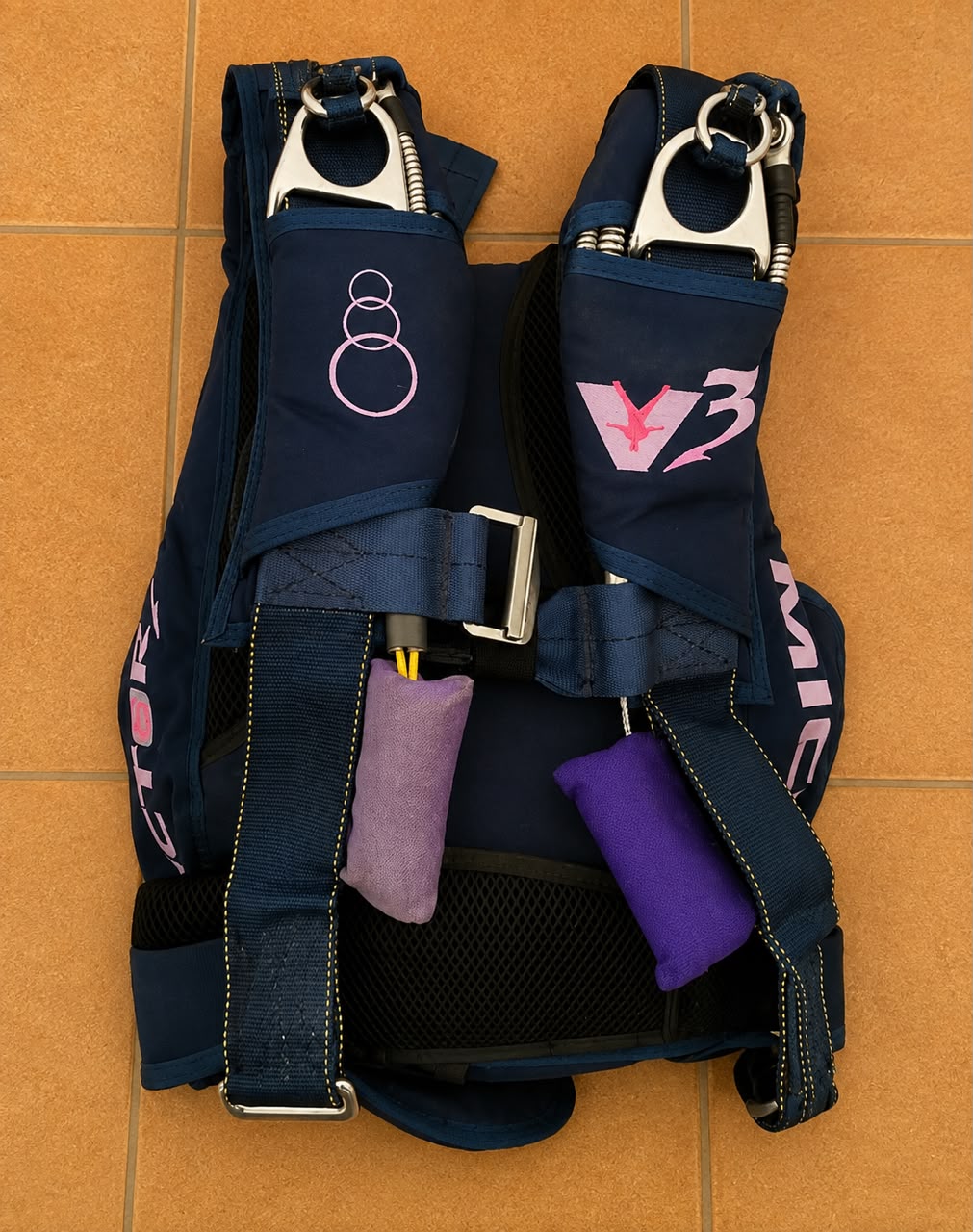

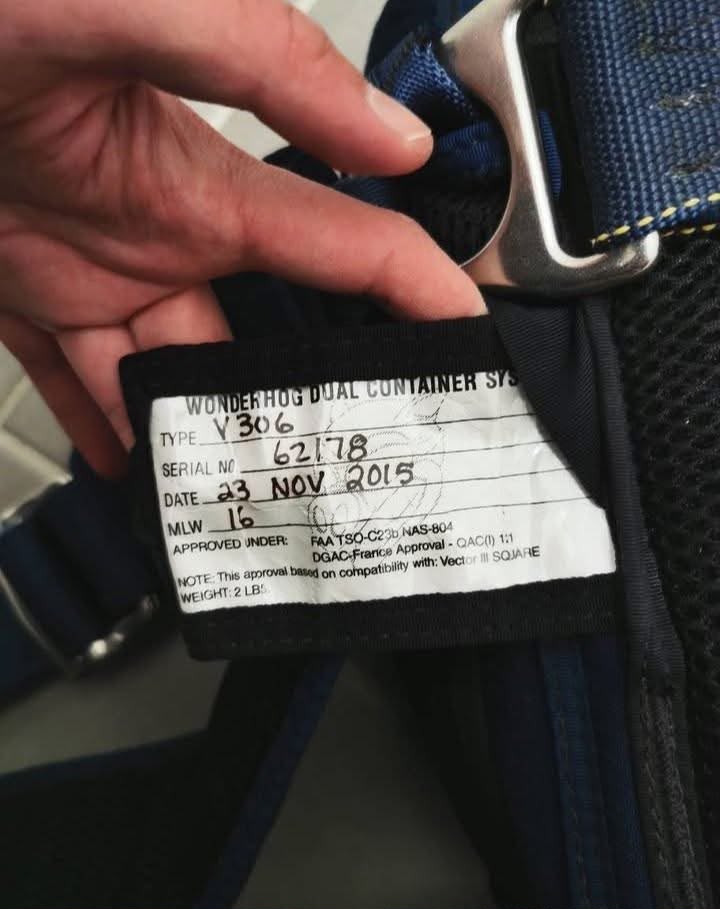
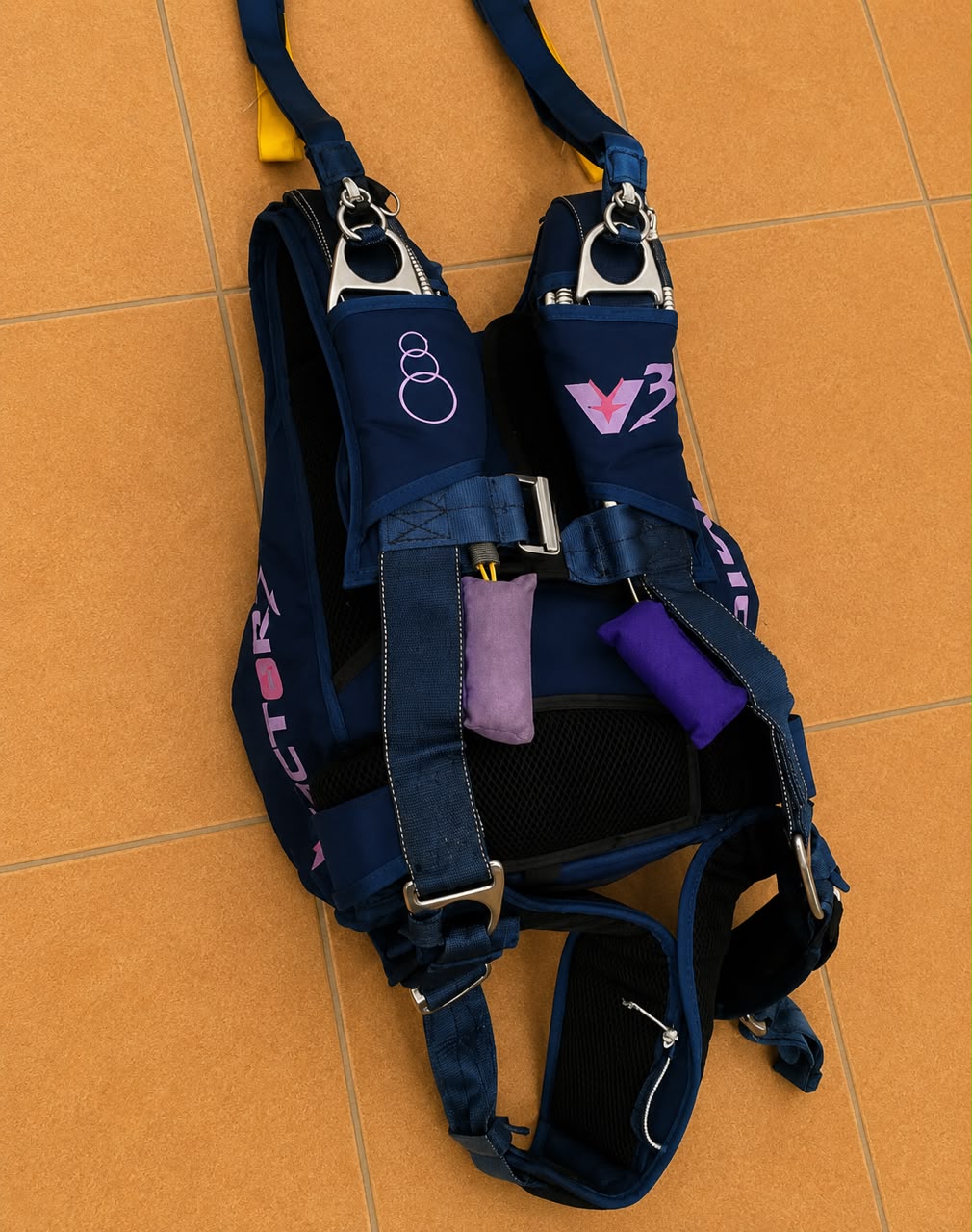
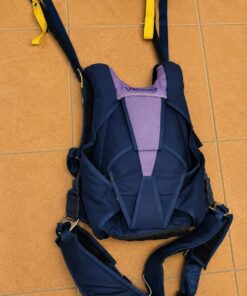
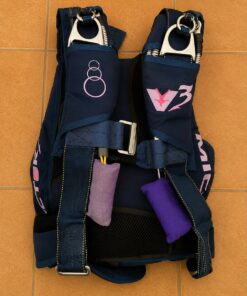
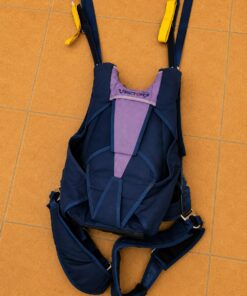


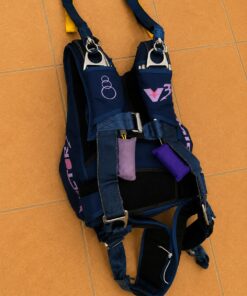
Vector 3 V306 DOM: 23/11/2015
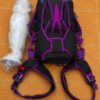

€3,000.00
The Vector 3 V306 DOM 23/11/2015 is a compact sport skydiving harness/container system designed to integrate a compatible main canopy, reserve canopy, deployment system, three-ring release, and safety components in a streamlined configuration.
Manufactured on 23 November 2015, this used rig should be assessed by its current condition, service history, harness fit, canopy compatibility, webbing, stitching, hardware, deployment components, and reserve status. Before use, the complete system should be inspected by an appropriately qualified parachute rigger to confirm continued serviceability and correct configuration.
Vector 3 V306 DOM 23/11/2015 — Skydiving Harness/Container System, Canopy Compatibility, Fit, and Rigging Overview
Vector 3 V306 DOM 23/11/2015 Harness, Container, Canopy Fit, and Skydiving Equipment Overview
The Vector 3 V306 DOM 23/11/2015 is a United Parachute Technologies sport skydiving harness/container system with a stated date of manufacture of 23 November 2015. I am using that date rather than the earlier “06/2025” wording because your latest product information identifies this exact rig as DOM 23/11/2015.
The V306 belongs to UPT’s compact Micron/Vector container range. Current UPT fitment guidance lists a V306 physical container approximately 10 inches wide at the top and bottom, 16.75 inches long, and 5 inches thick. Current reference ranges indicate roughly 100–120 sq ft for standard-construction mains, 85–95 sq ft for cross-braced mains, and 120–150 sq ft for low-bulk mains, with actual fit dependent on fabric, construction, lines, and pack volume.
UPT also emphasizes that nominal canopy size alone does not determine compatibility. Pack volume varies substantially between canopy designs, and the company treats its sizing information as guidance rather than an absolute substitute for professional inspection.
Parachute Jump Australia
For parachute jump australia activities, the complete system should meet local drop-zone, regulatory, reserve, and equipment requirements.
Skydive Byron Bay
Anyone using personal equipment at skydive byron bay should confirm local requirements before traveling with the rig.
Weight Limit Skydiving
weight limit skydiving considerations include exit weight, harness fit, canopy loading, equipment limitations, and operator requirements.
Cairns Skydiving
For cairns skydiving, local weather, equipment documentation, and canopy experience should all be considered.
Skydiving Helmet
A skydiving helmet forms part of the jumper’s personal equipment but remains separate from the harness/container.
Skydive Helmets
Modern skydive helmets range from lightweight open-face models to enclosed full-face designs.
Hook Blade Knife
A hook blade knife is an emergency cutting tool commonly carried as part of a skydiver’s equipment.
Tracking Jump Used Vector 3 V306
A tracking jump requires appropriate separation planning, altitude awareness, and discipline-specific training.
Parachute Rig
A complete parachute rig integrates the harness/container, main canopy, reserve, deployment system, risers, and associated safety components.
Linewear
linewear should be monitored because heavily worn canopy lines can affect both opening behavior and flight characteristics.
Base Jumping
base jumping uses different equipment and operational procedures and should not be treated as interchangeable with aircraft skydiving.
Sky Helmet Skydiving
A sky helmet skydiving configuration should fit securely without interfering with emergency-handle access.
Wingsuit Sport
The wingsuit sport introduces specialized deployment and canopy considerations requiring suitable experience and training.
Vector Wingsuit
A vector wingsuit configuration should be assessed for correct harness fit, deployment-system setup, and canopy suitability.
Full Face Skydiving Helmet
A full face skydiving helmet provides enclosed face protection while remaining independent of the rig itself.
Skydiving Downsizing Chart
A skydiving downsizing chart should never replace qualified canopy coaching and individual assessment.
Landing Flight Risers
landing flight risers connect the main canopy to the harness and should remain structurally sound and correctly assembled.
Fire Parachute
The phrase fire parachute refers to another equipment context and is not the model designation of this system.
Cypress Fire Skydiving
Searches for cypress fire skydiving can combine AAD and equipment terminology; actual compatibility should be verified from manufacturer documentation.
Skydiving Rigging
Professional skydiving rigging is essential for reserve packing, repairs, canopy compatibility, component inspection, and alterations.
Baseline Jumping
baseline jumping belongs to another parachuting discipline and should not be confused with normal sport skydiving.
Sky Diving Helmet
A sky diving helmet should remain secure while preserving visibility and access to critical equipment.
Hook Knife Skydiving
A hook knife skydiving tool is normally positioned as emergency equipment without obstructing handles or harness components.
Landing Flight Risers
The condition of landing flight risers should be reviewed alongside webbing, links, stitching, and three-ring components.
Skydiving Glasses
skydiving glasses or goggles protect the eyes and should remain securely fitted during freefall.
Nude Parachute Jump
A nude parachute jump still requires correct harness fit, safe operating procedures, and drop-zone authorization.
IFly Colorado Springs
ifly colorado springs involves indoor body flight and therefore does not use a parachute deployment system during tunnel flight.
Skydive Hook Knife
A skydive hook knife may form part of the jumper’s emergency-equipment arrangement.
Skydiving Helmet Full Face
A skydiving helmet full face design offers enclosed protection and a streamlined profile.
Skydiving Blue Hole Belize
For skydiving blue hole belize, visiting jumpers should verify documentation and personal-equipment requirements before travel.
Smallest Canopy
The smallest canopy that physically fits the V306 is not automatically appropriate for the individual jumper.
Skydiving Speed
skydiving speed varies with body position, discipline, body mass, clothing, and aerodynamic configuration.
Wing Suits for Sale
Searches for wing suits for sale concern specialized freefall garments rather than the harness/container.
Skydiving Nude
skydiving nude does not change normal requirements for harness security, training, or drop-zone approval.
Parts of a Parachute
Important parts of a parachute system include the canopy, suspension lines, risers, deployment bag, pilot chute, harness, container, and reserve components.
Container Skydive
A container skydive system houses the packed main and reserve assemblies and integrates them with the structural harness.
G35 Helmet
A g35 helmet belongs to the helmet category and is separate from this container system.
Best Skydiving Helmet
The best skydiving helmet depends on fit, discipline, visibility, comfort, communication needs, and personal preference.
Skydive Belize
For skydive belize, the rig should satisfy the individual operator’s requirements and applicable local rules.
Freefly PUD Handle
A freefly PUD handle is a deployment-handle configuration used on some sport rigs and should be correctly installed and maintained.
Gliding Suit Wingsuit
A gliding suit wingsuit changes freefall aerodynamics substantially and requires specialized instruction.
Jumper Pilot
A jumper pilot may refer to a skydiver or the aircraft pilot involved in jump operations depending on context.
CRW Skydiving
CRW skydiving involves intentional canopy-relative flight and requires specialized equipment knowledge and training.
Gear Bag Skydive
A gear bag skydive setup helps protect the rig, helmet, clothing, altimeters, and accessories during transport.
Skydiving Equipment List
A typical skydiving equipment list may include a harness/container, main canopy, reserve canopy, AAD where applicable, helmet, altimeter, goggles, and emergency cutting tool.
Indoor Wingsuit
indoor wingsuit training develops certain aerodynamic skills without normal outdoor parachute deployment.
Can You Wear Glasses While Skydiving
For those asking can you wear glasses while skydiving, appropriately designed goggles and some full-face helmets can accommodate prescription eyewear.
Wingsuit
A wingsuit should only be introduced after appropriate experience, instruction, and equipment assessment.
Skydiving Website
A reliable skydiving website should provide accurate equipment identification, sizing information, condition details, and manufacturer references.
Cookie G4 Helmet
The cookie g4 helmet is a full-face helmet and should not be confused with a Vector harness/container designation.
Base Canopy
A base canopy is designed for another parachuting environment and should not automatically be installed in a sport rig.
New Skydive
A new skydive participant should progress through structured instruction before independently selecting advanced personal equipment.
#Skydiving Latest
For #skydiving latest information, current manufacturer documentation and service notices are more dependable than social-media trends.
Canopy Flight
canopy flight depends on canopy design, wing loading, atmospheric conditions, landing environment, and pilot experience.
Skydiver Goggles
skydiver goggles should remain secure while providing clear vision during exit and freefall.
Speed Sky Diving
speed sky diving produces significantly higher freefall velocities and requires specialized training and equipment evaluation.
Fly Suits
fly suits include conventional jumpsuits, freefly suits, tracking suits, and other discipline-specific clothing.
Skydiving Rig
A skydiving rig should always be evaluated as a complete integrated system rather than judging individual components separately.
Safire 3
A safire 3 appears in UPT’s current V306 references. The manufacturer currently lists the Safire3 119 among standard-fit examples and the Safire3 129 among fuller-fit examples. However, UPT emphasizes that actual pack volume and configuration remain important.
Skydiving Gliding Suit
A skydiving gliding suit alters horizontal and vertical freefall performance and requires discipline-specific training.
Fluid Wings
fluid wings manufactures modern canopies, but compatibility should always be determined from the exact model, size, construction, pack volume, and container configuration.
Price of Wingsuit
The price of wingsuit equipment varies according to manufacturer, model, condition, options, and customization.
Tandem Wingsuit
A tandem wingsuit concept should not be assumed to fall within normal sport or tandem procedures without specialist authorization and instruction.
Skydiving Tube
A skydiving tube is generally associated with specialized freefall activities rather than ordinary harness/container operation.
Why the V306 Configuration Matters
Current UPT fitment guidance places the V306 around a 100–120 sq ft standard-main range, with approximately 110 sq ft identified as an optimal reference size for conventional construction. For low-bulk designs, the current reference range extends approximately 120–150 sq ft. On the reserve side, current guidance indicates approximately 100–110 sq ft for standard-construction reserves and 105–120 sq ft for low-bulk reserves.
These numbers are container-fit references, not canopy recommendations for a jumper. UPT specifically warns that canopy design, material, line type, age, logos, and packing environment can affect volume. It also notes that combining both a full-fitting main and a full-fitting reserve can make V306 packing particularly difficult if bulk distribution is unfavorable.
For a Vector 3 V306 manufactured on 23 November 2015, condition and documented service history are therefore critical. Before use, an appropriately qualified parachute rigger should verify harness fit, structural webbing, stitching, hardware, three-ring components, deployment system, reserve status, canopy compatibility, any installed AAD, repairs, modifications, and applicable manufacturer guidance.
Harness Fit, Container Condition, Deployment Components, Canopy Compatibility, and Long-Term Reliability
Harness Fit and Body Position
Correct harness fit is one of the most important factors when evaluating a sport parachute system. The harness should sit securely on the jumper while still allowing normal movement during exit, freefall, deployment, and canopy flight.
Fit depends on more than height and body weight. Torso length, chest dimensions, waist size, leg proportions, and clothing thickness can all change how the system sits.
A harness that is too loose may shift excessively, while one that is too tight can create pressure points and restrict movement.
The most reliable way to evaluate fit is to wear the complete system with normal jumping clothing and confirm that the harness remains stable across different body positions.
Main Lift Web and Structural Areas
The main lift web forms a critical part of the load-bearing structure.
It should remain free from significant cuts, burns, chemical contamination, unusual abrasion, or damaged stitching.
Junction points around the shoulders, laterals, leg straps, and hardware deserve careful attention because they experience concentrated loading.
Normal cosmetic wear does not automatically indicate structural damage, but questionable areas should be evaluated professionally.
Because this system was manufactured in 2015, condition is more important than age alone. A well-maintained rig may remain in excellent condition, while poor storage or heavy use can accelerate wear.
Leg Strap Condition
Leg straps should remain structurally sound and should adjust smoothly.
The webbing should be checked for fraying, cuts, contamination, or worn stitching.
Adjustment hardware should move freely when intentionally adjusted but remain secure once set.
The straps should also sit comfortably and symmetrically enough to support a stable harness position.
If one side slips, twists, or feels different from the other, the system should be inspected.
Leg-pad condition also matters because compressed padding or damaged fabric can affect comfort during deployment and canopy flight.
Chest Strap and Upper Harness
The chest strap helps maintain the position of the upper harness.
Its webbing and buckle should remain in good condition.
The strap should not show excessive abrasion, damaged stitching, or deformation.
The buckle should operate smoothly and should not have sharp edges.
Excessive tightening should be avoided because it can reduce comfort and change harness geometry.
The upper harness should remain stable enough that deployment and emergency handles stay in predictable positions.
Any unusual movement around the shoulders should be investigated.
Container Fabric and Flap Condition
The container should maintain its structural shape without excessive abrasion or tearing.
Flap edges, corners, binding tape, grommet areas, and high-contact surfaces should be inspected carefully.
Repeated packing can create normal marks, but damaged seams, distorted flaps, or loose stitching require closer evaluation.
The reserve side deserves particularly conservative inspection.
Closing flaps should align correctly and should not show unusual tension.
If the container appears difficult to close or the flaps sit unevenly, the canopy size, pack volume, or packing technique may need to be reviewed.
Main Deployment System
The main deployment system works through a sequence of connected components.
The deployment handle or pilot chute initiates the sequence, while the bridle, closing pin, deployment bag, line stows, and canopy continue the process.
Each component should remain compatible with the rest of the system.
The pilot chute should be checked for fabric wear, mesh damage, stitching condition, and secure attachment.
The bridle should remain free from cuts, burns, contamination, or excessive abrasion.
Any change in deployment feel should be investigated before continued use.
Closing Loop and Pin Condition
The closing loop plays a small but important role.
It should remain free from excessive wear, fraying, or damage.
The pin should remain smooth, properly shaped, and free from corrosion or sharp edges.
The relationship between loop length, container tension, and pin position should remain appropriate for the packed configuration.
If excessive closing force is required, the cause should be identified rather than compensated for with improvised adjustments.
Closing components should be maintained according to manufacturer guidance.
Deployment Bag and Line Stows
The deployment bag helps control the order in which lines and canopy fabric leave the container.
Its fabric, stitching, grommets, attachment points, and stow areas should remain in serviceable condition.
Worn line-stow components can affect line organization.
The bag should also match the intended main canopy and container combination.
A bag that fits physically is not automatically the correct component.
Line condition should be checked at the same time because worn or damaged lines can influence both deployment and canopy performance.
Reserve System Inspection
The reserve system should receive especially careful inspection.
The reserve container, closing loop, reserve pilot chute, freebag, handle or ripcord system, and associated cables should all remain compatible and serviceable.
The reserve canopy should also be appropriate for the container.
Physical fit alone is not enough.
Pack volume, manufacturer guidance, local regulatory requirements, and reserve specifications all matter.
The reserve packing status should remain current under the rules that apply where the system is used.
Documentation should also be kept whenever possible.
Three-Ring Release System
The three-ring release system should remain correctly assembled, clean, and free from structural damage.
The rings should not show cracks, deformation, severe corrosion, or unusual wear.
The surrounding webbing should remain intact.
Release cables and housings should also be inspected for correct routing and condition.
Maintenance should follow manufacturer procedures.
Improvised lubricants or modifications should be avoided because they can influence system behavior.
Regular inspection helps preserve reliable emergency operation.
Handle Position and Security
Deployment and emergency handles should remain secure while still being accessible.
Handle pockets and retaining systems should be checked for stretching, damaged stitching, contamination, or reduced retention.
Harness fit strongly influences handle position.
If the rig shifts excessively, the handles may move away from their expected locations.
For this reason, access should be evaluated while the system is worn and adjusted normally.
Different clothing or changes in body size can also influence accessibility.
Canopy Compatibility
Canopy compatibility should be based on the exact container configuration and actual pack volume.
Two canopies with similar labeled area can pack differently because of fabric type, construction, line type, and age.
A canopy that is too bulky can place unnecessary stress on closing components and flaps.
A canopy that is too small may not fill the container correctly.
Neither situation should be judged solely by whether the system can be closed.
Manufacturer sizing information and professional rigging judgment should be used together.
Hardware Condition
Metal hardware should be checked for cracks, sharp edges, corrosion, bending, or unusual wear.
Buckles and adjustment components should operate smoothly.
Areas where webbing passes through hardware deserve close attention because repeated movement can create localized wear.
Minor surface marks may be cosmetic, but structural concerns should be evaluated by a qualified rigger.
Harsh polishing products or unsuitable chemicals should not be used because they can damage nearby materials.
Storage and Environmental Protection
Storage conditions can significantly influence equipment condition.
Heat, moisture, ultraviolet exposure, chemicals, fuel residue, and prolonged compression can all affect parachute materials.
The system should be stored in a clean, dry place away from direct sunlight.
If it becomes wet, it should be dried appropriately before being stored.
A protective gear bag can reduce abrasion and contamination during travel, but moisture should not be trapped inside.
Vehicle interiors should also be avoided for long-term storage because temperatures can become extremely high.
Long-Term Reliability and Inspection Routine
Long-term reliability depends on regular inspection, correct component compatibility, suitable storage, and accurate maintenance records.
Harness webbing, stitching, hardware, deployment components, emergency handles, closing systems, reserve components, and canopy interfaces should all be monitored.
Any change in fit, closing tension, deployment feel, handle retention, or hardware condition should be investigated before the next jump.
Repairs, inspections, reserve repacks, and component replacements should be documented whenever possible.
A clear service history makes future assessments easier and helps identify gradual wear.
When the system is maintained according to manufacturer guidance and inspected by appropriately qualified personnel, it is more likely to remain dependable and structurally sound throughout continued service.
Freefall Stability, Deployment Reliability, Emergency Access, Structural Condition, and Continued Serviceability
Freefall Stability and Harness Security
A properly fitted harness/container system should remain stable on the jumper throughout exit, freefall, deployment, and canopy flight. Stability depends on the relationship between torso length, laterals, leg straps, chest strap placement, and the overall harness geometry.
If the rig shifts excessively, comfort can be reduced and handle locations may change. A harness that is too loose may move around the torso, while one that is too tight can create pressure points or restrict movement.
Fit should therefore be checked while wearing normal jumping clothing and while moving through realistic body positions.
The objective is a secure, predictable fit that supports movement without allowing the rig to shift unnecessarily.
Handle Accessibility and Retention
Deployment and emergency handles should remain secure while still being easy to identify and reach when required.
Handle location can be affected by body proportions, harness fit, clothing thickness, and how the container sits after movement.
Handle pockets and retaining systems should be checked for stretching, damaged stitching, contamination, or loss of retention.
A handle that sits too loosely may be vulnerable to unwanted movement. However, a handle that is excessively difficult to remove can create another concern.
Access should therefore be evaluated with the complete system worn and adjusted correctly.
Main Deployment Sequence
The main deployment system functions as a connected sequence.
The deployment handle or pilot chute initiates the process. The bridle then transfers force to the closing pin, allowing the container to open. The deployment bag and line stows help control the following stages.
Each component should remain compatible with the rest of the system.
Wear or damage to the pilot chute, bridle, closing loop, pin, bag, or line-stow components can influence deployment reliability.
For that reason, inspection should focus on the complete sequence rather than one individual component.
Pilot Chute Condition
The pilot chute should be inspected periodically for fabric wear, mesh damage, stitching condition, contamination, and secure attachment.
Repeated use, packing, dragging, and contact with aircraft or the ground can gradually affect materials.
A component may look acceptable externally while still showing wear in less obvious areas.
If the system uses collapsible features, those components should also function correctly.
Any unusual change in deployment feel should be investigated before continued use.
Replacement decisions should be based on condition, manufacturer guidance, and professional inspection.
Bridle and Pin Inspection
The bridle should remain free from cuts, burns, severe abrasion, contamination, or damaged stitching.
Attachment points deserve particular attention because they experience repeated loading.
The closing pin should remain smooth, correctly shaped, and free from corrosion or sharp edges.
The relationship between the pin and closing loop should also remain appropriate.
If unusual resistance develops during closing or deployment, the cause should be identified rather than compensated for with improvised adjustments.
All closing components should remain compatible with the original system design.
Deployment Bag and Line Management
The deployment bag helps control the sequence in which lines and canopy fabric leave the container.
Its fabric, stitching, grommets, attachment points, and stow areas should remain in serviceable condition.
Worn or damaged stow components can affect line organization during deployment.
The bag should also be suitable for the intended main canopy.
A component that fits physically is not automatically the correct component.
Line condition should be reviewed at the same time because damaged or heavily worn lines can affect both deployment behavior and canopy performance.
Reserve Container and Components
The reserve side should receive conservative inspection.
Reserve flaps, closing loop, pilot chute, freebag, reserve handle or ripcord system, cable routing, and associated stitching should all remain serviceable and correctly configured.
The reserve canopy should also be compatible with the container according to pack volume and manufacturer guidance.
Physical fit alone does not confirm suitability.
Reserve packing status should remain current under the rules that apply where the equipment is used.
Any uncertainty concerning reserve components should be resolved before the system returns to service.
Three-Ring Release Condition
The three-ring release system should remain correctly assembled, clean, and free from damage.
The rings should be checked for cracks, deformation, severe corrosion, or unusual wear.
The surrounding webbing should remain structurally sound.
Release cables and housings should be inspected for condition and correct routing.
Maintenance should follow manufacturer procedures.
Improvised lubrication, modifications, or unsuitable cleaning products should be avoided because they can affect system behavior.
Regular inspection supports predictable emergency operation.
Harness Webbing and Structural Stitching
Load-bearing webbing should remain free from cuts, burns, chemical contamination, or excessive abrasion.
Structural stitching should remain intact, particularly around harness junctions, laterals, leg straps, and hardware attachments.
Loose thread ends do not always indicate structural failure, but broken load-bearing stitching should be professionally evaluated.
Older equipment should be inspected carefully even when it appears clean.
Actual service history, storage conditions, previous repairs, and number of jumps can all influence wear.
Professional inspection helps distinguish cosmetic marks from structural deterioration.
Hardware Condition
Metal hardware should remain free from cracks, sharp edges, severe corrosion, bending, or abnormal wear.
Adjustment hardware should operate smoothly and should not slip unexpectedly.
Areas where webbing passes through metal parts should be inspected for localized abrasion.
Minor surface marks can result from normal service, but questionable hardware should not be dismissed without evaluation.
Cleaning methods should remain conservative because harsh chemicals or excessive polishing may damage finishes or contaminate surrounding materials.
Container Fabric and Flap Alignment
Container fabric should maintain its shape and remain free from excessive abrasion, tearing, or seam damage.
Flaps should align correctly when the rig is packed.
Grommets should remain secure and smooth.
Sharp edges can damage closing loops and should be addressed promptly.
Binding tape, corners, and high-contact areas deserve particular attention because they may experience repeated contact during packing and aircraft operations.
Uneven flap alignment or excessive closing tension may indicate a pack-volume or component issue that should be reviewed.
Canopy Volume and Fit
Canopy compatibility depends on more than nominal square footage.
Different designs can pack differently because of fabric type, construction, line type, age, and material condition.
A canopy that packs too large may place unnecessary stress on container flaps and closing components.
A canopy that packs too small may not fill the container as intended.
The correct combination should therefore be confirmed using manufacturer sizing guidance and professional rigging judgment.
Whether the container can simply be closed should not be used as the only standard.
Environmental Exposure
Heat, moisture, sunlight, chemicals, and poor storage can affect parachute materials over time.
Ultraviolet exposure may weaken some fabrics, while humidity can contribute to corrosion on metal components.
Fuel, oils, cleaners, and other chemicals can also contaminate webbing and fabric.
The rig should be stored in a clean, dry location away from direct sunlight and excessive heat.
If it becomes wet, appropriate drying procedures should be followed before long-term storage.
A protective bag should never be used to trap moisture around the equipment.
Establishing a Reliable Inspection Routine
A structured inspection routine helps identify gradual wear before it develops into a larger issue.
Harness fit, webbing, stitching, hardware, deployment components, reserve components, emergency handles, closing systems, and canopy interfaces should all be reviewed periodically.
Any change in fit, closing tension, deployment feel, handle security, or component condition should be investigated before the next jump.
Maintenance records are particularly useful for a system with several years of service because they make repairs, replacements, and previous inspections easier to track.
Continued serviceability should always be based on current condition, correct compatibility, proper maintenance, and qualified inspection rather than age or appearance alone.
Comfort, Fit Retention, Maintenance, Storage, Hardware Care, and Long-Term Reliability
Comfort During Extended Use
Comfort is an important part of how a harness/container system performs during repeated jumping. A properly fitted setup should distribute load across the shoulders, torso, hips, and leg straps without creating unnecessary pressure points.
The system should remain secure while still allowing the jumper to arch, sit, turn, and move naturally for the intended discipline.
Fit can feel different in freefall than it does while standing on the ground, so evaluation should consider normal jumping clothing and realistic body positions.
A comfortable setup also helps keep deployment and emergency handles in predictable positions, which supports consistency and confidence during normal operation.
Maintaining Harness Fit Over Time
Harness fit can change gradually as equipment is used.
Webbing may soften, padding can compress, and the jumper’s own body weight or measurements may change.
These factors do not automatically make the system unsuitable, but they can influence how securely it sits.
If the rig begins shifting more than expected or creates new pressure points, the fit should be reassessed.
Changes in clothing thickness can also affect how the harness feels.
Periodic fit checks are useful because small changes may not be obvious during routine use.
A secure fit should support movement without excessive restriction.
Leg Strap Condition and Adjustment
Leg straps are load-bearing components and should remain in sound structural condition.
The webbing, stitching, adjustment hardware, and protective material should all be inspected regularly.
Cuts, burns, heavy abrasion, contamination, or broken stitching require closer evaluation.
Adjustment hardware should move smoothly when intentionally changed but remain secure once set.
The straps should also sit comfortably and consistently on both sides.
If one side begins slipping, twisting, or feeling different from the other, the system should be inspected before further use.
Correct adjustment contributes to both comfort and overall harness stability.
Chest Strap and Upper Harness
The chest strap helps stabilize the upper portion of the harness.
Its webbing should remain free from significant cuts, abrasion, damaged stitching, or contamination.
The buckle should operate smoothly and should not show sharp edges, deformation, or unusual resistance.
The strap should be adjusted correctly rather than tightened excessively.
Overtightening can reduce comfort and change how the upper harness sits on the body.
The shoulder area should remain stable enough that emergency and deployment handles stay where expected.
Any noticeable change in upper-harness position should be investigated.
Main Lift Web Condition
The main lift web is a critical structural component.
It should be inspected carefully for wear, cuts, burns, contamination, and damaged stitching.
Areas where the webbing connects with laterals, leg straps, and hardware deserve particular attention because they experience significant loads.
Normal surface wear may occur during service, but structural damage must be treated differently.
If any area appears questionable, professional inspection is appropriate.
A system that looks cosmetically clean may still have wear in less obvious locations, which is why a complete inspection is more useful than a simple visual check.
Hardware Condition
Metal hardware should remain free from cracks, sharp edges, severe corrosion, bending, or unusual deformation.
Buckles, rings, and adjustment components should operate smoothly.
Areas where webbing passes through metal hardware deserve close attention because repeated movement can create localized wear.
Minor surface marks can be normal, but structural concerns should never be dismissed as cosmetic.
Cleaning methods should remain conservative.
Aggressive polishing or unsuitable chemicals may damage finishes or contaminate nearby webbing and fabric.
Questionable hardware should be evaluated by an appropriately qualified rigger.
Container Fabric and Flap Condition
The container fabric should maintain its structural shape without excessive abrasion, tearing, or seam damage.
Corners, flap edges, binding tape, and grommet areas often receive repeated contact during packing, aircraft movement, and transport.
Closing flaps should align correctly when the system is packed.
Uneven alignment or excessive tension may indicate a packing, sizing, or component issue.
Grommets should remain secure and smooth.
Sharp edges can damage closing loops and should be addressed promptly.
Fabric fading may be cosmetic, but evidence of material deterioration should be professionally evaluated.
Handle Pocket Retention
Deployment and emergency handles should remain secure while still being accessible when required.
Handle pockets and retaining systems should be inspected for stretching, damaged stitching, contamination, or reduced retention.
A handle that sits too loosely may move unintentionally.
However, excessive retention can also be problematic.
Harness fit and clothing thickness can influence handle accessibility, so these areas should be checked while the system is actually being worn.
If handle position changes noticeably from normal, the cause should be identified before the next jump.
Closing System Condition
Closing loops, pins, cables, housings, and grommets should remain in serviceable condition.
The closing loop should not show excessive wear, cuts, or fraying.
Pins should remain smooth, correctly shaped, and free from corrosion.
Cable housings should not show severe bending, crushing, or damage.
Because these components interact during deployment and emergency procedures, they should be treated as parts of one complete system.
Improvised replacements or unauthorized modifications should be avoided.
Any uncertainty about component condition or configuration should be resolved professionally.
Cleaning and Surface Care
Parachute equipment should be cleaned conservatively.
Strong detergents, solvents, harsh chemicals, and aggressive scrubbing can damage fabric, webbing, coatings, or hardware.
Surface dirt should generally be addressed using suitable manufacturer-approved methods.
If the system becomes contaminated with fuel, oil, salt water, chemicals, or another potentially harmful substance, professional advice should be obtained.
The rig should be completely dry before long-term storage.
Storing damp equipment can encourage corrosion, odor, and material deterioration.
Environmental Protection
Heat, moisture, sunlight, and chemicals can affect parachute materials over time.
Prolonged ultraviolet exposure may weaken some fabrics.
High humidity can contribute to corrosion on metal components.
Excessive heat may accelerate aging of certain materials.
Vehicle interiors can become extremely hot in direct sunlight and are not ideal long-term storage environments.
The rig should also be kept away from fuel, batteries, cleaning chemicals, and other substances that may cause contamination.
Good environmental protection helps preserve both structural and cosmetic condition.
Storage Between Jumps
The system should be stored in a clean, dry location away from direct sunlight and excessive heat.
A protective gear bag can help reduce dirt, impact, and unnecessary abrasion.
However, moisture should never be trapped inside the bag.
If the rig becomes wet, appropriate drying procedures should be followed before storage.
Heavy objects should not be placed on top of packed equipment for long periods.
Good storage practices reduce unnecessary compression and help preserve webbing, container shape, hardware, and deployment components.
Transport and Travel Protection
Transport can expose equipment to compression, sharp objects, liquids, dirt, and rough handling.
A durable gear bag provides useful protection.
The rig should be kept separate from tools, leaking containers, and heavy equipment that could damage fabric or hardware.
After long-distance travel, the handles, closing system, flaps, and visible hardware should be checked before use.
Any unusual compression, displaced handle, damaged fabric, or bent component should be investigated.
Travel inspections are especially useful for equipment that is several years old.
Long-Term Reliability and Maintenance Records
Long-term reliability depends on regular inspection, correct fit, suitable storage, and accurate maintenance records.
Harness webbing, stitching, hardware, container fabric, deployment components, emergency handles, and closing systems should all be monitored over time.
Repairs, reserve repacks, inspections, and component replacements should be documented whenever possible.
A clear service history helps future riggers understand what work has already been completed and makes gradual wear easier to identify.
When the system is maintained according to manufacturer guidance, stored properly, and inspected by qualified personnel, it is more likely to preserve dependable operation and sound structural condition throughout continued service.
Be the first to review “Vector 3 V306 DOM: 23/11/2015”
Related products

used products
used products

used products

used products

used products

used products

used products

used products
Reviews
There are no reviews yet.