
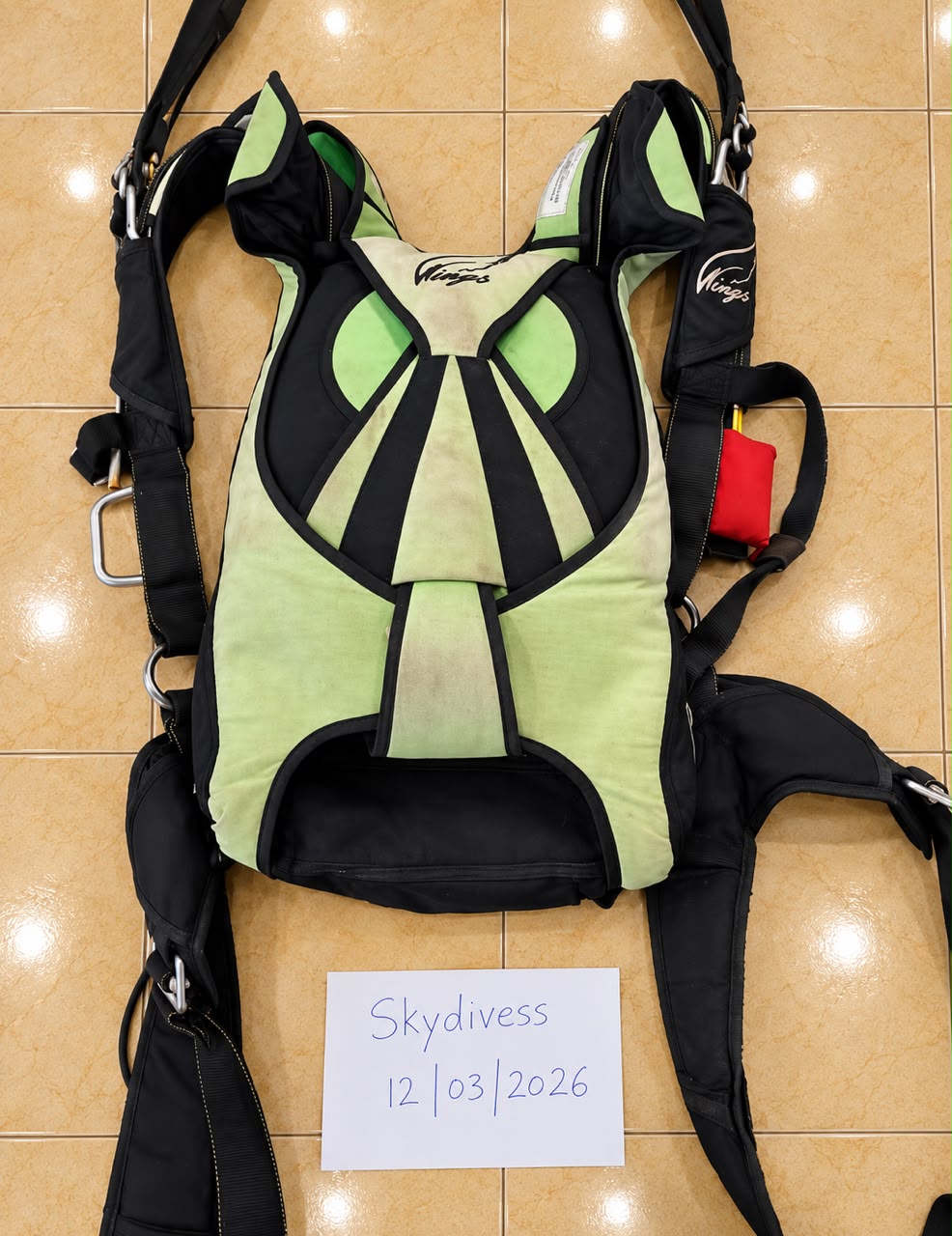
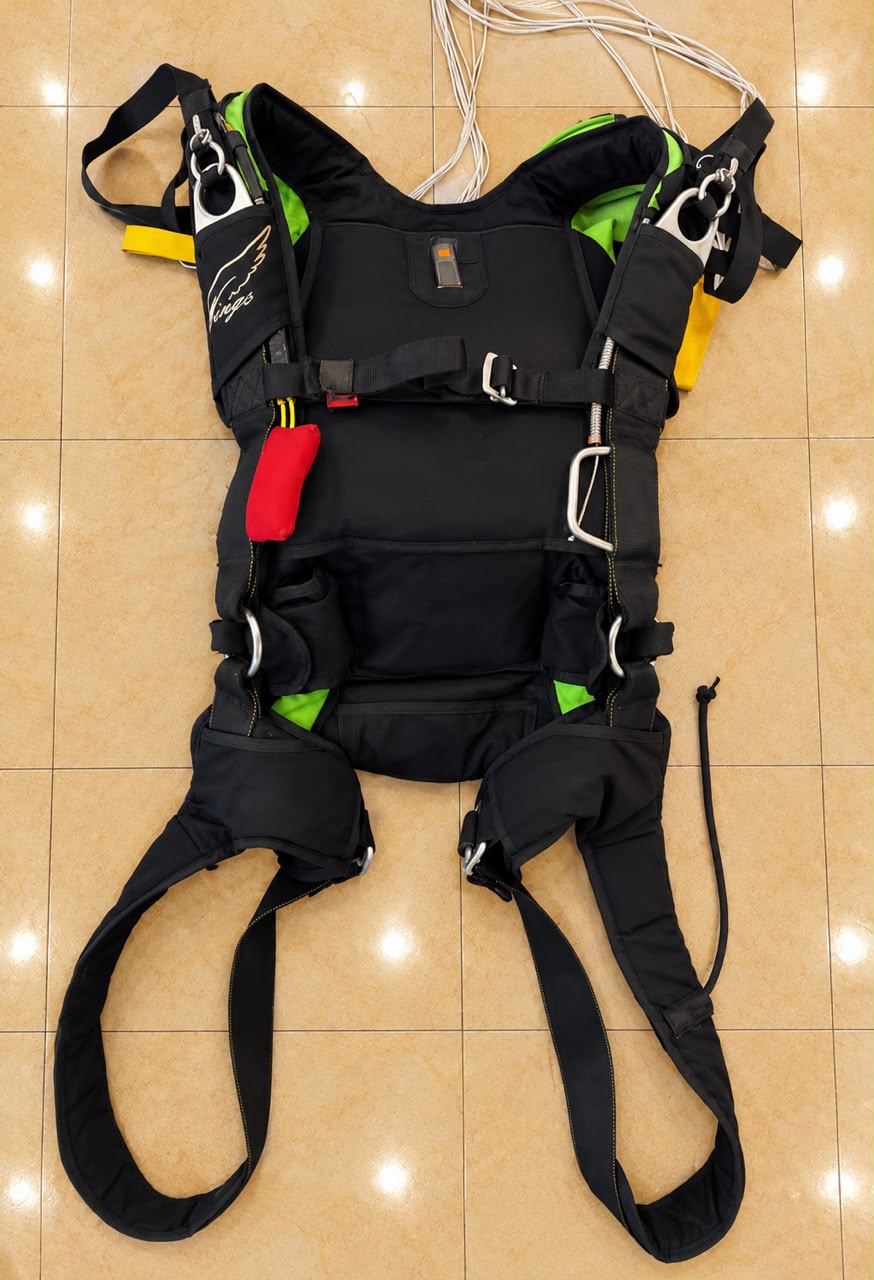
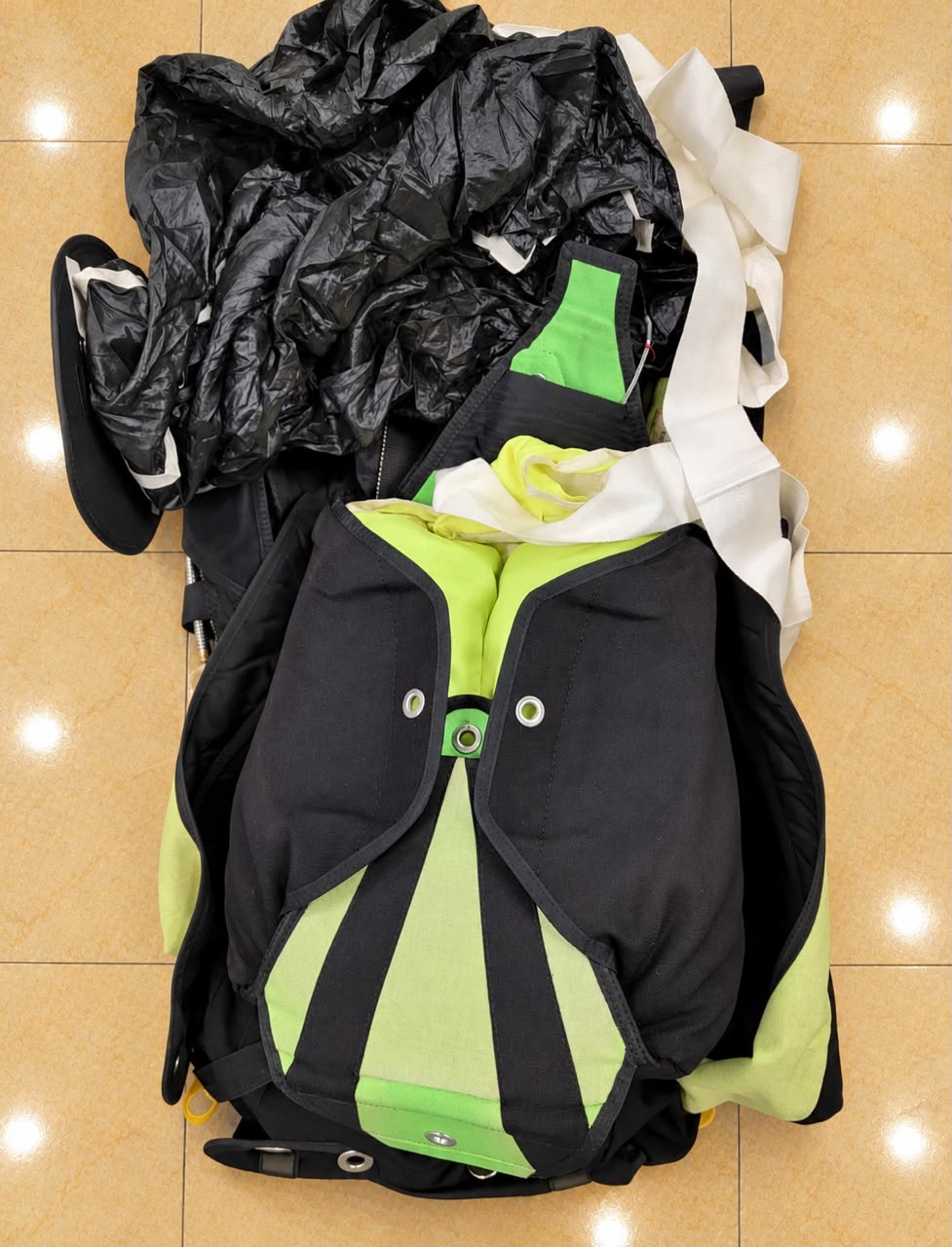
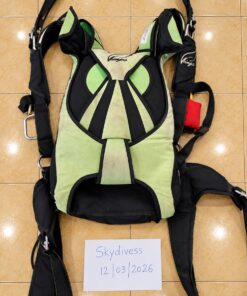
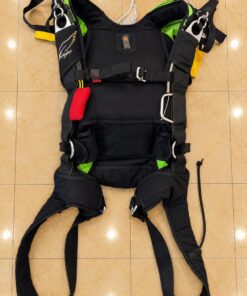
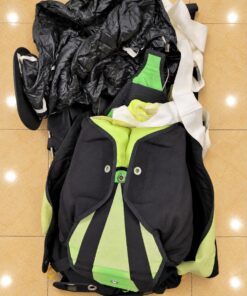
Used Wings 14 Container

€900.00
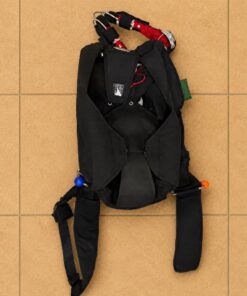
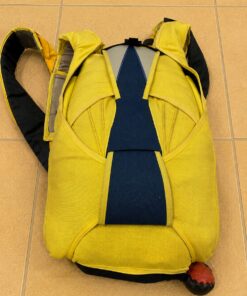
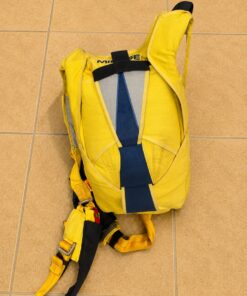
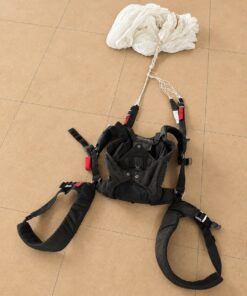
Used Wings 14 Container – Premium Skydiving Harness-Container System
The Used Wings 14 Container is a high-quality skydiving harness-container system manufactured by Sunrise Manufacturing International. Designed for comfort, durability and reliable equipment integration, this pre-owned container offers an excellent option for skydivers looking to assemble or upgrade their parachute rig.
Key Features & Specifications:
- Brand: Wings / Sunrise Manufacturing International
- Model: Wings 14 (W14)
- Condition: Used
- Equipment Type: Skydiving harness-container
- Advertised Main Canopy Capacity: 170–190 sq. ft.
- Advertised Reserve Capacity: 160–176 sq. ft.
- Construction: Durable, high-strength textile materials
- Design: Ergonomic harness and protective container construction
- Compatibility: Subject to canopy model, packing volume and professional verification
- Package Includes: Container only
- Main Canopy: Not included
- Reserve Canopy: Not included
- AAD: Not included
The Wings 14 Container combines established engineering, practical sizing and quality construction. Its versatile design makes it an attractive choice for qualified skydivers seeking a pre-owned harness-container system.
Professional inspection, harness fitting and canopy compatibility verification are good.
Used Wings 14 Container – Premium Skydiving Harness and Parachute Container for 170–190 Main and 160–176 Reserve Canopies
Used Wings 14 Container – Premium Parachute Rig Construction, Harness Comfort, Canopy Compatibility and Professional Skydiving Equipment
Used Wings 14 Container – Quality Skydiving Harness and Container System
The Used Wings 14 Container is a pre-owned skydiving harness-container system designed to accommodate compatible main and reserve parachutes. Manufactured by Sunrise Manufacturing International, the Wings series combines practical engineering, durable construction and ergonomic design for recreational and experienced skydivers.
This particular Wings 14 container is advertised for 170–190 square foot main canopies and 160–176 square foot reserve canopies, offering an attractive option for jumpers assembling or replacing an existing parachute rig.
However, manufacturer guidance lists the W14 with a Sabre 190 main and PD Reserve 160–176. Compatibility with a 170 main or any alternative canopy must be individually confirmed by the manufacturer or a qualified rigger.
Furthermore, this listing includes the container only. Main parachute, reserve parachute and AAD are not included unless separately confirmed.
Wings 14 Container – Product Specifications and Equipment Compatibility
The Wings harness-container series was developed with attention to parachute protection, wearer comfort and equipment integration.
Product Specifications:
-
Manufacturer: Sunrise Manufacturing International
-
Model: Wings 14 / W14
-
Condition: Used
-
Equipment Type: Sport skydiving harness-container
-
Advertised Main Canopy Range: 170–190 sq. ft.
-
Manufacturer’s W14 Sabre Reference: 190 sq. ft.
-
Reserve Canopy Range: 160–176 sq. ft. for the referenced PD Reserve models
-
Construction: Durable textile harness-container design
-
Purpose: Compatible two-parachute sport skydiving configuration
-
Included: Container only
-
Main Canopy Included: No
-
Reserve Canopy Included: No
-
AAD Included: Not specified; not included in this listing
-
Harness Measurements: Not provided
-
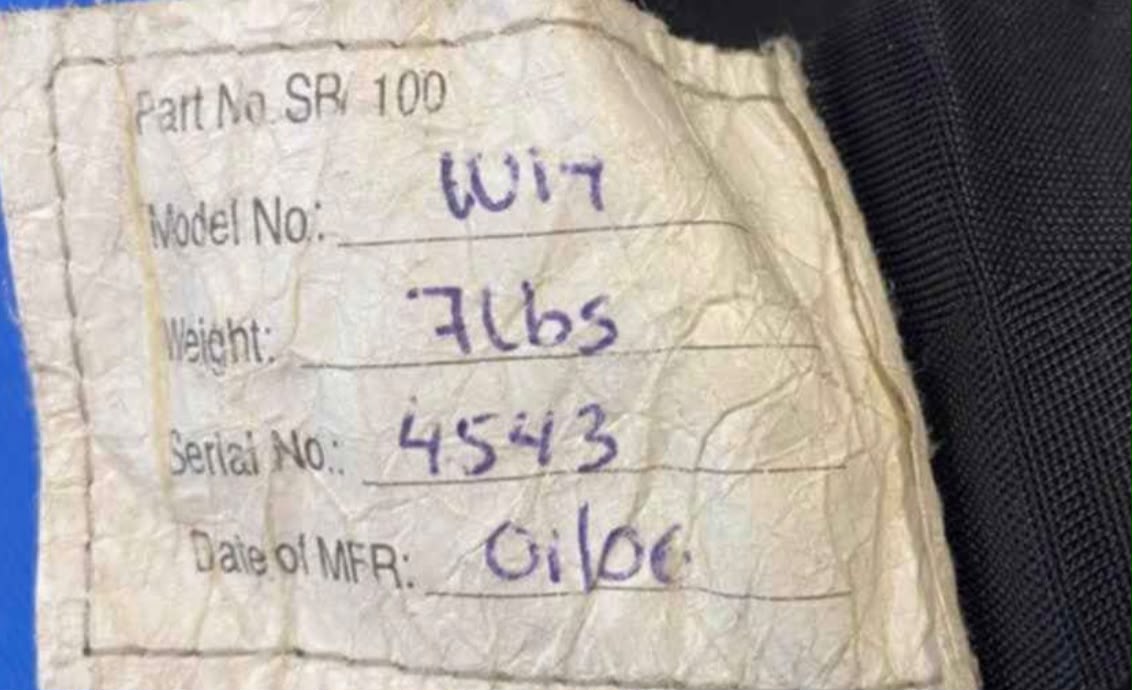
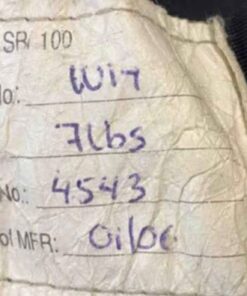
Date of Manufacture: Not provided
-
Inspection: Professional inspection required before use
The exact harness dimensions, installed components and condition must be verified before purchasing.
Parachute Rig, Container Skydive and Professional Skydiving Rigging
A properly configured parachute rig consists of several carefully integrated components.
Skydivers researching skydiving rig, parachute rig, container skydive, parts of a parachute and skydiving rigging frequently examine harness construction, deployment-system design, compatibility and maintenance requirements.
Furthermore, the manufacturer’s Wings series incorporates protective flap arrangements, padded harness sections and specialized structural webbing.
The exact configuration and condition of these features on this used example remain subject to inspection.
Related searches include freefly pud handle, linewear, landing flight risers and fire parachute.
All associated equipment must be selected and assembled by appropriately qualified personnel.
Main Canopy Compatibility, Canopy Flight and Skydiving Performance
The advertised main canopy range makes this container relevant to jumpers researching canopy flight and different parachute sizes.
However, a skydiving downsizing chart should never be used as the sole basis for selecting equipment.
Wing loading, jumper experience, canopy construction and manufacturer specifications must be evaluated together.
Popular equipment comparisons include Safire 3, Fluid Wings, smallest canopy, skydiving speed and speed sky diving.
Furthermore, container compatibility depends on actual packing volume rather than nominal canopy area alone.
A professional rigger should confirm whether a proposed main canopy is suitable for the specific W14 configuration.
Reserve Canopy Compatibility and Emergency Equipment
The advertised reserve capacity of 160–176 square feet corresponds with the manufacturer’s sizing information for the W14 when using the specified reserve models.
Nevertheless, actual compatibility must be checked against the complete technical specifications.
Related emergency equipment searches include cypress fire skydiving, hook blade knife, hook knife skydiving and skydive hook knife.
A hook knife and an automatic activation device are separate equipment items, neither of which has been confirmed as included with this container.
Furthermore, reserve-system compatibility and maintenance must be evaluated by an appropriately authorized parachute rigger.
Skydiving Helmet, Protective Equipment and Essential Accessories
Suitable protective equipment forms an important part of responsible skydiving participation.
Popular search terms include skydiving helmet, skydive helmets, sky helmet skydiving, sky diving helmet, full face skydiving helmet and skydiving helmet full face.
Additional searches include Cookie G4 helmet, G35 helmet, best skydiving helmet, skydiving glasses and skydiver goggles.
Buyers may also ask can you wear glasses while skydiving when considering compatible protective eyewear.
A complete skydiving equipment list should be developed according to applicable training requirements.
Meanwhile, gear bag skydive searches relate to equipment transportation and protective storage.
Wingsuit Sport, Tracking Jump and Specialized Aerial Equipment
Skydiving enthusiasts may explore tracking jump, wingsuit sport, wingsuit, vector wingsuit, gliding suit wingsuit and skydiving gliding suit equipment.
Other related searches include wing suits for sale, price of wingsuit, fly suits, indoor wingsuit, tandem wingsuit and skydiving tube.
However, the container’s suitability for specialized flight disciplines cannot be established from its size designation alone.
Similarly, base jumping, baseline jumping, base canopy, jumper pilot and CRW skydiving involve distinct equipment requirements.
Any specialized application requires professional compatibility assessment and appropriate training.
International Skydiving Destinations and Recreational Opportunities
Skydivers frequently research parachute jump Australia, Skydive Byron Bay, Cairns skydiving and weight limit skydiving when exploring international sporting opportunities.
Other destination searches include Skydive Belize, skydiving Blue Hole Belize and iFLY Colorado Springs.
Furthermore, skydiving website, new skydive and #skydiving latest searches often highlight developments in the sport.
Niche searches such as nude parachute jump and skydiving nude concern recreational experiences unrelated to the technical specifications of this container.
Regardless of location, every jumper must comply with the operator’s equipment requirements.
Why Choose the Used Wings 14 Container?
The Used Wings 14 Container offers an opportunity to acquire an established harness-container platform without purchasing a complete parachute system.
Its most important benefits include the Wings manufacturer’s established design heritage, practical container sizing and compatibility with appropriately selected parachute equipment.
Furthermore, the W14 configuration offers a useful starting point for qualified jumpers assembling a system around compatible main and reserve canopies.
However, prospective buyers should verify the harness dimensions, manufacturing date, structural condition, presence of essential container components and compatibility before purchase.
This listing is for the container only, with no main or reserve canopy included. The equipment must receive professional inspection and approval before it can form part of an airworthy skydiving system.
Advanced Harness Engineering, Premium Construction, Exceptional Comfort, Long-Term Durability and Professional Equipment Compatibility
Understanding the Importance of a Well-Engineered Harness-Container System
A high-quality harness-container system represents one of the most important investments in personal skydiving equipment. Its construction combines advanced textile engineering, structural strength, ergonomic design and carefully developed safety features. Furthermore, each component must function as part of a complete assembly rather than as an independent accessory.
Unlike ordinary sporting equipment, a parachute harness-container is designed to accommodate specialized components while supporting the wearer throughout the intended operating conditions. Consequently, manufacturers must consider material strength, dimensional accuracy, durability and compatibility during development.
The overall design incorporates structural webbing, protective fabric panels, fastening components and dedicated compartments. Each element serves a distinct purpose, while the interaction between these elements determines the integrity of the finished product.
Moreover, manufacturing quality remains essential because the assembly contains numerous stitched connections and structural components. Consistent workmanship helps preserve the intended relationship between these elements.
A carefully manufactured system also provides a foundation for comfortable equipment ownership. Although appearance can influence purchasing decisions, structural integrity and correct fitting must always receive priority.
For individuals considering pre-owned equipment, the original manufacturing quality provides an important starting point. However, previous use, maintenance history and current condition must also be evaluated.
Ultimately, the value of a professional harness-container lies in its combination of engineering quality, compatibility, serviceability and responsible long-term ownership.
Why Structural Integrity Matters in Professional Skydiving Equipment
Structural integrity is fundamental to the design and evaluation of parachute equipment. The harness must support the loads associated with its intended application while maintaining its original configuration.
Manufacturers achieve this through carefully selected materials, reinforced connections and established production procedures.
Furthermore, the interaction between webbing, stitching and hardware influences the structural behavior of the complete assembly.
High-strength webbing forms an essential part of many parachute harnesses. However, the material must also remain compatible with the associated stitching and fastening components.
Consequently, manufacturing quality involves more than selecting strong individual materials.
Every structural section must correspond to the manufacturer’s design specifications.
The condition of these components becomes particularly important when evaluating second-hand equipment. Visible abrasion, damaged stitching, contamination or unauthorized alterations may require professional attention.
Additionally, structural deterioration is not always immediately apparent from photographs.
A complete professional inspection therefore offers greater confidence than an ordinary visual examination.
The assessment should consider the equipment’s original design, previous maintenance and current condition.
The Importance of High-Strength Harness Webbing
Harness webbing serves as a primary structural material in parachute equipment. Its purpose is to provide strong, flexible connections between important sections of the assembly.
Technical webbing is manufactured using carefully selected fibres and construction methods intended to satisfy specific mechanical requirements.
Furthermore, the arrangement of the fibres influences properties such as tensile strength, flexibility and resistance to wear.
However, webbing can experience deterioration through abrasion, contamination and environmental exposure.
Consequently, its condition requires appropriate inspection throughout the equipment’s service life.
Areas experiencing repeated contact with hardware or other surfaces may deserve particular attention.
Nevertheless, owners should not attempt to repair structural webbing using ordinary sewing techniques.
Such work requires specialized knowledge, approved materials and appropriate authorization.
Maintaining the integrity of the original harness construction remains essential to responsible ownership.
Why Accurate Harness Measurements Are Essential
Correct harness sizing is one of the most important considerations when purchasing personal parachute equipment.
Although height and weight offer useful preliminary information, they cannot describe every aspect of an individual’s body proportions.
Two people with similar measurements may have different torso lengths, shoulder widths and leg dimensions.
Consequently, a harness that fits one person comfortably may be unsuitable for another.
The main lift web, leg strap configuration, upper harness dimensions and other structural measurements collectively influence the fit.
Furthermore, equipment originally manufactured for a particular individual may incorporate measurements that are not obvious from its general size designation.
For this reason, the exact harness configuration should be verified before purchase.
An appropriately qualified professional can assess whether the equipment corresponds to the intended wearer’s measurements.
Comfort must also be considered alongside structural suitability.
A harness that feels acceptable during a brief fitting may still require further evaluation.
Understanding the Relationship Between Comfort and Functional Design
Ergonomic design contributes significantly to the ownership experience of personal sporting equipment.
A harness-container system must accommodate the physical characteristics of its wearer while maintaining the intended relationship between structural components.
Consequently, designers consider several aspects of fit and comfort.
These may include padding placement, harness geometry and the arrangement of contact surfaces.
Furthermore, the distribution of equipment weight can influence the way the assembly feels during ordinary wear.
However, additional padding does not automatically correct an unsuitable harness size.
A correctly fitted configuration remains the foundation of comfort.
Prospective buyers should therefore evaluate the complete equipment rather than focusing exclusively on one feature.
The manufacturer’s original sizing recommendations provide important guidance.
Professional assessment remains especially valuable when purchasing a pre-owned system with limited information about its original owner.
The Role of Padding in Long-Term Wearing Comfort
Padding helps create a comfortable interface between the equipment and the wearer’s body.
Different manufacturers use various materials and construction methods to achieve their intended ergonomic characteristics.
Foam inserts, fabric coverings and shaped panels may contribute to the overall design.
Furthermore, appropriately positioned padding can help reduce uncomfortable contact with firm structural areas.
However, padding quality depends on both the materials and their condition.
Repeated compression, prolonged storage or physical damage may affect the original characteristics.
Consequently, pre-owned equipment should be examined for flattened sections, damaged coverings or deteriorated stitching.
The condition of padding also contributes to the overall appearance of the system.
Nevertheless, visual attractiveness should remain secondary to verified technical suitability.
Where replacement or repair is necessary, manufacturer-approved procedures should be followed.
Understanding the Benefits of a Balanced Container Design
The shape and dimensions of a harness-container influence its appearance, equipment capacity and overall fit.
Manufacturers develop different container sizes to accommodate particular parachute configurations.
Furthermore, the distribution of the packed components influences the physical profile of the assembly.
A carefully designed container integrates these requirements into a practical structure.
However, overall balance depends on the complete configuration rather than the empty container alone.
The type and size of the installed parachutes may influence the finished shape.
Consequently, a container that appears compact in photographs may look different after compatible equipment is installed.
Buyers should therefore evaluate manufacturer specifications and the actual system arrangement.
The primary objective is to achieve an approved configuration rather than a particular cosmetic appearance.
Why Protective Fabric Construction Matters
The exterior container fabric serves several important functions.
It protects internal components from ordinary handling exposure while contributing to the overall structural arrangement.
Manufacturers typically select durable technical textiles suited to the intended environment.
Furthermore, reinforced areas may be incorporated where additional wear resistance is required.
However, even high-quality fabric can deteriorate through abrasion, ultraviolet exposure or chemical contamination.
Consequently, external condition should be assessed carefully.
Frayed edges, damaged seams or unusual discolouration may indicate areas requiring attention.
A professional inspection can help distinguish ordinary cosmetic wear from potentially significant damage.
Furthermore, the original material specifications should guide any replacement work.
Unapproved fabric substitutions may affect the intended construction.
The Importance of Reinforced Stitching and Seam Quality
Stitching is a critical element of technical textile construction.
Individual seams may perform protective, structural or positioning functions.
Consequently, the quality of the thread, stitch pattern and manufacturing technique matters.
Manufacturers develop specific stitching arrangements according to the requirements of individual components.
Furthermore, reinforced sections may experience different loads from ordinary exterior fabric panels.
A consistent manufacturing process helps preserve the intended integrity of the assembly.
However, stitching can deteriorate through use, abrasion or improper handling.
Loose threads should not automatically be treated as harmless cosmetic imperfections.
Their significance depends on the location and function of the affected seam.
Qualified inspection is therefore important.
Repairs should be completed only through appropriate professional procedures.
Why Hardware Quality Deserves Attention
Metal hardware contributes to the structural and functional characteristics of a parachute harness.
Different components may incorporate fastening arrangements, adjustment fittings and attachment hardware.
These parts are manufactured according to particular strength and compatibility requirements.
Furthermore, corrosion resistance may be important depending on the materials used.
However, no hardware is immune to wear or environmental damage.
Repeated contact, contamination and improper handling may influence its condition.
Consequently, professional inspection should include relevant metal components.
Visible deformation, corrosion or unusual wear may require further assessment.
The use of genuine or appropriately approved replacement parts helps preserve compatibility.
Hardware should never be substituted merely because another component appears physically similar.
Understanding the Importance of Container Sizing
Container size influences which parachute configurations may be accommodated.
Manufacturers generally develop different sizes for defined packing-volume ranges.
However, nominal canopy area does not always determine the space occupied by a packed parachute.
Different materials can produce different packing characteristics.
For example, a canopy manufactured using lower-bulk fabric may occupy less space than another canopy of comparable nominal area.
Consequently, compatibility must be verified through the manufacturer’s applicable guidance.
An advertised capacity range should be understood as preliminary information rather than a universal guarantee.
Furthermore, reserve compatibility may involve additional certification requirements.
A qualified rigger should assess the proposed system.
The fact that a particular canopy can physically fit inside a container does not automatically establish that the combination is approved.
Why Main Parachute Compatibility Is Important
A main parachute must be compatible with the harness-container and associated deployment system.
Manufacturers establish specifications intended to guide appropriate component selection.
These requirements consider several factors, including packing volume and equipment configuration.
Furthermore, the main parachute itself must be suitable for the jumper’s experience and qualifications.
Consequently, compatibility involves more than matching approximate dimensions.
The container manufacturer, parachute manufacturer and qualified equipment specialist may all provide relevant information.
A responsible buyer should confirm the exact model and configuration before purchasing additional components.
This helps avoid unnecessary expenditure on equipment that cannot be appropriately integrated.
The Importance of Reserve Parachute Compatibility
Reserve parachute compatibility is especially important because the reserve performs a safety-critical function.
Its size, construction and packing characteristics must correspond to the manufacturer’s approved requirements.
Furthermore, reserve installation and maintenance are subject to applicable aviation regulations.
Consequently, compatibility should never be established through informal assumptions.
A qualified and appropriately authorized rigger must confirm the suitability of the proposed reserve.
The exact product model matters because different reserve designs can have different packing characteristics.
Additionally, the reserve must remain within applicable service requirements.
Correct component selection helps preserve the intended integrity of the complete system.
Why a Container-Only Package Can Offer Flexibility
A container-only listing may appeal to buyers who already own compatible parachute components.
Rather than purchasing another complete system, they may be interested in replacing an existing harness-container.
Furthermore, such a purchase can provide flexibility when assembling equipment around individually selected components.
However, the absence of included parachutes creates additional responsibilities.
Buyers must verify which components are supplied and which must be purchased separately.
For example, an incomplete container package may require additional deployment or reserve-related components.
Consequently, the seller should provide an accurate inventory of everything included.
Professional evaluation can help identify missing or incompatible items.
The convenience of a container-only purchase depends on the buyer’s ability to assemble a complete, approved system through qualified specialists.
The Importance of Understanding What Is Included
Clear product information is essential when purchasing technical sporting equipment.
A listing described as container only should not be interpreted as a complete ready-to-use parachute system.
Furthermore, the term may not establish whether every associated harness-container component is present.
Prospective buyers should confirm the contents of the actual package.
An accurate inventory helps distinguish included equipment from components that must be sourced independently.
This prevents misunderstandings and supports realistic budgeting.
Where the presence of a specific accessory has not been confirmed, the listing should avoid suggesting that it is included.
Transparent descriptions create confidence and reduce the likelihood of disputes.
Why Professional Inspection Is Essential for Pre-Owned Equipment
A professional inspection provides an important safeguard when purchasing second-hand parachute equipment.
An appropriately qualified rigger can evaluate the condition of the harness, container fabric, stitching and hardware.
Furthermore, the inspection may identify previous repairs or alterations.
The exact assessment should follow applicable regulations and manufacturer requirements.
Consequently, a seller’s general description cannot replace formal technical evaluation.
Even equipment that appears clean may contain wear requiring closer examination.
Professional inspection is particularly important when the maintenance history is incomplete.
An accurate assessment helps establish whether the equipment remains suitable for continued service.
Understanding the Value of Maintenance Records
Maintenance records provide useful information about previous servicing and repairs.
They may identify replacement components, structural alterations or inspection findings.
Furthermore, documentation can help future technicians understand the equipment’s history.
A complete record is especially valuable when ownership has changed several times.
However, missing information should not be replaced with assumptions.
Where the service history is uncertain, the uncertainty should be disclosed.
Prospective buyers should request available documentation and consult a qualified specialist when necessary.
Transparent records support more informed purchasing decisions.
The Importance of a Verified Manufacturing Date
The date of manufacture provides important context when evaluating pre-owned equipment.
It helps establish chronological age and may assist with identifying the applicable production version.
Furthermore, manufacturer notices or technical requirements may relate to particular manufacturing periods.
However, age alone cannot determine serviceability.
Storage conditions, previous use and maintenance can influence the condition of the equipment.
Consequently, a relatively old container may require different attention from a newer example.
The exact manufacturing date should be verified from the appropriate identification information.
Where the date is unknown, the product description should state that clearly.
Why Harness Alterations Require Professional Approval
A harness is a structural assembly developed according to specific engineering requirements.
Alterations may affect the relationship between webbing, stitching and hardware.
Consequently, changes should not be undertaken casually.
Even adjustments that appear minor may involve safety-critical components.
Furthermore, modifications may affect certification or manufacturer approval.
An appropriately qualified specialist should determine whether an alteration is permitted.
Where manufacturer authorization is required, it must be obtained before work begins.
The original configuration should be preserved unless an approved modification is necessary.
Understanding Long-Term Durability
Durability depends on material quality, manufacturing standards, usage and environmental exposure.
A well-manufactured harness-container can remain serviceable over an extended period when properly maintained.
However, no universal service life can be assumed for every individual component.
Textiles, stitching and hardware may age differently.
Furthermore, storage conditions can influence deterioration.
Consequently, long-term durability requires appropriate care and periodic professional inspection.
The original manufacturing quality provides an important foundation.
Nevertheless, the actual condition of the individual equipment determines its continued suitability.
Protecting Equipment From Moisture
Moisture can contribute to the deterioration of technical sporting equipment.
Prolonged dampness may encourage mildew, contamination or corrosion of certain components.
Consequently, appropriate storage conditions are important.
A clean, dry environment is generally preferable.
Furthermore, equipment should not remain enclosed in wet carrying materials for extended periods.
If significant moisture exposure occurs, the manufacturer’s recommendations should guide the response.
Improvised drying methods may be unsuitable for some materials.
Professional advice should be obtained where necessary.
Why Ultraviolet Exposure Matters
Ultraviolet radiation can influence the long-term properties of some synthetic textile materials.
Prolonged sunlight exposure may contribute to fading or deterioration.
However, the extent of damage depends on the material and exposure conditions.
Consequently, unnecessary exposure should be minimized.
Equipment should not be stored for extended periods in direct sunlight.
Furthermore, excessive heat can affect certain materials.
A suitable storage environment helps preserve the original condition.
However, appropriate care cannot reverse damage that has already occurred.
Where deterioration is suspected, professional assessment remains necessary.
The Importance of Avoiding Chemical Contamination
Chemical substances may affect technical fabrics, webbing and protective coatings.
Fuels, solvents and other aggressive materials can present particular concerns.
Consequently, equipment should be protected from unnecessary exposure.
Furthermore, contamination may not always produce obvious visible damage.
An apparently clean surface may still require specialist assessment.
Owners should avoid using unapproved cleaning chemicals.
The manufacturer’s instructions should determine acceptable maintenance procedures.
Where contamination is suspected, qualified assistance should be obtained.
Why Proper Storage Supports Long-Term Value
Correct storage contributes to both preservation and safety.
The equipment should remain protected from moisture, excessive heat and unnecessary contamination.
Furthermore, sharp objects and abrasive surfaces should be kept away from technical materials.
A suitable protective bag may help reduce ordinary handling damage.
However, storage bags do not eliminate environmental risks.
The surrounding location must also remain appropriate.
Regular inspection can help identify developing concerns.
Nevertheless, technical serviceability must always be confirmed through qualified assessment where required.
Understanding the Benefits of Careful Transportation
Transportation exposes sporting equipment to different environmental and handling conditions.
Bags may be moved repeatedly or placed against hard surfaces.
Consequently, protective transportation arrangements can be useful.
A suitable carrying bag helps organize equipment and reduce accidental abrasion.
Furthermore, careful handling can minimize unnecessary contamination.
However, equipment should not be placed near substances capable of damaging technical materials.
During travel, applicable airline and sporting facility rules should also be considered.
Responsible transportation helps preserve equipment condition between authorized sporting activities.
Why Manufacturer-Approved Replacement Parts Matter
Replacement components must remain compatible with the original equipment design.
Even parts that appear physically similar may differ in materials or dimensions.
Consequently, unverified substitutions can create safety concerns.
Manufacturer-approved parts provide a more reliable basis for compatibility.
However, correct installation remains essential.
Qualified professionals should perform work requiring specialized authorization.
Furthermore, any replacement should be documented where appropriate.
This helps preserve the equipment’s maintenance history.
The Importance of Recognizing Equipment Limitations
Every technical sporting product has defined limitations.
These may relate to component compatibility, structural configuration or intended use.
Consequently, equipment should not be evaluated solely according to its appearance.
Manufacturer documentation provides important information about the intended application.
Furthermore, qualified professionals can explain the significance of particular specifications.
A container designed for one configuration may not be suitable for another.
The original design limitations must therefore remain central to purchasing decisions.
Evaluating Comfort Without Compromising Safety
Comfort is an important consideration, but it should never override structural requirements.
A well-fitted harness can contribute to a satisfactory ownership experience.
However, the most comfortable-feeling equipment is not necessarily the most appropriate configuration.
Harness measurements, component compatibility and professional approval remain essential.
Furthermore, the intended wearer must meet relevant sporting requirements.
Consequently, comfort should be evaluated as part of a complete technical assessment.
Why Established Manufacturing Experience Matters
Manufacturers with experience in parachute equipment development often refine their products through successive designs and production improvements.
Their knowledge may influence material selection, ergonomic construction and manufacturing processes.
Furthermore, established product families can provide access to technical documentation and service support.
However, manufacturer reputation alone cannot guarantee the condition of a particular used example.
Each item requires individual evaluation.
Consequently, recognized manufacturing quality should complement rather than replace professional inspection.
Understanding the Financial Advantages of Pre-Owned Equipment
Used sporting equipment can offer a lower initial purchase price compared with newly manufactured alternatives.
However, financial value depends on several factors.
These include condition, configuration, component completeness and potential servicing requirements.
Furthermore, professional inspection and replacement parts may create additional expenses.
Consequently, the advertised price should be considered alongside the complete cost of ownership.
A lower-priced item requiring substantial work may ultimately represent less attractive value.
Conversely, a well-documented example in satisfactory condition may offer a practical purchasing opportunity.
Why Transparent Product Descriptions Are Important
Accurate descriptions help buyers understand the equipment before purchase.
A responsible listing should identify the model, condition, known specifications and included components.
Furthermore, missing information should be disclosed.
Unverified manufacturing dates, unknown harness measurements and incomplete service histories should not be replaced with assumptions.
Photographs can provide useful visual information.
However, they cannot establish every aspect of structural condition.
Professional assessment remains necessary for safety-critical equipment.
Transparent communication creates realistic expectations and supports informed decisions.
The Importance of Responsible Skydiving Equipment Ownership
Owning personal parachute equipment involves ongoing responsibilities.
The equipment must remain suitable for its intended user and configuration.
Furthermore, maintenance should follow applicable regulations and manufacturer guidance.
Professional inspection helps identify concerns that may require repair or replacement.
The owner must also ensure that the complete assembly remains appropriately configured.
Consequently, technical decisions should involve qualified specialists.
Responsible ownership includes recognizing when equipment should be withdrawn from service.
Safety-related requirements must always take priority over convenience.
Why a Complete Technical Assessment Provides Confidence
A comprehensive technical assessment considers the system as a whole.
It examines the condition of individual components and their relationship to the complete assembly.
Furthermore, documentation can help identify previous repairs or modifications.
The assessment should establish whether the equipment remains suitable for the proposed configuration.
However, a professional inspection cannot compensate for incompatible sizing or inappropriate component selection.
Each issue requires its own evaluation.
Consequently, equipment condition, personal fit and system compatibility must all be addressed.
The Long-Term Appeal of Quality Harness-Container Equipment
A well-manufactured harness-container represents an investment in specialized engineering and craftsmanship.
Its design integrates strong textile materials, protective construction and carefully developed structural components.
Furthermore, ergonomic considerations contribute to the overall ownership experience.
For buyers seeking an established design, pre-owned equipment can offer an attractive opportunity.
However, the advantages depend on verified condition and compatibility.
A suitable purchase should therefore balance practical value with technical confidence.
The most important considerations remain accurate specifications, professional inspection and the availability of appropriate servicing.
Final Assessment: Premium Construction, Practical Compatibility and Long-Term Ownership Value
A quality harness-container system represents much more than an outer covering for parachute equipment. Its structural construction, protective compartments and carefully developed harness geometry are essential parts of the complete assembly.
Manufacturing quality establishes the foundation for long-term durability. Furthermore, appropriate materials and consistent workmanship contribute to the integrity of the finished product.
However, the condition of a pre-owned example must be evaluated independently.
Previous usage, repairs, storage conditions and manufacturing age can influence its serviceability.
Consequently, buyers should not assume that original manufacturing quality guarantees present suitability.
Correct harness measurements are especially important because individual body proportions vary considerably.
Similarly, component compatibility requires careful attention.
A container may accommodate several parachute configurations, but only approved combinations should be considered.
Furthermore, a container-only purchase requires buyers to understand precisely which components are included and which must be acquired separately.
Professional inspection provides an important safeguard by identifying condition concerns and outstanding servicing requirements.
Maintenance records and manufacturer documentation can also support informed purchasing decisions.
For appropriately qualified buyers, a carefully selected pre-owned harness-container may offer meaningful financial value.
However, savings should never come at the expense of structural integrity, proper fit or professional approval.
Ultimately, the most important benefits arise from dependable construction, accurate compatibility information, responsible ownership and long-term serviceability.
By prioritizing these factors, prospective owners can make informed decisions about specialized sporting equipment while maintaining the safety standards essential to recreational skydiving.
Be the first to review “Used Wings 14 Container”
Related products

used products

used products

used products
used products
used products
used products
used products
Reviews
There are no reviews yet.