
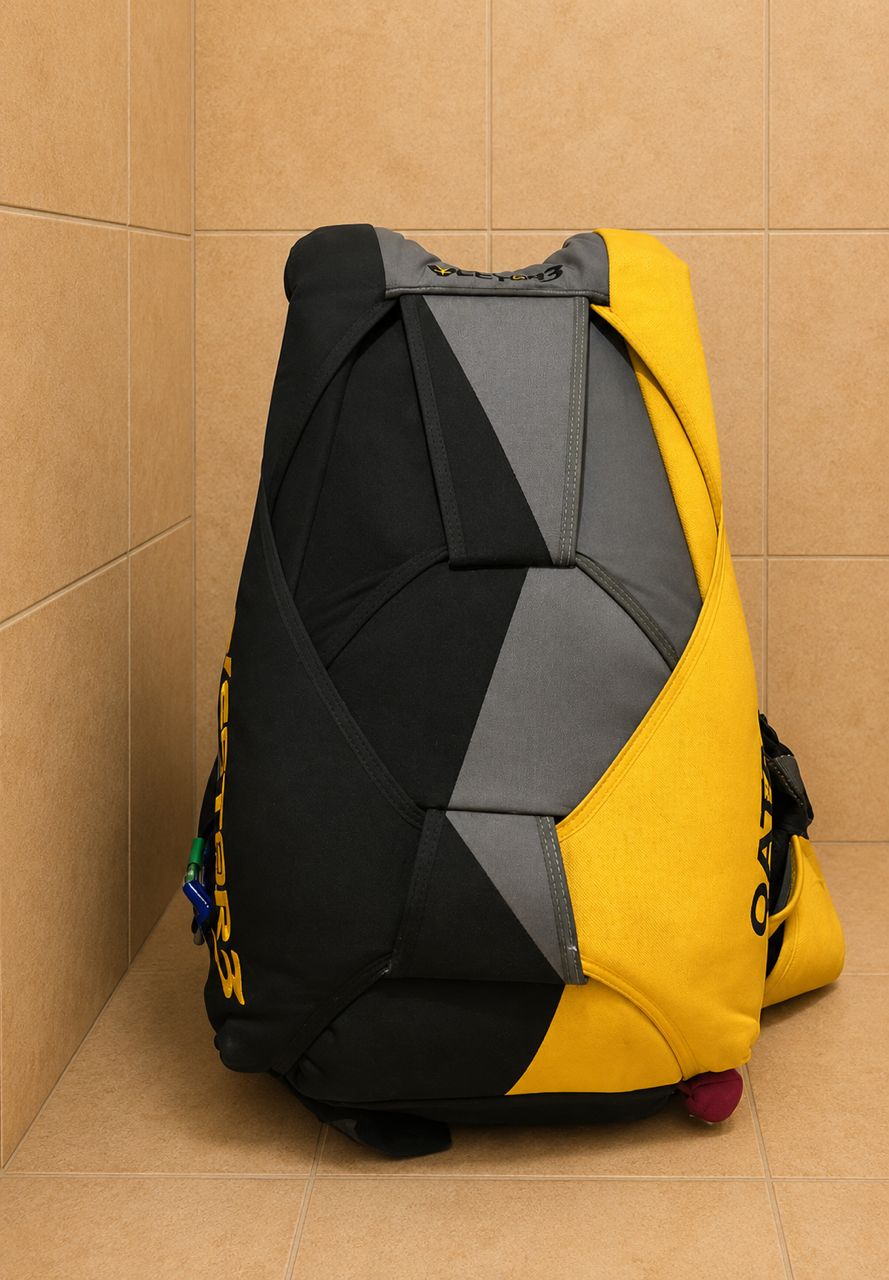

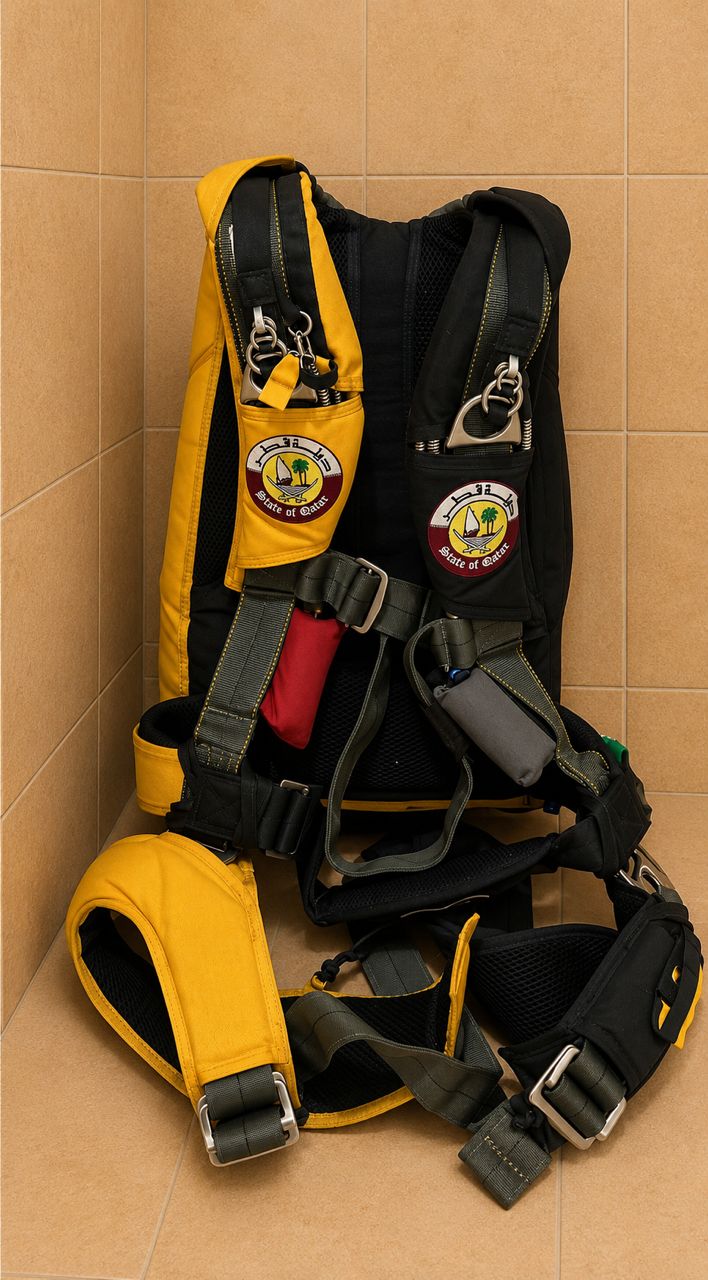


Vector3 V348 full rig DOM 06/2018

€3,500.00
Vector3 V348 Full Rig DOM 06/2018 is a used sport skydiving system built around the UPT Vector 3 V348 harness/container platform. The V348 is designed to accommodate appropriately matched main and reserve canopies within its specified pack-volume range, while offering a compact, secure, and widely recognized sport-rig configuration.
This complete used setup should be evaluated by its actual harness fit, main and reserve canopy models, AAD status, line condition, risers, deployment components, repair history, and reserve service records. The June 2018 date of manufacture provides a clear reference point, but overall condition and maintenance history are more important than age alone.
Before use, the full system should be professionally inspected to confirm airworthiness, correct component compatibility, secure deployment hardware, and proper fit for the intended jumper.
Vector3 V348 Full Rig DOM 06/2018 – Used UPT Sport Skydiving Harness, Container and Complete Rig Information
The Vector3 V348 full rig DOM 06/2018 is a used sport-skydiving system built around United Parachute Technologies’ established Vector 3 harness/container platform. The stated date of manufacture, June 2018, places this example within a relatively modern generation of the Vector family.
For V348 sizing, UPT currently identifies the container as approximately 10 inches across the top, 12 inches across the lower portion, 19 inches long, and 5 inches thick. Standard main-canopy fitment is generally referenced around 145–175 sq ft, with approximately 155 sq ft representing a typical standard-volume fit. Cross-braced and low-bulk canopies use different ranges. Reserve fit also depends on actual model, material, and pack volume.
Because this is a full used rig, the exact main canopy, reserve, AAD, harness measurements, risers, deployment system, Skyhook or RSL configuration, jump count, service history, and included accessories must be confirmed individually.
Parachute Rig
A parachute rig normally includes the harness/container together with deployment components and installed parachutes. A complete Vector system can include the harness/container, main risers, main deployment bag, pilot chute, reserve freebag, reserve pilot chute, reserve ripcord, closing loops, and cutaway handle.
Container Skydive
The term container skydive commonly describes the harness/container portion of a personal parachute system. The V348 provides a defined pack-volume class, although exact canopy compatibility must be verified rather than determined from square footage alone.
Parts of a Parachute
Understanding the parts of a parachute is important when evaluating this used system. Major components can include the harness, main and reserve containers, main canopy, reserve canopy, risers, deployment bag, pilot chute, bridle, release system, handles, closing loops, and electronic activation equipment.
Skydiving Rig
A skydiving rig must fit the wearer as well as the installed parachutes. Torso length, lateral placement, leg straps, chest strap, and emergency-handle accessibility are essential considerations.
Skydiving Rigging
Professional skydiving rigging should be included in any serious used-equipment evaluation. UPT specifically recommends that a second-hand Vector be thoroughly inspected by a qualified rigger before purchase or use.
Linewear
Linewear should be evaluated if a main canopy is included. Suspension lines can change through abrasion, repeated loading, heat, dirt, and trim changes even when the canopy fabric remains visually clean.
Landing Flight Risers
Landing flight risers and main riser assemblies should be checked for webbing condition, stitching, hardware, steering components, and three-ring integrity.
Canopy Flight
During canopy flight, handling is primarily determined by the installed main canopy, its size, design, wing loading, line condition, and the jumper’s experience rather than by the container alone.
Skydiving Downsizing Chart
A skydiving downsizing chart should only provide general guidance. The fact that the V348 can physically accept particular canopy sizes does not mean every listed size is suitable for every jumper.
Smallest Canopy
The smallest canopy that fits the container is not automatically the correct choice. Experience, loading, canopy design, training history, and professional coaching should determine suitability.
Safire 3
A Safire 3 is one canopy family appearing in UPT’s compatibility information. Current V348 references include a Safire3 around the 149 sq ft standard-fit category.
Fluid Wings
Fluid Wings produces other sport canopy designs. Exact model, construction, and packed volume should be checked before any canopy change.
Tracking Jump
During a tracking jump, horizontal movement and freefall speed can become significant. Secure container closure, riser-cover retention, correct fit, and properly protected deployment components remain important.
Skydiving Speed
Skydiving speed varies considerably according to body position and discipline. Equipment should always remain within applicable manufacturer and operational limitations.
Speed Sky Diving
Specialized speed sky diving creates substantially different aerodynamic demands from ordinary recreational freefall, so configuration suitability should be confirmed separately.
Wingsuit
A wingsuit changes airflow around the jumper and creates different deployment considerations.
Wingsuit Sport
For wingsuit sport, pilot-chute configuration, bridle length, main-canopy characteristics, container condition, and deployment technique require additional consideration.
Vector Wingsuit
The phrase vector wingsuit is especially relevant because Vector containers are commonly encountered within advanced sport jumping. However, the specific 2018 rig should not automatically be described as wingsuit-configured unless its actual options are verified.
Gliding Suit Wingsuit
A gliding suit wingsuit is separate wearable equipment and is not automatically included with the rig.
Skydiving Gliding Suit
Similarly, a skydiving gliding suit should be selected according to experience level, training, and the intended discipline.
Wing Suits for Sale
Searches for wing suits for sale concern separate equipment rather than standard components of this full rig.
Price of Wingsuit
The price of wingsuit equipment varies according to manufacturer, model, size, condition, and skill classification and should not be included in the rig value unless a suit is actually supplied.
Indoor Wingsuit
Indoor wingsuit training occurs in specialized facilities and does not make the harness/container itself an indoor-flight system.
Tandem Wingsuit
The phrase tandem wingsuit should not be confused with normal sport-rig capability. Tandem equipment and procedures use specialized configurations.
Fly Suits
Fly suits include traditional jumpsuits, freefly garments, tracking suits, and other specialized clothing. They are separate from the harness/container.
Base Jumping
Base jumping uses equipment and procedures that differ substantially from conventional aircraft skydiving. A Vector sport system should not automatically be considered BASE equipment.
Baseline Jumping
The search phrase baseline jumping is often associated with BASE-related queries, although sport container and BASE configurations should remain clearly separated.
Base Canopy
A base canopy is designed around a different operating environment and should not be assumed compatible with a conventional dual-parachute sport container.
CRW Skydiving
CRW skydiving or canopy relative work can require discipline-specific equipment, training, canopy design, riser arrangements, and procedures.
Freefly PUD Handle
A freefly pud handle is a deployment-handle configuration used on some sport rigs. The exact deployment handle installed on this particular system should be physically verified.
Hook Knife Skydiving
A hook knife skydiving accessory is emergency cutting equipment carried by many experienced jumpers.
Hook Blade Knife
A hook blade knife is separate from the structural parachute system and should remain accessible and securely retained when carried.
Skydive Hook Knife
A skydive hook knife should be inspected for secure storage and condition rather than assumed to be included.
Skydiving Equipment List
A normal skydiving equipment list may include a harness/container, main, reserve, AAD, helmet, altimeter, audible device, eye protection, jumpsuit, suitable footwear, and emergency accessories.
Skydiving Helmet
A skydiving helmet should fit securely and provide appropriate visibility and compatibility with the intended discipline.
Skydive Helmets
Different skydive helmets provide different levels of facial coverage, audible-device compatibility, ventilation, and accessory support.
Sky Diving Helmet
A sky diving helmet remains separate personal protective equipment and is not automatically included with this rig.
Sky Helmet Skydiving
The phrase sky helmet skydiving commonly relates to protective headgear rather than harness/container engineering.
Full Face Skydiving Helmet
A full face skydiving helmet provides integrated face and eye coverage through a visor.
Skydiving Helmet Full Face
A skydiving helmet full face design can be useful for conventional sport jumping depending on fit and discipline.
G35 Helmet
A G35 helmet is a separate helmet product and should only be considered included when specifically identified in the sale.
Cookie G4 Helmet
The Cookie G4 helmet is another well-known sport helmet and is independent of the Vector harness/container.
Best Skydiving Helmet
The best skydiving helmet depends on fit, certification, field of view, discipline, audible compatibility, comfort, and personal requirements.
Skydiving Glasses
Skydiving glasses provide eye protection when an open-face helmet configuration is used.
Skydiver Goggles
Skydiver goggles should remain securely fitted throughout freefall.
Can You Wear Glasses While Skydiving
For anyone asking can you wear glasses while skydiving, some goggles and full-face helmets can accommodate prescription eyewear, but actual fit should be checked.
Weight Limit Skydiving
The phrase weight limit skydiving cannot be reduced to one universal number. Harness/container certification, canopy limits, aircraft rules, and drop-zone policies can all create different restrictions.
Parachute Jump Australia
For parachute jump Australia operations, equipment should comply with applicable Australian operational and inspection requirements.
Skydive Byron Bay
Skydive Byron Bay is a destination-related search rather than a specification of the rig.
Cairns Skydiving
Likewise, Cairns skydiving concerns a location and operation rather than container compatibility.
Skydive Belize
For skydive Belize travel, jumpers should confirm local equipment, documentation, and reserve requirements.
Skydiving Blue Hole Belize
Skydiving blue hole Belize is another destination-related phrase and does not change the system’s technical specification.
iFLY Colorado Springs
iFLY Colorado Springs concerns indoor freefall training and does not normally require personal parachute equipment.
Nude Parachute Jump
A nude parachute jump is a novelty concept rather than an equipment classification.
Skydiving Nude
Likewise, skydiving nude does not alter the requirement for correct harness fit, professional inspection, and established operating procedures.
Fire Parachute
The phrase fire parachute is ambiguous and should not be represented as a specific feature of this system.
Cypress Fire Skydiving
The search phrase cypress fire skydiving may refer to CYPRES AAD information. If a CYPRES or another activation device is included, its exact model, manufacturing date, maintenance status, cutter installation, and service requirements should be confirmed separately.
Jumper Pilot
A jumper pilot can refer to the person controlling the parachute after deployment or, depending on context, the aircraft pilot supporting jump operations.
Gear Bag Skydive
A gear bag skydive accessory can protect the system from unnecessary abrasion, dirt, UV exposure, and contamination during transport.
New Skydive
The phrase new skydive can relate to equipment or training searches, but this 2018 example should always be clearly represented as used equipment.
#Skydiving Latest
For #skydiving latest technical information, current UPT manuals, service bulletins, fitment references, and qualified rigger guidance should take priority over old marketplace descriptions.
Skydiving Website
A reliable skydiving website should provide current manufacturer documentation, compatibility information, maintenance guidance, and service notices.
Skydiving Tube
A skydiving tube is a separate freefall accessory and is not a structural component of the rig.
Why Consider a Vector3 V348 Full Rig?
A major advantage of this system is its established UPT platform and defined canopy-fit category. Current UPT information places the V348 around a 155 sq ft reference standard main fit, while numerous standard mains around 145–175 sq ft can potentially be accommodated depending on actual packed volume and construction.
Furthermore, the Vector 3 platform is associated with features such as riser protection, articulated harness construction, integrated deployment components, and multiple configuration options depending on the original build.
Most importantly, however, this particular system dates from June 2018. Its condition today cannot be established from its manufacturing date alone.
Before purchase, the buyer should verify the serial number, harness measurements, main canopy, reserve canopy, AAD, component manufacture dates, jump count, reserve data card, repairs, line condition, main risers, deployment bag, pilot chute, cutaway system, RSL or reserve-assist configuration, current service status, and any relevant manufacturer updates.
When those elements have been professionally inspected and confirmed compatible, a Vector3 V348 full rig DOM 06/2018 can provide a versatile foundation for an appropriately trained sport skydiver seeking a proven used personal parachute system.
Harness Fit, Container Condition, Deployment Security, Reserve Inspection, and Used-Rig Evaluation
Evaluating Harness Fit
Correct harness fit is one of the most important factors when evaluating a used sport parachute system.
The harness should sit securely against the body without excessive movement, painful pressure points, or restricted motion.
Shoulder position, torso length, lateral placement, leg-strap geometry, chest-strap position, and emergency-handle accessibility should all be reviewed.
A container can fit its parachutes correctly while the harness itself remains unsuitable for the intended jumper.
Therefore, body fit should always be evaluated separately from container volume.
Shoulder Position
The upper harness should rest evenly across both shoulders.
The container should remain centered on the back and should not shift excessively from side to side.
Uneven shoulder pressure may indicate an incorrect fit or poor adjustment.
The wearer should also be able to raise and move both arms naturally.
Restricted movement can create unnecessary discomfort during aircraft movement, freefall, deployment, and landing.
Leg Strap Condition
Leg straps experience significant loading during opening and should be inspected carefully.
The webbing should remain flexible and free from severe abrasion, cuts, burns, melting, or chemical contamination.
Hardware should move correctly without sharp edges or visible deformation.
The stitching around attachment areas should also remain intact.
Any structural concern should be assessed by an appropriately qualified professional.
Chest Strap Inspection
The chest strap should route correctly through its hardware and remain easy to adjust.
It should not show deep wear, damaged stitching, burns, or unusual stiffness.
The locking hardware should hold securely after adjustment.
A strap that slips unexpectedly or appears damaged should not be ignored.
Repeated use can gradually worsen small areas of wear.
Emergency Handle Accessibility
Emergency handles should be easy to reach while the rig is being worn.
Handle position can change depending on body size, clothing, harness adjustment, and torso length.
The jumper should not need excessive twisting or stretching to reach them.
If handle position changes noticeably after adjustment, the harness fit should be reassessed before normal use.
Main Container Condition
The main container should maintain its intended shape without obvious distortion.
Closing flaps should lie correctly.
Grommets should remain secure and smooth.
The closing area should not show excessive wear, stretched fabric, or damaged stitching.
If unusual force is required to close the container, the canopy pack volume or closing configuration may need to be reviewed.
Reserve Container Condition
The reserve container requires especially careful inspection.
Flaps, grommets, closing loops, pin protection, and visible deployment components should remain correctly positioned.
The reserve area should not be opened casually.
Any uncertainty about reserve condition, packing, or component compatibility should be addressed by the appropriate rigger.
Main Closing Loop
The main closing loop should be checked for fraying, flattening, discoloration, or damaged fibers.
The correct loop length is important.
A loop that is too short can create excessive tension.
A loop that is too long can reduce closing security.
Replacement material should follow manufacturer guidance rather than improvised substitutes.
Grommet Inspection
Grommets should remain firmly seated and smooth around their edges.
Sharp edges can wear closing loops quickly.
The surrounding fabric should also remain intact.
Loose, cracked, or distorted grommets require attention because they can affect both material wear and packing consistency.
Main Deployment Bag
The deployment bag should be inspected for fabric wear, stitching condition, grommets, and high-friction areas.
Repeated packing can create gradual wear around locking-stow sections and reinforcement points.
Elastic components should remain serviceable.
A heavily worn bag should be evaluated before continued use.
Pilot Chute Condition
The pilot chute should remain free from major tears, worn mesh, damaged stitching, or loose handle attachment.
The bridle connection should remain secure.
If an internal kill-line system is present, its function should be checked.
A worn pilot chute can affect deployment even when the main canopy remains in good condition.
Bridle Inspection
The bridle should remain free from cuts, burns, deep abrasion, and damaged stitching.
High-contact areas deserve extra attention.
The bridle should also be routed correctly during packing.
Improper routing can create deployment complications.
Any persistent wear pattern should be investigated before another jump.
Main Riser Condition
Main risers should be examined for webbing wear, stitching integrity, ring condition, and connector security.
Metal components should remain smooth and correctly shaped.
Release cables should move freely.
The surrounding webbing should not show severe abrasion where it passes around hardware.
Three-Ring Release System
The release system should be assembled exactly as intended.
Each ring should sit correctly.
The retaining loop should remain in good condition.
Release cables should be clean and move smoothly through their housings.
Dirt, contamination, incorrect routing, or damaged components can increase release force.
Routine maintenance should follow the applicable manufacturer instructions.
Reserve Static Line
If a reserve static line is installed, its routing and attachment should be checked carefully.
Webbing, hardware, and stitching should remain in good condition.
The system should match the intended configuration.
Any removal, replacement, or modification should be completed according to approved procedures.
Reserve-Assistance Components
If the system includes a reserve-assistance device, the exact configuration should be verified.
Different systems use different mechanical arrangements.
The buyer should not assume that a particular device is installed merely because it was available as an option when the rig was originally manufactured.
Documentation should match the physical equipment.
Automatic Activation Device
If an electronic activation device is included, its age, maintenance status, cutter installation, and control-unit condition should be checked.
The manufacture date of the harness/container does not necessarily match the date of the electronic component.
A relatively recent rig can contain an older device.
Service history should therefore be reviewed separately.
Reserve Documentation
The reserve data card should remain complete and readable.
It can provide useful information about repack dates, reserve type, service entries, and rigger details.
Missing or incomplete documentation increases uncertainty.
The card does not replace physical inspection, but it helps establish maintenance history.
Main Canopy Compatibility
The main canopy should be evaluated by exact model, size, construction, and packed volume.
Two canopies with the same nominal square footage can pack differently.
Fabric type, age, line type, and design all influence volume.
A combination that feels excessively tight or unusually loose should be reviewed rather than accepted automatically.
Reserve Compatibility
The reserve should also be checked by exact model and pack volume.
Physical fit alone does not confirm suitability.
The correct combination should remain within manufacturer guidance and applicable certification limitations.
Professional confirmation is especially important before changing reserve models or sizes.
Canopy Fabric Inspection
Main canopy fabric should be checked for holes, burns, tears, patches, seam damage, and unusual porosity.
A clean-looking canopy may still have substantial use.
Storage history, jump count, ground contact, and sunlight exposure all affect material condition.
Repairs should be documented whenever possible.
Suspension Line Condition
Suspension lines should be examined for fraying, damaged stitching, excessive fuzzing, heat damage, and changes in length.
Line trim can change gradually and affect opening or handling characteristics.
The lower steering sections often experience significant wear.
A professional line check can help determine whether replacement is approaching.
Slider Condition
The slider should remain structurally intact.
Fabric, reinforcement areas, and grommets should all be checked.
Grommets should remain smooth because sharp edges can damage suspension lines.
The slider should also move freely along the lines.
Distortion or heavy wear can affect opening behavior.
Steering System
Steering lines and toggles should remain correctly attached and balanced.
Brake settings should be configured properly.
Unequal steering-line length can change handling.
Toggle loops should not show severe wear or damaged stitching.
If one side appears noticeably different from the other, the cause should be identified.
Previous Repairs
Used equipment may have repaired areas.
A properly completed repair is not automatically a negative feature.
However, altered webbing, replaced panels, unusual stitching, or structural modifications should be documented and inspected.
The quality of the work matters more than the simple presence of a repair.
Water Exposure
Water exposure can affect textile and metal components.
Saltwater deserves particular attention because it can promote corrosion even after the equipment has dried.
A system that has been submerged should have an appropriate inspection history.
Moisture trapped during storage can also accelerate deterioration.
Ultraviolet Exposure
Long-term exposure to direct sunlight can weaken technical textile materials.
Fading alone does not prove structural failure.
However, severe discoloration, brittle material, or unusual fabric texture should justify closer inspection.
Storage history should therefore be considered during evaluation.
Chemical Contamination
Fuel, oil, solvents, battery chemicals, and aggressive cleaning products can damage fabric and webbing.
Unusual odor, staining, stiffness, or surface changes should be investigated.
Cosmetic cleaning should never be used to hide questionable structural condition.
Hardware Condition
Buckles, rings, adjusters, articulation hardware, and connectors should remain smooth and correctly shaped.
Heavy corrosion, cracks, or deformation require professional attention.
Surface scratches may be cosmetic.
Structural changes, however, should not be dismissed.
Storage Between Jump Days
The rig should be stored in a cool, dry, clean environment.
Direct sunlight, excessive heat, moisture, chemicals, and sharp objects should be avoided.
Heavy objects should not be stacked on top of the system for long periods.
A clean protective bag can help reduce unnecessary abrasion and contamination.
Transportation
During transport, the rig should be protected from crushing, dragging, fuel contamination, and rough surfaces.
Closing areas and emergency handles should not be used as carrying points.
Careful transportation reduces cumulative wear and helps preserve the condition of external components.
Pre-Use Inspection
Before use, the visible closing system, handles, straps, riser areas, and overall condition should be checked.
Anything that looks or feels different should be investigated before boarding.
A quick visual check does not replace scheduled professional maintenance, but it can identify obvious problems early.
Long-Term Used-Rig Value
The real value of a used system depends on fit, component compatibility, maintenance records, condition, service status, and repair history.
Age alone is not enough.
A well-documented system that has been stored correctly and inspected regularly can remain highly serviceable.
When harness fit, deployment components, canopy condition, reserve maintenance, and documentation are all managed carefully, the complete setup can provide dependable long-term recreational use.
Real-World Use, Comfort, Deployment Readiness, Canopy Behavior, Maintenance Awareness, and Long-Term Reliability
Real-World Comfort
A complete sport parachute system should feel stable and predictable from the moment it is put on.
Comfort depends on harness fit, body shape, clothing, strap adjustment, and the overall configuration of the equipment.
The system should sit close to the body without creating painful pressure points.
Shoulder pressure should feel balanced.
Likewise, the leg straps should remain secure without cutting excessively into the body.
Comfort is important because discomfort can become distracting during aircraft rides and repeated jump days.
Movement Before Boarding
The wearer should be able to walk, bend, sit, and move naturally while wearing the system.
Restricted movement can indicate poor fit or incorrect adjustment.
The back of the container should remain centered.
Excessive movement from side to side should be investigated.
The wearer should also remain aware of nearby objects that could contact handles, flaps, or closing areas.
Careful movement reduces unnecessary disturbance before exit.
Aircraft Seating
Aircraft seating can place pressure on different parts of the system.
The jumper should avoid sitting directly against sharp edges, protruding hardware, or rough surfaces.
The rear of the container should be protected from unnecessary impact.
In crowded aircraft, awareness becomes even more important because other equipment can contact exposed areas.
Deliberate positioning helps preserve both comfort and equipment security.
Harness Stability
A properly fitted harness should remain stable during normal movement.
It should not slide excessively upward, downward, or sideways.
The upper harness should maintain even shoulder contact.
The leg straps should remain positioned consistently.
If the system shifts noticeably after repeated movement, the fit should be reassessed before regular use.
Emergency Handle Awareness
The wearer should know the normal location and feel of each emergency handle.
Handle accessibility should remain consistent.
Changes in clothing thickness or harness adjustment can alter the way handles feel.
Therefore, a jumper should not assume the position is always identical.
Any major difference should be understood before use.
Pre-Exit Readiness
Before exit, the system should feel unchanged from the initial equipment check.
The straps should remain correctly routed.
Closing areas should remain secure.
Handles should remain in the expected positions.
If anything feels different, the issue should be examined before leaving the aircraft.
A rushed exit should never override an obvious equipment concern.
Freefall Stability
During freefall, the harness should remain close to the body.
The container should not feel loose or unstable.
A secure fit allows the jumper to focus on body position rather than equipment movement.
If the system repeatedly shifts during ordinary freefall, the harness may require reassessment.
Fit should be considered an operational issue rather than purely a comfort preference.
Deployment Handle Consistency
The deployment handle should remain easy to locate.
Its position should feel familiar.
If the handle becomes unusually loose, difficult to reach, or positioned differently after maintenance, the reason should be investigated.
A consistent deployment setup helps reduce uncertainty during normal operation.
Opening Behavior
Opening behavior should be broadly repeatable under similar conditions.
Packing method, body position, airspeed, canopy configuration, and line condition can all influence the opening sequence.
Minor variation is normal.
However, repeated hard, unusually slow, or strongly asymmetric openings should not be ignored.
They should be investigated systematically.
Canopy Inflation
Inflation should progress in a controlled manner.
The canopy should transition from deployment into stable flight without obvious structural irregularities.
If inflation behavior suddenly changes, the cause may involve packing, line trim, slider condition, body position, or equipment wear.
It is usually better to evaluate several possible causes than to blame one component immediately.
Slider Performance
The slider plays an important role during deployment.
It should move freely along the lines and remain structurally sound.
The fabric should not be torn or heavily worn.
Grommets should remain smooth.
A damaged grommet can accelerate line wear.
Any significant distortion or unusual friction should be examined.
Steering Response
Once the canopy is open, steering input should feel balanced.
The left and right sides should respond predictably.
Uneven steering can result from line wear, trim changes, damaged components, or incorrect brake settings.
A sudden change in steering response deserves attention.
The cause should be understood before the new behavior is accepted as normal.
Brake System Condition
Brake lines and toggles experience repeated use.
They should be checked for wear, damaged stitching, and correct attachment.
The brake settings should remain balanced.
Toggle loops should also stay secure.
The lower portions of steering lines can experience considerable friction and may require closer monitoring than some other lines.
Landing Performance
Landing performance depends on several factors.
These include canopy design, loading, line condition, wind, temperature, altitude, and jumper technique.
A change in landing behavior does not automatically mean the equipment is damaged.
However, repeated differences in flare response or control should be investigated.
Mechanical condition should be considered alongside environmental and human factors.
Line Condition Over Time
Suspension lines wear gradually.
The change can be difficult to notice from one jump to the next.
Fuzzing, flattening, discoloration, and damaged stitching are visible signs.
However, line length can also change without dramatic visual damage.
Trim changes may affect opening behavior, glide, and steering.
Periodic professional inspection can help identify these changes.
Canopy Fabric Monitoring
Canopy fabric should be checked periodically for holes, burns, tears, patches, and seam damage.
High-contact areas deserve particular attention.
Small damage should not be allowed to grow.
If repair work is needed, the correct materials and procedures should be used.
Temporary improvised repairs should not become permanent solutions.
Connector Areas
The areas where suspension lines connect to the risers should remain secure.
Metal or soft connectors should be inspected according to their design.
Covers should remain in good condition.
Stitching and surrounding webbing should not show severe wear.
Any sharp edge can damage nearby textile material over time.
Harness Adjustment Over Time
Body size can change.
Clothing also affects how a harness feels.
A system that fit correctly during one season may feel different later.
The wearer should pay attention to changes in shoulder pressure, leg-strap position, and handle accessibility.
Fit should be reviewed when noticeable changes occur.
Seasonal Conditions
Temperature and clothing affect comfort.
Thicker clothing may alter harness positioning.
In warmer weather, thinner clothing can create more direct contact with webbing.
Adjustments may be necessary.
However, straps should not be over-tightened simply to compensate for clothing differences.
Security and comfort should remain balanced.
Post-Landing Inspection
After landing, the system should be checked for obvious damage.
Dragging, rough ground, obstacles, or a hard landing can affect fabric and hardware.
The lower container area, straps, risers, and deployment components should be examined.
Problems are often easier to identify immediately after the event.
Hard Landing Assessment
A hard landing can place unusual stress on the harness.
Even when the jumper is uninjured, the equipment may deserve closer inspection.
Webbing, stitching, hardware, and attachment points should be checked.
If anything looks distorted or feels different, professional inspection is appropriate before another jump.
Dirt and Sand
Dirt and sand can accelerate wear.
Particles may collect around hardware or become embedded in fabric.
The system should not be dragged unnecessarily across the ground.
Cleaning should follow appropriate guidance.
Strong chemicals and aggressive scrubbing should be avoided.
The objective is to remove contamination without damaging technical materials.
Moisture Management
A damp system should be dried before storage.
It should not be sealed inside a bag while wet.
Natural ventilation is preferable to extreme heat.
Saltwater exposure requires additional caution because salt can remain after surface drying and contribute to corrosion.
Significant exposure should be professionally evaluated.
Storage Between Use
The system should be stored in a cool, dry, clean location.
Direct sunlight, excessive heat, chemicals, moisture, and sharp objects should be avoided.
Heavy items should not be stacked on top of the rig.
A protective bag can reduce dirt and abrasion.
However, the bag itself should remain dry and clean.
Maintenance Records
Maintenance history should be documented.
Useful records include inspections, reserve service, component replacement, repairs, line changes, water exposure, and unusual deployment events.
Good documentation makes long-term condition easier to understand.
It can also improve resale confidence because future buyers can review the history instead of relying only on appearance.
Managing Component Changes
Any component replacement should be considered as part of the complete system.
Changing one part can affect compatibility with another.
Main canopy, reserve, deployment bag, pilot chute, risers, and electronic components should not be treated as isolated pieces.
Professional guidance is appropriate when significant configuration changes are planned.
Long-Term Reliability
Long-term reliability comes from careful use, proper fit, regular inspection, controlled storage, and timely maintenance.
Used equipment can remain serviceable for many years when its condition is monitored correctly.
Age alone does not define quality.
Service history, exposure, repair quality, and component compatibility all matter.
Overall Practical Value
The strongest used system is one that fits correctly, remains stable in use, opens consistently, handles predictably, and has clear maintenance documentation.
Confidence should come from verified condition rather than appearance alone.
When the harness, canopy, deployment components, lines, hardware, and service records are evaluated together, the complete setup can provide dependable long-term recreational performance.
Maintenance Schedule, Storage Practices, Inspection Priorities, Service Records, and Long-Term Equipment Care
Establishing a Maintenance Routine
A used sport parachute system should be maintained according to a regular schedule rather than only when something appears damaged.
Routine inspection makes gradual wear easier to identify.
Harness webbing, container fabric, closing components, deployment equipment, suspension lines, hardware, and electronic components all age differently.
Therefore, each part should be checked according to its function, usage, and service history.
A consistent maintenance routine also improves confidence because changes are more likely to be noticed early.
Harness Webbing Inspection
Load-bearing webbing should remain flexible, clean, and structurally intact.
Cuts, burns, deep abrasion, melted fibers, chemical contamination, or unusual stiffness deserve immediate attention.
Areas around hardware and major stitching points should be examined especially carefully.
Small cosmetic marks may be harmless, but structural damage should never be judged casually.
If the condition is uncertain, the system should be evaluated by a properly qualified professional before further use.
Container Fabric Care
The container exterior experiences repeated contact with aircraft interiors, packing surfaces, storage areas, and the ground.
Corners and lower panels often receive more wear than other areas.
Abrasion should be monitored over time.
Loose stitching, torn fabric, deep scuffing, or exposed internal layers should be investigated.
Cosmetic fading and structural damage are not the same, so both material condition and location of wear should be considered.
Closing Loop Maintenance
Closing loops experience repeated tension and friction.
They should be checked for fraying, flattening, discoloration, and fiber damage.
Loop length should remain suitable for the installed configuration.
An excessively short loop can create excessive closing tension, while one that is too long may reduce security.
Replacement should follow approved materials and guidance rather than improvised alternatives.
Grommet Condition
Grommets should remain smooth, firmly seated, and free from deformation.
Sharp edges can wear closing loops quickly.
The fabric around each grommet should also remain intact.
A loose or damaged grommet can affect both material wear and packing consistency.
Routine inspection helps catch these problems before they become more serious.
Main Deployment Bag Care
The deployment bag should be inspected for worn fabric, damaged reinforcement, weak stitching, and deterioration around locking areas.
Repeated packing can gradually weaken high-contact sections.
Elastic components should remain functional and secure.
A bag that appears heavily worn should be assessed before continued use.
The bag should also remain appropriate for the installed configuration rather than being assumed interchangeable.
Pilot Chute Condition
The pilot chute experiences frequent exposure to airflow, packing, handling, and sometimes ground contact.
Fabric and mesh should remain free from significant tears.
The handle should stay firmly attached.
The bridle connection should remain secure.
If an internal kill-line system is present, it should function correctly.
A worn pilot chute should be replaced before performance becomes unreliable.
Bridle Inspection
The bridle should be checked for burns, cuts, severe abrasion, and damaged stitching.
Attachment points deserve close attention.
Repeated friction against container edges can gradually create wear.
The routing should remain correct during packing.
If a recurring wear pattern appears in the same location, the cause should be identified rather than simply ignored.
Main Riser Maintenance
Main risers should remain free from severe webbing damage.
Hardware should stay smooth and correctly shaped.
Release components should remain clean.
Metal rings should not show cracks or distortion.
Retaining loops should remain in good condition.
Release cables should move freely through their housings.
Maintenance should follow the applicable manufacturer instructions rather than improvised cleaning or lubrication methods.
Steering Line Monitoring
Steering lines often experience significant friction and can wear faster than other suspension lines.
The lower sections deserve frequent inspection.
Fraying, flattened fibers, damaged stitching, and unequal line length should be monitored.
Brake settings should also remain correct.
Changes in steering response can sometimes indicate developing line issues.
Suspension Line Condition
The complete line set should be inspected periodically.
Visible fuzzing, discoloration, damaged stitching, or heat damage can indicate wear.
However, line trim can also change without dramatic visual deterioration.
Changes in line length may affect openings, glide, steering, and landing performance.
A professional line-trim check can help determine whether replacement is approaching.
Slider Care
The slider should remain structurally sound.
Fabric, reinforcement points, and grommets should be checked.
Metal edges should remain smooth because damaged grommets can accelerate line wear.
The slider should move freely along the suspension lines.
Any distortion, tearing, or unusual friction should be investigated.
Reserve Maintenance
Reserve components should be serviced only according to applicable regulations and manufacturer requirements.
The reserve container should not be opened casually.
Packing history should remain documented.
Any repair, component replacement, or configuration change should be completed by appropriately authorized personnel.
The reserve data card should remain with the system and should be kept readable.
Electronic Component Service
If an electronic activation device is installed, its service history should be tracked separately.
Battery condition, maintenance intervals, cutter installation, operating status, and manufacturer service requirements all matter.
The date of the harness/container does not necessarily match the date of the electronic component.
Each item should therefore be verified individually.
Inspecting Hardware
Buckles, rings, adjusters, articulation components, and connectors should remain smooth and correctly shaped.
Deep corrosion, cracks, sharp edges, or deformation require attention.
Minor surface scratches may be cosmetic.
Structural changes are different and should be assessed professionally.
The areas where metal contacts webbing deserve particular attention because rough surfaces can gradually damage textile materials.
Stitching Inspection
Structural stitching should remain intact.
Broken stitches, pulled seams, or unusual repairs should be examined.
A loose thread does not always indicate structural failure, but location matters.
Load-bearing stitching deserves more scrutiny than cosmetic stitching.
If damage is suspected, photographs alone may not provide enough information for a reliable judgment.
Repair Documentation
Repairs should be documented whenever possible.
Useful records include the date, location, reason, and person or facility responsible for the work.
A professionally completed repair can remain fully serviceable.
However, undocumented modifications create uncertainty.
If a panel, webbing section, or stitching pattern appears different from surrounding construction, the history should be verified.
Cleaning Practices
Cleaning should be gentle.
Strong solvents, bleach, aggressive detergents, and high heat can damage technical fabrics and webbing.
Dirt should be removed using methods appropriate for parachute equipment.
If contamination involves fuel, oil, chemicals, or saltwater, professional guidance should be obtained.
Cosmetic appearance should never be prioritized over structural integrity.
Drying After Moisture Exposure
A wet system should be dried thoroughly before storage.
It should not be sealed inside a closed bag while damp.
Natural ventilation is preferable to extreme heat.
Radiators, open flames, and very hot surfaces should be avoided.
Significant water exposure should be documented, particularly when saltwater or contaminated water is involved.
Protecting Against Sunlight
Ultraviolet exposure can gradually weaken textile materials.
The system should not remain in direct sunlight for unnecessary periods.
During breaks, shaded storage can reduce cumulative exposure.
Severe fading alone does not prove structural weakness, but it can justify closer inspection when combined with other signs of wear.
Storage Environment
A clean, cool, dry storage area is preferable.
Extreme heat, dampness, chemicals, sharp objects, and prolonged direct sunlight should be avoided.
Heavy objects should not be stacked on top of the system.
Long-term compression can distort packed components.
The storage area should also be protected from insects or rodents that could damage fabric.
Protective Bag Use
A suitable storage or transport bag can reduce dirt, abrasion, and unnecessary UV exposure.
The bag itself should remain clean and dry.
The system should not be forced into an undersized bag.
Moisture should never be trapped inside.
Protective storage helps preserve both appearance and material condition.
Transportation
During transport, the equipment should be protected from fuel containers, oils, sharp objects, and heavy loads.
The system should not be dragged across rough surfaces.
Handles and closing areas should not be used as convenient carrying points.
Careful transport reduces cumulative damage between jump days.
Recording Service History
Maintenance records can include reserve service, inspections, repairs, line replacement, component changes, unusual openings, water exposure, and major impacts.
A clear history makes long-term condition easier to evaluate.
Good documentation also improves resale confidence because future owners can understand how the equipment has been maintained.
Monitoring Performance Changes
Changes in opening behavior, steering response, heading control, or landing performance should be noted.
Not every variation indicates damage.
Environmental conditions, packing, body position, and loading can also affect performance.
However, repeated changes should be investigated.
A documented history makes patterns easier to recognize.
Professional Inspection Before Resale
Before resale, a professional condition inspection can provide useful information.
Harness webbing, container fabric, deployment components, canopy condition, lines, hardware, and included accessories should all be reviewed.
A current inspection helps reduce uncertainty for both seller and buyer.
Long-Term Ownership Value
Long-term value depends on condition, compatibility, service history, storage quality, and timely maintenance.
A system that has been carefully handled can remain serviceable for many years.
Age should always be considered alongside jump count, environmental exposure, repair quality, line condition, and structural integrity.
Final Maintenance Perspective
Reliable ownership is built around prevention.
Routine inspection, careful storage, documented service, controlled transportation, correct cleaning, and timely component replacement all contribute to long-term confidence.
When every part of the system is treated as one safety-critical assembly rather than a collection of separate pieces, maintenance decisions become more informed and the equipment’s practical value is better preserved.
Be the first to review “Vector3 V348 full rig DOM 06/2018”
Related products
used products

used products

used products

used products

used products


used products


used products

used products
Reviews
There are no reviews yet.