
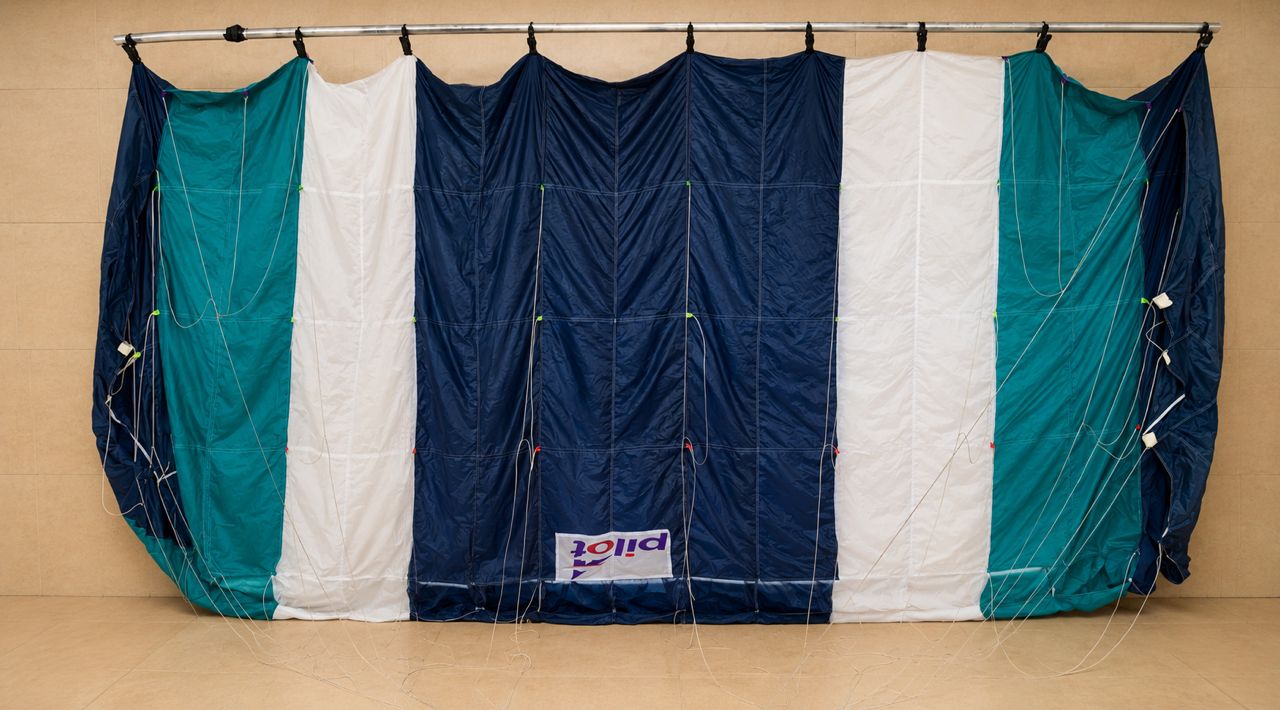
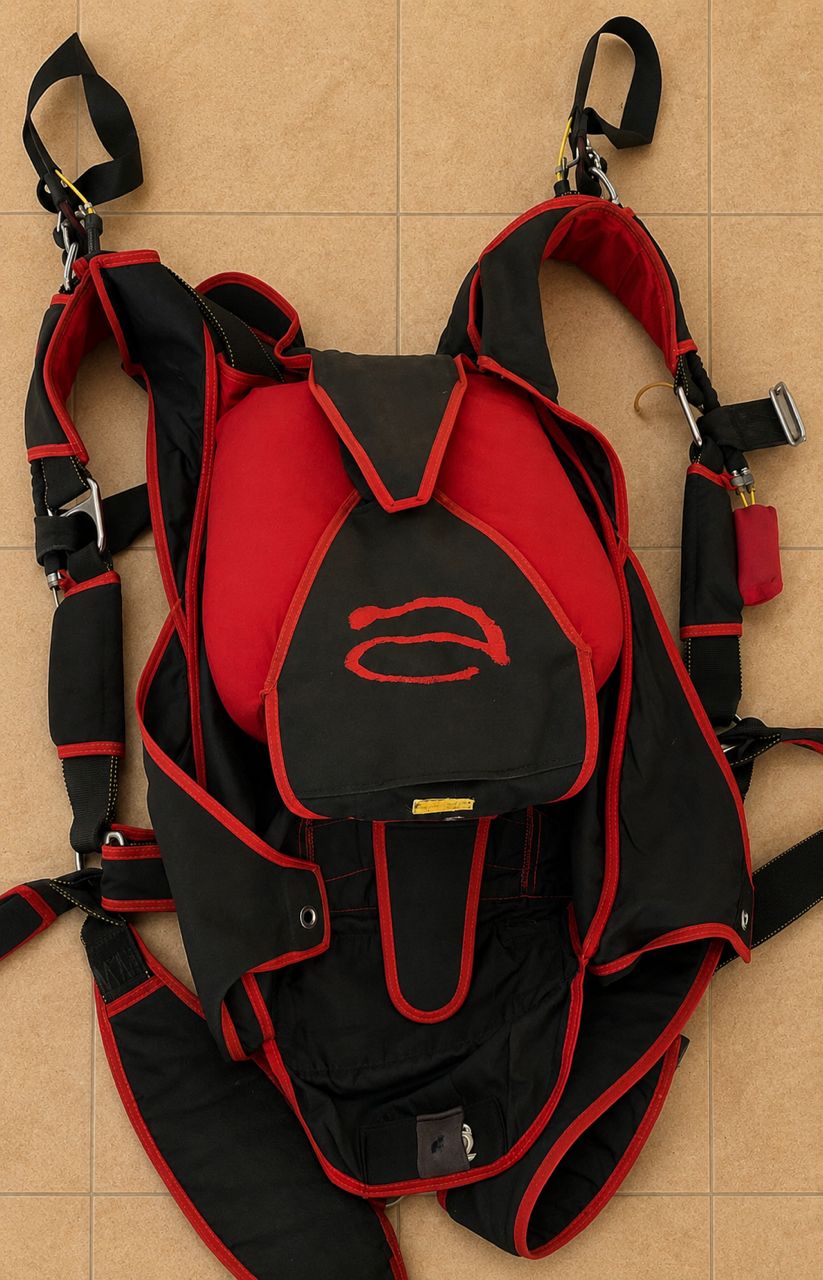
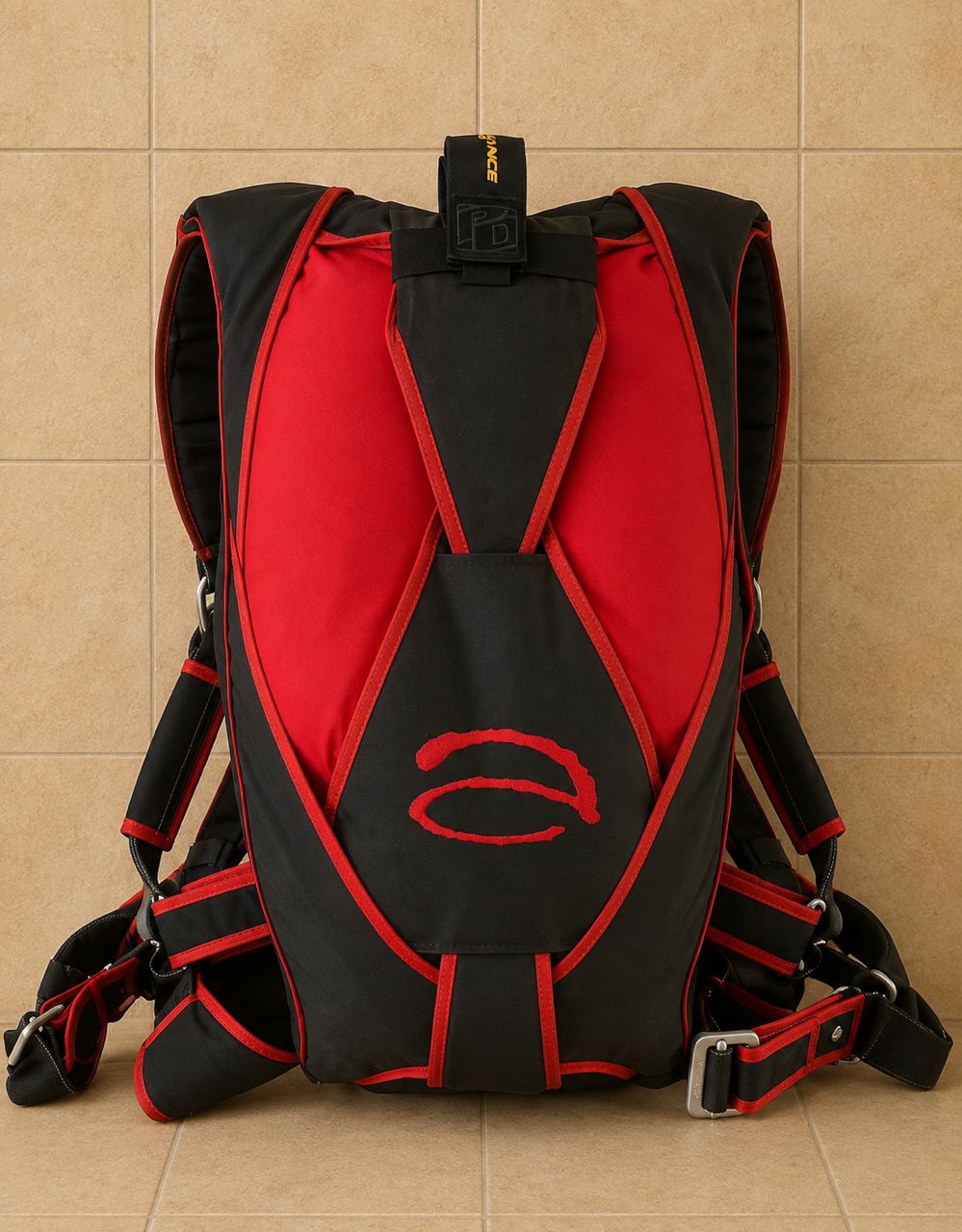
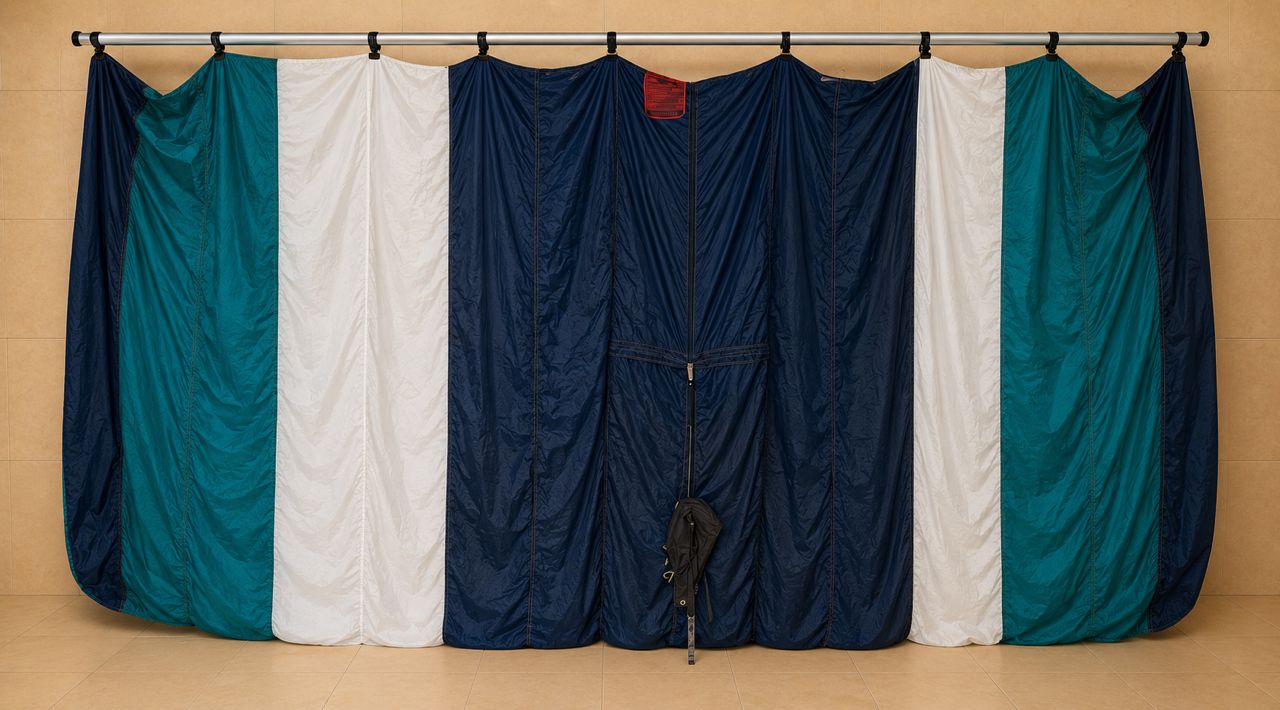



Used Talon fs5 Pilot 150

€2,500.00
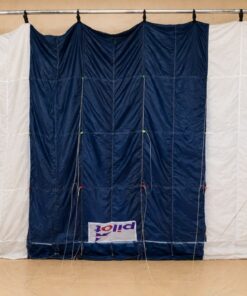
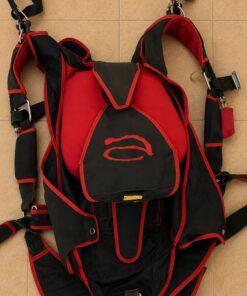
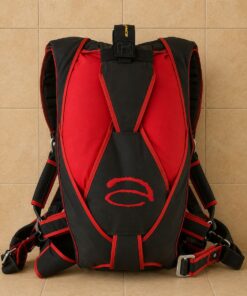
Used Talon FS5 Pilot 150 is a complete sport skydiving setup combining a Parachutes Australia Talon FS5 harness/container with an Aerodyne Pilot 150 main canopy. The Pilot 150 is a nine-cell canopy known for smooth openings, stable flight characteristics, and dependable flare performance when properly matched to the jumper.
As a used system, its real value depends on harness fit, canopy condition, line wear, reserve configuration, AAD status, deployment components, repair history, and current inspection records. Before use, the complete rig should be professionally inspected to confirm component compatibility and airworthiness.
A practical choice for experienced recreational skydivers seeking a proven harness/container platform paired with a versatile 150 sq ft main canopy.
Used Talon FS5 Pilot 150 – Complete Skydiving Rig, Harness/Container and Aerodyne Main Canopy
The Used Talon FS5 Pilot 150 combines a Parachutes Australia Talon FS harness/container with an Aerodyne Pilot 150 main canopy, creating a practical sport-skydiving configuration for an appropriately trained and qualified jumper. The Talon FS5 manufacturer documentation specifies approximately 400 cubic inches of reserve-container volume and 450 cubic inches of main-container volume. The Talon FS system was certified under FAA TSO-C23c Category B with manufacturer-stated operating limitations of up to 116 kg fully equipped and 130 knots for the original certified configuration.
Meanwhile, the Pilot is Aerodyne’s established nine-cell main-canopy platform and is currently produced in numerous sizes, including 150 sq ft. Aerodyne describes it as a versatile canopy known for dependable openings, flat glide characteristics, and useful flare performance across several conventional sport disciplines.
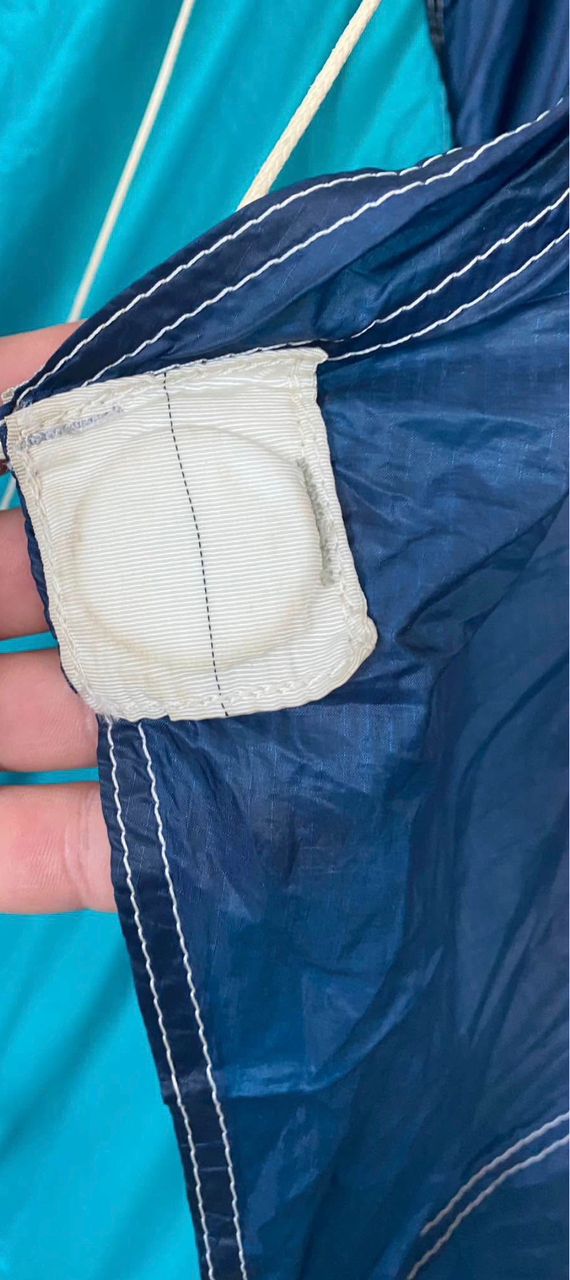
Because this is used parachute equipment, the actual harness measurements, main-canopy jump count, line condition, reserve model, reserve packing date, AAD status, repairs, alterations, pilot chute, deployment bag, risers, handles, and service history should be professionally inspected before purchase or jump use.
Parachute Rig
A parachute rig includes more than the visible backpack. Depending on how this particular system is being sold, the complete configuration may include the harness/container, main canopy, reserve canopy, risers, deployment bag, pilot chute, reserve deployment components, handles and an automatic activation device.
The seller should therefore identify exactly what is included.
Pilot 150 Main Canopy
The 150 sq ft main is part of Aerodyne’s nine-cell Pilot family. Current manufacturer information lists standard ZP construction along with optional ZPX and Ultra LPV configurations depending on production specification. Line options have also included Spectra, Vectran-family materials and Dacron depending on configuration.
The exact material and line set on a used canopy should be physically verified rather than inferred from model name.
Why Canopy Condition Matters
A used canopy’s value is determined partly by jump count, fabric condition, line condition, repairs and storage history.
A canopy with fewer jumps is not automatically superior if it has been stored poorly or exposed to contaminants.
Likewise, a higher-jump canopy can remain serviceable when maintenance has been performed correctly.
Professional inspection provides the strongest basis for evaluation.
Linewear
Linewear is especially important on used equipment.
Suspension lines should be examined for abrasion, fraying, damaged stitching and changes in trim.
The condition near the connector links, cascade points and steering lines should also be reviewed.
A worn line set can change canopy handling even when the fabric remains visually clean.
Parts of a Parachute
Understanding the parts of a parachute helps buyers assess what they are receiving.
Important components include the main canopy, reserve, harness, container, risers, three-ring release, pilot chute, bridle, deployment bag, closing loops, handles, steering toggles and optional electronic activation equipment.
Each component has its own inspection requirements.
Container Skydive
The phrase container skydive commonly refers to the harness/container portion of the system.
For the FS5, manufacturer documentation specifies approximately 450 cu in of main-pack volume and 400 cu in for the reserve compartment.
Canopy fit should still be confirmed using actual packed volume rather than square footage alone.
Skydiving Rig
A skydiving rig needs to fit both the jumper and the installed parachutes.
Harness dimensions, leg-strap geometry, torso length and handle position are therefore as important as container capacity.
A system that fits the parachutes properly can still be unsuitable if the harness does not fit the jumper.
Skydiving Rigging
Professional skydiving rigging should be part of any used-equipment purchase.
The Talon manual specifies particular compatible reserve deployment components and states that only the appropriately labeled Parachutes Australia reserve deployment bag and bridle assembly is approved for the system.
This makes component verification especially important.
Landing Flight Risers
Landing flight risers and the main-riser assembly should be inspected for webbing wear, hardware condition, steering-line routing and three-ring-system integrity.
The same applies when the term landing flight risers appears in equipment searches: condition and compatibility matter more than cosmetic appearance.
Canopy Flight
During canopy flight, the installed main parachute determines most flight characteristics.
Aerodyne presents the Pilot family as a versatile platform with a relatively flat glide and useful landing flare.
However, actual handling depends heavily on wing loading, line condition, jumper experience and atmospheric conditions.
Skydiving Downsizing Chart
A skydiving downsizing chart should be treated as educational guidance rather than an automatic recommendation.
A 150 sq ft canopy being fitted to a container does not mean that it is appropriate for every jumper.
Exit weight, experience, recent canopy history and qualified coaching should determine suitability.
Smallest Canopy
The smallest canopy that can physically fit inside a container is not automatically the correct choice.
Loose pack volume, excessive downsizing and inappropriate wing loading can introduce unnecessary risk.
Any future canopy change should therefore be evaluated separately.
Safire 3
A Safire 3 is a different main-canopy design and should not be confused with the Pilot included in this setup.
If a future owner intends to change canopies, exact pack volume and suitability should be checked first.
Fluid Wings
Likewise, Fluid Wings produces separate canopy designs.
Changing from one canopy family to another should involve compatibility checks rather than assuming that identical nominal square footage means identical packed volume or handling.
Tracking Jump
During a tracking jump, airflow and body position differ from conventional belly flying.
The harness/container should therefore remain properly fitted and closing components secure.
A pre-jump pin, handle and riser-cover check remains important before any high-speed freefall activity.
Skydiving Speed
Skydiving speed varies with body position, discipline and equipment.
The original Talon FS documentation identifies a 130-knot certified operating limitation for the harness/container under its stated TSO configuration.
Equipment should always be operated within applicable manufacturer limitations.
Speed Sky Diving
The search phrase speed sky diving relates to specialized high-speed freefall.
It should not be assumed that an ordinary sport configuration is appropriate for specialized speed disciplines without confirming current equipment limitations and expert guidance.
Wingsuit
A wingsuit creates different airflow and deployment conditions.
Although Aerodyne states that the Pilot has been used after wingsuit flights, compatibility of the complete used system must be assessed separately.
Wingsuit Sport
For wingsuit sport, deployment components such as pilot-chute size, bridle configuration, container geometry and canopy characteristics become particularly important.
A conventional setup should not automatically be marketed as wingsuit-specific.
Vector Wingsuit
The phrase vector wingsuit generally concerns another container ecosystem.
It is not a specification of this Talon system and should therefore be treated only as related skydiving-search terminology.
Gliding Suit Wingsuit
A gliding suit wingsuit is wearable flight equipment used during freefall.
It is separate from the harness/container and main canopy.
Skydiving Gliding Suit
Likewise, a skydiving gliding suit should only be paired with equipment that has been reviewed for the intended discipline.
Wing Suits for Sale
Searches for wing suits for sale concern separate specialized equipment.
A wingsuit should not be assumed included with this used setup unless specifically listed by the seller.
Price of Wingsuit
The price of wingsuit equipment is independent of the value of the harness/container and main canopy.
Brand, model, size, condition and experience level determine wingsuit suitability.
Indoor Wingsuit
Indoor wingsuit flying uses specialized wind facilities and does not normally require the parachute system during indoor operation.
Tandem Wingsuit
The term tandem wingsuit should not be interpreted as a capability of this equipment.
Tandem systems use purpose-built harness/container and canopy configurations.
Fly Suits
Fly suits include conventional freefall jumpsuits, tracking garments and specialized flight suits.
They are separate accessories unless explicitly included.
Base Jumping
Base jumping uses equipment and procedures that differ significantly from ordinary aircraft skydiving.
This Talon sport system should not automatically be treated as BASE equipment.
Baseline Jumping
The search term baseline jumping is sometimes used when people are looking for BASE-related information, but the disciplines and equipment configurations should remain clearly separated.
Base Canopy
A base canopy is designed for a different application and should not be assumed compatible with this sport harness/container.
CRW Skydiving
CRW skydiving involves canopy relative work and can require discipline-specific equipment, training and procedures.
The suitability of the included canopy for specialized work should be evaluated independently.
Freefly PUD Handle
A freefly PUD handle is one deployment-handle style used on some sport systems.
The exact deployment handle installed on this used Talon should be inspected and stated accurately in the sales listing.
Hook Knife Skydiving
A hook knife skydiving accessory is an emergency cutting tool.
Whether one is included should be stated separately.
Hook Blade Knife
A hook blade knife should be kept accessible and securely retained when carried as emergency equipment.
It is not an integral structural component of the canopy.
Skydive Hook Knife
A skydive hook knife should be inspected for secure storage and accessibility rather than treated as decorative equipment.
Skydiving Equipment List
A typical skydiving equipment list may include the rig, main canopy, reserve, AAD, altimeter, helmet, eye protection, jumpsuit, audible device and suitable emergency accessories.
The precise contents of this used package should be documented.
Skydiving Helmet
A skydiving helmet is separate personal protective equipment and should fit securely without interfering with visibility or emergency-handle access.
Skydive Helmets
Different skydive helmets support different disciplines, camera arrangements and audible-altimeter configurations.
Sky Diving Helmet
A sky diving helmet should be selected according to fit, protection, ventilation and intended use rather than according to the rig model.
Sky Helmet Skydiving
The search phrase sky helmet skydiving generally refers to personal head protection and is unrelated to the structural compatibility of the harness/container.
Full Face Skydiving Helmet
A full face skydiving helmet combines head protection with an integrated visor.
Skydiving Helmet Full Face
A skydiving helmet full face design can also provide substantial wind and eye protection during conventional freefall.
G35 Helmet
A G35 helmet is a separate equipment choice and is not automatically included with this package.
Cookie G4 Helmet
The Cookie G4 helmet is another standalone helmet product frequently encountered in sport-skydiving equipment searches.
Best Skydiving Helmet
The best skydiving helmet depends on fit, discipline, certification requirements, visibility and accessory compatibility.
Skydiving Glasses
Skydiving glasses or protective goggles can be used where appropriate.
Skydiver Goggles
Skydiver goggles should fit securely enough to remain stable in freefall.
Can You Wear Glasses While Skydiving
For people asking can you wear glasses while skydiving, suitable over-glasses goggles and some full-face helmet configurations can accommodate prescription eyewear.
Gear Bag Skydive
A gear bag skydive accessory helps protect the system during transportation and storage.
The rig should still be kept dry and away from heat, UV radiation, chemicals and heavy compression.
Weight Limit Skydiving
The phrase weight limit skydiving requires careful interpretation.
The Talon FS documentation states a maximum of 116 kg or 254 lb fully equipped under its original TSO limitations.
The installed canopy may introduce additional limits, so the lowest applicable restriction should govern.
Parachute Jump Australia
For parachute jump Australia activities, users must consider local aviation, parachuting-organization and drop-zone requirements in addition to equipment limitations.
Skydive Byron Bay
Skydive Byron Bay is a destination-related term rather than a feature of the equipment.
Personal equipment acceptance remains subject to local operating requirements.
Cairns Skydiving
Likewise, Cairns skydiving refers to a location and activity rather than the specifications of this used setup.
Skydive Belize
For skydive Belize travel, jumpers should verify local equipment documentation and drop-zone requirements before bringing personal equipment.
Skydiving Blue Hole Belize
The term skydiving blue hole Belize concerns destination jumping rather than equipment compatibility.
iFLY Colorado Springs
iFLY Colorado Springs concerns indoor body-flight training.
A parachute rig is generally not part of normal tunnel equipment.
Nude Parachute Jump
A nude parachute jump is a novelty activity and does not alter the fundamental requirements for properly fitted and inspected parachute equipment.
Skydiving Nude
Likewise, skydiving nude is unrelated to the engineering of the system.
Harness fit, webbing contact and operational rules remain important.
Fire Parachute
The term fire parachute can have several meanings and is not a technical designation for this system.
Cypress Fire Skydiving
The phrase cypress fire skydiving may be intended to reference a CYPRES automatic activation device.
If an AAD is included, its exact manufacturer, model, age, cutter installation and maintenance status should be verified separately.
Jumper Pilot
A jumper pilot may refer either to a parachutist flying the canopy or, depending on context, the aircraft pilot supporting the jump operation.
It is not a product specification.
New Skydive
The search term new skydive often relates to new equipment, training or drop zones.
A used system should instead be evaluated primarily through condition and documentation.
#Skydiving Latest
For #skydiving latest equipment information, current manufacturer guidance and technical notices should take priority over old marketplace descriptions.
Skydiving Website
A reliable skydiving website can provide manuals, technical documentation and manufacturer information.
Used-gear claims should always be compared against those authoritative records.
Skydiving Tube
A skydiving tube is typically a freefall visual or formation accessory and is not part of the standard harness/container or canopy configuration.
Why Choose a Used Talon FS5 Pilot 150?
The strongest reason to consider this combination is the pairing of an established harness/container design with Aerodyne’s proven nine-cell 150 sq ft main platform.
The Pilot is described by Aerodyne as versatile, with predictable openings, a flat glide and effective flare characteristics.
Meanwhile, the FS5 provides defined main and reserve pack volumes within the Talon FS family.
However, the real quality of any used rig depends on its individual history.
Before purchase, verify the serial numbers, manufacture dates, harness measurements, canopy jump count, line condition, reserve information, AAD status, deployment components, repair history and current inspection status.
When the system fits correctly, the components are compatible and an appropriately rated rigger confirms airworthiness, a Used Talon FS5 Pilot 150 can provide a practical foundation for a complete recreational sport-skydiving setup.
Harness Fit, Container Condition, Canopy Inspection, Deployment Components, Maintenance, and Practical Ownership
Evaluating Harness Fit
Correct harness fit is essential when assessing any used sport parachute system.
The harness should sit securely on the jumper without excessive movement, painful pressure, or restricted motion.
Shoulder position, torso length, leg-strap geometry, chest-strap placement, and emergency-handle access should all be checked.
A container can fit the installed canopies correctly while still being unsuitable for the jumper wearing it.
Therefore, harness measurements should always be reviewed separately from canopy size.
Shoulder and Back Position
The upper harness should rest evenly across the shoulders.
The container should remain centered on the back and should not shift excessively from side to side.
Uneven shoulder pressure may indicate an incorrect fit or improper adjustment.
The jumper should also be able to raise and move both arms comfortably.
Restricted movement can create unnecessary discomfort during aircraft entry, freefall, deployment, and canopy flight.
Leg Strap Condition
Leg straps carry substantial load during deployment and should be inspected carefully.
The webbing should remain flexible and free from cuts, melting, deep abrasion, or chemical contamination.
Hardware should move correctly and should not show cracks, sharp edges, or significant deformation.
The stitching around attachment points should also be checked.
Any structural concern should be examined by an appropriately qualified professional.
Chest Strap Inspection
The chest strap should route correctly through its hardware.
It should remain free from severe wear, cuts, burns, or damaged stitching.
Adjustment hardware should hold securely once tightened.
A strap that slips unexpectedly or appears damaged should not be ignored.
Even small areas of wear can become more significant when repeated loading continues over time.
Handle Accessibility
Emergency handles should be easy to locate and reach while the rig is being worn.
Body size, clothing, harness adjustment, and torso length can all influence handle position.
The jumper should not need excessive stretching or twisting to reach them.
If handle placement changes significantly after adjusting the harness, the fit should be reassessed.
Main Container Inspection
The main container should maintain its intended shape without obvious distortion.
Flaps should close neatly and consistently.
Grommets should remain secure and smooth.
Closing areas should not show excessive wear or stretched fabric.
A container that requires unusual force to close may be carrying a canopy with excessive pack volume or may have another configuration issue.
Reserve Container Inspection
The reserve container deserves especially careful attention.
Flaps, grommets, closing loops, pin protection, and visible reserve components should appear properly configured.
Reserve areas should not be opened or modified casually.
Any uncertainty regarding reserve condition should be addressed by the appropriate rigger before the system is used.
Main Closing Loop Condition
The main closing loop should be checked regularly.
Fraying, flattening, discoloration, or damaged fibers can indicate wear.
The loop should be the correct length for the installed canopy and packing configuration.
A loop that is too long or too short can affect closing security.
Improvised materials should never be substituted for approved components.
Grommet Condition
Grommets experience repeated contact with closing loops and fabric.
They should remain smooth and firmly seated.
Sharp edges or deformation can accelerate loop wear.
The surrounding fabric should also remain intact.
Loose or damaged grommets should be repaired correctly rather than ignored.
Deployment Bag Condition
The deployment bag should be checked for fabric wear, damaged stitching, worn locking areas, and grommet condition.
Repeated packing can create wear in high-friction areas.
Elastic components should also remain serviceable.
A deployment bag that appears heavily worn should be evaluated before continued use.
Pilot Chute Inspection
The pilot chute should remain free from tears, damaged mesh, weak stitching, or excessive fabric deterioration.
The handle should remain secure.
If a kill-line system is present, it should operate correctly.
A worn pilot chute can affect deployment performance even when the main canopy itself remains in good condition.
Bridle Condition
The bridle should be inspected for cuts, burns, abrasion, and damaged stitching.
Attachment points deserve particular attention.
The routing should remain correct for the container configuration.
A twisted, damaged, or improperly routed bridle should be corrected before the system is used.
Main Riser Inspection
Main risers should be inspected for webbing wear, ring condition, connector condition, and stitching integrity.
The release system should move smoothly.
Metal components should remain free from significant corrosion, cracks, or deformation.
The webbing should not show severe abrasion where it passes around hardware.
Three-Ring System
The three-ring release system should be assembled exactly as designed.
Each ring should sit correctly.
The retaining loop should remain in good condition.
Release cables should move freely and should be maintained according to the manufacturer’s instructions.
Contamination, incorrect routing, or poor maintenance can increase release force.
Main Canopy Fabric
The canopy fabric should be checked for holes, tears, burns, patches, and unusual porosity.
A clean appearance does not necessarily mean the fabric remains in excellent condition.
Storage history, jump count, landing environment, and exposure to sunlight can all influence material condition.
Repairs should be documented where possible.
Line Condition
Suspension lines should be examined carefully.
Fraying, damaged stitching, excessive fuzzing, unusual discoloration, or changes in length may indicate wear.
Steering lines can experience particularly high friction.
Line trim can also change gradually over time and alter canopy handling.
A professional evaluation is useful when line condition is uncertain.
Slider Inspection
The slider should remain free from torn fabric, damaged grommets, and worn reinforcement areas.
Grommets should remain smooth.
Sharp edges can damage suspension lines.
The slider should move freely during packing and deployment.
Any unusual distortion should be investigated.
Steering System
Steering lines and toggles should be checked for wear and correct attachment.
Toggle loops should remain intact.
Brake settings should be configured properly.
Uneven steering-line length can affect canopy behavior.
If one side appears different from the other, the system should be inspected before further use.
Reserve Documentation
Reserve documentation should remain complete and readable.
The data card can provide information about repack history, reserve model, service dates, and rigger entries.
Missing records do not automatically mean the equipment is unusable, but they reduce confidence in the maintenance history.
Professional inspection becomes even more important when documentation is incomplete.
Electronic Safety Device Status
If an electronic activation device is installed, its age, maintenance requirements, service history, battery status, and cutter installation should be reviewed.
A relatively recent harness/container can contain an older electronic unit.
Therefore, the date of the rig and the date of the electronic component should never be assumed to be the same.
Checking Previous Repairs
Used equipment may have been repaired previously.
A properly completed repair is not automatically a problem.
However, structural repairs, replaced panels, altered webbing, or unusual stitching should be documented and inspected.
The quality and location of the repair are more important than the simple fact that repair work exists.
Water Exposure
Water exposure can affect both textile and metal components.
Saltwater exposure deserves particular attention because corrosion can continue after the equipment appears dry.
A system that has been submerged should have an appropriate inspection history.
Moisture trapped during storage can also contribute to odor, corrosion, and material deterioration.
Sunlight Exposure
Ultraviolet radiation can gradually weaken textile materials.
A rig that has spent long periods in direct sunlight may age differently from one stored indoors.
Fading alone does not prove structural damage.
However, severe discoloration or brittle material should justify closer inspection.
Chemical Contamination
Fuel, solvents, cleaning products, oils, and other chemicals can damage webbing and fabric.
Unusual smells, staining, stiffness, or surface changes should be investigated.
Contaminated load-bearing materials should not simply be cleaned cosmetically and returned to service without evaluation.
Storage Between Jump Days
The complete system should be stored in a cool, dry place.
Direct sunlight, excessive heat, moisture, chemicals, and sharp objects should be avoided.
Heavy items should not be placed on top of the rig for long periods.
A protective equipment bag can reduce dirt and abrasion during storage and transport.
Transportation
During transportation, the system should be protected from crushing, dragging, fuel contamination, and sharp objects.
Handles and closing areas should not be used as convenient carrying points.
Careful transportation helps reduce unnecessary wear between jump days.
Pre-Use Inspection
Before use, the visible closing system, harness webbing, leg straps, chest strap, handles, riser areas, and general condition should be checked.
Any unusual change should be investigated.
A quick visual check does not replace scheduled professional maintenance, but it can identify obvious problems early.
Post-Landing Inspection
After landing, the system should be checked for damage caused by dragging, rough ground, hard contact, or obstacles.
Fabric abrasion, damaged hardware, contaminated components, or displaced handles may become noticeable immediately after the jump.
Early identification makes corrective action easier.
Long-Term Ownership
Long-term reliability depends on fit, compatible components, correct packing, documented maintenance, careful storage, and regular professional inspection.
A used system should be treated according to its individual condition rather than age alone.
When the harness fits correctly, the canopy and container remain compatible, deployment components are maintained, and service history is kept current, the equipment can provide dependable long-term recreational sport use.
Real-World Use, Comfort, Opening Behavior, Control, Maintenance Awareness, and Long-Term Performance
Real-World Use
A well-matched sport parachute system should feel predictable from the moment it is put on until the equipment is stored after landing.
Practical quality is not determined only by age or appearance.
Instead, it comes from fit, maintenance history, component condition, packing consistency, canopy behavior, and the way the complete system works together.
For a used setup, these factors should be evaluated as one complete package rather than as isolated parts.
Comfort During Aircraft Boarding
A properly fitted harness should remain comfortable while standing, sitting, and moving inside an aircraft.
Shoulder pressure should feel even.
Leg straps should remain secure without creating sharp pressure points.
The back of the container should stay centered rather than shifting excessively.
Good fit becomes especially important during longer climbs because discomfort can become distracting before exit.
Movement Inside the Aircraft
The wearer should be able to move naturally without the system feeling loose or unstable.
Care should be taken around seat edges, door frames, other equipment, and nearby jumpers.
The rear of the container should not be dragged against rough surfaces.
Likewise, handles and closing areas should remain protected from accidental contact.
Deliberate movement helps prevent unnecessary disturbance to packed components.
Harness Stability Before Exit
Before leaving the aircraft, the system should still feel the same as it did during the initial equipment check.
A sudden change in shoulder position, strap tension, or handle location should not be ignored.
The wearer should confirm that nothing has shifted during boarding or movement.
A secure harness helps reduce distraction and allows attention to remain on the planned jump.
Freefall Comfort
During freefall, the container should remain stable against the back.
Excessive movement can make the system feel less predictable.
A good harness fit allows normal body positioning without the jumper constantly noticing the equipment.
The chest and leg straps should remain secure while still allowing enough freedom for ordinary movement.
Comfort and stability should work together.
Deployment Readiness
The deployment handle should remain accessible and familiar.
Its position should not change significantly between jumps unless the harness adjustment or clothing has changed.
Repeated practice helps the jumper recognize the normal feel and location.
If the handle sits differently after maintenance, repacking, or equipment changes, the reason should be understood before use.
Opening Consistency
Opening behavior should be broadly repeatable when packing method, airspeed, canopy configuration, and body position remain similar.
However, no opening is perfectly identical.
Minor variation is normal.
What matters is whether the system begins producing repeated hard, unusually slow, or strongly asymmetric openings.
Consistent abnormal behavior should be investigated rather than accepted as routine.
Canopy Inflation
Inflation should progress in a controlled manner.
The canopy should transition from deployment to stable flight without obvious structural irregularities.
Line condition, slider behavior, packing technique, body position, and deployment speed can all affect the opening sequence.
If inflation behavior changes suddenly, several possible causes should be considered before one component is blamed.
Slider Performance
The slider plays an important role in moderating opening speed.
It should move freely along the lines and remain structurally sound.
Damaged fabric, distorted grommets, or excessive wear can affect performance.
The slider should also be packed consistently.
A sudden change in opening characteristics can justify closer inspection of this component.
Steering Response
Once the canopy is fully open, steering input should feel balanced from side to side.
Uneven response may indicate steering-line differences, line trim changes, damage, or another configuration issue.
The canopy should be controllable without excessive input.
If handling becomes noticeably different from previous jumps, the cause should be investigated before the change becomes normalized.
Brake System Condition
The brake system should be checked for correct setting and line condition.
Steering lines often experience considerable wear because they pass through guide areas repeatedly.
Toggle attachment points should remain secure.
Any fraying, damaged stitching, or unequal line length should be examined.
A clean canopy can still have a worn steering system.
Flare Performance
Landing performance depends on more than canopy size.
Line condition, loading, technique, wind, density altitude, and canopy age can all influence the amount of available lift during the flare.
A change in landing performance should not automatically be attributed to pilot error.
If the system begins feeling noticeably different, mechanical condition should also be considered.
Maintaining Predictable Handling
Consistency comes from keeping variables controlled.
Using the same packing method, maintaining the same equipment configuration, monitoring line condition, and recording major component changes can help the jumper recognize meaningful differences.
Random changes make troubleshooting more difficult.
A disciplined approach improves both performance understanding and maintenance awareness.
Monitoring Canopy Fabric
Fabric condition should be checked periodically.
Small damage can expand if ignored.
Areas around seams, reinforcement points, and high-contact zones deserve attention.
Repairs should be completed using appropriate materials and methods.
Improvised patches should not be treated as permanent solutions.
Monitoring Suspension Lines
Lines gradually wear even when no obvious damage occurs.
Changes can develop from abrasion, heat, dirt, repeated packing, and normal loading.
Line length can also change over time.
This may alter opening behavior or flight characteristics.
Periodic professional assessment helps determine whether adjustment or replacement is appropriate.
Connector Areas
The areas where lines connect to the risers should remain secure.
Links, covers, stitching, and surrounding webbing should be examined.
Metal components should remain smooth and correctly shaped.
Any sharp edge can damage nearby material.
Connector areas should not be ignored simply because they are partly covered during normal use.
Harness Adjustment Over Time
Body weight, clothing, and equipment configuration can change how the harness fits.
A system that felt correct previously may need reassessment later.
The wearer should pay attention to changes in shoulder pressure, leg-strap position, and handle accessibility.
Fit should be treated as an ongoing consideration rather than a one-time decision.
Seasonal Use
Temperature and clothing can influence comfort and fit.
Thicker clothing may change strap position.
Hot-weather clothing may create more direct contact between webbing and skin.
Adjustment should remain secure under both conditions.
The harness should not be excessively tightened simply to compensate for clothing differences.
Storage After Use
After a jump day, the system should be inspected before storage.
Dirt, grass, moisture, or debris should not be left trapped inside a closed storage bag.
If the rig is damp, it should be allowed to dry naturally in a suitable environment.
Extreme heat should not be used to accelerate drying.
Protecting Against Sunlight
Long-term exposure to direct sunlight should be minimized.
Ultraviolet radiation can gradually affect textile materials.
During breaks between jumps, unnecessary exposure should be reduced where practical.
Shade or proper storage can help preserve material condition over time.
Protecting Against Contamination
The system should be kept away from fuel, oil, solvents, battery chemicals, and aggressive cleaning products.
Even small spills can affect fabric or webbing.
If contamination occurs, professional guidance should be obtained rather than attempting strong chemical cleaning.
Appearance alone does not confirm that contaminated material remains structurally safe.
Equipment Cleanliness
Routine cleanliness helps make inspection easier.
Dirt can hide stitching, abrasion, or small cuts.
However, cleaning should remain gentle and appropriate for technical textile equipment.
Harsh brushes, bleach, strong detergents, and high heat should be avoided unless specifically approved by the manufacturer.
Inspection After a Hard Landing
A hard landing can place unusual loads on the harness and container.
Even if the jumper is uninjured, the equipment should be checked.
Webbing, stitching, hardware, attachment points, and container fabric may have experienced additional stress.
If anything looks unusual, professional inspection is appropriate before further use.
Inspection After Dragging
Dragging across rough ground can damage fabric quickly.
Bottom corners, external panels, leg straps, and deployment components may be affected.
Surface abrasion should be examined closely.
A small worn area can worsen with repeated contact.
Water Exposure
If the system becomes wet, proper drying becomes important.
Fresh water and saltwater should not be treated the same.
Salt can promote corrosion and remain inside materials after surface drying.
Significant exposure should be documented and professionally evaluated.
Recording Maintenance
A simple maintenance record can improve long-term ownership.
Component changes, inspections, repairs, line replacements, and unusual events can all be recorded.
This creates a clearer history and can make later troubleshooting easier.
Documentation also helps future buyers understand how the equipment was maintained.
Managing Component Replacement
Parts should be replaced according to condition, manufacturer guidance, and professional assessment.
A newer component does not automatically improve the system if it is incompatible.
Replacement decisions should consider the complete configuration.
Compatibility is more important than simply choosing the newest available part.
Long-Term Reliability
Long-term reliability comes from predictable handling, proper fit, careful storage, regular inspection, and timely maintenance.
Used equipment can remain highly serviceable when its history is known and its condition is verified.
Age alone should not be used as the only measure of quality.
Overall Practical Value.
The strongest used system is one that feels stable, fits properly, opens consistently, handles predictably, and has a clear maintenance history.
Confidence should come from documented condition rather than appearance alone.
When the harness, deployment components, canopy, lines, hardware, and records are all evaluated together, the complete setup can offer dependable recreational use and strong long-term value.
Be the first to review “Used Talon fs5 Pilot 150”
Related products
used products

used products

used products

used products
used products
used products
used products
used products
Reviews
There are no reviews yet.