


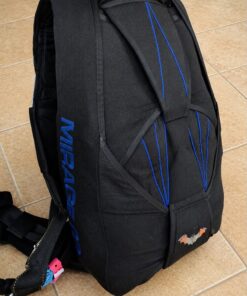
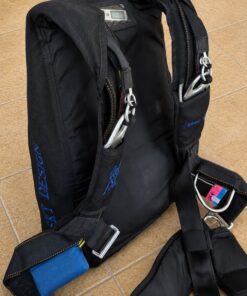


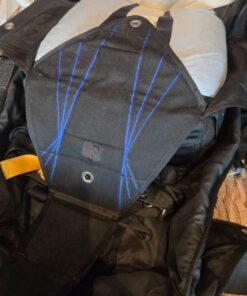

Mirage G3 – Dom 01/2000
€2,500.00
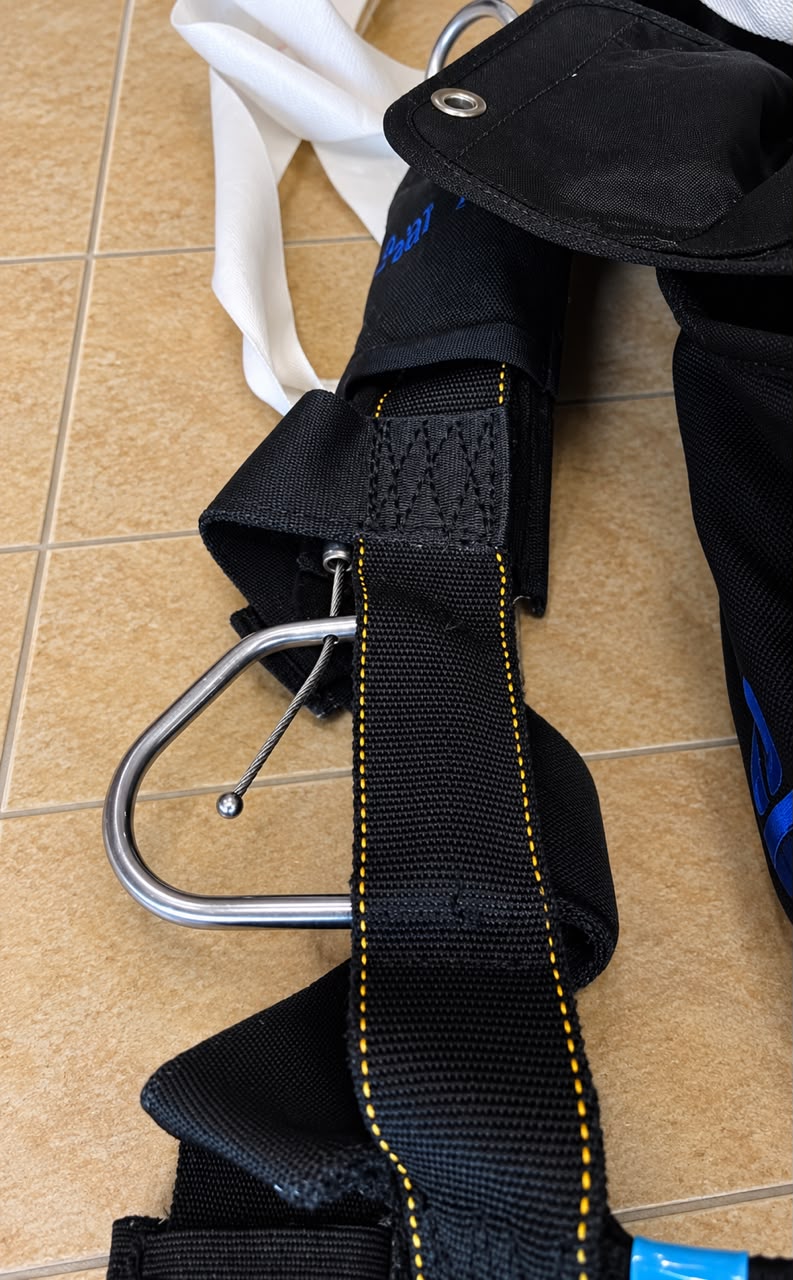
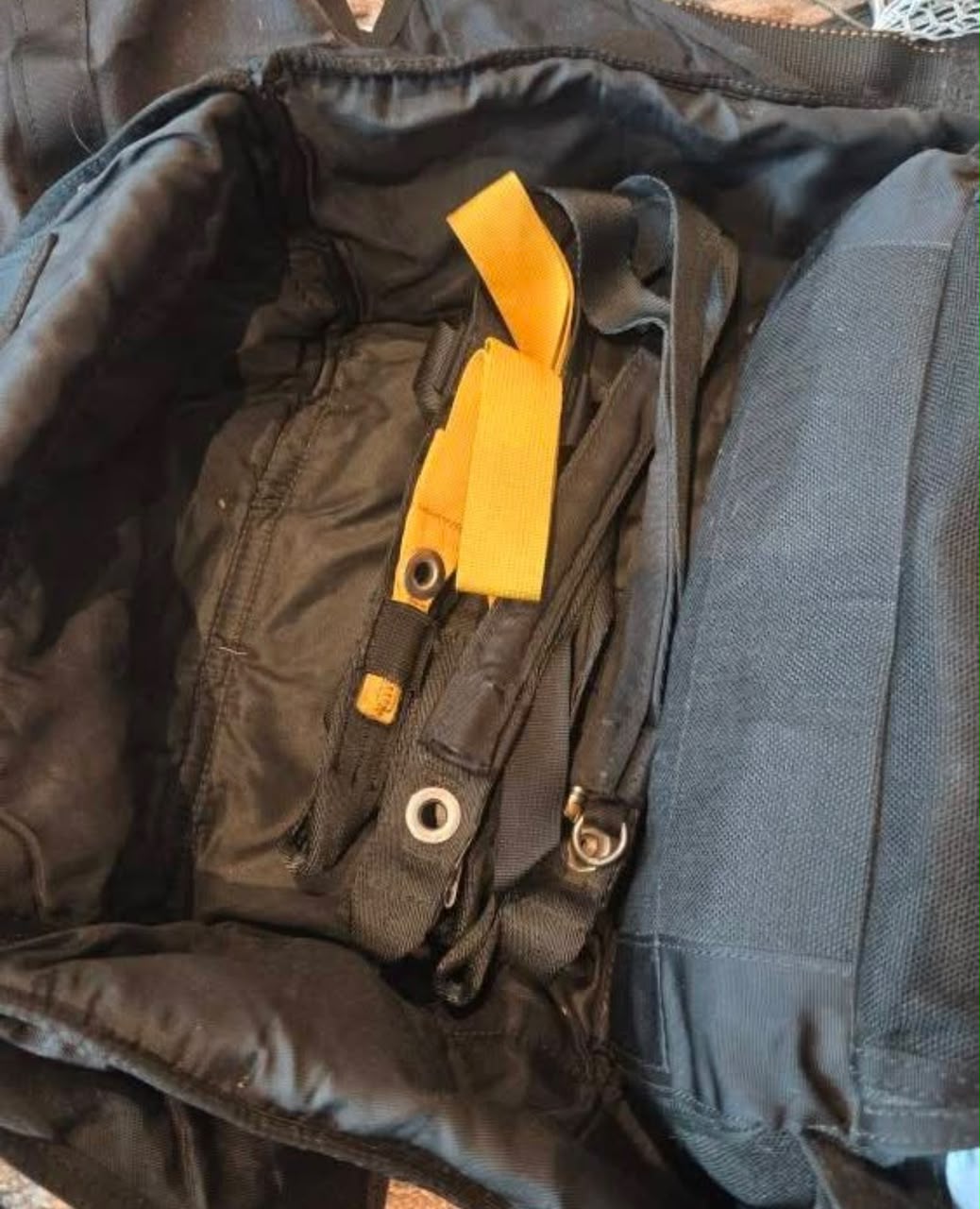
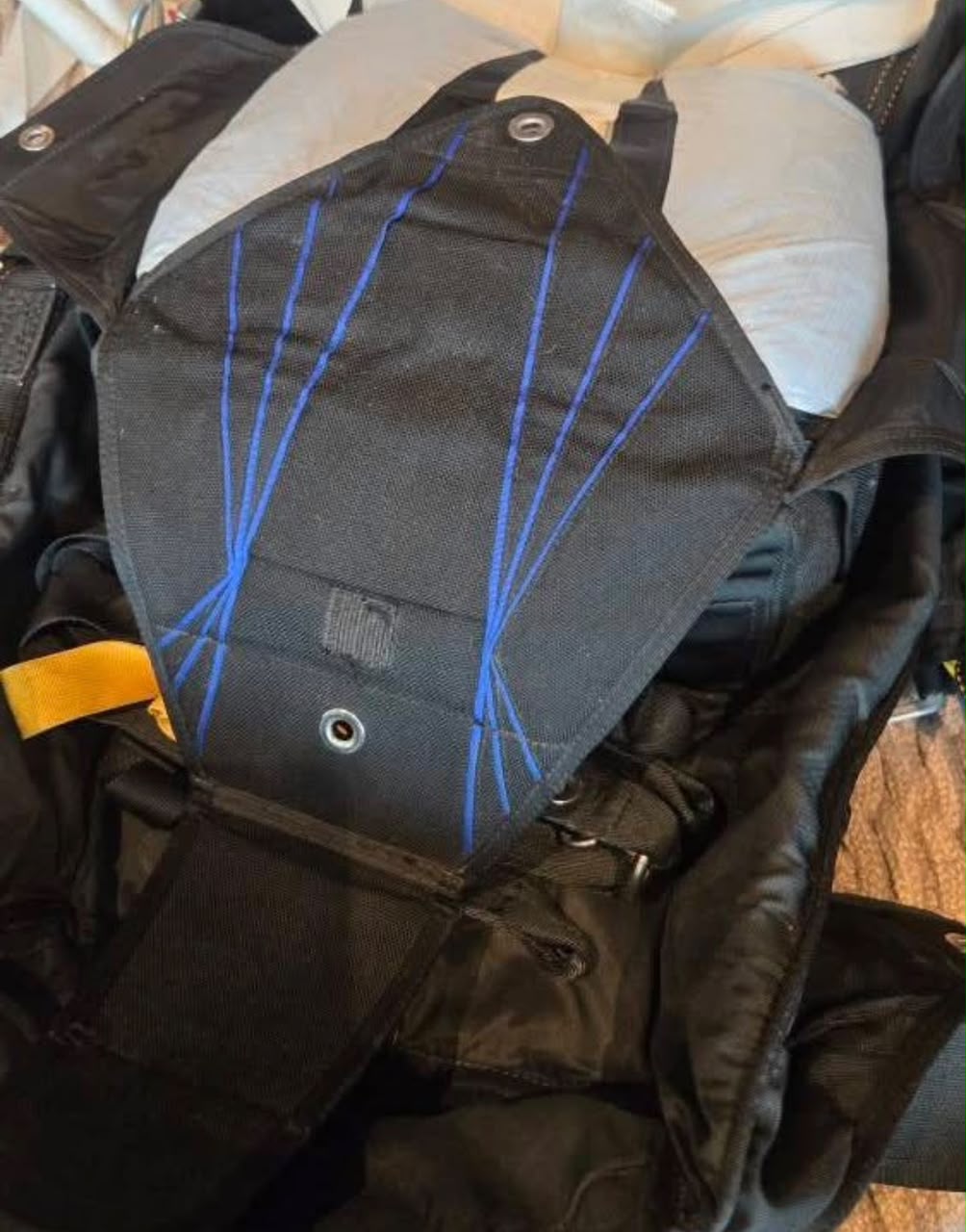
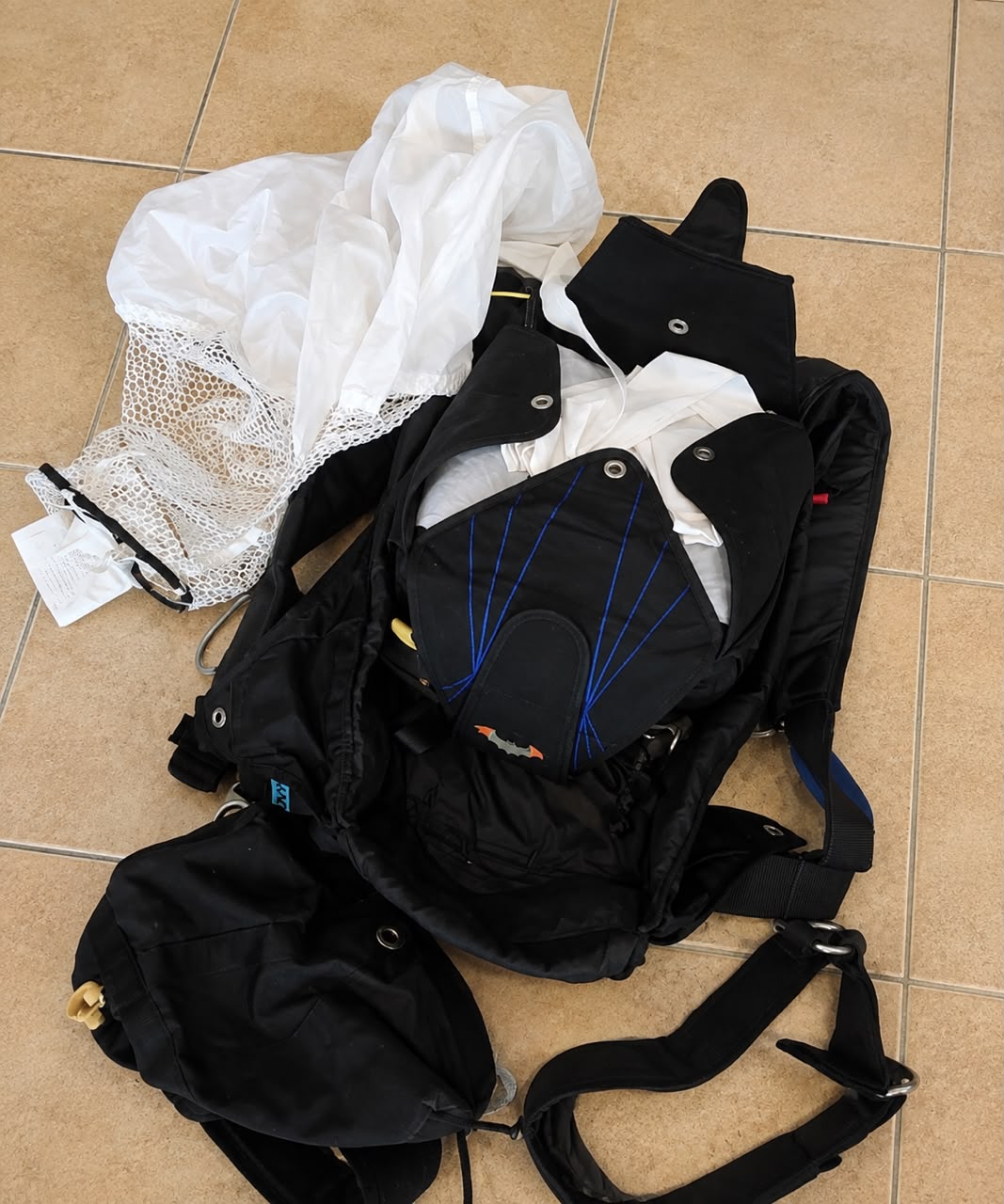
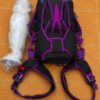
The Mirage G3 – DOM 01/2000 is a classic skydiving harness/container system built for reliable main and reserve canopy integration, secure harness fit, organized deployment, and practical freefall use. Its proven Mirage design supports a wide range of sport skydiving configurations when matched with compatible canopies and properly maintained components. Because this example was manufactured in January 2000, current condition, webbing integrity, stitching, hardware, closing systems, reserve compatibility, and any installed AAD should be inspected by a qualified parachute rigger before use.
Mirage G3 – DOM 01/2000 Skydiving Harness/Container System — Classic Mirage Engineering, Rig Compatibility, Fit, and Inspection Overview
Mirage G3 – DOM 01/2000 Harness/Container Engineering, Fit, Safety, Compatibility, and Skydiving Overview
The Mirage G3 – DOM 01/2000 refers to a Mirage Systems G3 skydiving harness/container manufactured in January 2000. Unlike a complete parachute system, the G3 itself is primarily the harness-and-container assembly that carries the main parachute, reserve parachute, deployment components, and potentially an automatic activation device depending on the exact configuration.
Mirage’s original G3 manual describes the system as a purpose-built harness/container intended to provide secure parachute storage, organized deployment, and long-term service when properly maintained. Mirage also makes an important compatibility point: only canopies specifically compatible with the individual container should be installed, and the system information panel inside the main pack tray must be consulted.
Because a DOM 01/2000 example is now more than 25 years old, its current condition matters considerably more than appearance alone. Webbing, harness stitching, hardware, deployment components, riser covers, closing loops, pilot-chute components, reserve system, and fabric may all require close examination. Older rigs can remain serviceable, but a certificated parachute rigger should inspect the actual system before purchase or use. A recent marketplace listing for another early G3 similarly warns that older containers can develop UV degradation, webbing wear, or obsolete hardware.
Parachute Jump Australia
For parachute jump australia, equipment requirements and reserve servicing must comply with applicable Australian parachuting rules and drop-zone procedures. An older container should be inspected locally before use.
Skydive Byron Bay
Skydive Byron Bay is associated with skydiving activity in Australia, but suitability of a personal rig depends on jumper experience, certification, harness fit, canopy configuration, and drop-zone requirements.
Weight Limit Skydiving
A weight limit skydiving question cannot be answered from the container model alone. Harness dimensions, canopy size, wing loading, reserve limits, equipment placards, and manufacturer specifications all matter.
Cairns Skydiving
For Cairns skydiving, equipment should be evaluated for the specific jumper and local operating requirements rather than selected simply because the container model is familiar.
Skydiving Helmet
A skydiving helmet is separate from the parachute system but remains an important part of personal protective equipment.
Skydive Helmets
Skydive helmets include open-face and full-face designs intended for different disciplines, camera configurations, and personal preferences.
Hook Blade Knife
A hook blade knife is commonly carried as an emergency cutting tool. It should be positioned so it remains accessible without interfering with handles or harness components.
Tracking Jump
A tracking jump involves significant horizontal separation, making proper equipment configuration, deployment procedures, and awareness particularly important.
Parachute Rig
A parachute rig normally combines a harness/container, main canopy, reserve canopy, deployment components, and often an automatic activation device.
Linewear
Linewear refers to deterioration of canopy suspension lines. It relates to the installed canopy rather than the G3 container itself and should be inspected during routine gear maintenance.
Base Jumping
BASE jumping uses specialized equipment and procedures that differ from conventional skydiving. A standard dual-parachute skydiving container should not automatically be treated as BASE equipment.
Sky Helmet Skydiving
The phrase sky helmet skydiving generally concerns protective headgear rather than the parachute container.
Wingsuit Sport
Wingsuit sport places additional importance on deployment compatibility, bridle routing, pilot-chute configuration, and container setup.
Vector Wingsuit
A Vector wingsuit search generally combines wingsuit equipment with another harness/container brand. Compatibility principles should always be evaluated for the exact system being used.
Full Face Skydiving Helmet
A full face skydiving helmet provides greater facial coverage than an open-face design and is widely used for several recreational disciplines.
Skydiving Downsizing Chart
A skydiving downsizing chart can provide broad guidance, but canopy downsizing should never be based on a chart alone. Experience, currency, wing loading, instruction, canopy design, and landing proficiency are more important.
Landing Flight Risers
Landing flight risers relate to canopy-control systems and should remain in good condition, correctly routed, and compatible with the installed main canopy.
Fire Parachute
The phrase fire parachute may refer to emergency or specialized parachuting contexts rather than a specific component of this harness/container.
Cypress Fire Skydiving
The phrase cypress fire skydiving appears to relate to searches involving CYPRES automatic activation devices. Exact AAD compatibility and service status should be verified for the individual rig.
Skydiving Rigging
Skydiving rigging is especially important for an older system. Mirage states that reserve packing is governed by applicable regulations and must be performed by appropriately certificated personnel where required.
Baseline Jumping
Baseline jumping is commonly a mistaken or alternate search phrase for BASE jumping and should not be confused with conventional aircraft skydiving.
Sky Diving Helmet
A sky diving helmet is an independent piece of protective equipment and should fit correctly without interfering with visibility or emergency procedures.
Hook Knife Skydiving
A hook knife skydiving setup provides an emergency means of cutting certain entangling materials and should remain securely stored yet accessible.
Landing Flight Risers
The repeated landing flight risers phrase emphasizes a component that belongs to the canopy control and suspension system rather than the harness/container body.
Skydiving Glasses
Skydiving glasses or goggles help protect the eyes from wind and debris during freefall.
Nude Parachute Jump
A nude parachute jump is a novelty activity rather than an equipment category. Normal safety, harness fit, and drop-zone requirements still apply.
iFLY Colorado Springs
iFLY Colorado Springs concerns indoor wind-tunnel flying, where a conventional parachute harness/container is not normally required.
Skydive Hook Knife
A skydive hook knife should remain securely mounted and should not obstruct reserve, cutaway, or deployment handles.
Skydiving Helmet Full Face
A skydiving helmet full face design can provide wind protection and a clean aerodynamic profile during freefall.
Skydiving Blue Hole Belize
Skydiving Blue Hole Belize concerns a destination-specific skydiving experience rather than a particular equipment configuration.
Smallest Canopy
The smallest canopy that physically packs into a container is not automatically the smallest canopy a jumper should use. Safe selection depends heavily on experience, wing loading, training, and manufacturer compatibility.
Skydiving Speed
Skydiving speed varies according to body position, discipline, equipment, clothing, and jumper characteristics.
Wing Suits for Sale
Wing suits for sale should be evaluated according to experience level and manufacturer guidance because wingsuit progression requires specialized training.
Skydiving Nude
Skydiving nude does not change the technical requirements of the parachute system, including correct harness fit and secure emergency-handle access.
Parts of a Parachute
The main parts of a parachute system include the harness/container, main canopy, reserve canopy, deployment components, risers, lines, and often an automatic activation device.
Container Skydive
A container skydive system must hold compatible main and reserve parachutes. Mirage specifically directs owners to the system information panel for approved canopy compatibility.
G35 Helmet
A G35 helmet belongs to the skydiving helmet category and is independent of the harness/container selection.
Best Skydiving Helmet
The best skydiving helmet depends on discipline, certification requirements, fit, visibility, ventilation, camera use, and personal preference.
Skydive Belize
Skydive Belize concerns destination skydiving and does not determine whether a particular personal rig is suitable.
Freefly Pud Handle
A freefly pud handle is a deployment-handle style designed to remain secure during high-speed body positions. Older systems should be inspected to confirm current deployment-handle configuration and security.
Gliding Suit Wingsuit
A gliding suit wingsuit increases horizontal flight performance and introduces additional considerations for deployment equipment and container configuration.
Jumper Pilot
The phrase jumper pilot can refer to either a skydiver or the aircraft pilot supporting parachuting operations, depending on context.
CRW Skydiving
CRW skydiving, or canopy relative work, has specialized equipment and canopy requirements that differ from ordinary recreational freefall.
Gear Bag Skydive
A gear bag skydive setup helps protect the harness/container, helmet, jumpsuit, and accessories during transportation.
Skydiving Equipment List
A typical skydiving equipment list may include the harness/container, main canopy, reserve, AAD where used, helmet, goggles, jumpsuit, altimeter, audible device, and emergency cutting tool.
Indoor Wingsuit
An indoor wingsuit environment uses specialized wind-tunnel facilities and does not normally require a conventional parachute rig.
Can You Wear Glasses While Skydiving
For can you wear glasses while skydiving, suitable goggles or compatible full-face helmets can often accommodate prescription eyewear, depending on the design.
Wingsuit
A wingsuit changes freefall aerodynamics significantly. Rig configuration, pilot-chute access, deployment setup, and jumper training are especially important.
Skydiving Website
A reputable skydiving website can provide manufacturer manuals, service information, safety notices, canopy compatibility guidance, and equipment documentation.
Cookie G4 Helmet
The Cookie G4 helmet is a modern full-face skydiving helmet and is separate from the parachute harness/container.
Base Canopy
A BASE canopy is designed for a different operational environment from conventional skydiving mains and should not automatically be installed in a dual-parachute skydiving container.
New Skydive
A new skydive setup should prioritize training, equipment familiarity, suitable canopy selection, and professional gear inspection.
#Skydiving Latest
The phrase #skydiving latest typically points toward current skydiving developments, equipment, events, and community content.
Canopy Flight
Canopy flight is one of the most technically important phases of a skydive. Canopy choice should be appropriate for the jumper’s experience, currency, wing loading, and training.
Skydiver Goggles
Skydiver goggles provide eye protection while maintaining visibility during freefall and canopy flight.
Speed Sky Diving
Speed sky diving involves specialized high-speed freefall techniques and requires appropriate experience, training, and equipment configuration.
Fly Suits
Fly suits include traditional jumpsuits, freefly suits, tracking suits, and wingsuits, each producing different aerodynamic characteristics.
Skydiving Rig
A complete skydiving rig must be considered as a system rather than as individual components. Harness fit, main compatibility, reserve compatibility, risers, deployment components, and AAD installation must work together correctly.
Safire 3
The Safire 3 is a modern main canopy family. Whether a particular size fits an older container depends on the exact G3 container size and Mirage compatibility information, not merely the canopy model.
Skydiving Gliding Suit
A skydiving gliding suit usually refers to a wingsuit or tracking-oriented garment designed to increase horizontal movement.
Fluid Wings
Fluid Wings manufactures modern sport parachutes. Compatibility with a particular older harness/container must be confirmed by exact canopy size and pack-volume requirements.
Price of Wingsuit
The price of wingsuit equipment varies considerably according to model, size, options, manufacturer, and whether the suit is new or used.
Tandem Wingsuit
A tandem wingsuit is not part of ordinary recreational tandem skydiving. Tandem systems and wingsuit systems involve very different equipment and training requirements.
Skydiving Tube
A skydiving tube may refer to a freefall tube used for visual formations or specialty jumps. Such accessories require experienced handling because they can introduce additional entanglement considerations.
Why the DOM 01/2000 Date Matters
The January 2000 manufacture date is one of the most important facts about this particular system. The Mirage G3 was a respected design, and contemporary information describes it as a purpose-built harness/container with significant attention to deployment protection and functionality. Mirage documentation also emphasizes that the system should be maintained and used according to manufacturer instructions.
However, age changes how the equipment should be evaluated. A container manufactured in 2000 should not be judged only by cosmetic appearance or the reputation of the model. Harness webbing, stitching, metal hardware, main and reserve closing systems, riser covers, pilot-chute components, deployment bag, handles, RSL components if fitted, and AAD compatibility should all be examined.
Exact canopy compatibility cannot be established from “G3 – DOM 01/2000” alone because Mirage produced multiple container sizes. For example, a documented G3 M5 has been associated with approximately 170–190 sq ft canopy sizes, while much smaller G3 containers exist for substantially smaller parachutes. Therefore, the container size, harness measurements, system information panel, reserve model, main model, pack volume, and jumper measurements must all be verified individually.
Most importantly, an older G3 should receive a complete inspection by a qualified parachute rigger before being jumped, purchased as flight-ready equipment, or paired with different canopies. That inspection is the reliable way to determine whether this particular January 2000 system remains structurally sound, appropriately configured, and suitable for continued skydiving use.
Harness Fit, Container Condition, Deployment Security, Reserve System Care, and Practical Reliability
Harness Fit and Body Position
Correct harness fit is one of the most important factors in the safe and comfortable use of any older skydiving container system.
The main lift web, leg straps, chest strap, laterals, and backpad should work together to keep the rig stable on the jumper without creating excessive restriction.
A harness that is too large can move during exit, freefall, or deployment. Conversely, one that is too small can create pressure points and reduce comfort.
Fit should therefore be assessed with the actual jumper wearing the complete system, preferably by an experienced rigger or instructor.
Why Container Condition Matters
The container does more than hold the main and reserve canopies.
It also protects deployment components, supports correct riser routing, maintains closing tension, and helps keep emergency handles accessible.
Over time, fabric can experience abrasion, UV exposure, dirt, moisture, and repeated compression.
Older material should therefore be inspected for fraying, thinning, torn stitching, distorted flaps, and worn reinforcement areas.
Cosmetic wear does not always mean a system is unserviceable, but structural wear should never be ignored.
Main Lift Web Inspection
The main lift web carries significant loads during opening and is therefore a critical structural component.
It should be inspected for cuts, abrasion, discoloration, broken stitching, chemical damage, and deformation.
Areas near hardware, junction points, and stitching patterns deserve particular attention.
Surface wear can sometimes appear minor while still requiring professional evaluation.
A qualified rigger should determine whether the harness remains within acceptable service condition.
The main lift web should never be altered or repaired casually.
Leg Strap Condition
Leg straps should remain flexible, secure, and free from significant damage.
Webbing should be checked for abrasion, cuts, glazing, contamination, and worn stitching.
Hardware should move smoothly while still maintaining secure adjustment.
If the straps slip unexpectedly after adjustment, the hardware and webbing should be inspected.
Comfort also matters because poorly positioned leg straps can cause significant discomfort during deployment and canopy flight.
A correctly fitted system should remain secure without excessive restriction.
Chest Strap and Hardware
The chest strap helps control the position of the harness across the upper body.
The strap should remain free from fraying, cuts, or excessive wear around the hardware.
The buckle should operate smoothly and should not show deformation, cracking, corrosion, or sharp edges.
Any unusual movement should be investigated.
The strap should also be routed correctly every time the rig is worn.
A misrouted chest strap can compromise harness stability, so routine gear checks remain important.
Main Container Condition
The main container should retain its shape and structural integrity.
Closing flaps should lie correctly, and the closing loop should remain appropriate for the installed canopy and packing configuration.
An excessively tight pack can place unnecessary stress on flaps, seams, and closing hardware.
Conversely, an overly loose configuration can affect deployment security.
The correct main canopy size should therefore match the container’s approved volume range.
A rigger should confirm compatibility before a different canopy is installed.
Reserve Container Integrity
The reserve container deserves particularly careful attention.
Its flaps, grommets, closing loop, pilot-chute assembly, freebag, bridle, and reserve handle system should all remain in serviceable condition.
Reserve packing should only be performed by appropriately qualified personnel under the regulations that apply where the system is used.
Any damage around reserve closing points should be evaluated before the rig is returned to service.
The reserve system should never be altered to accommodate an incompatible canopy or packing volume.
Closing Loop Condition
Closing loops are small components, but their condition is important.
They should remain clean, correctly sized, and free from visible wear.
A damaged closing loop can affect deployment security.
The loop should also provide appropriate tension for the installed canopy without forcing the container into an excessively compressed condition.
Replacement should be performed with suitable material and according to accepted rigging practices.
If closing tension changes significantly, the complete packing configuration should be evaluated.
Grommet Inspection
Grommets should remain smooth, secure, and correctly seated in the surrounding material.
Sharp edges, deformation, corrosion, or separation from the fabric can damage closing loops and nearby components.
Grommets should therefore be checked during routine packing and inspection.
If a grommet begins moving or develops a rough edge, the rig should be assessed before continued use.
A seemingly small hardware defect can create accelerated wear elsewhere if it is left unattended.
Riser Cover Security
Riser covers help protect the risers during freefall while allowing them to release correctly during deployment.
They should remain secure enough to resist premature opening but should not be damaged, distorted, or excessively stiff.
Older rigs may show wear around tuck tabs, magnets, stiffeners, or surrounding fabric depending on configuration.
Riser cover behavior should be checked during inspection and packing.
Any persistent asymmetry or unusual release behavior should be evaluated by a qualified rigger.
Main Deployment Bag Care
The deployment bag should remain structurally sound and correctly matched to the main canopy.
Fabric, grommets, locking stows, elastic components, and bridle attachment points should all be inspected.
Damaged stows or loose components can affect deployment sequence.
The bag should not be modified simply to make a larger or smaller canopy fit.
Compatibility between the canopy, bag, container, and closing configuration should be maintained as a complete system.
Pilot Chute Condition
The main pilot chute should remain in good condition and should be inspected for damaged mesh, worn fabric, broken stitching, bridle wear, or handle problems.
A worn pilot chute can affect deployment reliability.
The handle should remain secure and accessible without interfering with other equipment.
If the pilot chute has been replaced or modified over the years, compatibility with the current deployment setup should be confirmed.
Older components should be assessed based on actual condition rather than age alone.
Bridle Condition
The bridle connects the pilot chute to the deployment system and should remain free from cuts, burns, excessive abrasion, or damaged stitching.
Attachment points deserve close inspection because they experience repeated loading during deployment.
The bridle should also route correctly and remain free from unnecessary twisting or contamination.
If a bridle shows unusual wear, the cause should be identified before replacement.
Wear patterns can sometimes reveal another problem within the deployment system.
Cutaway Handle Inspection
The cutaway handle should remain secure, accessible, and correctly positioned.
The cables should be clean and should move smoothly through the housings.
Excessive dirt or contamination can increase friction.
Handle attachment and cable condition should therefore be checked during maintenance.
Any stiffness, corrosion, or unusual resistance should be investigated.
The complete emergency system should be maintained according to manufacturer guidance and accepted rigging practices rather than modified for convenience.
Reserve Handle and Cable Condition
The reserve handle must remain accessible and mechanically reliable.
Its cable, housing, attachment point, and handle pocket should be inspected for damage, contamination, or unusual wear.
The handle should remain secure during freefall while still being available during an emergency.
Any change in handle position caused by harness modifications or poor fit should be taken seriously.
Emergency-handle accessibility should be checked while the jumper is wearing the complete rig.
Automatic Activation Device Considerations
If an automatic activation device is installed, its model, installation configuration, battery or service status, cutter position, and maintenance history should all be verified.
Older containers may have undergone changes to accommodate newer devices.
Any installation should follow approved guidance.
An expired, unsupported, or improperly installed device should not be assumed serviceable simply because it powers on.
The complete installation should be inspected by a qualified rigger familiar with the specific device and container.
Reserve Static Line Condition
If a reserve static line is fitted, its routing, attachment points, hardware, and condition should be checked.
The system should move freely without interfering with other components.
Any modification to the original configuration should be documented and professionally evaluated.
Different jump disciplines may place different demands on emergency procedures, so the jumper should understand how the installed system operates.
Equipment familiarity is especially important with an older rig that may have changed configuration over time.
Fabric and Stitching Inspection
Container fabric and stitching should be checked throughout the system.
Areas around corners, flap edges, harness junctions, hardware, riser covers, and handle pockets often experience repeated wear.
Loose threads alone may not indicate serious damage, but broken structural stitching should be evaluated professionally.
UV exposure, chemical contamination, moisture, and repeated abrasion can weaken materials gradually.
A thorough inspection should therefore consider the entire history and condition of the rig rather than only the most visible areas.
Long-Term Practical Reliability
Long-term reliability depends on correct fit, compatible canopies, professional reserve servicing, sound webbing, secure hardware, clean deployment components, and careful storage.
The harness, container, main deployment system, reserve system, emergency handles, closing loops, grommets, riser covers, and optional activation equipment should all be monitored over time.
Changes in fit, unusual wear, stiff cables, damaged fabric, poor closing tension, or inconsistent deployment components may provide early warning that servicing is required.
An older harness/container can remain usable when it has been properly maintained and inspected, but age makes documentation and condition especially important.
Regular examination by a qualified parachute rigger is therefore the most reliable way to preserve serviceability, compatibility, and dependable operation over the long term.
Canopy Compatibility, Harness Comfort, Deployment Performance, Storage Care, and Long-Term Serviceability
Understanding Canopy Compatibility
Canopy compatibility should always be considered in relation to the exact container size rather than the harness/container model name alone.
Main and reserve parachutes vary in pack volume, construction material, line type, age, and design. Two canopies with the same stated square footage may therefore pack differently.
The container should not be forced to accept a canopy that produces excessive closing tension.
Likewise, a canopy that is too small for the intended pack volume can create an excessively loose configuration.
A qualified rigger should confirm compatibility using the container identification information and current manufacturer guidance.
Main Canopy Pack Volume
Main canopy pack volume influences how the container closes, how the deployment bag sits inside the main tray, and how much tension is placed on the flaps and closing loop.
A canopy that packs significantly larger than expected may distort the container or place unnecessary stress on seams and hardware.
Conversely, an undersized canopy can change how securely the deployment bag is retained.
Packing characteristics can also change with canopy age and fabric condition.
For this reason, square footage alone should not be used as the only compatibility measurement.
Reserve Canopy Selection
Reserve selection requires careful attention because the reserve must be compatible with both the container volume and the jumper.
The reserve should not be selected merely because it physically fits inside the reserve tray.
Wing loading, certified limits, pack volume, jumper experience, and manufacturer approval all matter.
A reserve that creates excessive pack pressure can place unnecessary stress on the container.
Any change in reserve model or size should therefore be evaluated and packed by an appropriately qualified rigger.
Harness Comfort During Freefall
Harness comfort affects how naturally the jumper can maintain body position.
The leg straps should remain secure without creating unnecessary pressure, while the chest strap and main lift web should hold the rig in a stable position.
A poorly fitting harness can shift during freefall.
That movement can influence comfort, handle location, and the overall feel of the equipment.
The actual fit should therefore be evaluated with the jumper wearing appropriate clothing and the complete packed system.
Leg Strap Position
Leg strap position matters both before and after deployment.
Straps should sit securely without twisting.
If the webbing is routed incorrectly or adjusted unevenly, discomfort can increase during opening and canopy flight.
The hardware should remain secure once adjusted.
Any tendency for the straps to slip through the hardware should be investigated.
Repeated abrasion around adjustment points can also indicate that the webbing or hardware requires closer inspection.
Proper positioning supports both comfort and predictable harness behavior.
Chest Strap Adjustment
The chest strap should be adjusted according to proper equipment procedures and the jumper’s body shape.
It should not be used to compensate for a poorly fitting harness.
The strap must remain correctly routed through the hardware.
Twisted webbing, worn stitching, or damaged hardware should be addressed before the system is used again.
Because the chest strap contributes to upper-body harness stability, its condition should be checked during every routine equipment inspection.
Handle Accessibility
Emergency and deployment handles should remain accessible while the jumper is wearing the complete rig.
Harness size, clothing, body shape, and equipment configuration can all affect handle position.
A handle that is easy to reach on the ground may feel different after exit or during freefall.
Therefore, practice touches and equipment checks remain important.
If the harness has been altered or resized during its service life, handle positioning should be evaluated again to confirm that accessibility remains appropriate.
Main Deployment System Condition
The main deployment system should operate as a coordinated sequence.
The pilot chute, bridle, deployment bag, locking stows, risers, and canopy all need to remain compatible and in good condition.
Wear in one component can affect another.
For example, damaged stows or a worn bridle may influence deployment behavior.
Routine inspection should therefore consider the complete system rather than focusing only on the container.
Components should be replaced when they no longer meet suitable service condition.
Pilot Chute Fabric and Mesh
Pilot chute fabric and mesh can wear gradually through repeated use.
Mesh should remain intact, while seams and attachment points should show no significant structural damage.
The fabric should not be excessively porous, torn, or weakened.
Handle attachment should also remain secure.
Because deployment begins with pilot chute extraction, the condition of this component is important.
If performance or inflation appears unusual, the pilot chute should be inspected rather than assumed to be functioning normally.
Bridle Routing
The bridle should route cleanly through the deployment system without unnecessary twisting, sharp bends, or contamination.
Fabric and stitching should remain intact.
Wear around attachment points or sections that repeatedly contact container edges should be monitored.
If unusual abrasion develops in the same location, the underlying routing or container contact point should be investigated.
Correct bridle condition supports a consistent deployment sequence and reduces the chance of avoidable component damage.
Riser Condition
Main risers should remain free from excessive wear, cuts, glazing, damaged stitching, or distorted hardware.
Three-ring components should remain clean and correctly assembled.
Cables and housings should be maintained according to accepted rigging practices.
If the risers have been replaced during the life of the container, their compatibility and routing should be checked.
Older rigs may have undergone multiple component changes, so the current configuration should be evaluated as a complete system.
Three-Ring System Inspection
The three-ring release system is a critical emergency component.
Rings should remain free from corrosion, deformation, and sharp edges.
Webbing loops should show no serious wear or contamination.
The release cables should move smoothly through the housings.
Maintenance should follow accepted procedures and manufacturer guidance.
If the system feels unusually stiff or has not been inspected for an extended period, it should be serviced before use.
Emergency systems should never be neglected simply because they are rarely activated.
Reserve Pilot Chute and Freebag
The reserve pilot chute and freebag should remain in appropriate service condition.
Fabric, spring components, mesh, grommets, bridle, and attachment points should all be inspected during reserve servicing.
The freebag must be compatible with the reserve canopy and container.
Any modification or replacement should follow approved rigging practices.
Because these components are normally enclosed between reserve repacks, periodic professional inspection becomes especially important for identifying deterioration that may not be visible during ordinary use.
Automatic Activation Device Installation
An installed activation device should be checked for correct routing, service status, cutter placement, and control-unit mounting.
The device should not be assumed current simply because it remains physically installed.
Service requirements can vary by model and production date.
Older containers may also contain earlier installation configurations that should be reviewed against current guidance.
A qualified rigger should confirm that the installation remains appropriate for the specific container and device.
Fabric Wear and UV Exposure
Fabric condition can change gradually through sunlight, moisture, dirt, and repeated abrasion.
UV exposure is particularly important because severe fading may indicate prolonged sunlight exposure.
Discoloration alone does not prove structural weakness, but it can be a reason for closer inspection.
Areas around flap edges, harness junctions, the bottom of the container, and exposed corners often experience greater wear.
The entire rig should therefore be examined rather than judging condition from one visible panel.
Hardware Condition
Metal hardware should remain smooth, correctly shaped, and free from significant corrosion.
Buckles, rings, adjusters, housings, and other fittings should operate normally without sharp edges.
A rough or damaged edge can accelerate webbing wear.
Hardware should therefore be inspected alongside the fabric that passes through or around it.
Any unusual deformation should be evaluated professionally.
Replacing damaged hardware can require specialized rigging work and should not be approached as an ordinary home repair.
Moisture and Contamination
Moisture, dirt, fuel, oil, chemicals, and other contaminants can affect parachute materials.
A rig that becomes wet should be dried appropriately before long-term storage.
Chemical contamination deserves particular attention because some substances can weaken webbing or fabric.
If the rig has been exposed to an unknown chemical, professional evaluation is appropriate.
The system should never be aggressively cleaned with household solvents or strong detergents.
Cleaning methods should remain compatible with parachute materials and manufacturer guidance.
Storage Environment
Long-term storage should take place in a cool, dry environment away from direct sunlight.
The rig should not be compressed under heavy equipment or left in a location with significant heat and humidity.
Vehicle trunks and other hot enclosed spaces are generally poor choices for long-term storage.
A suitable gear bag can protect the system from dust and abrasion.
However, the rig should be dry before being enclosed.
Good storage slows unnecessary deterioration and protects both fabric and hardware.
Transport Protection
Transport can expose an older rig to abrasion, crushing, moisture, and impact.
A dedicated gear bag should support the complete system without placing unnecessary pressure on handles or flaps.
Heavy equipment should not be stacked on top of the container.
The rig should also be protected from sharp tools, chemicals, and dirty surfaces.
After airline or vehicle transport, a visual inspection can help confirm that handles, pins, flaps, and riser covers remain correctly positioned.
Documentation and Service History
Service records can add considerable value when evaluating older skydiving equipment.
Reserve packing records, repair information, harness alterations, AAD installation history, and component replacements can help show how the system has been maintained.
Missing documentation does not automatically mean the rig is unusable, but it increases the importance of a thorough inspection.
A clear service history makes it easier for a rigger to understand previous modifications and evaluate the current configuration accurately.
Long-Term Serviceability
Long-term serviceability depends on condition, compatibility, maintenance, and professional inspection rather than age alone.
An older harness/container can remain functional if its structural webbing, stitching, hardware, flaps, deployment components, reserve system, and emergency equipment remain within acceptable limits.
However, assumptions should never be made based solely on appearance.
Any signs of structural wear, questionable modifications, poor fit, incompatible canopy volume, or outdated components should be investigated.
Regular inspection by a qualified parachute rigger remains the most reliable way to determine whether the system continues to offer appropriate fit, mechanical integrity, deployment security, and overall serviceability.
Be the first to review “Mirage G3 – Dom 01/2000”
Related products
used products

used products

used products

used products

used products
used products

used products

used products
Reviews
There are no reviews yet.