
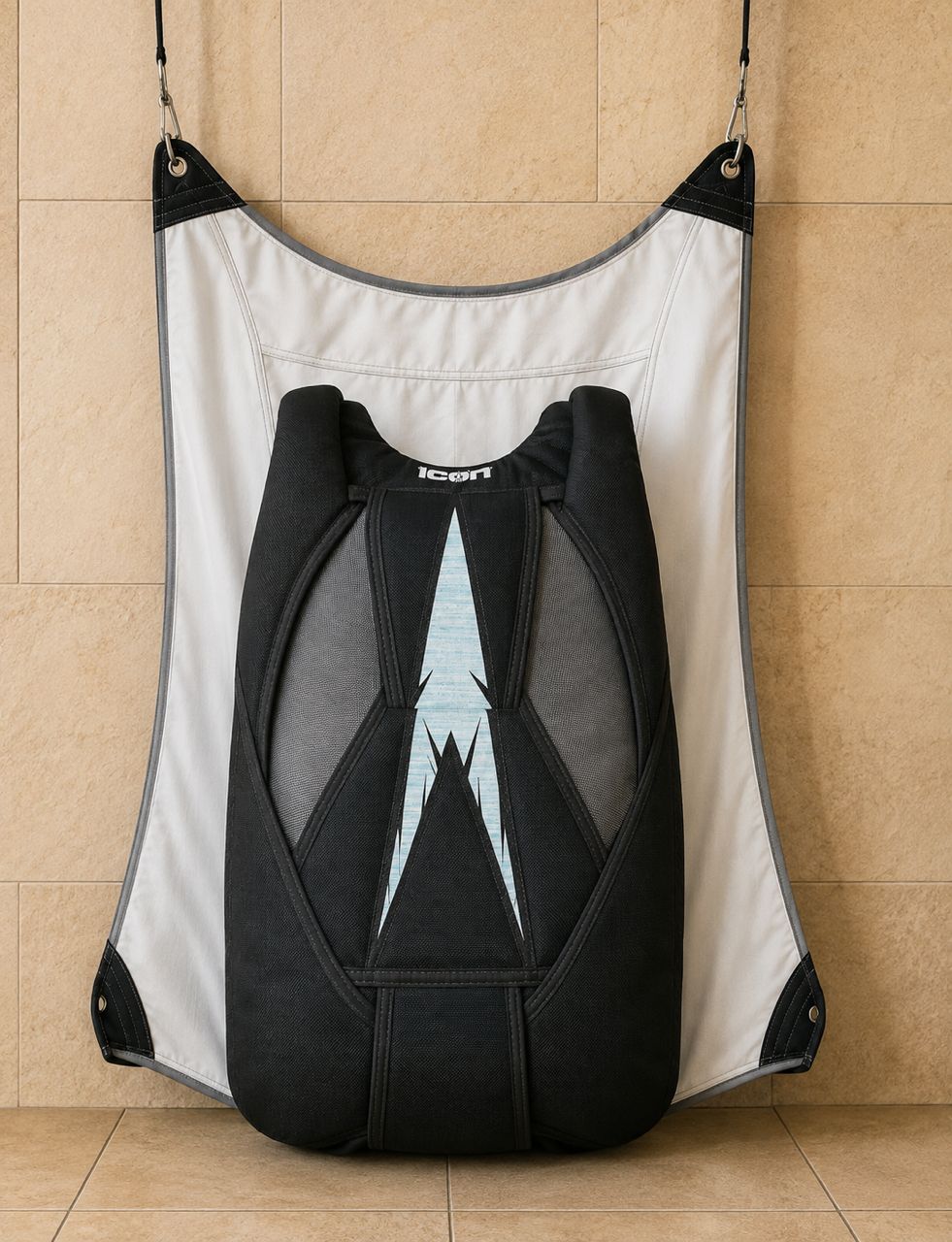

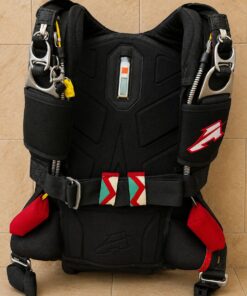
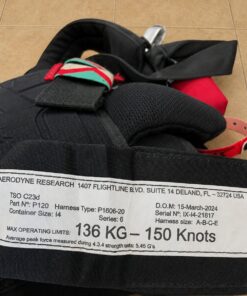
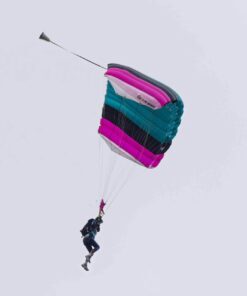
Used Aerodyne Icon A I4

€3,000.00
Used Aerodyne Icon A I4 – 2024 Model is a modern sport skydiving harness/container system designed for secure fit, reliable deployment component protection, and comfortable all-day use. This recent-generation setup features articulated harness construction, secure riser covers, protected closing areas, stainless hardware, and compatibility with appropriate main, reserve, AAD, and reserve-assist configurations depending on the exact build.
As a used 2024 system, overall value depends on harness fit, container condition, service history, reserve records, component compatibility, and any included accessories. Before use, the serial number, canopy fit, structural webbing, hardware, stitching, deployment components, and current inspection status should be verified by an appropriately rated rigger.
A strong choice for experienced sport jumpers looking for a recent, well-designed container platform with modern comfort, secure component retention, and practical long-term usability.
Used Aerodyne Icon A I4 – 2024 Model Skydiving Harness/Container System
The Used Aerodyne Icon A I4 – 2024 model is a modern sport-skydiving harness/container designed around secure riser containment, protected deployment components, comfortable articulation, and compatibility with a wide range of mainstream skydiving disciplines.
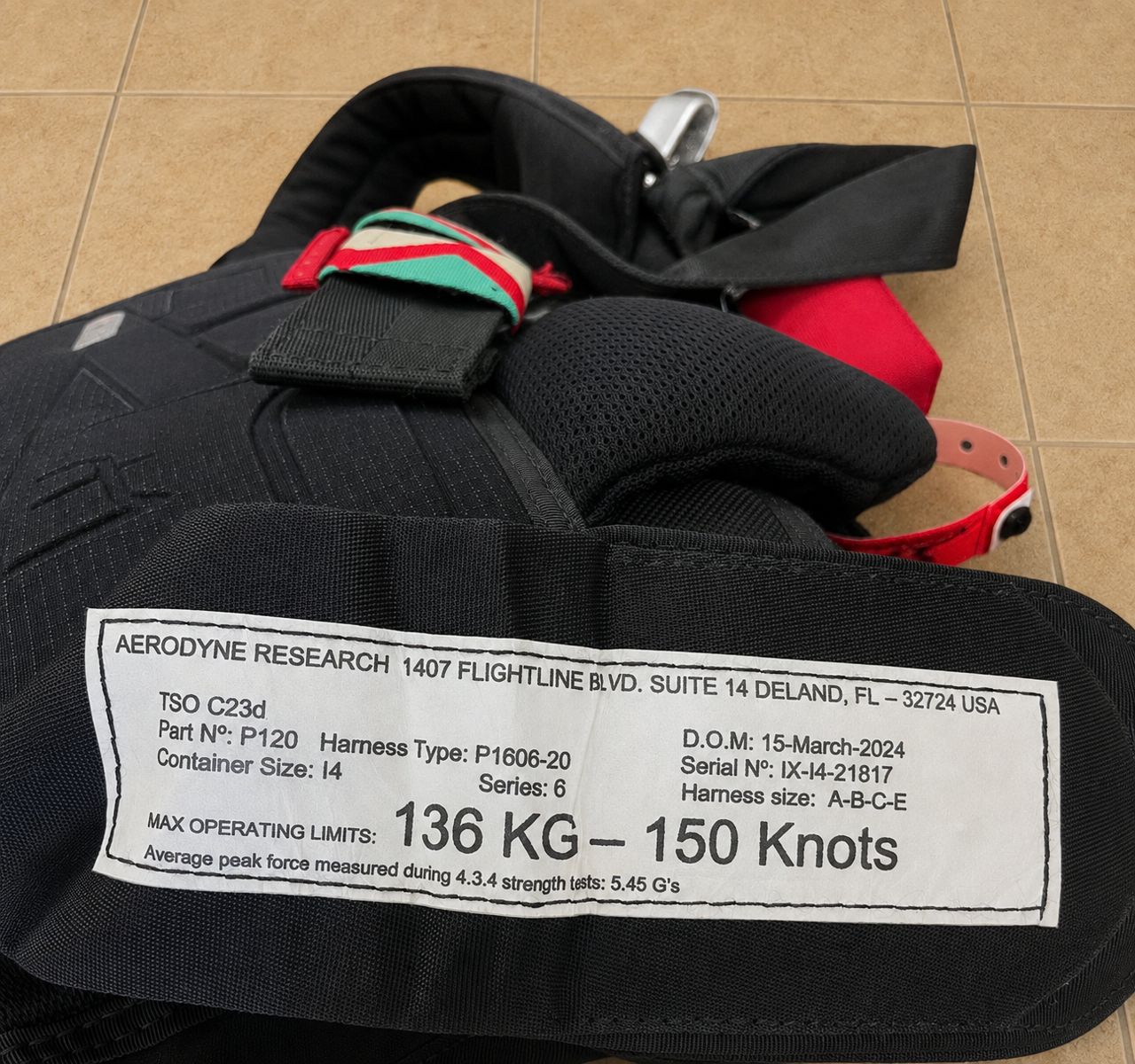
The model designation is normally written I4, with a capital “I,” rather than “14.” Aerodyne’s Icon sizing system includes I1 through I9 and several long versions. The I4 represents a specific container-volume class rather than the year or number of parachutes carried. Manufacturer sizing information places the I4 around the mid-range of the Icon family.
Aerodyne equips the Icon A with double magnetic riser covers, protected reserve and main-pin areas, fully covered bridles and risers, riser-ramp panels, stainless-steel hardware, hip articulation, an RSL, and its Miniforce three-ring release system. Aerodyne states that the elongated middle ring of the Miniforce design can reduce cutaway pull force by about 35% compared with conventional mini three-ring geometry.
Because this example is a used 2024 system, actual condition, harness dimensions, options, AAD configuration, reserve compatibility, main-canopy compatibility, deployment bag, pilot chute, risers, handles, and service history should be verified from the equipment data card and by an appropriately rated rigger before purchase or jump use.
Why Consider a Used 2024 Sport Container?
A recent used container can offer meaningful value when its fit, condition, component history, and configuration are appropriate.
The 2024 manufacturing date means the equipment is relatively recent, although age by itself does not establish airworthiness. Jump numbers, landing environment, storage, water exposure, UV exposure, hardware wear, repairs, and previous canopy configurations matter as well.
Therefore, a buyer should place more value on documented condition and inspection history than appearance alone.
Aerodyne’s current new Icon A configuration includes features such as magnetic riser covers, stainless hardware, riser ramps, Miniforce rings, RSL equipment, and multiple optional deployment and MARD configurations.
Icon A I4 Container Sizing
Container sizing is particularly important.
Aerodyne’s published main-canopy chart shows the I4 accepting several canopy volumes depending on fabric and pack volume. For example, the manufacturer’s current chart marks certain 140 and 150 sq ft ZP configurations as normal fits, with additional possibilities depending on canopy construction and packing volume.
Older Aerodyne technical documentation broadly associated the I4 with approximately 132–150 sq ft mains and 135–150 sq ft reserves, although current compatibility should be determined using the latest manufacturer sizing information and the exact canopy model—not square footage alone.
A qualified rigger should confirm any proposed combination.
Parachute Rig
The term parachute rig generally refers to the complete wearable system rather than only the container.
A complete setup normally consists of the harness/container, main canopy, reserve canopy, main risers, deployment system, reserve deployment components, and commonly an automatic activation device.
Therefore, a listing for a used harness/container should clearly state whether any canopy, AAD, risers, pilot chute, deployment bag, or handles are included.
Skydiving Rig
A skydiving rig must fit both the jumper and the installed parachutes correctly.
Harness fit affects shoulder positioning, lateral placement, leg-strap geometry, handle accessibility, and overall comfort.
For that reason, buying solely according to container size is not recommended.
The harness measurements and original build information should be compared with the intended jumper.
Container Skydive
The search phrase container skydive usually refers to the harness/container portion of a sport parachute system.
The Icon A was designed for high-speed freefall environments and uses magnetic riser covers, protected bridles, pin protection, and riser ramps to keep critical components contained during dynamic body positions.
Parts of a Parachute
Understanding the parts of a parachute helps buyers evaluate a used setup.
Important components include the harness, main container, reserve container, main risers, reserve risers, three-ring release, cutaway handle, reserve handle, deployment bag, pilot chute, bridle, closing loops, main canopy, reserve canopy, and optional AAD and MARD equipment.
Each component has a different inspection and maintenance requirement.
Skydiving Rigging
Professional skydiving rigging is particularly important when evaluating used equipment.
Reserve installation, packing, structural repairs, harness work, AAD installation, and many container modifications require appropriately rated personnel.
Aerodyne’s manual specifically states that reserve packing must be completed by a qualified rigger.
Linewear
Linewear concerns the suspension lines on the canopy rather than the harness/container itself.
If a used system includes a main canopy, the lines should be inspected for wear, trim changes, damaged stitching, attachment-point condition, and general service life.
A clean-looking container does not prove that an included canopy’s lines are in equally good condition.
Landing Flight Risers
Landing flight risers are part of the canopy-control system and should be checked for webbing condition, three-ring compatibility, hardware wear, steering-line routing, and connector condition.
Aerodyne uses the Miniforce three-ring geometry as a standard feature on Icon systems.
Freefly PUD Handle
A freefly PUD handle is one possible deployment-handle concept used on sport systems.
Current Icon A configurations can be ordered with different pilot-chute handle arrangements depending on build specification. Aerodyne’s comparison information lists a hackey handle as standard on the Icon A, with a freefly handle available as an option.
The exact 2024 used rig should therefore be inspected rather than assumed to have one configuration.
Hook Knife Skydiving
A hook knife skydiving accessory is emergency equipment intended for cutting entangling material when appropriate.
Some retailers list a hook knife and pouch among Icon A equipment packages.
However, the presence of one should be confirmed physically on the used system.
Hook Blade Knife and Skydive Hook Knife
Searches for hook blade knife and skydive hook knife concern emergency cutting tools rather than a structural feature of the container.
The condition, accessibility, and security of the tool and pouch should be checked during gear inspection.
Tracking Jump
During a tracking jump, freefall speed and horizontal movement can increase substantially.
Secure riser covers and protected deployment components are therefore significant design considerations.
Aerodyne states that the Icon A is intended to handle high speeds in different freefall positions, using magnetic riser covers and anti-snag protection.
Skydiving Speed and Speed Sky Diving
Searches for skydiving speed and speed sky diving highlight why freefall-compatible container security matters.
The Icon A’s protected bridle, riser ramps, magnetic covers, and pin-protection architecture are intended to keep deployment components controlled during fast or aggressive freefall.
Wingsuit
A wingsuit changes airflow around the jumper and can create different deployment considerations from conventional belly-to-earth freefall.
Aerodyne offers a dedicated wingsuit modification for the Icon A.
Wingsuit Sport
For wingsuit sport, Aerodyne states that the optional modification includes open corners in the main pack tray, a longer bridle, and an Extractor pilot chute to improve deployment characteristics and reduce burble interference.
A standard used 2024 container should not be advertised as wingsuit-modified unless the option is verified.
Vector Wingsuit
The phrase vector wingsuit generally concerns another equipment ecosystem and should not be confused with this Aerodyne product.
Container compatibility and wingsuit-specific modifications vary between manufacturers.
Wing Suits for Sale and Price of Wingsuit
Searches for wing suits for sale or price of wingsuit concern separate flight garments rather than components included with the harness/container.
They should not be presented as standard accessories with this used system.
Gliding Suit Wingsuit and Skydiving Gliding Suit
Terms such as gliding suit wingsuit and skydiving gliding suit describe wingsuit equipment generally.
If the intended jumper plans to use this container for wingsuiting, a qualified rigger and experienced wingsuit instructor should confirm that the specific configuration is appropriate.
Fly Suits
Fly suits may refer to conventional freefly, formation-skydiving, tracking, or wingsuit garments.
They are separate from the harness/container and are not normally included unless explicitly listed.
Tandem Wingsuit
The phrase tandem wingsuit should not be interpreted as a capability of this sport container.
Tandem and sport skydiving systems involve different equipment and operational requirements.
Indoor Wingsuit
Indoor wingsuit flying takes place in specialized facilities and does not make the parachute system itself an indoor-flight product.
The term is therefore related to the broader sport rather than a feature of this container.
BASE Jumping and Baseline Jumping
BASE jumping and the sometimes-searched phrase baseline jumping concern a different parachuting discipline.
A sport skydiving harness/container should not automatically be assumed suitable for BASE operations.
BASE equipment commonly uses different system architecture and deployment considerations.
Base Canopy
A base canopy is not equivalent to a conventional sport-skydiving main canopy.
A canopy should only be installed when its manufacturer, pack volume, deployment characteristics, and the container manufacturer’s compatibility requirements are satisfied.
Canopy Flight
Canopy flight begins after deployment and depends strongly on the installed main canopy rather than the harness/container alone.
The container does not determine the flight characteristics, flare power, descent rate, or recovery arc of the canopy installed in it.
Smallest Canopy
The smallest canopy that can physically fit is not automatically the safest or most appropriate canopy.
Container fit and jumper suitability are separate questions.
Canopy selection and downsizing should be based on training, experience, exit weight, current canopy proficiency, manufacturer guidance, and qualified coaching rather than simply available container volume.
Skydiving Downsizing Chart
A skydiving downsizing chart can provide general educational guidance, but it should not replace professional canopy coaching.
A used I4 being physically capable of accepting a particular canopy size does not mean that canopy is appropriate for the buyer.
Safire 3
A Safire 3 is a separate main-canopy product.
If one is proposed for this system, its size and actual pack volume should be checked against Aerodyne’s I4 sizing chart and confirmed by a rigger.
Fluid Wings
Fluid Wings is another canopy manufacturer.
Likewise, canopy compatibility should be determined from exact model, size, material, pack volume, and container specifications.
CRW Skydiving
CRW skydiving or canopy relative work can involve discipline-specific risers, bridles, canopy configurations, and procedures.
Aerodyne publishes separate information concerning CRW bridle routing for relevant canopies on its support site.
Jumper Pilot
The phrase jumper pilot can refer to either the parachutist operating the canopy or, in different contexts, the aircraft pilot supporting jump operations.
It is not a model-specific specification of the container.
Skydiving Equipment List
A typical skydiving equipment list may include a harness/container, main canopy, reserve, AAD, helmet, goggles or visor, altimeter, jumpsuit, audible altimeter, hook knife, and suitable footwear.
Some equipment is personal preference; other components form part of the certified parachute system.
Gear Bag Skydive
A gear bag skydive accessory can help protect the system from dirt, abrasion, vehicle interiors, and unnecessary UV exposure during transportation.
It is not necessarily included with a used container unless stated in the listing.
Skydiving Helmet
A skydiving helmet is separate personal protective equipment.
Helmet choice should account for fit, visibility, audible-altimeter placement, camera configuration where permitted, and the intended discipline.
Skydive Helmets and Sky Diving Helmet
Search phrases such as skydive helmets and sky diving helmet relate to the wider equipment package rather than the container itself.
Full Face Skydiving Helmet and Skydiving Helmet Full Face
A full face skydiving helmet or skydiving helmet full face design provides integrated face coverage and visor protection.
It should fit comfortably without interfering with emergency-handle visibility or normal body movement.
G35 Helmet
The G35 helmet belongs to the helmet category and is not part of the Icon container system.
Cookie G4 Helmet
Likewise, the Cookie G4 helmet is separate skydiving equipment and is not included unless explicitly stated.
Best Skydiving Helmet
The best skydiving helmet depends on discipline, certification requirements, fit, field of view, comfort, audible compatibility, and personal preference.
Sky Helmet Skydiving
The phrase sky helmet skydiving commonly reflects searches for protective equipment and should be treated separately from harness/container specifications.
Skydiving Glasses and Skydiver Goggles
Skydiving glasses and skydiver goggles provide eye protection during freefall.
Whether goggles or a full-face visor is preferable depends on helmet choice and personal fit.
Can You Wear Glasses While Skydiving
For people asking can you wear glasses while skydiving, many helmet and goggle configurations can accommodate prescription eyewear, although actual fit should be checked before jumping.
Weight Limit Skydiving
The phrase weight limit skydiving should not be reduced to a single universal figure.
Drop zones, harnesses, aircraft, tandem systems, canopies, and licensed-jumper equipment all have different operational limits.
The system’s placards and manufacturer limitations should be respected.
Parachute Jump Australia
A search for parachute jump Australia relates to Australian skydiving locations and regulations rather than this container’s construction.
Local federation rules and drop-zone requirements apply when equipment is used there.
Skydive Byron Bay
Skydive Byron Bay is a location-related search and does not indicate product compatibility.
A personal rig used at a particular drop zone remains subject to that facility’s equipment and documentation requirements.
Cairns Skydiving
Likewise, Cairns skydiving concerns a destination rather than a technical feature.
Skydive Belize and Skydiving Blue Hole Belize
Searches for skydive Belize and skydiving blue hole Belize concern destination jumping.
Traveling with personal equipment may involve airline, customs, reserve-repack, and local drop-zone requirements that should be verified before travel.
iFLY Colorado Springs
iFLY Colorado Springs concerns indoor body-flight training.
Indoor tunnel practice can develop freefall skills, but the harness/container itself is not normally used for tunnel flying.
Nude Parachute Jump and Skydiving Nude
Terms such as nude parachute jump and skydiving nude relate to novelty jump concepts rather than equipment performance.
Regardless of clothing choice or event format, harness fit, protection from webbing, drop-zone rules, and established safety procedures remain important.
Fire Parachute and Cypress Fire Skydiving
The terms fire parachute and cypress fire skydiving can be ambiguous and should not be treated as Icon A specifications.
If “Cypres” is intended to refer to an automatic activation device, compatibility should be confirmed using current AAD and container-manufacturer instructions.
Aerodyne maintains current AAD installation information and service documentation on its support page.
New Skydive and #Skydiving Latest
Searches such as new skydive and #skydiving latest reflect broader current-interest queries.
For a used 2024 system, current technical documentation is especially important.
Aerodyne issued Technical Bulletin TB220526 on May 22, 2026, concerning reserve-container static-ground-test observations and an optional reserve top-flap modification for ICON systems. Aerodyne states that the bulletin applies to all ICON containers and that compliance is optional unless required by the relevant association or authority; any inspection or modification must be performed by an appropriately rated rigger.
Skydiving Website
A reliable skydiving website for technical information should ideally be the manufacturer’s support page or the relevant national association rather than an anonymous listing.
Aerodyne currently maintains manuals, sizing charts, technical bulletins, AAD information, MARD documentation, and maintenance resources on its support page.
Important Used-Equipment Checks
Before purchasing this 2024 I4, verify:
- Serial number and date of manufacture
- Exact harness measurements
- Container size marked as I4
- Main and reserve compatibility
- Reserve data card and repack history
- AAD model, installation, manufacture/service status if included
- RSL, AeroMARD, Skyhook, or standard configuration
- Main risers and three-ring condition
- Cutaway and reserve handle condition
- Magnetic riser-cover security
- Closing-loop and grommet condition
- Main deployment bag and pilot chute
- Harness webbing and stitching
- Leg straps and chest strap
- Stainless hardware
- Repairs, alterations, or previous damage
- Exposure to water, chemicals, excessive UV, or hard landings
- Compliance consideration for current manufacturer bulletins
A qualified rigger should make the final airworthiness assessment before the system is placed into service.
Why a Used 2024 Icon A I4 Can Be a Strong Choice
A correctly sized and professionally inspected 2024 Icon A I4 offers a modern harness/container platform with magnetic riser security, protected deployment components, stainless articulation hardware, Miniforce three-ring technology, RSL compatibility, optional MARD systems, and support for several sport-skydiving disciplines.
Most importantly, buying used should never mean guessing about fit or airworthiness. The strongest value comes from a documented system whose serial number, harness dimensions, canopy compatibility, service history, configuration, and current technical status have all been verified.
When those points are confirmed, a recent Used Aerodyne Icon A I4 – 2024 model can provide a capable foundation for a complete personal sport-skydiving system.
Fit, Inspection, Harness Condition, Container Security, Deployment Components, and Practical Ownership
Evaluating Harness Fit
Correct harness fit is one of the most important parts of evaluating any used sport parachute system.
The shoulder position, lateral placement, leg-strap geometry, chest strap, and handle locations should all match the jumper appropriately.
A system that is too large may shift excessively during freefall.
A system that is too small can create discomfort and restrict movement.
Therefore, harness measurements should be compared with the intended jumper rather than relying only on container size or overall appearance.
Main Lift Web Condition
The main lift web carries significant structural loads.
It should be inspected carefully for cuts, abrasion, burns, contamination, damaged stitching, or unusual stiffness.
Areas around hardware and articulation points deserve particular attention.
Any structural wear should be assessed by an appropriately rated rigger.
A clean exterior does not automatically mean the load-bearing webbing is in equally good condition.
Leg Strap Inspection
Leg straps should remain smooth, flexible, and free from serious abrasion.
Hardware should move correctly without sharp edges or deformation.
The stitching around attachment points should also be inspected.
Because leg straps experience repeated loading during opening and landing, their condition is especially important.
Any uncertainty should be resolved before the system is placed into service.
Chest Strap Condition
The chest strap should move smoothly through its hardware and remain free from cuts or excessive wear.
Stitching should be intact.
The strap should not show melting, deep contamination, or damage caused by improper storage.
The locking hardware should also remain secure.
A poorly maintained chest strap can compromise both comfort and system security.
Shoulder and Back Comfort
Comfort matters because the harness must remain stable during aircraft exit, freefall, deployment, and canopy flight.
Padding should not hide structural damage.
The jumper should be able to reach all emergency handles naturally.
If body movement is restricted or handle placement feels awkward, the harness may not be a suitable fit even if the container itself is the desired size.
Handle Accessibility
The cutaway and reserve handles must be accessible from the intended body position.
A jumper should not need excessive stretching or twisting to reach them.
Handle placement can feel different depending on body size and harness fit.
For this reason, the complete system should be tried on under qualified supervision before regular use.
Riser Cover Security
Riser covers should remain secure during normal movement while still opening correctly during deployment.
Magnetic systems should be inspected for proper alignment and retention.
Damaged cover panels, distorted magnets, weak attachment points, or unusual gaps should be examined carefully.
The covers should close consistently and should not open unexpectedly during normal handling.
Main Pin Protection
The main closing area should protect the pin from accidental contact.
The flap structure should lie correctly without excessive distortion.
Grommets should remain smooth and free from sharp edges.
A worn or damaged closing area can affect deployment security.
The closing loop should also be inspected for condition and correct length.
Reserve Pin Protection
The reserve closing system requires especially careful inspection.
The reserve pin, cable, closing loop, and flap arrangement should remain secure and correctly configured.
Any change to reserve components should be completed only by authorized personnel.
The reserve system should never be treated as a normal user-serviceable area.
Closing Loop Condition
Closing loops experience repeated tension and friction.
They should be checked for fraying, flattening, discoloration, or damaged fibers.
A worn loop can affect closing security.
Replacement intervals should follow manufacturer guidance and rigger judgment.
The correct material and length are important.
Improvised replacement components should never be used.
Grommet Inspection
Grommets should remain smooth, secure, and free from cracks or sharp edges.
A damaged grommet can wear a closing loop quickly.
The surrounding fabric should also remain intact.
Loose or distorted grommets require attention because they can affect both equipment wear and pack-job consistency.
Main Deployment Bag
The deployment bag should be inspected for fabric condition, stitching, grommets, locking-stow areas, and general wear.
Elastic components should function correctly.
If the bag has been heavily used, worn stow areas may need replacement.
The bag should also correspond to the container configuration rather than being assumed interchangeable with another system.
Pilot Chute Condition
The main pilot chute should be inspected for fabric damage, mesh wear, stitching condition, handle security, and bridle attachment.
A pilot chute that has become badly worn or distorted may not perform as intended.
The kill-line system, where applicable, should also be checked for correct operation.
Any uncertainty should be addressed by a rigger.
Bridle Inspection
The bridle should remain free from cuts, burns, excessive abrasion, and damaged stitching.
Attachment points deserve close attention.
The bridle should route correctly through the container configuration.
A twisted or improperly routed bridle can create deployment complications.
Correct routing should therefore be confirmed during packing and inspection.
Main Risers
Main risers should be examined for webbing wear, stitching integrity, ring condition, and connector security.
The release system should move correctly.
Metal rings should remain smooth and free from deformation.
Cable housings and cutaway cables should also be inspected.
The release system must function correctly under both normal and emergency conditions.
Three-Ring System
The three-ring release should be assembled exactly as intended.
Each ring should sit correctly.
The white loop should remain in good condition.
The cutaway cable should move freely through the loop and housing.
Dirt, contamination, or incorrect assembly can affect release force.
Routine cleaning and inspection should follow the manufacturer’s maintenance guidance.
Reserve Static Line
If a reserve static line is fitted, its routing and attachment should be checked.
Webbing, hardware, stitching, and connection points should remain in good condition.
The system should match the intended configuration.
Any modification or removal should be completed according to manufacturer documentation and by appropriately qualified personnel.
Assisted Reserve Deployment System
Where an assisted reserve deployment device is installed, compatibility and installation should be verified.
Different systems use different mechanical arrangements.
The exact configuration should be documented.
A used system should not be assumed to contain a particular reserve-assist system simply because one was available when the container was originally ordered.
Automatic Activation Device Installation
If an automatic activation device is included, the control unit, cutter location, pocket, routing, and service status should all be checked.
Manufacture date and maintenance requirements should be verified separately from the container itself.
A recent harness/container can still contain an older electronic unit.
Service history therefore matters.
Reserve Data Card
The reserve data card provides important maintenance history.
It should show repack dates, rigger information, reserve details, and relevant service entries.
Missing or unclear records should be investigated.
The card does not replace a physical inspection, but it provides useful documentation regarding previous maintenance.
Reserve Compatibility
Reserve compatibility should be confirmed using the exact reserve model and size.
Pack volume can vary between different manufacturers and fabric types even when nominal square footage is similar.
A canopy that physically fits may not represent the intended or approved combination.
Manufacturer charts and rigger evaluation should guide the final decision.
Main Canopy Compatibility
The same principle applies to the main canopy.
Model, size, fabric, line type, age, and pack volume all matter.
A container should not be selected solely because someone has previously packed a particular canopy into it.
Proper fit should allow secure closing without excessive compression or an unusually loose pack job.
Canopy Volume Considerations
Canopy volume affects closing pressure and overall container shape.
An oversized pack volume can make closing difficult and place unnecessary stress on components.
An undersized canopy may create a loose pack job.
Both situations can affect deployment behavior.
Therefore, actual pack volume should be considered alongside nominal canopy size.
Inspecting Previous Repairs
Any previous repairs should be documented and examined carefully.
Repairs may be entirely acceptable when completed correctly.
However, undocumented stitching, altered webbing, replacement panels, or structural modifications require investigation.
The quality of repair work matters more than whether a repair exists.
Checking for Water Exposure
Water exposure can affect both fabric and metal components.
Saltwater deserves particular attention because it can promote corrosion.
A system that has been submerged should have an appropriate inspection history.
Even after drying, contamination can remain in hardware, webbing, or internal areas.
Documented post-exposure inspection is valuable.
Ultraviolet Exposure
Long-term sunlight exposure can weaken textile materials.
A system stored repeatedly in direct sun may age differently from one stored indoors.
Fading does not always indicate structural failure, but severe discoloration can justify closer inspection.
Storage history should therefore be considered when evaluating used equipment.
Chemical Contamination
Fuel, solvents, battery chemicals, cleaning agents, and other contaminants can damage nylon and related materials.
Any unusual odor, discoloration, stiffness, or surface change should be investigated.
Contaminated structural webbing may require professional assessment.
Cosmetic cleaning should never be used to hide questionable material condition.
Hardware Condition
Metal hardware should remain smooth and free from cracks, heavy corrosion, sharp edges, or distortion.
Articulation rings, buckles, adjusters, and release components should all move properly.
Small scratches may be cosmetic.
Structural deformation, however, requires professional evaluation.
Stitching Inspection
Structural stitching should remain intact.
Loose threads, broken stitches, pulled seams, or unusual repairs should be examined.
Not every exposed thread indicates structural failure, but critical load-bearing areas require careful assessment.
A rigger can distinguish cosmetic wear from damage that affects airworthiness.
Storage Practices
The system should be stored in a cool, dry location away from direct sunlight, chemicals, moisture, and sharp objects.
Long-term compression beneath heavy equipment should be avoided.
A protective gear bag can reduce dirt and abrasion during transport.
However, the rig should not be stored wet inside a closed bag.
Transportation
During transportation, the system should be protected from crushing, dragging, and contamination.
Handles should not be used as carrying points unless designed for that purpose.
The rig should also be kept away from oil, fuel, and hot surfaces.
Careful transport reduces unnecessary wear between jumps.
Pre-Jump Inspection
Before use, the jumper should inspect the visible closing system, handles, riser covers, three-ring assembly, leg straps, chest strap, and overall condition.
Any unusual change should be investigated before boarding the aircraft.
A pre-jump check is not a substitute for scheduled professional maintenance, but it can identify obvious problems early.
Post-Jump Inspection
After landing, a quick inspection can help identify damage caused during the jump.
Hard landings, dragging, rough terrain, or contact with obstacles can affect the container and harness.
Problems are often easier to notice immediately after they occur.
Used Equipment Value
The value of a used system depends on much more than manufacturing year.
Fit, condition, configuration, service records, included components, repair history, and current inspection status all influence its real worth.
A newer system with poor history may be less desirable than an older system that has been carefully maintained.
Long-Term Ownership
A well-maintained system can provide dependable service when its inspection schedule is respected.
Harness condition, closing components, reserve maintenance, release hardware, deployment equipment, and canopy compatibility should all be monitored.
The strongest ownership approach is preventive.
When fit, maintenance, documentation, and inspection are handled consistently, a modern used harness/container can remain a reliable foundation for a complete personal skydiving system.
Practical Use, Comfort, Deployment Readiness, Canopy Compatibility, Inspection Discipline, and Long-Term Confidence
Building Confidence Through Familiarity
A personal harness/container system becomes easier to use when the jumper understands how every visible component should look and feel.
Familiarity helps unusual changes stand out quickly.
The jumper should know the normal position of the handles, riser covers, closing flaps, leg straps, chest strap, deployment components, and visible hardware.
This does not replace professional inspection.
However, consistent awareness helps identify obvious issues before they develop into larger problems.
Putting the System On Correctly
The rig should be donned carefully rather than rushed.
The jumper should make sure the leg straps are positioned correctly and that nothing is twisted.
The chest strap should route properly through its hardware.
Shoulder placement should feel even.
Once everything is adjusted, the system should sit securely without creating painful pressure points.
A correctly fitted rig should feel stable while still allowing normal movement.
Evaluating Shoulder Comfort
Shoulder comfort becomes important during long aircraft rides and repeated jump days.
If the harness sits too high, too low, or unevenly, discomfort may increase.
The jumper should be able to move both arms naturally.
Restricted movement can make routine procedures harder.
Any fit concern that affects handle access, breathing, or body position should be addressed before normal use.
Leg Strap Position
Leg straps should sit securely without excessive looseness.
They should not create sharp pressure points or shift unpredictably when the jumper moves.
The position should remain consistent while standing, sitting, and entering the aircraft.
The hardware should lock correctly and remain easy to inspect.
If one side appears to slip or sit differently from the other, the issue should be examined.
Chest Strap Adjustment
The chest strap should hold the upper harness in the intended position without being excessively tight.
An overly tight adjustment can reduce comfort and limit upper-body movement.
An overly loose adjustment can allow unwanted movement.
The best setting provides security while maintaining natural breathing and mobility.
The strap should also remain routed exactly as intended through the hardware.
Handle Position Awareness
Emergency handles should be easy to identify by touch.
The jumper should know their location before boarding.
If the fit changes because of clothing, body-size changes, or harness adjustment, handle position may also feel different.
For that reason, repeated practice in a controlled environment is valuable.
Handle accessibility should never be assumed simply because the rig looked correct on a hanger.
Stable Container Position
The container should remain centered on the back.
Excessive side-to-side movement can affect comfort and handling.
A system that shifts noticeably may indicate a fit problem or incorrect adjustment.
The rig should also remain stable during normal movement before the jump.
A centered, secure position helps the system feel predictable throughout the flight and freefall phases.
Pre-Boarding Inspection
A deliberate inspection before boarding can prevent avoidable problems.
The jumper should confirm visible closing security, handle placement, riser-cover condition, leg-strap routing, chest-strap routing, and overall harness position.
The purpose is not to perform a full maintenance inspection at the aircraft door.
Instead, the objective is to confirm that nothing obvious has changed since the rig was packed and prepared.
Aircraft Seating Considerations
Care should be taken when sitting inside the aircraft.
Sharp objects, exposed hardware, seat edges, and other equipment can contact the container.
The jumper should avoid sitting in a way that places unnecessary pressure on deployment components or handles.
Crowded aircraft increase the importance of protecting the back of the rig.
Moving deliberately reduces the chance of snagging or accidental disturbance.
Protecting Handles During Movement
Handles can be vulnerable during boarding, seating, and climbing past other jumpers.
The jumper should remain aware of nearby equipment and surfaces.
Loose clothing or poorly positioned accessories can also interfere with access.
Handle security is part of the overall system check and should remain a priority throughout aircraft movement.
Exit Readiness
Before exit, the rig should feel secure and unchanged.
The jumper should know that all straps remain correctly positioned.
Any last-minute adjustment should be completed carefully.
If something feels noticeably different, the issue should be checked rather than ignored.
A rushed exit is never a good reason to skip an important concern.
Freefall Stability
A well-fitted system should remain stable during normal body movement.
The jumper should not feel the container shifting significantly across the back.
A secure harness allows the jumper to focus on body position rather than equipment movement.
If repeated shifting occurs, the fit should be evaluated.
Poor fit can reduce confidence and create unnecessary distraction.
Deployment Preparation
Deployment procedures should remain consistent.
The jumper should know the expected location and feel of the deployment handle.
The movement should be practiced enough that it is deliberate rather than uncertain.
If the deployment handle feels different after a repack, equipment change, or clothing change, that difference should be understood before the next jump.
Main Deployment Behavior
A properly packed and compatible system should open in a controlled and predictable manner.
However, the harness/container itself is only one part of the deployment sequence.
Packing method, pilot chute condition, bridle routing, deployment bag condition, line stows, canopy design, and airspeed all influence opening behavior.
Therefore, inconsistent openings should be investigated systematically rather than blamed on one component immediately.
Monitoring Opening Comfort
Opening force should feel broadly consistent when the same canopy and configuration are used under similar conditions.
A sudden change in opening behavior deserves attention.
Very hard, unusually slow, or noticeably asymmetric openings can have several causes.
Pack job, line trim, body position, deployment speed, and equipment condition should all be considered.
Repeated abnormal behavior should be discussed with an experienced professional.
Canopy Compatibility
Canopy compatibility should remain an ongoing consideration rather than a one-time purchase decision.
If the main or reserve is changed later, the new combination should be checked before use.
Different canopy models can pack differently even when nominal size is similar.
Fabric type, age, construction, and line type can all influence packed volume.
A physically tight or excessively loose fit may indicate that the combination is not ideal.
Main Pack Volume
A main canopy should fit securely without requiring extreme closing pressure.
If the container must be forced closed, excessive stress may be placed on the closing loop, grommets, flaps, and fabric.
On the other hand, a canopy that packs too small may allow an overly loose container.
The correct fit should create secure closure without distortion.
Reserve Pack Volume
Reserve pack volume is especially important because the reserve system must remain within the manufacturer’s intended configuration.
The reserve should not simply be chosen according to what can physically fit.
Exact model, size, fabric, and packing characteristics matter.
A qualified rigger should confirm compatibility before installation.
Monitoring Fabric Condition
Container fabric should remain free from deep cuts, burns, chemical damage, and excessive abrasion.
Areas around corners, flaps, hardware, and contact points deserve extra attention.
Minor cosmetic wear is common.
However, structural damage should never be dismissed as appearance alone.
A professional assessment is appropriate whenever fabric strength is uncertain.
Hardware Wear
Metal components should remain smooth and correctly shaped.
Sharp edges, cracks, deep corrosion, or deformation can damage surrounding webbing.
Hardware should move as intended without binding.
Surface scratches may be cosmetic, but structural changes require closer inspection.
The interaction between hardware and webbing should always be considered together.
Webbing Condition
Load-bearing webbing should remain flexible, intact, and free from severe contamination.
Cuts, melted fibers, deep abrasion, or unusual stiffness are warning signs.
The areas around stitching and metal hardware are especially important.
Webbing damage should be assessed by someone qualified to determine whether repair or replacement is necessary.
Stitching Condition
Structural stitching should remain complete and secure.
Broken stitches, separated seams, or damaged reinforcement areas require attention.
Not every loose thread is critical.
However, load-bearing stitching should never be evaluated casually.
If the jumper is unsure whether a damaged area is cosmetic or structural, professional inspection is the correct next step.
Deployment Component Wear
Pilot chute fabric, mesh, bridle material, handle attachment, and deployment bag components should remain in good condition.
These parts experience repeated use and can wear gradually.
Because deterioration may occur slowly, regular inspection helps prevent the jumper from becoming accustomed to declining condition.
Worn components should be replaced before they become unreliable.
Closing System Consistency
The closing system should feel consistent from pack job to pack job.
Unexpectedly high or low closing tension can indicate a change in canopy pack volume, closing-loop length, packing technique, or equipment condition.
The closing loop should not show severe wear.
Grommets should also remain smooth.
Small changes should be understood before they become routine.
Managing Gear Changes
Adding or changing a main canopy, risers, pilot chute, deployment bag, electronic device, or reserve-assist system can affect the overall configuration.
Changes should be treated as system-level decisions.
One component should not be replaced without considering compatibility with the others.
Documentation should be updated where required.
Post-Landing Inspection
After landing, the jumper should inspect the system for obvious damage.
Hard landings, dragging, rough ground, or contact with obstacles can affect fabric and hardware.
The pilot chute, risers, leg straps, container exterior, and handles should be checked.
Problems are often easier to identify immediately after the event.
Managing Dirt and Sand
Sand and dirt can accelerate wear.
Particles can enter moving areas, collect around hardware, and abrade fabric.
The rig should not be dragged unnecessarily across the ground.
If it becomes heavily contaminated, cleaning should follow manufacturer guidance.
Harsh chemicals or aggressive scrubbing should be avoided.
Moisture Management
A damp rig should be dried properly before long-term storage.
Moisture trapped inside a closed gear bag can encourage odor, corrosion, and material deterioration.
Direct extreme heat should not be used to speed drying.
A ventilated environment is preferable.
If the system is exposed to saltwater or significant contamination, professional inspection is especially important.
Storage Between Jump Days
The rig should be stored away from direct sunlight, excessive heat, chemicals, and sharp objects.
It should not be compressed beneath heavy equipment.
A clean gear bag can provide useful protection.
However, the bag itself should also remain dry and free from contaminants.
Proper storage helps preserve both appearance and material condition.
Documentation Discipline
Maintenance history should remain organized.
Reserve repack records, repair records, component changes, AAD service information, and inspection notes can all become important later.
Good documentation also improves resale value because the next owner can understand the equipment’s history more easily.
Missing information often creates uncertainty even when the equipment appears visually clean.
Professional Inspection
A professional inspection is appropriate before first use of a newly purchased used system.
It is also advisable after significant impact, water exposure, structural repair, unusual deployment behavior, or suspected contamination.
Independent inspection gives the buyer a more reliable assessment than seller photographs alone.
Building Long-Term Confidence.
Confidence in a used harness/container comes from verified fit, documented maintenance, compatible components, predictable deployment behavior, and regular inspection.
The jumper should understand the normal appearance and feel of the system without assuming that personal familiarity replaces professional expertise.
When fit, storage, documentation, component compatibility, and inspection discipline are managed consistently, a recent used system can provide a dependable foundation for many seasons of responsible sport use.
Be the first to review “Used Aerodyne Icon A I4”
Related products
used products
used products

used products
used products
used products

used products
used products

used products
Reviews
There are no reviews yet.