





Used Skydiving Rig


€2,999.00
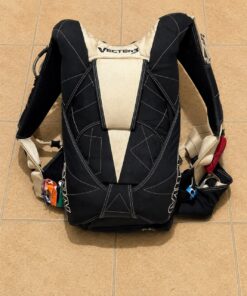
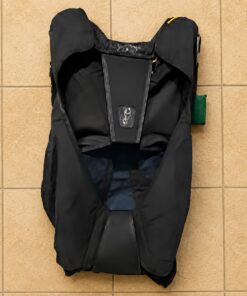
Used Skydiving Rig – Paraworld Sife with Aerodyne Pilot 124 ZPX
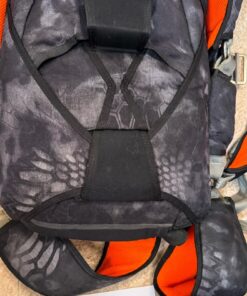
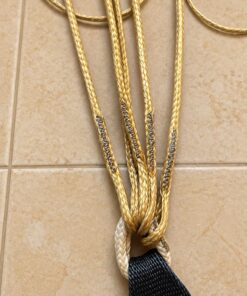
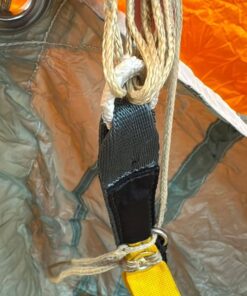
Complete used skydiving system in excellent condition, featuring a Paraworld Sife container (DOM 07/2016) custom fitted for approximately 165 cm / 62 kg, paired with an Aerodyne Pilot 124 ZPX main canopy (DOM 09/2016), Paratec Speed 135 reserve canopy (DOM 07/2016, 0 deployments), and Cypres AAD.
This rig has a total of only 224 jumps and has been exceptionally maintained. It has always been packed on a dedicated packing mat, kept covered when stored, protected from UV exposure on the ground, and has never been used for beach or water landings.
A lightweight, well-maintained setup offering reliable performance, precise canopy control, and a documented care history for experienced skydivers looking for a complete and ready-to-inspect system.
Key Features:
Container: Paraworld Sife | DOM: 07/2016 | Custom Fit: 165 cm / 62 kg
Main Canopy: Aerodyne Pilot 124 ZPX | DOM: 09/2016
Reserve: Paratec Speed 135 | DOM: 07/2016 | Deployments: 0
AAD: Cypres Automatic Activation Device
Total Jumps: 224
Condition: Carefully maintained, no beach or water landings, protected from UV exposure
Used Skydiving Rig – Paraworld Sife Container with Aerodyne Pilot 124 ZPX, Paratec Speed 135 Reserve and Cypres AAD
Complete Overview of the Used Skydiving Rig and Technical Configuration
The Used Skydiving Rig presented in this configuration offers an excellent combination of lightweight performance, careful maintenance, and professionally selected components designed for experienced jumpers seeking a reliable complete parachute system. Built around the Paraworld Sife container, this rig combines a precision-fit harness system, an Aerodyne Pilot 124 ZPX main canopy, a Paratec Speed 135 reserve canopy, and a Cypres automatic activation device to create a balanced setup suitable for active skydiving operations.
A complete parachute system is not defined only by the individual components but by how effectively those components work together. The container, canopy, reserve, and safety technology must provide compatibility, predictable performance, and confidence during every stage of the jump. This Used Skydiving Rig has been carefully maintained throughout its service life, with a total history of only 224 jumps, making it an attractive option for jumpers looking for equipment with relatively low usage.
The rig has been handled with exceptional care since ownership. Every packing procedure has been completed on a dedicated packing mat, the equipment has been kept covered when not in use, and protection from ultraviolet radiation on the ground has been prioritized. In addition, the system has never been exposed to beach landings or water landings, helping preserve the condition of the materials, hardware, and fabric components.
Paraworld Sife Container – Precision Fit and Reliable Structure
The foundation of this system is the Paraworld Sife container, manufactured in 07/2016. This container has been custom fitted for a jumper measuring approximately 165 cm in height and 62 kg in weight, providing a tailored equipment configuration designed around comfort, correct positioning, and efficient operation.
A properly fitted container plays a major role in overall skydiving performance. The container is responsible for securely housing the main canopy and reserve system while providing a stable connection between the jumper and parachute equipment. When the fit is correct, movement during freefall becomes more controlled, equipment management becomes easier, and overall comfort during the jump experience is improved.
The design philosophy behind modern parachute containers focuses on balancing durability, weight management, ergonomics, and operational efficiency. The Paraworld Sife container provides a practical platform for experienced jumpers who value a streamlined setup without unnecessary bulk.
For jumpers progressing through different skill levels, equipment selection is an important decision. A properly sized container allows better equipment control and helps maintain consistent body position during various skydiving activities. Whether performing standard freefall, tracking jump activities, or exploring advanced disciplines, equipment fit remains one of the most important considerations.
Aerodyne Pilot 124 ZPX Main Canopy – Responsive Performance and Controlled Flight
The main canopy included with this system is the Aerodyne Pilot 124 ZPX, manufactured in 09/2016. Designed for experienced skydivers, this canopy combines responsive handling with dependable flight characteristics, making it suitable for jumpers who appreciate precision control and predictable canopy behavior.
The ZPX construction provides a lightweight material advantage while maintaining the durability expected from a modern parachute canopy. Reduced fabric weight can contribute to easier packing characteristics and efficient equipment management while still delivering the performance qualities required for controlled canopy flight.
A 124 square foot canopy size represents a more performance-oriented configuration compared with larger beginner systems. Therefore, appropriate experience, training, and understanding of canopy flight principles are essential before operating this type of equipment. Proper progression through recognized training methods and careful consideration of loading factors remain important for safe and effective use.
The Aerodyne Pilot design has been appreciated within the skydiving community because of its balance between responsiveness and stability. During canopy flight, jumpers benefit from predictable control inputs, smooth turns, and consistent handling characteristics that allow accurate navigation toward the landing area.
Paratec Speed 135 Reserve Canopy – Reliable Backup Protection
The reserve canopy included in this configuration is the Paratec Speed 135, manufactured in 07/2016. The reserve system is listed with 0 deployments, meaning it has not been used for an emergency opening.
A reserve canopy is one of the most important components of any parachute system. While the main canopy provides normal flight performance, the reserve exists as a critical backup system designed to provide an alternative option when required.
Maintaining reserve equipment according to professional standards is essential. Regular inspections, proper packing procedures, and qualified servicing ensure that the reserve remains prepared for future use.
Cypres Automatic Activation Device – Additional Safety Technology
This rig is completed with a Cypres automatic activation device, an important piece of modern parachute technology. The device provides additional monitoring capability by evaluating flight conditions and responding according to programmed parameters.
Electronic safety systems are designed to support proper training, preparation, and responsible decision-making. They are not a replacement for correct procedures, but they provide an additional layer of support within a complete parachute configuration.
Carefully Maintained Equipment History
One of the strongest advantages of this Used Skydiving Rig is the documented care history. With only 224 total jumps, the system has experienced limited operational use compared with many other used configurations. More importantly, the equipment has been protected throughout its ownership period.
The rig has always been packed on a clean packing mat, stored covered, and protected from unnecessary environmental exposure. Avoiding beach and water landings has helped reduce exposure to sand, salt, moisture, and other elements that can affect parachute materials over time.
For experienced skydivers searching for a complete system, equipment history is just as important as specifications. A well-maintained used rig can provide excellent value when its condition, usage, and maintenance background are clearly understood.
This complete configuration provides a balanced combination of performance, reliability, and careful ownership history, making it a strong option for jumpers seeking a professionally maintained parachute system ready for inspection and future operation.
Engineering Design, Component Integration, and Technical Performance Analysis
A complete parachute system is the result of careful engineering where every component must function together as a unified platform. The performance, comfort, and reliability of the equipment depend on the relationship between the container, canopy systems, reserve equipment, and safety technology. This configuration has been developed around balanced component selection, allowing each part to contribute to a controlled and efficient jumping experience.
The container represents the central structure of the entire system. It is responsible for organizing the parachute components while providing the connection point between the jumper and the equipment. The design of a modern container focuses on maintaining secure positioning, efficient deployment procedures, and comfortable integration with the jumper’s body. A correctly fitted container allows the user to maintain better awareness of their equipment while reducing unnecessary movement during freefall and canopy flight.
The Paraworld Sife container included in this system was custom fitted for a jumper measuring approximately 165 cm and weighing around 62 kg. Proper sizing is an important engineering consideration because a parachute system should work with the jumper’s body rather than against it. A suitable fit contributes to improved comfort, better balance, and more natural movement throughout the entire jump sequence.
During freefall, body position and equipment stability are closely connected. A container that fits correctly helps maintain a streamlined profile and allows the jumper to move efficiently through the air. This becomes increasingly important as jumpers develop more advanced skills involving movement, tracking, and controlled body flight.
The construction of a quality container also considers repeated operational demands. Each jump involves packing cycles, deployment forces, aircraft movement, and environmental exposure. Therefore, materials, stitching, hardware, and attachment points are designed to withstand regular use while maintaining structural integrity.
The main canopy system provides the primary flight characteristics of the equipment. The Aerodyne Pilot 124 ZPX represents a modern canopy design focused on creating a balance between responsiveness and predictable control. Canopy engineering involves many factors, including aerodynamic shape, fabric selection, suspension line configuration, and overall construction quality.
The ZPX fabric technology used in this canopy provides a lightweight construction approach while maintaining the necessary strength and durability required for active use. Material selection plays a major role in parachute performance because it influences packing characteristics, inflation behavior, and long-term durability.
A smaller performance-oriented canopy requires a greater understanding of flight dynamics. The jumper must consider factors such as wing loading, weather conditions, landing environment, and personal skill level. These elements influence how the canopy reacts during turns, approaches, and landing procedures.
The canopy’s aerodynamic design allows control inputs to be translated into predictable movement. When the jumper applies steering commands, the canopy responds according to its design characteristics. This relationship between pilot input and canopy response is essential for accurate navigation and controlled landings.
Canopy flight requires precision because small changes in input can affect the flight path. Experienced jumpers appreciate equipment that provides clear feedback, allowing them to make informed decisions throughout the descent. The combination of predictable handling and responsive control contributes to confidence during normal operations.
The reserve system represents another important engineering component within this setup. Unlike the main canopy, which is designed for regular flight operations, the reserve canopy is designed around emergency reliability. The Paratec Speed 135 reserve provides an additional layer of protection within the complete configuration.
Reserve parachutes are manufactured with specific priorities, including dependable deployment characteristics, stable inflation, and predictable descent performance. Because reserve equipment may remain unused for long periods, regular inspection and maintenance are essential to ensure readiness.
The fact that this reserve has recorded zero deployments means that it has not been activated during an emergency situation. However, proper maintenance remains important regardless of usage because parachute materials can be affected by storage conditions, environmental exposure, and time.
The integration of the Cypres automatic activation device adds an additional technical element to the system. Modern parachute equipment increasingly combines mechanical design with electronic technology to provide additional monitoring capability. The device evaluates important flight information and operates according to programmed settings.
Electronic systems within parachuting equipment are designed to support responsible operation rather than replace proper training and decision-making. The jumper remains responsible for equipment checks, deployment procedures, and correct operation. However, additional safety technology provides another level of support within a complete system.
The relationship between all components is what creates the overall performance of the equipment. A container without compatible canopies, or a canopy without a suitable harness system, would not provide the same level of integration. Every component must complement the others to create a reliable parachute platform.
Maintenance history is also part of the engineering story behind any used equipment. This system has benefited from careful ownership practices that have helped preserve its condition. Regular packing procedures, protective storage, and avoidance of harsh landing environments have contributed to maintaining the quality of the equipment.
The decision to protect the equipment from ultraviolet exposure is particularly important because prolonged sunlight can affect synthetic materials over time. Proper storage practices help preserve fabric strength, color, and material performance.
Avoiding beach and water landings has also reduced exposure to conditions that may accelerate wear. Sand particles, salt, moisture, and contamination can affect parachute materials and hardware if not properly managed. By avoiding these environments, the equipment has been protected from unnecessary stress.
The total jump history of 224 jumps provides additional context when evaluating the equipment. Usage level is an important consideration because parachute systems experience mechanical stress through packing, deployment, and flight cycles. A lower jump count combined with careful maintenance provides useful information for potential owners.
From an engineering perspective, this configuration demonstrates the importance of matching equipment characteristics with user requirements. The container size, canopy performance, reserve capacity, and safety technology have all been combined to create a complete system designed around practical operation.
A well-designed parachute system is not simply a collection of individual parts. It is an integrated platform where every component contributes to performance, comfort, and reliability. The quality of the equipment depends not only on manufacturing but also on how it has been maintained throughout its operational life.
This configuration represents a carefully managed parachute system that combines modern design principles with responsible ownership practices. Through proper inspection, continued maintenance, and appropriate operation, the equipment can continue providing reliable performance for future jumps.
Real-World Performance, Canopy Flight Characteristics, and Practical Skydiving Applications
The true value of a parachute system is measured by how effectively it performs in real-world conditions. Beyond specifications and technical information, experienced jumpers understand that equipment must provide confidence, consistency, and predictable behavior during every stage of a jump. This configuration has been designed around practical performance, combining a comfortable container fit, responsive canopy characteristics, dependable reserve protection, and additional electronic support.
During actual operation, the relationship between the jumper and the equipment becomes extremely important. A well-fitted system allows the jumper to focus on procedures, body position, awareness, and flight management instead of being distracted by equipment limitations. The custom sizing of the container provides a more personalized connection between the jumper and the parachute system, improving overall comfort during aircraft preparation, freefall, and canopy flight.
The main canopy is responsible for creating the primary flying experience after deployment. The Aerodyne Pilot 124 ZPX provides a performance-oriented platform designed for experienced users who understand the importance of canopy control and precision. Its characteristics allow the jumper to manage flight direction, altitude changes, and landing approaches with confidence when operated within appropriate skill requirements.
A good canopy is not defined only by speed or responsiveness. Instead, quality performance comes from the balance between control, stability, and predictability. During flight, the jumper must be able to understand how the canopy reacts to different inputs. Consistent feedback allows better decision-making, especially when approaching the landing area or adjusting to changing conditions.
The canopy flight experience begins immediately after deployment. A smooth transition from freefall into controlled flight is an important part of the overall jump experience. The canopy should provide stability while allowing the jumper to complete equipment checks, evaluate the environment, and prepare for navigation.
During the descent phase, control precision becomes increasingly important. Experienced jumpers often value equipment that provides clear response during turns and adjustments. This allows the pilot to manage the flight path accurately while maintaining awareness of surrounding traffic, wind conditions, and landing patterns.
The Aerodyne Pilot design has been recognized for providing a balanced approach between performance and usability. The canopy offers responsive handling while maintaining characteristics that allow controlled flight management. This balance makes it suitable for jumpers who want equipment that provides engagement without unnecessary unpredictability.
Landing performance is one of the most important aspects of any parachute system. A successful landing requires a combination of canopy understanding, environmental awareness, and correct pilot input. The canopy design influences how energy is managed during the final approach and flare sequence.
The jumper’s experience level, weight, and flying technique all contribute to the final performance outcome. A canopy that performs well for one person may feel different for another depending on loading, experience, and individual preferences. Because of this, proper evaluation and professional guidance remain important when transitioning to different equipment.
This system also provides practical advantages during regular jumping activities. With only 224 total jumps, the equipment has not experienced the same level of operational cycles found in many heavily used systems. Combined with careful ownership practices, this contributes to preserving the original characteristics of the equipment.
The protection methods used throughout ownership have played an important role in maintaining real-world performance. Packing the equipment on a dedicated mat reduces unnecessary contamination and protects materials during preparation. Keeping the system covered when not in use helps reduce exposure to environmental factors, while avoiding ultraviolet radiation helps preserve fabric condition.
The decision to avoid beach and water landings has also contributed to equipment preservation. Landing environments can influence equipment condition, especially when sand, salt, moisture, or other contaminants are introduced. By avoiding these conditions, the system has been protected from additional stress.
For jumpers participating in different disciplines, equipment selection remains a key consideration. Whether performing regular freefall, tracking jump activities, or developing advanced skills, the equipment must support the jumper’s goals. A reliable system allows the user to focus on improving technique rather than managing unnecessary equipment concerns.
Skydiving requires awareness of many technical elements beyond the parachute itself. Equipment preparation, altitude awareness, communication, weather evaluation, and landing planning all contribute to successful operations. A quality system supports these activities by providing dependable performance throughout the jump.
The container design also contributes to practical usability during different activities. Comfort and mobility are important because jumpers may perform various movements during freefall. A properly fitted system allows better freedom of movement while maintaining secure equipment positioning.
The overall configuration can support experienced jumpers who appreciate a lightweight and efficient setup. The combination of the Paraworld Sife container, Aerodyne Pilot canopy, Paratec reserve, and Cypres device creates a balanced system that reflects modern parachute equipment development.
For buyers evaluating used equipment, real-world history often provides valuable information. A system that has been carefully handled, stored correctly, and protected from unnecessary environmental exposure can offer excellent long-term value. Condition is influenced not only by age but also by how the equipment has been treated throughout its service life.
This configuration demonstrates the importance of responsible ownership. Good equipment care preserves performance characteristics, extends usability, and provides greater confidence for future operations. The attention given to packing methods, storage protection, and environmental care shows a commitment to maintaining the system properly.
In practical terms, this parachute system offers a combination of precision, comfort, and reliability. It provides experienced users with a complete setup that has been maintained carefully and designed around effective performance. With proper inspection, continued maintenance, and responsible operation, it can continue supporting enjoyable and controlled skydiving experiences.
Why Choose This Used Skydiving Rig, Ownership Benefits, and Long-Term Value
Choosing the right parachute system requires careful evaluation of performance, condition, compatibility, and maintenance history. A used system can provide exceptional value when it has been properly maintained, carefully operated, and supported by clear information about its components and previous use. This configuration represents a complete setup that combines quality construction, balanced performance characteristics, and responsible ownership practices.
One of the main advantages of this system is the complete nature of the configuration. Instead of purchasing individual components separately and managing compatibility concerns, this setup provides a complete parachute solution where the major parts have already been selected to work together. The container, main canopy, reserve canopy, and electronic safety device create an integrated platform that allows the owner to focus on preparation, inspection, and operation.
The history of the equipment provides additional confidence for potential owners. The system has recorded only 224 jumps, which provides useful context when compared with equipment that has experienced significantly higher operational use. However, jump numbers are only one part of evaluating parachute equipment. Proper care, storage conditions, maintenance practices, and operational environments are equally important factors.
This system has benefited from exceptional handling throughout its service life. The equipment was consistently packed on a dedicated packing mat, helping reduce unnecessary contact with dirt, moisture, and rough surfaces. It was also kept covered when not in use, providing additional protection against environmental exposure.
Protection from ultraviolet radiation is another important aspect of equipment care. Extended exposure to sunlight can gradually affect synthetic materials, fabrics, and colors. By limiting unnecessary exposure while the equipment was on the ground, the condition of the materials has been better preserved.
The absence of beach and water landings is another positive factor in the equipment history. Landing environments can influence parachute condition, particularly when equipment is exposed to sand, salt, and moisture. Avoiding these conditions helps reduce contamination and unnecessary wear on sensitive materials and hardware.
The container provides a practical foundation for experienced users who appreciate comfort and efficient equipment management. A properly fitted container contributes to better overall interaction between the jumper and the parachute system. The custom fit for a 165 cm, 62 kg jumper provides an example of how equipment sizing influences comfort and operational control.
The main canopy provides a balance between responsiveness and predictable flight characteristics. The Aerodyne Pilot 124 ZPX is designed for jumpers who understand canopy management and appreciate a more performance-focused setup. Its characteristics allow experienced users to develop precision, improve flight awareness, and manage approaches effectively.
The reserve canopy adds important value because it completes the overall system. A complete parachute configuration should always include a reliable backup solution that has been properly maintained. The Paratec Speed 135 reserve provides an additional level of preparedness within this setup.
The inclusion of the Cypres automatic activation device further increases the completeness of the equipment. Modern parachuting continues to benefit from advancements in technology, and electronic safety systems have become an important part of many professional setups. The device provides additional monitoring support while working alongside proper training and responsible operating procedures.
Another reason to consider this configuration is the balance between performance and practicality. Some systems are designed specifically for advanced competition environments, while others are focused on everyday reliability. This setup provides a combination that can appeal to experienced users looking for a capable system without unnecessary complexity.
The ownership experience of a parachute system depends greatly on understanding and maintaining the equipment correctly. Regular inspections, proper storage, professional servicing, and attention to component condition all contribute to long-term performance. A responsible owner understands that quality equipment requires continued care throughout its operational life.
This configuration can also be valuable for jumpers who are developing their skills and seeking a system that matches their progression. However, equipment selection should always be based on experience level, training background, and professional guidance. Understanding personal ability and choosing appropriate equipment are essential parts of responsible skydiving.
The system provides an opportunity for buyers to acquire a complete setup with known specifications rather than uncertain individual components. Having detailed information about the container, canopy, reserve, and safety device allows for better evaluation before purchase.
Long-term value is influenced by how well equipment has been treated. A carefully maintained system can continue providing reliable performance beyond its initial ownership period. The quality of previous care often determines the future potential of used equipment.
This configuration also represents the practical advantages of purchasing established equipment. While new equipment provides the latest manufacturing updates, well-maintained used systems can offer proven designs, known characteristics, and excellent functionality. Many experienced users recognize that condition and maintenance history are critical factors when evaluating equipment.
The combination of a lightweight container design, responsive main canopy, unused reserve deployment history, and careful maintenance creates a balanced package. Each component contributes to the overall purpose of the system, providing a complete platform for experienced users.
Before continued operation, professional inspection remains an important step. A qualified technician should evaluate the equipment condition, verify service requirements, and confirm that all components meet appropriate standards. This process ensures that the owner begins future use with accurate knowledge of the system’s condition.
Ultimately, the value of this configuration comes from the combination of engineering quality and responsible ownership. The equipment has been treated carefully, maintained thoughtfully, and preserved with attention to detail. For an experienced jumper seeking a complete and dependable system, this setup provides a strong foundation built around performance, reliability, and long-term usability.
How, Where, When, and Who Should Use This Complete Parachute System
Understanding the correct application of a parachute system is one of the most important parts of responsible equipment ownership. A complete setup must match the user’s experience, training background, operational goals, and personal requirements. This configuration has been designed around experienced users who understand the importance of preparation, inspection, and proper equipment management.
The first step in using any parachute system is ensuring that the equipment is suitable for the individual jumper. Factors such as body size, experience level, skill development, and preferred style of jumping should always be considered before operation. This system was originally customized for a jumper measuring approximately 165 cm and weighing around 62 kg, which demonstrates the importance of proper equipment fitting and adjustment.
A correctly fitted system improves comfort and allows the jumper to interact naturally with the equipment. During aircraft preparation, freefall, and canopy flight, the equipment should feel secure without restricting movement. Proper fitting also helps maintain better awareness of the system and allows the jumper to complete normal procedures more effectively.
This configuration is best suited for experienced skydivers who understand canopy control, equipment checks, and operational procedures. The main canopy characteristics require appropriate knowledge and skill because performance-oriented equipment responds differently compared with larger training-oriented systems. A jumper should always have sufficient experience and receive professional guidance when selecting or transitioning to different equipment.
The system can be used in a variety of professional and recreational environments where suitable facilities, qualified personnel, and appropriate operating conditions are available. Skydiving centers, organized jumping locations, and experienced private users can benefit from a complete setup that has documented components and a clear maintenance history.
When used in a professional environment, equipment reliability becomes especially important. Regular jumping schedules require systems that can handle repeated preparation cycles while maintaining consistent performance. The careful ownership history of this configuration provides valuable information for users who want equipment that has been treated properly throughout its service life.
Timing and preparation are essential parts of safe equipment operation. Before every use, the system should be inspected carefully to confirm that all components are correctly prepared and functioning as expected. Weather conditions, landing area conditions, operational requirements, and personal readiness should always be considered before each jump.
The system should also be used in environments where proper maintenance support is available. Access to qualified inspection services and professional advice helps ensure that equipment continues operating according to appropriate standards. Parachute equipment is highly specialized, and continued performance depends on regular attention and responsible management.
The container design provides advantages for jumpers who value comfort, organization, and efficient equipment handling. During freefall activities, the jumper may perform different movements requiring stable equipment positioning. A properly fitted container helps maintain a secure connection while allowing freedom of movement.
The main canopy configuration is suitable for users who appreciate responsive handling and controlled flight characteristics. Canopy flight requires awareness of altitude, traffic, weather, and landing procedures. The jumper must understand how the canopy responds to steering inputs and how to manage different flight situations.
Landing performance is influenced by many factors, including experience, environmental conditions, and pilot technique. The equipment provides the tools required for controlled flight, but successful operation depends on the jumper’s knowledge and decision-making. Proper training and continued skill development remain essential.
The reserve system should always be treated as a critical component requiring professional attention. Although it has recorded zero deployments, regular inspections and maintenance procedures remain necessary to ensure continued readiness. Reserve equipment represents an important backup system and should never be neglected.
The electronic safety device included within the configuration also requires proper management. Battery condition, service requirements, and manufacturer recommendations should be followed to ensure continued functionality. Technology provides additional support, but it works best when combined with proper preparation and responsible operation.
This system can be particularly valuable for jumpers who prefer having a complete configuration rather than assembling equipment piece by piece. A complete setup reduces the challenge of finding compatible components and allows the owner to understand the relationship between all parts of the system.
For someone purchasing used equipment, understanding the history of the system is extremely important. This configuration provides clear information about its components, manufacturing dates, usage history, and care practices. Transparency allows buyers to make informed decisions and better understand the condition of the equipment.
The system is also suitable for individuals who appreciate maintaining equipment over time. Responsible ownership involves regular inspection, careful storage, proper packing practices, and attention to small details that contribute to long-term reliability.
Storage location and environmental protection are important considerations. The equipment should continue to be stored in a clean, dry environment away from excessive sunlight, moisture, chemicals, and unnecessary contamination. Maintaining good storage habits helps preserve the condition of fabrics, hardware, and electronic components.
The best time to use a system like this is when the jumper has the necessary experience, the equipment has passed professional inspection, and all operational requirements have been confirmed. Rushing equipment selection or operation without proper preparation can reduce the benefits of even high-quality equipment.
The reasons to choose this type of complete system are based on practicality, compatibility, and confidence. It provides experienced users with a complete equipment solution that has been carefully maintained and documented. Rather than starting with unknown components, the owner receives a system with an established history.
A well-maintained parachute system represents more than just equipment; it represents preparation, discipline, and responsibility. Every component contributes to the overall experience, from the container fit to canopy performance and safety technology.
With proper inspection, appropriate experience, and continued maintenance, this configuration can continue providing reliable service for future operations. Its combination of careful ownership, balanced components, and practical design makes it a strong option for experienced users seeking a complete parachute solution.
Maintenance, Inspection Standards, Equipment Care, and Long-Term Reliability
Proper maintenance is one of the most important factors in preserving the performance and reliability of any parachute system. A well-designed setup can provide many years of service when it is treated correctly, inspected regularly, and maintained according to professional standards. This configuration has benefited from careful ownership practices that have helped preserve the condition of the materials, components, and overall system.
Every parachute system requires regular attention because each jump places different demands on the equipment. Packing cycles, deployment forces, environmental conditions, and normal handling all contribute to gradual wear over time. For this reason, experienced users understand that maintenance is not only a requirement but also an essential part of responsible equipment ownership.
Before future operation, a complete professional inspection should be completed. A qualified parachute technician can evaluate the condition of the container, harness system, canopy materials, suspension lines, reserve equipment, and electronic components. This detailed inspection provides a clear understanding of the equipment condition and helps identify whether any servicing or adjustments are required.
The container should be carefully examined for signs of wear, damage, or deterioration. Particular attention should be given to areas that experience repeated stress, including stitching, attachment points, closing systems, and hardware connections. These components play an important role in maintaining the structural integrity of the system.
The harness assembly also requires regular inspection because it provides the connection between the jumper and the equipment. Webbing, adjustment points, hardware, and stitching should be checked carefully. Even when equipment appears visually clean, professional inspection helps identify issues that may not be obvious during a basic review.
The main canopy requires consistent evaluation to maintain reliable flight characteristics. Fabric condition, seams, reinforcement areas, and suspension lines should all be monitored. The condition of these components influences how the canopy inflates, flies, and responds to control inputs.
Suspension lines are especially important because they affect canopy shape and performance. Over time, repeated use can influence line condition through stretching, wear, and environmental exposure. Monitoring line condition allows maintenance decisions to be made before performance is affected.
The Aerodyne Pilot 124 ZPX main canopy included in this system has benefited from careful handling throughout its operational history. However, like all parachute equipment, continued performance depends on regular inspection and appropriate care. Professional evaluation ensures that the canopy continues to meet expected standards.
The reserve canopy requires equally careful attention because it serves a critical role within the system. Even when a reserve has not been deployed, it must still be inspected and maintained according to professional requirements. Storage conditions, packing procedures, and certification schedules all contribute to reserve readiness.
The Paratec Speed 135 reserve included in this configuration has recorded zero deployments, which indicates that it has not been used during an emergency situation. However, proper reserve management remains essential because reliability depends on continued maintenance rather than usage history alone.
The electronic safety device should also be maintained according to manufacturer recommendations. Battery condition, service requirements, and operational checks are important parts of ensuring that the device remains functional. Electronic systems are valuable additions to modern parachute equipment, but they require proper care to provide their intended support.
Storage practices have a major influence on long-term equipment condition. The previous owner’s decision to keep the system covered and protected from ultraviolet exposure has contributed positively to preservation. Limiting unnecessary sunlight exposure helps reduce material degradation and supports longer equipment life.
The avoidance of beach and water landings has also helped protect this system. Sand, salt, and moisture can create additional challenges for parachute materials and hardware. By avoiding these environments, the equipment has been exposed to fewer conditions that may accelerate wear.
Proper packing procedures are another important part of equipment care. Packing on a dedicated mat helps maintain cleanliness and reduces unnecessary contact with rough or contaminated surfaces. Consistent packing practices contribute to protecting both the canopy and other sensitive components.
Owners should maintain accurate records throughout the life of the equipment. Recording inspections, maintenance activities, component changes, and usage information provides valuable information for future evaluation. Detailed records help establish a clear history and support better equipment management.
Environmental conditions should always be considered when storing and operating parachute equipment. Excessive heat, moisture, chemicals, and prolonged exposure to sunlight can influence material condition. A clean and controlled storage environment helps preserve the quality of the system.
Transportation should also be handled carefully. Equipment should be protected from unnecessary pressure, contamination, and damage during movement. Proper handling outside of jumping environments is just as important as proper handling during preparation.
Long-term reliability depends on a combination of quality design and responsible ownership. Even advanced equipment requires regular attention to continue performing effectively. The care given to this system demonstrates the importance of protecting valuable parachute equipment throughout its service life.
For future owners, continuing these maintenance practices will be essential. Regular inspections, professional servicing, careful storage, and responsible operation will help preserve the equipment’s performance characteristics.
A parachute system is a significant investment, and protecting that investment requires commitment. The previous care history of this configuration provides a strong foundation, but continued reliability depends on maintaining the same level of attention moving forward.
Through proper inspection and responsible maintenance, this system can continue providing dependable performance for experienced users. The combination of careful ownership, quality components, and professional servicing creates the conditions necessary for long-term usability and confidence during future operations.
A Used Skydiving Rig provides an excellent opportunity for experienced jumpers who are looking for reliable parachute equipment with a proven history of use and maintenance. Choosing a Used Skydiving Rig allows skydivers to access professionally designed equipment while benefiting from established performance characteristics, detailed component information, and a lower investment compared with purchasing a completely new system.
A complete Used Skydiving Rig is more than just a container and canopy combination. It is an integrated parachute system where every component must work together correctly. The container, main canopy, reserve canopy, harness system, and safety equipment all contribute to the overall performance, comfort, and reliability of the setup. When selecting a Used Skydiving Rig, experienced jumpers carefully evaluate condition, maintenance history, jump numbers, and compatibility between components.
The value of a Used Skydiving Rig comes from understanding its background. Equipment that has been properly maintained can continue delivering excellent performance for many future jumps. A carefully inspected system provides confidence because the buyer understands the condition of the major components and can make informed decisions before use.
This particular Used Skydiving Rig represents a carefully maintained configuration designed for experienced users. The system combines a Paraworld Sife container, Aerodyne Pilot 124 ZPX main canopy, Paratec Speed 135 reserve canopy, and Cypres automatic activation device. Each component contributes to creating a balanced parachute system designed around practical performance and dependable operation.
A high-quality Used Skydiving Rig should always be evaluated based on more than age alone. The way equipment has been handled, stored, packed, and protected throughout its service life has a major influence on its condition. This system has benefited from exceptional care, including packing on a dedicated mat, covered storage, and protection from ultraviolet exposure.
The importance of proper care cannot be underestimated when purchasing a Used Skydiving Rig. Parachute materials are designed for durability, but they still require responsible ownership. Avoiding harsh environments such as beach or water landings helps reduce exposure to sand, salt, and moisture that may affect equipment condition over time.
For experienced skydivers, a Used Skydiving Rig can provide excellent value because it offers access to proven designs and reliable technology. Many jumpers prefer equipment with a documented history because it provides information about previous use, maintenance practices, and operational background.
A properly selected Used Skydiving Rig can support different jumping goals when matched correctly with the jumper’s experience level. Equipment selection should always consider skill development, canopy experience, body size, and intended use. The right system allows the jumper to focus on improving technique, awareness, and confidence.
The container is one of the most important parts of any Used Skydiving Rig because it provides the structural connection between the jumper and the parachute system. A correctly fitted container improves comfort, stability, and overall equipment control. The Paraworld Sife container included in this configuration was custom fitted for approximately 165 cm and 62 kg, providing a personalized equipment setup Used Skydiving RigUsed Skydiving RigUsed Skydiving RigUsed Skydiving Rig.
The main canopy plays a major role in the performance of a Used Skydiving Rig. The Aerodyne Pilot 124 ZPX provides responsive handling and controlled flight characteristics for experienced users who understand canopy management. A canopy’s condition, design, and maintenance history all influence flight performance.
The reserve system is another essential element of a complete Used Skydiving Rig. The Paratec Speed 135 reserve included in this setup provides additional protection and has recorded zero deployments. Reserve equipment requires professional inspection and maintenance because it represents an important backup component within the system.
Modern parachute systems often include electronic safety technology, and this Used Skydiving Rig includes a Cypres automatic activation device. This technology provides additional monitoring support while working alongside proper training, equipment checks, and responsible operation Used Skydiving RigUsed Skydiving RigUsed Skydiving RigUsed Skydiving RigUsed Skydiving RigUsed Skydiving Rig.
When purchasing a Used Skydiving Rig, buyers should consider the complete equipment history rather than focusing on one individual component. The overall condition of the system depends on how every part has been maintained together. A complete configuration provides the advantage of having compatible components already combined.
A carefully maintained Used Skydiving Rig can provide years of dependable service when inspected regularly and operated responsibly. Professional evaluation before use remains an important step because qualified technicians can confirm equipment condition and identify any maintenance requirements.
The popularity of the Used Skydiving Rig market continues because experienced jumpers understand the benefits of proven equipment. A well-maintained used system can offer excellent performance, practical features, and reliable operation without requiring the cost associated with completely new equipment Used Skydiving RigUsed Skydiving RigUsed Skydiving RigUsed Skydiving RigUsed Skydiving RigUsed Skydiving Rig.
For jumpers searching for a complete solution, a Used Skydiving Rig provides convenience, value, and access to professional-quality components. By selecting equipment with a clear history and proper maintenance background, buyers can enjoy confidence knowing they are investing in a system designed for real-world skydiving operations Used Skydiving RigUsed Skydiving RigUsed Skydiving RigUsed Skydiving RigUsed Skydiving RigUsed Skydiving RigUsed Skydiving RigUsed Skydiving Rig.
Ultimately, the best Used Skydiving Rig is one that matches the jumper’s needs, experience, and operational goals. With careful inspection, proper maintenance, and responsible use, a quality parachute system can continue supporting safe and enjoyable skydiving experiences for many future jumps Used Skydiving RigUsed Skydiving RigUsed Skydiving RigUsed Skydiving RigUsed Skydiving RigUsed Skydiving Rig Used Skydiving RigUsed Skydiving RigUsed Skydiving RigUsed Skydiving Rig.
Be the first to review “Used Skydiving Rig”
Related products
used products

used products
used products


used products

used products


used products
Reviews
There are no reviews yet.