



Used Icon V /|2


€2,000.00
Used Icon V NexGen Container 12 Skydiving Rig
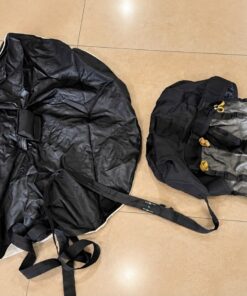
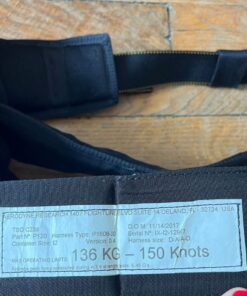
Premium used skydiving container in very good condition, featuring the Icon V NexGen Container 12 (DOM 11/2017) with approximately 500 jumps. This professionally configured system includes advanced features such as ballistic fabric option, freefly handle, soft reserve handle, wide chest strap, magnetic riser covers, and French AAD cutter modification positioned above the reserve pilot chute on flap #3.
Designed for experienced skydivers, this container supports main canopies from approximately 104–135 sqft and reserve canopies from 110–135 sqft. The setup is configured with No RSL and was previously fitted for a jumper around 1.73 m / 60 kg, providing a comfortable and personalized fit.
Built for durability, precision, and practical performance, this Icon V NexGen container offers a refined combination of comfort, modern design features, and reliable operation for experienced jumpers looking for a high-quality used parachute system.
Key Features:
Container: Icon V NexGen 12 | DOM: 11/2017
Condition: Very Good | Jump History: Approx. 500 jumps
Main Compatibility: 104–135 sqft
Reserve Compatibility: 110–135 sqft
Material: Ballistic Fabric Option
Handles: Freefly Handle + Soft Reserve Handle
Comfort: Wide Chest Strap
Riser System: Magnetic Riser Covers
Modification: AAD Cutter Above Reserve Pilot Chute on Flap #3
Configuration: No RSL
Fit: Approx. 1.73 m / 60 kg
Used Icon V NexGen Container 12 Skydiving Rig – Professional Parachute System
Complete Overview of the Used Icon V NexGen Container 12 and Technical Configuration
The Used Icon V NexGen Container 12 represents a professionally designed parachute container system created for experienced skydivers who demand comfort, reliability, advanced features, and precise equipment integration. Developed around modern skydiving requirements, this container provides a refined balance between durability, ergonomics, freefall performance, and practical usability.
This configuration has been carefully maintained and is listed in very good condition, with approximately 500 jumps completed. The system has been handled responsibly throughout its operational life, allowing the container structure, hardware components, and specialized features to remain in strong working condition.
The Icon V NexGen Container 12 was manufactured in November 2017 (DOM 11/2017) and has been designed with compatibility for main canopy sizes from approximately 104 to 135 square feet and reserve canopy sizes from approximately 110 to 135 square feet. This range provides flexibility for experienced jumpers who are selecting a balanced setup based on personal preference, experience level, and performance requirements Used Icon V /|2.
A parachute container is one of the most important parts of a complete skydiving system because it serves as the connection point between the jumper and the parachute components. It must provide secure storage for the main and reserve systems while also allowing efficient deployment, comfortable movement, and reliable operation throughout different stages of the jump.
Icon V NexGen Container 12 Design and Construction
The Icon V NexGen Container 12 has been engineered around the needs of modern skydivers who require a combination of performance and comfort. The design focuses on creating a streamlined profile while maintaining practical access to essential equipment features.
One notable option included with this container is the ballistic fabric construction option. This material choice provides additional durability and contributes to the long-term resilience of the container structure. In demanding skydiving environments, equipment materials must withstand repeated packing cycles, movement during freefall, aircraft conditions, and everyday handling.
The use of advanced materials reflects the continuous development of parachute equipment engineering. Modern containers are designed not only for strength but also for weight management, comfort, and improved functionality. Every detail contributes to creating a system that feels natural during operation.
The container has also been equipped with a freefly handle configuration, providing a practical setup for jumpers participating in more dynamic freefall activities. Freefly environments require equipment that remains secure while allowing the jumper to maintain mobility and control throughout complex body movements.
A secure handle design is essential because equipment interaction must remain predictable during different flight positions. The freefly handle configuration provides experienced jumpers with confidence while performing advanced movements where equipment security and accessibility are important considerations.
Comfort Features and Ergonomic Improvements
Comfort is a major factor when selecting a parachute container because the equipment remains connected to the jumper throughout the entire jump sequence. From aircraft preparation to landing, the container must provide secure positioning without creating unnecessary discomfort.
This Icon V NexGen Container 12 includes a wide chest strap, which contributes to improved comfort and load distribution. A wider strap design helps spread pressure more evenly, allowing the jumper to experience a more comfortable fit during extended wear.
The container also features a soft reserve handle, an option designed to provide a comfortable and practical reserve deployment interface. Handle design is an important consideration because accessibility and familiarity are essential during emergency procedures.
A properly positioned and comfortable handle system allows the jumper to maintain awareness of equipment controls while reducing unnecessary complexity during preparation and operation.
Another premium feature included is the magnetic riser covers. These covers provide a clean equipment profile while helping maintain organized positioning of the riser area. Modern container systems often incorporate magnetic solutions because they provide convenience while maintaining a streamlined design.
Advanced Modification and Safety Configuration
This container includes a specialized French modification with the AAD cutter positioned above the reserve pilot chute on flap #3. This modification represents an adjustment made to the equipment configuration to accommodate specific technical preferences and installation requirements.
Equipment modifications must always be evaluated carefully because parachute systems rely on precise engineering and correct installation. When performed professionally, approved modifications can improve equipment organization while maintaining proper functionality.
The system is configured with No RSL, meaning it does not include a reserve static line connection between the main risers and reserve deployment system. This configuration choice is preferred by some experienced jumpers depending on personal preference, jumping style, and equipment philosophy.
Understanding equipment configuration is essential because different options influence how the system operates during various scenarios. Experienced users often select specific features based on their training, experience, and preferred operational approach.
Jumper Fit and Personal Configuration
The container was previously fitted for a jumper measuring approximately 1.73 meters in height and weighing around 60 kg. Proper sizing is one of the most important aspects of parachute equipment selection because the relationship between the jumper and the container influences comfort, stability, and overall performance.
A properly fitted container allows better movement during freefall and creates a more natural connection between the jumper and the parachute system. When equipment fits correctly, the jumper can focus more effectively on body position, awareness, and flight performance.
This personalized configuration demonstrates the importance of matching equipment dimensions with the user rather than selecting a system based only on general specifications.
Overall Value and Professional Application
The Used Icon V NexGen Container 12 provides a strong combination of modern design features, practical upgrades, and proven operational history. With approximately 500 jumps and very good condition, this container represents an opportunity for experienced skydivers seeking a professionally equipped system.
Its combination of ballistic fabric options, freefly handle, soft reserve handle, wide chest strap, magnetic riser covers, and specialized modification creates a configuration designed around comfort, durability, and precision.
For experienced users, a high-quality container is more than a storage system for parachutes. It is an essential connection between the jumper and the entire parachute platform. The right design improves confidence, comfort, and operational efficiency throughout every jump.
With proper inspection, maintenance, and responsible use, the Used Icon V NexGen Container 12 can continue providing dependable service for future skydiving activities while offering the advanced features expected from modern professional equipment.
Engineering Design, Component Integration, and Performance Characteristics
A modern parachute container is the result of detailed engineering focused on strength, reliability, comfort, and efficient interaction between the jumper and the parachute system. Every element must work together to create a dependable platform that supports the demands of experienced skydivers. The design philosophy behind this equipment focuses on creating a system that remains secure during freefall while providing practical access, comfort, and confidence throughout the complete jump sequence.
The structure of this container has been developed around the requirements of active skydivers who expect their equipment to perform consistently during different types of jumps. From normal freefall activities to more dynamic movements, the container must maintain stability while allowing the jumper to move naturally. The relationship between the jumper and the equipment is essential because comfort and control directly influence the overall experience.
The construction approach combines durability with practical weight management. Modern parachute equipment must be strong enough to handle repeated use while remaining comfortable during long periods of wear. Every material, stitch, attachment point, and adjustment area contributes to the overall performance of the system.
The ballistic fabric option included with this configuration provides an additional focus on durability. Advanced materials are selected in parachute equipment because they must withstand repeated packing, handling, and exposure to different operating environments. A stronger material choice can contribute to improved resistance against everyday wear while maintaining the professional appearance and functionality expected from a high-quality container.
Material selection is an important part of parachute engineering because the equipment experiences different types of stress throughout its service life. Packing pressure, movement during aircraft procedures, freefall airflow, and canopy deployment forces all place demands on the container structure. A well-designed system must manage these conditions while maintaining reliable performance.
The internal organization of the container is another important engineering consideration. The main parachute and reserve system must be positioned correctly to allow efficient deployment procedures. The container design must balance secure storage with accessibility, ensuring that the parachute components remain protected while allowing trained users to complete required procedures effectively.
The freefly handle configuration adds another level of versatility to this equipment setup. Freefly activities involve more dynamic body positions and increased movement compared with traditional freefall styles. Therefore, equipment must be designed to maintain secure positioning while allowing the jumper to perform different movements confidently.
A properly designed handle system reduces unnecessary concerns during flight because the jumper can maintain awareness of equipment placement. The handle location, shape, and accessibility are all important factors that contribute to effective equipment interaction.
The soft reserve handle provides another example of attention to user experience. Handle design is not only about function but also about familiarity and comfort. During normal operation, the handle should remain secure and accessible while maintaining a clean equipment profile.
In emergency situations, equipment simplicity and accessibility become especially important. A well-positioned handle system allows trained users to interact with their equipment confidently when required. For this reason, handle design remains one of the critical areas considered during parachute system development.
The wide chest strap included with this configuration contributes to improved comfort and better load distribution. A jumper spends significant time wearing the equipment before and after the jump, making ergonomic design an important factor. Proper strap design helps create a more balanced connection between the jumper and the container.
Comfort improvements may appear simple, but they can significantly influence the overall experience. When equipment fits comfortably, the jumper can focus more effectively on preparation, awareness, and performance rather than adjusting or managing unnecessary discomfort.
The magnetic riser covers represent another practical improvement within the system. These covers contribute to a cleaner external profile while helping maintain organized equipment positioning. Modern designs often incorporate magnetic solutions because they provide convenience and efficiency while maintaining a secure appearance.
A streamlined container profile can be beneficial during freefall because it reduces unnecessary interference and helps maintain an organized equipment layout. While small design details may not always be immediately noticeable, they contribute to the overall quality and usability of the system.
The specialized modification involving the placement of the AAD cutter above the reserve pilot chute on flap #3 demonstrates attention to specific equipment configuration requirements. Modifications within parachute systems must always be approached carefully because correct placement and installation are essential for maintaining proper functionality.
Professional modifications are generally performed to address specific technical requirements while maintaining the intended operation of the equipment. Understanding these details helps experienced users evaluate whether a system matches their personal preferences and operational approach.
The absence of an RSL configuration also reflects a specific equipment preference. Different experienced jumpers may choose different configurations based on their training, experience, and understanding of equipment behavior. The important factor is that the jumper understands the system and operates within appropriate procedures.
The compatibility range of the container allows flexibility when selecting parachute components. Supporting main parachute sizes from approximately 104 to 135 square feet and reserve sizes from approximately 110 to 135 square feet provides options for different performance preferences.
Component compatibility is one of the most important considerations when building or purchasing a parachute system. The container must properly accommodate the parachutes it is designed to carry, ensuring that deployment procedures and equipment integration remain consistent.
A well-engineered system is created through the combination of many individual design decisions. Material selection, handle placement, strap design, deployment organization, and user comfort all contribute to the final result.
The Used Icon V NexGen Container 12 demonstrates a combination of modern engineering features and practical improvements designed for experienced users. Its configuration reflects attention to durability, comfort, and operational efficiency.
With approximately 500 jumps and very good condition, this system represents equipment that has already demonstrated real-world use while maintaining important performance characteristics. Through continued inspection, proper maintenance, and responsible operation, it can continue supporting experienced skydivers who value precision, comfort, and dependable equipment performance.
Real-World Performance, User Experience, and Practical Skydiving Applications
The true performance of a parachute container is measured by how effectively it supports the jumper during real-world operations. Beyond the technical specifications, a quality system must provide comfort, confidence, and dependable functionality throughout every stage of the jump. From aircraft preparation to freefall movement and canopy deployment, the equipment must remain secure while allowing the jumper to focus on procedures, awareness, and performance.
This configuration has been designed around the needs of experienced skydivers who require a balance between durability, comfort, and operational efficiency. The combination of advanced construction features, ergonomic improvements, and practical modifications creates a system that can support different styles of jumping while maintaining a professional equipment standard.
During aircraft preparation, equipment comfort becomes immediately noticeable. A properly fitted container should allow the jumper to move naturally while remaining secure against the body. The personalized fit for a jumper approximately 1.73 meters tall and 60 kg demonstrates the importance of selecting equipment that matches the user’s physical characteristics.
A correctly fitted system improves overall interaction because the jumper can move without unnecessary restriction. The container should feel stable during movement while providing confidence that all components are positioned correctly. This becomes especially important during active jumping where body position and equipment awareness are essential.
During freefall, the equipment is exposed to changing airflow, movement, and dynamic body positions. The container design helps maintain an organized profile while supporting experienced jumpers who participate in different types of flying activities. The freefly handle configuration adds additional versatility for users who enjoy more dynamic movement styles.
Freefly environments require equipment that remains secure while allowing freedom of movement. The jumper may perform rotations, transitions, and controlled movements that place different demands on the equipment. A well-designed container helps ensure that the system remains stable throughout these activities.
The external design features also contribute to overall usability. Magnetic riser covers help maintain a clean appearance and organized structure, reducing unnecessary complexity during preparation. Small details such as these demonstrate how modern equipment design focuses on improving the user experience through practical solutions.
Comfort remains an important factor during longer days of jumping. Skydivers often wear their equipment for extended periods while preparing, waiting, and completing multiple jumps. The wide chest strap included in this configuration helps distribute pressure more comfortably, improving the overall wearing experience.
The reserve handle design also contributes to practical usability. A soft reserve handle provides a comfortable interface while maintaining accessibility. Equipment controls should be familiar and easy to locate because proper procedures depend on the jumper’s ability to interact confidently with the system.
The performance of a container is also influenced by how well it supports the parachute components it carries. The main and reserve parachutes must be properly integrated so that the complete system functions as intended. Compatibility between components helps create smoother preparation procedures and greater confidence during operation.
This configuration supports main parachute sizes from approximately 104 to 135 square feet and reserve sizes from approximately 110 to 135 square feet. This range provides flexibility for experienced users who understand how equipment selection affects flight characteristics and overall performance.
Choosing the correct parachute size requires consideration of several factors, including experience level, body weight, skill development, and personal goals. Equipment should always match the abilities of the jumper rather than being selected only based on appearance or specifications.
The condition of the equipment also plays an important role in real-world performance. This system has approximately 500 jumps and is described as being in very good condition. Proper care throughout its service life helps preserve the functionality and appearance of the materials.
The previous handling practices contribute positively to the overall equipment value. Responsible packing, careful storage, and regular attention to equipment condition help maintain performance characteristics over time. These practices demonstrate the importance of treating parachute equipment as a precision system rather than simply a piece of sporting gear.
For experienced jumpers, reliability is one of the most important considerations when selecting equipment. A system that has been properly maintained provides greater confidence because the user understands its history and condition.
This configuration can support a variety of experienced jumping activities where a reliable and comfortable setup is required. Whether used for regular freefall, skill development, or advanced movement activities, the equipment provides the foundation needed for effective performance.
The design features included in this system also make it suitable for jumpers who appreciate customization. The ballistic fabric option, handle configuration, strap design, and modification details reflect attention to individual preferences and operational requirements.
A professional parachute system should support the jumper rather than create distractions. When equipment is comfortable, correctly fitted, and well maintained, the jumper can focus on improving technique, increasing awareness, and enjoying the experience.
The value of this configuration comes from the combination of engineering quality and real-world usability. While technical features provide important advantages, the greatest benefit is how the equipment performs during actual use.
Experienced skydivers understand that good equipment creates confidence through consistency. A reliable system allows the jumper to develop familiarity, maintain effective routines, and approach each jump with better preparation.
The Used Icon V NexGen Container 12 represents a practical balance between modern features and proven operation. Its combination of durable construction, user-focused design, and careful maintenance history creates a system capable of supporting experienced users seeking dependable performance.
With continued professional inspection, appropriate servicing, and responsible operation, this equipment can continue providing a high level of comfort, precision, and reliability for future skydiving activities.
Why Choose This Equipment, Ownership Benefits, and Long-Term Value
Selecting a parachute system is an important decision that requires careful evaluation of design quality, condition, compatibility, and previous use history. Experienced skydivers understand that reliable equipment is not determined only by age or appearance. Instead, the true value of a system comes from the combination of engineering, maintenance, configuration, and how effectively it supports the jumper’s personal requirements.
This equipment configuration provides several advantages for users who are searching for a dependable and professionally designed setup. The combination of modern container features, practical upgrades, and careful maintenance creates a system that has been developed around comfort, performance, and long-term usability.
One of the strongest reasons to consider this equipment is the attention given to its configuration. The system has not been presented as a basic container alone but as a carefully considered setup with features selected to improve the overall jumping experience. Elements such as the ballistic fabric option, freefly handle, soft reserve handle, wide chest strap, and magnetic riser covers demonstrate a focus on practical improvements.
The choice of materials plays an important role in equipment longevity. A container is exposed to repeated packing cycles, movement, and everyday handling, so durability is essential. The advanced fabric option included with this system contributes to a stronger construction approach designed to support continued use while maintaining a professional appearance.
Another important advantage is the equipment’s history. With approximately 500 jumps and very good condition, this system provides useful information for potential owners evaluating a pre-owned setup. Previous care practices often have a significant influence on future performance, and this equipment has benefited from responsible ownership.
A well-maintained system can provide excellent value because many important characteristics are already proven through real-world use. Rather than purchasing equipment with unknown history, buyers can evaluate a setup with known features, known configuration details, and an understanding of how it has been handled.
The importance of comfort should also be considered. Skydivers spend significant time wearing their equipment before, during, and after jumps. A container that fits correctly and includes ergonomic improvements can contribute to a better overall experience.
The wide chest strap included with this system demonstrates attention to jumper comfort. Equipment should distribute pressure effectively while allowing freedom of movement. A comfortable fit allows the jumper to focus on preparation and performance rather than adjusting equipment throughout the day.
The freefly handle configuration provides additional versatility for experienced users who participate in dynamic flying activities. Modern skydiving includes many different disciplines, and equipment must be capable of supporting various movement styles while remaining secure.
The magnetic riser covers add another practical improvement by maintaining a clean and organized equipment profile. Small design choices often have a significant impact on daily usability because they simplify preparation and improve equipment management.
The reserve handle configuration also contributes to the overall user experience. Equipment controls should be familiar, accessible, and comfortable. The soft reserve handle provides a refined interface while maintaining the practical function expected from professional equipment.
The customization details included within this setup make it attractive to jumpers who appreciate specialized configurations. The modification involving the AAD cutter placement above the reserve pilot chute on flap #3 reflects attention to specific equipment requirements and demonstrates that the system has been configured with technical consideration.
The absence of an RSL also represents a specific equipment preference. Experienced users often select different configurations depending on their training, experience, and operational approach. Understanding the characteristics of each configuration allows jumpers to select equipment that matches their personal requirements.
Another important benefit is the flexibility provided by the container sizing range. Supporting main parachute sizes from approximately 104 to 135 square feet and reserve sizes from approximately 110 to 135 square feet gives experienced users options when selecting compatible components.
Equipment flexibility is valuable because jumpers may adjust their setup over time as their experience develops. A well-designed container can continue supporting different preferences while maintaining compatibility with suitable parachute components.
The value of purchasing pre-owned equipment also comes from accessing proven designs. While new equipment provides the latest manufacturing updates, established systems can offer practical benefits because their performance characteristics are already understood.
Many experienced skydivers evaluate equipment based on condition, maintenance history, and suitability rather than simply choosing the newest available option. A carefully maintained system can continue delivering reliable performance when properly inspected and managed.
Responsible ownership remains essential after purchase. Regular inspections, correct storage, professional servicing, and careful handling all contribute to preserving equipment quality. The previous maintenance history provides a strong foundation, but continued care determines future reliability.
Before continued operation, professional inspection is recommended. A qualified technician can evaluate the condition of the container, verify the modification details, inspect hardware, and confirm that the system remains suitable for continued use.
This inspection process provides confidence because it allows the new owner to understand the current condition of the equipment and identify any future maintenance requirements.
The reasons to choose this system are based on a combination of performance, comfort, durability, and practical design. It provides experienced users with a professionally configured platform that reflects modern equipment development and thoughtful customization.
For jumpers who value precision, reliability, and a personalized setup, this equipment represents a strong opportunity. The combination of advanced features, careful maintenance, and proven operational history creates a system designed to support confident and enjoyable skydiving experiences.
With proper care and responsible use, this equipment can continue serving as a dependable platform for experienced skydivers seeking quality construction, comfort, and long-term performance.
How, Where, When, and Who Should Use This Equipment System
Understanding the correct application of parachute equipment is essential for achieving the best possible experience and maintaining responsible ownership. A high-quality system is designed to support the jumper’s abilities, preferences, and operational goals. Therefore, selecting the right equipment requires consideration of experience level, physical characteristics, jumping style, and long-term objectives.
This equipment configuration has been developed for experienced skydivers who understand the importance of proper preparation, inspection, and responsible operation. The design features, sizing compatibility, and customization options make it suitable for users who appreciate precision, comfort, and a professional equipment setup.
Before using this system, the jumper should ensure that the equipment matches their current skill level and training background. The performance characteristics of the setup require proper knowledge of parachute operation, canopy management, and emergency procedures. A jumper who understands their equipment will be able to use it more effectively and confidently.
The fit of the equipment is an important factor when determining suitability. This system was previously configured for a jumper measuring approximately 1.73 meters in height and weighing around 60 kg. Proper sizing allows the equipment to sit correctly on the body, improving comfort and maintaining a stable connection between the jumper and the parachute system.
A correctly fitted system provides advantages throughout the entire jump sequence. During aircraft preparation, the equipment should feel secure and comfortable. During freefall, it should maintain a stable position while allowing the jumper to move naturally. During canopy flight, the jumper should be able to focus on control and navigation without unnecessary equipment concerns.
This setup can be used in professional skydiving environments where experienced jumpers require reliable equipment for regular operations. It can support individuals who participate in organized jumping activities, skill development, and advanced flying disciplines where equipment performance and comfort are important.
The system is also suitable for jumpers who value customization. The inclusion of features such as the freefly handle, wide chest strap, magnetic riser covers, and specialized modification provides a configuration that reflects personal preferences and operational requirements.
Freefly activities are one area where equipment security becomes particularly important. Dynamic body positions and increased movement require a system that remains stable throughout the jump. The design features included in this configuration support experienced users who participate in more active styles of flying.
When preparing for use, the equipment should always be inspected carefully. The container structure, handles, hardware, and attachment areas should be checked to confirm that everything is functioning correctly. Proper preparation creates confidence and helps identify any concerns before operation.
The system should be used in locations where appropriate facilities, qualified support, and professional maintenance services are available. Access to experienced technicians is important because parachute equipment requires specialized knowledge for inspection, adjustment, and servicing.
Environmental conditions should also influence when and where the equipment is used. Weather, wind conditions, landing areas, and operational requirements all affect the overall experience. Responsible jumpers evaluate these factors before every activity.
The equipment can be used throughout different stages of a jumper’s progression when the configuration remains appropriate for their abilities. However, equipment decisions should always be based on training, experience, and professional guidance rather than simply selecting a system based on appearance or advanced features.
The performance characteristics of the system make it valuable for jumpers who appreciate responsive equipment. However, performance should always be combined with proper technique and understanding. Good equipment supports the jumper, but knowledge and preparation remain the foundation of successful operation.
Maintenance timing is another important consideration. Regular inspections should be scheduled according to professional recommendations and equipment requirements. Waiting until a problem appears is not a suitable approach for precision equipment because preventative care helps maintain reliability.
Storage practices should continue to reflect the same level of care demonstrated previously. The equipment should be protected from excessive sunlight, moisture, contamination, and unnecessary exposure to harsh environments. Proper storage contributes to preserving the condition of materials and hardware.
Transportation should also be handled carefully. When moving the equipment between locations, it should be protected from unnecessary pressure, dirt, and damage. Good handling habits outside the jumping environment are just as important as careful operation during jumps.
For experienced owners, this system offers the benefit of familiarity. A consistent equipment setup allows the jumper to develop a better understanding of how the system behaves. Familiarity can improve preparation routines, confidence, and overall equipment management.
The reasons for choosing this configuration are connected to its combination of engineering, comfort, and practical usability. It provides a personalized setup with features designed around the needs of experienced users who value reliability and precision.
The system is particularly suitable for individuals who want equipment with a documented history rather than an unknown background. Understanding how equipment has been used and maintained provides valuable information when making a purchase decision.
When properly inspected, maintained, and operated according to appropriate procedures, this equipment can continue providing dependable performance for future activities. Its design, customization, and condition make it a practical choice for experienced skydivers seeking a refined and capable setup.
Ultimately, the best use of this system comes from matching it with the right jumper. When experience, equipment, and operational goals are aligned, the result is a more confident and enjoyable skydiving experience supported by reliable equipment performance.
Maintenance, Inspection, Safety Considerations, and Long-Term Equipment Care
Proper maintenance is one of the most important aspects of preserving the performance, reliability, and service life of any parachute system. High-quality equipment is designed to withstand demanding environments, but continued performance depends heavily on responsible ownership, regular inspection, and correct storage practices. A well-maintained system can continue providing dependable service when attention is given to every component and detail.
Every part of a parachute system contributes to the overall function of the equipment. The container structure, hardware, handles, attachment points, and internal components all experience different levels of stress throughout normal use. Because of this, regular inspection is essential for identifying wear, contamination, or changes that may require professional attention.
The container should be inspected carefully to ensure that the structural materials remain in excellent condition. Areas that experience repeated movement or stress, such as stitching points, closing systems, flap areas, and connection locations, should receive particular attention. These areas are important because they contribute to maintaining secure equipment organization and reliable operation.
The ballistic fabric option included in this configuration should also be maintained correctly. Advanced materials provide durability advantages, but they still require appropriate care. Exposure to excessive sunlight, moisture, chemicals, or rough handling can affect material condition over time.
Regular cleaning and proper storage practices help preserve the appearance and functionality of the container. Equipment should be stored in a clean and dry environment where unnecessary exposure to damaging conditions is avoided.
The handle systems require careful attention because they are important interaction points between the jumper and the equipment. The freefly handle should be checked regularly to confirm proper positioning and condition. Since experienced jumpers may perform dynamic movements, maintaining secure and accessible equipment controls is essential.
The soft reserve handle should also be inspected as part of regular equipment checks. A reserve system requires immediate accessibility when needed, and therefore handle condition, placement, and security are important considerations.
The wide chest strap and harness components should be evaluated regularly because they contribute to comfort and secure equipment positioning. Webbing, adjustment points, stitching, and hardware should all be checked to ensure that they continue functioning correctly.
The magnetic riser covers should also receive attention during inspections. These components contribute to equipment organization and should remain properly positioned and functional. Small details within a parachute system can have a significant effect on daily usability.
The specialized modification involving the AAD cutter placement above the reserve pilot chute on flap #3 should be understood and maintained according to professional standards. Any modification within a parachute system requires careful evaluation because correct installation and configuration are essential for proper operation.
Professional inspection is especially important when equipment changes ownership. Even when a system has been carefully maintained, an experienced technician should evaluate the equipment before continued operation. This provides a clear understanding of current condition and identifies any recommended servicing.
The approximately 500 jumps recorded on this system provide useful background information, but jump numbers alone do not determine equipment condition. The way the system has been handled throughout its life is equally important. Careful packing, proper storage, and protection from unnecessary environmental exposure all contribute to equipment longevity.
The previous ownership practices have supported preservation of this system. Keeping equipment protected from ultraviolet exposure reduces unnecessary material stress, while avoiding harsh landing environments helps prevent contamination from sand, salt, and moisture.
Environmental protection should remain a priority for future owners. Equipment should not be exposed unnecessarily to extreme heat, excessive humidity, chemicals, or prolonged sunlight. A controlled storage environment helps maintain the condition of fabrics, hardware, and other sensitive components.
Transportation procedures should also be considered. When traveling to different locations, the equipment should be packed and handled carefully to prevent unnecessary damage. Good transportation habits contribute to maintaining equipment quality between operations.
Documentation is another important part of responsible equipment management. Keeping records of inspections, maintenance actions, and component evaluations provides valuable information about the system’s history. Detailed records help future owners and technicians understand the equipment background.
The absence of an RSL configuration should also be clearly understood by the user. Different equipment configurations require different knowledge and procedures, so owners should be familiar with the specific characteristics of their setup and operate according to appropriate training.
The compatibility range of the system should also be respected. The container was designed for specific main and reserve size ranges, and users should ensure that installed components remain within suitable specifications. Correct compatibility helps maintain proper equipment function.
Continued education is another important aspect of equipment ownership. Skydiving equipment continues to develop, and experienced users benefit from staying informed about maintenance practices, inspection procedures, and equipment recommendations.
A responsible maintenance approach involves both preventative care and professional evaluation. Waiting until a visible problem appears is not an effective strategy for precision equipment. Regular attention allows potential concerns to be addressed before they affect performance.
The condition of this system reflects the importance of careful ownership. The combination of very good condition, approximately 500 jumps, and attention to equipment protection demonstrates the benefits of proper management.
For future users, maintaining the same level of care will help preserve the system’s functionality and appearance. Regular inspection, correct storage, and professional servicing will contribute to continued reliability.
A parachute system represents a significant investment, and protecting that investment requires commitment. The quality of the equipment depends not only on its original design but also on how it is maintained throughout its operational life.
With appropriate care, professional inspection, and responsible use, this equipment can continue supporting experienced skydivers who value precision, comfort, and dependable performance. Its engineering features and maintenance history provide a strong foundation for continued operation in demanding skydiving environments.
The Used Icon V /|2 represents a high-quality parachute container solution designed for experienced skydivers who require dependable equipment, advanced features, and professional-level performance. Built around modern skydiving requirements, the Used Icon V /|2 provides a combination of durability, comfort, customization, and precision that makes it an attractive choice for jumpers searching for a reliable pre-owned system.
A carefully maintained Used Icon V /|2 offers significant advantages for experienced users who understand the importance of equipment history, component condition, and proper maintenance. Unlike unknown second-hand equipment, a professionally cared-for system provides valuable information about its previous use, configuration, and overall condition.
The Used Icon V /|2 has been designed with practical features that support modern skydiving activities. Its advanced construction, ergonomic improvements, and customized options create a balanced platform suitable for experienced jumpers who value both comfort and performance Used Icon V /|2Used Icon V /|2Used Icon V /|2Used Icon V /|2Used Icon V /|2.
One of the important benefits of the Used Icon V /|2 is its strong construction quality. The ballistic fabric option provides additional durability, helping the container withstand repeated use, packing cycles, and everyday handling. Material selection plays an important role in parachute equipment because reliability depends on the ability of the system to maintain its structure over time.
The Used Icon V /|2 also includes features created to improve the jumper’s experience. The freefly handle configuration provides practical functionality for jumpers involved in dynamic flying activities, while the soft reserve handle offers a comfortable and accessible equipment interface.
Comfort is another major advantage of the Used Icon V /|2. The wide chest strap helps distribute pressure more effectively, allowing the jumper to wear the equipment comfortably during preparation, flight, and landing procedures. Proper ergonomics are essential because skydivers spend extended periods wearing their equipment.
The magnetic riser covers included with the Used Icon V /|2 contribute to a cleaner equipment profile and improved organization. These small design improvements demonstrate how modern parachute systems focus on both performance and user convenience.
The Used Icon V /|2 configuration also includes a specialized modification involving the AAD cutter placement above the reserve pilot chute on flap #3. This technical adjustment reflects attention to equipment customization and demonstrates that the system has been configured with specific operational preferences in mind.
Another important characteristic of the Used Icon V /|2 is its compatibility range. The container supports main parachute sizes approximately between 104 and 135 square feet and reserve sizes between 110 and 135 square feet. This flexibility allows experienced users to select suitable components based on their personal requirements and jumping objectives.
When selecting a Used Icon V /|2, buyers should always consider factors such as fit, experience level, maintenance history, and intended use. Proper equipment selection is essential because parachute systems should match the jumper’s abilities and operational goals.
The Used Icon V /|2 was previously fitted for a jumper approximately 1.73 meters tall and weighing around 60 kg. A correct fit improves comfort, stability, and overall interaction with the equipment. A container that matches the jumper’s body characteristics allows more natural movement during freefall.
Experienced skydivers often choose a Used Icon V /|2 because they understand the value of proven equipment. A well-maintained pre-owned system can provide excellent performance while offering access to advanced features at a more practical investment level compared with purchasing new equipment.
The Used Icon V /|2 is suitable for jumpers who appreciate precision and reliability. Its design supports different experienced skydiving activities where equipment security, comfort, and consistent performance are important.
A major advantage of the Used Icon V /|2 is the balance between modern design and practical usability. Every component has a purpose, from the durable fabric construction to the ergonomic features that improve daily operation Used Icon V /|2Used Icon V /|2Used Icon V /|2Used Icon V /|2Used Icon V /|2Used Icon V /|2vUsed Icon V /|2.
The Used Icon V /|2 should always be inspected by a qualified professional before continued use. Professional evaluation confirms equipment condition and helps identify any maintenance requirements. Regular inspection remains essential regardless of equipment age or previous care Used Icon V /|2Used Icon V /|2Used Icon V /|2Used Icon V /|2Used Icon V /|2Used Icon V /|2.
Responsible ownership is important for maintaining the performance of a Used Icon V /|2. Proper storage, careful handling, and scheduled servicing all contribute to extending equipment life and preserving reliability Used Icon V /|2Used Icon V /|2Used Icon V /|2Used Icon V /|2Used Icon V /|2Used Icon V /|2Used Icon V /|2Used Icon V /|2.
The Used Icon V /|2 represents a complete approach to parachute equipment design where strength, comfort, and functionality are combined into one professional platform. For experienced jumpers looking for a dependable system with advanced features, this configuration provides an excellent balance of performance and practicality Used Icon V /|2Used Icon V /|2Used Icon V /|2Used Icon V /|2Used Icon V /|2Used Icon V /|2Used Icon V /|2Used Icon V /|2Used Icon V /|2Used Icon V /|2Used Icon V /|2.
Choosing a Used Icon V /|2 means selecting equipment that has been developed around real-world skydiving requirements. With the right maintenance and responsible operation, this system can continue supporting experienced users who value quality construction, precision, and confidence during every jump Used Icon V /|2Used Icon V /|2Used Icon V /|2Used Icon V /|2Used Icon V /|2v Used Icon V /|2Used Icon V /|2Used Icon V /|2Used Icon V /|2Used Icon V /|2Used Icon V /|2.
Be the first to review “Used Icon V /|2”
Related products
used products
used products

used products


used products

used products


used products

used products
Reviews
There are no reviews yet.