








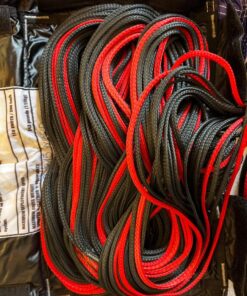


Used Hybrid Alien container


€3,200.00
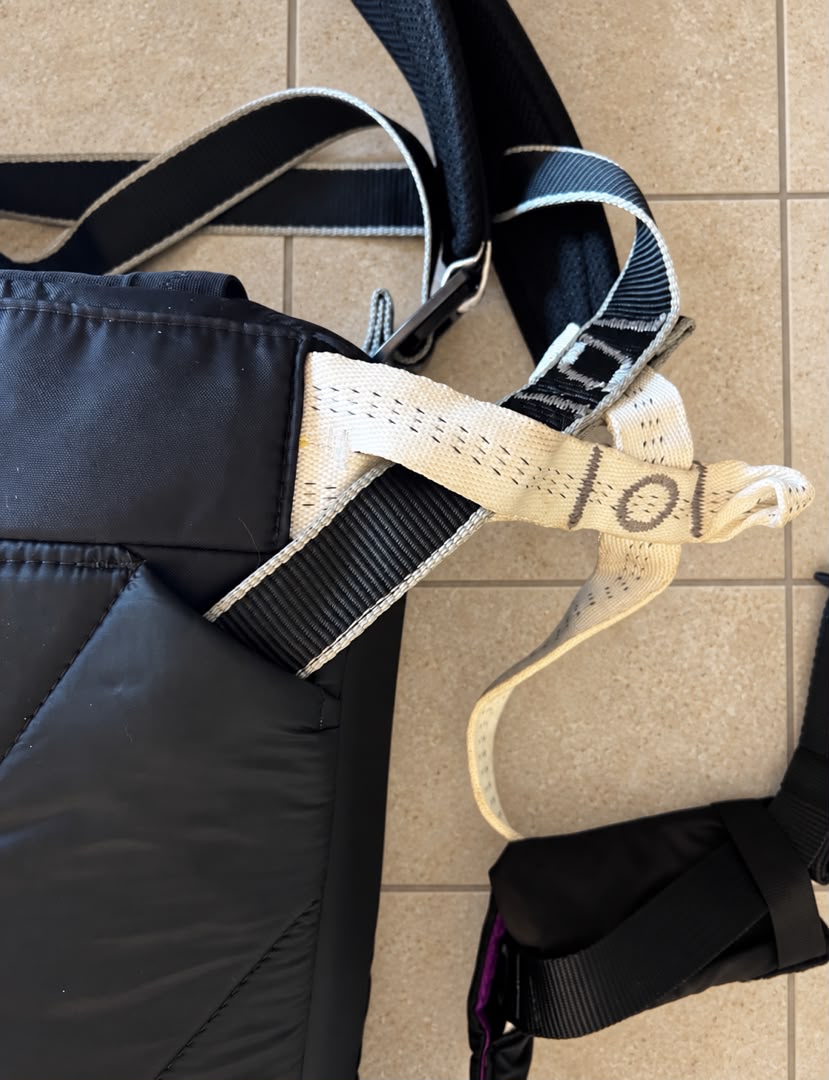
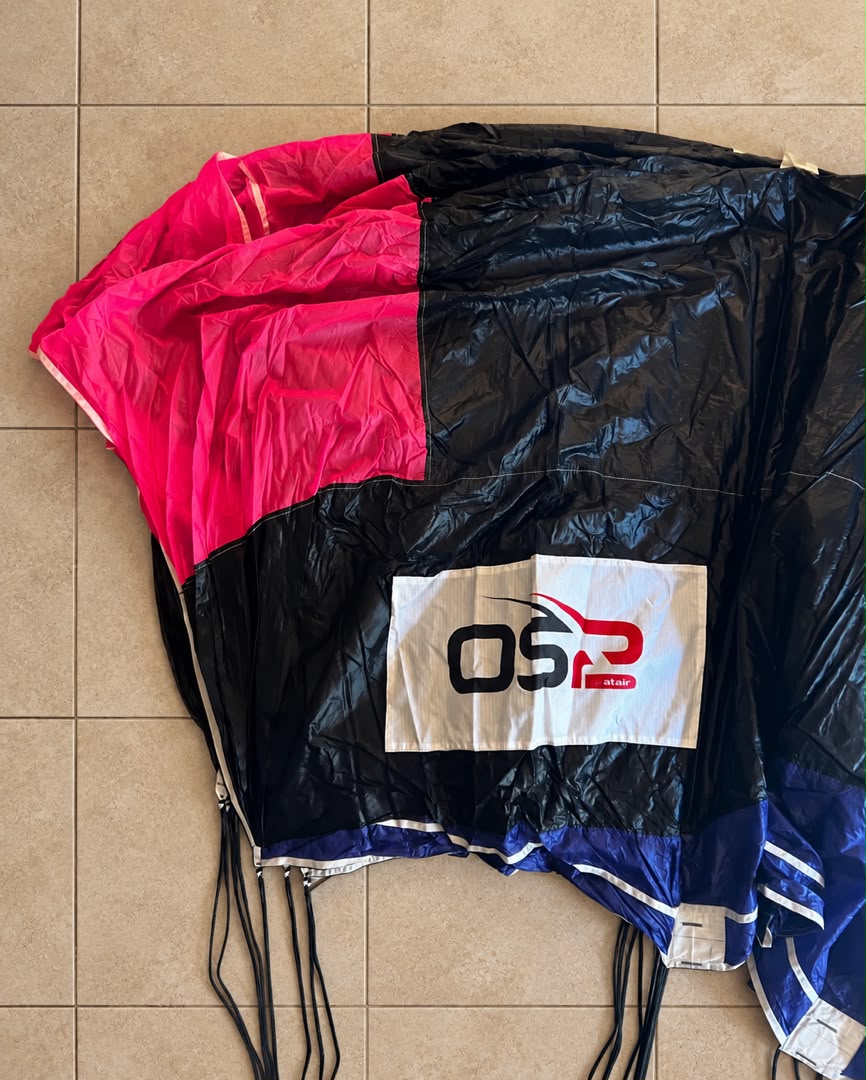
Used Hybrid Alien Container with OSP2 215
This Used Hybrid Alien container setup is an exceptionally low-use BASE system manufactured in 2018 and reported to have only 15 jumps. It is described as being in excellent condition and was originally configured for a jumper approximately 5’8″ / 174 cm tall and 132 lb / 60 kg.
The setup includes an Atair OSP2 215 seven-cell canopy fitted with black Dacron suspension lines, releasable toggles, and a slow slider. The OSP2 is designed as a versatile BASE canopy with strong deep-brake control, efficient glide, predictable handling, and powerful flare performance when correctly matched to the jumper and intended application.
The Hybrid Alien harness/container provides a streamlined, close-fitting profile designed for specialized jumping environments. Its compact construction, secure harness layout, and compatibility with tracking and wingsuit-oriented setups make it a versatile option for an appropriately trained and experienced user.
Key Details
- Container: Hybrid Alien
- DOM: 2018
- Condition: Excellent / very low use
- Reported Jumps: 15
- Original Fit: Approx. 174 cm / 60 kg
- Canopy: Atair OSP2 215
- Canopy Design: 7-cell
- Lines: Black Dacron
- Controls: Releasable toggles
- Slider: Slow slider
- Flight Character: Predictable, responsive and stable
- Low-Speed Control: Strong deep-brake performance
- Landing Performance: Powerful flare when properly flown
- Intended User: Appropriately trained and experienced jumper
With only 15 reported jumps, the system has experienced very limited operational wear, making it particularly attractive on the used market. However, because parachute equipment is life-support equipment, the complete system should still receive a professional inspection before being returned to service. Harness webbing, stitching, canopy fabric, suspension lines, risers, toggles, slider, bridle, closing components, and overall fit should all be verified.
For the right user, this setup offers an excellent combination of low-use condition, specialized canopy performance, durable line construction, compact harness fit, and versatile deployment configuration in a well-preserved package.
Used Hybrid Alien Container with Atair OSP2 215 – DOM 2018, Black Dacron Lines, Releasable Toggles, Slow Slider, Only 15 Jumps
Used Hybrid Alien Container and OSP2 215 Overview, Condition, Fit, Construction, Flight Character, Deployment System, and Technical Details
The Used Hybrid Alien container with OSP2 215 is an exceptionally low-use BASE setup manufactured in 2018 and reported to have only 15 jumps. The system was configured for a jumper approximately 5’8″ / 174 cm tall and 132 lb / 60 kg, making harness fit one of the most important considerations for a prospective buyer. Its equipment configuration includes an Atair OSP2 215 canopy, black Dacron suspension lines, releasable brake toggles, and a slow slider, creating a versatile setup intended for experienced jumpers who understand equipment selection, deployment configuration, and object-specific risk management.
The Hybrid Alien is manufactured by AdrenalinBASE and is described by the company as its most versatile harness/container design. The current Alien platform is intended to cover low-object jumping, tracking progression, and wingsuit applications while maintaining a close-fitting, low-drag container profile. AdrenalinBASE highlights integrated riser covers, protected bridle routing, free-corner construction, rounded lower corners, and an ergonomic body profile among the design’s important features.
DOM 2018 and Only 15 Jumps
The stated DOM is 2018, while total use is reported at only 15 jumps.
That extremely low jump number is a significant selling point because the harness, container fabric, webbing, canopy fabric, lines, slider, and associated hardware have experienced relatively little operational use.
Nevertheless, age and storage history still matter. A qualified BASE gear specialist or appropriately experienced rigger should inspect the entire setup before it returns to service.
Perfect Condition
The equipment is described as being in perfect condition.
With only 15 reported jumps, limited wear would be expected if the equipment has also been stored correctly.
Important areas to inspect include harness webbing, stitching, container flaps, bridle routing, closing loops, pins, risers, suspension lines, brake lines, tail pocket, slider, canopy attachment points, and pilot-chute interfaces.
Hybrid Alien Harness and Container
The Hybrid Alien is a dedicated BASE harness/container rather than a conventional dual-parachute skydiving rig.
Its design emphasizes a streamlined profile and versatile object-jumping applications.
AdrenalinBASE specifically describes the Alien as suited to low jumps as well as tracking and wingsuit progression.
Therefore, buyers researching a parachute rig or container skydive system should understand that this equipment belongs to a specialized single-parachute BASE configuration and should not be presented as a conventional main-and-reserve sport rig.
Harness Fit for 174 cm / 60 kg
The harness was reportedly configured for a jumper around 174 cm and 60 kg.
That provides a useful starting point for fit assessment.
However, total height and body weight alone are not enough. Torso length, chest dimensions, hip geometry, leg size, and individual body proportions can influence harness comfort and security.
A prospective buyer should confirm fit physically whenever possible.
Atair OSP2 215 Canopy
The included wing is an Atair OSP2 215.
Atair identifies the OSP2 as a 7-cell all-round BASE canopy designed for both slider-up and slider-down applications. The manufacturer’s published sizing table lists the 215 at 215 square feet measured by Atair’s bottom-skin method, corresponding to approximately 229 square feet by PIA measurement, with a published recommended weight range of approximately 62–70 kg.
Because the supplied jumper weight is 60 kg before full equipment is considered, actual exit weight and manufacturer guidance should be reviewed carefully.
OSP2 Flight Design
The OSP2 was developed as an evolution of the original OSP.
Atair describes the design as providing improved glide while retaining reliable opening characteristics, precise control, strong deep-brake performance, and a powerful flare.
Its design incorporates several features intended to expand the usable flight envelope.
MDV5 Bottom-Skin Vents
The OSP2 uses five bottom-skin Mono Directional Valve vents.
Atair explains that these vents admit air during deployment and deep-brake flight while remaining closed during normal forward flight.
This arrangement is intended to improve deep-brake handling without unnecessarily disturbing airflow during normal flight.
ZP Leading Edge
The canopy incorporates a shaped zero-porosity leading edge.
Atair states that the revised leading-edge construction helps reduce sink rate and improve overall performance compared with the original design.
SLAT Leading-Edge System
The OSP2 also includes the manufacturer’s SLAT leading-edge architecture.
This feature works alongside the venting and canopy shaping to extend controllability across a broad flight range.
Black Dacron Lines
This example is fitted with black Dacron lines.
Atair currently offers black Dacron as an optional alternative to its standard white Dacron configuration.
Dacron is widely used in BASE equipment because of its elastic and durability characteristics, although line condition should still be checked carefully regardless of low jump count.
Releasable Toggles
The system includes releasable toggles.
AdrenalinBASE lists brake-release toggles among current Alien equipment options.
Their installation, routing, condition, and compatibility with the specific riser and brake arrangement should be verified before use.
Slow Slider
A slow slider is included with this configuration.
Atair specifically lists a slow slider as an available OSP2 option and notes that it is recommended for terminal applications.
Slider choice is configuration-dependent, so it should match the intended jump type and established manufacturer guidance.
Deep-Brake Flight
One of the OSP2’s defining qualities is its deep-brake control.
Atair developed the canopy around a broad controlled range before the stall point, assisted by its vent technology and aerodynamic shaping.
This can be particularly valuable in environments where precise canopy control is essential.
Flare Performance
The OSP platform is also known for powerful flare characteristics.
A well-executed flare can convert forward speed into lift and reduce descent at landing, although flare timing and landing performance depend heavily on jumper skill, loading, altitude, conditions, and canopy setup.
Linewear and Inspection
The supplied keyword linewear is relevant even with only 15 jumps.
Suspension lines should be inspected for cuts, burns, glazing, contamination, abnormal fuzzing, and damage near connection points.
Low jump numbers are reassuring but do not replace inspection.
BASE Jumping Application
This system is purpose-built for base jumping.
The Hybrid Alien and OSP2 are both specialized equipment intended for that environment rather than standard aircraft sport parachuting.
The keyword baseline jumping is commonly used incorrectly when people mean BASE jumping.
Base Canopy
The OSP2 is a dedicated base canopy.
It differs fundamentally from conventional sport mains because its design priorities include specialized deployment and low-speed handling requirements.
Tracking Jump Applications
The Hybrid Alien is specifically marketed as suitable for a tracking jump progression.
However, equipment selection must always account for deployment speed, object, environment, pilot chute, slider configuration, and jumper experience.
Wingsuit Sport Applications
The manufacturer also positions the Alien for wingsuit sport progression.
Therefore, search terms such as vector wingsuit, wingsuit, gliding suit wingsuit, skydiving gliding suit, fly suits, wing suits for sale, and price of wingsuit may appear around this type of equipment.
A wingsuit itself is not included unless explicitly stated.
Indoor Wingsuit and Tandem Wingsuit
An indoor wingsuit experience is unrelated to the actual parachute system.
Similarly, tandem wingsuit terminology describes a specialized discipline rather than a feature of this equipment.
Canopy Flight
Good canopy flight depends on far more than the canopy model.
Control response, flare timing, object clearance, landing area, wind, loading, and jumper experience all matter.
The OSP2’s deep-brake performance and improved glide provide a broad performance envelope, but they do not replace training.
Jumper Pilot Considerations
Every jumper pilot should understand how their total suspended weight affects the canopy.
The stated body weight of 60 kg should therefore not be treated as the complete loading figure.
Equipment weight must also be considered.
Weight Limit Skydiving
The phrase weight limit skydiving usually refers to tandem or sport-jumping limits.
For this setup, the more relevant question is whether the jumper’s exit weight falls within an appropriate loading range for the 215-size canopy and whether the harness fits correctly.
Skydiving Downsizing Chart
A skydiving downsizing chart is not an appropriate standalone method for choosing specialized BASE equipment.
Manufacturer guidance, prior canopy experience, object type, training, and exit weight all matter.
Smallest Canopy
Searching for the smallest canopy should never drive equipment selection.
A canopy should be chosen for appropriateness, not simply reduced size.
Landing Flight Risers
The phrase landing flight risers relates to alternative canopy-control techniques.
These should only be explored within appropriate training and with a detailed understanding of the canopy’s response.
CRW Skydiving
crw skydiving is a specialized aircraft-based canopy-relative discipline.
This setup is not presented as equipment optimized for CRW.
Skydiving Speed and Speed Sky Diving
The terms skydiving speed and speed sky diving concern freefall or specialized speed disciplines.
Higher deployment speeds place different demands on equipment and configuration, which is one reason slider selection matters.
Parachute Jump Australia
Searches for parachute jump australia, skydive byron bay, and cairns skydiving generally concern conventional drop-zone activity in Australia.
They should not be confused with the intended function of this specialized container.
Belize Skydiving Searches
Likewise, skydiving blue hole belize and skydive belize describe destination skydiving rather than product specifications.
Indoor Skydiving
The phrase ifly colorado springs relates to indoor body-flight training.
Tunnel experience may support freefall skills, but it does not replace object-specific training.
Helmet Equipment
Searches for skydiving helmet, skydive helmets, sky helmet skydiving, sky diving helmet, full face skydiving helmet, skydiving helmet full face, g35 helmet, best skydiving helmet, and cookie g4 helmet concern personal protective equipment rather than the container or canopy.
Eye Protection
The phrases skydiving glasses, skydiver goggles, and can you wear glasses while skydiving concern separate personal equipment.
Eye protection is not included unless specified.
Hook Knife Equipment
Search terms including hook blade knife, hook knife skydiving, and skydive hook knife refer to emergency cutting tools.
Current Alien configurations can include a hook knife, but whether one accompanies this particular used system should be confirmed separately.
Freefly Pud Handle
A freefly pud handle belongs to conventional sport-skydiving deployment systems and should not be assumed to be part of this BASE setup.
Skydiving Rigging
Specialized skydiving rigging knowledge is essential when inspecting any used parachute equipment.
This setup should receive an appropriate inspection before use, particularly because compatibility and deployment configuration are critical.
Parts of a Parachute
Searches for parts of a parachute often include the canopy, suspension lines, risers, slider, bridle, pilot chute, harness, and container.
The exact arrangement differs substantially between BASE and dual-parachute sport systems.
Gear Bag Skydive
A gear bag skydive setup can help protect this equipment from dirt, moisture, abrasion, and ultraviolet exposure during storage and transport.
Skydiving Equipment List
A general skydiving equipment list may include a main, reserve, container, activation device, helmet, altimeter, and other equipment.
This system follows a different specialized configuration and should not be described as a conventional complete sport rig.
Fire Parachute and Cypress Fire Skydiving
The supplied terms fire parachute and cypress fire skydiving concern unrelated emergency or activation-device searches.
No automatic activation device should be assumed to be part of this configuration.
Safire 3 and Fluid Wings
Searches for safire 3 and fluid wings generally concern sport-skydiving main canopies.
Those products belong to a different equipment category from this specialized 7-cell system.
Nude Parachute Jump and Skydiving Nude
The phrases nude parachute jump and skydiving nude describe novelty activities rather than equipment specifications.
They have no technical connection to this container or canopy.
New Skydive and Latest Skydiving Information
Searches for new skydive, #skydiving latest, and a general skydiving website may lead users to current information and equipment discussion.
For technical decisions, manufacturer documentation and qualified instruction are substantially more important.
Skydiving Tube
A skydiving tube is a specialized freefall prop and is unrelated to this setup.
Why This Used Setup Stands Out
The strongest features are its 2018 manufacture date, only 15 reported jumps, excellent stated condition, custom fit around 174 cm / 60 kg, OSP2 215 canopy, black Dacron lines, releasable toggles, and slow slider.
In addition, the Hybrid Alien offers a streamlined, versatile container architecture, while the OSP2 combines deep-brake capability, improved glide, vent technology, a shaped leading edge, and powerful flare performance.
For an appropriately trained and experienced jumper whose body dimensions, weight, canopy requirements, and intended use match the configuration, this low-jump system represents an unusually fresh used package with a technically sophisticated and versatile design.
Fit, Deployment Character, Flight Response, Canopy Control, Low-Use Condition, Inspection Priorities, and Real-World Ownership
This low-use single-parachute system combines a streamlined harness/container with a 215-square-foot seven-cell canopy, durable suspension lines, specialized brake controls, and a slider configuration intended for experienced users. With only 15 reported jumps since manufacture, the equipment has seen very little operational use. However, low jump numbers should never replace a current technical inspection. Fit, component condition, canopy compatibility, line condition, deployment configuration, and storage history remain the most important factors when evaluating the system for continued service.
Harness Fit and Body Compatibility
Correct harness fit is essential.
The system was originally configured around a jumper approximately 174 cm tall and 60 kg.
That information provides a useful starting point, but total height and body weight alone cannot guarantee fit.
Torso length, waist size, hip position, thigh dimensions, chest size, and body proportions all influence how securely the harness sits.
Shoulder Position
The shoulder area should lie naturally against the body.
Excessive looseness can allow unwanted movement.
A harness that is too tight can restrict movement and create discomfort.
The ideal fit should feel secure without excessive pressure.
Leg Strap Position
Leg straps should sit comfortably and symmetrically.
They should remain secure without sliding excessively.
Uneven positioning can affect comfort and loading.
Container Position
The container should sit close to the back.
A compact profile helps reduce unnecessary movement.
The system should not hang loosely or shift excessively during body movement.
Low-Use Condition
Only 15 reported jumps is a major positive characteristic.
This means the container, harness, canopy, lines, slider, risers, and associated components have experienced relatively little repeated use.
However, age and storage environment still matter.
Fabric Condition
The canopy fabric should be inspected carefully.
Look for cuts, burns, abrasion, stains, chemical contamination, or weakened areas.
A low jump count does not completely eliminate the possibility of damage.
Container Fabric
The outer container should remain free from tears and excessive abrasion.
Edges, corners, flap areas, and bridle-contact points deserve close attention.
Any damaged stitching should be evaluated.
Harness Webbing
Structural webbing should be checked for cuts, excessive wear, broken fibers, or discoloration.
High-load areas require particular attention.
Even visually minor damage can be important.
Suspension Line Condition
The durable line set should be inspected from top to bottom.
Look for abrasion, burns, glazing, damaged fibers, and contamination.
Attachment points and cascades should also remain secure.
Line Continuity
Correct routing is essential.
Each line should connect properly between canopy and riser.
A full continuity check should be completed whenever the system has been disassembled or transferred.
Steering Line Condition
Brake lines receive repeated handling.
They should remain free from excessive wear, knots, or damage.
Control-line symmetry should also be checked.
Brake Toggle Condition
The specialized toggle system should operate smoothly.
Attachment points should remain secure.
Any unusual wear should be addressed before further use.
Slider Condition
The slider is an important part of the deployment system.
Fabric, stitching, and grommets should remain in good condition.
Sharp or damaged grommets can wear suspension lines.
Slow-Opening Configuration
The installed slider is intended to produce a slower inflation sequence in appropriate applications.
This can influence opening characteristics significantly.
Its suitability should always match the intended use and current manufacturer guidance.
Deployment Consistency
A properly maintained system should deploy predictably.
Repeated unusual behavior, abrupt inflation, or persistent heading changes should be investigated.
Body position, packing, line condition, slider setup, and environmental factors can all affect deployment.
Canopy Inflation
The seven-cell wing should inflate cleanly and symmetrically.
All cells should pressurize correctly.
Any repeated partial inflation or asymmetrical behavior deserves attention.
Deep-Control Range
The canopy is designed to remain controllable through a broad range of brake input.
This can be useful in specialized environments.
However, the pilot should understand the control range before depending on it.
Toggle Response
Control input should feel smooth and predictable.
The canopy should respond progressively rather than unpredictably.
Uneven response can indicate line, brake, or rigging issues.
Forward Glide
The wing is designed to provide efficient forward movement while retaining controllability.
Glide performance depends on loading, wind, altitude, trim condition, and control input.
The pilot should understand how the canopy behaves under their actual suspended weight.
Landing Performance
A strong flare can provide effective landing control.
However, flare performance depends heavily on timing, canopy condition, loading, and environmental conditions.
The pilot should not rely solely on manufacturer reputation or previous experience with another wing.
Weight and Loading
The stated user weight provides only part of the loading calculation.
Total suspended weight also includes clothing, helmet, footwear, container, canopy, and other equipment.
Accurate loading should be considered before use.
Environmental Conditions
Wind, turbulence, temperature, and altitude influence canopy behavior.
A setup that feels comfortable in one environment may behave differently elsewhere.
Conservative evaluation is especially important after long storage.
Storage History
Good storage can preserve equipment extremely well.
The system should have been kept dry, cool, clean, and away from direct sunlight.
Heat, moisture, chemicals, and ultraviolet exposure can degrade materials.
Moisture Inspection
Any sign of mildew, odor, staining, or corrosion should be taken seriously.
Hidden moisture damage can affect both textile and metal components.
The inside of the container should also be checked.
Ultraviolet Exposure
Sunlight can weaken synthetic materials over time.
Fading may indicate repeated exposure.
The system should be stored indoors whenever possible.
Chemical Contamination
Fuel, oils, solvents, cleaners, and battery chemicals can damage parachute materials.
Any suspected contamination should be professionally evaluated.
Affected components may require replacement.
Bridle Condition
The bridle should remain free from cuts, burns, and excessive abrasion.
Connection points should be secure.
Any damaged stitching should be corrected.
Closing Components
Pins, loops, and related closing elements should remain in good condition.
Worn loops should be replaced.
Pins should remain smooth and free from sharp edges.
Riser Inspection
Risers should remain free from damage.
Webbing, stitching, connector points, and control-guide areas should all be checked.
Any unusual wear deserves attention.
Hardware Inspection
Metal components should remain free from corrosion and deformation.
Sharp edges can damage surrounding textile materials.
Moving components should operate smoothly.
Compatibility Review
Every part of the system should work correctly with the others.
Canopy size, pack volume, risers, slider, brake system, deployment components, and harness dimensions all need to be compatible.
Physical fit alone is not enough.
Packing Condition
Packing should be completed consistently.
Line organization, slider positioning, canopy control, and closing configuration all influence deployment behavior.
The system should follow the appropriate manufacturer procedure.
Pre-Use Inspection
Before returning the equipment to active use, the entire system should receive a detailed inspection.
Harness webbing, container fabric, lines, slider, brake components, risers, bridle, pilot-chute interface, and canopy structure should all be reviewed.
Post-Use Inspection
After each use, the system should be checked for new damage.
Rough landing areas, dirt, vegetation, moisture, or impact can affect condition.
Small issues are easier to correct early.
Travel Protection
The system should be transported inside a protective bag.
Sharp objects, heavy pressure, liquids, and excessive heat should be avoided.
Careful travel helps preserve the low-use condition.
Long-Term Storage
For extended storage, the equipment should remain dry and clean.
It should not be compressed under heavy items.
A stable indoor environment is preferable.
Maintenance Records
Inspection and repair records are valuable.
They create a clear history of the system.
Accurate documentation can also support future resale value.
Used Equipment Evaluation
A future buyer should focus on actual condition rather than jump count alone.
Very low use is attractive, but material condition, compatibility, storage history, and professional inspection remain more important.
Professional Assessment
Specialized parachute equipment should be evaluated by someone familiar with its construction and intended use.
An experienced technician can identify wear or configuration issues that may not be obvious visually.
Overall Real-World Suitability
This low-jump system stands out because of its excellent reported condition, recent operational history, durable line configuration, specialized control setup, and versatile seven-cell wing. Its compact harness/container construction can provide a close and streamlined fit when correctly matched to the user, while the canopy offers responsive control, strong low-speed authority, and useful landing performance.
The most important factor is proper matching between the equipment and the individual using it. When harness fit, total suspended weight, canopy size, deployment configuration, line condition, slider setup, storage history, and overall system integrity have all been professionally confirmed, this package can offer a highly capable and exceptionally low-use option for an appropriately trained and experienced owner.
Structural Condition, Harness Webbing, Canopy Fabric, Line Integrity, Slider Inspection, Brake System Care, Storage Protection, and Long-Term Reliability
A low-use single-parachute system can remain in excellent condition for many years when it is stored properly, inspected regularly, and handled with care. However, reliability depends on far more than jump count alone. Harness webbing, container fabric, suspension lines, slider components, brake assemblies, risers, stitching, closing components, bridle condition, and canopy structure all contribute to the overall integrity of the system. Because this equipment has only a small number of reported jumps, wear should be limited, but a complete technical inspection remains essential before long-term continued use.
Overall Structural Condition
The complete system should first be examined for signs of structural damage.
This includes the harness, container, canopy, risers, lines, slider, and deployment components.
Any tearing, abrasion, broken stitching, or deformation should be investigated before use.
Harness Webbing Integrity
The structural webbing carries the jumper’s load during deployment and flight.
It should remain free from cuts, burns, broken fibers, chemical contamination, and excessive abrasion.
High-load areas deserve particular attention.
Main Lift Web
The main lift web should remain strong and undamaged.
Stitching around critical load-bearing areas should be intact.
Any unusual wear should be assessed professionally.
Leg Strap Condition
Leg straps should be checked carefully.
Webbing should remain smooth and free from excessive fraying.
Adjustment hardware should operate correctly.
Chest Strap Condition
The chest strap should remain structurally sound.
The buckle should lock securely and move smoothly when adjustment is required.
Damage around the attachment points should be inspected.
Harness Stitching
Structural stitching should remain even and secure.
Loose, broken, or pulled stitches can indicate stress.
Any damaged stitching in load-bearing areas should be repaired professionally.
Container Fabric
The outer container should remain free from tears, burns, and excessive abrasion.
Edges and flap corners often experience more wear than flat surfaces.
These areas should receive extra attention.
Flap Condition
Container flaps should remain properly shaped.
They should close correctly without distortion.
Any stiffness or deformation may indicate storage or impact issues.
Closing Loop Area
The closing loop area should remain intact.
Excessive wear around grommets or closing points can reduce reliability.
Worn loops should be replaced immediately.
Pin Condition
Closing pins should remain smooth and correctly shaped.
Sharp edges can damage loops.
The attachment to the bridle should also remain secure.
Bridle Inspection
The bridle should be checked along its full length.
Look for cuts, burns, excessive abrasion, and damaged stitching.
Connection points should remain secure.
Pilot Chute Interface
The pilot chute connection should be inspected carefully.
The attachment point should remain free from distortion.
Any hardware or textile damage should be corrected.
Canopy Fabric Condition
The canopy fabric should remain clean and structurally sound.
Look for holes, burns, abrasion, stains, contamination, and weakened areas.
Low jump numbers are positive, but condition must still be confirmed.
Leading Edge
The leading edge should remain free from damage.
This area experiences significant airflow during deployment and flight.
Any tears or damaged reinforcement can affect inflation.
Cell Openings
Cell openings should remain clean and symmetrical.
There should be no distorted fabric or damaged stitching.
Healthy cell openings support consistent pressurization.
Internal Ribs
Internal ribs should be inspected where possible.
Damage inside the canopy may not be immediately visible from the outside.
A professional inspection can identify hidden issues.
Crossports
Crossports help equalize internal pressure between cells.
They should remain free from tearing or distortion.
Any internal damage should be evaluated before continued use.
Tail Condition
The trailing edge should remain intact.
This area works closely with the brake system.
Damage here can affect handling and flare response.
Suspension Lines
Suspension lines should be inspected from canopy attachment points to the risers.
Look for abrasion, glazing, cuts, broken fibers, and contamination.
Even durable line material can deteriorate over time.
Line Attachment Points
The canopy attachment points should remain secure.
Stitching should be intact.
Any distortion or separation should be treated seriously.
Line Cascades
Cascades should remain correctly formed.
Wear can sometimes appear around junction areas.
These sections should be checked carefully.
Line Continuity
Correct line routing is essential.
Every line should connect to the proper attachment point and riser group.
A complete continuity check should follow any disassembly.
Line Trim
Line dimensions can change gradually.
Trim changes may affect openings, glide, control response, and flare performance.
Measurement is more reliable than appearance alone.
Steering Lines
Control lines often experience more handling than other lines.
They should be checked for burns, glazing, knots, and abrasion.
Their routing should remain correct.
Brake Settings
Brake settings should be verified.
Incorrect brake length can affect deployment and flight.
A professional technician should confirm that the configuration is correct.
Releasable Toggle Condition
The toggle system should remain smooth and secure.
Attachments should show no excessive wear.
Any release mechanism should function correctly.
Brake Line Attachment
The connection between brake lines and toggles should remain secure.
Improvised knots or worn attachment points should not be accepted.
Correct routing matters.
Slider Fabric
The slider should remain free from tears, burns, and damaged stitching.
Its fabric plays an important role in deployment.
A damaged slider can alter opening characteristics.
Slider Grommets
Each grommet should be smooth and firmly attached.
Sharp edges can damage lines.
Any deformation should be corrected.
Slider Movement
The slider should travel freely along the suspension lines.
Binding or uneven movement may affect inflation.
Repeated problems should be investigated.
Slow Slider Condition
The installed slider configuration should remain in good condition.
Fabric, grommets, and overall shape should be inspected.
Its continued suitability should match intended use.
Riser Condition
Risers should remain free from abrasion, cuts, broken stitching, and contamination.
Connector points deserve close attention.
Any load-bearing damage requires professional evaluation.
Connector Security
Line connectors should remain correctly installed.
Improper routing or incomplete seating can create serious problems.
All connections should be verified during assembly.
Hardware Condition
Metal components should remain free from corrosion and deformation.
Sharp edges can damage webbing.
Moving hardware should operate smoothly.
Stitching Around Hardware
Areas where metal hardware joins webbing deserve particular attention.
Repeated loading can concentrate stress here.
Stitching should remain tight and intact.
Fit After Storage
The system should be tried on again if it has been stored for a long time.
Body dimensions may have changed.
A previously comfortable fit may no longer be ideal.
Storage Environment
Good storage conditions are essential.
The equipment should remain dry, cool, clean, and away from direct sunlight.
Heat and moisture can accelerate aging.
Moisture Protection
Any sign of mildew, odor, staining, or dampness should be investigated.
Moisture can weaken fabric and promote corrosion.
The inside of the container should also be checked.
Ultraviolet Exposure
Sunlight can weaken nylon and other synthetic materials.
The system should not be left exposed unnecessarily.
Indoor storage helps preserve material strength.
Chemical Exposure
Fuel, oils, solvents, and cleaning chemicals can damage textile components.
Any suspected contamination should be evaluated professionally.
Affected parts may need replacement.
Dirt and Dust
Dirt can increase abrasion.
Fine particles can collect in lines, slider grommets, and fabric folds.
Gear used in dusty environments should be cleaned appropriately.
Sand Exposure
Sand is especially abrasive.
It can work into lines, seams, and hardware.
After exposure, a thorough inspection is advisable.
Water Exposure
If the system becomes wet, it should be dried completely.
Salt water requires particular attention.
Residue can damage materials and hardware.
Heat Exposure
Extreme heat should be avoided.
Hot vehicles and direct sunlight can raise temperatures significantly.
Long-term exposure can damage textile and elastic components.
Long-Term Storage Position
The system should not remain compressed under heavy objects.
Prolonged pressure can distort the container and soft components.
A stable storage position is preferable.
Protective Bag Use
A clean protective bag helps prevent abrasion and contamination.
It should remain dry.
A damp bag can trap moisture against the equipment.
Pre-Use Inspection
Before each use, the system should receive a visual check.
Harness webbing, lines, risers, toggles, slider, bridle, pins, and canopy condition should be reviewed.
Post-Use Inspection
After landing, inspect for new damage.
Contact with rough ground, vegetation, or obstacles can create wear.
Small problems are easier to correct early.
Hard Landing Inspection
A hard landing can stress the harness and container.
Webbing, stitching, hardware, and attachment points should be checked.
Any unusual load deserves attention.
Abnormal Deployment Review
Any unusual opening should prompt inspection.
Line condition, slider position, packing, and canopy structure should be considered.
Repeated problems require deeper evaluation.
Monitoring Flight Changes
Changes in control pressure, glide, or flare behavior can indicate equipment changes.
Line trim and brake settings should be reviewed.
Mechanical issues should not be ignored.
Monitoring Opening Changes
Opening behavior can shift gradually over time.
Changes may result from line wear, slider condition, packing, or fabric aging.
Patterns should be documented.
Maintenance Records
Inspection and maintenance records are valuable.
They create a clear history.
Accurate documentation can support both safety and resale value.
Repair Documentation
Any repair should be recorded.
Location, materials, date, and person performing the work should be documented.
This helps future owners understand the history.
Used Equipment Evaluation
A future buyer should focus on current condition.
Low jump numbers are attractive, but condition, storage history, compatibility, and inspection matter more.
Professional Inspection
Specialized parachute equipment should be inspected by someone familiar with its design.
Hidden wear or configuration problems may not be obvious visually.
Repair Standards
Any structural repair should follow accepted rigging practices.
Improvised repairs should not be used on life-support equipment.
Correct materials and construction methods are essential.
Preserving Long-Term Value
Careful ownership helps protect value.
Keep the system dry.
Avoid sunlight.
Protect it from chemicals.
Document inspections.
Address wear early.
Overall Long-Term Reliability
A low-jump system can remain in excellent serviceable condition when it is stored correctly and maintained carefully. Healthy harness webbing, intact canopy fabric, clean suspension lines, secure toggles, undamaged risers, smooth slider components, and properly protected deployment hardware all contribute to dependable performance. With regular inspections, careful storage, correct assembly, professional servicing, and accurate maintenance records, the equipment can preserve its structural integrity, handling quality, and long-term value for many years.
Be the first to review “Used Hybrid Alien container”
Related products
used products

used products

used products
used products

used products
used products

used products

used products
Reviews
There are no reviews yet.