





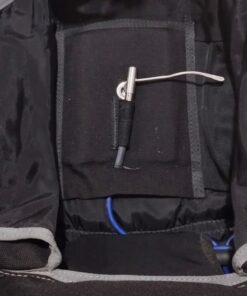


used Wings ext w2 2009

€8,000.00
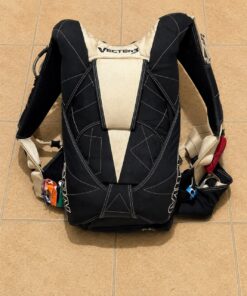
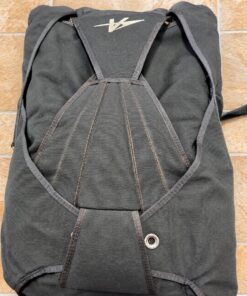
Used Wings EXT W2 Complete Skydiving Rig – Product Description
This Used Wings EXT W2 complete skydiving rig is a well-kept, professionally stored setup built around proven components and offered as a strong option for an experienced jumper looking for a compact, performance-oriented system.
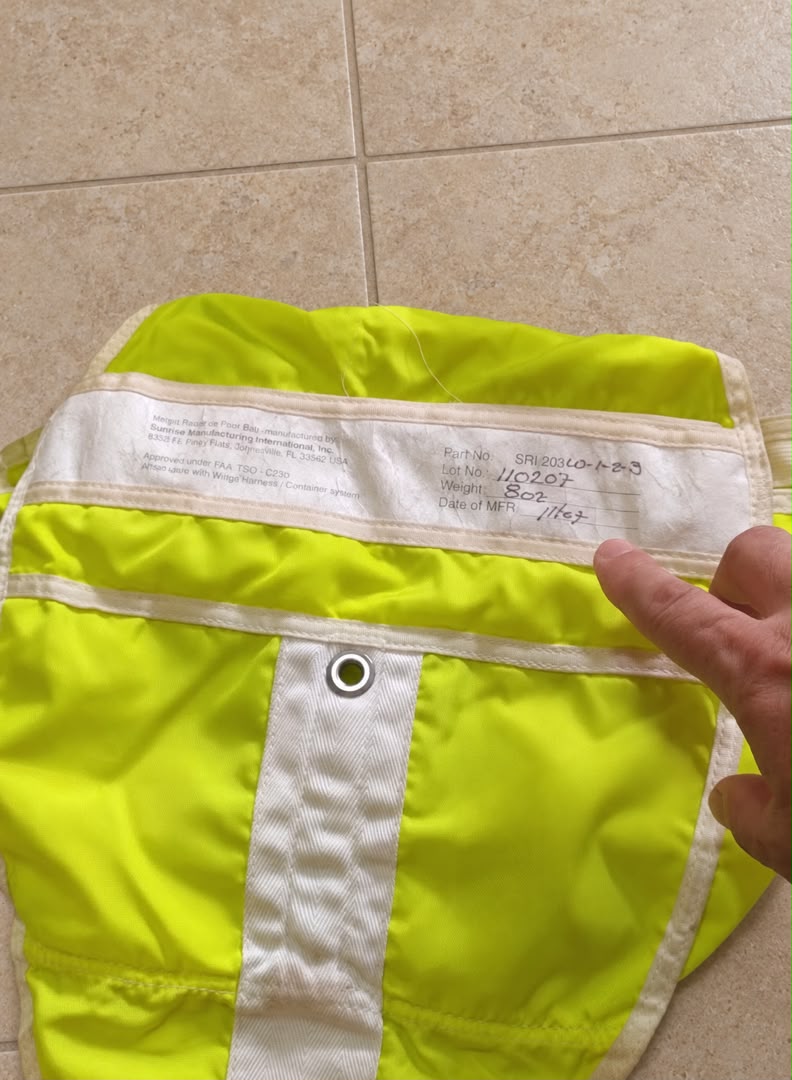
The harness/container is a Wings EXT W2, designed around approximately 107–135 sq ft canopy sizes, with the supplied fit information indicating suitability for a jumper around 1.75 m tall. The complete system has approximately 400 reported jumps and is described as being in excellent overall condition, with no reported material damage or repairs.
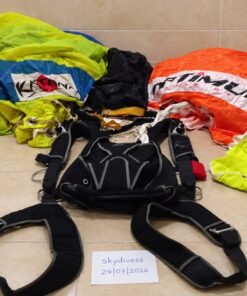
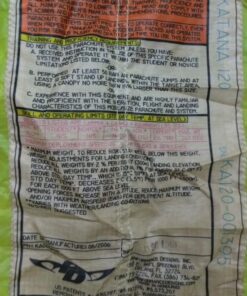
The main canopy is a Performance Designs Katana 120, manufactured in 06/2006. It is a responsive, fully elliptical 9-cell canopy intended for experienced and current pilots who are comfortable with dynamic flight characteristics, strong flare performance, and a long recovery arc.
The reserve is a Performance Designs Optimum 126, manufactured in 01/2008, with no reported reserve deployments. The Optimum is known for its low-bulk construction, predictable flight characteristics, and strong flare performance.
The rig also includes a Vigil 2 one-pin AAD, manufactured in 2009. It is reported as fully functional; however, due to its age and maintenance requirements, it should be professionally serviced and its battery/service status confirmed before use.
The system was inspected in 2018 and then stored properly without use, which is a positive part of its history. Even so, because of the extended storage period and age of the components, the complete rig should receive a current inspection before returning to service. This should include the harness and container, risers, main canopy, line set, reserve, deployment components, hardware, closing loops, and AAD.
Key Details
- Harness/Container: Wings EXT W2
- Approximate Main Size Range: 107–135 sq ft
- Suggested Fit: Around 1.75 m, subject to actual body measurements
- Approximate Total Jumps: 400
- Condition: Very well kept
- Reported Damage: None
- Reported Repairs: None
- Last Inspection: 2018
- Storage: Properly stored and unused afterward
- Main Canopy: PD Katana 120
- Main DOM: 06/2006
- Reserve: PD Optimum 126
- Reserve DOM: 01/2008
- Reserve Deployments: None reported
- AAD: Vigil 2, one-pin
- AAD DOM: 2009
- AAD Status: Reported functional but requires maintenance/service verification
This package stands out because it combines a well-preserved harness/container with a high-performance main, compact reserve, and established electronic activation system in one complete setup. For the right jumper, it can represent very good value, particularly after a qualified rigger confirms current condition, fit, canopy compatibility, reserve serviceability, and AAD maintenance status.
Used Wings EXT W2 Complete Skydiving Rig – PD Katana 120, PD Optimum 126 Reserve & Vigil 2 AAD
Used Wings EXT W2 Complete Rig Overview, Condition, Components, Fit, Main Canopy, Reserve and AAD
The Used Wings EXT W2 complete skydiving system is a well-kept equipment package built around a Wings harness/container, a Performance Designs Katana 120 main canopy, a Performance Designs Optimum 126 reserve, and a Vigil 2 one-pin automatic activation device. Based on the information provided, the components were manufactured between 2006 and 2009, the equipment has approximately 400 reported jumps, no material damage or repairs have been reported, and the system was inspected in 2018 before entering long-term storage.
Because this equipment has been stored for an extended period, its condition should not be judged solely from its appearance or previous inspection. Before returning it to service, a qualified rigger should perform a complete inspection, reserve repack, harness/container assessment and compatibility check. The Vigil 2 also requires specific attention: Vigil currently states that its units have a 20-year service life from DOM, while batteries manufactured before October 2018 had an expected life of 10 years. Therefore, a 2009 unit remains within the manufacturer’s 20-year overal used Wings ext w2 2009l service window in 2026, but its battery/service status must be addressed before use.
Wings EXT Harness/Container
The harness/container is the foundation of this parachute rig.
Wings systems are manufactured by Sunrise Manufacturing and are designed around reliability, comfort and serviceability. Current manufacturer documentation emphasizes that canopy fit should be confirmed using the exact container model, serial number and canopy because pack volume varies between canopy designs and environmental conditions.
The seller-provided sizing information indicates compatibility with approximately 107-135 square-foot main-canopy sizes, although exact compatibility should be verified against the specific W2/EXT serial number rather than assumed from size alone.
Harness Fit Around 1.75 m
The supplied information describes the harness as suitable for a person around 1.75 m tall.
However, height alone cannot determine harness fit. Torso length, chest, waist, hip-to-hip measurement, thigh dimensions and inseam can all influence fit. Wings’ current order documentation uses multiple body measurements for proper harness sizing.
Consequently, a prospective buyer should physically try the system or have an experienced rigger evaluate fit.
Approximately 400 Reported Jumps
Your supplied note says approximately 400 “Horses,” which appears to refer to roughly 400 jumps.
If approximately 400 jumps is the intended history, that represents moderate previous use rather than a nearly unused system. Condition is therefore more important than the number alone.
Webbing, stitching, hardware, risers, handles, closing loops, deployment components and canopy fabric should all be inspected.
No Reported Damage or Repairs
The rig is described as super well kept with no material damage and no repairs.
That is an important selling point because undocumented repairs or damaged structural webbing can significantly affect the value of used equipment.
Nevertheless, a current professional inspection remains necessary after prolonged storage.
Inspected in 2018 and Properly Stored
The system was reportedly inspected in 2018 and then placed into proper storage.
Long-term storage can preserve equipment exceptionally well when the environment is cool, dry, clean and protected from ultraviolet radiation, chemicals and moisture.
However, an inspection completed eight years ago should not be treated as a current airworthiness assessment.
PD Katana 120 Main Canopy – DOM 06/2006
The main is a Performance Designs Katana 120, manufactured in June 2006.
Performance Designs describes the Katana as a highly tapered, fully elliptical 9-cell canopy intended for advanced to expert canopy pilots. Its characteristics include soft openings, a long recovery arc, steep glide, broad speed range, light front-riser pressure and a powerful, dynamic flare.
PD’s published sizing information lists the Katana 120 at 120 square feet and explicitly cautions that transitioning canopy types does not automatically justify downsizing.
Why the Katana 120 Requires Experience
This is not an entry-level main.
Its steep trim and responsive handling make it suitable for an experienced jumper pilot with appropriate currency, canopy progression and coaching.
Anyone researching a skydiving downsizing chart or the smallest canopy they can jump should not select this wing purely from body weight or jump numbers.
Actual suitability depends on exit weight, previous canopy experience, landing consistency and current skill.
Katana Flight Characteristics
During normal canopy flight, the Katana offers a dynamic and highly responsive character.
Its long recovery arc and steep glide provide experienced pilots with considerable performance, while its flare can generate substantial stopping power when flown correctly.
These characteristics also mean that conservative decision-making and accurate pattern planning remain essential.
Landing and Riser Performance
Searches for landing flight risers often relate to advanced canopy control.
The Katana is known for light front-riser pressure and a long, diving recovery characteristic.
Riser-based approaches should only be developed through appropriate canopy coaching and sufficient altitude margins.
PD Optimum 126 Reserve – DOM 01/2008
The reserve is a Performance Designs Optimum 126, manufactured in January 2008, with no reported deployments.
Performance Designs describes the Optimum as a low-bulk, low-permeability reserve with a rectangular 7-cell planform, predictable handling, smooth openings and strong flare capability.
Optimum 126 Technical Information
The manufacturer’s current reserve manual lists the Optimum 126 at 126 square feet, approximately 271 cubic inches pack volume, a maximum FAA suspended weight of 254 lb, and a maximum deployment speed of 150 knots under its TSO C23d certification.
Those are certification limits, not recommendations for an individual jumper.
Reserve With No Reported Rides
A reserve with no reported openings can be attractive in the used market.
However, age, storage history, repack history, fabric condition, line condition and previous inspection records remain important.
A rigger should fully inspect and repack it before use.
Vigil 2 One-Pin AAD – DOM 2009
The included automatic activation device is a Vigil 2 one-pin unit, DOM 2009.
The seller reports that it is functional, but the package is being offered at a special price because the device requires maintenance.
Current Vigil policy states that units remain eligible for servicing only within their 20-year service life.
Therefore, a 2009 unit is approaching the later portion of its supported life.
Vigil Battery and Service Requirement
Vigil states that batteries with a DOM before October 2018 had an expected life of 10 years.
Accordingly, the original battery status of a 2009 unit cannot simply be assumed acceptable in 2026.
The unit should be evaluated through the manufacturer or an authorized service channel before being relied upon.
Complete Skydiving Equipment List
A typical skydiving equipment list includes the harness/container, main canopy, reserve canopy, activation device where required, risers, deployment system, altimeter, appropriate clothing and protective equipment.
This package contains several of the central life-support components, although personal accessories remain separate.
Parts of a Parachute System
People searching parts of a parachute will encounter the main canopy, reserve, risers, lines, slider, deployment bag, pilot chute, bridle, harness, container, handles and activation system.
The combination offered here creates a nearly complete skydiving rig, but every component should be confirmed for compatibility before use.
Skydiving Rigging and Inspection
Professional skydiving rigging is essential with equipment of this age.
A rigger should inspect structural webbing, harness stitching, three-ring assemblies, reserve system, closing loops, cables, housings, risers, deployment bag, pilot chute and reserve compatibility.
Linewear Assessment
Linewear on the main canopy should be inspected carefully.
Even if the canopy has been stored for years, the line set may reflect the previous jump history.
Trim and condition can influence openings, flight and landing performance.
Container and Canopy Compatibility
Anyone researching a container skydive setup should understand that nominal canopy size does not guarantee fit.
Wings specifically recommends checking the current compatibility information and contacting the manufacturer with the serial number and exact canopy model where necessary.
Skydiving Helmet Selection
A skydiving helmet, skydive helmets, sky helmet skydiving, sky diving helmet, full face skydiving helmet, skydiving helmet full face, g35 helmet, best skydiving helmet, and cookie g4 helmet are personal protective choices rather than parts of this used rig package.
Helmet fit and intended discipline should be considered independently.
Eye Protection
Searches for skydiving glasses, skydiver goggles, and can you wear glasses while skydiving concern personal eye protection.
Corrective glasses can often be accommodated through suitable goggles or compatible full-face helmets.
Hook Knife Equipment
Terms such as hook blade knife, hook knife skydiving, and skydive hook knife describe emergency cutting tools used by some jumpers.
A hook knife is separate from this rig unless specifically included.
Freefly Deployment Systems
The phrase freefly pud handle refers to a specific style of deployment handle.
Any deployment handle must remain secure for the intended discipline and compatible with the installed main pilot-chute system.
Tracking Jump Applications
A tracking jump involves significant horizontal freefall movement.
Proper separation before deployment is essential regardless of the container being used.
Freefall Speed
Queries for skydiving speed or speed sky diving concern freefall disciplines rather than the age or performance specification of this rig.
Higher-speed disciplines also make secure handles and correctly maintained equipment particularly important.
CRW Skydiving
crw skydiving involves specialized canopy-relative flying.
The Katana should not automatically be considered a purpose-built wing for this discipline.
Equipment and canopy choices should match specific training requirements.
Wingsuit Use
Searches for wingsuit sport, vector wingsuit, wingsuit, gliding suit wingsuit, skydiving gliding suit, fly suits, wing suits for sale, and price of wingsuit relate to specialized freefall equipment.
A rig used for wingsuiting should be configured appropriately by experienced professionals.
Indoor Wingsuit and Tandem Wingsuit
An indoor wingsuit activity does not require a parachute system in the same manner as aircraft jumping.
Likewise, tandem wingsuit searches concern specialized activities and should not be confused with normal sport-rig suitability.
BASE Equipment Is Different
Search terms including base jumping, baseline jumping, and base canopy describe a separate discipline.
A sport skydiving harness/container and reserve system should not automatically be treated as BASE equipment.
Alternative Main Canopies
Jumpers researching safire 3 or fluid wings products may compare different main-canopy designs.
However, the included fully elliptical main occupies a more advanced performance category than many general-purpose sport mains.
Gear Bag and Storage
A gear bag skydive setup can protect the complete system during transport.
Long-term preservation depends on keeping equipment away from moisture, chemicals, extreme heat and prolonged sunlight.
Parachute Jump Australia
Searches for parachute jump australia, skydive byron bay, and cairns skydiving relate to Australian jumping locations.
Before taking personally owned equipment to another country or drop zone, users should confirm local rules and inspection requirements.
Weight Limit Skydiving
Weight limit skydiving is directly relevant to this package.
Both the main wing loading and reserve certification must be considered using the jumper’s complete exit weight, not body weight alone.
Belize Skydiving
Terms such as skydiving blue hole belize and skydive belize concern destination jumping.
Traveling with an older rig requires careful documentation and confirmation that the system meets local and drop-zone requirements.
Indoor Training
ifly colorado springs relates to indoor freefall training.
Tunnel experience can improve body-flight skills, but it does not replace canopy training or equipment-specific instruction.
Activation System Searches
The terms fire parachute and cypress fire skydiving may lead users to emergency or activation-system information.
This package uses a Vigil device rather than a CYPRES, and its service status must be evaluated according to Vigil’s own requirements.
Nude Skydiving Searches
The terms nude parachute jump and skydiving nude describe novelty activities rather than equipment characteristics.
They have no bearing on the construction or serviceability of this system.
New and Latest Skydiving Searches
Searches for new skydive, #skydiving latest, or a general skydiving website can lead to current equipment information.
For an older system, manufacturer manuals, service bulletins and a current rigger inspection are considerably more important than informal online information.
Skydiving Tube
A skydiving tube is a specialized freefall prop and has no direct relationship to the included container, main, reserve or activation device.
Why This Complete Set Stands Out
The strongest attraction is the combination of a well-kept Wings harness/container, a sophisticated 120-square-foot main, a low-bulk 126-square-foot reserve with no reported rides, and a one-pin automatic activation device in one coordinated package.
Furthermore, the system has reportedly remained free from structural damage and repairs and has been properly stored.
Important Buyer Considerations
Because the main dates from 2006, reserve from 2008 and activation device from 2009, age and storage history must be considered alongside physical appearance.
The 2018 inspection is useful history, but it does not replace a current evaluation.
The automatic activation device specifically needs servicing attention before use.
Overall Used Wings EXT W2 Package
This package offers an appealing combination for an experienced jumper looking for a compact used system with established components. The Katana 120 provides advanced, responsive main-canopy performance, while the Optimum 126 provides a low-bulk reserve designed for predictable flight and strong flare characteristics.
Most importantly, the entire system should be professionally inspected, the reserve repacked, the harness fit confirmed, exact canopy-container compatibility checked, and the Vigil unit serviced before being returned to active jumping.
Real-World Flight Performance, Harness Fit, Main and Reserve Compatibility, AAD Readiness, Opening Behavior, Landing Control, and Practical Ownership
This complete sport system combines an advanced main canopy, low-bulk reserve, harness/container, and automatic activation device in a configuration intended for an experienced and current jumper. Because the components span several manufacture years and the equipment has been stored for an extended period, the most important priorities are current inspection, correct harness fit, compatibility between all installed components, reserve serviceability, and confirmation that the activation device is within an acceptable maintenance state.
Overall Equipment Character
The system should be viewed as a complete life-support setup rather than as a collection of individual parts.
Every major component affects the operation of the others.
Container size, canopy volume, riser arrangement, reserve installation, activation device placement, and harness fit all need to work together correctly.
Harness Fit
Correct harness fit is essential.
A harness that is too large can move excessively during freefall or deployment.
A harness that is too small can restrict movement and create uncomfortable loading.
Torso Length
Overall height alone does not determine fit.
Torso length has a major influence on how the container sits against the back.
The main lift web should position the system correctly without excessive movement.
Leg-Strap Position
Leg straps should sit securely and comfortably.
They should not slide excessively toward the knees or create uneven pressure.
Proper adjustment helps distribute opening forces.
Chest-Strap Position
The chest strap should remain correctly positioned and adjusted.
Its purpose is not to carry the primary suspended load.
Overtightening can reduce comfort and affect movement.
Container Position
The container should sit naturally against the jumper’s back.
It should not hang unusually low or ride excessively high.
Correct positioning supports stable freefall and deployment.
Main-Canopy Handling
The installed main is a highly responsive design intended for experienced pilots.
It can produce quick control response and dynamic flight characteristics.
Therefore, smooth input and disciplined altitude awareness are important.
Opening Behavior
Opening performance should be evaluated carefully after long-term storage.
The first return-to-service jumps should focus on observation rather than aggressive flying.
Any repeated heading changes, unusual inflation, or excessively hard openings should be investigated.
Deployment Stability
Stable body position can improve opening consistency.
Shoulders and hips should remain symmetrical.
Unnecessary movement during deployment can influence heading.
Slider Function
The slider should move correctly during inflation.
Its fabric and grommets should be inspected for wear or damage.
A slider that hangs unusually or descends unevenly deserves attention.
Suspension-Line Condition
The main line set should be inspected along its full length.
Look for wear, glazing, broken fibers, uneven trim, contamination, or damage.
Previous jump count alone does not determine remaining service life.
Line Trim
Line dimensions can change gradually over time.
Trim changes may affect openings, turn response, glide, and flare behavior.
A professional measurement can determine whether replacement is needed.
Toggle Response
Steering input should feel predictable.
Any noticeable difference between left and right control pressure should be investigated.
Uneven brake settings can affect both openings and landing performance.
Front-Riser Response
Front-riser input on an advanced canopy can significantly increase speed and descent.
These inputs should only be used by appropriately trained pilots.
Conservative handling is especially important when returning older equipment to service.
Rear-Riser Response
Rear-riser input can provide useful directional control.
However, the pilot should understand the canopy’s response before relying on it.
Practice should occur at safe altitude.
Recovery Characteristics
An advanced wing may continue diving after aggressive input.
The pilot should understand how long the canopy takes to recover.
Altitude margins should always be generous.
Pattern Discipline
A predictable landing pattern improves safety.
The pilot should plan the downwind, base, and final approach before entering the pattern.
Last-minute corrections increase risk.
Traffic Management
Awareness of surrounding canopies is essential.
Faster wings can close distance quickly.
The pilot should maintain clear separation and avoid unpredictable movement.
Final Approach
The final approach should be stable.
Unnecessary low-altitude turns should be avoided.
The pilot should prioritize a controlled landing over attempting to improve an imperfect setup.
Flare Timing
Flare timing should be learned through conservative approaches.
A powerful wing can generate substantial lift when the flare is initiated correctly.
Poor timing can result in hard landings.
Flare Symmetry
Both toggles should move evenly.
Uneven input can create unwanted heading change.
Smooth, progressive movement is preferable to abrupt control.
Landing Surface
Surface condition should be considered before every jump.
Wet grass, uneven terrain, gravel, or obstacles can increase landing risk.
A clear open area is preferable when evaluating unfamiliar equipment.
Wind Conditions
Wind can change the way the canopy approaches and lands.
Strong, gusty, or turbulent conditions are not ideal for first jumps after a long storage period.
Stable conditions make evaluation easier.
Density Altitude
Hot temperatures and high elevation can increase landing speed.
The pilot should consider these conditions when planning the approach.
A familiar canopy may feel noticeably different.
Reserve Condition
The reserve should be fully inspected before use.
Age alone does not determine condition.
Fabric, lines, stitching, slider, attachment points, and deployment components all matter.
Reserve Repack
A current reserve repack should be completed before the system returns to service.
The rigger can use the repack as an opportunity to inspect the complete reserve assembly.
This is especially important after prolonged storage.
Reserve Compatibility
The reserve must match the container correctly.
Pack volume should neither be excessively tight nor excessively loose.
A qualified rigger should confirm the fit.
Reserve Risers
Reserve risers should be inspected for wear, damage, and correct routing.
The three-ring and release systems on the main side should also be checked separately.
Automatic Activation Device
The electronic activation unit requires particular attention.
Its age and maintenance status must be reviewed before use.
Functional appearance alone does not confirm serviceability.
Battery Status
The battery should be checked according to manufacturer requirements.
Long-term storage can affect battery condition.
A service center should confirm whether replacement or full maintenance is required.
Cutter and Control Unit
The cutter, display, cables, and control components should be inspected.
Damage, corrosion, or unusual display behavior should be addressed.
A successful startup test does not replace formal servicing.
Harness Webbing
Structural webbing should be checked carefully.
Look for abrasion, cuts, burns, discoloration, or damaged stitching.
High-load areas deserve particular attention.
Three-Ring System
The release system should be clean and correctly assembled.
Rings should move freely.
Cables should be clean and properly routed.
Cutaway Handle
The cutaway handle should remain secure and accessible.
Its cables should move freely.
Any excessive resistance should be investigated.
Reserve Handle
The reserve handle should sit securely in place.
The cable and housing should be inspected.
Handle position should also suit the jumper’s body dimensions.
Main Deployment System
The pilot chute, bridle, deployment bag, closing loop, and pin should be inspected.
Long-term storage can affect elastic components and soft materials.
Any degraded parts should be replaced.
Closing Loop Condition
The main closing loop should remain free from excessive wear.
A worn loop can compromise container security.
Replacement is inexpensive compared with the importance of the component.
Pilot-Chute Condition
Pilot-chute fabric, mesh, stitching, and handle attachment should be checked.
Spring strength or collapsible mechanisms should function correctly where applicable.
Bridle Inspection
The bridle should remain free from cuts and damaged stitching.
Its attachment points should also be secure.
Any unusual wear should be corrected.
Deployment-Bag Condition
The deployment bag should remain structurally sound.
Grommets and locking-stow areas should be inspected.
Elastic components may require replacement after long storage.
Storage History
Proper storage is a major positive factor.
A cool, dry environment away from sunlight and chemicals can preserve equipment well.
However, the exact current condition still needs to be confirmed physically.
Moisture Exposure
The rig should be checked for mildew, corrosion, odor, or hidden moisture damage.
Metal components and internal areas deserve attention.
Any sign of water exposure should be investigated.
Ultraviolet Exposure
Long-term sunlight can weaken fabric and webbing.
Color fading can sometimes indicate exposure.
Even visually clean equipment should be checked carefully.
Hardware Condition
Metal hardware should remain free from corrosion, deformation, and sharp edges.
Buckles and adjusters should move correctly.
Any rough surface that could damage webbing deserves attention.
Pre-Jump Inspection
Before the first return-to-service jump, a complete inspection should be completed.
Harness fit, reserve status, main condition, activation device, handles, pins, risers, and deployment system should all be confirmed.
First Return-to-Service Jump
The first jump should be conservative.
The pilot should focus on opening behavior, control symmetry, general flight, and a straightforward landing pattern.
Aggressive maneuvers should be avoided.
Post-Jump Review
After landing, the system should be inspected again.
Any unusual opening, control feel, or equipment movement should be discussed with a rigger or instructor.
Early review can identify issues quickly.
Used Equipment Value
A well-kept older system can offer excellent value.
The important factors are condition, compatibility, maintenance history, and current inspection status.
A visually clean rig should still be evaluated as technical life-support equipment.
Long-Term Ownership
Proper ownership means keeping accurate service records, protecting the system during transport, storing it correctly, and scheduling inspections when needed.
Regular attention helps preserve both function and resale value.
Overall Practical Suitability
This complete setup can be an attractive option for an experienced jumper seeking a well-maintained system with an advanced main, compact reserve, established harness/container, and electronic activation device. Its age means that current inspection and servicing are essential, but proper storage and the absence of reported repairs are positive factors. Once the harness fit, canopy compatibility, reserve condition, deployment components, and electronic device have all been professionally confirmed, the system can provide a practical and capable platform for continued sport use.
Fabric Integrity, Harness Webbing, Reserve Condition, Activation Device Serviceability, Hardware Inspection, Storage Effects, and Long-Term Reliability
A complete sport parachute system that has been stored for several years should be evaluated as an integrated life-support system rather than as a collection of individual components. The condition of the harness, container, main canopy, reserve, electronic activation device, risers, handles, pilot chute, deployment bag, closing loops, hardware, and stitching all influence whether the system is suitable for continued use. Even when the equipment looks exceptionally clean and has no reported repairs, prolonged storage makes a current professional inspection essential before returning it to service.
Overall Condition Assessment
The first step is a complete visual and functional assessment.
The equipment should be examined for wear, contamination, moisture exposure, structural damage, and material aging.
A clean appearance is positive, but it does not confirm that every internal component remains serviceable.
Harness Webbing Integrity
The structural webbing carries the suspended load during opening and flight.
It should remain free from cuts, burns, abrasion, broken fibers, and chemical contamination.
Any damage in high-load areas requires professional evaluation.
Main Lift Web
The main lift web should be inspected closely.
This is one of the most important structural sections of the harness.
The stitching, webbing surfaces, hardware interfaces, and adjustment areas should all remain intact.
Leg Straps
The leg straps should be checked for wear, deformation, and damaged stitching.
Hardware should move smoothly without sharp edges.
Any excessive wear around adjustment points deserves attention.
Chest Strap
The chest strap should remain structurally sound.
Webbing should not show fraying, cuts, or unusual stiffness.
The buckle should function smoothly and hold securely.
Harness Stitching
Structural stitching should remain consistent throughout the harness.
Broken, loose, or pulled stitches can indicate wear or previous loading.
High-stress areas deserve especially careful examination.
Container Fabric
The container fabric should remain free from tears, abrasions, burns, and weakened areas.
Corners and flap edges often experience the most wear.
The interior should also be checked for hidden damage.
Main Container Condition
The main container should close properly.
Flaps should align correctly and remain free from distortion.
Any unusual stiffness or deformation should be investigated.
Reserve Container Condition
The reserve container requires particularly careful inspection.
Reserve flaps, pin protection, closing loop area, and internal surfaces should remain in good condition.
Nothing should interfere with proper reserve deployment.
Three-Ring Release System
The release system should be clean and correctly assembled.
The rings should move freely.
Webbing around the attachments should remain undamaged.
Release Cables
The cables should remain smooth and clean.
They should move freely inside the housings.
Excessive contamination or corrosion can increase pull force.
Cable Housings
The housings should remain firmly attached and free from crushing or damage.
Routing should be correct.
Any deformation should be inspected by a qualified rigger.
Cutaway Handle
The cutaway handle should remain secure but easily accessible.
The attachment pocket should hold it properly.
Its position should also suit the wearer.
Reserve Handle
The reserve handle should remain securely seated.
Its cable should be free from corrosion or damage.
The housing and attachment points should also be checked.
Main Pilot Chute
The pilot chute should be inspected carefully after long-term storage.
Fabric, mesh, stitching, kill line, handle attachment, and bridle connection should all remain serviceable.
Collapsible Mechanism
If a collapsible system is fitted, its kill line and internal mechanism should move correctly.
Shrinkage or wear can affect performance.
Any doubt should be addressed during servicing.
Bridle Condition
The bridle should remain free from cuts, burns, excessive abrasion, and damaged stitching.
Its connection points should be secure.
A weakened bridle should be replaced.
Deployment Bag
The deployment bag should remain structurally sound.
Fabric, stitching, grommets, and locking-stow areas should be inspected.
Long-term storage can affect elastic components.
Rubber Bands and Elastic Components
Rubber and elastic materials can deteriorate with age even when they have not been used.
Cracked, hardened, or weak components should be replaced.
This is a simple but important part of returning the system to service.
Main Closing Loop
The closing loop should be inspected for wear.
Fraying, glazing, or flattening can indicate that replacement is needed.
Closing loops are inexpensive and should not be kept in service when questionable.
Main Closing Pin
The pin should remain smooth and properly shaped.
Sharp edges can damage the closing loop.
The attachment to the bridle should remain secure.
Reserve Closing Loop
The reserve closing loop should be evaluated during the repack.
Its length and condition must match the container and reserve configuration.
This work belongs to a qualified rigger.
Reserve Pin
The reserve pin should remain clean and smooth.
The pin-cover flap should protect it correctly.
There should be no distortion or interference.
Main Canopy Fabric
The main canopy should be inspected for tears, burns, holes, abrasion, and contamination.
Even a well-kept canopy can develop age-related issues.
Fabric condition matters more than appearance alone.
Main Canopy Seams
Structural seams should remain intact.
Loose or broken stitching should be repaired according to approved methods.
Attachment areas deserve particular attention.
Main Suspension Lines
The line set should be inspected along its full length.
Look for fuzzing, glazing, uneven wear, broken fibers, and shrinkage.
A line-set inspection can reveal whether replacement should be considered.
Line Trim
Line dimensions can change over time.
Changes in trim can affect openings, flight characteristics, recovery behavior, and flare performance.
Measurement is more reliable than visual judgment alone.
Steering Lines
Steering lines usually see considerable handling.
They should be checked for wear and correct length.
Brake settings should also be verified.
Slider Condition
The slider should remain free from tears or damaged stitching.
Its grommets should be smooth.
Sharp or damaged grommets can wear suspension lines.
Main Canopy Attachment Points
Line attachment points should remain secure.
The reinforcement around them should show no tearing or distortion.
Any damage here is significant.
Reserve Fabric
The reserve should receive a full professional inspection.
Low deployment history is positive, but age and storage environment still matter.
Fabric, seams, lines, slider, and attachment points should all be checked.
Reserve Line Condition
Reserve lines should remain free from damage and contamination.
Their continuity and attachment points should be confirmed during the repack.
No assumptions should be made based solely on lack of previous deployments.
Reserve Packing History
An older reserve benefits from complete documentation.
Previous repack dates and inspection notes can help establish the system’s history.
Current repack requirements should be followed before use.
Electronic Activation Device
The electronic activation system deserves special attention after prolonged storage.
Power-up alone does not prove full serviceability.
Battery condition, cutter status, display, control unit, and service life should all be reviewed.
Battery Condition
Battery age should be checked carefully.
Long storage can affect battery performance.
Any battery replacement or scheduled maintenance should be completed before the device is relied upon.
Cutter Condition
The cutter should remain correctly installed.
Its cable should show no damage.
The routing through the reserve system must be confirmed during servicing.
Control Unit
The control display should remain clear and functional.
Buttons, cable routing, and connections should be inspected.
Any unusual behavior should be addressed before use.
Harness Fit After Storage
The harness should be tried on again before returning the system to service.
Body dimensions may have changed.
A system that once fit correctly may no longer fit the same way.
Metal Hardware
Buckles, rings, adjusters, housings, and other metal parts should remain free from corrosion.
Sharp edges can damage webbing.
Any unusual stiffness should be investigated.
Corrosion Inspection
Moisture can create corrosion in areas that are not immediately visible.
Hardware beneath webbing or inside housings deserves careful attention.
Even minor corrosion should be evaluated.
Moisture Damage
The system should be checked for mildew, staining, odor, or stiffened fabric.
Moisture can affect both textile and metal components.
Any evidence of prolonged dampness should trigger deeper inspection.
Ultraviolet Damage
Prolonged sunlight can weaken textile materials.
Fading can sometimes indicate exposure.
Equipment should be stored away from direct sunlight whenever possible.
Chemical Contamination
Fuel, oils, solvents, batteries, and cleaning chemicals can damage parachute materials.
Any suspected exposure should be discussed with a rigger.
Contaminated components may require replacement.
Heat Exposure
High temperatures can affect fabrics, elastic materials, adhesives, and electronics.
The system should not be stored for long periods in a hot vehicle or attic.
Stable indoor storage is preferable.
Cold Storage
Cold alone is generally less damaging than heat, but repeated temperature cycling can create condensation.
The system should remain dry.
It should be allowed to acclimate gradually before use.
Gear Bag Condition
A protective bag should remain clean and dry.
It should prevent unnecessary abrasion during transport.
A contaminated or damp bag can transfer problems to the equipment inside.
Long-Term Storage Position
The system should not remain crushed under heavy objects.
Prolonged compression can deform components.
The container should be stored in a way that avoids unnecessary pressure.
Pre-Service Inspection
Before any return-to-service jump, the entire system should undergo a current inspection.
The main, reserve, harness, container, hardware, handles, deployment components, and electronics should all be addressed.
Reserve Repack
A full reserve repack is essential.
This gives the rigger an opportunity to inspect the reserve canopy, container, closing loop, cutter routing, and associated hardware.
Main Reassembly Check
The main canopy should be reassembled carefully.
Line continuity, riser orientation, soft or metal links, brake settings, and deployment components should all be verified.
First Jump After Storage
The first return-to-service jump should be conservative.
The goal should be to evaluate opening behavior, equipment fit, normal flight, and landing response.
Aggressive maneuvering should be avoided.
Post-Jump Inspection
After landing, the system should be inspected again.
Any unusual opening, harness movement, control feel, or equipment shift should be noted.
Early inspection can reveal problems quickly.
Documentation
Service work should be recorded.
Inspection dates, reserve repacks, electronic servicing, line work, and repairs should all be documented.
Good records improve both safety and resale value.
Used Equipment Evaluation
A future buyer should evaluate current condition rather than rely only on historical claims.
Stored equipment can remain excellent, but it should always be inspected independently.
Professional Servicing
Complex repairs, structural work, reserve assembly, and electronic-device servicing should only be performed by appropriately qualified specialists.
Improvised work has no place in life-support equipment.
Preserving Long-Term Value
Careful ownership can significantly extend the useful life of the system.
Keep it dry.
Protect it from sunlight.
Avoid chemical exposure.
Inspect it regularly.
Maintain complete records.
Address wear early.
Overall Long-Term Reliability
A well-kept older sport system can remain highly serviceable when it has been stored correctly and returned to use through proper professional inspection. Structural webbing, canopy fabric, suspension lines, reserve components, hardware, deployment equipment, and electronics all deserve individual attention. Once each element has been evaluated, serviced where necessary, correctly assembled, and documented, the system can provide dependable continued use while preserving both its functional integrity and long-term value.
Be the first to review “used Wings ext w2 2009”
Related products

used products

used products
used products

used products

used products
used products
Reviews
There are no reviews yet.