




Used PD Sabre 3 97


€2,380.00
Used PD Sabre3 97 – Custom Performance Designs Main Canopy
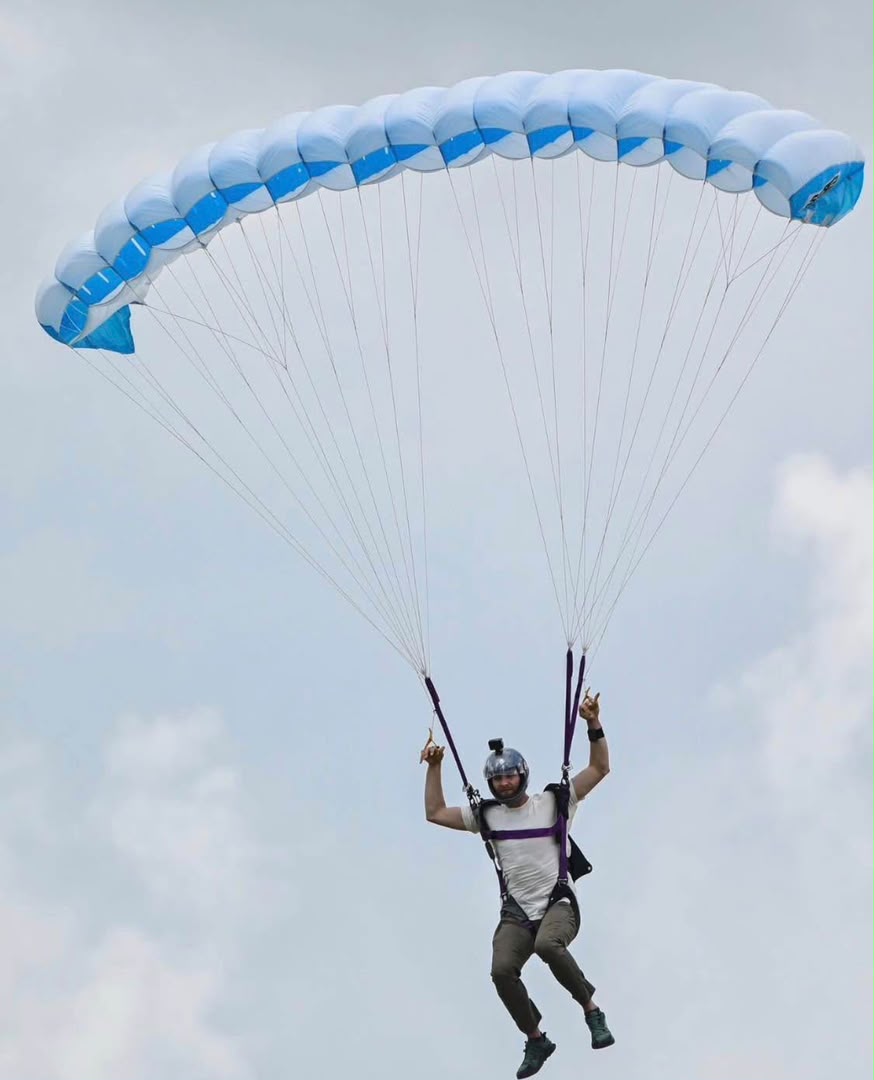
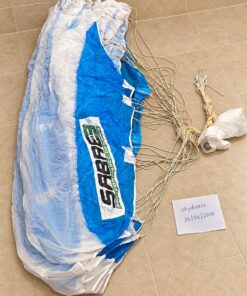
This Used PD Sabre3 97 is an exceptionally low-use custom Performance Designs main canopy with a DOM of 07/2026 and only three jumps. It comes equipped with 750 Vectran lines and PD Slinks, making it a highly attractive option for an appropriately experienced pilot looking for a nearly new, modern 9-cell wing.
The canopy is reported to deliver excellent staged openings with strong on-heading performance, followed by a lively and enjoyable flight. Its responsive handling, efficient glide, strong control authority, and powerful flare characteristics make it especially appealing to pilots who want a more dynamic flying experience than a larger entry-level main.
Because this is a 97-square-foot canopy, suitability depends heavily on the jumper’s exit weight, current canopy size, recent experience, currency, landing consistency, and overall progression. It should not be selected based on size or jump numbers alone. A qualified instructor, canopy coach, or rigger should confirm that the wing is appropriate for the intended pilot and compatible with the chosen harness-container system.
Key Details
- Model: Performance Designs Sabre3 97
- DOM: 07/2026
- Condition: Used, exceptionally low use
- Total Jumps: 3
- Construction: Custom Performance Designs wing
- Line Set: 750 Vectran
- Connectors: PD Slinks included
- Design: Modern 9-cell main canopy
- Opening Character: Staged and reported to be consistently on heading
- Flight Feel: Responsive, engaging, and precise
- Glide: Efficient with strong control authority
- Landing Performance: Powerful flare when correctly flown
- Recommended For: Appropriately experienced and current canopy pilots
With such a recent manufacture date and only three jumps, this canopy offers a rare opportunity to purchase a virtually new custom wing without starting with a heavily used line set or fabric. The low-use condition also means there has been minimal exposure to packing abrasion, repeated deployments, line wear, and general operational stress.
Before being placed into service, the canopy should still receive a full professional inspection covering the fabric, stitching, suspension lines, slider, connectors, steering lines, line continuity, and attachment points. Container compatibility and pack volume should also be confirmed.
For the right pilot, this Sabre3 97 combines near-new condition, modern opening performance, responsive handling, quality line construction, and strong landing characteristics in a compact high-performance package. It is an excellent choice for someone seeking a fresh, low-jump main canopy with documented recent manufacture and very limited use.
Used PD Sabre3 97 – Custom Performance Designs 9-Cell Main Canopy, DOM 07/2026, 750 Vectran Lines, PD Slinks, Only 3 Jumps
Used PD Sabre3 97 Overview, Condition, Flight Character, Openings, Line Set, Precision, and Skydiving Applications
The Used PD Sabre3 97 is an exceptionally low-jump custom main canopy from Performance Designs, manufactured in July 2026 and showing only three jumps. It comes equipped with 750 Vectran lines and genuine PD Slinks, creating a highly attractive package for an appropriately experienced canopy pilot who wants a modern, responsive 9-cell wing without buying a brand-new canopy.
Performance Designs currently describes the Sabre3 as a dynamic wing with crisp, predictable responses, a long recovery arc, progressive and manageable front-riser characteristics, a steep glide, strong rear-riser performance, a powerful bottom-end flare, and redesigned openings. PD positions the range for pilots from novice/intermediate levels at moderate wing loading through advanced and expert pilots at higher wing loading, with suitability determined by size, loading, training, and experience. A 97-square-foot canopy is therefore a serious size whose suitability must be assessed individually with an appropriately qualified instructor or canopy coach rather than from canopy size alone Used PD Sabre 3 97.
DOM 07/2026 – Extremely Recent Manufacture
The stated DOM is 07/2026, making this an exceptionally recent example.
Age matters when evaluating used parachute equipment because fabric condition, line condition, storage history, exposure, and total use all contribute to value. With only three stated jumps, this canopy has seen very little flight use.
Nevertheless, every used main canopy should still receive an appropriate inspection before being placed into service.
Only Three Jumps
The most important condition detail is the remarkably low jump count.
This wing has three jumps.
Therefore, compared with heavily used equipment carrying hundreds of deployments, the fabric, line system, attachment points, slider system, and general construction have experienced very limited operational use.
The low jump number makes this an appealing option for a jumper seeking near-new equipment on the used market.
Custom Wing From Performance Designs
This is described as a custom wing from PD, rather than simply a generic stock canopy.
Performance Designs currently offers the Sabre3 through stock and custom ordering channels, allowing pilots to purchase configurations beyond standard inventory.
Consequently, buyers specifically searching for a distinctive modern parachute rig component may find this custom example particularly attractive.
750 Vectran Lines
The canopy comes with 750 Vectran lines.
Performance Designs currently offers an official Sabre3 97 replacement line set in 750 Vectran. PD categorizes 750 Vectran as a standard-duty line choice intended as a durable “work horse” option for the majority of sport jumpers rather than the lighter-duty competition-oriented alternatives.
With only three jumps stated on this canopy, the line set has correspondingly minimal reported use.
Genuine PD Slinks
The canopy also comes with PD Slinks.
Soft links provide the connection between the suspension lines and compatible risers when correctly installed and approved for the specific system.
As with every part of a parachute rig, correct compatibility and installation should be confirmed during professional gear inspection.
Staged Opening Characteristics
One of the standout qualities reported for this particular wing is its amazing staged opening.
That description is consistent with PD’s published Sabre3 characteristics. Performance Designs explains that the model was refined to provide progressive inflation, smooth staged openings, and reliable heading performance over a range of wing loadings and sizes.
Therefore, the canopy is designed to make the deployment sequence feel progressive rather than abrupt.
On-Heading Openings
The three reported jumps have also produced excellent on-heading openings.
PD specifically identifies improved heading performance, symmetrical inflation, and predictable opening behavior as major Sabre3 design goals.
Packing, body position, airspeed, equipment configuration, wing loading, and deployment conditions still influence every real-world opening.
Fun and Responsive Flight
Once fully inflated, this wing is designed to deliver an engaging flight experience.
PD describes immediate, crisp, predictable responses to control input and credits the Sabre3’s tail-rib design with improving aerodynamic efficiency over a broad flight range.
That responsive character explains why experienced canopy pilots frequently consider the model when they want something more dynamic than an entry-level main.
Canopy Flight and Precision
Good canopy flight is about much more than speed.
Heading control, predictable input response, glide management, altitude awareness, traffic awareness, and properly timed landing control are all critical.
PD lists progressive front-riser performance, strong rear-riser authority, and a powerful flare among the Sabre3’s defining characteristics.
Powerful Landing Performance
Landing performance is an important part of the design.
The wing offers a strong bottom-end flare according to PD.
However, flare characteristics depend heavily on wing loading, jumper technique, density altitude, wind, and the individual canopy.
Wing Loading and Downsizing
Anyone researching a skydiving downsizing chart should avoid choosing a 97-square-foot canopy solely because its physical size appears manageable.
Performance Designs explicitly separates recommended experience according to wing loading and pilot skill.
A smaller canopy can produce significantly different speed, recovery, and landing characteristics.
Appropriate professional guidance is therefore essential.
Smallest Canopy Considerations
The phrase smallest canopy often appears when jumpers compare downsizing options.
However, smaller does not automatically mean better.
The correct main should be selected around exit weight, experience, currency, previous canopy progression, landing proficiency, local conditions, and coaching.
Landing Flight Risers
Experienced pilots researching landing flight risers or rear-riser control will recognize that the Sabre3 is specifically praised by PD for its rear-riser performance.
Those characteristics belong within trained canopy-piloting progression and should not replace normal landing procedures or professional instruction.
Skydiving Rig Compatibility
Before installation into a skydiving rig, the buyer should verify container compatibility.
A qualified rigger should confirm that canopy pack volume, deployment components, risers, links, deployment bag, and associated equipment are compatible with the chosen container skydive system.
Parts of a Parachute
Jumpers researching the parts of a parachute will encounter the main canopy, suspension lines, slider, connector links, risers, deployment bag, pilot chute, bridle, harness/container, reserve, and activation components as parts of the complete system.
This listing concerns the main canopy and the specifically stated line/link components, not a complete rig unless otherwise specified.
Linewear Inspection
Even with only three reported jumps, linewear should always be checked.
A rigger can inspect line condition, trim, attachment points, cascades, steering lines, links, and continuity.
This remains worthwhile even on extremely low-jump equipment.
Skydiving Rigging
Professional skydiving rigging is essential when changing or installing canopy components.
Packing compatibility and equipment assembly should be assessed by appropriately qualified personnel.
Skydiving Equipment List
A complete skydiving equipment list normally includes far more than a main canopy.
Jumpers may also require a harness/container, reserve canopy, approved automatic activation device where required, altimeter, audible device, helmet, goggles, appropriate clothing, and other site-specific safety equipment.
Skydiving Helmet Choices
Searches for skydiving helmet, skydive helmets, sky helmet skydiving, sky diving helmet, skydiving helmet full face, full face skydiving helmet, g35 helmet, best skydiving helmet, and cookie g4 helmet concern personal protective equipment rather than characteristics of this wing.
Helmet choice should be considered separately from canopy selection.
Eye Protection and Glasses
The phrases skydiving glasses, skydiver goggles, and can you wear glasses while skydiving relate to eye protection during freefall.
Compatible goggles or full-face helmet arrangements can often accommodate corrective lenses, depending on the individual equipment.
Hook Knife Equipment
Search terms including hook blade knife, hook knife skydiving, and skydive hook knife concern emergency cutting tools carried by some skydivers.
They are not components of the canopy itself.
Freefly Equipment Considerations
A freefly pud handle is associated with deployment-handle configurations used on certain containers.
Compatibility and secure deployment-system design should be evaluated as part of the complete rig, not based solely on the main canopy.
Tracking Jump Use
A tracking jump involves horizontal freefall movement before deployment.
Regardless of jump type, adequate separation, appropriate deployment procedures, and proper training remain essential.
Skydiving Speed
Searches for skydiving speed and speed sky diving generally relate to freefall disciplines and high-speed flight rather than this canopy’s published performance specification.
Deployment conditions can influence openings, which is one reason equipment should be used within manufacturer and instructor guidance.
CRW Skydiving
crw skydiving refers to canopy relative work.
It is a specialized discipline requiring specific training and appropriate equipment choices.
This listing should not be interpreted as claiming that this particular canopy is optimized for CRW.
Wingsuit Sport
Searches for wingsuit sport, wingsuit, vector wingsuit, gliding suit wingsuit, skydiving gliding suit, fly suits, wing suits for sale, and price of wingsuit concern specialized body-flight equipment.
The main canopy and the wingsuit should be selected independently according to experience and manufacturer guidance.
Indoor Wingsuit and Tandem Wingsuit Searches
Terms including indoor wingsuit and tandem wingsuit refer to very different activities and equipment concepts.
Neither should be confused with the characteristics of this canopy.
BASE Jumping Terminology
The keywords base jumping, baseline jumping, and base canopy concern a separate parachuting discipline.
A sport skydiving main should never automatically be assumed suitable for BASE use.
Equipment, deployment environment, training, and design requirements differ significantly.
Safire 3 and Fluid Wings Comparisons
Buyers researching a safire 3 or fluid wings canopy may also encounter this model while comparing modern sport mains.
However, each canopy has its own design philosophy, recommended loading range, recovery characteristics, opening behavior, and handling.
Gear Bag and Transportation
A gear bag skydive setup should protect the canopy and complete rig from moisture, dirt, excessive sunlight, chemicals, and unnecessary abrasion.
Storage conditions are particularly important when preserving an almost-new wing.
Jumper Pilot Experience
The phrase jumper pilot highlights an important reality: once deployment is complete, the skydiver becomes a canopy pilot.
The individual must understand traffic, pattern planning, control response, flare behavior, and personal limitations.
Parachute Jump Australia
Someone searching parachute jump australia, skydive byron bay, or cairns skydiving may be researching Australian drop zones rather than purchasing equipment.
Local DZ rules, national requirements, equipment standards, and instructor recommendations should be checked before using personally owned gear.
Weight Limit Skydiving
The search phrase weight limit skydiving is especially relevant to canopy selection.
Exit weight affects wing loading directly.
Therefore, suitability cannot be determined from the 97-square-foot label alone.
Belize Skydiving Searches
Searches such as skydiving blue hole belize and skydive belize relate to destination jumping.
Before traveling with personal equipment, jumpers should verify local requirements, drop-zone policies, equipment documentation, and travel rules.
Indoor Skydiving Search
ifly colorado springs relates to indoor body-flight training rather than parachute equipment.
Wind-tunnel skills can support freefall development, but they do not replace canopy training.
Fire and Automatic Activation Searches
Terms such as fire parachute and cypress fire skydiving should not be confused with the main canopy.
Automatic activation equipment belongs to the reserve deployment system and must be maintained according to its manufacturer requirements.
Nude Skydiving Searches
Search terms such as nude parachute jump and skydiving nude describe novelty or event-related searches rather than equipment specifications.
They have no effect on the construction or performance of this wing.
New Skydive and Latest Skydiving Searches
The phrases new skydive, #skydiving latest, and skydiving website may be used by people researching current equipment, drop zones, or community information.
For technical decisions, manufacturer documentation and qualified riggers should carry more weight than general online discussion.
Skydiving Tube
A skydiving tube is typically associated with specialized freefall activities.
It is separate from this canopy’s design and included equipment.
Why This Used Canopy Stands Out
The strongest selling point is the combination of DOM 07/2026, only three jumps, custom PD construction, 750 Vectran lines, PD Slinks, and reported staged, on-heading openings.
Furthermore, the Sabre3 itself is engineered as a responsive modern 9-cell with a long recovery arc, progressive front-riser feel, strong rear-riser performance, powerful flare, and refined deployment characteristics.
For an appropriately experienced pilot whose exit weight, skills, currency, and progression make a 97-square-foot main suitable, this example offers the unusual opportunity to obtain a virtually new custom wing with only minimal reported use.
Opening Performance, Flight Character, Control Response, Landing Behavior, Pilot Suitability, and Real-World Use
A modern 97-square-foot nine-cell main canopy in nearly new condition offers a very different experience from larger, more forgiving wings. Its compact size, responsive control range, efficient planform, and energetic handling make it most appropriate for an experienced pilot whose training, currency, exit weight, and recent progression support this class of equipment. With only three reported jumps, the canopy has experienced very little operational use, which makes its condition especially attractive when paired with proper inspection and compatibility checks.
Opening Sequence
Opening behavior is one of the most important qualities of any sport main.
A good deployment should develop progressively rather than producing an abrupt transition from freefall to full inflation.
A staged inflation sequence allows the slider, cells, and suspension system to work together as the canopy reaches its final flying shape.
On-Heading Performance
Heading control during deployment is especially valuable.
A canopy that consistently inflates close to the jumper’s original heading reduces unnecessary corrections immediately after opening.
However, body position, packing technique, deployment airspeed, line condition, and environmental factors still influence every opening.
Symmetrical Inflation
A clean opening normally develops with both sides of the wing inflating evenly.
Symmetry helps reduce unwanted turns during deployment.
Any repeated asymmetrical behavior should be investigated rather than assumed to be normal.
Slider Performance
The slider plays a major role in controlling inflation.
It should move correctly along the suspension lines during deployment.
Its condition, grommets, fabric, and relationship with the line system should be checked during routine inspections.
Line Condition
A nearly new line set is a significant advantage.
Minimal use means there has been little opportunity for abrasion, contamination, repeated packing wear, or progressive dimensional change.
Even so, continuity and condition should still be verified before regular use.
Suspension-Line Inspection
The lines should remain free from excessive fuzzing, burns, cuts, broken fibers, and unusual discoloration.
Attachment points should also be examined carefully.
Any concern should be evaluated by a qualified rigger.
Soft-Link Condition
Soft connectors should sit correctly and show no signs of damage.
Their routing and installation should be verified whenever the canopy is assembled onto a new set of risers.
Correct installation is essential because these components carry the suspended load during flight.
Responsive Flight
Once fully open, the canopy is designed to feel lively and direct.
Control inputs can produce noticeable changes in heading and flight path.
This makes precise hand placement and smooth control movement especially important.
Toggle Response
Toggle input should feel progressive and predictable.
Small movements should be made smoothly rather than abruptly.
An experienced pilot benefits from learning exactly how much control input produces the desired change in heading.
Control Range
Understanding the full control range is essential.
The pilot should become familiar with normal flight, partial-brake positions, flare response, and the amount of remaining control travel available.
This knowledge should be developed gradually and within structured coaching.
Front-Riser Characteristics
Front-riser input changes the canopy’s flight path and increases performance demands.
These inputs should only be explored by pilots with appropriate experience and coaching.
The objective should always be controlled, predictable flight rather than aggressive maneuvering.
Rear-Riser Response
Rear-riser control can provide useful directional authority.
However, it should be practiced at appropriate altitude and under instruction.
The pilot must understand how the wing responds before relying on alternative control inputs in any demanding situation.
Recovery Characteristics
A responsive wing may continue through a significant recovery process after certain inputs.
This is why altitude awareness is critical.
Pilots should never assume that the canopy will return immediately to level flight after a dynamic maneuver.
Glide Performance
The canopy offers efficient forward flight.
That efficiency can be useful when managing the landing pattern and evaluating available landing areas.
However, glide performance changes with wind, loading, control input, and atmospheric conditions.
Pattern Planning
A disciplined landing pattern remains one of the most important elements of safe canopy flight.
The pilot should establish an appropriate downwind, base, and final approach while continuously evaluating traffic and landing conditions.
Sudden last-minute corrections should be avoided whenever possible.
Traffic Awareness
Small, responsive wings can cover ground quickly.
Therefore, awareness of surrounding canopy traffic becomes especially important.
The pilot should maintain separation and avoid creating conflicts with slower or less experienced jumpers.
Landing Approach
The final approach should be stable.
Unnecessary turns close to the ground increase risk.
A predictable approach also makes the pilot’s intentions easier for others to understand.
Flare Performance
A strong flare can provide excellent landing performance when it is timed and executed correctly.
The pilot should understand the canopy’s flare range rather than simply relying on previous habits from a larger wing.
Flare Timing
Timing becomes increasingly important as canopy size decreases.
Beginning too early can reduce available lift before touchdown.
Starting too late can leave insufficient time to convert speed into a controlled landing.
Flare Technique
The flare should be smooth and progressive.
Abrupt or uneven inputs can create unnecessary roll or heading changes.
Consistent practice helps develop an accurate sense of timing and control travel.
Wing Loading
Wing loading strongly influences speed, responsiveness, descent characteristics, and landing behavior.
The same canopy can feel very different under two jumpers with different exit weights.
For that reason, size alone cannot determine suitability.
Exit Weight
Exit weight includes more than body weight.
The complete system, clothing, accessories, and equipment contribute to the total suspended mass.
Accurate exit weight should be considered when evaluating whether this size is appropriate.
Downsizing Considerations
Moving to a smaller wing should be treated as a progression decision rather than a purchase decision.
Consistent landings, traffic management, emergency procedures, current jump numbers, and structured coaching all matter.
A nearly new canopy is still unsuitable if the pilot is not ready for its performance level.
Experience and Currency
Recent experience matters just as much as lifetime jump numbers.
A pilot returning after a long break may need time under a larger or more familiar canopy before moving to a highly responsive setup.
Currency affects judgment, reaction time, and control precision.
Weather Conditions
Wind strength and direction can significantly influence flight.
Turbulence, gusts, density altitude, and changing conditions should be considered before every jump.
A smaller wing can make environmental changes feel more pronounced.
Density Altitude
Hot conditions or higher elevations can affect landing performance.
The canopy may approach and land differently from what the pilot experiences at lower density altitude.
Local coaching is useful when jumping unfamiliar locations.
Packing Consistency
Consistent packing supports predictable deployments.
Line organization, slider position, fabric control, and correct placement inside the deployment bag all influence opening behavior.
The manufacturer’s procedures should guide packing.
Deployment Preparation
Before exit, equipment checks should confirm correct routing, secure handles, proper pin condition, and an unobstructed deployment system.
These checks form part of the complete safety process rather than canopy performance alone.
Container Compatibility
A main canopy should only be installed in a compatible harness-container system.
Pack volume varies according to fabric condition, construction, and manufacturer guidance.
A qualified rigger should confirm compatibility.
Deployment-Bag Compatibility
The deployment bag must fit both the container and packed canopy correctly.
A mismatch can affect packing and deployment.
This is another reason professional assembly is important when changing equipment.
Riser Compatibility
Riser dimensions, hardware, and connection components should be appropriate for the complete system.
The pilot should never assume compatibility simply because the physical connection appears possible.
Routine Inspection
Even a canopy with extremely low use should be inspected.
Fabric, stitching, attachment points, lines, slider, connectors, and control lines should all be examined.
Very low jump numbers do not eliminate the value of professional inspection.
Fabric Condition
The fabric should remain clean and free from holes, burns, excessive abrasion, or chemical contamination.
Storage history matters because damage can occur even without jumping.
Stitching Condition
Structural stitching should remain intact.
Loose, broken, or damaged stitching deserves attention before further use.
Areas around line attachments and reinforcement points are especially important.
Control Lines
Steering lines should remain correctly routed and in good condition.
Their attachment points and brake settings should also be checked.
Incorrect routing can affect both deployment and handling.
Storage
The canopy should be stored in a clean, dry environment.
Prolonged exposure to moisture, heat, chemicals, or direct ultraviolet light should be avoided.
Proper storage helps preserve fabric and line condition.
Transport
During travel, the equipment should be protected from sharp objects, liquids, dirt, and heavy compression.
A dedicated gear bag can help maintain condition.
The canopy should never be left in an environment where excessive heat or moisture can accumulate.
Post-Jump Inspection
After jumping, any unusual opening, hard landing, line issue, or contact with obstacles should prompt inspection.
Problems are easier to identify when they are addressed immediately.
Pre-Jump Evaluation
Before each jump, the pilot should consider personal condition, wind, landing area, traffic, equipment setup, and current experience.
Good judgment remains more important than the performance capability of the wing.
Training Value
A responsive canopy can teach precise control, but only when progression is appropriate.
Structured coaching allows the pilot to understand control inputs, flare characteristics, pattern planning, and emergency options systematically.
Who This Canopy Suits
This size is best considered by an experienced, current pilot whose previous progression supports a high-performance 97-square-foot main.
It should not be selected merely because it is nearly new or visually appealing.
Professional guidance should determine whether the size and expected loading are appropriate.
Overall Real-World Performance
With only three reported jumps, a very recent manufacture date, a low-use line set, and a modern nine-cell design, this canopy represents a particularly fresh example on the used market.
Its strongest qualities are the reported staged and on-heading openings, responsive flight, efficient glide, strong control authority, and engaging landing performance.
When paired with the correct pilot, compatible equipment, professional inspection, disciplined packing, and appropriate coaching, it can provide an exceptionally precise and enjoyable flying experience while retaining much of the condition associated with a nearly new wing.
Fabric Condition, Line Inspection, Slider Care, Connector Security, Packing Compatibility, Storage Protection, and Long-Term Reliability
Long-term reliability in a high-performance main canopy depends on much more than jump numbers alone. Fabric condition, suspension lines, stitching, slider components, connector links, control lines, deployment compatibility, packing quality, storage environment, and previous handling all contribute to the overall condition of the system. A canopy with only a few jumps can remain exceptionally fresh, but it should still be treated as life-support equipment and inspected with the same care as a much older wing.
Overall Fabric Condition
The canopy fabric should be checked carefully before regular use.
Look for cuts, abrasion, burns, stains, damaged coating, unusual discoloration, or weakened areas.
A very low-jump wing may show little visible wear, but storage history can still affect condition.
Porosity and Fabric Performance
The fabric should retain the low-porosity characteristics expected from a modern high-performance main.
Excessive air leakage through worn fabric can alter inflation and flight behavior.
A rigger can evaluate whether the material remains within an acceptable condition.
Panel Inspection
Each individual panel should be examined for damage.
Small tears or punctures should never be ignored.
Damage near seams or load-bearing areas can be more significant than superficial marks elsewhere.
Seam Condition
Major structural seams should remain intact and even.
Loose or broken stitching can weaken the structure.
Any visible seam deterioration should be assessed before further jumping.
Reinforcement Areas
Reinforced sections deserve special attention.
These areas are designed to manage higher loads during opening and flight.
Damage here can be more important than cosmetic wear on non-structural fabric.
Line Attachment Points
The suspension-line attachment points should remain secure.
Stitching around each attachment should be intact.
Any distortion, tearing, or separation should be investigated immediately.
Suspension Line Condition
The suspension lines should be inspected along their full length.
Look for fuzzing, burns, cuts, broken fibers, glazing, contamination, or uneven wear.
Low jump numbers reduce expected wear, but they do not eliminate the need for inspection.
Line Continuity
Correct continuity is essential.
Each line must connect to the proper attachment point and riser group.
A continuity check should be performed after installation or whenever the system has been disconnected.
Line Trim
Line length can change gradually with use.
Although an almost-new line set should normally remain close to original trim, checking trim can still be useful if the canopy develops unusual opening or flight behavior.
Cascades and Junctions
Line cascades should be checked carefully.
Junction points should remain secure and undamaged.
Uneven wear around cascades can affect load distribution.
Steering Line Condition
Steering lines typically receive frequent handling.
They should remain free from burns, glazing, excessive wear, or knots.
Their condition has a direct effect on control input and flare performance.
Brake Settings
Brake settings should be verified whenever the canopy is assembled onto unfamiliar risers.
Incorrect settings can influence opening behavior and handling.
A qualified rigger should confirm that the setup matches the intended configuration.
Toggle Attachment
The steering toggles should remain securely connected.
The attachment method should be correct and free from excessive wear.
Any loose or damaged connection should be corrected before use.
Soft Connector Inspection
Soft connectors should be inspected for abrasion, contamination, or damage.
They should sit correctly through the riser and line groups.
Incorrect routing can create serious problems.
Connector Installation
Installation should be checked carefully after any reassembly.
The connector should be fully seated and secured according to manufacturer instructions.
Professional verification is strongly recommended when there is any uncertainty.
Riser Compatibility
The risers must be appropriate for the complete system.
Width, hardware, connector compatibility, and brake configuration all matter.
A physical fit alone does not guarantee correct compatibility.
Slider Fabric
The slider should remain free from tears, burns, excessive wear, or damaged stitching.
Its fabric plays an important role during deployment.
A damaged slider can change opening behavior.
Slider Grommets
Each grommet should be smooth and securely installed.
Sharp edges can damage suspension lines.
Any roughness or deformation should be addressed immediately.
Slider Movement
The slider should move freely along the lines.
Binding or uneven travel may affect the opening sequence.
Repeated abnormal behavior deserves inspection.
Slider Stops
The upper stops should remain secure.
They help position the slider correctly before deployment.
Loose or damaged stops should be repaired before further use.
Nose Condition
The leading edge should remain clean and structurally sound.
Damage around cell openings can influence inflation.
Any tears or distorted seams should be inspected.
Cell Openings
Each cell opening should remain clear and intact.
There should be no fabric obstruction or damaged reinforcement.
Clean, symmetrical cell structure supports predictable inflation.
Internal Ribs
Internal ribs should be inspected where possible.
Damage inside the wing may not be obvious from the exterior.
Professional inspection can reveal issues that casual visual checks may miss.
Tail Condition
The trailing edge should remain smooth and undamaged.
Because this area works closely with the control system, wear can affect handling.
Stitching should remain intact across the full span.
Crossports
Internal crossports allow pressure to equalize between cells.
They should remain free from tears or internal damage.
A proper inspection can confirm their condition.
Pilot-Chute Compatibility
The main canopy is only one part of the deployment system.
The pilot chute must be suitable for the container and overall setup.
Compatibility should be confirmed rather than assumed.
Bridle Condition
The bridle should remain free from cuts, burns, damaged stitching, or excessive wear.
Its connection points should remain secure.
Any abnormal wear should be addressed.
Deployment Bag Compatibility
The deployment bag should correctly fit both the packed canopy and the container.
An incorrect bag can affect extraction and deployment.
Professional rigging guidance is important when components are changed.
Main Closing Loop
The main closing loop should be checked regularly.
Wear, fraying, or incorrect length can affect container security.
It should be replaced whenever condition becomes questionable.
Pin Condition
The closing pin should remain smooth and correctly seated.
Sharp edges or deformation can damage the closing loop.
The pin should move freely during deployment.
Packing Volume
Pack volume matters.
A canopy that is too tight or too loose for a container can create deployment issues.
The appropriate container range should be confirmed with the manufacturer or rigger.
Packing Technique
Consistent packing supports consistent openings.
Line organization, slider position, nose control, tail management, and bagging should follow approved methods.
A familiar routine helps reduce packing variation.
Avoiding Line Twists During Packing
Careful line organization reduces the chance of introducing twists before deployment.
The risers should remain correctly oriented.
The line groups should be kept organized throughout packing.
Bagging the Canopy
The canopy should be placed into the deployment bag without excessive force.
Uneven compression can make packing more difficult.
A correct fit helps the deployment system operate as intended.
Closing the Container
The container should close without extreme force.
An overly tight setup may indicate pack-volume incompatibility.
The final pin and bridle routing should always be checked.
Storage Environment
The canopy should be stored in a clean and dry environment.
Moisture, direct sunlight, extreme heat, chemicals, and contamination should be avoided.
Proper storage is essential for preserving nearly new equipment.
Ultraviolet Exposure
Prolonged sunlight can weaken nylon.
The canopy should not be left exposed unnecessarily.
Packing indoors or in shaded areas helps reduce UV exposure.
Moisture Protection
A wet canopy should never be stored for long periods.
Moisture can encourage mildew, odor, and material deterioration.
The wing should be dried properly before being packed for storage.
Chemical Exposure
Fuel, solvents, batteries, cleaning products, and other chemicals can damage parachute materials.
The gear should be stored away from these substances.
Even minor contamination can require professional assessment.
Dirt and Sand
Sand and grit can increase abrasion.
They can also work into lines, fabric, slider grommets, and container components.
Gear used in dusty or beach environments should be inspected and cleaned appropriately.
Transportation Protection
During travel, the equipment should be protected from crushing, sharp objects, moisture, and contamination.
A dedicated gear bag provides useful protection.
Heavy luggage should not be stacked directly onto sensitive equipment.
Vehicle Storage
Leaving the system inside a hot vehicle should be avoided.
Excessive heat can damage materials over time.
The equipment should also not remain in a damp trunk or enclosed space.
Pre-Jump Gear Check
Before jumping, the main risers, connectors, handles, pins, pilot chute, and container should be checked.
The canopy itself should also be considered whenever unusual packing or handling has occurred.
Post-Jump Inspection
After landing, examine the wing if it contacted rough ground, water, obstacles, or vegetation.
Even a normal landing can expose the canopy to dirt and abrasion.
Small problems are easier to correct early.
Hard Opening Inspection
Any unusually hard deployment should prompt closer inspection.
The lines, attachment points, slider, stitching, and container components may experience additional loading.
A professional check can confirm whether damage occurred.
Off-Heading Opening Review
Repeated heading issues should not automatically be blamed on packing.
Body position, line trim, riser symmetry, slider condition, and canopy condition can all contribute.
A systematic inspection is more useful than guessing.
Water Landing Considerations
If the canopy becomes wet, it should be rinsed if necessary according to professional guidance and dried thoroughly.
Salt water exposure deserves special attention because residue can accelerate wear and corrosion on hardware.
Landing Damage
Dragging the canopy across rough surfaces can damage fabric and lines.
The wing should be gathered carefully after landing.
Contact with fences, rocks, or vehicles should trigger inspection.
Jump Log Records
Maintaining an accurate jump count is valuable.
Records help track equipment use and condition over time.
They also improve transparency when the canopy is eventually resold.
Maintenance Records
Any repairs, inspections, or component changes should be documented.
Clear records help future owners understand the equipment history.
They can also support resale value.
Used Equipment Evaluation
A buyer should inspect more than the stated jump count.
Fabric, stitching, lines, slider, connectors, storage history, and any repairs should all be considered.
Low use is attractive, but mechanical condition remains the priority.
Rigger Inspection
A qualified rigger should inspect used equipment before it enters service.
This is especially important when the canopy will be installed into a different container or riser system.
Professional inspection adds an important layer of confidence.
Periodic Inspection
Even when the canopy is performing normally, periodic professional inspection is beneficial.
Minor wear can be detected before it becomes serious.
Preventive maintenance is preferable to waiting for a failure.
Repair Standards
Any repair should be completed using appropriate materials and accepted rigging practices.
Improvised repairs should never be used on life-support equipment.
Documentation should accompany significant work.
Long-Term Value
Very low use can preserve strong resale value.
However, careful storage, proper packing, documented inspections, and clean handling are equally important.
Condition matters more than appearance alone.
Overall Long-Term Reliability
A nearly new high-performance main can remain in excellent condition for many years when it is handled correctly. Clean fabric, healthy lines, secure connectors, an undamaged slider, correct packing, compatible deployment components, dry storage, and professional inspection all contribute to dependable operation. When these elements are maintained consistently, the canopy can preserve its opening quality, flight response, structural integrity, and overall value throughout its service life.
Be the first to review “Used PD Sabre 3 97”
Related products

used products

used products

used products

used products

used products
used products

used products
Reviews
There are no reviews yet.