


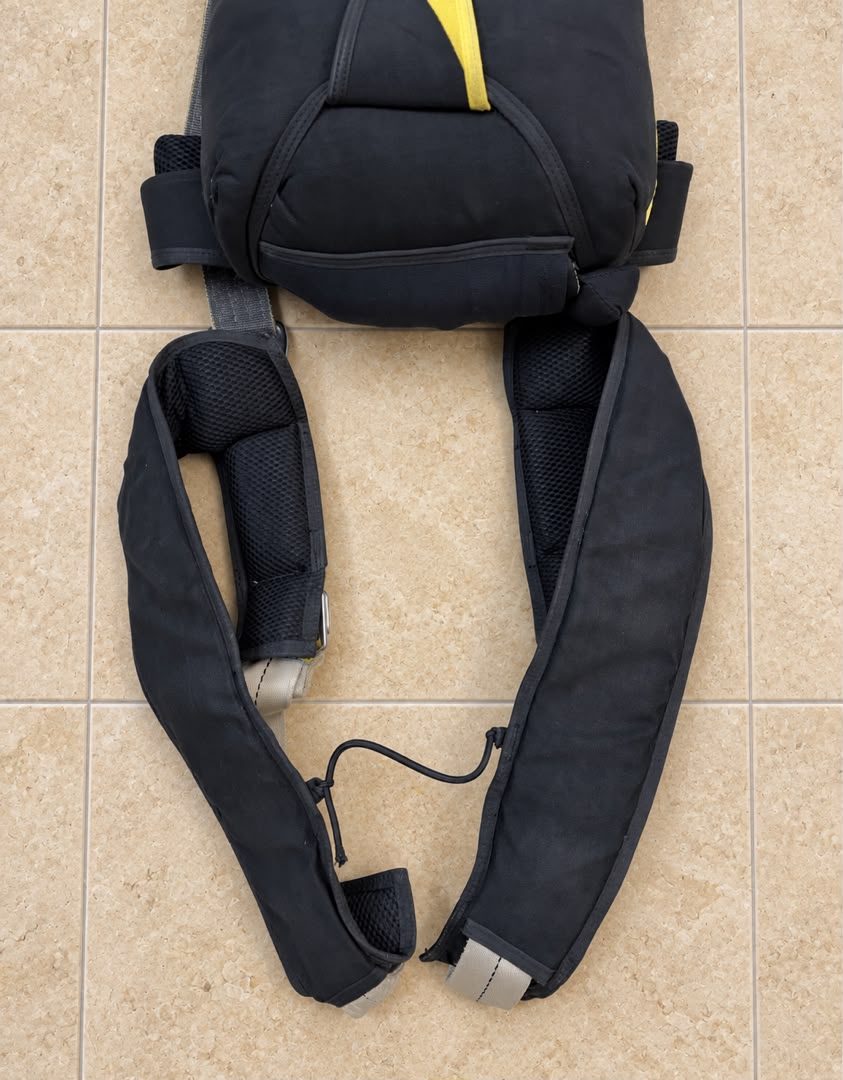





Used V306 – whit JFX2 94 -Cypress

€3,600.00
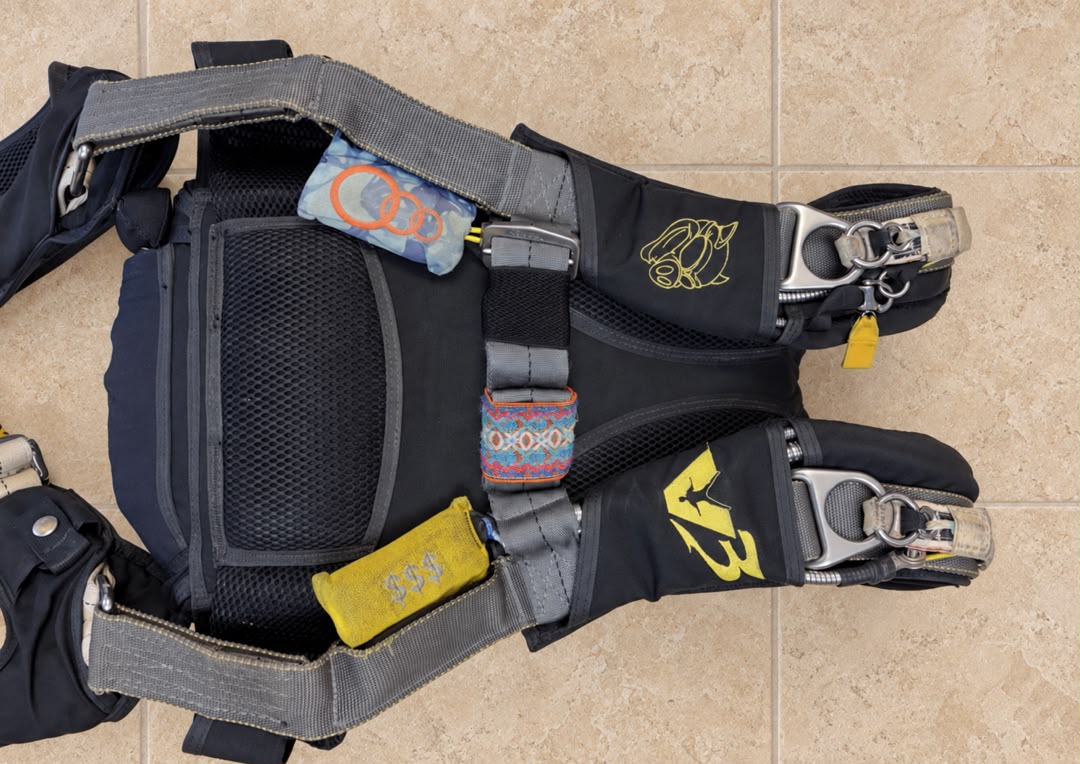
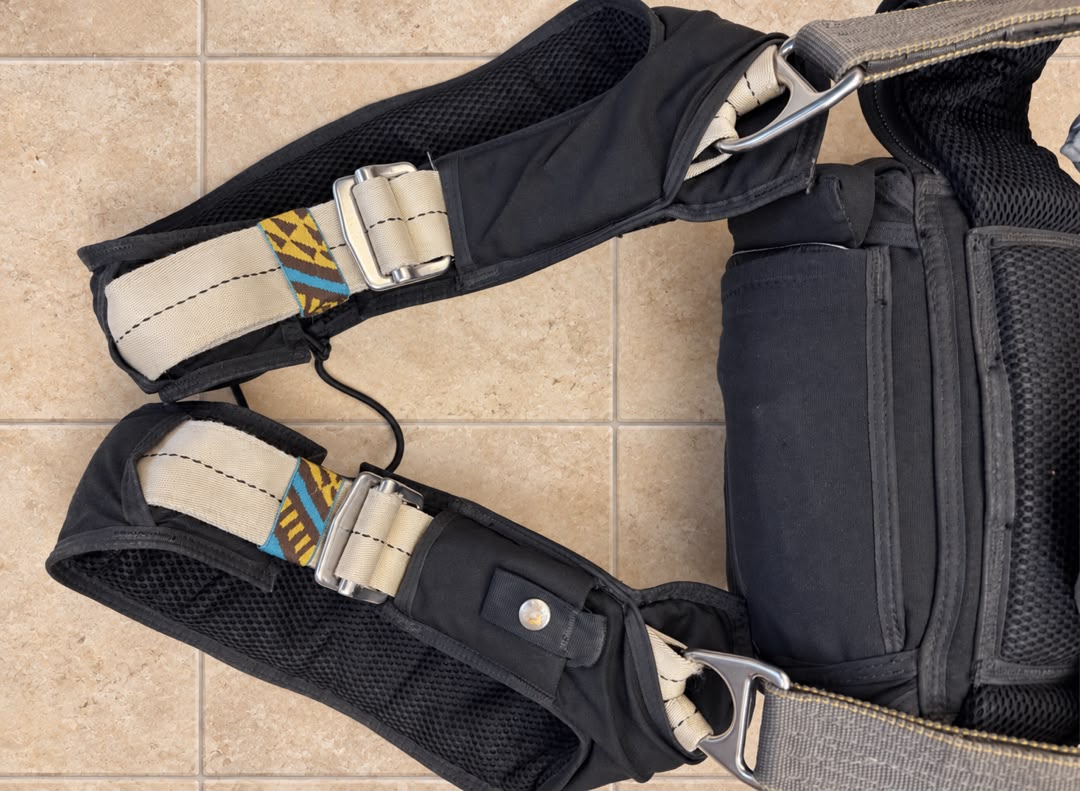
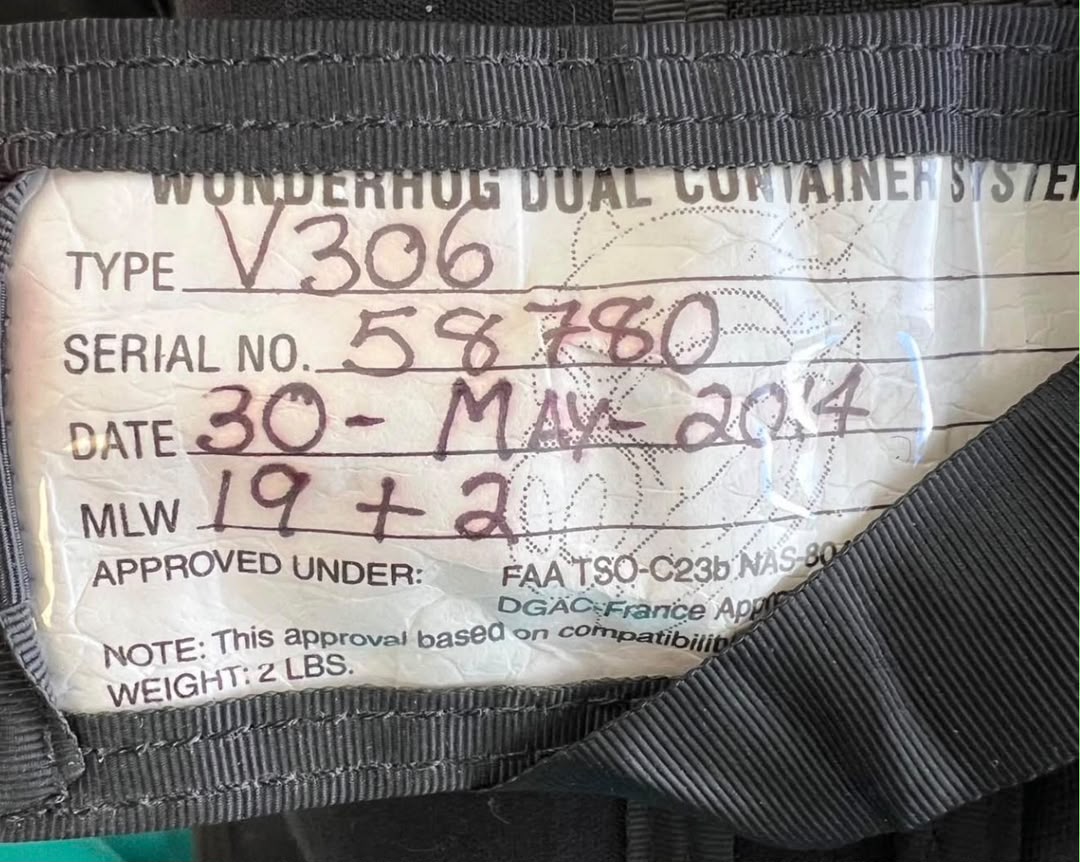
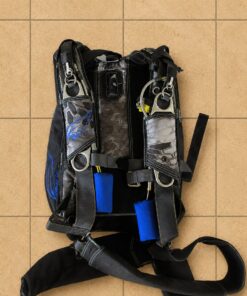
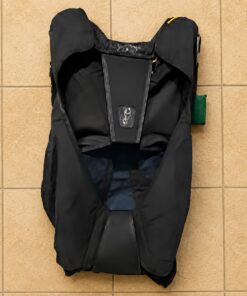
Used Vector V306 with JFX2 94 and CYPRES
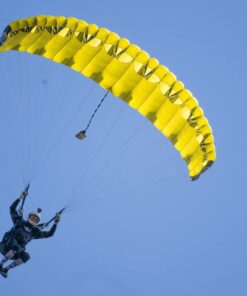
This Used Vector V306 complete skydiving rig is a compact, high-performance setup configured with a yellow and white JFX2 94 cross-braced main canopy and a CYPRES automatic activation device. The system was previously used by a jumper approximately 1.91 m tall and 98 kg, remained in active use until September 2026, and is currently not being jumped.
The included JFX2 94 has approximately 100 reported jumps, making it a relatively low-use example. Its cross-braced construction is designed for experienced canopy pilots who want strong aerodynamic efficiency, responsive handling, powerful flight characteristics, and high-performance landing capability.
Key Details
- Harness/Container: Vector V306
- Main Canopy: JFX2 94
- Canopy Color: Yellow and white
- Main Jumps: Approximately 100
- AAD: CYPRES
- Previous User Height: Approximately 1.91 m
- Previous User Weight: Approximately 98 kg
- Last Active Use: fabuary 2026
- Current Status: Not presently in use
- Canopy Type: 7-cell cross-braced high-performance main
- Recommended User: Appropriately experienced and current canopy pilot
The V306 is built around compact canopy volumes and provides a close, streamlined harness/container profile when correctly fitted. Because the previous jumper was relatively tall and heavy, a new owner should verify actual harness dimensions rather than relying only on height and weight.
Before returning the system to service, the complete rig should be professionally inspected. Particular attention should be given to harness webbing, risers, suspension-line trim, slider condition, deployment components, reserve status, three-ring system, closing loops, CYPRES manufacture date, battery/service history, and overall container condition.
For the right pilot, this setup offers an attractive combination of a premium compact container, relatively low-use JFX2 94, responsive cross-braced performance, and electronic reserve activation protection in one advanced complete system.
Used Vector V306 with JFX2 94 and CYPRES – High-Performance Complete Skydiving Rig
Vector V306, JFX2 94 Main, CYPRES AAD, Fit, Flight Performance, Rig Configuration, and Important Buyer Information
This Used Vector V306 with JFX2 94 and CYPRES is a compact, high-performance skydiving setup built for an experienced and current canopy pilot. The rig was previously used by a jumper approximately 1.91 m tall and 98 kg, remained in active use until September 2026, and is currently not being jumped. The included main is a distinctive yellow and white JFX2 94, with approximately 100 reported jumps.
The Vector V306 belongs to United Parachute Technologies’ compact Micron container family. UPT’s current sizing information places the V306 in a very small high-performance canopy category and lists cross-braced mains around the 85–95 sq ft range, including a JFX2 90 reference fit. Exact compatibility of this JFX2 94 should still be confirmed by a qualified rigger because actual pack volume varies between individual canopies and configurations Used V306 whit JFX2 94 Cypress.
Vector V306 Harness and Container
The V306 is a compact harness/container designed around smaller main and reserve pack volumes.
A correctly fitted system should remain stable against the jumper’s back while maintaining comfortable access to deployment and emergency handles.
Because this example was previously fitted for someone around 1.91 m and 98 kg, prospective buyers should compare actual harness measurements rather than assuming height and weight alone guarantee compatibility.
Height: 1.91 m
The previous user’s stated height is approximately 1.91 metres.
Height provides a useful first reference for harness sizing, although torso length, chest dimensions, hip position, inseam, thigh circumference, and individual body proportions also affect fit.
A professional fit check is strongly recommended before purchase.
Weight: 98 kg
The previous user’s body weight was approximately 98 kg.
However, body weight should never be confused with total exit weight.
The complete rig, clothing, helmet, footwear, cameras, and accessories increase suspended weight and therefore influence wing loading on a 94-square-foot main.
Used Until September 2026
This system remained in active use until September 2026.
Recent operational use can provide useful context because the system has not simply remained stored for many years.
Nevertheless, its current condition should still be inspected before its next jump.
Currently Not in Use
The rig is currently not being jumped.
A pre-sale or return-to-service inspection should include the harness, container, main canopy, reserve, risers, deployment components, cutaway system, reserve system, and AAD.
Yellow and White JFX2 94
The included main is a yellow and white JFX2 94.
The JFX2 is a 21-chamber, seven-cell cross-braced high-performance canopy. JYRO describes it as providing cross-braced performance with relatively accessible handling compared with more competition-focused designs.
Approximately 100 Jumps
The JFX2 94 has approximately 100 reported jumps.
That represents relatively low use for the canopy itself, assuming the stated history is accurate and the fabric, lines, slider, stitching, and internal structure remain in appropriate condition.
Cross-Braced Construction
Cross-bracing increases internal structural support.
Instead of relying only on the normal ribs separating cells, additional diagonal structures help maintain a more rigid aerodynamic profile.
That construction supports efficient flight and higher performance but also demands greater pilot experience.
JFX2 94 Flight Character
The JFX2 was designed for strong aerodynamic efficiency, powerful flight, and high-performance landing characteristics.
JYRO describes the model as suitable for pilots moving into their first cross-braced platform as well as experienced high-performance canopy pilots, although its own historical guidance notes that transitions commonly happen after substantial canopy-specific experience.
Precision and Responsiveness
A 94-square-foot cross-braced canopy can respond quickly to pilot input.
Consequently, precision matters.
Smooth control input, altitude awareness, traffic management, and appropriate coaching are significantly more important than simply owning a high-performance canopy.
Wing Loading
At a previous body weight of 98 kg, total suspended weight would be higher once the complete system and equipment are added.
Therefore, this 94-square-foot wing could represent a substantial wing loading.
The exact figure should be calculated from actual exit weight before determining suitability.
Canopy Flight
During canopy flight, the JFX2 provides a highly responsive and efficient platform.
Its rigid cross-braced structure is intended to retain aerodynamic shape during demanding flight.
However, performance should always be matched to pilot experience and current skill level.
Landing Performance
The canopy is designed for experienced pilots seeking powerful landing performance.
Its energy retention means approach planning and disciplined technique are essential.
High-performance landing training should be completed under qualified coaching rather than learned through experimentation.
Skydiving Downsizing Chart
A skydiving downsizing chart may provide general reference information.
However, it cannot determine whether a JFX2 94 is suitable for a specific person.
Experience, currency, coaching, wing loading, landing accuracy, prior canopy progression, and environmental conditions must also be evaluated.
Smallest Canopy
Choosing the smallest canopy possible is not an appropriate progression strategy.
A smaller wing generally increases speed and reduces margins for error.
Proper progression is based on demonstrated control rather than size alone.
Jumper Pilot Experience
The ideal jumper pilot for this setup should already have substantial canopy experience.
JYRO’s published product guidance has historically suggested that pilots transitioning to the JFX2 commonly have around 1,000 or more total jumps, although individual readiness depends more specifically on canopy experience, coaching, and demonstrated skill.
Parachute Rig
This complete parachute rig combines a compact container, high-performance main, reserve system, and electronic activation device.
Each component should be evaluated both individually and as part of the complete assembly.
Skydiving Rig
A properly configured skydiving rig depends on correct main and reserve pack volumes, harness fit, deployment-system compatibility, and maintenance.
UPT’s fitment information provides useful guidance, but individual inspection remains necessary.
Container Skydive Compatibility
Anyone researching container skydive sizing should not rely only on the number printed on a canopy.
UPT’s V306 fitment references show approximately 85–95 sq ft for cross-braced mains, with 90 sq ft listed as its ideal reference size.
Linewear
Even with only around 100 reported jumps, linewear should be checked.
Suspension lines should be inspected for shrinkage, abrasion, glazing, damaged stitching, and altered trim.
A visual inspection alone cannot always identify dimensional changes.
Parts of a Parachute
People researching parts of a parachute should understand that the complete system incorporates much more than the visible canopy.
The container, harness, deployment bag, pilot chute, bridle, risers, lines, reserve, handles, three-ring release system, and activation device all contribute to the complete assembly.
CYPRES AAD
The listing specifies a CYPRES unit, sometimes misspelled as “Cypress.”
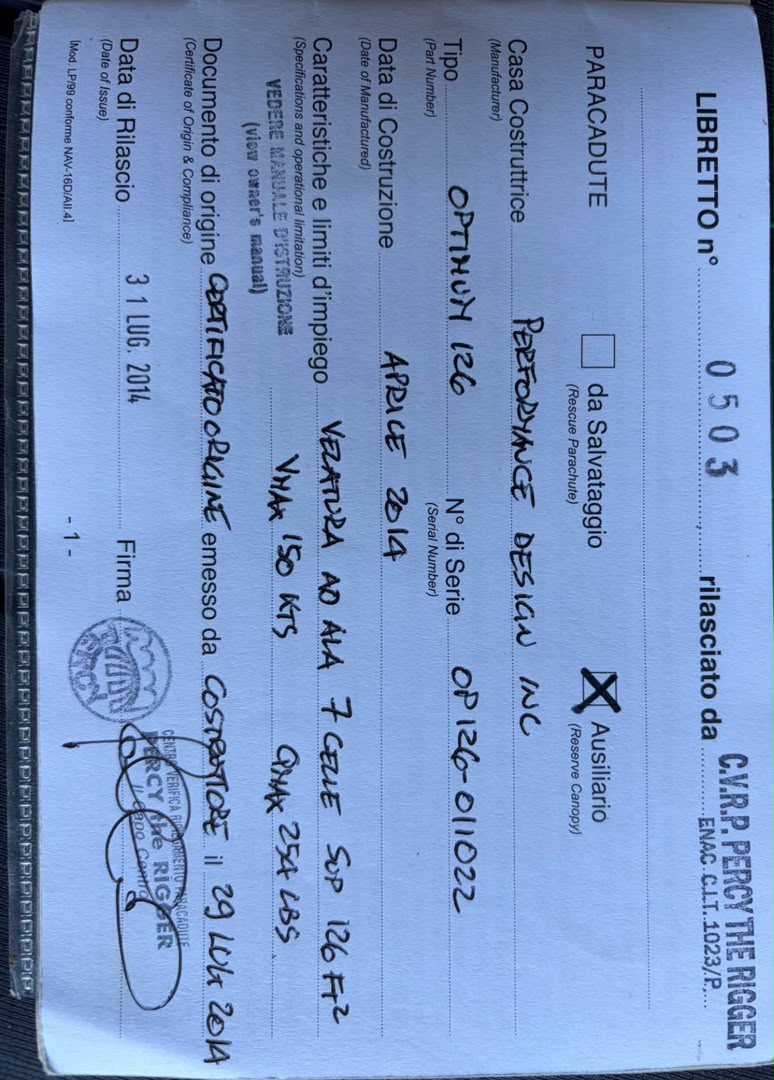
The precise CYPRES model and DOM should be confirmed before advertising its remaining service life.
For CYPRES 2 units manufactured from January 2017 onward, Airtec currently states a service life of 15.5 years, with voluntary maintenance opportunities around five and ten years after manufacture. Older units follow different schedules.
CYPRES Service History
Before purchase, buyers should verify:
- Exact model
- Date of manufacture
- Serial number
- Maintenance history
- Cutter configuration
- Current operational status
- Remaining manufacturer service life
These details are important because AAD requirements depend directly on the individual unit.
Cypress Fire Skydiving
The supplied phrase cypress fire skydiving appears to refer to CYPRES-related searches rather than a separate component.
The correct product name is CYPRES, manufactured by Airtec.
Fire Parachute
The phrase fire parachute does not describe the Vector or JFX2 system.
It should not be interpreted as one of the rig’s technical features.
Skydiving Rigging
Professional skydiving rigging is essential when transferring a compact high-performance system between owners.
A qualified rigger should verify reserve status, closing loops, risers, main deployment system, harness condition, cutaway cables, reserve cable, three-ring system, and canopy installation.
Tracking Jump
A tracking jump introduces horizontal freefall movement before deployment.
The pilot should maintain appropriate separation and a stable deployment position before transitioning to this high-performance main.
Wingsuit Sport
The wingsuit sport creates different deployment considerations.
The JFX2 is not generally selected because someone simply wants the smallest possible canopy for wingsuit flying.
Canopy choice should match the discipline.
Wingsuit
A wingsuit changes freefall aerodynamics and deployment conditions considerably.
Suit compatibility should be considered separately from container fit.
Vector Wingsuit
The term vector wingsuit can describe searches combining Vector containers with suit-flying equipment.
The V306 remains a harness/container, not a flying suit.
Gliding Suit Wingsuit
A gliding suit wingsuit is specialized freefall clothing.
It is not included unless specifically stated.
Skydiving Gliding Suit
Similarly, a skydiving gliding suit is separate equipment.
Wing Suits for Sale
People researching wing suits for sale should evaluate body measurements, experience level, rig compatibility, and deployment characteristics independently.
Price of Wingsuit
The price of wingsuit equipment is unrelated to the market value of this complete rig unless a suit is specifically included.
Indoor Wingsuit
An indoor wingsuit environment differs substantially from aircraft jumping.
Tunnel training does not replace actual canopy-piloting progression.
Tandem Wingsuit
The phrase tandem wingsuit does not describe any component of this system.
Fly Suits
Fly suits are freefall garments and should be treated as separate equipment.
Landing Flight Risers
The phrase landing flight risers generally relates to advanced canopy-control techniques.
Because this is a high-performance wing, riser inputs should only be explored within appropriate coaching and with sufficient altitude.
CRW Skydiving
CRW skydiving involves deliberate canopy-relative formations.
JYRO states that it does not currently build a dedicated CRW canopy, and the JFX2 belongs to its high-performance category instead.
Base Jumping
This is not a base jumping rig.
Conventional sport systems contain both a main and reserve and are designed around aircraft skydiving requirements.
Baseline Jumping
The term baseline jumping is often mistakenly used when referring to BASE.
This rig remains intended for conventional sport parachuting.
Base Canopy
A base canopy is fundamentally different from the JFX2.
The JFX2 is a cross-braced sport-skydiving main.
Safire 3
A Safire 3 belongs to a substantially more accessible sport-main category.
A pilot moving from that class directly to a very small cross-braced canopy should follow an appropriate progression plan rather than treating the designs as equivalent.
Fluid Wings
Fluid Wings manufactures other sport and high-performance canopies.
Selection should focus on actual experience and intended use rather than brand alone.
Skydiving Helmet
A skydiving helmet should fit securely and provide good visibility.
It is not included unless stated.
Skydive Helmets
Various skydive helmets can be paired with a performance rig depending on discipline.
Full Face Skydiving Helmet
A full face skydiving helmet can provide facial and eye protection.
Skydiving Helmet Full Face
The phrase skydiving helmet full face describes the same equipment category.
Sky Helmet Skydiving
A sky helmet skydiving search generally concerns personal protective equipment.
G35 Helmet
A G35 helmet is a separate product and should not be assumed to accompany the rig.
Best Skydiving Helmet
The best skydiving helmet depends on fit, visibility, discipline, comfort, and personal preference.
Cookie G4 Helmet
A Cookie G4 helmet is another commonly researched full-face option.
Skydiving Glasses
Skydiving glasses or goggles provide eye protection.
Skydiver Goggles
Skydiver goggles should remain secure at freefall speeds.
Can You Wear Glasses While Skydiving
For people asking can you wear glasses while skydiving, suitable over-glasses goggles or compatible helmets may accommodate corrective eyewear.
Hook Blade Knife
A hook blade knife is an emergency cutting tool.
Its presence should be confirmed separately.
Hook Knife Skydiving
The phrase hook knife skydiving refers to the same general emergency-equipment category.
Skydive Hook Knife
A skydive hook knife should remain accessible without obstructing harness operation.
Freefly Pud Handle
A freefly pud handle is a deployment-handle option used with some systems.
The exact deployment handle installed on this V306 should be confirmed from the physical rig.
Gear Bag Skydive
A quality gear bag skydive setup can protect the container and canopies during transportation.
Skydiving Equipment List
A complete skydiving equipment list commonly includes a harness/container, main, reserve, activation device, helmet, altimeter, goggles, and appropriate clothing.
Weight Limit Skydiving
The phrase weight limit skydiving is especially relevant to this setup because the previous jumper weighed approximately 98 kg.
Actual exit weight and resulting loading must be calculated before determining whether the 94-square-foot canopy is suitable.
Parachute Jump Australia
Searches for parachute jump australia often concern drop zones, tandem operations, or equipment information.
Local regulations should always be checked.
Skydive Byron Bay
Skydive Byron Bay is a destination-related search rather than a technical feature.
Cairns Skydiving
Likewise, cairns skydiving concerns location-based jumping.
Skydiving Blue Hole Belize
Skydiving Blue Hole Belize describes destination skydiving rather than this rig.
Skydive Belize
The phrase skydive belize also relates to a destination.
iFLY Colorado Springs
iFLY Colorado Springs concerns indoor body-flight training.
Tunnel skills can improve body awareness but cannot substitute for high-performance canopy coaching.
Skydiving Speed
Skydiving speed usually refers to freefall velocity.
A cross-braced canopy’s speed after deployment is a separate performance consideration.
Speed Sky Diving
Speed sky diving is a specialized freefall discipline and should not be confused with high-performance canopy flight.
Nude Parachute Jump
A nude parachute jump is a novelty activity and has no relationship to this equipment’s technical specifications.
Skydiving Nude
Likewise, skydiving nude is unrelated to the V306 or JFX2.
New Skydive
Searches for new skydive may lead to current training, drop-zone, or equipment resources.
#Skydiving Latest
The phrase #skydiving latest may help users find current sport discussions and equipment news.
Skydiving Website
A reputable skydiving website can provide background information, although UPT, JYRO, Airtec, and qualified riggers should be the primary technical references for this particular system.
Skydiving Tube
A skydiving tube is a separate freefall prop and is not included with this setup.
Why This Complete Setup Stands Out
This V306 package combines a compact premium harness/container, a relatively low-use yellow and white JFX2 94 with approximately 100 reported jumps, and a CYPRES activation device in a complete high-performance configuration.
The JFX2 provides a modern cross-braced aerodynamic platform with strong efficiency and powerful performance, while the V306 is specifically designed around compact canopy pack volumes.
For the right experienced and current pilot, the system can provide an exceptionally capable setup. However, its small cross-braced main and the previous user’s 98 kg body weight make accurate wing-loading calculations, harness fit verification, current reserve inspection, CYPRES service-history verification, and professional rigger evaluation particularly important before the rig returns to service.
Harness Fit, Main Canopy Behavior, Opening Characteristics, AAD Readiness, Reserve Condition, Line Health, Flight Response, and Practical Ownership
This compact high-performance setup should be evaluated as a complete system rather than as separate components. The harness/container, small cross-braced main, reserve, activation device, risers, deployment components, and emergency handles all need to work together correctly. Because the system was previously used by a taller and heavier jumper, body fit and total suspended weight are especially important. The relatively low jump count on the main is a positive factor, but condition, service history, and current inspection status remain more important than jump numbers alone.
Harness Fit for a Tall User
The previous owner was approximately 1.91 m tall.
That provides a useful starting point when evaluating fit, but height alone does not define harness compatibility.
Torso length, chest size, waist measurement, hip position, thigh circumference, and inseam all influence how the system sits on the body.
Weight and Harness Loading
The previous user’s body weight was around 98 kg.
Once the complete system, clothing, helmet, shoes, and accessories are added, total suspended weight becomes higher.
That affects both harness loading and main-canopy performance.
Shoulder Position
The main lift web should sit naturally along the torso.
The shoulder area should feel secure without excessive looseness.
A harness that sits too high or low can affect comfort and handle access.
Leg Strap Fit
Leg straps should remain secure around the upper thighs.
They should not slide excessively or create uneven pressure.
Correct positioning improves both comfort and stability.
Chest Strap Position
The chest strap should sit comfortably and operate smoothly.
The buckle should lock securely.
Webbing should remain free from cuts, abrasion, or contamination.
Container Position
The container should sit close to the back.
Excessive movement can indicate poor fit.
A stable position is particularly important with a compact, performance-oriented system.
Handle Accessibility
Deployment and emergency handles must remain easy to reach.
This should be checked while wearing the complete system.
A fit that restricts handle access should not be accepted.
Main Canopy Size
The included main is very small and highly performance-oriented.
That means pilot experience, current skill level, and total suspended weight are critical.
The canopy should never be selected simply because it physically fits the container.
Approximately 100 Jumps
The main has approximately 100 reported jumps.
That is relatively low use.
However, line condition, trim, fabric health, slider condition, and storage history still need to be confirmed.
Fabric Condition
The top and bottom surfaces should remain free from holes, burns, abrasion, or weakened areas.
A healthy fabric surface helps preserve internal pressure.
That contributes to predictable flight and consistent flare.
Leading Edge
The leading edge should remain smooth and undamaged.
Any distortion can affect inflation.
Stitching around the nose should also remain intact.
Internal Structure
Cross-braced designs rely heavily on internal structure.
Ribs, diagonal supports, internal seams, and crossports should be inspected carefully.
Hidden internal damage can affect performance even when the exterior looks good.
Suspension Lines
The line set should be inspected from attachment points to risers.
Look for shrinkage, abrasion, glazing, contamination, and damaged fibers.
High-performance canopies can be particularly sensitive to trim changes.
Line Trim
Even visually healthy lines can change length.
Trim changes can alter openings, recovery, glide, control response, and landing characteristics.
Measurement provides better information than appearance alone.
Brake Lines
Control lines should remain symmetrical and properly adjusted.
They experience frequent handling.
Any damage or excessive shrinkage should be addressed.
Slider Condition
The slider should remain structurally sound.
Fabric, reinforcement, and grommets should be inspected.
Damaged grommets can accelerate line wear.
Opening Behavior
A small cross-braced wing can have more dynamic opening characteristics than a larger intermediate main.
A stable deployment position, correct packing, healthy lines, and appropriate deployment speed all influence the result.
Heading Control
Consistent heading performance is important.
Repeated turns during inflation can indicate packing, trim, body-position, or equipment issues.
Changes should be investigated.
Inflation Sequence
The canopy should pressurize cleanly.
Uneven cell inflation, hesitation, or repeated asymmetry should not be ignored.
Internal structure and line trim may need inspection.
Full-Flight Performance
Once fully inflated, the wing should feel rigid and efficient.
Cross-bracing helps maintain the aerodynamic shape.
That can produce strong performance but also quicker response.
Toggle Response
Toggle inputs should feel balanced.
Uneven pressure can suggest brake-line or trim differences.
Control should remain progressive.
Front-Riser Response
The wing is designed to respond strongly to pitch-changing inputs.
These should be used only within the pilot’s training and experience.
Small errors can have larger consequences on a highly loaded canopy.
Rear-Riser Response
Rear inputs can provide effective pitch and heading control.
The response should feel smooth and symmetrical.
Any imbalance should be investigated.
Recovery Characteristics
A high-performance wing may continue diving after an input before returning toward level flight.
Understanding this behavior is essential.
The pilot should not underestimate the altitude required for recovery.
Glide
Cross-braced construction can provide efficient forward movement.
Actual glide depends on loading, trim, wind, density altitude, and control input.
Performance should be evaluated under normal conditions first.
Speed
A small wing can generate substantial forward speed.
That speed increases with higher loading.
The pilot should already be comfortable managing energy before using the system.
Landing Approach
A disciplined landing pattern is essential.
Traffic, wind direction, available space, and altitude should be assessed early.
Last-second corrections should be avoided.
Flare
The wing should provide a strong flare when flown correctly.
However, flare effectiveness depends on timing and retained energy.
A powerful design cannot compensate for poor technique.
Landing Energy
The canopy may retain substantial energy near the ground.
This demands accurate judgment.
Approach planning should remain conservative.
Wind Conditions
Headwinds, crosswinds, and tailwinds all change ground track.
The pilot should evaluate conditions before every jump.
A small wing can magnify mistakes in changing wind.
Turbulence
Mechanical turbulence near trees, buildings, hills, or other obstacles can make the canopy more active.
Conditions that feel manageable on a larger wing may feel significantly more demanding.
Density Altitude
Hot temperatures and higher elevations increase true airspeed.
Landing distance may increase.
Flare timing can also feel different.
Experience Matching
This system is not intended for someone early in canopy progression.
The main should be matched to substantial recent experience.
Skill matters more than ownership.
Current Currency
A highly experienced jumper who has been inactive for a long period should still be cautious.
Recent currency affects judgment and muscle memory.
A conservative return to activity is preferable.
First Jumps After Purchase
The first jumps should focus on learning the individual system.
Opening behavior, trim, control response, recovery, glide, and flare should all be observed.
Maximum-performance flight should not be the immediate goal.
Reserve Condition
The reserve should be treated independently from the main.
Its DOM, repack date, previous deployment history, and fabric condition should be verified.
A current inspection is essential.
Reserve Packing
A qualified rigger should confirm that the reserve is packed within the required service interval.
Old paperwork should not substitute for current status.
Reserve Compatibility
The reserve must match the container correctly.
Pack volume, deployment bag, pilot chute, closing loop, and reserve tray geometry all matter.
Activation Device Status
The electronic activation device should have its exact model, DOM, serial number, and maintenance status verified.
Operational status should not be assumed merely because the unit powers on.
Battery Status
Battery condition depends on the specific unit and manufacture date.
Maintenance history should be documented.
Any required servicing should be completed before use.
Cutter Condition
The cutter and cable routing should be inspected.
Connections should remain secure.
No part of the system should be pinched or incorrectly routed.
Control Unit
The control head should remain readable and undamaged.
Settings should be appropriate for the intended discipline.
Any warning or error indication should be investigated.
Three-Ring System
The release system should move freely.
Rings, webbing, cables, housings, and loops should be inspected.
Maintenance should follow the manufacturer procedure.
Cutaway Cables
Cables should remain clean and undamaged.
They should move smoothly through their housings.
Contamination or corrosion should be addressed.
Reserve Handle
The reserve handle should remain securely seated but accessible.
Its cable should be inspected for damage.
Routing should be correct.
Main Deployment Components
Pilot chute, bridle, deployment bag, closing loop, and pin should all be compatible.
Damage in any one component can affect deployment.
Closing Loop
The closing loop should remain within appropriate condition and length.
Excessive wear should prompt replacement.
The loop should never be used beyond serviceable condition.
Main Pin
The closing pin should remain smooth.
Sharp edges can damage the loop.
Its attachment should remain secure.
Pilot Chute Condition
Fabric, mesh, kill line, handle, and attachment points should be checked.
A worn pilot chute can affect deployment performance.
Bridle
The bridle should remain free from cuts and burns.
Stitching should be intact.
Any damaged section should be replaced or repaired professionally.
Storage Since Last Use
Because the system is currently not being used, storage quality matters.
It should remain dry, cool, clean, and protected from sunlight.
Long-term compression under heavy objects should be avoided.
Moisture
Any sign of dampness, mildew, odor, or corrosion deserves attention.
The reserve tray and hidden areas should also be checked.
Ultraviolet Exposure
Direct sunlight gradually weakens textile materials.
The system should not be left exposed unnecessarily.
Indoor storage is preferable.
Chemical Contamination
Fuel, oils, solvents, and cleaning chemicals can damage fabric and webbing.
Any suspected contamination should be evaluated professionally.
Pre-Use Inspection
Before returning the system to service, a complete inspection should be carried out.
Harness, container, main, reserve, lines, slider, risers, deployment components, release system, and electronic device should all be reviewed.
Post-Jump Checks
After the first few jumps, inspect the system again.
Look for changes in line condition, slider wear, riser wear, opening behavior, and handle security.
Maintenance Records
Records should include reserve repacks, electronic-device servicing, canopy jump count, line changes, repairs, and inspections.
Good documentation supports long-term ownership.
Buyer Evaluation
A buyer should verify serial numbers and manufacture dates on all major components.
The harness fit should be tested physically.
The main and reserve should be inspected independently.
Long-Term Ownership
A compact high-performance system can remain reliable for many years when properly maintained.
Regular inspections, conservative use, accurate records, and appropriate servicing help preserve condition.
Overall Practical Suitability
This setup combines a compact harness/container with a very small cross-braced main and an electronic activation device, creating a system aimed at an experienced and current pilot. The approximately 100-jump main is a positive feature, but fit, loading, line trim, reserve status, service history, and current professional inspection are more important than jump count alone. When all components are verified and the pilot’s experience appropriately matches the performance level, the system can provide a precise, responsive, and highly capable platform for advanced sport use.
Structural Inspection, Fabric Integrity, Harness Condition, Internal Canopy Health, Line Maintenance, Reserve Readiness, Storage Protection, and Long-Term Reliability
A compact high-performance system requires careful maintenance because every component contributes to overall reliability. The harness, container, main canopy, reserve, suspension lines, slider, risers, deployment components, release system, and electronic activation device all need to remain in serviceable condition. Since the system was used recently and is now inactive, the next owner should pay particular attention to storage effects, line condition, harness fit, reserve status, and whether any maintenance became due after the last active period.
Overall Structural Assessment
The first inspection should consider the complete assembly rather than focusing only on the main canopy.
Webbing, fabric, stitching, hardware, lines, handles, pins, closing loops, and deployment components should all be examined together.
A problem in one area can affect the performance of another.
Harness Webbing
The harness carries the jumper’s full load during deployment and under canopy.
Main lift webbing, lateral sections, leg straps, and chest strap areas should remain free from cuts, fraying, chemical contamination, and excessive abrasion.
Any questionable structural wear should be assessed professionally.
Main Lift Web
The main lift web deserves particular attention.
Stitching should remain tight and uniform.
Any broken thread, damaged edge, or distortion should be investigated.
Shoulder Area
The upper harness should lie naturally across the shoulders.
Webbing should not show unusual stretching.
Hardware should remain properly aligned.
Leg Straps
Leg straps experience repeated loading and movement.
Inspect both the webbing and the areas around adjustment hardware.
Uneven wear should not be ignored.
Chest Strap
The chest strap should remain smooth and strong.
Its hardware should operate without sticking.
Stitching around the attachment points should remain secure.
Harness Hardware
Metal hardware should remain free from corrosion, cracks, sharp edges, and deformation.
Any rough surface can damage webbing over time.
Hardware should move smoothly where movement is intended.
Container Fabric
The container should be checked for abrasion, cuts, damaged corners, and worn flap edges.
Compact systems can experience concentrated wear around flap contact points.
The underside and hidden areas should also be inspected.
Main Tray
The main tray should remain structurally sound.
Grommets, closing-loop areas, and flap edges should be checked carefully.
Any distortion can affect closing geometry.
Reserve Tray
The reserve compartment deserves equal attention.
Internal fabric should remain clean and undamaged.
No moisture, contamination, or unusual compression marks should be present.
Closing Loops
Closing loops should remain within serviceable condition.
Wear, flattening, discoloration, or damaged fibers are reasons for replacement.
Loops should not be reused simply because they still appear functional.
Main Closing Pin
The main pin should remain smooth and correctly shaped.
Any sharp edge can damage the closing loop.
Its attachment to the bridle should also be inspected.
Bridle Condition
The bridle should remain free from cuts, burns, abrasion, and damaged stitching.
The area near the pin and pilot-chute connection deserves particular attention.
Any contamination should be investigated.
Pilot Chute
The pilot chute should be inspected for fabric wear, mesh damage, seam failure, handle condition, and correct attachment.
If it uses a kill-line system, line condition should also be checked.
Deployment Bag
The bag should remain free from tears and damaged stitching.
Closing bands and line-stow areas should remain in good condition.
Any worn parts should be replaced.
Main Canopy Fabric
The high-performance main should be inspected across both upper and lower surfaces.
Look for punctures, abrasion, burns, weakened areas, and discoloration.
Fabric should remain consistent across the entire wing.
Leading Edge
The nose should retain clean shape.
Openings should remain symmetrical.
Any stretching or damaged reinforcement can affect inflation.
Internal Structure
Cross-braced construction depends heavily on internal integrity.
Ribs, diagonal supports, crossports, and internal seams should remain intact.
Damage inside the wing may not be visible during normal packing.
Internal Cross-Bracing
Diagonal supports help preserve the aerodynamic structure.
These should be inspected for broken stitching or material damage.
Any defect can affect rigidity and performance.
Cell Symmetry
Cells should retain similar shape.
Unexpected asymmetry may indicate trim, fabric, or internal-structure issues.
This should be investigated before continued use.
Suspension Lines
Every line should be examined from canopy attachment point to riser.
Look for shrinkage, glazing, abrasion, broken fibers, contamination, and damaged stitching.
Small high-performance wings can be sensitive to even modest trim changes.
Line Trim
Dimensional changes may not be obvious visually.
Professional measurement helps determine whether the line set remains within acceptable trim.
Incorrect trim can alter openings, glide, recovery, and flare.
Cascades
Cascade junctions should remain secure.
These areas experience repeated load.
Stitching should remain clean and intact.
Control Lines
Brake lines should be checked carefully.
They often experience greater wear because they are handled repeatedly.
Their length and symmetry should also be reviewed.
Brake Settings
Brake settings should remain appropriate for the canopy.
Incorrect settings can affect both openings and landing performance.
Any adjustment should be done carefully and documented.
Slider Fabric
The slider should remain free from tears and excessive wear.
Reinforced corners should stay intact.
Fabric should not show unusual stretching.
Slider Grommets
Grommets should remain smooth and firmly seated.
Sharp edges can damage lines quickly.
Any deformation should be corrected.
Riser Condition
Risers should be inspected for webbing damage, broken stitching, and contamination.
Connector areas deserve particular attention.
Any unusual wear should be treated seriously.
Connector System
Soft links or other connectors should remain correctly installed.
Their protective covers and stitching should remain intact.
Incorrect seating can create unnecessary risk.
Release System
The release system should be inspected and maintained according to manufacturer guidance.
Cables, housings, loops, and rings should all move correctly.
Dirt or contamination should not interfere with operation.
Release Cables
Cables should remain smooth and clean.
They should travel freely through their housings.
Any corrosion, bending, or damage should be addressed.
Three-Ring Assembly
The rings should remain free from deformation.
Webbing loops should remain healthy.
Assembly order should be checked during inspection.
Reserve Handle
The reserve handle should remain secure but accessible.
The cable should be examined for damage.
Routing should remain correct.
Reserve Pilot Chute
The reserve pilot chute should be inspected during repack.
Fabric, spring, stitching, and attachment points should remain serviceable.
A current professional repack is essential.
Reserve Canopy
The reserve should be evaluated independently.
Its manufacture date, pack history, prior deployment history, and fabric condition should be verified.
A complete inspection should be performed before return to service.
Reserve Lines
Suspension lines on the reserve should remain free from contamination and damage.
Attachment points and stitching should also be inspected.
Any uncertainty should be resolved before packing.
Electronic Activation Device
The exact model and manufacture date of the electronic activation unit should be confirmed.
Battery status, service history, and remaining manufacturer life all matter.
Powering on successfully does not replace maintenance verification.
Cutter Condition
The cutter and its cable should remain undamaged.
Routing should be correct.
The connection should not be pinched or stressed.
Control Unit
The control display should remain clear and readable.
Buttons should operate correctly.
Any warning code or irregular behavior should be investigated.
Harness Fit After Ownership Change
A new owner should not assume the harness will fit simply because height and weight are similar.
Torso length, hip position, leg size, chest dimensions, and body proportions matter.
A physical fit check is essential.
Storage Since Last Use
Because the system is currently inactive, storage conditions become especially important.
It should remain dry, cool, clean, and protected from ultraviolet exposure.
Long-term pressure from heavy objects should be avoided.
Moisture Protection
Any sign of mildew, musty odor, dampness, or corrosion requires investigation.
Hidden areas inside the container should also be checked.
The system should not remain stored while wet.
Ultraviolet Protection
Direct sunlight can weaken synthetic materials.
The system should be kept shaded when not in active use.
Repeated unnecessary exposure shortens textile life.
Heat Protection
High temperatures can affect coatings, fabrics, and elastic components.
Storage inside hot vehicles should be avoided.
A stable indoor environment is preferable.
Chemical Exposure
Fuel, oils, solvents, cleaning chemicals, and battery fluids can damage webbing and fabric.
Any suspected contamination should be professionally assessed.
Aggressive cleaning methods should not be used.
Dirt and Dust
Fine particles can increase abrasion.
The container, lines, and deployment components should be kept as clean as practical.
Excess dirt should be removed using approved methods.
Sand Exposure
Sand is especially abrasive.
It can collect in grommets, seams, hardware, and webbing.
The system should be cleaned carefully after exposure.
Water Exposure
If the rig becomes wet, it should be dried completely.
Extended storage while damp can damage both fabric and hardware.
Freshwater and saltwater exposure should be treated seriously.
Packing Environment
Packing on clean grass, carpet, or another smooth surface helps reduce wear.
Concrete, gravel, and rough ground can damage fabric.
Careful packing habits preserve condition.
Ground Handling
Dragging the canopy or container should be avoided.
Repeated abrasion can damage fabric quickly.
Good handling protects both appearance and structural integrity.
Pre-Use Inspection
Before every use, the main visible components should be checked.
Lines, risers, handles, bridle, pin, closing loop, webbing, and pilot chute all deserve attention.
Any change from normal condition should be investigated.
Post-Use Inspection
After each jump, inspect for new damage.
Hard landings, rough surfaces, debris, or line twists can create wear.
Early detection prevents minor issues from becoming expensive repairs.
Hard Opening Review
An unusually hard opening can load the system heavily.
Harness stitching, risers, lines, canopy attachment points, and slider components should be reviewed afterward.
Repeated abnormal openings should never be ignored.
Hard Landing Review
A hard landing can stress webbing and hardware.
The lower harness, leg straps, container, and connection points should be checked.
Any unusual impact deserves attention.
Change in Opening Behavior
If openings become noticeably faster, slower, or less symmetrical, the cause should be investigated.
Line trim, slider condition, packing, and fabric health are all possible factors.
Change in Flight Feel
A change in control response, glide, recovery, or flare may indicate trim or mechanical changes.
Performance changes should not automatically be blamed on technique.
Equipment should also be inspected.
Line Replacement Planning
Line condition should be monitored rather than replaced only at an arbitrary jump number.
Trim measurement and visible wear provide better guidance.
Maintenance history should remain documented.
Inspection Records
Professional inspection dates should be recorded.
Reports, maintenance notes, and replacement history increase confidence for future owners.
Clear documentation also supports resale value.
Reserve Records
Reserve packing and inspection history should remain current.
Any previous deployment should be documented.
The next owner should receive all available paperwork.
Device Service Records
Electronic-device maintenance should also be recorded.
Serial number, manufacture date, service events, and battery information should be retained.
These details matter throughout the remaining service life.
Long-Term Resale Value
A premium compact system holds value best when its condition history is transparent.
Clean webbing, healthy fabric, documented maintenance, and current inspections all help.
Good records can be as important as cosmetic appearance.
Professional Maintenance
Structural repairs should be completed by qualified personnel.
Improvised sewing, non-approved materials, or undocumented alterations should be avoided.
Life-support equipment deserves professional work.
Return-to-Service Inspection
Before this system is placed back into active use, a complete return-to-service check is advisable.
Harness fit, reserve status, electronic-device service history, line condition, main-canopy trim, release system, pilot chute, bridle, and deployment components should all be verified.
Overall Long-Term Reliability
A compact high-performance system can provide many years of dependable service when it receives disciplined care. Healthy harness webbing, sound container fabric, intact internal canopy structure, correct line trim, smooth hardware, a current reserve, and properly maintained electronic components all contribute to long-term reliability. Because this system was used recently and is now inactive, a thorough professional inspection before its next use is the best way to establish an accurate baseline for future ownership. With careful storage, regular maintenance, accurate records, and timely replacement of worn components, the system can preserve its structural integrity, consistent deployment behavior, responsive flight characteristics, and long-term value.
Be the first to review “Used V306 – whit JFX2 94 -Cypress”
Related products
used products
used products

used products

used products
used products

used products

used products
Reviews
There are no reviews yet.