






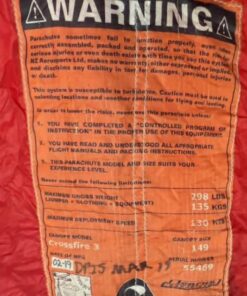

Used Crossfire3 149


€1,200.00
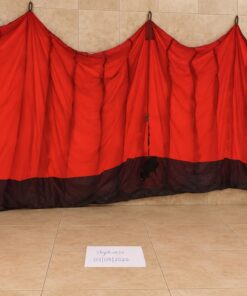
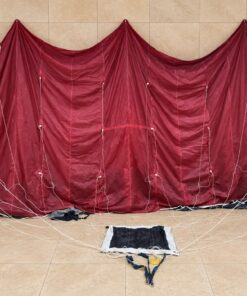
Used Crossfire3 149 Main Canopy
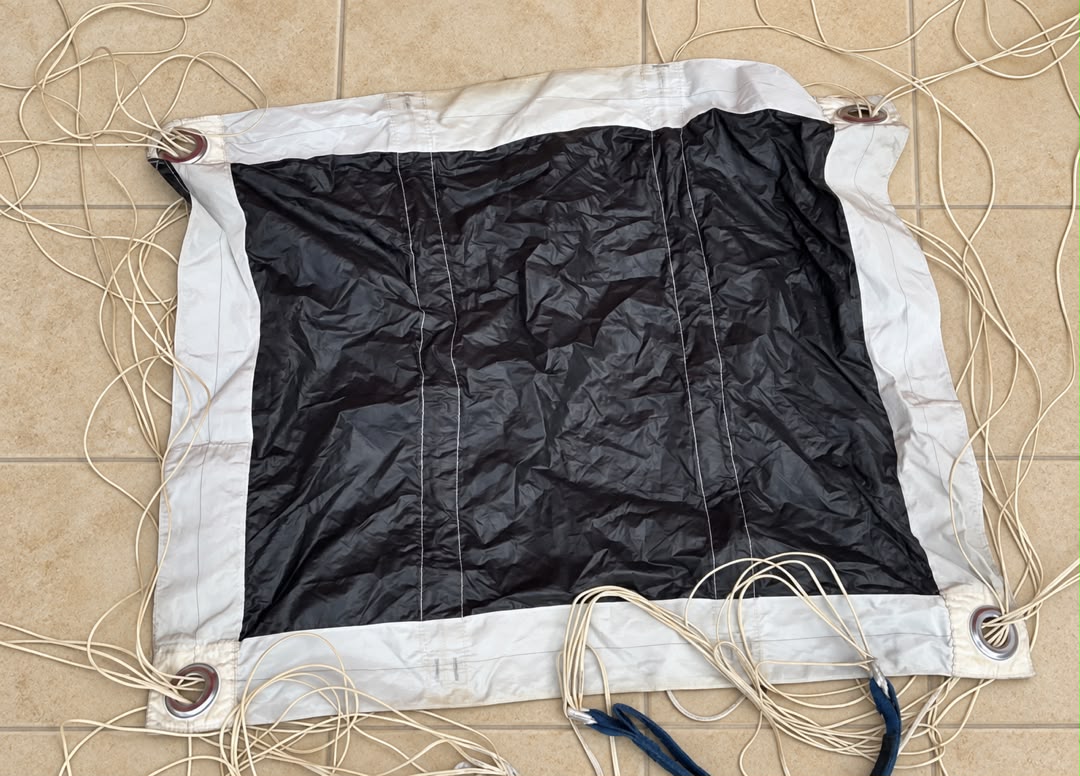
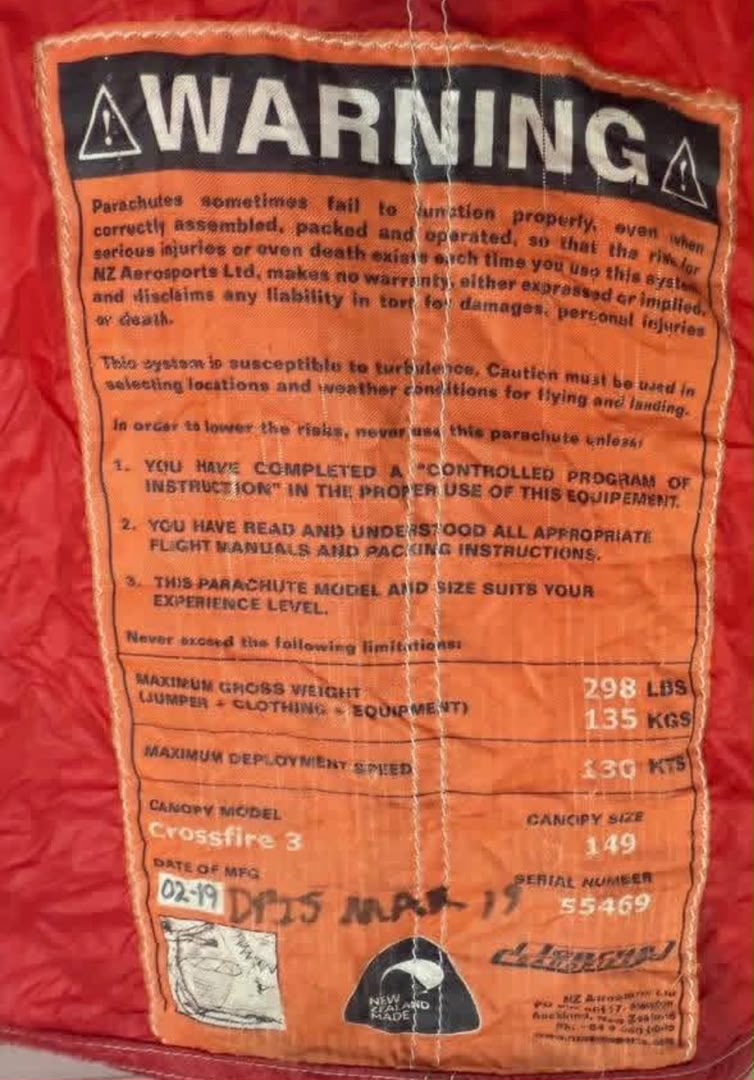
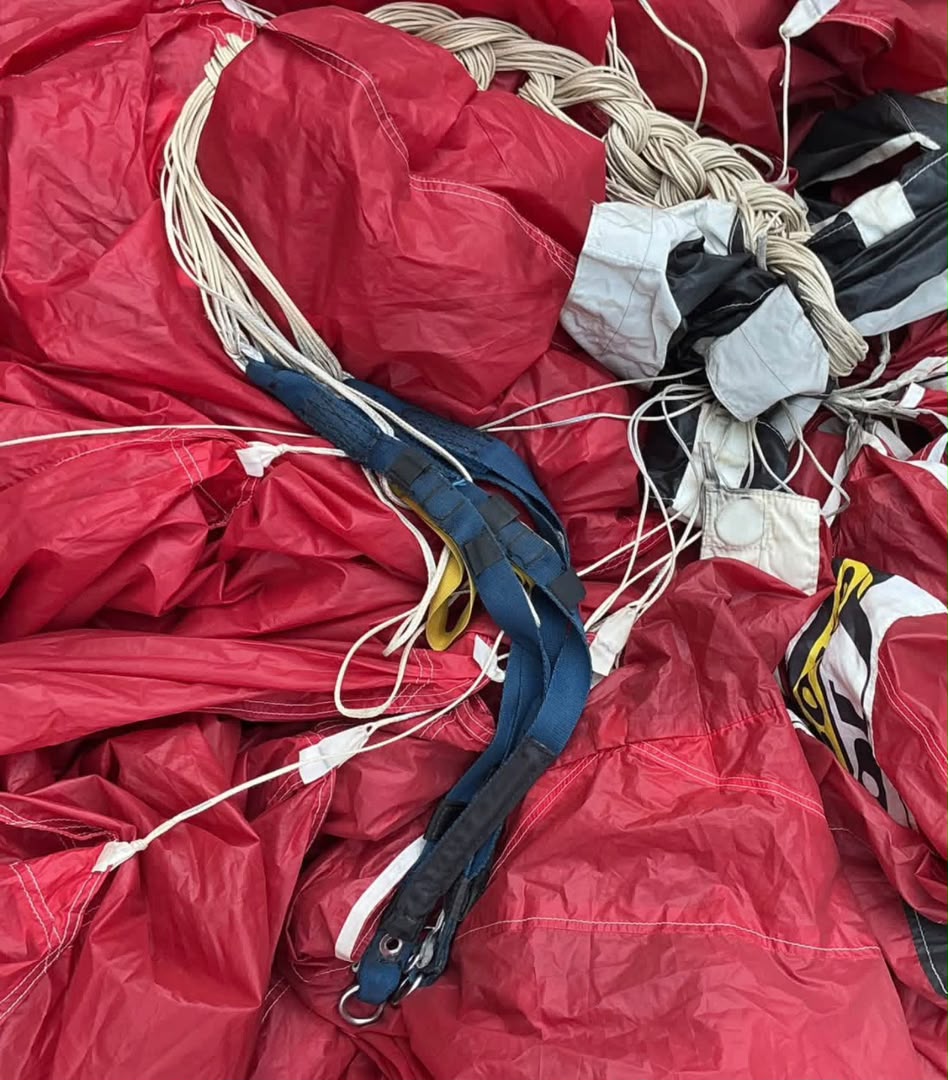
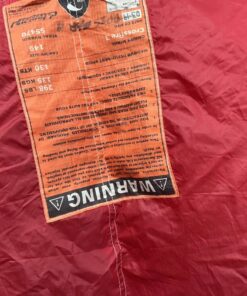
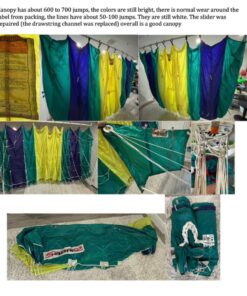
This Used Crossfire3 149 is an excellent-condition performance main canopy with a DOM of 03/2019, approximately 300–350 total jumps, and a replacement line set with only about 80 jumps on it.
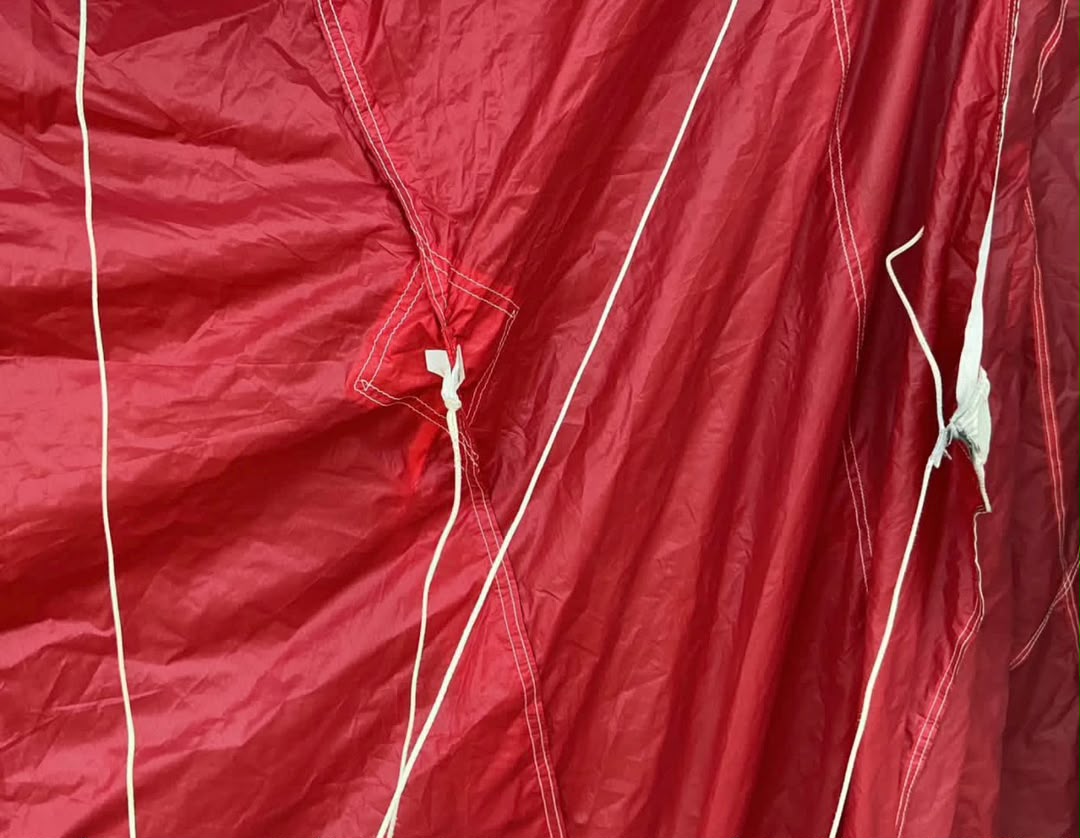
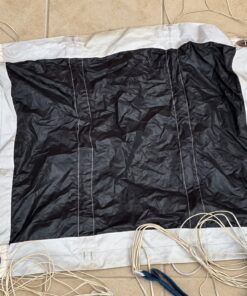
The canopy has recently been inspected by a master rigger and reportedly passed in excellent condition. It has no reported damage, holes, or repairs, while the fabric remains in very good condition with little to no wear around the internal crossports.
Built as a responsive 9-cell elliptical main, the Crossfire3 149 is known for smooth openings, efficient glide, precise handling, a longer recovery arc, and strong flare performance. This particular canopy is reported to open, fly, flare, and land like new, making it an attractive option for an appropriately experienced and current pilot.
Key Details
- Model: Crossfire3 149
- Size: 149 sq ft
- DOM: 03/2019
- Total Jumps: Approximately 300–350
- Line Set: Replaced about 80 jumps ago
- Condition: Excellent
- Damage: None reported
- Holes: None reported
- Repairs: None reported
- Crossport Wear: Little to none
- Fabric Condition: Excellent
- Inspection: Recently inspected by a master rigger
- Opening Performance: Smooth and consistent
- Flight Character: Responsive and efficient
- Flare: Strong and predictable
- Landing Performance: Reported to perform like new
For a buyer looking for a clean used performance main with relatively fresh lines, strong fabric condition, and a documented inspection, this Crossfire3 149 offers a compelling combination of proven use, responsive handling, dependable openings, efficient glide, and powerful landing performance.
As with any used life-support equipment, current compatibility, line trim, fabric condition, slider condition, brake settings, and overall airworthiness should be confirmed before use.
Used Crossfire3 149 – Excellent-Condition 9-Cell Elliptical Main Canopy, DOM 03/2019, 300–350 Jumps, Fresh Line Set
Used Crossfire3 149 Overview, Condition, Openings, Flight Performance, Lines, Fabric, Flare, Inspection, and Buyer Information
This Used Crossfire3 149 is an exceptionally well-kept 149-square-foot sport main canopy with a DOM of 03/2019, approximately 300–350 total jumps, and a replacement line set with only about 80 jumps on it. Most importantly, the canopy has recently been inspected by a master rigger and passed inspection with excellent results.
According to the supplied condition history, this main has no damage, no holes, and no repairs. Crossport wear is described as little to none, while the fabric remains in excellent condition. The canopy is also reported to open, fly, flare, and land like new, making it particularly attractive to an appropriately experienced canopy pilot looking for a proven elliptical sport main without moving immediately into a cross-braced design.
The current manufacturer, JYRO, describes the Crossfire 3 as a 9-cell elliptical sports canopy built around consistent openings, strong glide, responsive flight, and progression-oriented performance. Current production uses high-tenacity zero-porosity fabric designed to maintain reliable openings and smooth flight over repeated use.
DOM 03/2019
The stated manufacture date is March 2019.
A 2019 canopy can still offer many years of useful service when it has been stored correctly, maintained carefully, and inspected regularly.
Age alone does not determine canopy condition. Fabric permeability, stitching, line condition, crossports, slider condition, attachment points, storage environment, and previous use are more meaningful.
Approximately 300–350 Total Jumps
This canopy has approximately 300–350 reported jumps.
That represents established use without necessarily indicating excessive wear.
For a sport main, actual condition is more important than jump count alone, particularly when fabric, internal structure, line trim, and stitching remain healthy.
Lines Replaced Around 80 Jumps Ago
One of the strongest condition points is the relatively fresh line set.
The lines were reportedly replaced approximately 80 jumps ago.
This means the current line set has substantially fewer jumps than the canopy itself, reducing concerns associated with an older high-use line set.
Linewear
Anyone evaluating linewear should look beyond total jump count.
Suspension lines should be checked for abrasion, shrinkage, glazing, broken fibers, contamination, and dimensional changes.
Because this line set has only around 80 reported jumps, significant deterioration would not normally be expected under good operating conditions, although inspection should still confirm actual condition.
Master-Rigger Inspection
The canopy has just been inspected by a master rigger and reportedly passed with flying colors.
That is particularly valuable on used parachute equipment.
Inspection provides additional confidence in fabric, stitching, suspension lines, slider, attachment points, crossports, brake system, and overall structural condition.
No Damage, Holes, or Repairs
This main is reported to have no damage, no holes, and no repairs.
A clean repair history is a strong selling point.
Nevertheless, any buyer should continue normal routine inspections rather than assuming future serviceability from historical condition alone.
Crossport Condition
The internal crossports reportedly show little to no wear.
Crossports allow air pressure to equalize between neighboring cells.
Their condition contributes to the internal structural health of the wing.
Excellent Fabric Condition
Fabric condition is reported as excellent.
Modern zero-porosity material is designed to retain internal pressure efficiently, which supports consistent inflation, aerodynamic shape, glide, and flare.
The current Crossfire 3 is produced with high-tenacity 30-denier zero-porosity ripstop nylon.
149-Square-Foot Size
The Crossfire 3 range includes a 149-square-foot size among its current production options.
However, canopy size alone does not determine suitability.
Exit weight, previous canopy experience, currency, landing proficiency, local conditions, and coaching should all influence the decision.
9-Cell Elliptical Construction
The Crossfire 3 is a 9-cell fully elliptical main canopy. A current Australian dealer also lists it as a zero-porosity, non-cross-braced elliptical design.
This gives it a responsive and performance-focused character while keeping it within the traditional 9-cell sport-canopy category.
Opening Performance
Opening quality is one of the model’s strongest characteristics.
Current manufacturer material emphasizes reliable, consistent openings, while specialist dealer information describes consistently soft deployment behavior.
This particular used canopy is reported to continue opening like new.
Canopy Flight
During canopy flight, the wing offers a much more responsive experience than a conservative rectangular main.
Control inputs should feel immediate and progressive.
Consequently, the pilot should be comfortable with an elliptical wing before selecting this size.
Recovery Characteristics
The Crossfire 3 is known for a longer recovery arc than its predecessor.
Current dealer descriptions emphasize its diving characteristics and long recovery behavior.
That makes altitude awareness and disciplined piloting especially important.
Flare and Landing Performance
The canopy is reported to flare and land like new.
Current descriptions of the design also emphasize a powerful and predictable flare.
A strong flare provides useful landing performance when timing and technique are correct.
Jumper Pilot Experience
Every jumper pilot considering this canopy should evaluate experience and currency carefully.
A performance-oriented elliptical main can react more quickly than a larger, less aggressive wing.
Appropriate instruction remains important.
Skydiving Downsizing Chart
A skydiving downsizing chart can provide general guidance, but it should never be used as the only decision-making tool.
Canopy progression should account for actual flight skills, recent experience, total exit weight, landing consistency, and coaching.
Weight Limit Skydiving
The phrase weight limit skydiving is relevant because suspended weight determines wing loading.
The jumper should calculate full exit weight rather than body weight alone.
Equipment, clothing, helmet, and accessories all contribute.
Smallest Canopy
Searching for the smallest canopy a person can jump is not a reliable progression strategy.
Smaller is not automatically better.
Proper sizing should follow demonstrated canopy skills.
Landing Flight Risers
Pilots researching landing flight risers are often interested in advanced canopy-control techniques.
A responsive elliptical canopy can provide substantial riser authority, but advanced inputs should only be explored with proper instruction and sufficient altitude.
Parachute Rig Compatibility
The canopy must be installed in an appropriate parachute rig.
Pack-volume compatibility depends on container model, canopy fabric, environmental conditions, and packing technique.
Current UPT sizing information, for example, lists the Crossfire3 149 among applicable main-canopy fits for several Vector configurations, illustrating why exact container sizing must be checked rather than guessed.
Container Skydive Compatibility
A container skydive setup should be evaluated using the specific container manufacturer’s compatibility information.
A nominal 149-square-foot label does not guarantee correct pack volume in every container.
Parts of a Parachute
People researching parts of a parachute should understand that this listing concerns the main canopy rather than a complete system.
A complete sport system typically includes the main canopy, reserve, harness/container, risers, deployment bag, pilot chute, bridle, handles, and associated components.
Skydiving Rigging
Professional skydiving rigging is important whenever a used canopy is installed into a different system.
Line continuity, brake settings, soft links or connector hardware, riser compatibility, slider configuration, and deployment-bag fit should all be confirmed.
Skydiving Equipment List
A normal skydiving equipment list may include the main canopy, reserve, harness/container, activation device where applicable, helmet, altimeter, goggles, audible device, appropriate clothing, and other accessories.
This listing is for the main canopy itself unless other components are explicitly included.
Skydiving Helmet
A skydiving helmet is separate equipment.
Helmet selection should be based on fit, intended discipline, visibility, and personal preference.
Skydive Helmets
Searches for skydive helmets may include open-face and full-face designs.
Neither helmet type changes the canopy’s specifications.
Sky Helmet Skydiving
The phrase sky helmet skydiving generally refers to freefall head protection.
It is separate from canopy selection.
Full Face Skydiving Helmet
A full face skydiving helmet can provide facial and eye protection.
It should still preserve peripheral visibility and comfort.
Skydiving Helmet Full Face
The search phrase skydiving helmet full face describes the same general equipment category.
G35 Helmet
A g35 helmet is personal protective equipment and is not included with the canopy unless specifically stated.
Best Skydiving Helmet
The best skydiving helmet depends on fit and discipline rather than canopy model.
Cookie G4 Helmet
A cookie g4 helmet is another popular full-face product searched by sport jumpers.
It should be selected separately.
Skydiving Glasses
Skydiving glasses or suitable goggles protect the eyes during freefall.
Skydiver Goggles
Skydiver goggles should remain secure at freefall speeds.
Can You Wear Glasses While Skydiving
For people asking can you wear glasses while skydiving, suitable over-glasses goggles or certain full-face helmet configurations can often accommodate corrective eyewear.
Hook Blade Knife
A hook blade knife is an emergency cutting tool carried by some skydivers.
It is not part of the canopy.
Hook Knife Skydiving
The phrase hook knife skydiving describes the same general emergency-tool category.
Skydive Hook Knife
A skydive hook knife should remain accessible without interfering with normal operation of the harness.
Freefly Pud Handle
A freefly pud handle is a main deployment-handle configuration associated with certain container systems.
It is unrelated to the aerodynamic specifications of this canopy.
Tracking Jump
A tracking jump involves horizontal separation during freefall before deployment.
The jumper should establish appropriate separation and a stable deployment position regardless of the main canopy being used.
Wingsuit Sport
The wingsuit sport introduces additional deployment considerations.
A conventional elliptical sport main should not automatically be assumed to be the ideal choice for every wingsuit application.
Wingsuit and Vector Wingsuit Searches
Searches for wingsuit and vector wingsuit concern specialized freefall equipment rather than this canopy’s construction.
Canopy choice for suit flying should follow appropriate manufacturer and instructor guidance.
Gliding Suit Wingsuit
A gliding suit wingsuit increases aerodynamic surface area during freefall.
It is a separate item from the main canopy.
Skydiving Gliding Suit
The phrase skydiving gliding suit similarly describes specialized body-flight equipment.
Wing Suits for Sale
Buyers searching wing suits for sale may also be researching complete equipment systems, but a wing suit is not included here.
Price of Wingsuit
The price of wingsuit is independent of the value of this used main.
Indoor Wingsuit
An indoor wingsuit experience does not use a parachute in the same manner as aircraft jumping.
Tandem Wingsuit
The phrase tandem wingsuit refers to specialized experimentation or training concepts and is not a feature of this canopy.
Fly Suits
Fly suits can refer broadly to freefall garments.
They should not be confused with the main canopy itself.
CRW Skydiving
crw skydiving involves canopy-relative work.
It requires discipline-specific skills and equipment decisions.
This main is not being presented as a dedicated formation-canopy wing.
Base Jumping
base jumping involves a different equipment environment from conventional aircraft skydiving.
This sport main should not automatically be treated as BASE equipment.
Baseline Jumping
The phrase baseline jumping is commonly used incorrectly when referring to BASE jumping.
Base Canopy
A base canopy is specifically designed around specialized deployment environments.
The Crossfire 3 is instead a sport skydiving main.
Safire 3 Comparison
The safire 3 is another 9-cell sport main and is frequently considered during canopy progression.
A specialist dealer describes the Crossfire 3 as a possible progression option for pilots moving beyond a Safire-class wing.
However, the two designs should not be treated as having identical handling.
Fluid Wings
fluid wings produces other modern sport and performance canopies.
Model selection should be based on experience, loading, and intended use rather than brand alone.
Parachute Jump Australia
Searches for parachute jump australia may lead to drop zones, gear suppliers, or training information.
Australian retailer Parachutes Australia currently lists the Crossfire 3 as a 9-cell fully elliptical sport main.
Skydive Byron Bay
skydive byron bay is a destination-related search and is not a technical specification for the canopy.
Cairns Skydiving
Similarly, cairns skydiving relates to Australian jump locations.
Skydiving Blue Hole Belize
skydiving blue hole belize concerns destination skydiving rather than canopy construction.
Skydive Belize
The phrase skydive belize similarly relates to destination jumping.
iFLY Colorado Springs
ifly colorado springs refers to indoor body-flight training.
Tunnel skills can improve freefall awareness but do not replace canopy-piloting training.
Skydiving Speed
skydiving speed normally refers to freefall velocity.
Canopy speed is a separate performance consideration influenced by wing loading, design, control input, and environmental conditions.
Speed Sky Diving
speed sky diving is a specialized freefall discipline and is unrelated to the canopy’s stated square footage.
Fire Parachute
The phrase fire parachute generally concerns emergency or specialized parachute searches.
It is unrelated to this sport main.
Cypress Fire Skydiving
The term cypress fire skydiving appears in searches around activation-device or emergency-system topics.
Automatic activation devices are separate from the main canopy.
Nude Parachute Jump
A nude parachute jump is a novelty activity rather than an equipment specification.
Skydiving Nude
Likewise, skydiving nude has no technical connection with this main.
Gear Bag Skydive
A quality gear bag skydive setup can help protect equipment during transportation.
Canopies should be kept away from moisture, excessive sunlight, chemicals, and sharp objects.
New Skydive
The term new skydive often leads users toward current training or equipment information.
#Skydiving Latest
The phrase #skydiving latest may lead to current sport content and gear discussions.
Skydiving Website
A reputable skydiving website can provide useful background information, although manufacturer documentation and qualified riggers should remain primary references for technical decisions.
Skydiving Tube
A skydiving tube is a specialized freefall prop and has no direct connection to this canopy.
Why This Used Main Stands Out
The strongest advantage is its unusually complete condition profile.
The canopy has a DOM of 03/2019, approximately 300–350 jumps, a line set replaced only around 80 jumps ago, no reported damage, no holes, no repairs, minimal crossport wear, excellent fabric, and a recent successful master-rigger inspection.
Furthermore, the Crossfire 3 itself offers the responsive handling, long recovery characteristics, consistent openings, efficient glide, and powerful flare expected from a modern fully elliptical 9-cell performance main.
For an appropriately experienced, current pilot whose exit weight and progression suit a 149-square-foot elliptical canopy, this example provides an attractive combination of proven use, relatively fresh lines, excellent structural condition, and performance reported to remain very close to new.
Opening Behavior, Flight Response, Line Condition, Fabric Performance, Landing Characteristics, Inspection Priorities, and Practical Ownership
This used 149-square-foot main stands out because its reported condition is exceptionally clean for its age and jump count. With approximately 300–350 total jumps, a replacement line set with only about 80 jumps, excellent fabric, very little internal wear, and no reported holes or repairs, it offers a strong combination of established use and preserved performance. Its recent inspection also adds confidence, although every owner should continue normal pre-use and periodic checks.
Opening Characteristics
The canopy is reported to open smoothly and consistently.
Good opening behavior depends on several factors working together, including packing quality, line trim, slider condition, body position, deployment speed, and the overall health of the fabric.
A canopy that has maintained its original shape and internal structure is more likely to retain predictable inflation characteristics.
Heading Control During Deployment
Consistent heading performance is important.
A well-maintained canopy should inflate symmetrically and settle into flight without unnecessary instability.
If heading behavior changes noticeably, line trim, packing method, slider condition, or body position should be reviewed.
Slider Condition
The slider should remain in excellent condition.
Its fabric, reinforced corners, and grommets should be inspected regularly.
Damaged grommets can create premature line wear.
Line Set Age
The replacement line set has approximately 80 jumps.
That is a major advantage compared with a canopy still flying an older, heavily used set.
Fresh lines help preserve trim, control response, opening behavior, and overall handling.
Line Trim
Trim should remain close to specification.
Suspension lines naturally change over time.
Even when they look visually healthy, dimensional changes can affect glide, recovery behavior, brake settings, and flare.
Brake Line Condition
Brake lines receive repeated handling and often show wear earlier than other lines.
They should remain free from abrasion, glazing, knots, and damage.
Their symmetry should also be checked.
Cascade Inspection
Line cascades deserve close attention.
These junctions experience repeated loading.
Stitching should remain intact and evenly tensioned.
Connector Points
Connections between lines and risers should remain secure.
Any soft-link or connector hardware should be inspected carefully.
Improper seating or wear can create unnecessary risk.
Fabric Condition
The fabric is reported to remain in excellent condition.
Good fabric condition is essential because it helps the wing retain internal pressure and aerodynamic shape.
A healthy surface also supports consistent openings and predictable control.
Porosity
Low fabric porosity helps the canopy stay pressurized efficiently.
As fabric ages, increased air leakage can gradually change performance.
The reported condition suggests the material still retains strong structural and aerodynamic qualities.
Leading Edge
The leading edge should remain clean and undamaged.
This is the first section of the canopy to meet the airflow.
Any deformation, tearing, or stitching damage can influence inflation.
Cell Openings
Cell openings should remain symmetrical.
Fabric should not show stretching or distortion.
Clean openings support even pressurization.
Internal Ribs
Internal ribs should remain intact.
These structures help define the canopy profile.
Damage inside the canopy can affect flight even when the exterior appears normal.
Internal Openings
The internal openings show little to no reported wear.
That is an excellent condition indicator.
Minimal internal abrasion usually suggests careful use and healthy structural integrity.
Seam Condition
Structural seams should remain tight and consistent.
Loose or broken stitching deserves immediate attention.
The canopy should also be checked around reinforcement points.
Attachment Points
Line attachment points carry repeated load.
Fabric and stitching around these areas should remain undamaged.
Any stretching or distortion should be investigated.
Flight Response
This canopy is known for a responsive flight character.
Control inputs should feel progressive and direct.
That responsiveness makes smooth technique more important.
Toggle Input
Toggle pressure should feel balanced.
One side should not feel noticeably different from the other.
Asymmetry can indicate line or brake-setting issues.
Rear-Control Response
Rear inputs can provide precise pitch and heading control when used appropriately.
The canopy should respond cleanly and predictably.
Any unusual hesitation should be investigated.
Front-Control Response
Front-control input produces a more aggressive change in flight path.
Because the wing has a performance-oriented design, inputs should be deliberate and controlled.
Recovery Behavior
The canopy has a relatively long recovery characteristic.
This means it may continue diving after certain inputs before naturally returning toward level flight.
That behavior should be respected.
Glide Performance
The canopy offers efficient forward movement.
A strong glide can be useful for returning from longer spots.
However, wind, loading, altitude, and control input all influence actual performance.
Full-Flight Feel
In full flight, the canopy should feel stable but energetic.
The pilot should notice clear response without unpredictable movement.
A healthy line set supports this consistency.
Brake Range
The usable brake range should feel progressive.
Early input should begin reducing speed smoothly.
Deeper input should produce more noticeable pitch and descent changes.
Stall Awareness
Every pilot should understand where the canopy approaches its stall range.
This should be explored only under appropriate supervision and with sufficient altitude.
Control range can vary with line trim and loading.
Flare Power
The canopy is reported to flare like new.
A strong flare is one of its major practical advantages.
Good flare performance can provide a smooth transition from forward speed into lift near landing.
Flare Timing
Timing remains essential.
Even a powerful flare can produce a poor landing if initiated too early or too late.
Pilots should adapt to actual wind and surface conditions.
Landing Energy
A responsive canopy can retain considerable forward energy.
This makes disciplined approach planning important.
A stable final approach is preferable to unnecessary last-second corrections.
Pattern Planning
A predictable landing pattern improves consistency.
The pilot should plan altitude, traffic, wind, and available landing space in advance.
Good planning reduces rushed decisions.
Traffic Awareness
Busy landing areas require constant visual awareness.
The pilot should avoid fixating on one point.
Maintaining awareness of nearby canopies is essential.
Wind Considerations
Wind changes the effective ground track.
Headwinds reduce forward ground speed.
Tailwinds increase it.
Crosswinds can affect alignment.
Turbulence
Turbulent conditions can make a responsive canopy feel more active.
Gusts and mechanical turbulence should be treated conservatively.
Conditions near buildings, trees, and terrain deserve particular attention.
Density Altitude
High elevation and warm temperatures can increase landing speed.
This can affect both approach and flare timing.
Pilots should account for local conditions.
Loading Considerations
The same canopy can behave very differently under different suspended weights.
A higher loading typically increases speed and responsiveness.
Suitability should always be assessed individually.
Exit Weight
Full equipment weight matters.
Body weight alone does not represent actual loading.
Clothing, rig, helmet, and accessories all contribute.
Skill Matching
This type of canopy is best suited to a pilot with appropriate experience.
A good condition used wing does not automatically make it suitable for every buyer.
The pilot’s progression matters just as much as the equipment itself.
Currency
Recent experience is important.
Someone returning after a long break should be cautious about resuming on a responsive wing.
Current skills often matter more than total historical jump numbers.
First Jumps After Purchase
The first few jumps should focus on learning the individual canopy.
Opening behavior, turn response, brake range, glide, recovery, and flare should all be observed carefully.
Familiarity should develop progressively.
Pre-Use Inspection
Before each jump, inspect the lines, slider, fabric, attachment points, brake settings, and connectors.
Look for anything unusual.
Small problems are easier to address early.
Post-Use Inspection
After landing, the canopy should be checked for new damage.
Rough surfaces can cause abrasion.
Vegetation, dirt, or moisture may also affect condition.
Hard Landing Review
A hard or unusual landing can stress the system.
Fabric, line attachments, risers, and connections should be checked afterward.
Any impact damage deserves attention.
Dragging and Ground Wear
Dragging the canopy across rough ground should be avoided.
Repeated abrasion can damage fabric quickly.
Careful gathering preserves material condition.
Dirt and Dust
Fine dirt can collect in seams and fabric folds.
It may also contribute to abrasion.
The canopy should be kept as clean as reasonably possible.
Sand Exposure
Sand can be particularly abrasive.
After use near beaches or sandy areas, the canopy should be inspected carefully.
Lines and slider components deserve extra attention.
Moisture
The canopy should be dried fully before storage.
Long-term dampness can damage materials.
A wet canopy should not be packed away for extended periods.
Salt Water Exposure
Salt residue can be especially damaging.
Any salt-water exposure should be treated seriously.
Appropriate cleaning and professional evaluation may be required.
Ultraviolet Exposure
Sunlight gradually degrades synthetic fabric.
The canopy should not be left exposed longer than necessary.
Packing in shade helps preserve material life.
Storage Environment
Storage should be cool, clean, and dry.
The canopy should be protected from chemicals, fuel, oils, and sharp objects.
Good storage supports long-term performance.
Compression
Normal packed storage is expected.
However, unnecessary heavy pressure over long periods should be avoided.
The system should not be crushed beneath heavy equipment.
Inspection History
The recent professional inspection is an important strength.
However, inspection is not a one-time event.
Routine observation should continue throughout ownership.
Maintenance Records
Documenting line replacement, inspections, repairs, and jump count is valuable.
A clear history makes future condition assessment easier.
It also supports resale confidence.
Resale Value
A clean canopy with documented jump numbers, a relatively fresh line set, excellent fabric, and no repair history is more attractive on the used market.
Transparent records matter.
Buyer Evaluation
A potential buyer should confirm actual condition rather than relying only on photographs.
Fabric, lines, stitching, internal structure, slider, connectors, and brake settings should all be examined.
Professional Review
A qualified rigger can help confirm whether the canopy remains in appropriate serviceable condition.
That is particularly important when transferring equipment between owners.
Packing Compatibility
The canopy should be matched to an appropriate container size.
Pack volume can vary.
The container manufacturer should be consulted rather than relying only on nominal square footage.
Deployment Components
The deployment bag, pilot chute, bridle, and risers should all be compatible.
Good canopy condition cannot compensate for mismatched deployment components.
Overall Ownership Experience
This example offers an appealing balance of proven performance and strong condition. The relatively fresh lines, excellent fabric, minimal internal wear, clean repair history, recent inspection, and reported new-like openings and flare make it especially attractive as a used performance main. For an appropriately experienced and current pilot, careful maintenance and continued professional inspection can help preserve its predictable openings, responsive handling, efficient glide, strong flare, and long-term reliability.
Structural Condition, Fabric Integrity, Line Health, Internal Cell Inspection, Storage Protection, Maintenance, and Long-Term Reliability
A used performance main with a strong inspection history can remain highly serviceable for many years when its fabric, lines, stitching, internal structure, and deployment components are cared for correctly. This particular example benefits from excellent reported fabric condition, very low internal wear, no reported repairs, and a relatively fresh line set. Even so, preserving that condition requires consistent inspection, careful handling, clean storage, and prompt attention to small signs of wear before they develop into larger problems.
Overall Structural Condition
The entire wing should be inspected as one complete structure.
This includes the top surface, bottom surface, ribs, seams, attachment points, reinforcement tapes, lines, slider, brake system, and connector areas.
A healthy canopy should show even fabric tension and consistent construction across all cells.
Top-Surface Fabric
The upper surface experiences airflow and repeated packing contact.
It should remain free from cuts, burns, punctures, and excessive abrasion.
Minor marks should still be monitored because damage can gradually enlarge.
Bottom-Surface Fabric
The lower surface should also remain clean and structurally sound.
This area may experience contact during packing and landing.
Any thinning or unusual discoloration should be investigated.
Leading Edge
The leading edge is critical to inflation.
Its openings should retain their original shape.
Fabric distortion can affect how air enters the cells.
Nose Reinforcement
Reinforcement around the nose should remain intact.
Stitching should not be loose or frayed.
Any wear in this region deserves careful review.
Trailing Edge
The trailing edge works directly with the brake system.
It should remain smooth and even.
Damage here can influence handling and flare response.
Internal Ribs
Internal ribs give the wing its aerodynamic shape.
These panels should remain intact and correctly stitched.
Hidden damage can affect flight even when the exterior looks excellent.
Crossport Condition
The internal openings are reported to show little to no wear.
That is a very positive condition indicator.
These openings help equalize pressure between adjacent cells and should remain free from tearing or distortion.
Crossport Stitching
The stitching around each internal opening should remain secure.
Small tears can grow if ignored.
An internal inspection is valuable when assessing long-term structural health.
Cell Symmetry
Each cell should maintain similar shape.
Uneven deformation can suggest internal wear or tension problems.
The canopy should inflate symmetrically.
Fabric Porosity
Healthy zero-porosity fabric should resist excessive air leakage.
As material ages, porosity can gradually increase.
Good fabric condition helps preserve pressure, glide, and flare.
Fabric Feel
Fabric should remain crisp enough to indicate healthy material condition without becoming brittle.
Unusual softness or excessive permeability can suggest aging.
Texture can provide useful clues during inspection.
Stitching Quality
All structural seams should remain consistent.
Loose, broken, or pulled stitching should be repaired promptly.
High-load areas deserve additional attention.
Reinforcement Tape
Reinforcement tape distributes load across the structure.
It should remain secure and free from tearing.
Damage around attachment points should never be ignored.
Line Attachment Points
Each line attachment point should be inspected carefully.
Fabric should not show stretching or distortion.
Stitching must remain intact.
Suspension Line Condition
The relatively fresh line set is one of the strongest features of this example.
Even so, every line should be checked from attachment point to riser.
Look for abrasion, glazing, cuts, discoloration, and contamination.
Line Trim
Line dimensions can change gradually.
This can influence opening characteristics, control response, recovery behavior, and flare.
Visual inspection alone cannot confirm perfect trim.
Line Symmetry
Corresponding lines should remain similar in length.
Uneven shrinkage can create handling differences.
A professional trim check can identify changes that are not immediately obvious.
Cascades
Cascade junctions deserve close inspection.
They experience repeated loading.
Stitching should remain tight and clean.
Brake Lines
Control lines receive frequent handling.
They should remain free from knots, abrasion, glazing, and excessive shrinkage.
Brake length should remain appropriate.
Brake Settings
Correct brake settings help preserve predictable openings and flight.
Improper adjustment can change both deployment and landing behavior.
Any uncertainty should be resolved professionally.
Slider Fabric
The slider should remain structurally healthy.
Fabric should not show tears or thinning.
Reinforced corners should remain secure.
Slider Grommets
Each grommet should be smooth.
Sharp edges can damage suspension lines.
Any deformation should be corrected.
Slider Movement
The slider should travel freely along the lines.
Binding may indicate line or grommet problems.
Consistent movement supports predictable deployment.
Connector Areas
Line connectors or soft links should remain correctly installed.
Their stitching and protective coverings should remain intact.
Any unusual wear should be investigated.
Riser Interface
The point where the canopy connects to the risers should remain organized and secure.
Line groups should be routed correctly.
Twists or misrouting should be corrected before use.
Packing Wear
Packing introduces repeated friction.
Fabric can experience localized wear around folds and contact points.
A clean packing area helps minimize unnecessary abrasion.
Packing Surface
Grass, carpet, or another clean surface is preferable.
Concrete, gravel, and rough ground can quickly damage fabric.
Careful handling preserves condition.
Ground Dragging
Dragging should be avoided.
Even short distances across abrasive ground can damage the material.
Gathering the canopy carefully is better.
Dirt Exposure
Fine dirt can work into seams and folds.
It acts as an abrasive over time.
Regular inspection helps prevent buildup.
Sand Exposure
Sand can be particularly damaging.
It can affect fabric, lines, slider grommets, and stitching.
Extra cleaning may be needed after sandy environments.
Mud Exposure
Mud should be removed carefully.
Aggressive scrubbing can harm coatings.
The canopy should be fully dried afterward.
Water Exposure
A wet canopy should not remain packed for long periods.
Moisture can contribute to mildew and material degradation.
Drying should occur in a controlled environment.
Salt Water
Salt-water exposure is especially serious.
Salt can remain in fabric and hardware.
Professional advice should be sought if exposure occurs.
Ultraviolet Exposure
Sunlight gradually weakens synthetic material.
The canopy should be kept shaded whenever practical.
Long periods of unnecessary exposure should be avoided.
Heat Exposure
Extreme heat can damage fabrics and coatings.
Hot vehicles and enclosed storage spaces should be avoided.
A stable indoor environment is preferable.
Chemical Exposure
Fuel, oil, solvents, cleaners, and battery chemicals can damage textile materials.
Any suspected contamination should be professionally evaluated.
Do not attempt aggressive cleaning.
Storage Conditions
The canopy should be stored dry, clean, and protected.
Temperature and humidity should remain moderate.
Sharp objects should be kept away.
Long-Term Storage
Extended storage should still include periodic inspection.
Fabric, lines, and connectors should be checked.
A long period without use does not eliminate the need for maintenance.
Compression During Storage
Normal packed compression is expected.
However, heavy objects should not be placed on the system for long periods.
Excessive pressure can distort components.
Transport Protection
A protective equipment bag helps prevent abrasion.
The canopy should be kept away from liquids and sharp hardware.
Good transport habits support long-term condition.
Airline Travel
After air travel, inspect the system before use.
Baggage handling can introduce unexpected compression or impact.
Lines and slider components should be checked.
Pre-Use Inspection
Before each jump, inspect the visible fabric, lines, connectors, brake system, and slider.
Look for anything that differs from the previous use.
Consistency matters.
Post-Use Inspection
After landing, check for new damage.
Rough surfaces, vegetation, and debris can leave marks.
Small issues should be addressed early.
Hard Opening Review
An unusually hard deployment should prompt inspection.
Lines, attachment points, slider, and stitching should be reviewed.
Any sudden change in opening behavior deserves attention.
Unusual Flight Behavior
A change in handling can indicate trim or structural issues.
Uneven turn response, poor flare, or altered glide should not be ignored.
The cause should be investigated.
Flare Changes
A noticeable loss of flare performance may indicate trim change, brake-line change, or fabric aging.
Pilot technique should also be considered.
Persistent change should be professionally assessed.
Opening Changes
Changes in inflation speed or heading consistency can result from packing, line trim, slider condition, or fabric condition.
Patterns should be documented.
Repeated changes deserve investigation.
Jump Count Tracking
Accurate jump records are useful.
They help monitor line age and general use.
Future owners also benefit from clear history.
Line Replacement Records
The previous line replacement should remain documented.
This establishes how much use the current set has seen.
Accurate maintenance records improve resale confidence.
Inspection Documentation
Professional inspection history adds value.
Dates and findings should be retained.
This gives future buyers a clearer picture of condition.
Repair History
The absence of repairs is an advantage.
If any repair becomes necessary later, it should be documented fully.
Transparency is important.
Professional Maintenance
Major structural work should be completed by a qualified specialist.
Improvised repairs are not appropriate.
Correct materials and procedures should be used.
Periodic Trim Checks
Even a relatively fresh line set can change.
Periodic measurement helps identify shrinkage before it becomes obvious in flight.
This supports more consistent handling.
Brake-Line Monitoring
Brake lines may change faster than some suspension lines.
Their condition should be reviewed regularly.
Any adjustment should be documented.
Internal Inspection
Occasional inspection of the internal ribs and crossports is valuable.
Damage inside the wing can go unnoticed during routine packing.
Professional review provides additional confidence.
Maintaining Opening Quality
Smooth openings depend on several factors.
Healthy lines, clean slider grommets, correct packing, sound fabric, and proper brake settings all contribute.
No single component works in isolation.
Maintaining Flight Quality
Predictable flight depends on structural symmetry.
Trim, fabric condition, line integrity, and canopy shape all matter.
Good maintenance helps preserve the original handling character.
Maintaining Landing Performance
Strong landing performance requires healthy fabric, correct trim, and properly adjusted brakes.
The pilot’s technique remains equally important.
Equipment condition and skill must work together.
Used-Canopy Evaluation
A potential buyer should assess actual condition rather than focusing only on age.
Fabric quality, internal wear, line age, inspection history, and repair history provide a better picture.
This example compares favorably in those areas.
Resale Value
A clean canopy with excellent fabric, minimal internal wear, fresh lines, and documented inspections is attractive on the used market.
Good records strengthen buyer confidence.
Long-Term Ownership
Careful ownership is straightforward.
Keep the canopy clean.
Protect it from moisture and sunlight.
Inspect it regularly.
Track line age.
Address wear early.
Overall Long-Term Reliability
This used 149-square-foot performance main presents a particularly strong condition profile. Excellent fabric, almost no reported internal wear, no known holes or repairs, a line set with only about 80 jumps, and a recent successful professional inspection all support its long-term appeal. With careful packing, clean storage, regular line checks, protection from abrasion and sunlight, accurate recordkeeping, and professional maintenance when required, the canopy can preserve its structural integrity, smooth opening characteristics, responsive handling, strong glide, and powerful flare for many future jumps.
Be the first to review “Used Crossfire3 149”
Related products

used products

used products

used products


used products
used products

used products
used products

used products
Reviews
There are no reviews yet.